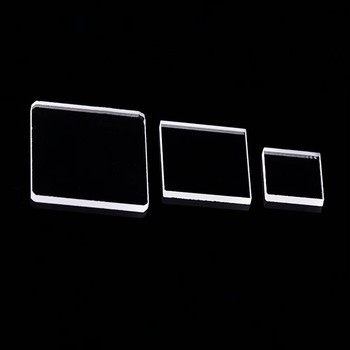
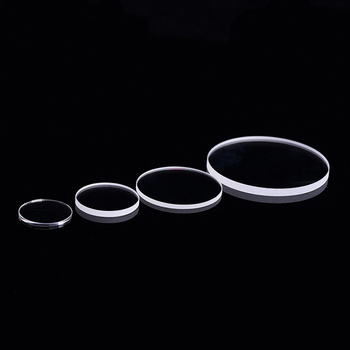
Transparent quartz glass plate optical substrate manufacturing
Engineered Fused Silica Excellence

Transparent Quartz Glass Plate: Precision Optical & Thermal Solutions

The definitive global engineering guide to high-purity fused silica substrates, extreme thermal resistance (1100°C continuous), deep UV-to-IR optical clarity, and custom CNC fabricated quartz plates from Lianyungang, China.

99.99%SiO2 purity grade natural fused silica
1100°CContinuous operating temperature limit
92.65%Global verified customer response rate
≤ 4hDirect technical engineering quote response
13YrsContinuous Alibaba onsite verified standing

Engineering Intelligence

Comprehensive technical specification, material chemistry comparison, and manufacturing insights for procurement managers and design engineers.

Demystifying the Transparent Quartz Glass Plate: Material Science and Core Properties

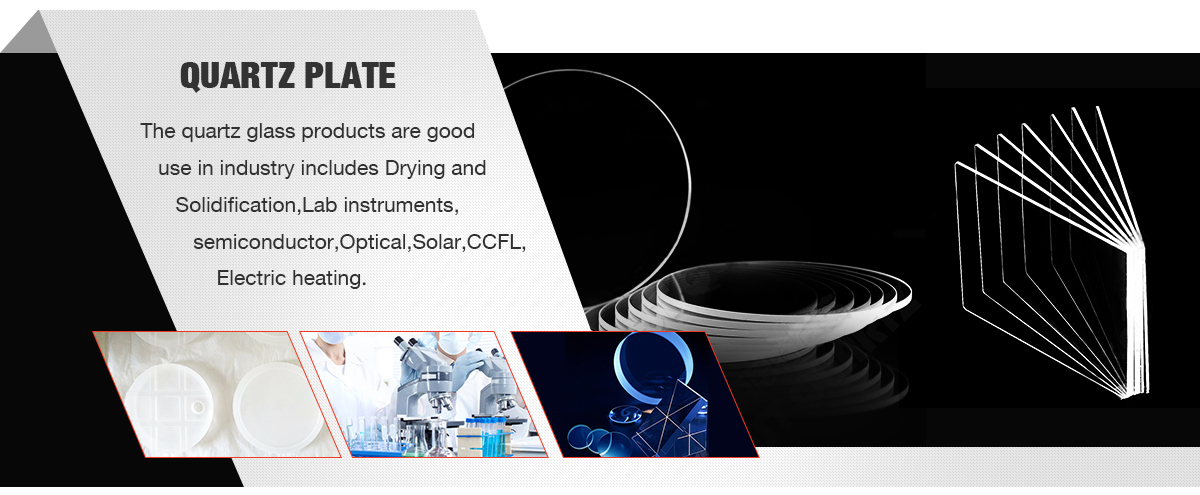
When advanced optical, semiconductor, and thermal process engineers specify transparent viewing windows, thermal shields, or carrier substrates, the transparent quartz glass plate stands as the uncompromising industry standard. Chemically composed of nearly pure silicon dioxide (>99.99% SiO2), fused quartz is synthesized through the melting of ultra-pure natural quartz crystals at temperatures exceeding 2000°C. Unlike conventional borosilicate or soda-lime glass, transparent quartz exhibits an amorphous non-crystalline lattice that gives it singular optical, chemical, and physical characteristics.

The standout feature of a transparent quartz glass plate is its remarkably low coefficient of thermal expansion (α ≈ 5.5 × 10⁻⁷ / K between 20°C and 1000°C). This tiny thermal expansion coefficient makes quartz plates virtually impervious to thermal shock. A typical 3.0 mm polished quartz plate can be heated to 1100°C in an industrial furnace and instantaneously plunged into ice-cold water without micro-fracturing, structural warping, or tensile shattering. At Kavri Quartz Product Co., Ltd., our transparent quartz glass plates are precision-annealed to permanently eliminate internal mechanical stress, guaranteeing structural dimensional stability under cycling vacuum, cryogenic, or high-pressure environments.

1. Optical Transmission Range

From the deep ultraviolet spectrum (UV-C at 185 nm–260 nm) through the visible light spectrum (400–700 nm) to the near-infrared band (up to 3.5 µm), transparent quartz plates achieve internal light transmission rates between 90% and 93% across the entire spectrum.

2. Chemical & Acid Resistance

Fused quartz plates are chemically inert against virtually all acids (including aggressive boiling nitric, sulfuric, and hydrochloric acids) except hydrofluoric and hot concentrated phosphoric acid, preventing process contamination in cleanrooms.

3. Dielectric & Electrical Purity

With exceptional dielectric strength (25–40 kV/mm) and minimal high-frequency dielectric loss, quartz plates serve as premier electrical isolators in high-voltage plasma chambers and RF sputtering systems.

Optical Grade Comparison: JGS1 vs. JGS2 vs. JGS3

Procuring international engineers frequently inquire about the distinctions among the primary optical fused silica classifications. Selecting the correct grade balances optical performance and manufacturing cost:

Material Grade Synthesis Method Spectral Transmission OH Concentration Primary Industrial Applications
JGS1 (Far UV Grade) Synthetic chemical vapor deposition (SiCl4) 185 nm – 2500 nm (deep UV transparent) High (typ. 800 – 1200 ppm) UV lithography, excimer laser optics, biochemical analyzers, fluorescence spectroscopy.
JGS2 (Optical Grade) Fused quartz from natural high-purity crystalline quartz 220 nm – 2500 nm (standard UV & VIS) Medium (typ. 100 – 200 ppm) Industrial sight glasses, precision optical windows, UV disinfection reactors, solar wafer carriers.
JGS3 (Infrared Grade) Vacuum electric melting of pure natural quartz 260 nm – 3500 nm (free of 2.73 µm OH band) Ultra-low (< 5 ppm) Infrared heating windows, FTIR spectroscopy, thermal imaging pyrometers, furnace viewing ports.

Featured Products

Explore our premium factory-manufactured transparent quartz glass plates, custom-cut discs, polished substrates, and high-temperature viewing windows.

Precision Optical High Quality Heat Resistance Clear Quartz Plate

Custom Clear Quartz Plate (Ground & Polished)

Optical grade JGS2 clear fused quartz plates polished to 60/40 or 40/20 surface quality. Exceptional transmission up to 92% across VIS-NIR spectrum with chamfered safe edges.

View Product Details
High Temperature Heat Resistant Fused Silica Quartz Plate Clear

Fused Silica High-Temp Furnace Sight Glass

Designed for industrial vacuum chambers, boilers, and continuous heating kilns up to 1100°C. High thermal shock threshold with custom stepped edge joints.

View Product Details
Semiconductor Transparent Quartz Glass Substrate Wafers

Circular Quartz Discs & Wafer Substrates

Precision CNC diamond-milled circular quartz discs tailored for semiconductor wafer processing, etching chambers, optical pyrometry windows, and laser protective shields.

View Product Details
Deep UV Grade Synthetic Fused Silica JGS1 UV Window Plate

JGS1 Synthetic Silica UV Laser Windows

Zero-bubble synthetic fused silica plates engineered for high-power laser optics, UV disinfection reactors, biochemistry flow cells, and photolithography aligners.

View Product Details

Market & Industry Trends

Understanding shifting procurement dynamics, technical fabrication demands, and technological advancements in fused quartz manufacturing.

Future Procurement Trends (2025–2030)

1. Shift Toward Direct Sourcing from Raw Material Clusters: Global B2B procurement leaders are increasingly shifting away from domestic distributors to partner directly with tier-one factories based in historic raw material production centers, such as Donghai, Lianyungang. Sourcing directly bypasses intermediaries, compresses lead times by 30–45%, and ensures verifiable material lineage from crystal batch to finished optical plate.

2. Heightened Purity and Bubble-Free Tolerances: With the acceleration of sub-nanometer semiconductor packaging, compound semiconductors (SiC, GaN), and advanced microfluidics, global buyers are enforcing tighter acceptance criteria for quartz plates, requiring bubble class 0 (per DIN 58927) and extreme surface flatness tolerances below λ/4.

3. Comprehensive Custom CNC Integration: Procurement requirements have progressed beyond standard square or circular blanks. Today's orders mandate ready-to-mount components with precision countersunk holes, laser edge bevelling, chamfered steps, and internal micro-channels manufactured via 5-axis CNC wet grinding.

Technological & Development Trends

1. Next-Generation UV-C Disinfection & Lithography: The expansion of deep-ultraviolet LED disinfection and EUV/DUV lithography demands JGS1 synthetic silica with virtually nonexistent hydroxyl (OH) absorption artifacts and ultra-high solarization resistance under prolonged high-energy radiation.

2. Advanced Chemical Mechanical Planarization (CMP): Surface polishing has evolved from basic diamond slurry lapping to sub-nanometer CMP. This achieves surface roughness Ra < 0.3 nm, which is essential to minimize scatter loss in ultra-fast laser windows and aerospace optical sensors.

3. Green Synthesis & Energy Optimization: Manufacturing fused quartz requires immense thermal energy. Forward-looking manufacturers like Kavri Quartz are modernizing electric fusion furnaces with closed-loop computerized temperature controls, reducing carbon footprints while tightening thermal homogeneity across large glass ingots.

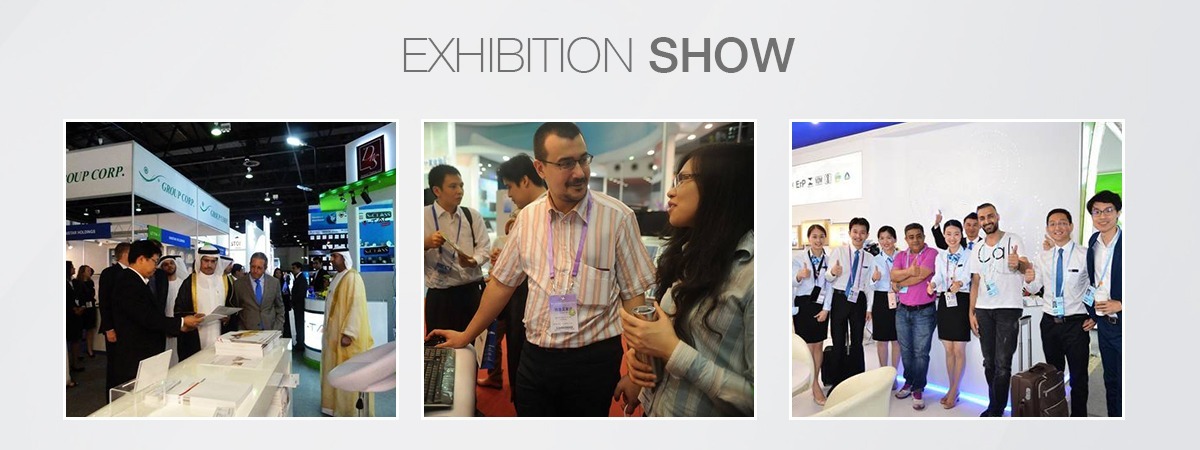
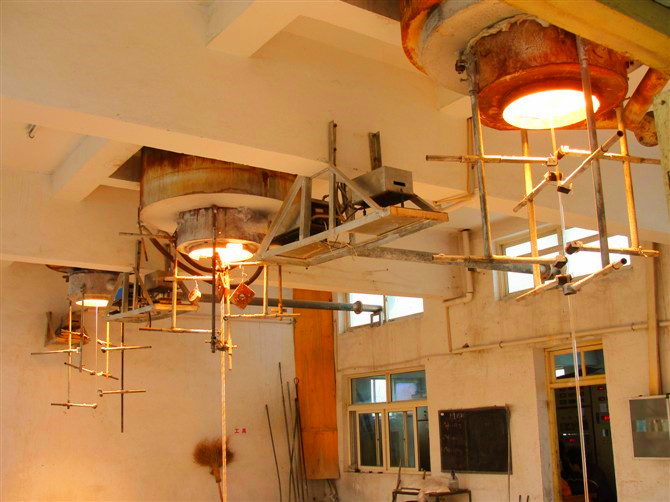
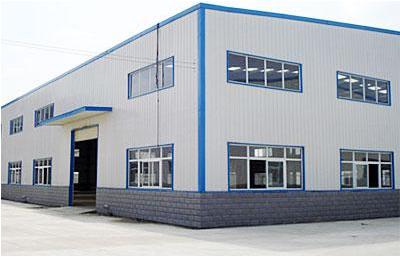
Kavri Quartz Product Co., Ltd. Factory and Workshops
Verified Factory Hub
Enterprise Strengths & Regional Hub

Kavri Quartz Product Co., Ltd. — Global Supply Authority

Kavri Quartz Product Co., Ltd. is a highly professional, verified manufacturer and exporter of transparent quartz glass plates, fused quartz tubes, laboratory quartz instruments, infrared heat lamps, and halogen lamps in China. Located in Donghai Town, Lianyungang City, Jiangsu Province — globally celebrated as China's premier capital of crystal and quartz processing — we leverage unmatched regional advantages in natural quartz mineral reserves, advanced raw silica refinement, and specialized master glass-working craftsmanship.

With over 10 years of OEM/ODM manufacturing expertise and 13 years of verified presence on Alibaba.com, we maintain a prompt buyer response rate of 92.65% with technical quotes delivered within ≤ 4 hours. Our products are exported worldwide to Germany, the Netherlands, Japan, Korea, the USA, and beyond, providing precision tolerances, competitive factory-direct pricing, and dependable engineering support.

Company Name
Kavri Quartz Product Co., Ltd.
Factory Location
Donghai, Lianyungang, Jiangsu
Alibaba Verified
13 Consecutive Years
Response Speed
≤ 4 Hours Guaranteed
Global Export Ratio
81% – 90% Global Shipments
Response Rate
92.65% High Engagement

Purchasing FAQ

In-depth technical answers addressing the key questions global buyers, QA engineers, and procurement managers ask about transparent quartz glass plates.

What is the core distinction between synthetic fused silica and natural fused transparent quartz plates?

Natural fused quartz plates (such as JGS2 and JGS3) are produced by electrically fusing high-purity natural silica sand. This material provides exceptional thermal stability (continuous use up to 1100°C, short exposure up to 1300°C–1450°C), unmatched thermal shock resistance, and an affordable price point for thermal sight glasses, furnaces, and general optics. In contrast, synthetic fused silica (JGS1) is synthesized from volatile chemical gas precursors (silicon tetrachloride). It features total trace metallic impurity levels under 1 ppm, zero bubbles or inclusions, and outstanding transmission in the deep ultraviolet range (down to 185 nm), making it ideal for UV excimer laser windows and semiconductor photolithography.

What surface flatness, parallelism, and optical surface finish specifications can you provide?

Kavri Quartz provides three distinct surface finish levels. For industrial heating plates and furnace sight glasses, we offer commercial fire-polished and diamond-ground finishes with surface roughness Ra < 0.8 µm. For precision optical windows and semiconductor wafer carriers, we provide double-side mechanical Chemical-Mechanical Polishing (CMP) with surface roughness Ra < 0.5 nm, scratch-dig optical quality of 60/40, 40/20, or 20/10 per MIL-PRF-13830B, parallelism < 30 arc seconds, and transmitted wavefront distortion / flatness within λ/4 to λ/10 per inch, verified with Zygo laser interferometers.

Can transparent quartz glass plates handle rapid thermal cycling and direct flame contact?

Yes. Due to an extremely low thermal expansion coefficient (α ≈ 5.5 × 10⁻⁷ / K), our transparent quartz glass plates withstand severe thermal cycling. You can expose one side of a 5.0 mm quartz plate to an open oxy-hydrogen flame (over 1000°C) while the opposite face is exposed to ambient air without fracturing. The plate can also be repeatedly quenched from 1000°C directly into cold water. In continuous operation, our quartz plates run reliably at 1100°C, with an annealing point around 1140°C–1200°C and a softening point of approximately 1680°C.

What are your custom CNC machining, hole drilling, and edging capabilities?

We operate in-house CNC wet-milling centers equipped with diamond tooling, ultrasonic drilling, and waterjet cutters. We machine transparent quartz plates from 0.5 mm to over 50 mm thick, in diameters or square formats up to 1000 mm × 800 mm. Machining capabilities include custom circular blind holes, through-holes, countersunk bolt apertures, internal slots, stepped perimeter flanges, chamfered safe bevels (0.5–1.0 mm at 45°), rounded pencil edges, and laser-engraved identification barcodes. Dimensional tolerances are held up to ±0.05 mm, with thickness tolerances held up to ±0.02 mm.

How do you pack fragile quartz plates to guarantee zero damage during international shipping?

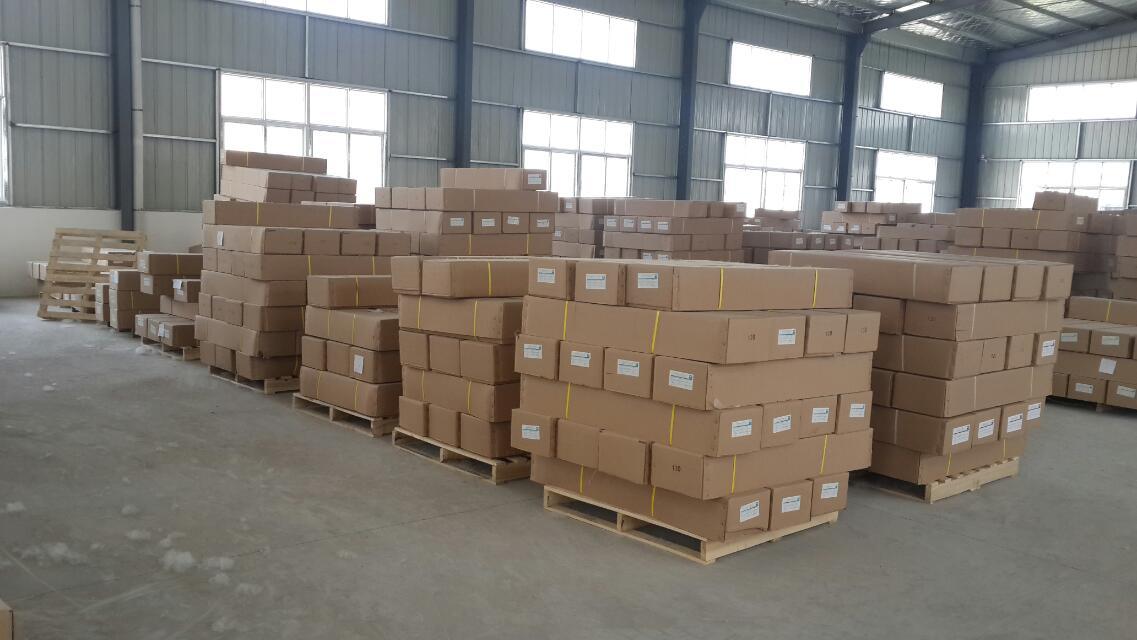
With 81%–90% of our products exported to demanding buyers across Germany, the USA, Japan, the Netherlands, and South Korea, our multi-stage export packaging protocols are engineered to withstand ocean freight and air courier conditions. Optical plates are protected with scratch-resistant electrostatic PE film, interleaving dust-free lens tissue or soft EVA foam, and vacuum-sealed in moisture-barrier bags. The assemblies are then housed in high-density polyethylene shock-absorbing crates lined with thick foam buffers, enclosed within custom fumigated wooden cases with drop and tilt indicators.

What is your minimum order quantity (MOQ) and sample lead time?

We support both prototype development and high-volume OEM contracts. Standard dimension samples or test trial orders feature an accessible MOQ of just 2 to 5 pieces. Custom CNC-machined samples typically ship within 5 to 7 working days upon technical CAD drawing approval. Mass production runs of 500 to 5,000 pieces are typically completed within 15 to 20 working days. Inquiries receive engineering feedback within 4 hours.
Kavri Quartz manufacturing facilities and products

Ready to Engineer Your Custom Transparent Quartz Glass Plates?

Partner directly with Donghai's leading fused quartz manufacturer. Share your CAD drawings, dimensional specifications, or optical requirements — our engineering team will provide a factory-direct technical quote within 4 hours.

Send an Inquiry