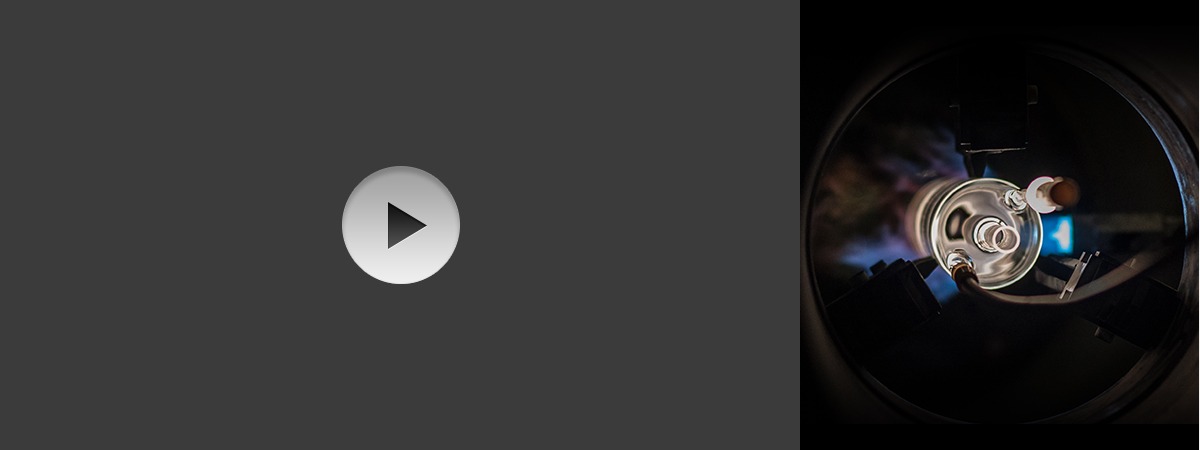
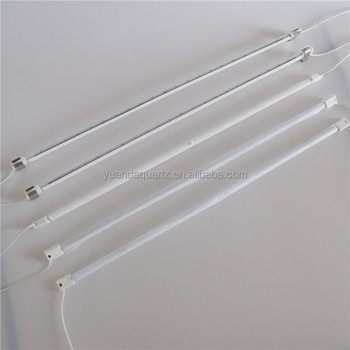
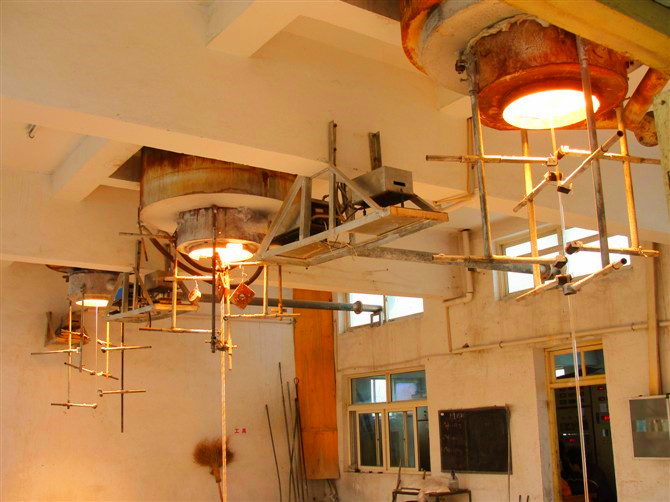
Operating short wave infrared heater tube emitting high-intensity thermal radiation
Factory-Direct Since 2014 · Donghai Quartz Cluster

Short Wave Infrared Heater Tube Engineering Guide

Deep-penetration tungsten halogen emitters, custom twin-tube designs, and high-purity fused quartz envelopes engineered for global industrial automated heating lines.

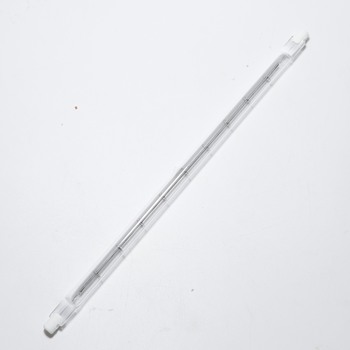
High speed short wave halogen infrared heater tubes for industrial processing
Instant Thermal Response · ≤1 Second

Precision Heating. Zero Inertia.

Peak radiation between 0.8 and 1.4 µm. Tailored wattages, heated lengths, and reflective coatings for automotive paint curing and PET stretch blow molding.

Optical-grade fused silica quartz tubes and heater sleeves
99.99% SiO2 Purity Quartz Envelope

High Thermal Shock Resistance

Withstanding 1100°C continuous operational temperatures with virtually zero thermal expansion, ensuring zero sag across horizontal spans up to 3000 mm.

2014Established in Donghai Quartz Capital
13YearsTrust-Verified Alibaba Presence
92.65%Customer In-Time Response Rate
≤4HoursRapid Engineering Quotation Time
5000+ HrsAverage Continuous Emitter Lifespan

Short Wave Infrared Heater Tube: Technical Authority & Engineering Guide

In modern high-speed industrial processing, thermal efficiency is governed by the physical laws of electromagnetic radiation. Kavri Quartz Product Co., Ltd. breaks down physics, component geometry, thermal transfer kinetics, and life-cycle procurement metrics for international engineers and equipment builders.

A Short Wave Infrared Heater Tube represents the apex of electrical-to-thermal radiation conversion, operating primarily in the near-infrared spectrum between 0.8 µm and 1.4 µm. Unlike conventional convective hot-air systems or long-wave ceramic heaters that transfer energy through the kinetic excitation of intervening air molecules, short-wave quartz tubes transfer energy via photonic radiation. According to the Stefan-Boltzmann law (E = εσT4) and Wien's displacement law (λmaxT = b), elevated tungsten filament operating temperatures between 1800°C and 2400°C concentrate the emission distribution into short wavelengths with immense power density. This spectral profile penetrates deeply into non-metallic matrices, semi-transparent polymers, and automotive base coats, heating the substrate from within rather than trapping heat at the superficial skin.

Industrial machine engineers frequently encounter bottlenecks with slow convective warm-up curves, high standby power consumption, and thermal lagging during web stops. High-efficiency short-wave infrared technology solves this by offering an almost instantaneous operational response time (≤1 second to reach 95% full output). Combined with an inert halogen gas environment, optical-grade clear fused quartz envelopes, and integrated directional back-reflectors (gold or ceramic white), Kavri short-wave emitters provide localized heat fluxes up to 100 kW/m². Whether integrated into automated high-output rotary PET stretch blow molding machines, automotive electrostatic powder painting tunnels, high-speed gravure print dryings, or photovoltaic solar silicon wafer contact firing ovens, our specialized emitters reduce carbon intensity while driving throughput.

Wavelength Engineering: Spectral Efficiency Comparison

Understanding how wavelength determines thermal efficiency across industrial substrates.

Detailed comparative analysis of infrared emitters across the industrial electromagnetic heating spectrum
Emitter Classification Peak Wavelength Filament Temperature Thermal Response Time Max Power Density Optimal Material Applications
Short Wave IR Tube (Halogen) 0.8 – 1.4 µm 1800 – 2400 °C ≤ 1.0 Second Up to 100 kW/m² PET preform reheat, automotive clear coats, paper moisture profiling, composite resin prepregs.
Fast Response Medium Wave (FRMW) 1.4 – 2.0 µm 1400 – 1800 °C 1.5 – 3.0 Seconds Up to 60 kW/m² Thin-wall plastics, textile heat setting, vinyl laminating, offset printing varnish drying.
Carbon Fiber Medium Wave (CIR) 2.0 – 2.6 µm 1000 – 1200 °C 2.0 – 4.0 Seconds Up to 45 kW/m² Water-based acrylic glues, surface evaporative drying, wood furniture stains, food dehydrators.
Standard Medium Wave Tube 2.2 – 3.2 µm 800 – 950 °C 60 – 120 Seconds Up to 25 kW/m² Bulk plastics softening, thermoforming thick sheet polymers, carpet back-coating vulcanization.
Long Wave Ceramic / Metal Sheath 3.0 – 10.0 µm 300 – 700 °C 5 – 15 Minutes Up to 15 kW/m² Static soaking ovens, slow metallurgical annealing, continuous curing tunnels with slow conveyers.
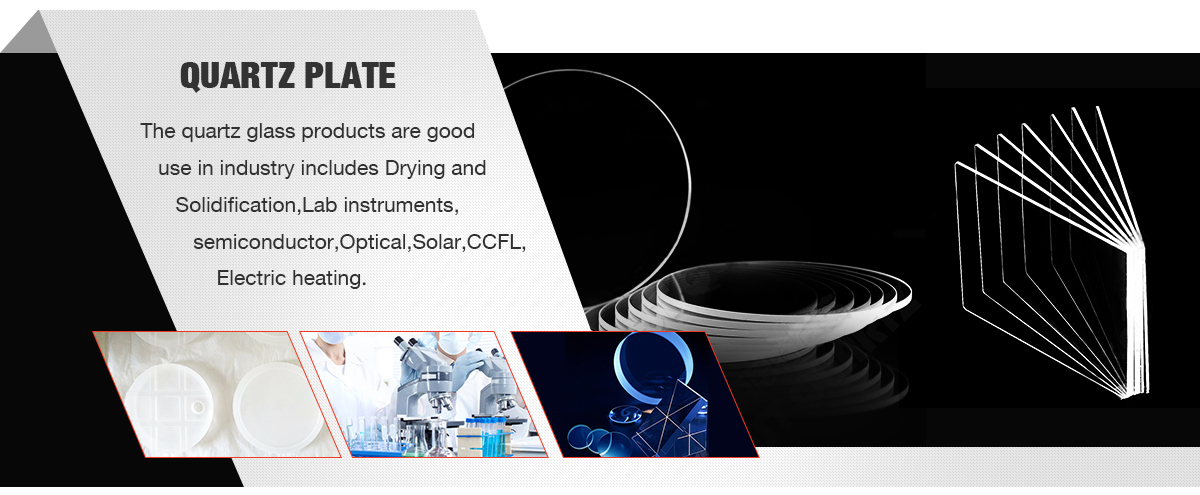
High-purity quartz glass envelopes manufactured at Kavri Quartz

The Critical Role of Fused Silica Glass Quality

Short-wave emitters rely on pure quartz glass envelopes. Ordinary borosilicate glass melts under the radiative power of high-wattage tungsten coils. Kavri Quartz Product Co., Ltd. uses optical-grade fused silica tube envelopes (>99.99% SiO2 purity), providing clear structural advantages:

>90% Optical TransmissionNear-zero infrared absorption between 0.2 µm and 3.5 µm prevents bulb overheating.
5.5 × 10⁻⁷ / K ExpansionWithstands extreme thermal shock; can be plunged from 1000°C directly into cold water without rupture.
1100°C Working PointMaintains high mechanical hoop strength and dimensional linearity over long production shifts.
High Dielectric IsolationPrevents electrical tracking or current leakage under elevated operational voltages.

Direct Manufacturing Authority

Precision Quartz & IR Solutions by Kavri Quartz Product Co., Ltd.

Kavri Quartz Product Co., Ltd. is a specialized manufacturer of short wave infrared heater tubes, near-infrared lamps, halogen heat lamps, and fused quartz glass products. Situated in Donghai Town, Lianyungang City, Jiangsu Province—internationally recognized as China's premier quartz and crystal industrial cluster—we leverage raw silica purity, advanced glass thermal processing, and specialized lamp technicians.

For more than a decade, our engineering team has developed and supplied custom heating solutions to machinery builders, precision automation developers, and tier-one aftermarket distributors across Germany, the Netherlands, Japan, Korea, the USA, and beyond. Every batch is manufactured under strict quality controls with high-grade tungsten wire, hermetic molybdenum foil vacuum seals, and precision ceramic end fittings.

Business Type
Direct Manufacturer & Exporter
Platform Verification
13-Year Verified Supplier
Response Speed
≤ 4 Hours Guarantee
Buyer Reorder Rate
High Loyalty (16%+ Organic)
Workforce
11 – 50 Skilled Specialists
In-Time Inquiry Rate
92.65% Documented

Factory OEM & ODM Customization Process

End-to-end engineering tailored to custom voltages, power ratings, dimensional tolerances, and mount geometries.

1. Technical Specification

Provide operating voltage, wattage, heated length, overall length, reflector preference, and termination style.

2. CAD & Thermal Model

Our engineers calculate filament resistance, thermal expansion tolerances, and ceramic end-fitting clearances.

3. Precision Production

Tungsten coiling, molybdenum foil hermetic pinch sealing, halogen backfilling, and automated annealing.

4. Reflector Deposition

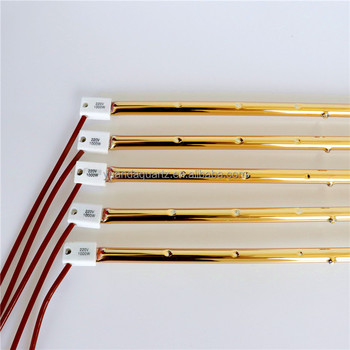
Directional gold sputtering or 1000°C vitrified ceramic white deposition on the rear tube profile.

5. Quality Assurance

100% testing for electrical resistance, vacuum integrity, insulation breakdown, and optical alignment.

6. Shockproof Export Pack

Custom foam-lined cartons and reinforced timber crates guarantee zero transit breakage across international sea and air freight.

Short Wave IR Tubes: Frequently Asked Questions

Detailed engineering and procurement answers to clarify questions often raised when specifying short-wave quartz emitters.

What is the spectral peak and thermal response time of a Short Wave Infrared Heater Tube?

A typical short wave infrared heater tube runs a tungsten filament at temperatures between 1800°C and 2400°C, producing spectral emission peaking between 0.8 µm and 1.4 µm in the near-infrared band. Because the filament has minimal thermal mass and is encased within a high-density halogen-cycle inert environment, it reaches >95% rated thermal output in less than 1.0 second from cold switch-on. This rapid response allows heating arrays to modulate instantly with conveyor speeds or interlock safety doors, preventing fire hazards and saving energy.

How do gold and ceramic white reflector coatings improve energy efficiency?

Bare, uncoated quartz emitter tubes radiate energy 360 degrees radially, losing roughly half their radiative power into oven walls, frame brackets, and rear enclosures. Applying a reflective coating directly to the rear 180 degrees of the quartz tube redirect that energy toward the target substrate. Sputtered 24K gold reflectors redirect up to 95% of rearward infrared radiation. Fused white ceramic reflectors redirect up to 90% and withstand continuous oven temperatures above 900°C. In practical terms, integrated reflectors cut line power consumption by 30% to 50% without requiring separate metal reflector shields that can tarnish and degrade over time.

What causes premature tube failure and how does Kavri ensure extended emitter life?

The two most common failure modes in industrial short-wave lamps are pinch seal oxidation and filament sagging. The electrical lead transition through quartz glass must use a razor-thin molybdenum foil seal. If the pinch seal temperature exceeds 350°C without proper heat sinking or cooling air, atmospheric oxygen oxidizes the foil, breaching the vacuum and burning the tungsten filament. Kavri Quartz Product Co., Ltd. addresses this through high-pressure pinch sealing, optional forced-air ceramic end caps, high-purity halogen gas filling, and evenly spaced internal tungsten star support rings that prevent coil sag and hot-spot shorting across horizontal or vertical operations.

Can Kavri Quartz replicate short wave IR lamps from other OEM part numbers or damaged samples?

Yes. OEM and ODM reverse engineering is a core specialty. If you operate blow molding equipment, dry-offset printing presses, or automobile curing booths from established global brands, we can reproduce identical replacements based on electrical parameters, physical dimensions, or photographs of nameplate data. We can also cross-reference tube profile dimensions (round 10mm, 12mm, or 19mm OD, twin-tube 11x23mm or 15x33mm), ceramic caps, spade terminals, and high-temperature Teflon or silicone lead wires.

What is the minimum order quantity (MOQ) and sample lead time?

To accommodate equipment builder validation, prototype pilot lines, and industrial maintenance requirements, our standard minimum order quantity starts at just 8 to 10 pieces. Custom prototype samples can typically be fabricated and dispatched within 7 to 12 working days following final CAD and electrical specification sign-off. We ship under FOB, CFR, CIF, EXW, and DDP terms with shockproof packaging.

How does short-wave infrared outperform medium-wave and convective heating in PET preform processing?

Polyethylene terephthalate (PET) exhibits distinct optical transmission characteristics. Medium-wave infrared energy (>2.5 µm) is almost entirely absorbed at the immediate surface of the preform wall, which can cause blistering, hazing, and crystallization of the outer resin while leaving the interior core cold. In contrast, short-wave infrared energy (0.8–1.4 µm) passes through the outer surface and is absorbed evenly across the cross-section of the preform wall. This results in uniform plasticization, shorter heating tunnels, lower scrap rates during stretch blowing, and improved cycle times.
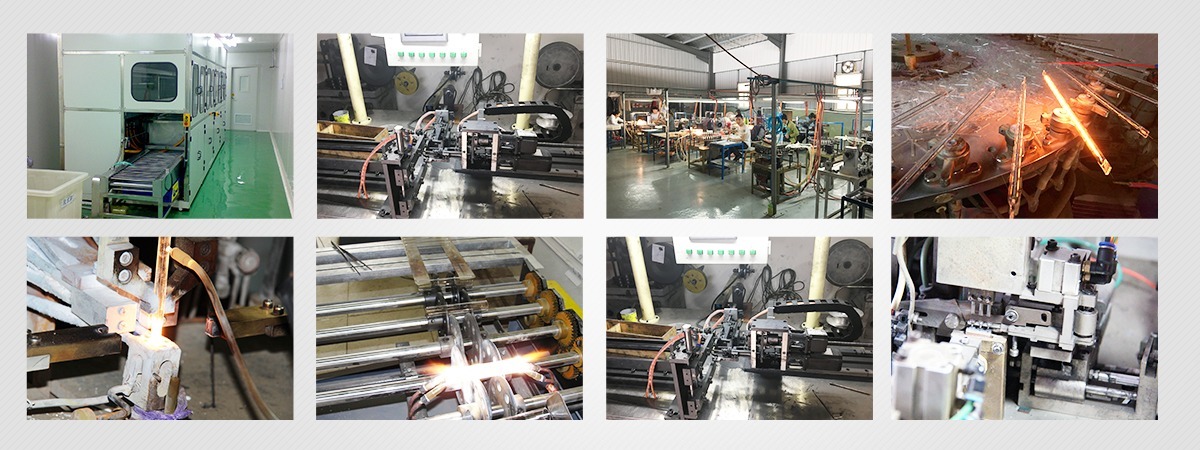
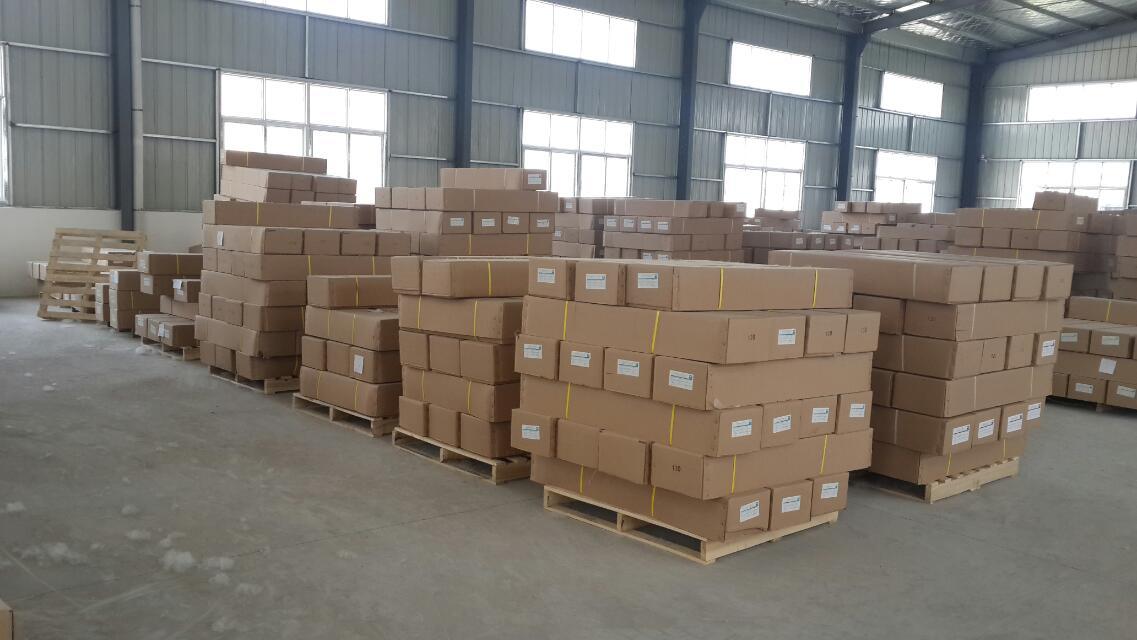
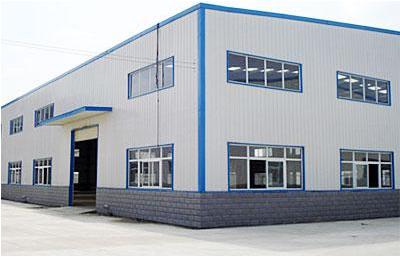
Industrial quartz manufacturing workshop

Need an Exact Replacement or Custom Emitter Array?

Send your drawings, system operating voltages, or target sample images to our technical department. Direct factory quotes and CAD proposals are issued within 4 hours.

Contact Us