The ultimate engineering benchmark and technical procurement manual for next-generation semiconductor wafer pulling, photovoltaic ingot casting, and ultra-trace analytical metallurgy.
The Engineering Core of Fused Silica Quartz Crucibles
Why modern high-temperature crystal growth, photovoltaic wafer pulling, and ultra-trace analytical chemistry demand the world's most chemically inert and thermally stable containment vessels.
Thermodynamic & Chemical Superiority
Solving Thermal Degradation and Melt Contamination
A fused silica quartz crucible is not merely a generic melting vessel; it is a mission-critical thermodynamic component engineered to operate at the razor-edge boundary of thermal equilibrium and chemical inertness. Manufactured from synthesized or beneficiated natural crystalline quartz sand with a minimum purity of 99.99% silicon dioxide (SiO2), these crucibles provide unprecedented resistance to thermal shock, possessing a virtually negligible coefficient of thermal expansion (α ≈ 5.5 × 10⁻⁷ /K). This property allows them to withstand instantaneous temperature transitions exceeding 1000°C without catastrophic structural failure or microscopic micro-fissuring.
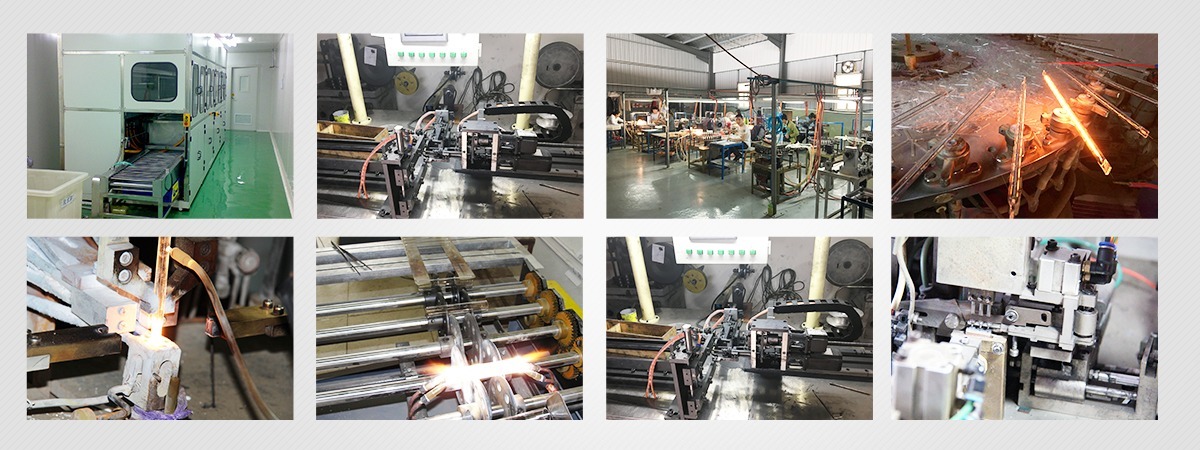
In modern industrial fabrication, the crucible acts as the direct boundary layer containing reactive molten silicon, high-temperature specialty glasses, or precious catalytic alloys. Any trace outgassing, wall dissolution, or contamination from transition metals (such as iron, titanium, chromium) or mobile alkali elements (lithium, sodium, potassium) will cause severe crystalline dislocations in silicon ingots or induce devitrification, leading to premature structural collapse. At Kavri Quartz Product Co., Ltd., we combine Donghai's world-class raw silica refining with precision hot-zone vacuum arc fusion and oxy-hydrogen flame treatment to create fused silica quartz crucibles that maximize ingot extraction yields and process reliability.
Engineered for high-stress industrial crystallization, directional solidification, laboratory fusion, and specialty chemical processing.
Semiconductor
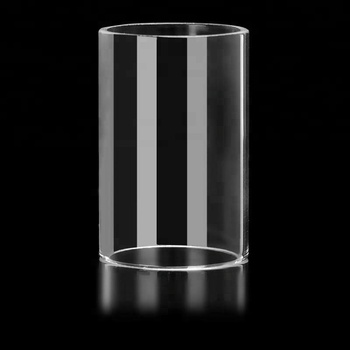
CZ Semiconductor Silicon Crystal Crucible
Constructed with an ultra-pure synthetic bubble-free vitreous inner lining to eliminate micro-bubble release during lengthy Czochralski crystal growth runs for 200mm and 300mm electronic-grade monocrystalline wafers.
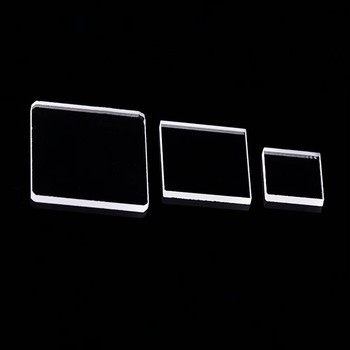
Heavy-duty, slip-cast fused silica square crucibles engineered for directional solidification furnaces. Features a stable micro-porous exterior paired with high-temperature resistance up to 1450°C for N-type multicrystalline casting.
High-transparency laboratory crucibles designed for gravimetric sample ashing, ICP-MS reagent pre-concentration, and acid digestion. Totally resistant to HF alternatives and concentrated mineral acids at high temperatures.
Designed for intermediate induction melting, casting platinum, gold, and nickel-based superalloys. Offers maximum thermal cycling resistance and zero melt wetting to guarantee 100% metal yield recovery without slag bonding.
In-depth technical analysis for global procurement teams preparing for next-generation solar wafers, compound semiconductors, and ESG-compliant manufacturing.
The Macro Drivers Reshaping Fused Silica Crucible Sourcing
As the microelectronics and clean energy industries accelerate, crucible performance has become a critical gating factor for industrial manufacturing efficiency. Procurement specialists face evolving requirements centered on crystal purity and operational life:
CCZ CompatibilityTransitioning from batch CZ to continuous Czochralski requires crucibles to endure 300+ hour melt cycles without wall erosion.
Synthetic Inner LinersAdopting ultra-low aluminum (< 0.1 ppm) and hydroxyl-controlled synthetic quartz barriers to eradicate micro-bubble generation.
Large Apertures (36"-44")Upscaling from 28-32 inch crucibles to massive 36 to 44-inch vessels to drive down the cost-per-watt of 210mm solar wafers.
Barium Doping Anti-SlumpingSurface stabilization coatings that accelerate uniform early devitrification, bolstering mechanical stiffness at 1450°C.
1. Supply Security of High-Purity Natural Quartz Sand
Global supply chains are exposed to severe geographical concentration of grade-4 IOTA mineral reserves. Forward-thinking procurement strategies now emphasize dual-sourcing partnerships with integrated producers situated directly in mineral clusters like Donghai. Processing facilities utilizing advanced chemical flotation, thermal chlorination, and acid leaching ensure guaranteed monthly quota allocations and stable price structures.
2. Extended Furnace Campaign Times and Cost per Kg
Purchasing managers are pivoting from assessing initial unit procurement price to calculating the Total Cost of Ingot Solidification (TCIS). A fused silica crucible that resists dissolution for 350 hours across 5-6 silicon recharges significantly reduces total downtime, graphite susceptor wear, argon flushing expenditures, and power consumption during cool-down and restart cycles.
3. Zero-Bubble Integrity for High-Yield Crystal Pulling
In electronic-grade monocrystalline pulling, micro-bubbles embedded in the inner crucible wall expand under high vacuum and 1420°C melt temperatures. When these bubbles burst, they expel micro-quartz particles into the melt, causing structural dislocations and loss of crystal structure. Modern procurement requires 100% automated optical inspection of the internal 1-2 mm vitreous zone.
4. Closed-Loop Crucible Recycling & ESG Standards
Stringent ESG mandates across European and North American manufacturing hubs demand verified tracking of carbon footprints. Spent fused silica crucibles are increasingly crushed, chemically scrubbed of silicon slag residues, and recycled into high-grade refractory castables, optical ceramics, and photovoltaic insulation mortar, creating sustainable circular sourcing frameworks.
Comprehensive engineering reference data comparing clear vitreous, slip-cast opaque, and synthetic-lined fused silica quartz crucibles.
Comprehensive technical specification matrix for fused silica quartz crucibles
Performance Property / Parameter
Clear Vitreous Fused Quartz
Slip-Cast Opaque Fused Silica
Synthetic Dual-Layer (Semiconductor)
Primary Manufacturing Method
Oxy-Hydrogen / Vacuum Arc Thermal Fusion
Slip-Casting & High-Temperature Sintering
Rotational Arc Fusion + Synthetic Spray Fusion
Silicon Dioxide Purity (SiO2)
≥ 99.995%
≥ 99.9% - 99.95%
≥ 99.999% (Inner Layer) / 99.99% (Outer)
Maximum Working Temp (Continuous)
1100°C - 1150°C
1200°C - 1250°C
1300°C - 1450°C
Max Short-Term Peak Temperature
1300°C
1350°C
1500°C (in high-purity argon environment)
Coefficient of Thermal Expansion (α)
5.5 × 10⁻⁷ / K (20°C to 1000°C)
5.4 × 10⁻⁷ / K
5.5 × 10⁻⁷ / K
Total Alkali Impurities (Li, Na, K)
≤ 1.5 ppm
≤ 15 ppm
≤ 0.1 ppm (Inner Layer)
Transition Metals (Fe, Cu, Ni, Cr)
≤ 2.0 ppm
≤ 20 ppm
≤ 0.2 ppm total
Primary Industrial Applications
Chemical synthesis, precious metal melting, lab ashing
Directional solidification, glass frit calcining
Electronic-grade CZ pulling (mono-Si, GaAs, InP)
Note: All values reflect standard engineering benchmarks under ISO 9001 quality audits. Detailed trace ICP-OES elemental analysis certificates accompany each production batch from Kavri Quartz Product Co., Ltd.
Answers to technical, operational, and commercial questions commonly searched by procurement directors, crystal growth engineers, and laboratory purchasing managers.
What is the core distinction between a clear fused quartz crucible and an arc-fused opaque crucible?
Clear fused quartz crucibles are transparent throughout, produced via electrical or flame gas fusion where raw crystal sand is fully melted to eliminate micro-voids. These provide maximum chemical resistance and optical clarity, making them standard in analytical laboratories, precious metal melting, and high-purity chemical reactions. In contrast, arc-fused opaque crucibles (often called composite or multi-layer crucibles) are formed by centrifugal rotating graphite molds under intense three-phase carbon arcs. They feature a dual-zone profile: an inner 1-3 mm transparent, bubble-free vitreous quartz layer that directly contacts the melt, supported by a thick opaque outer layer saturated with micro-bubbles. The outer bubble structure acts as a thermal insulator, evening out thermal stress distribution and preventing heat loss in large-capacity monocrystalline CZ pulling furnaces.
What accelerates quartz crucible devitrification, and how can it be mitigated?
Devitrification is the unwanted solid-state phase transformation of amorphous fused quartz into crystalline beta-cristobalite, which rapidly inverts to alpha-cristobalite upon cooling below 270°C, accompanied by a 5% volume contraction that causes cracking and flaking. This crystallization is catalytically triggered by contaminants, specifically alkali metal cations (Na+, K+, Li+) and alkaline earths (Ca2+, Mg2+), as well as direct contact with dust, fingerprints, or carbon soot during furnace charging. To prevent premature devitrification, crucibles must be cleaned with 5% hydrofluoric acid rinses, dried in particulate-free cleanrooms, handled solely with lint-free polyethylene gloves, and operated in strictly controlled, low-oxygen vacuum or ultra-pure argon atmospheres. Applying specialized barium coatings can also produce controlled, uniform surface crystallization, establishing a protective barrier that resists deformation.
How do thermal expansion properties protect fused silica crucibles from cracking during rapid thermal cycling?
Fused silica has an extraordinarily low volumetric and linear thermal expansion coefficient (α ≈ 5.5 × 10⁻⁷ /K over 20°C to 1000°C), which is nearly twenty times lower than standard borosilicate glass and orders of magnitude lower than alumina or graphite refractories. When subjected to severe temperature gradients (such as immersion into molten alloys or rapid air quenching), the low expansion prevents high internal thermal stress differentials from accumulating beyond the tensile strength limit of the material (~48 MPa). Consequently, small and medium fused quartz vessels can endure extreme thermal shocks without fracturing.
Can fused silica quartz crucibles be customized for unique furnace mounts and pouring designs?
Yes. Kavri Quartz Product Co., Ltd. provides comprehensive OEM and ODM engineering capabilities. Beyond standard cylindrical, hemispherical, and flat-bottom crucibles, our glassblowing and CNC diamond machining centers can incorporate customized pouring spouts, handling collars, flanged structural lips, thermocouple well indentations, flat ground bottom seats, and laser-machined alignment keys. Customers simply provide engineering CAD drawings (.STEP, .DWG, or .PDF) or physical reference samples, and our engineering team will evaluate tolerances, thermal expansion clearances, and wall-thickness profiles within 4 hours.
What international export packaging protocols ensure zero-breakage delivery?
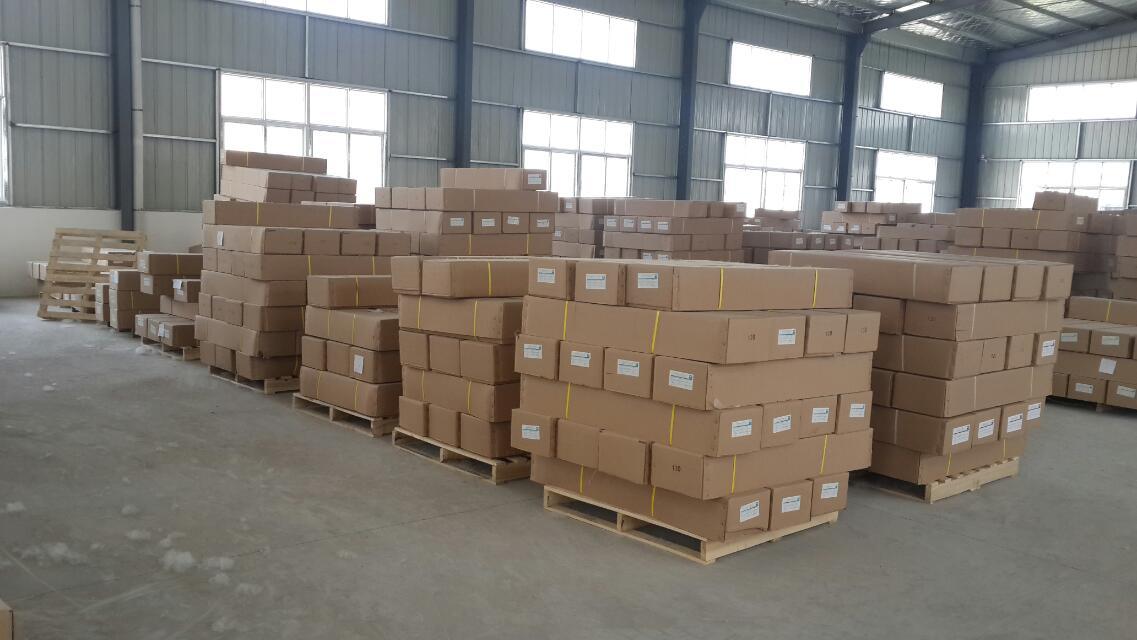
Fused quartz glass is brittle and vulnerable to dynamic transit shocks. At Kavri Quartz, each crucible is thoroughly cleaned, dust-sealed in cleanroom polyethylene bags, and vacuum-sealed where required. Each item is fitted into custom-engineered, multi-density expanded polyethylene (EPE) shock-absorbing foam molds that cushion against drop and vibration forces. These assemblies are boxed in heavy-duty double-wall corrugated cartons, which are then secured inside export-standard fumigated plywood crates strapped with high-tensile steel bands. Containers are packed with corner guards, desiccant pouches, and Impact Indicator shock-watch tags to guarantee safe delivery across air, rail, and sea logistics channels.
What are the commercial trade, delivery terms, and minimum order quantities supported?
We support multiple Incoterms including FOB (Lianyungang/Qingdao/Shanghai), CFR, CIF, EXW, and door-to-door DDP to streamline customs clearance for buyers globally. Standard laboratory and analytical crucibles carry low Minimum Order Quantities (starting from 5 to 10 pieces), enabling cost-effective sample evaluation and benchtop trials. Custom-engineered configurations or large-diameter semiconductor vessels are quoted with project-specific MOQs based on custom graphite tooling requirements. Standard payment methods include secure T/T wire transfers, Letters of Credit (L/C), and international commercial escrow.
Enterprise Strengths & Proven Authority
World-Class Quartz Craft from Donghai, China
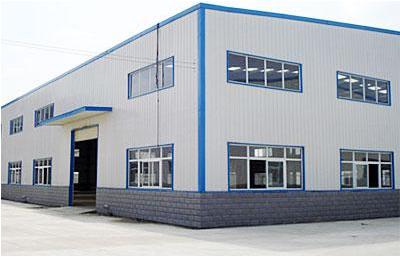
Kavri Quartz Product Co., Ltd. is a dedicated manufacturer and international exporter of high-precision fused quartz glass products and industrial heating emitters. Located in Donghai Town, Lianyungang City, Jiangsu Province—globally celebrated as China's premier raw crystal and high-purity quartz processing cluster—our facility benefits from immediate access to premium mineral sand reserves and generational flame-working craftsmanship.
Operating continuously for over 13 verified years on Alibaba.com, we have built a dependable production and distribution network serving clients in Germany, the Netherlands, Japan, South Korea, the United States, and across South America and Southeast Asia. With an established response time of ≤ 4 hours and a verified buyer response rate of 92.65%, our cross-functional engineering team provides transparent support from initial CAD drawings to final cleanroom packaging.