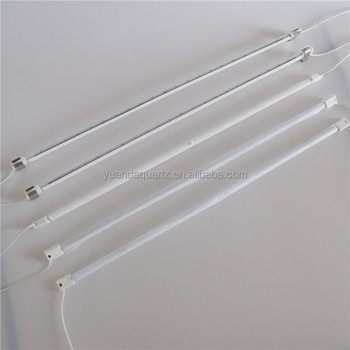
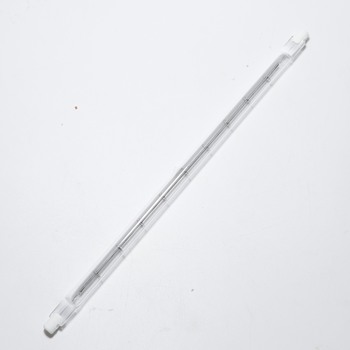
Clear R7S Halogen Quartz Heating Tube
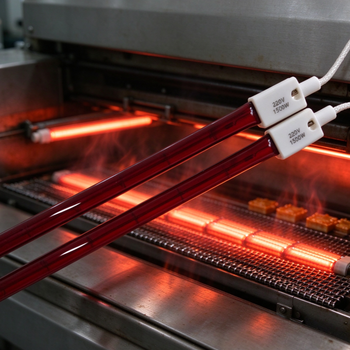
Fast-cycling shortwave emitter delivering full radiant intensity in ≤1 second. Ideal for PET blow moulding and print drying.
- 118mm – 330mm
- 300W – 2000W
- Clear Quartz
Comprehensive engineering analysis on physics, mechanical construction, and spectral advantages designed for plant engineers and technical sourcing directors.
An R7S halogen quartz heating element represents a pinnacle design in high-efficiency, directional infrared (IR) radiative thermal engineering. Unlike open-air resistive coil heaters or ceramic radiant blocks that waste substantial energy heating surrounding atmosphere through convection, an R7S halogen element leverages shortwave infrared radiation (dominant peak between 1.0 μm and 1.2 μm). It transmits thermal energy instantaneously across open distances directly into the target material's molecular matrix.
At the center of this element is a coiled, high-purity ductile tungsten filament housed within an envelope of fused silica (quartz glass) filled with an inert rare gas blend doped with precise trace halogens (iodine or bromine). When energized, the filament reaches an incandescence temperature between 2,200 °C and 2,600 °C within approximately 1.0 second. The regenerative halogen cycle continuously redeposits evaporated tungsten atoms back onto the hot filament, eliminating wall blackening, sustaining high luminous/radiant output, and extending operating life beyond 5,000 continuous duty cycles.
The standard R7S terminal system features a spring-loaded recessed single contact (R7S) embedded in high-alumina steatite ceramic ends. The internal molybdenum foil pinch seal hermetically bonds the quartz glass envelope with external nickel contacts, absorbing extreme thermal expansion differences without vacuum degradation or halogen gas leakage. For industrial processing equipment, ensuring molybdenum foil oxidation resistance at terminal temperatures up to 350 °C is the difference between premature line stoppage and continuous multi-year operation.
Manufactured from quartz raw material sourced directly in Donghai, yielding >99.99% pure SiO2. This minimizes hydroxyl (OH-) absorption bands, ensuring optimal shortwave IR transmittance exceeding 92% across the working spectrum.
Near-zero linear thermal expansion (α ≈ 5.5 × 10⁻⁷ /K) grants the element total immunity to extreme thermal shock. Liquid spray or immediate shutoffs will not crack or craze the envelope.
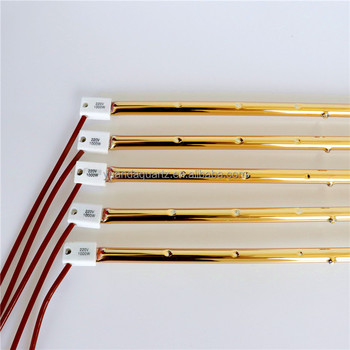
Available with fused ceramic white backings or pure 24K gold vacuum reflective coatings, redirecting more than 90–95% of rearward infrared radiation forward, slashing machine energy consumption by up to 30%.
Discover our field-tested shortwave and medium-wave halogen quartz configurations engineered for modern OEM machinery and precision retrofits.

Fast-cycling shortwave emitter delivering full radiant intensity in ≤1 second. Ideal for PET blow moulding and print drying.

Features an integrated 24K gold reflector that redirects 95% of back-scattered radiant energy towards the curing substrate.

Fused micro-ceramic reflector resistant to working environments up to 900 °C. Unaffected by continuous industrial bake cycles.

Filters out harsh visual glare while passing high-flux infrared energy. Perfect for ergonomic workspaces and textiles.
Actionable intelligence for OEM buyers and engineering procurement teams responding to energy mandates and line automation.
As manufacturing facilities across North America, Europe, and Asia face rising electrical costs and aggressive carbon neutrality mandates (such as the EU Energy Efficiency Directive), heating operations have become a primary target for modernization. Industrial ovens and tunnel dryers are moving away from traditional convective hot-air and metal-sheathed resistance heaters in favor of precision R7S halogen quartz heating elements.
Modern process lines eliminate costly 30-to-45-minute morning warm-up cycles. Because R7S halogen elements reach operational emitter temperatures in under one second, machines can toggle power on a piece-by-piece basis with optical eye sensors, cutting power consumption by 25% to 40%.
OEMs increasingly design heating systems to match the exact absorption spectrum of polymers and moisture. Rather than using generic heat, engineers tune shortwave (1.0–1.4 μm) halogen emitters for deep bulk penetration (e.g., PET preforms) while pairing medium-wave carbon elements for aqueous surface evaporation.
Global procurement teams are bypassing intermediate brokers to contract directly with manufacturers located at primary raw quartz deposits. Sourcing from Donghai via Kavri Quartz Product Co., Ltd. secures stable quartz glass chemical consistency, tighter diameter tolerances, and guaranteed lead times.
Compare performance indicators across common emitter architectures to specify the correct replacement or OEM design.
| Emitter Architecture | Peak Wavelength | Filament Temperature | Thermal Response Time | Energy Efficiency (Direct Radiation) | Best Suited Industrial Application |
|---|---|---|---|---|---|
| R7S Clear Halogen Element | 1.0 – 1.2 μm (Shortwave) | 2200 – 2500 °C | < 1.0 Second | 85% – 90% | PET bottle blowing, semiconductor wafer preheating, paint bake ovens. |
| R7S Gold Coated Halogen | 1.0 – 1.2 μm (Shortwave) | 2200 – 2500 °C | < 1.0 Second | > 95% (Directional) | Localized car body paint drying, composite pre-preg curing, vacuum chambers. |
| R7S Ceramic Reflector Element | 1.1 – 1.4 μm (Shortwave) | 2000 – 2300 °C | < 1.2 Seconds | 90% – 92% (Directional) | Continuous high-heat thermoforming tunnels, packaging shrink film systems. |
| R7S Ruby Quartz Element | 1.2 – 1.5 μm (Short/Medium) | 1800 – 2200 °C | < 1.5 Seconds | 80% – 85% | Ergonomic operator stations, animal brooding, restaurant pass-through warmers. |
| Standard Carbon Fiber Element | 2.0 – 2.5 μm (Mediumwave) | 900 – 1200 °C | 1.5 – 2.5 Seconds | 80% – 86% | Water-based ink drying, paper processing, powder coating gelation. |
Electrical Note: All Kavri R7S halogen quartz heating elements can be tailored for single-phase 110V/120V, 220V/240V, 380V, or 480V systems, with watt densities balanced for your target operating lifetime.
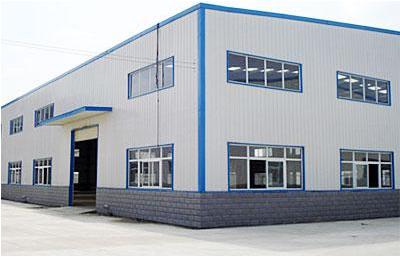
Kavri Quartz Product Co., Ltd. is a highly professional and experienced manufacturer of infrared heat lamps, halogen lamps, and precision quartz glass products in China. Located in the world-renowned crystal and quartz center of Donghai Town, Lianyungang City, Jiangsu Province, we leverage regional raw silica access and deep technical knowledge to engineer reliable, high-performance thermal components.
We are professional in developing, manufacturing, and selling infrared heat lamps & quartz products over 5 years. All the infrared lamps and quartz products feature professional design, high-quality material, and long life use. Our products are exported to Germany, the Netherlands, Japan, Korea, the USA, and other countries and regions worldwide.
Consistent manufacturing discipline, transparent testing, and raw material access that protect your bottom line.
Headquartered in Donghai, Jiangsu — the undisputed quartz capital of China. We process silica envelopes directly from source rock, eliminating sub-tier markups and ensuring chemical purity.
With an official response rate of 92.65% and technical inquiries processed within ≤ 4 hours, your line engineers receive immediate CAD reviews, tolerance advice, and quotes.
We tailor overall length, heated length, wattages up to 3500W, R7S ceramic cap dimensions, and gold/white reflectors. Your drop-in replacements match machine housings cleanly.
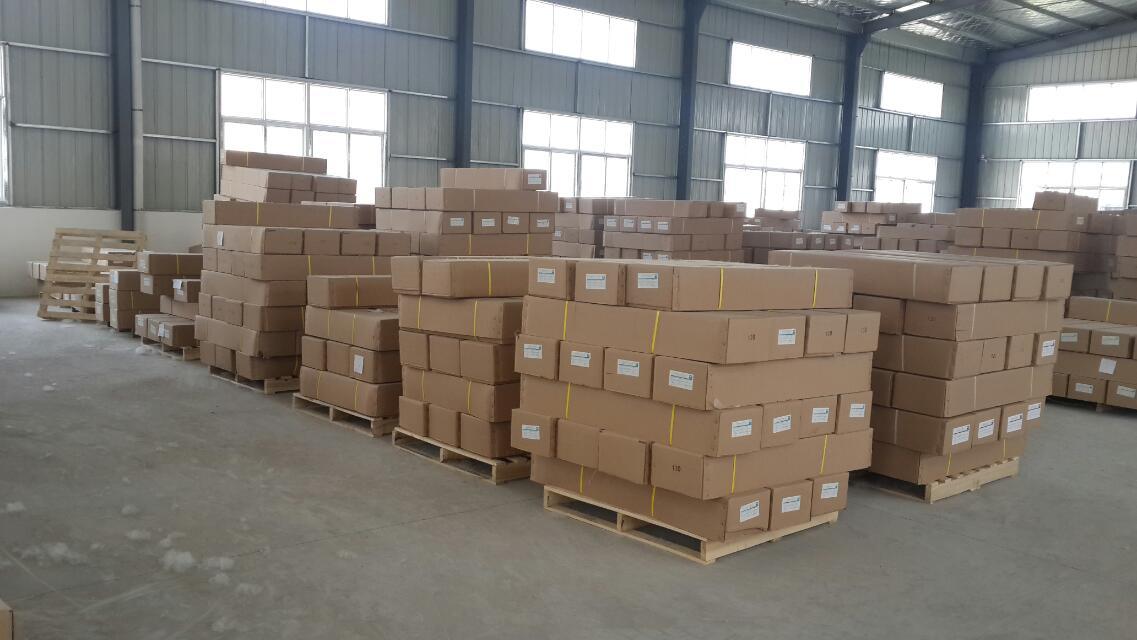
13 continuous years verified on Alibaba with long-term clients across Germany, the Netherlands, Japan, Korea, and the USA. Shock-resistant export packaging ensures breakage-free transit.
From sample reverse-engineering to high-volume containerized delivery — our reliable production cycle.
Send rated voltage, wattage, heated length, overall length, and reflector requirements or send us a physical sample.
Our engineers calculate filament resistance, pinch hermeticity, and wall thickness to meet your target operating environment.
Sample R7S elements are wound, exhausted, gas-dosed, sealed, and dispatched for customer machine bench validation.
Client validates spectral performance, burn profile, and cycle lifetimes under actual factory line conditions.
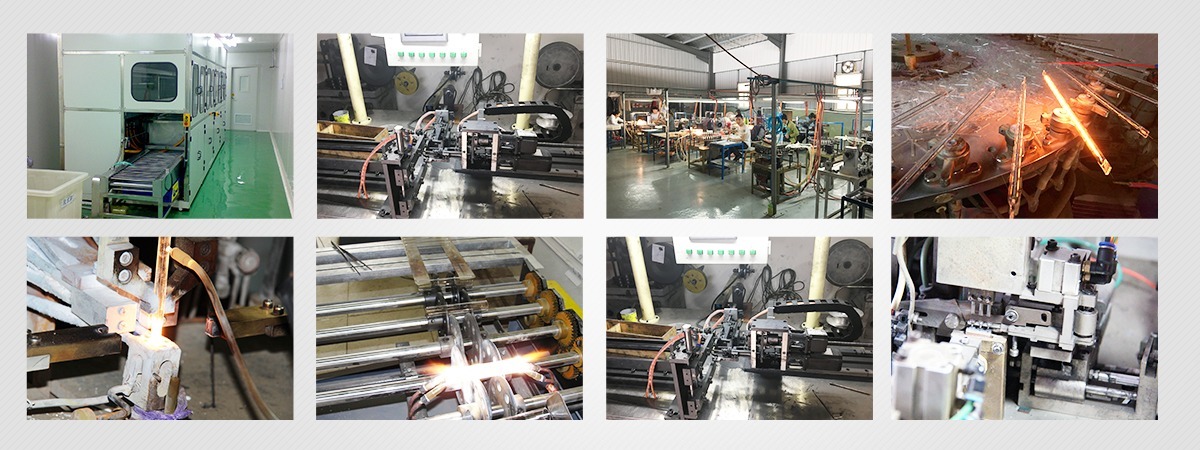
Manufactured on our dedicated lines with strict resistance, insulation, and photometrics checks at 100% testing rates.
Individual elements are encapsulated in shock-absorbing EPE foam and heavy-wall corrugated crates for international logistics.
Authoritative technical answers to common queries asked by procurement officers and mechanical designers.
While an R7S halogen light bulb is engineered primarily to output lumens in the visible spectrum (380–750 nm), an R7S halogen quartz heating element is purpose-built to maximize radiant infrared flux in the shortwave region (1000–1400 nm). The internal tungsten filament is engineered with specialized pitch, coiled winding geometry, and lower color temperature (typically 2200–2500 °C) to shift up to 85–92% of the total electrical energy into thermal radiation rather than visible luminescence.
Furthermore, heating elements use heavy-duty fused quartz walls designed to sustain high continuous operating temperatures up to 900 °C, paired with industrial steatite ceramic R7S caps and high-temperature oxidation-resistant molybdenum foil pinch seals.
High-purity fused silica (quartz glass) offers critical physical properties that standard borosilicate glass or metal sheaths cannot match:
1. Negligible Thermal Expansion: With an expansion coefficient of ∼5.5 × 10⁻⁷ /K, quartz glass can withstand instantaneous transitions from 1000 °C to room temperature without thermal fracture.
2. Superior IR Transmission: Pure quartz transmits over 92% of near and shortwave infrared energy directly without absorbing and trapping heat in the tube wall.
3. Structural Strength at High Temperature: The softening point of fused quartz exceeds 1650 °C, allowing the tube to remain structurally rigid even when the internal filament operates past 2200 °C.
Standard horizontal R7S elements should not be operated vertically without prior engineering consultation. In vertical operation, gravity causes standard loose tungsten coil windings to sag over time, bunching at the lower end and causing short-circuits or localized thermal hotspots.
Kavri Quartz manufactures custom vertical-burn R7S quartz heating elements featuring tungsten coil support rings (dimpled internal spacers) and segmented anchor pinch points along the quartz tube. Always specify your required mounting orientation during RFQ submission.
Both coatings eliminate the need for external parabolic reflectors, redirecting rear radiation forward into the substrate:
• Gold Reflector Coating: Evaporated 24K gold layer provides the highest optical reflectivity (approx. 95% in the IR region). Best suited for applications where envelope temperature does not exceed 600 °C (such as spot drying and car refinishing).
• Half-White Ceramic Coating: A high-purity zirconium/aluminum oxide ceramic backing fused directly into the quartz surface. It withstands continuous temperatures up to 900–1000 °C and resists peeling in closed high-heat industrial ovens.
To provide an exact fit and electrical replacement, we require:
1. Overall Length (OAL): Pin-to-pin contact length (standard sizes include 118mm, 189mm, 254mm, 330mm, 350mm, or custom dimensions).
2. Electrical Ratings: Operating voltage (e.g., 110V, 220V, 240V, 380V, 480V) and total wattage (e.g., 500W, 1000W, 1500W, 2000W).
3. Tube Diameter & Envelope Type: Standard outer diameter is usually 10mm or 12mm; specify clear, ruby, frosted, or reflector coating.
4. Application & Orientation: Machine model (such as Sidel or Krones PET blowing lines) and horizontal or vertical installation.
Every single R7S element undergoes five-stage validation:
1. Cold Resistance Inspection: Digital multi-meter verification within ±5% engineering tolerance to ensure exact wattage on load.
2. Pinch Seal Insulation Test: High-voltage dielectric breakdown check across the steatite ceramic terminal and internal molybdenum foil.
3. Vacuum & Halogen Hermeticity: Mass spectrometer leak detection to verify long-term gas cycle stability.
4. Dimensional Verification: Precise calliper measurements of total length, terminal depth, and concentricity.
5. Photometric Power Burn-In: Sample test-firing on batch lines to ensure uniform filament color temperature and verify coating adhesion.
Send us your machinery drawings, wattage specifications, or physical sample requirements. Our thermal engineering team reviews all technical inquiries within 4 hours.