Engineered Optical & Thermal Radiators
Direct-factory industrial radiation emitters manufactured using raw natural crystal from Donghai, the premier quartz synthesis capital. Designed specifically to endure high ambient humidity, fluctuating island power lines, and rigorous chemical vapor exposure.
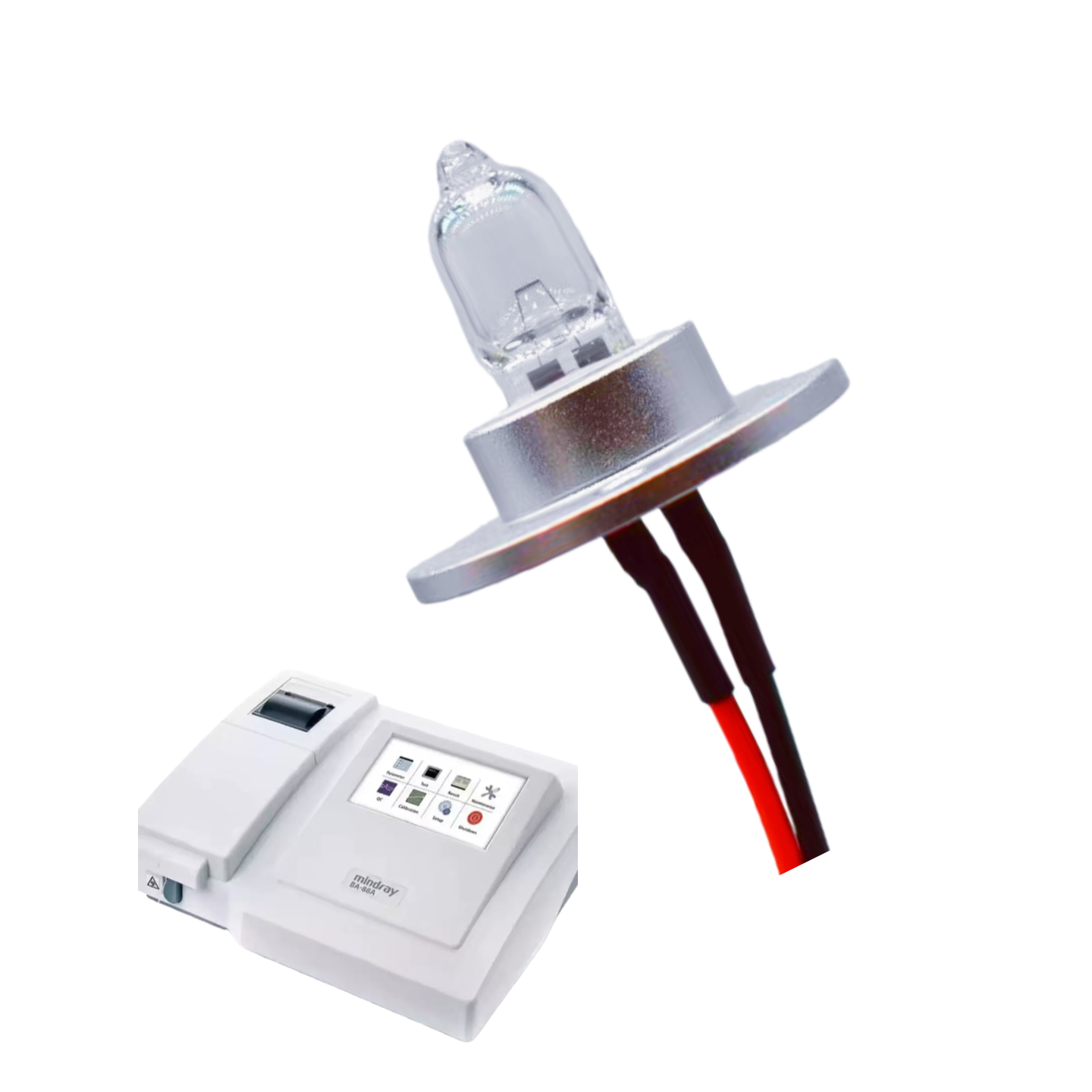
BA-88A Halogen Lamp Bead 6V 10W Biochemical Light Bulb
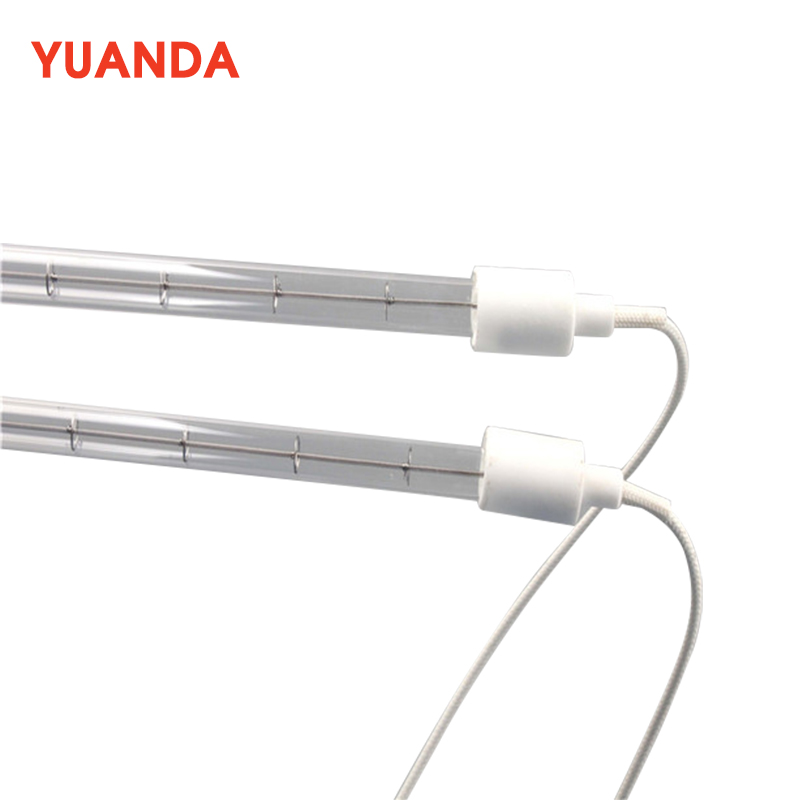
Infrared Heater Halogen Lamp for Drying Systems
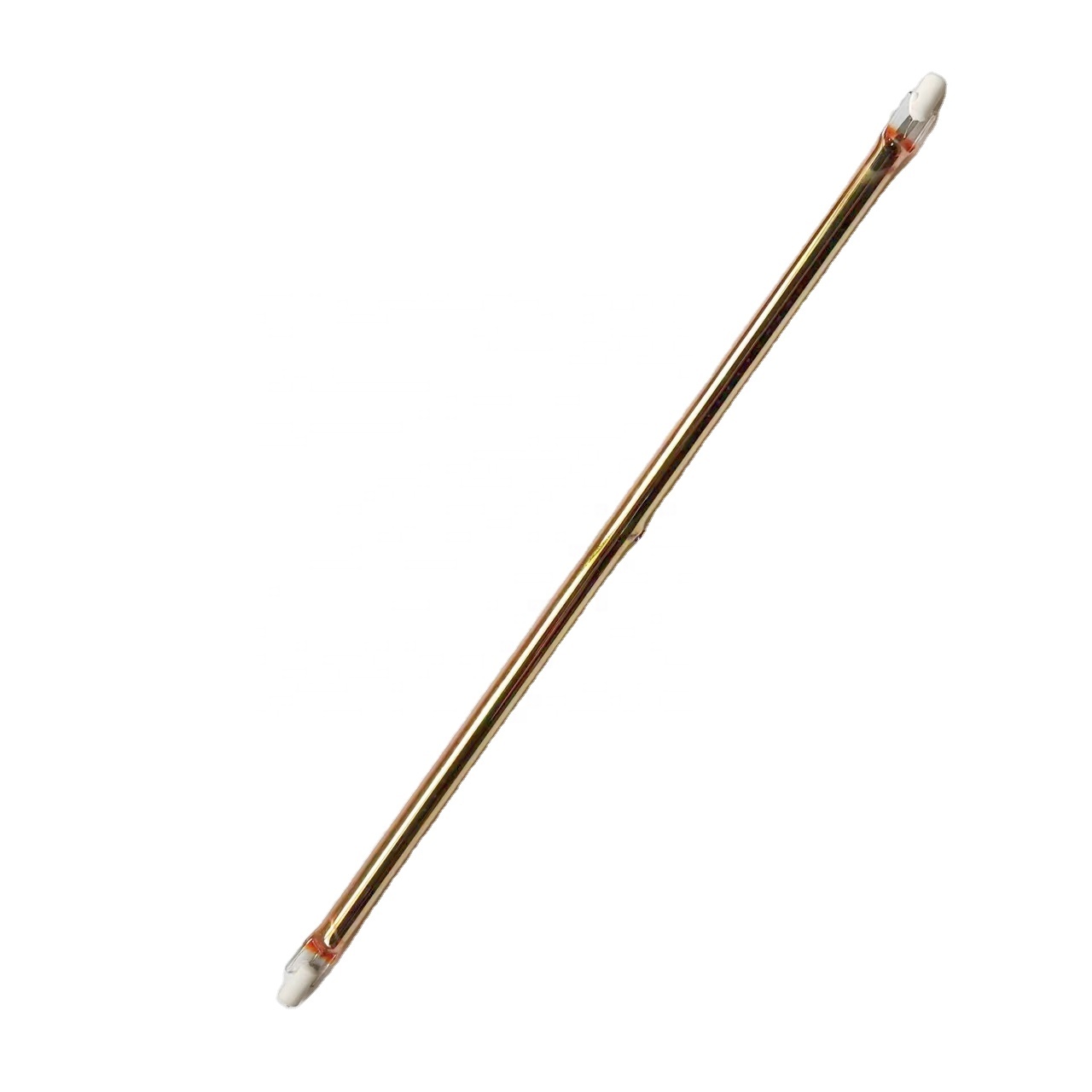
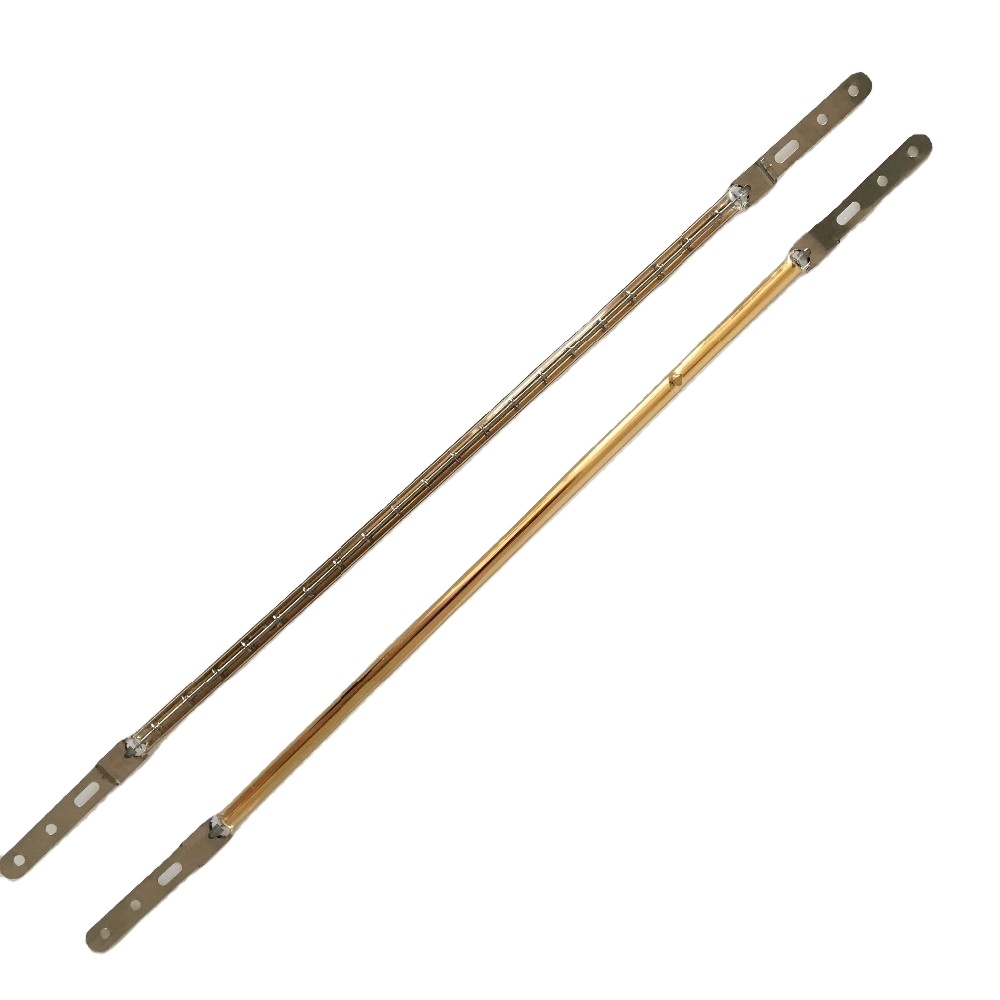
Halogen Quartz Half Gold Lamp for Screen Printing
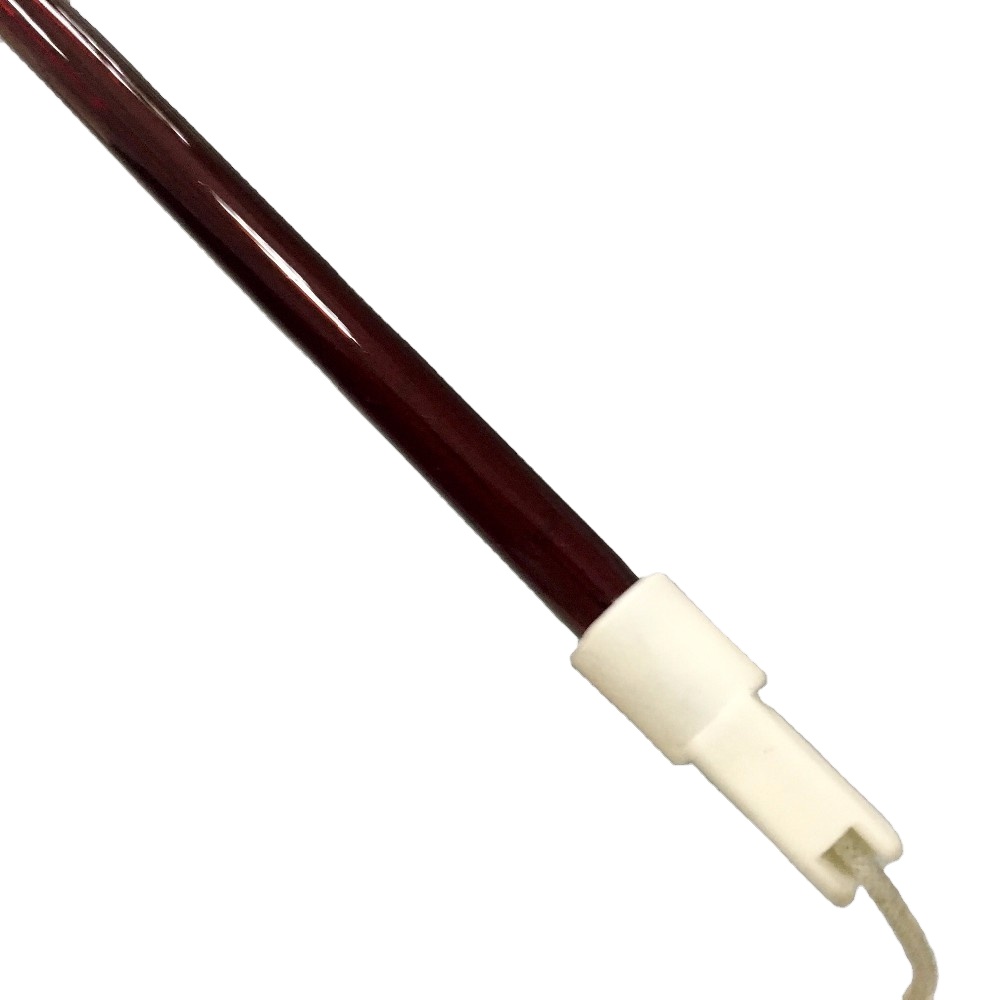
Ruby Infrared Heating Lamp for Agricultural Heating
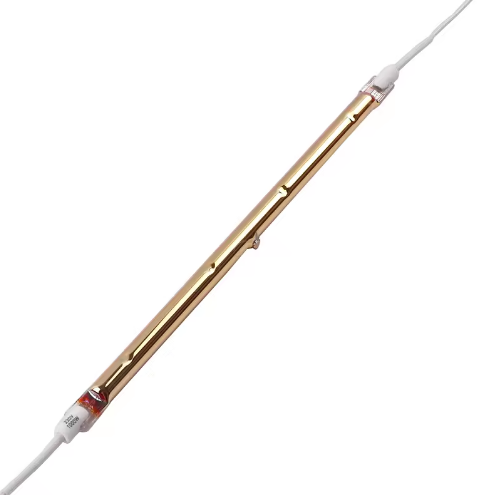
Gold Plated Quartz Infrared Lamp for PET Manufacture
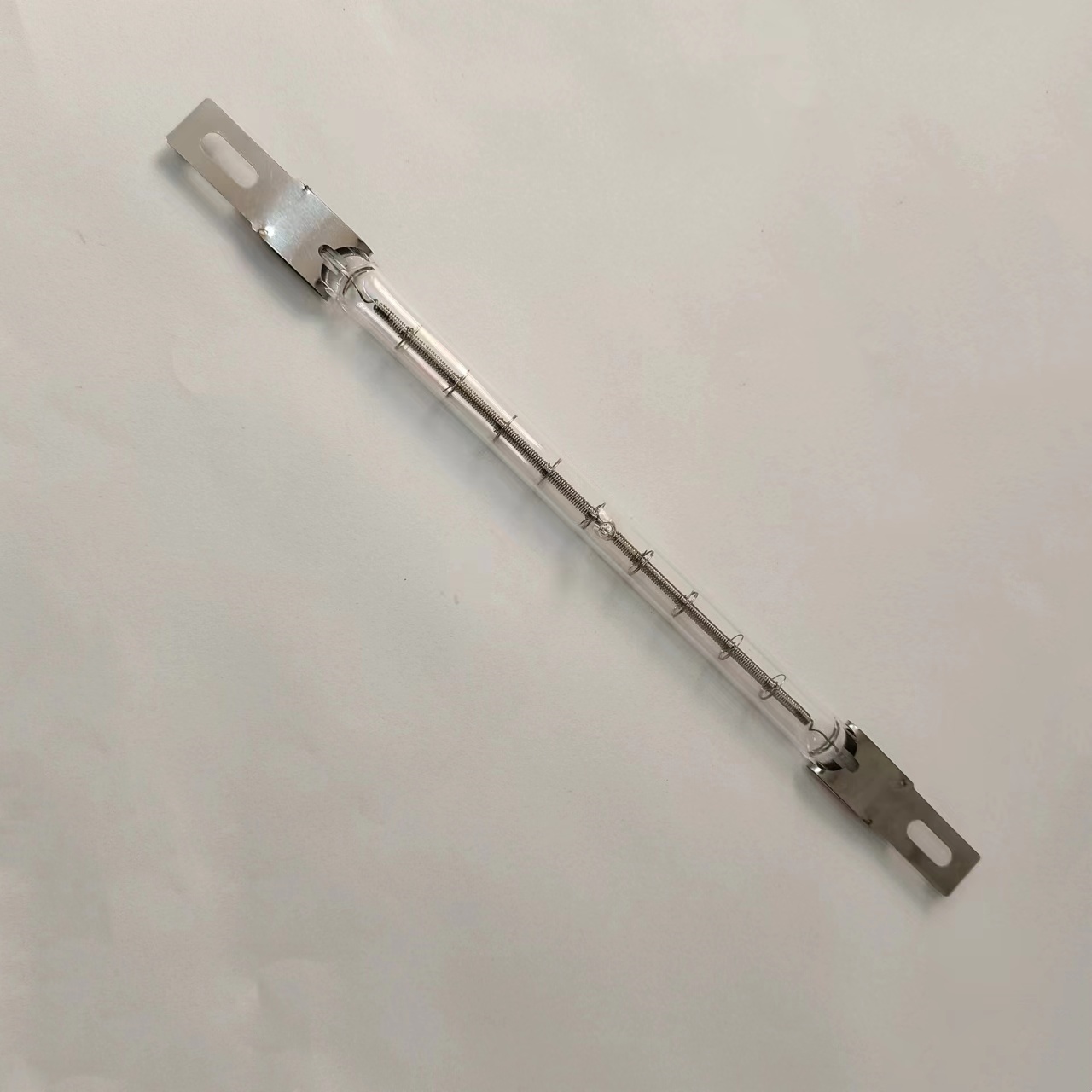
13195X Metal Clip Clear Heat Lamp for Printing Dryers
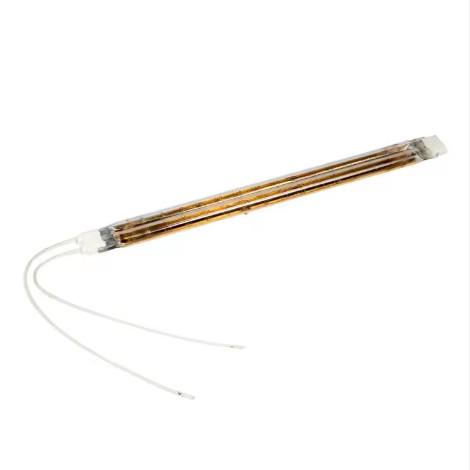
Twin-Tube Half Gold IR Heating Lamp for Stretch Blowers
UV Photopolymerization & IR Curing Physics: A Technical White Paper for Island Operators
Operating an industrial radiation-curing line within the multi-island territory of St. Vincent and the Grenadines (SVG) requires careful technical calibration. Maritime atmospheres with high relative humidity (>80% RH year-round), combined with airborne sodium chloride aerosols and island electric grid characteristics (nominal 230V single phase / 400V three phase at 50Hz, subject to generation variations), introduce distinct physical challenges for both UV curing and high-flux IR drying systems.
Ultraviolet curing is not a convective thermal drying process; it is a rapid photopolymerization reaction. Photoinitiators contained in specialized resins, clearcoats, and inks undergo direct molecular cleavage when bombarded with precise spectral wavelengths—primarily UVA (315–400 nm) for depth curing, UVB (280–315 nm) for cross-link density, and UVC (200–280 nm) for surface hardness and oxygen-inhibition mitigation. If an imported curing lamp experiences spectral drift or thermal sagging due to inferior silica envelopes, the surface of the polymer remains tacky, resulting in coating delamination in aggressive marine environments.
| Radiation Category | Dominant Band | Primary Reaction Physics | Critical Process Parameters in SVG |
|---|---|---|---|
| Medium-Pressure Mercury UV | 254 nm, 313 nm, 365 nm | Free-radical & cationic photopolymerization of acrylates and epoxies | Requires ozone extraction or ozone-free doped quartz in compact seaside workshops. |
| Metal Halide (Iron/Gallium) | 380 nm – 420 nm | Deep-layer penetration for heavily pigmented inks and thick gelcoats | Essential for opaque fiberglass composites, marine gel-patch repairs, and dense silk-screen inks. |
| Short-Wave Infrared (Halogen) | 1.0 µm – 1.4 µm | Direct vibrational excitation of substrates; rapid moisture expulsion | Flash-off systems for pre-heating preforms and curing clear coatings prior to exposure to ocean salt fog. |
| Carbon Fiber Medium-Wave IR | 2.0 µm – 2.6 µm | Optimal resonant absorption matching for water, polyurethanes, and acrylic resins | Minimizes blistering on exotic yacht woods, composite trims, and delicate PET bottle labels. |
At Kavri Quartz, every emitter envelope is drawn from 99.99% pure fused silica (SiO2) sourced directly from Donghai. This high purity maintains high transmittance (>90% across the critical actinic UV and near-IR bands) and provides an ultra-low coefficient of thermal expansion (α ≈ 5.5 × 10⁻⁷ /K). Our quartz envelopes can withstand continuous internal arc temperatures exceeding 800°C and rapid ambient cooling cycles without micro-fissuring or vitrification.
Localized Application Scenarios in St. Vincent & Grenadines
From shipyards in Port Elizabeth (Bequia) and Kingstown Harbor to modern rum distilleries and craft packaging workshops, industrial radiation curing drives modern operations across SVG.
Marine Yacht Refinishing & Composite Patching
Yacht maintenance hubs in Bequia, Mustique, and Canouan require rapid turnaround on polyurethane finishes, non-skid deck polymers, and structural composite patching. Portable metal-halide and UV-A curing emitters cure marine-grade coatings in minutes rather than days, preventing airborne salt crystals from embedding into wet resin surfaces.
Beverage Bottling & Local Rum Packaging
SVG's beverage, agro-processing, and rum bottling facilities rely on continuous stretch blow molding and high-speed rotary labeling. Our gold-coated short-wave IR twin-tubes ensure consistent preform wall plasticity, while compact UV curing modules dry screen-printed inks and UV varnishes on glass and PET bottles without thermal warpage.
Commercial Offset & Wide-Format Screen Printing
Commercial print houses in Kingstown serving local businesses, tourism operators, and government institutions use UV curing for signs, menu boards, folding cartons, and marketing collaterals. Instant UV curing prevents ink smearing caused by the tropical Caribbean humidity, delivering durable scratch-resistant prints right off the press.
Architectural Wood Staining & Luxury Villa Joinery
High-end residential villas on Mustique and Canouan feature exotic hardwood decking, teak furnishings, and custom cabinetry exposed to severe tropical UV and rainfall. UV-cured acrylic and polyurethane sealants provide long-lasting surface protection without releasing high-VOC solvents into sensitive island ecosystems.
Water Disinfection & Healthcare Flow Cells
With decentralized rainwater catchment, eco-resort reverse-osmosis (RO) desalinators, and clinics across the Grenadines, germicidal UVC (253.7 nm) quartz lamps and precision biochemical flow tubes ensure potable water purity and reliable diagnostic capabilities without relying on high-maintenance imported chemical reagents.
Automotive Refinishing & Fleet Panel Baking
Island road surfaces, salty sea breezes, and tropical sun accelerate paint deterioration across delivery vans and transport fleets on St. Vincent. Our short-wave ruby and gold-reflector infrared mobile lamps dry primer coats and 2K polyurethane topcoats from the inside out, preventing solvent boil and pinholes in unconditioned spray areas.
Strategic Industry Trends Across the St. Vincent Blue Economy
How transitioning to high-efficiency UV and precision quartz heating directly strengthens energy resilience, regulatory compliance, and bottom-line productivity in the Eastern Caribbean.
Decarbonization & Kilowatt Optimization
Island electrical tariffs linked to imported diesel generation incentivize manufacturers to eliminate inefficient convective thermal ovens. UV photochemical curing consumes up to 75% less electric power per operational hour by using instantaneous solid-state crosslinking, reducing peak demand strain on local generation units.
Elimination of Volatile Organic Compounds (VOCs)
With luxury eco-tourism serving as an economic pillar in the Grenadines, environmental regulations favor zero-VOC processing. 100% solids UV inks and clear finishes release zero aromatic solvents into the atmosphere, allowing boatyards and print shops to operate near pristine anchorages and eco-resorts without environmental fines.
Direct Replacement Emitter Standardization
Plant engineers across St. Vincent often operate legacy European, North American, or Japanese machinery. Kavri Quartz offers comprehensive reverse-engineering for non-standard ceramic bases, metal clip assemblies, and custom arc lengths, ensuring seamless retrofits without requiring expensive control cabinet replacements.
Frequently Asked Questions for Caribbean Importers
Practical answers to operational questions regarding voltage compatibility, sea freight routing, and operating optical quartz emitters in tropical island conditions.
How do your UV and IR lamps perform with St. Vincent's 230V / 50Hz grid and voltage drops?
What shipping safeguards prevent quartz glass breakage during ocean transit to Kingstown?
How does high coastal salinity affect quartz lamp life, and how is this mitigated?
Can you supply exact replacements if our original equipment manufacturer (OEM) part is discontinued?
What are your minimum order quantities (MOQ) and lead times for St. Vincent and the Grenadines?
How do operators differentiate when to deploy gallium vs. iron vs. standard mercury UV lamps?
The Kavri Quartz Manufacturing Advantage
Delivering premium fused silica fabrication, certified quality control, and rapid global export logistics from China's leading quartz production cluster.
Donghai Raw Mineral Cluster
Situated in Lianyungang, Jiangsu, our facility has direct access to high-purity natural silica sand. This raw material advantage guarantees consistent envelope purity (>99.99% SiO2), low hydroxyl [OH-] content to prevent thermal devitrification, and superior transmission efficiency compared to secondary glass manufacturers.
Comprehensive OEM/ODM Engineering
We produce single and twin-tube emitters across arbitrary heated lengths, power ratings from 100W to 30,000W, and all commercial reflector configurations: pure vapor-deposited gold, diffused ceramic white, or ruby glare-reduction quartz. Terminal fittings include R7s, metal clips, ceramic push-ins, or PTFE-jacketed silicone flying leads.
Rigorous Electrical & Optical QC
Every production batch undergoes 100% full-load electrical testing, spectral irradiance profiling, envelope pressure checks, and mechanical dimensional verification against CAD drawings. Test certificates, high-resolution pre-shipment photos, and photometric reports are supplied for every export consignment.