Engineering Whitepaper: UV Curing and Infrared Thermal Optics in Timor-Leste
As the Democratic Republic of Timor-Leste navigates the industrial objectives of its Strategic Development Plan 2011–2030, localized manufacturing across the capital region of Dili, the Special Administrative Region of Oecusse (RAEOA), and along the southern coastal development corridor (Suai, Betano, Beaço) is experiencing targeted technical transformation. Industrial processing environments in Timor-Leste operate under distinctive geographical and thermodynamic parameters: year-round tropical humidity often surpassing 80%, coastal atmospheric salt crystallization, and isolated municipal power networks that demand extreme stability from sensitive electrical elements.
Industrial UV curing (ultraviolet photopolymerization across UVA 315–400 nm, UVB 280–315 nm, and UVC 200–280 nm) and short-wave/medium-wave quartz infrared radiation represent decisive technology shifts for local enterprise. Rather than relying on traditional convection drying ovens—which consume massive energy, induce thermal distortion in plastics, and remain highly susceptible to airborne moisture contamination—electromagnetic radiation transfers energy instantly to the target coating, substrate, or polymer chain. For Timor-Leste's growing manufacturing initiatives, selecting high-purity fused silica (SiO₂) emitters manufactured by an accredited source ensures stable operational lifetimes exceeding 5,000 continuous hours without devitrification or output decay.
Localized Industrial Application Profiles Across East Timor
The industrial deployment of UV curing lamps and quartz thermal radiation units across East Timor centers on four distinct manufacturing domains:
Rigid Packaging & Bottling
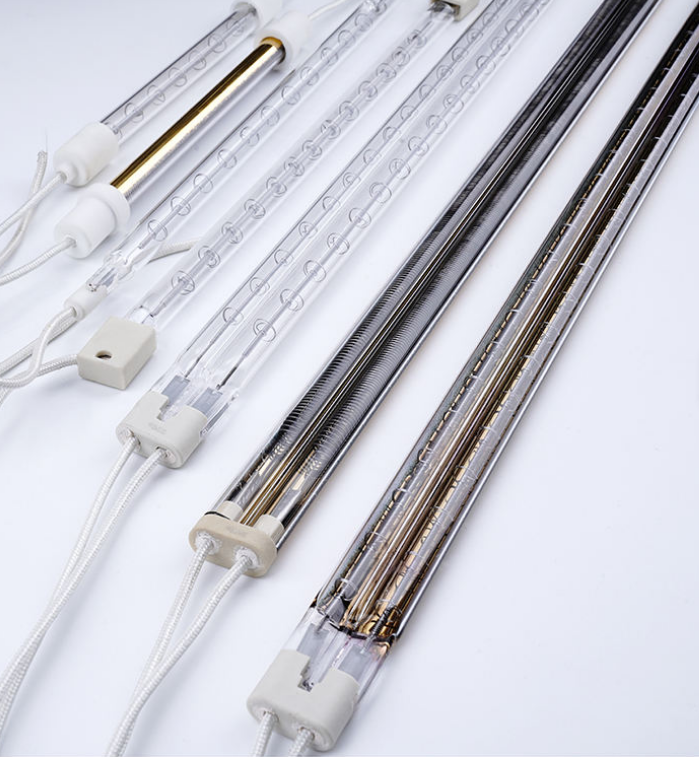
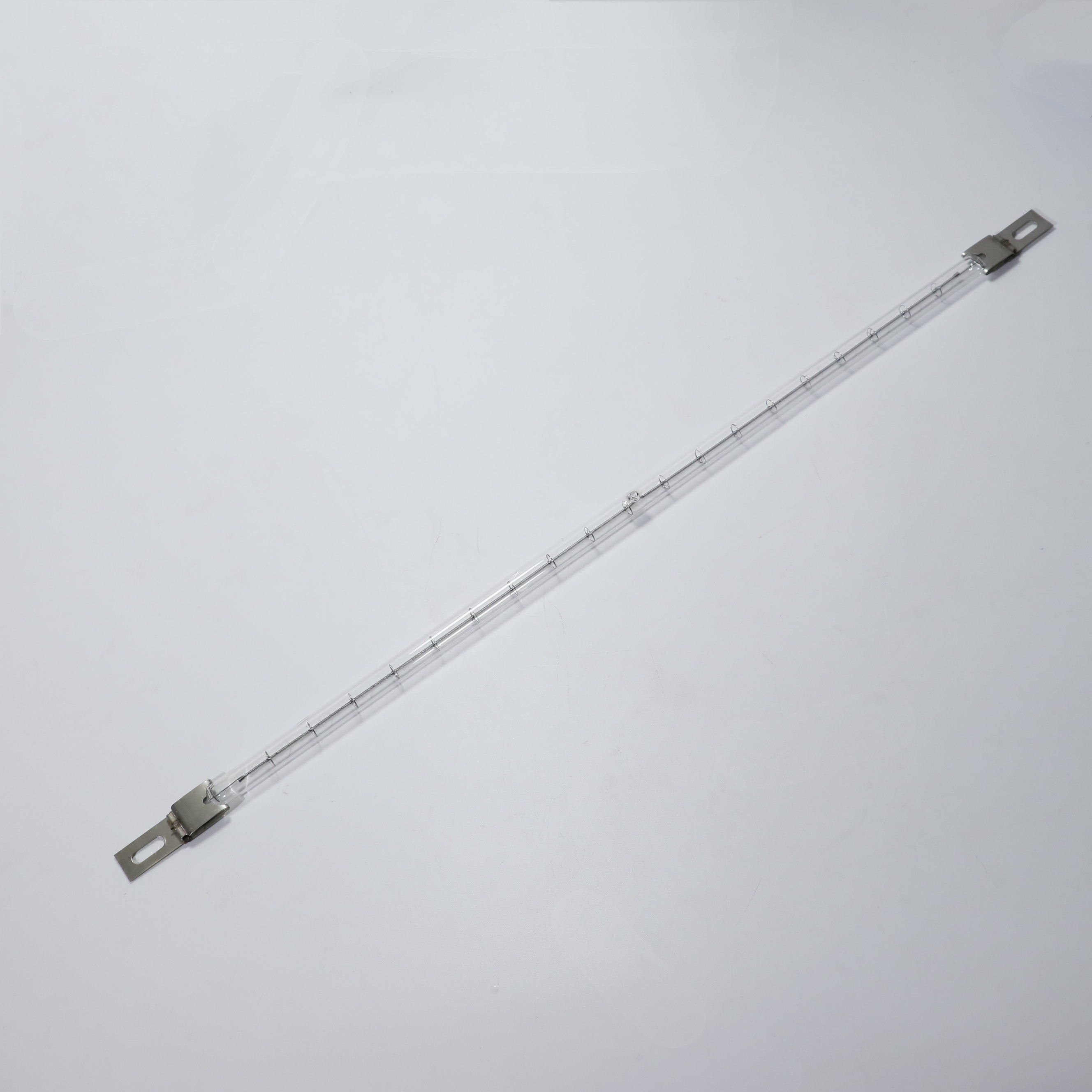
Dili's beverage, potable water bottling, and cooking oil processing lines rely on twin-tube short-wave halogen lamps to reheat PET preforms uniformly without causing structural deformation or haze before rotary blow molding operations.
Commercial Print & Packaging
Instantaneous photochemical cross-linking for offset and screen printing processes. UV curing lamps dry inks and protective varnishes within 0.1 to 0.5 seconds on corrugated board, labels, and food packaging materials.
Fleet Coatings & Marine Care
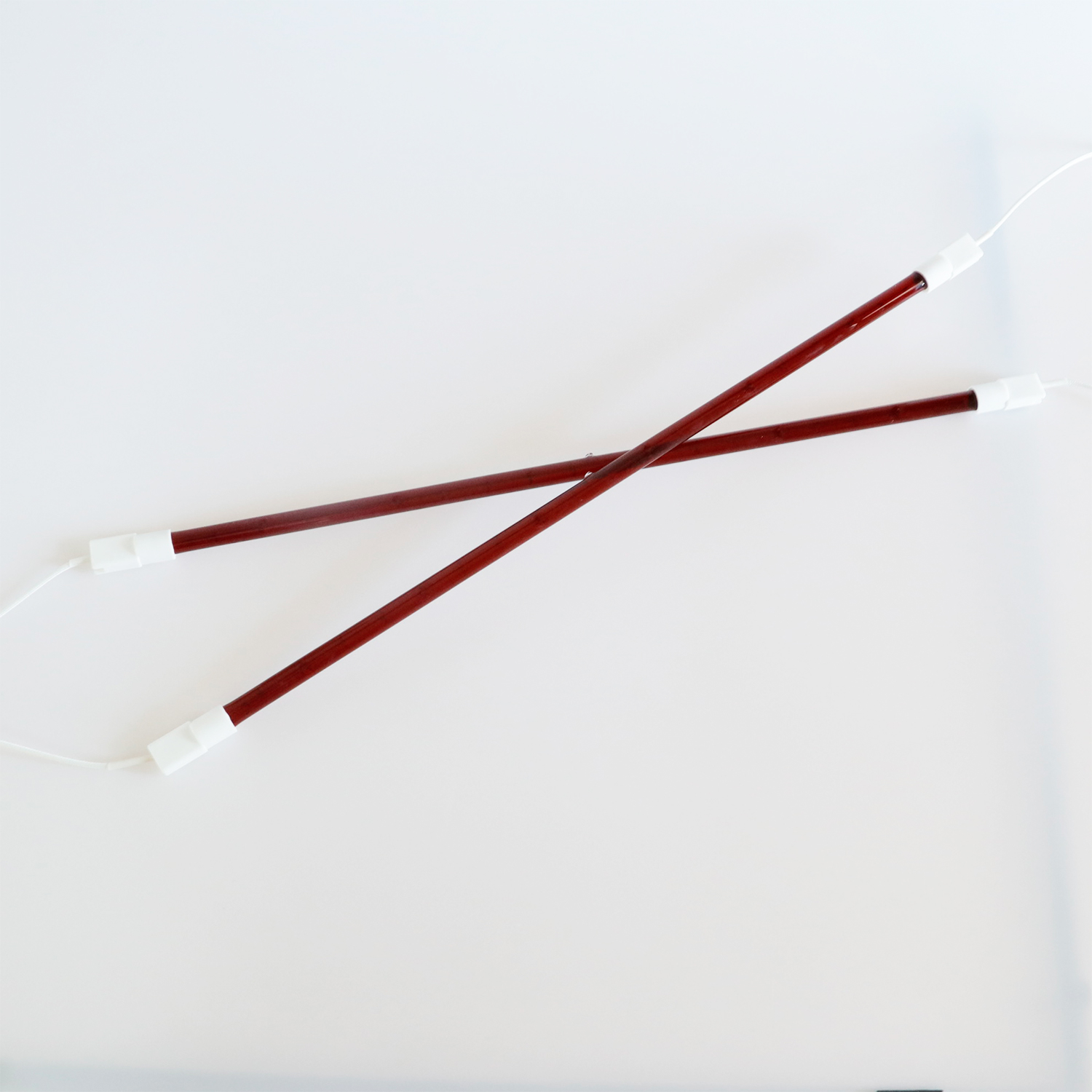
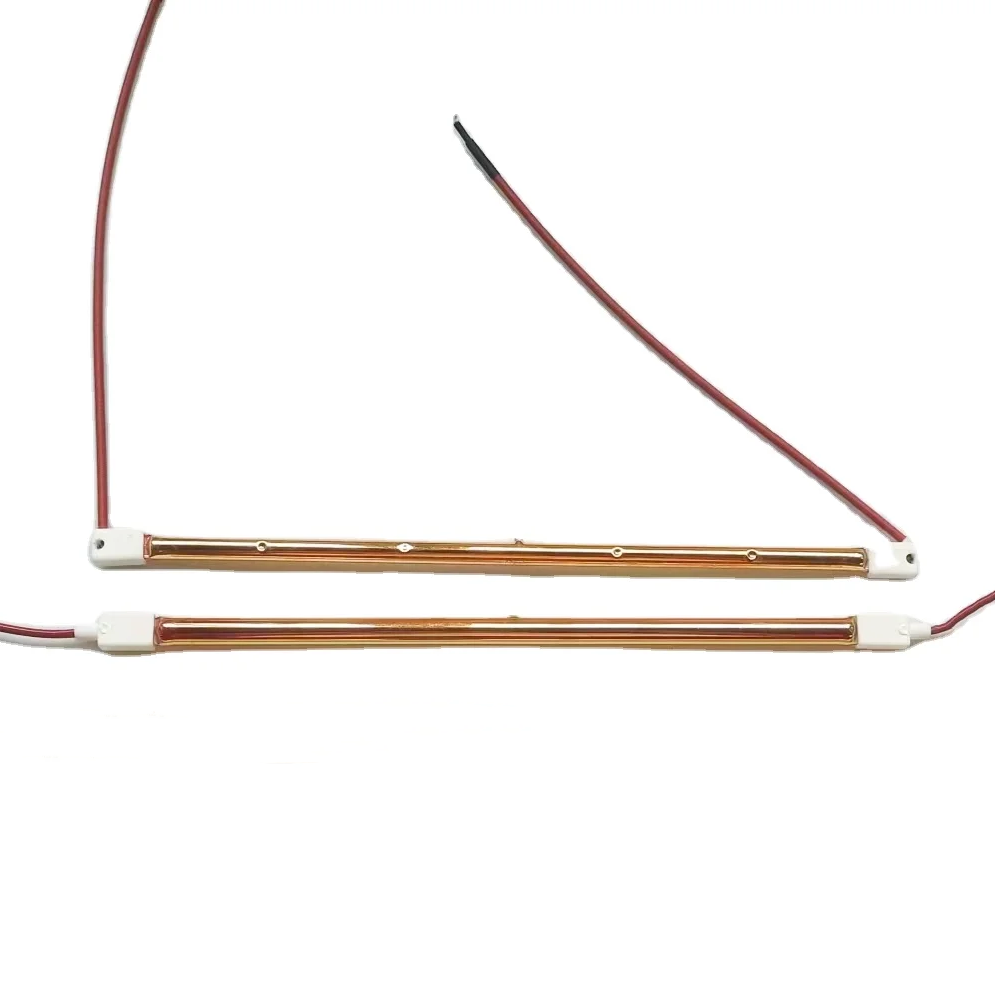
Short-wave ruby and gold-backed infrared lamps penetrate deep into automotive paint primers and maritime polyurethane protective coatings at Tibar Bay port facilities, preventing blistering caused by high ambient humidity.
Technical Selection Matrix: Wavelength vs. Industrial Substrates
Deploying radiant systems in high-humidity territories requires matching the spectral emission bandwidth to the absorption resonance of the specific organic molecules or photopolymer resins. Standardizing on the proper emitter reduces industrial power consumption by up to 45% compared to non-targeted heating methods.
| Radiation Mechanism | Dominant Wavelength | Response Velocity | Photochemical / Thermal Action | Optimal Timor-Leste Use Case |
|---|---|---|---|---|
| Mercury Medium-Pressure UV | 200 nm – 400 nm (Broad) | 3 – 5 min warm-up | Photoinitiator radical polymerization; instant polymer hardening | Packaging printing, clear-coat varnishing, structural resin assembly |
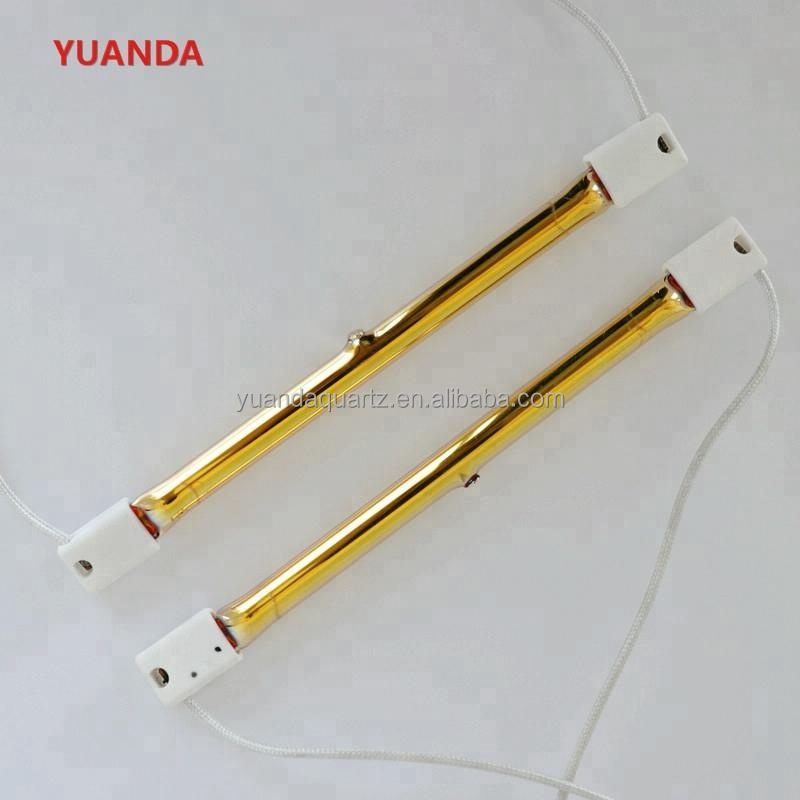
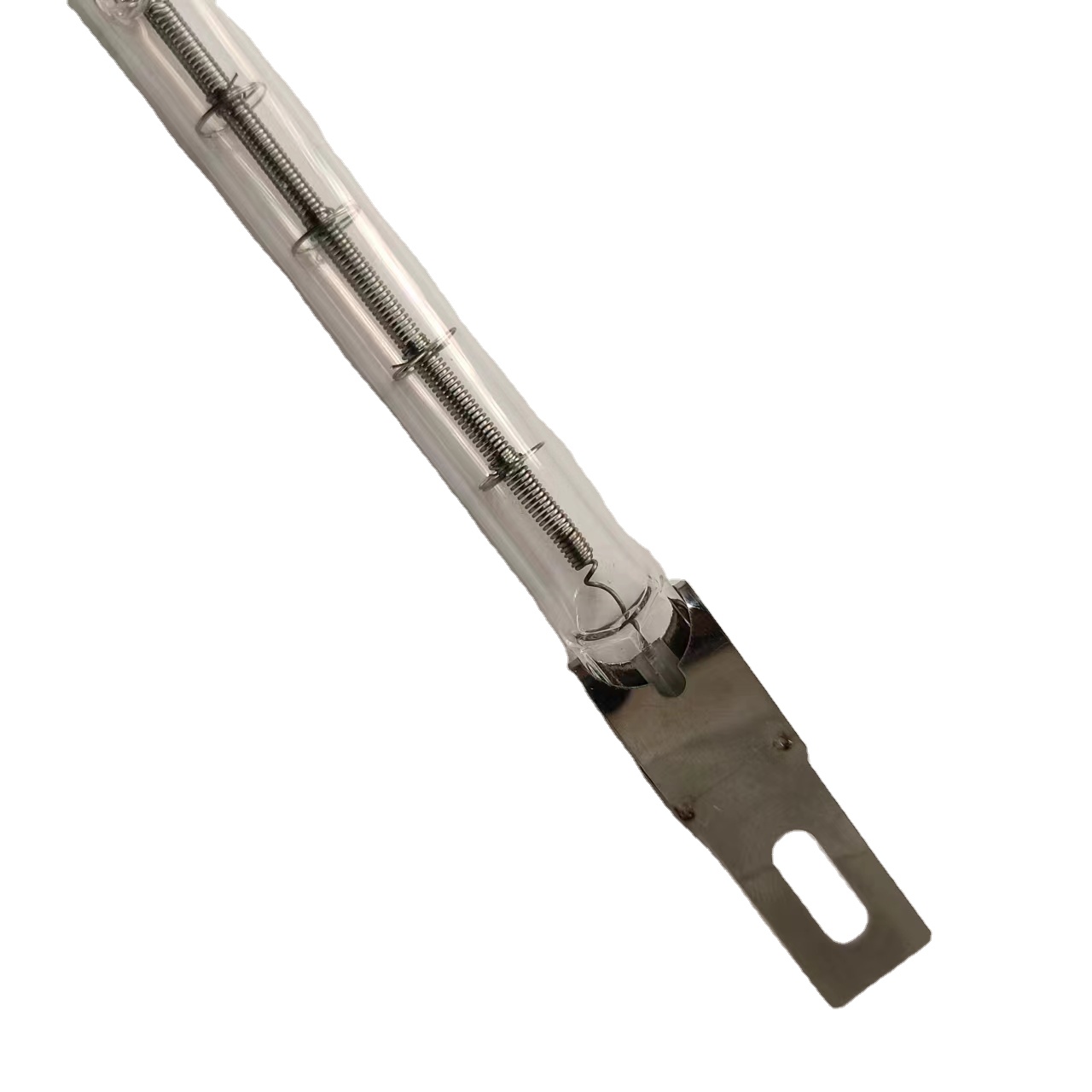
| Short-Wave Halogen (Twin Tube) | Peak 1.0 – 1.2 µm | ≤ 1 second | Deep penetration into dense polymers; rapid core heating | PET bottle blowing machines, thermoforming blister packages |
| Ruby Filtered Short-Wave | Peak 1.2 µm (Glare cut 90%) | ≤ 1 second | Targeted thermal penetration without intense visible glare fatigue | Spray paint curing booths, workshop spot refinishing in Dili |
| Carbon Fiber Medium-Wave | Peak 2.0 – 2.4 µm | 1 – 2 seconds | Direct surface absorption resonant with water & alcohol functional groups | Water-based ink drying, agricultural processing, wood lacquer drying |
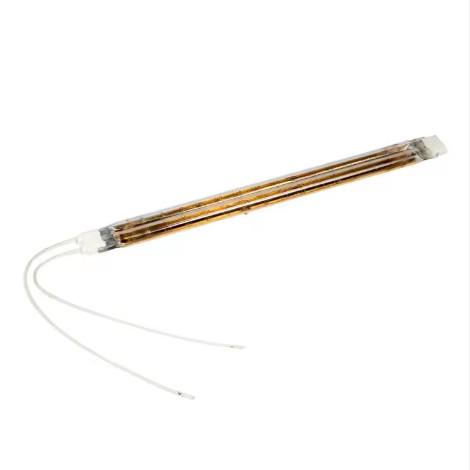
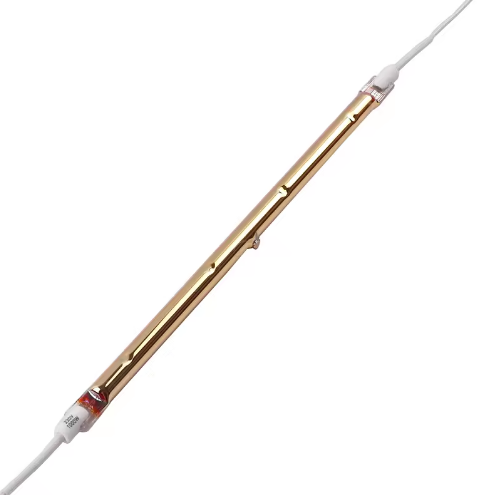
| Gold-Reflector Emitter | Directional Short/Medium | ≤ 1 second | 96% back-reflection targeting radiant energy strictly forward | High-throughput industrial processing ovens with confined footprint |
Emerging Localization Trends Across Timor-Leste
Two fundamental market shifts are redefining emitter requirements for Timorese plant managers and equipment importers:
1. Grid Fluctuations and Energy Optimization: Electricity generation throughout Timor-Leste remains reliant on heavy fuel oil (HFO) and isolated microgrids. Consequently, power tariffs emphasize equipment running at high electrical-to-radiant conversion efficiencies. Kavri Quartz halogen and UV systems deliver up to 92% direct radiative efficiency, completely avoiding the warm-up cycles and standby heat losses associated with steam pipes or resistive ceramic blocks.
2. Marine Atmospheric Resistance: Facilities situated along the coastal shelf of the Ombai Strait and Timor Sea experience elevated ambient airborne salinity. Unsealed emitters suffer rapid pin oxidation, seal degradation, and reflective film breakdown. To solve this, our exported emitters feature pure gold or ceramic reflectors thermally fused directly onto the fused quartz envelope, preventing delamination caused by tropical ambient condensation.