Featured Industrial Quartz & Infrared Heating Systems
Precision-manufactured high-temperature components, custom-dimensioned fused silica plates, and performance-rated infrared heating equipment deployed globally across precision manufacturing hubs.
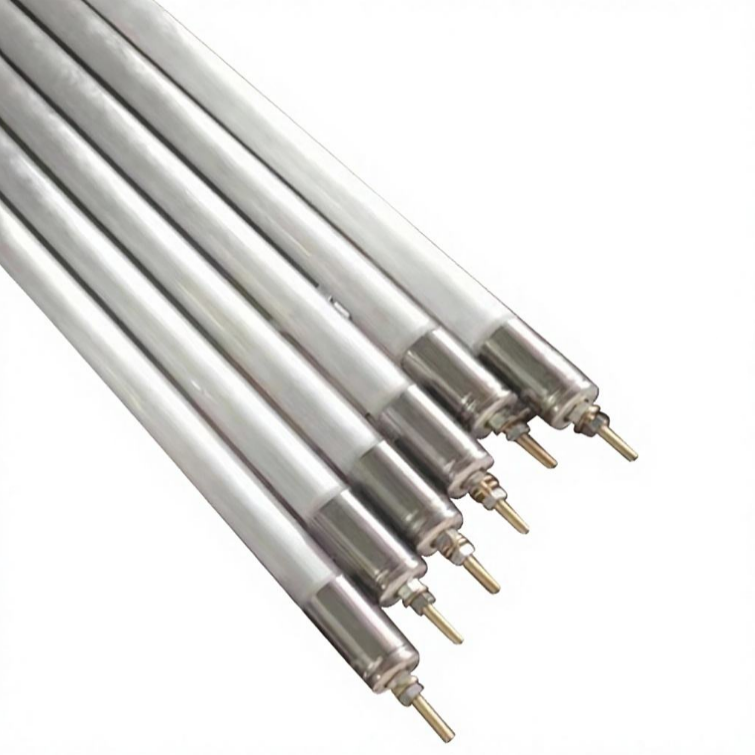
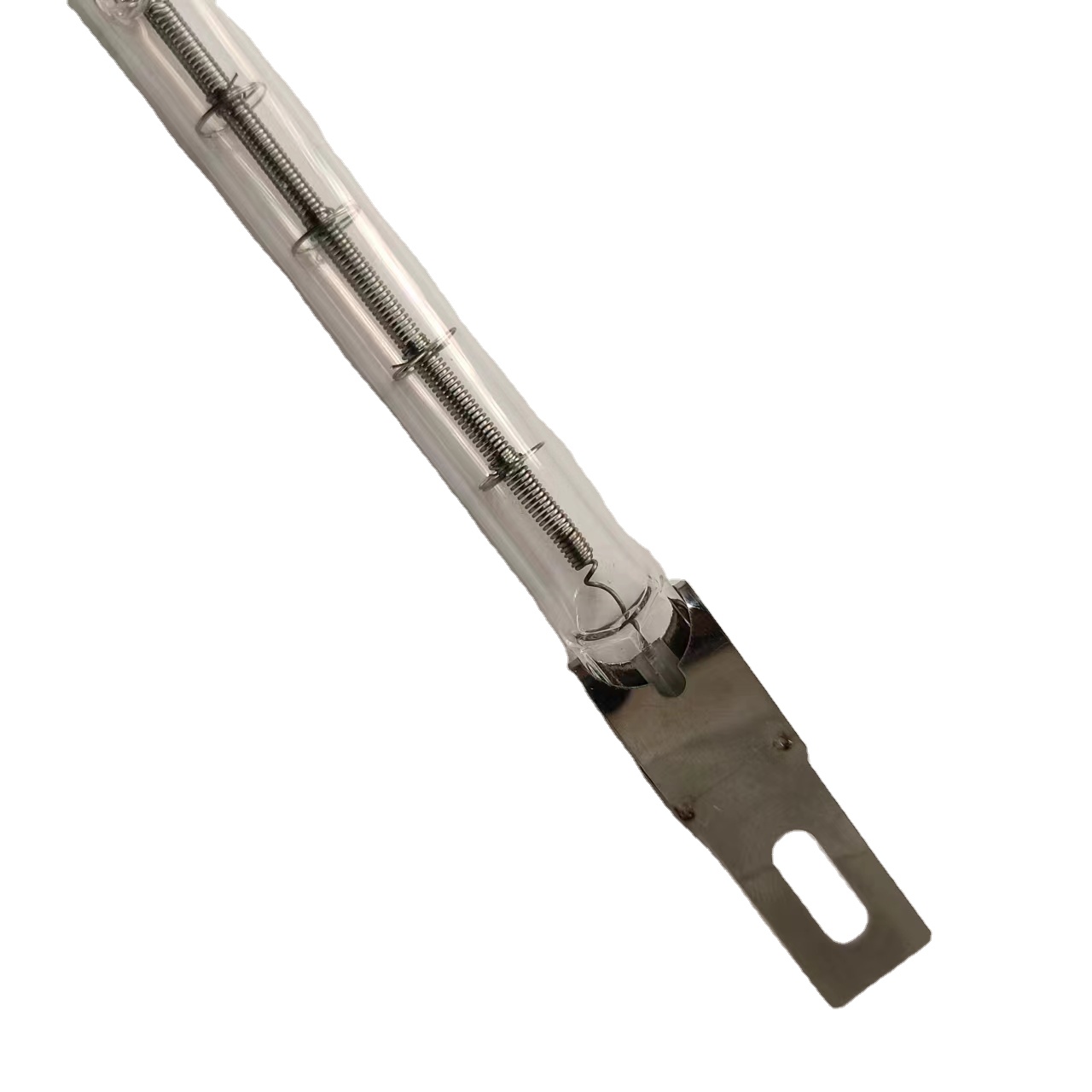
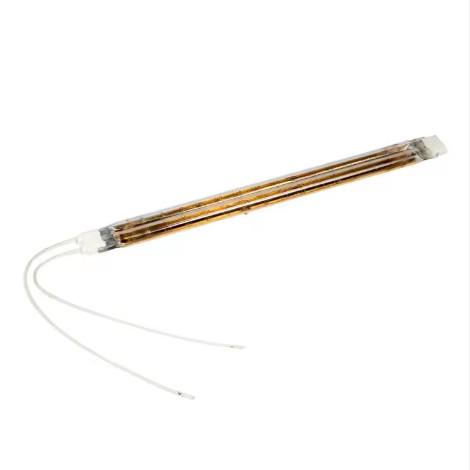
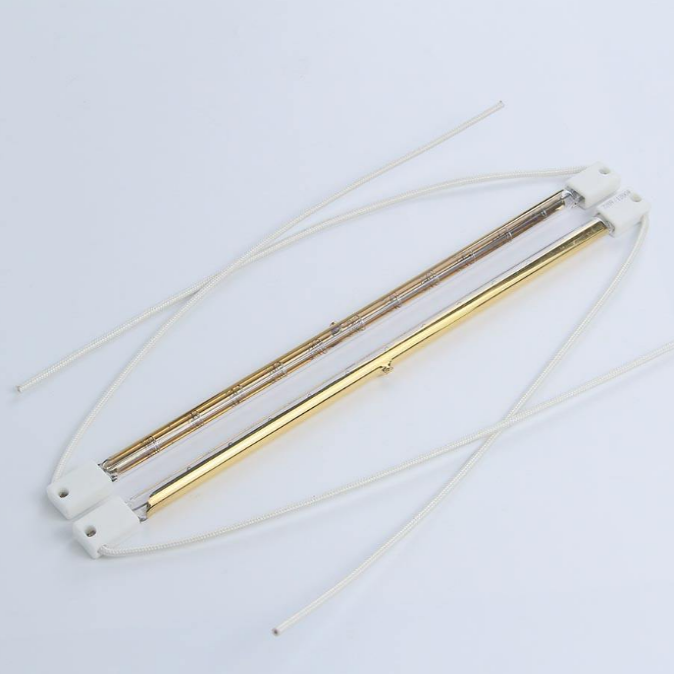
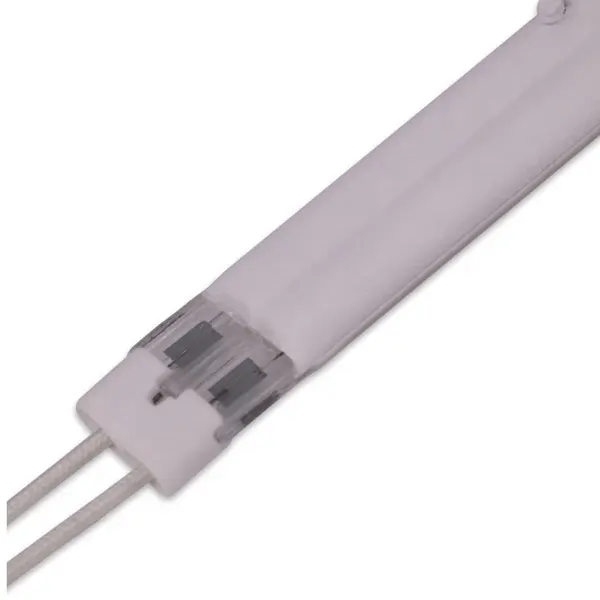
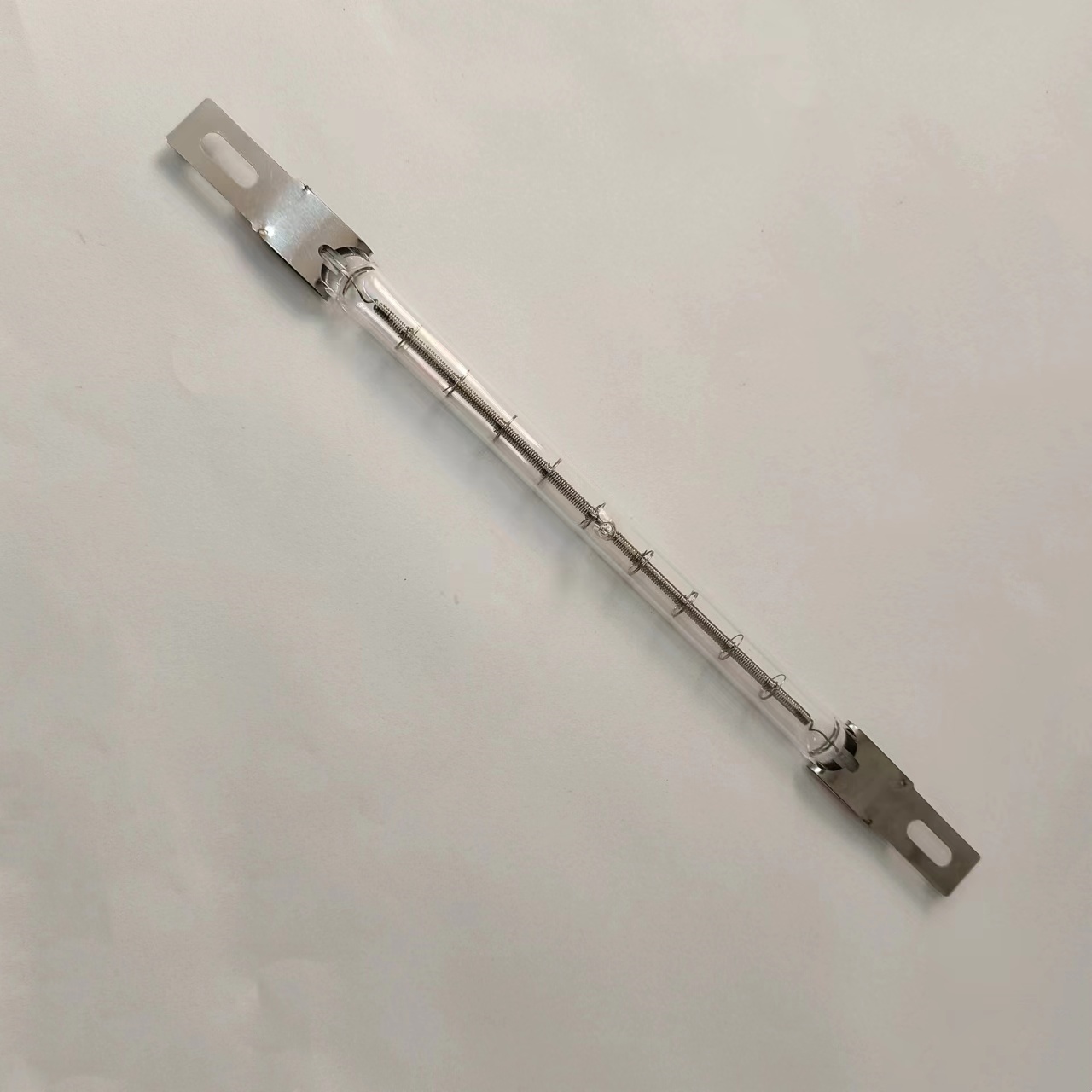
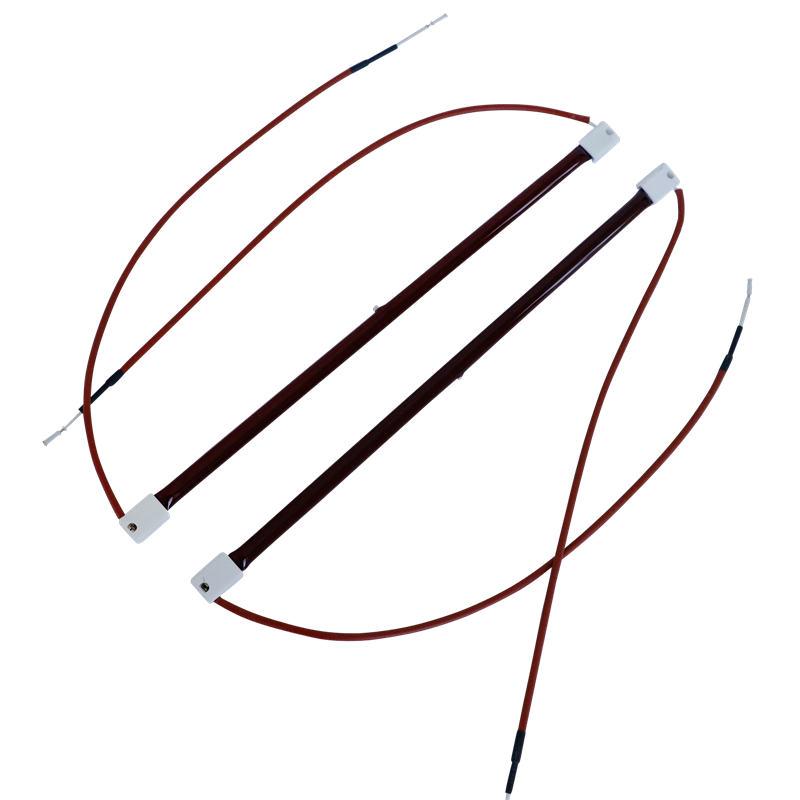
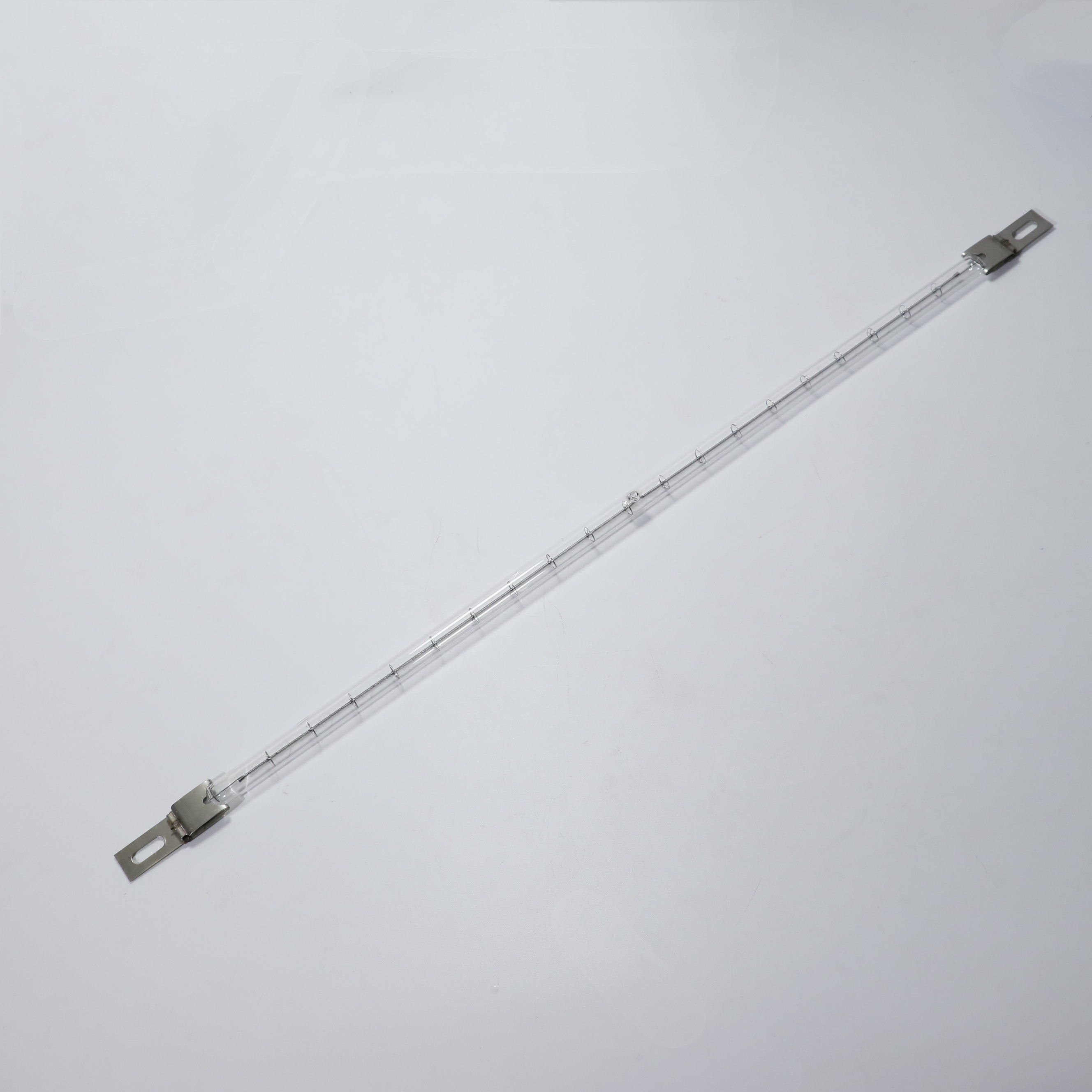
High-Purity Transparent Quartz Glass Plates: Material Architecture & Physical Metallurgy
In precision engineering, optical metrology, and heavy thermal processing, transparent quartz glass plates (fused silica flat substrates) are critical foundational elements. Kavri Quartz Product Co., Ltd. supplies high-spec fused quartz solutions fabricated from high-grade natural silica sand sourced directly from the renowned Donghai quartz belt. Unlike standard borosilicate or aluminosilicate glasses, transparent fused quartz glass exhibits an amorphous network structure composed almost exclusively of silicon dioxide (SiO2 > 99.99%), giving it structural stability under extreme physical and chemical conditions.
Our transparent quartz plates undergo strict continuous electric fusion or gas-phase oxyhydrogen refining processes to minimize hydroxyl (OH-) content, micro-bubble inclusion, and optical striations. This gives them a remarkably low linear coefficient of thermal expansion (α = 5.5 × 10^-7 / °C between 20°C and 320°C), enabling complete structural resistance against violent thermal shock. An engineer can quench a Kavri transparent quartz window heated to 1100°C directly into cold water without experiencing micro-cracking, mechanical failure, or delamination. This thermal endurance makes our plates indispensable across chemical reactor sight glasses, metallurgy observation ports, high-power infrared heater envelopes, and vacuum semiconductor flanges.
| Physical / Chemical Property | Test Standard / Criterion | Typical Metric Value | Operational Significance for Engineering |
|---|---|---|---|
| Chemical Purity (SiO2 Content) | ICP-OES Spectral Analysis | ≥ 99.99% | Prevents elemental contamination during wafer processing and chemical synthesis. |
| Density (ρ) | ASTM C693 | 2.20 ± 0.02 g/cm³ | Lightweight structural profile coupled with high structural hardness (Mohs 5.5–6.5). |
| Continuous Service Temperature | Thermal Equilibrium Testing | 1100 °C | Withstands direct contact with open industrial flames and high-temperature furnace atmospheres. |
| Maximum Peak Exposure (Short-term) | Deformation Threshold | 1450 °C | Resists mechanical sagging during sudden process temperature spikes. |
| Thermal Shock Resistance (ΔT) | Quench Cycling (Water Immersion) | > 1000 °C differential | Eliminates catastrophic shatter risks in variable outdoor or coolant-spray environments. |
| Spectral Transmission Spectrum | UV-Vis-NIR Spectrophotometry | > 90% (260nm to 2500nm) | Enables broadband optical transparency across UV sterilization, visible, and NIR bands. |
Localized Industrial Applications Across Grodno's Industrial Clusters
As the industrial heartland of Western Belarus, the Grodno region (Grodno Oblast) hosts heavy chemical synthesizers, major automotive parts facilities, high-output glass container production plants, and advanced processing complexes within the Free Economic Zone "Grodnoinvest" (FEZ Grodnoinvest). Kavri Quartz aligns its production and export pipelines to meet the strict technical standards demanded by Grodno's processing engineers:
Chemical & Nitrogen Fertilizer Synthesis
Grodno is home to some of Eastern Europe's largest chemical hubs (including ammonia, urea, and polyamide production). Fused silica plates are non-reactive to virtually all organic and inorganic acids (excluding hydrofluoric and hot phosphoric acid), making them ideal for high-pressure reactor observation windows, acid-resistant distillation viewports, and hazardous fluid level gauges.
Industrial Glass & Ceramic Kilns
Grodno's established container glass works and construction materials manufacturing require optical monitoring windows that withstand volatile furnace atmospheres and temperatures exceeding 1000°C. Our optically ground and polished quartz viewports offer safe visual monitoring of molten glass melt tanks without premature clouding, devitrification, or thermal fractures.
Automotive Paint Drying & Curing Lines
Modern vehicle component finishing lines in Grodno rely on high-efficiency infrared systems. Our clear quartz plates are used as protective thermal shields for short-wave tungsten-halogen and carbon-fiber emitters, safeguarding sensitive heating filaments from spray solvent vapors while maintaining over 92% infrared energy throughput directly onto the painted surfaces.
Future Technological Trends: Industrial Upgrades in the Grodno Region
Manufacturing across the Grodno region is experiencing a technical shift toward automated high-speed quality inspection, energy conservation, and emissions reduction. These developments are directly driving demand for advanced fused silica components:
1. Transition to High-Intensity Short-Wave & NIR Curing: Conventional convective hot-air drying tunnels consume significant electrical power and require extensive plant space. Grodno manufacturers are replacing these systems with compact, modular infrared curing tunnels equipped with double-tube halogen quartz emitters and gold-coated directional reflectors. This shift requires protective quartz glass plate barriers that isolate the working process while maintaining precise thermal delivery.
2. Adoption of UV Sterilization & Photochemical Processing: Food processing, dairy packaging, and wastewater monitoring facilities in Grodno are increasingly adopting UV-C photochemical disinfection systems. Transparent quartz glass plates—capable of transmitting down to deep UV wavelengths (185nm–254nm)—are replacing legacy polymer lenses that degrade, yellow, and lose transmission under high UV radiation.
3. Optical Automated In-Line Metrology: As mechanical parts fabricators in FEZ Grodnoinvest expand OEM subcontracting for major heavy equipment builders, in-line laser measurement and vision inspection systems are becoming standard. Optical-grade polished quartz plates (JGS1 and JGS2 standards) serve as dust-sealed, heat-deflecting windows for optical pyrometers, laser triangulation scanners, and automated vision cameras operating adjacent to extreme heat zones.
Looking for Custom Dimensions or Engineering Guidance?
Our engineering team can evaluate your mechanical drawings, CAD models, or operating parameters and provide a comprehensive proposal within 4 hours.
Why Procurement Engineers in Grodno Partner with Kavri Quartz
Sourcing specialized glass products internationally requires reliable supply lines, high quality consistency, and fast engineering communication. Kavri Quartz Product Co., Ltd. provides distinct structural advantages for industrial enterprises across Belarus and Eastern Europe:
Decade-Long OEM/ODM Expertise
Since 2014, Kavri Quartz has operated dedicated fabrication and optical processing facilities in Lianyungang, China. We produce quartz plates, custom CNC-machined steps, polished discs, sight glasses, and customized heating tubes built to precise technical drawings and sample profiles.
Direct Raw Material Advantage
Located near the Donghai quartz cluster, we maintain direct access to high-purity natural silica sand reserves. This backward integration provides consistent chemical purity, minimal bubble inclusions, and a stable pricing structure unaffected by intermediary material markups.
Full Metrology & Quality Control
Every batch of transparent quartz glass plates is inspected using interferometers, optical spectrometers, micrometer dimensional gauges, and stress polarizers. We verify edge bevelling, dimensional tolerances down to ±0.05 mm, and surface finishes up to 80/50 or 60/40 scratch-dig standards.
Reliable Export Logistics
With 81%–90% of our products exported to demanding industrial markets across Europe, North America, and East Asia, we use reinforced plywood export crates, vacuum-sealed PE bags, and multi-layer shock-dampening foam to ensure safe transit directly to Grodno plant gates under CIF, CIP, DDP, and FOB terms.
Frequently Asked Questions: Industrial Quartz Plate Procurement in Grodno
Addressing key engineering, operational, and commercial questions raised by technical purchasing teams and plant managers:
What is the optical transmission range of your transparent quartz glass plates?
Can Kavri Quartz provide customized edge finishing, drilling, and CNC step-machining?
How do transparent quartz plates perform against harsh chemical reagents in fertilizer plants?
What surface polish grades are available for optical observation ports and laser windows?
What is the minimum order quantity (MOQ) and typical delivery timeline for Grodno?
Request Technical Data Sheets & Quotations
Access our complete product catalog, quartz material property charts, and factory-direct pricing for your project in Grodno.