High-Performance Quartz Glass & Infrared Heating Products
Manufactured from high-purity optical grade fused silica, engineered to withstand intense thermal shock, high working temperatures up to 1450°C, and harsh corrosive atmospheres across industrial applications in Bender.
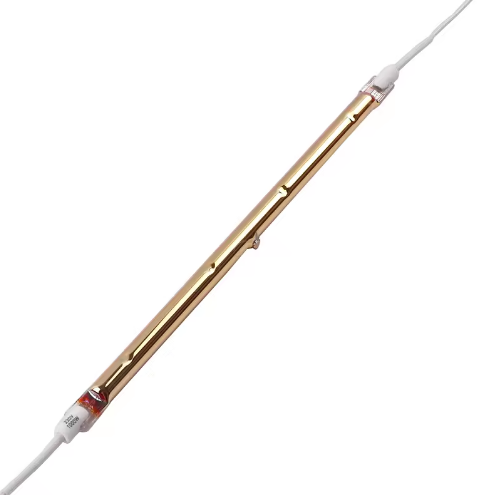
- • Optical 24K nano-gold back reflector
- • 90%+ forward thermal flux concentration
- • Fast heating for stretch blow machines
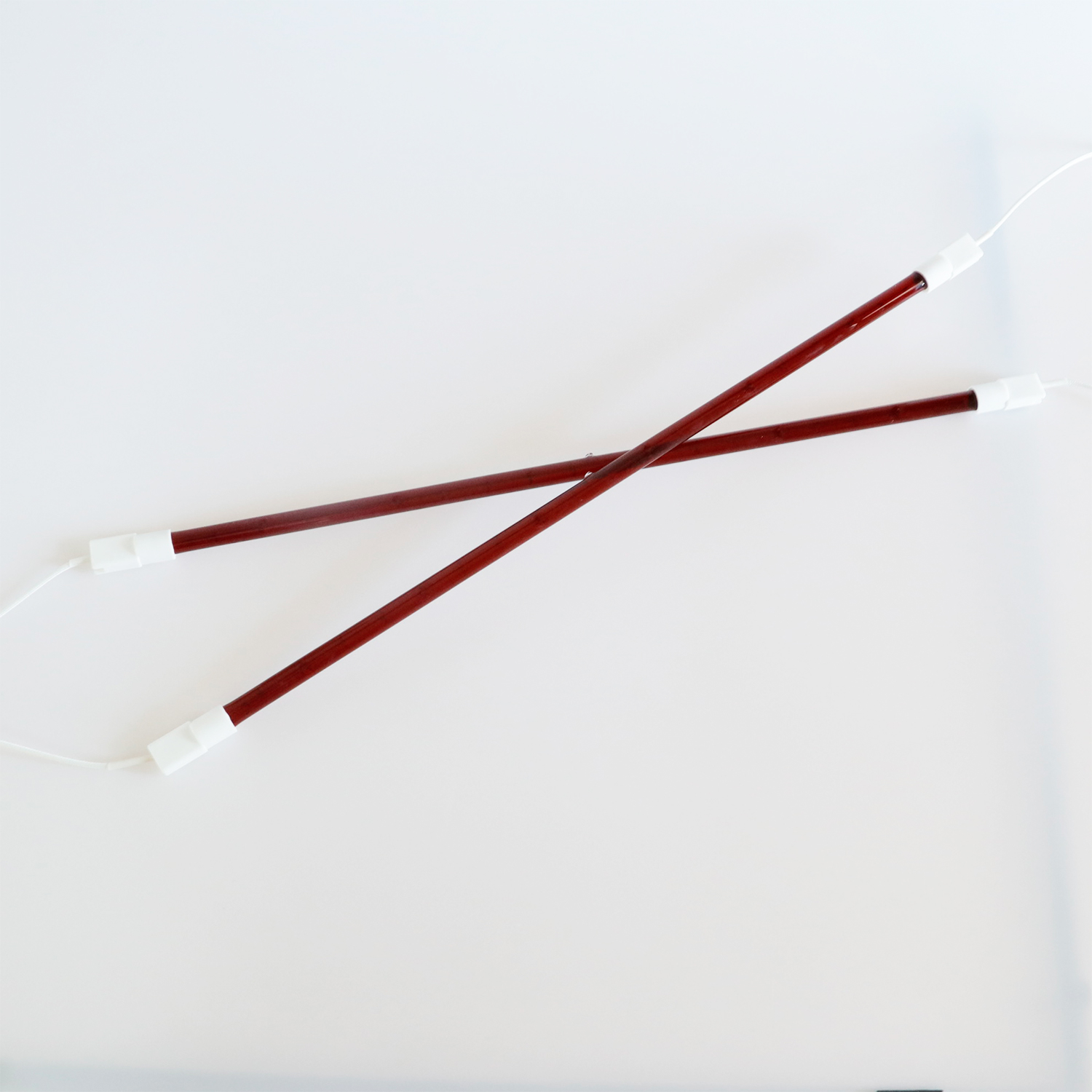
- • Glare-dampened doped ruby silica
- • Deep paint substrate cross-linking
- • Standard 1000W / 220-240V modular fit
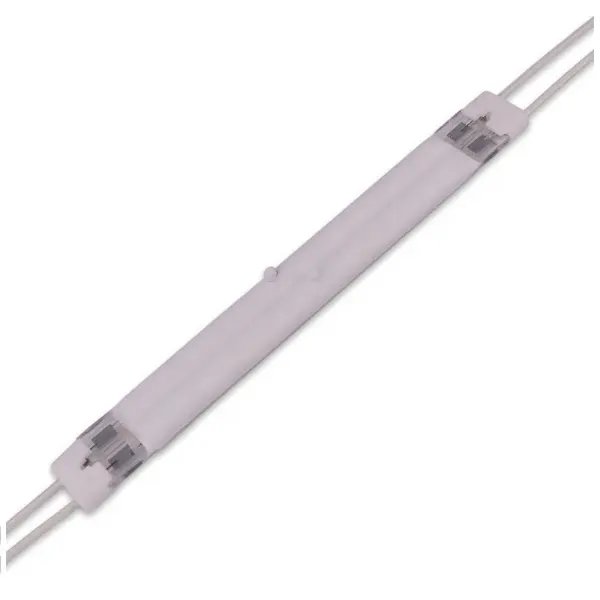
- • Dual-channel 11x23mm fused quartz profile
- • Diffuse ceramic reflector coating
- • High mechanical rigidity over long spans
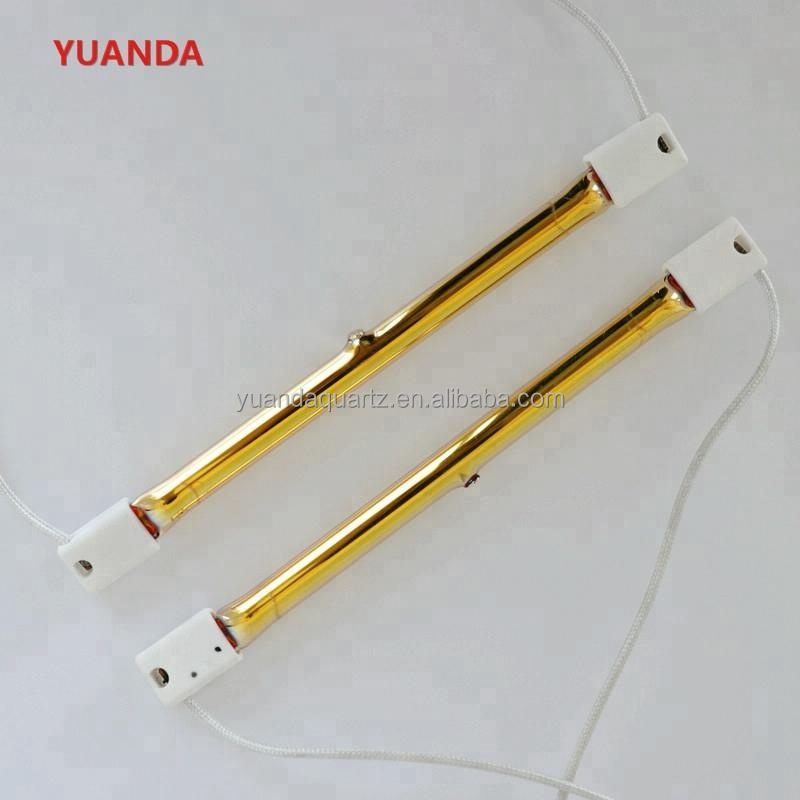
- • Tailored heated length from 100mm to 3000mm
- • Tunable tungsten filament winding density
- • Compatible with conveyor industrial ovens
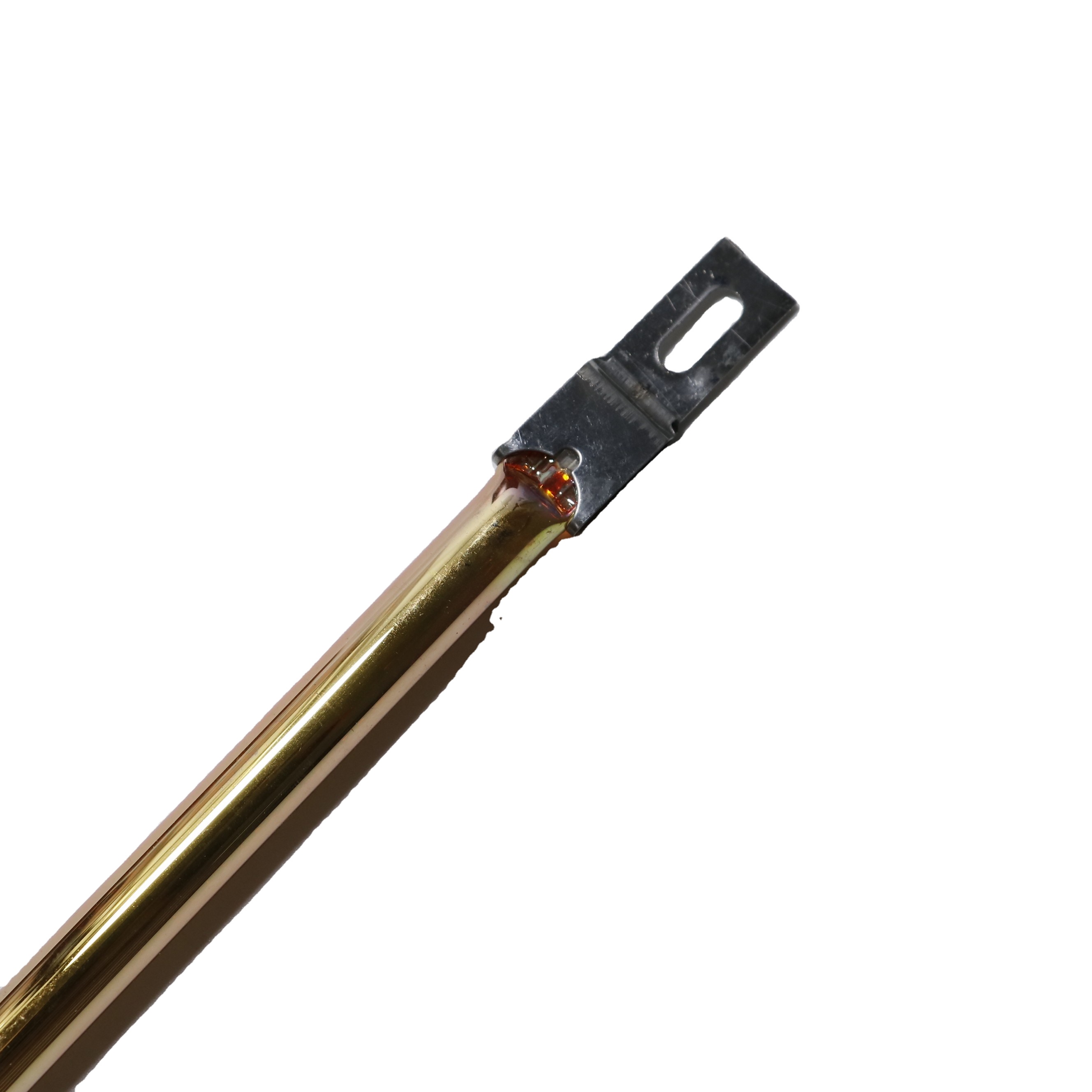
- • 360-degree high-density optical sleeve
- • Superior thermal insulation & directional feed
- • Engineered for continuous 24/7 runtimes
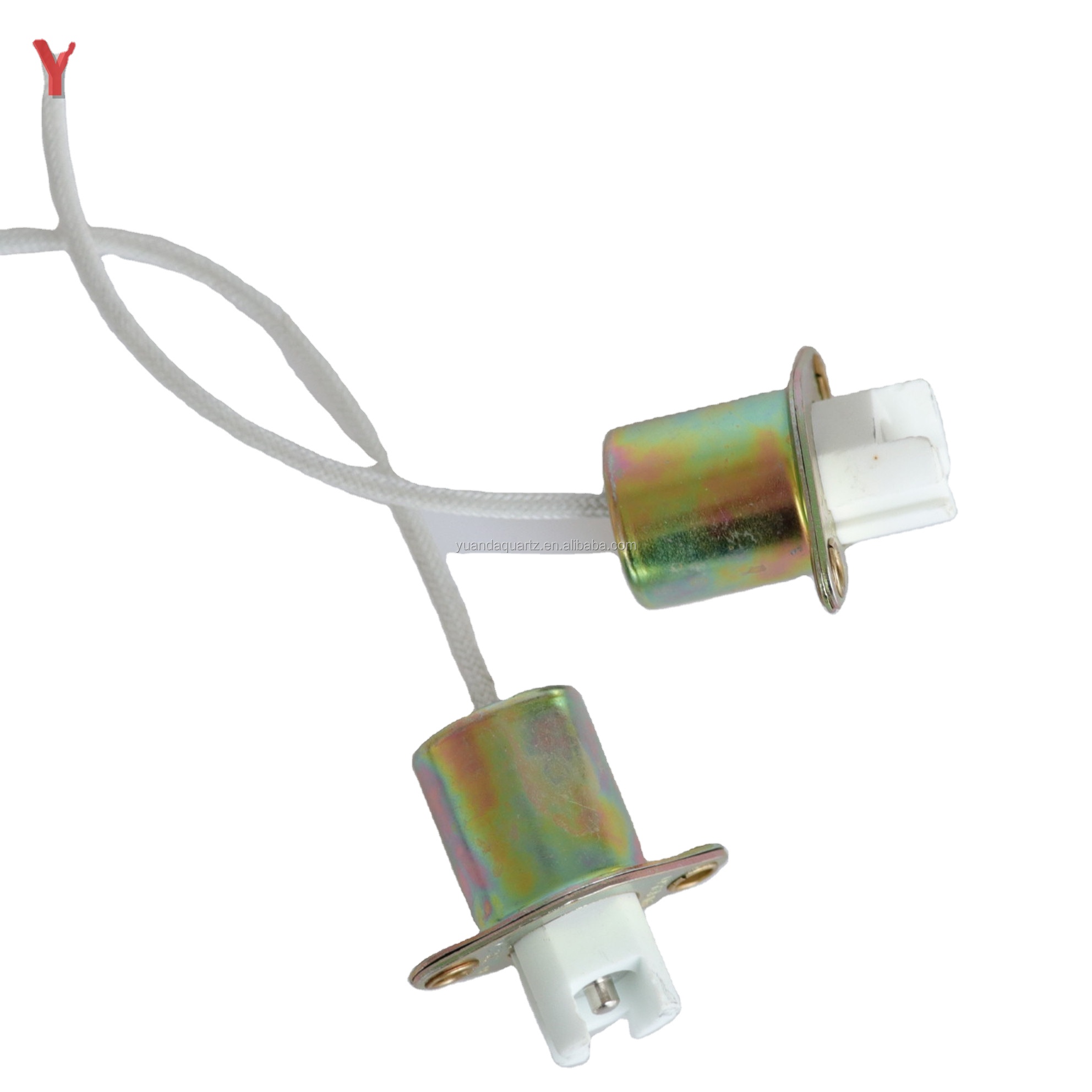
- • Steatite/Cordierite high-dielectric body
- • Silver-plated phosphor bronze / Ni clips
- • Resists thermal cracking up to 500°C caps
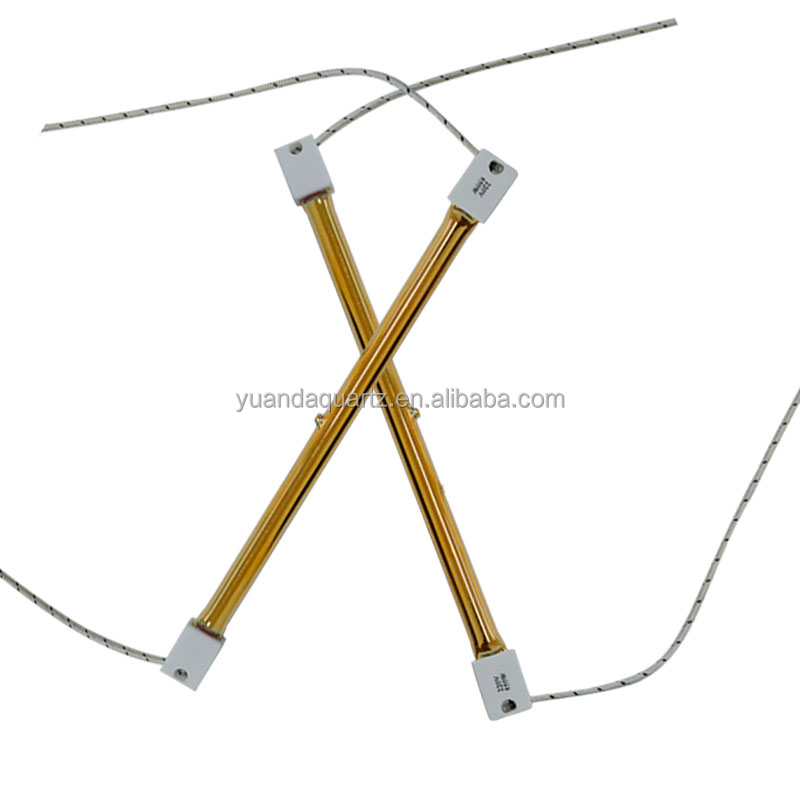
- • Instantaneous on/off thermal cycling (~1s)
- • Eliminates textile fabric scorching
- • Uniform ink drying across web width
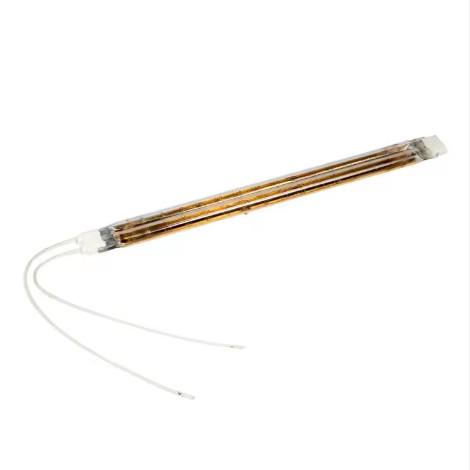
- • Asymmetrical directional energy beam
- • Optimized for thick-wall preform penetration
- • High-purity fused transparent quartz body
Localized Industrial Landscape & Thermal Applications in Bender
As one of the historic manufacturing epicenters of the Dniester River basin, Bender (Tighina) maintains a deeply specialized industrial cluster. The local manufacturing base demands high-spec transparent quartz glass and robust infrared heating elements to maintain production parity with modern European production standards.
From automated beverage bottling lines and high-output stretch blow molding plants to heavy mechanical engineering facilities, textile fabric processing mills, and electrical apparatus manufacturing plants, process heating stability is critical. Plant engineers in Bender operate under tight energy budgets, where conversion efficiency directly influences factory margins. Transparent fused quartz glass acts as the premier thermal barrier and optical envelope, offering unyielding dimensional integrity, chemical inertness against volatile solvent vapors, and near-perfect spectral transmission from 200 nm ultraviolet through to 3.5 µm infrared wavelengths.
PET Stretch Blow Molding & Beverage Packaging
Bender's fast-growing agro-processing and beverage packaging operations depend on high-uniformity heating ovens. Single and twin-tube clear quartz halogen lamps with gold back-reflectors ensure consistent thermal profiles across PET preform bottle walls, eliminating cold spots and wall haze while lowering kilowatt-hour consumption per thousand containers produced.
Textile Finishing, Drying & Screen Printing
Bender's traditional and modernized textile knitting and printing operations utilize continuous drying tunnels. High-output short-wave quartz tubes provide instantaneous on/off radiant heat without radiant lag, enabling immediate line halts that prevent catastrophic fabric scorches, yarn deformities, or uneven plastisol ink curing.
Mechanical Engineering & Automotive Refinishing
Heavy machinery manufacturing, metal component preheating, and automotive spray finishing facilities in Bender rely on ruby-jacketed and clear halogen quartz tubes. Ruby-filtered quartz absorbs unneeded glare while driving intense short-wave infrared energy deep into primer and clear-coat layers, driving off volatiles from the metal interface outwards.
Metallurgical & High-Temperature Furnace Sight Glasses
Regional foundry, casting, and metallurgical operations require transparent quartz inspection plates and heavy-wall fused quartz sight tubes. Capable of withstanding thermal shocks from 1100°C directly plunged into water without fracturing, our fused silica plates maintain optical clarity under aggressive flux vapors and continuous radiant fires.
Chemical Diagnostics & Regional Laboratory Analysis
Analytical control laboratories in municipal utilities, agricultural testing centers, and chemical synthesis units across the Bender administrative district utilize high-transmittance quartz test tubes, spectrometry flow cells (such as standard 32 µL models), crucibles, and reaction boats that deliver near-zero metallic impurities and flawless acid-proof durability.
Electrical Switchgear & High-Voltage Insulators
Fused silica rods and precision-ground quartz glass cylinders provide unmatched dielectric properties, near-zero dielectric loss across high operating frequencies, and zero carbon-tracking vulnerability, serving as foundational insulating spacers in Bender's specialized electrical equipment assembly workshops.
Localized Market Trends & Technical Modernization in Bender
Industrial facilities across the Bender corridor are undergoing structured technical revamping driven by escalating regional electrical tariffs and tightening EU-aligned energy efficiency benchmarks.
Historically, legacy heating lines in Eastern European production clusters relied on resistive ceramic plates, open metal calrod heaters, or bulky gas ovens. While initial capital expenditure was low, these older heating methods exhibited substantial thermal lag (taking 15 to 30 minutes to stabilize), massive standby energy losses, and uncontrolled ambient heat dispersion that degraded factory floor environments. The modern trend in Bender focuses heavily on upgrading to targeted short-wave and fast-medium-wave infrared emitters encased in high-purity transparent quartz envelopes.
Engineering Insight: Radiant Efficiency Shift
By replacing ceramic heating banks with gold-coated quartz infrared halogen lamps, local plants report energy reductions ranging from 28% to 42%. The ultra-fast response time (≤ 1 second) enables synchronized heating cycles tied directly to the passage of parts on conveyor belts, eliminating idle power draw.
| Thermal Metric / Physical Property | Fused Transparent Quartz Glass | Standard Borosilicate 3.3 Glass | Conventional Ceramic / Metal Calrod |
|---|---|---|---|
| Peak Operating Temperature | 1,100 °C continuous (1,450 °C short excursion) | 450 °C continuous (500 °C peak) | 700 – 900 °C (Oxidative degradation) |
| Coefficient of Thermal Expansion (CTE) | 5.5 × 10⁻⁷ / K (Near zero) | 33 × 10-7 / K | 120 – 160 × 10-7 / K |
| Thermal Shock Resistance (ΔT) | > 1,000 °C drop to ice water without crack | ~150 °C | Moderate, vulnerable to spalling |
| Spectral Infrared Transmission (0.8 - 2.5 µm) | > 92% optical transparency | Drops sharply past 2.0 µm | 0% (Surface absorption only) |
| Time to Reach 100% Thermal Output | ≤ 1.0 Second | N/A (Substrate material) | 8 to 20 Minutes |
| Chemical Resistance to Mineral Acids | Unaffected by all acids (except Hydrofluoric) | High, but leaches alkali ions over time | Vulnerable to oxidation & sulfidation |
Furthermore, procurement officers in Bender are placing renewed emphasis on localized supply reliability. Geopolitical logistical complexities across Eastern Europe have shown that standard consumer glass or generic low-grade tubes lead to catastrophic furnace shutdowns. Partnering directly with high-volume ISO-compliant manufacturers capable of producing custom quartz profiles, twin-tube configurations, and certified lead wires with flexible Incoterms (including FOB, CIF, and full DDP door-to-door arrangements) ensures that plant inventory remains insulated against regional disruption.
Enterprise Manufacturing Capabilities & OEM Authority
Backed by more than a decade of precision quartz glass fabrication and infrared emitter engineering, Kavri Quartz Product Co., Ltd. serves as a premier international supplier for industrial manufacturing plants, automated machinery builders, and high-temperature processing facilities serving the Bender region.
Headquartered directly within Lianyungang, Jiangsu — the world's most renowned quartz refining and crystal manufacturing cluster — our operational facility benefits from direct access to pristine natural silica crystal precursors, cutting-edge automated thermal forming equipment, and generational glass-working artisan mastery. We provide end-to-end bespoke fabrication ranging from single prototypes to multi-thousand piece batch production.
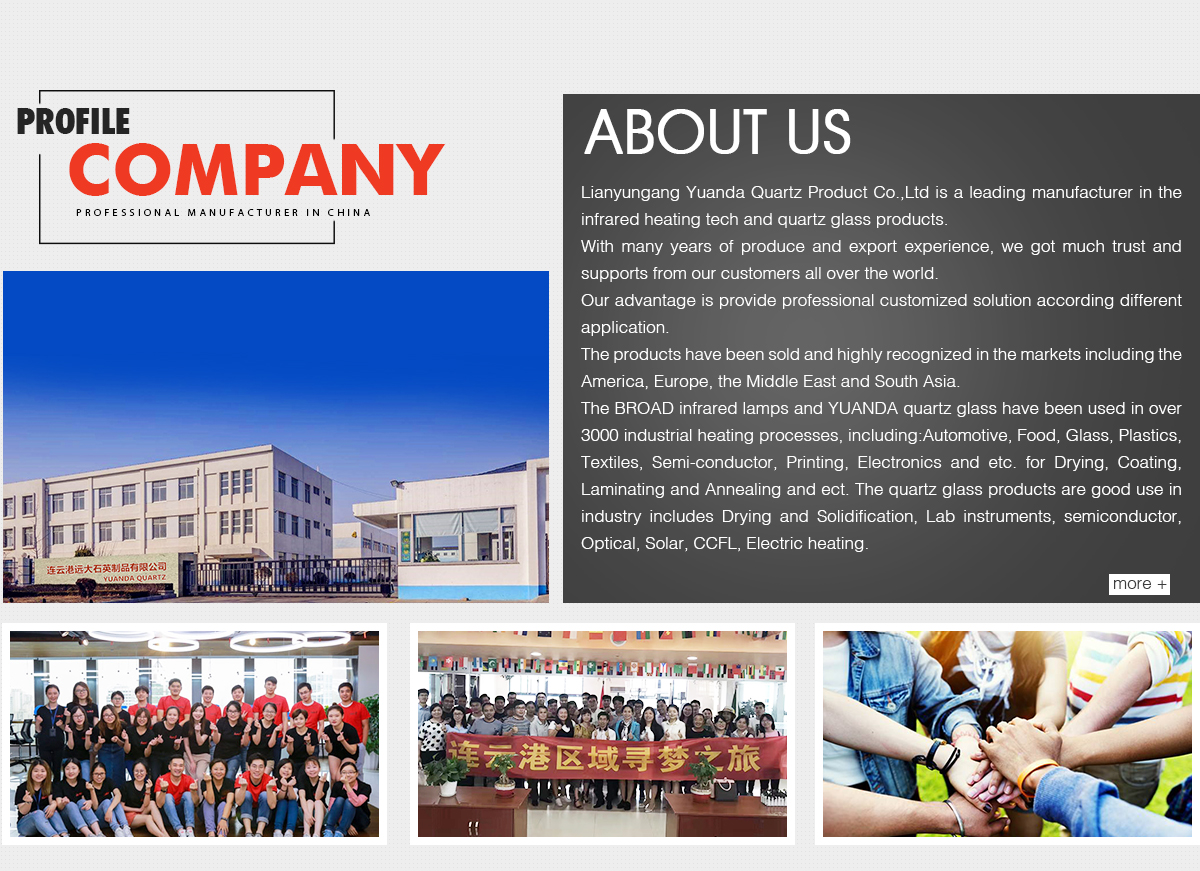
Verified Production Infrastructure
Our manufacturing footprint features 3 dedicated specialized production lines fully verified onsite by international inspection agencies. With an export footprint spanning over 40 countries across Europe, the Americas, and Asia, our team understands international industrial tolerances.
- Raw Material Purity: Vacuum-fused natural quartz crystal yields ≥99.99% pure SiO2 with hydroxyl (OH) levels tightly controlled to ≤20 ppm for high-temperature bubble resistance.
- Advanced Thin-Film Deposition: Vacuum magnetron sputtering and liquid-phase application of 24-karat gold and high-density white ceramic reflectors.
- Precision Glassforming Tolerances: OD tolerances held to ±0.10 mm; wall thickness precision down to ±0.05 mm on high-spec tubing.
- Rapid Engineering Turnaround: Dedicated design team delivers CAD technical drawings and feasibility reports within 4 hours.
Strict 100% Quality Screening
Every single quartz tube, emitter, and plate undergoes multi-stage verification: helium mass spectrometer leak detection, optical polariscope stress inspection, electrical flash breakdown testing at 1500V, and dimensional laser micrometer auditing.
Engineered Shock-Proof Export Packing
Fragile quartz parts are encased in tailored multi-cell high-density EPE foam chambers, isolated in reinforced inner cartons, and palletized inside multi-ply fumigated plywood crates engineered to survive international maritime and air transit without shock damage.
Low MOQ & Customized Solutions
We empower both large-scale plant overhauls and low-volume maintenance teams in Bender. Standard lamp and quartz parts start from low MOQs of 8 to 10 units, while OEM custom specifications receive full pre-production sampling support.
Frequently Asked Questions for Bender Buyers
Technical answers covering mechanical tolerances, optical transmission, custom electrical configurations, shipping logistics, and customs documentation for purchasing managers in Bender.
What are the exact dimensional and geometric tolerances you can achieve for custom transparent quartz glass tubes and plates?
+
For outer diameters (OD) between 3 mm and 80 mm, standard tolerances are held to ±0.15 mm, with precision-drawn quartz tubes reaching ±0.08 mm upon request. Wall thickness variation is maintained within ±8% of nominal spec. For flat transparent quartz plates and discs (laser-cut, waterjet-cut, and edge-polished), dimensional tolerances are ±0.05 mm, with surface flatness rated up to λ/4 per 25 mm diameter, and optical surface finish achieving 60/40 or 40/20 scratch-dig standards.
How do short-wave quartz halogen lamps differ from carbon fiber medium-wave lamps in industrial PET and textile drying?
+
Short-wave halogen lamps emit with peak spectral energy between 1.0 and 1.2 µm. This high-energy, short-wavelength radiation penetrates deeply into transparent and semi-opaque materials such as PET preforms without over-scorching the exterior surface skin. In contrast, carbon fiber emitters produce medium-wave radiation peaking around 2.0 to 2.5 µm, which aligns directly with the absorption band of water molecules and organic polymer chains. Therefore, carbon emitters are optimal for drying water-based paints, inks, and textile fabrics where surface moisture evaporation is the core objective.
What is the functional lifespan of gold-coated reflectors versus white ceramic reflectors in high-temperature ovens?
+
Our proprietary 24K gold coating delivers superior initial reflectivity (~95% in the infrared spectrum), concentrating almost all thermal energy forward onto the target material. However, gold layers should ideally operate at envelope temperatures below 600°C to prevent metallic diffusion and oxidation. For ultra-high temperature enclosed furnaces (such as compact PET blowing ovens where tube surfaces exceed 650°C to 800°C), our high-purity white ceramic oxide reflector is recommended. While its reflectivity is slightly lower (~85-90%), it is impervious to thermal degradation up to 1000°C, offering an operating life exceeding 5,000 to 8,000 hours.
How do you handle shipping logistics, customs paperwork, and breakage risks for shipments bound for Bender?
+
We routinely deliver to Eastern Europe under flexible Incoterms including FOB, CIF, and full DDP (Delivered Duty Paid). Given the delicate nature of fused quartz glass and electrical emitters, goods are secured in multi-tiered packaging with shock-absorbing foam nests, moisture-barrier wrapping, and rigid wooden export crates with shockwatch/tiltwatch indicators. Full export documentation — including Commercial Invoices, Packing Lists with HS codes (7002.31 for quartz tubes, 8539.49 for IR lamps), Certificates of Origin (CO), and CE/RoHS conformity declarations — are prepared precisely to ensure smooth clearance through customs checkpoints.
Can you reverse-engineer obsolete heating lamps or quartz sight glasses from old Soviet-era or European machinery operating in Bender?
+
Yes. Many facilities in Bender utilize machinery sourced from diverse European or legacy regional manufacturers where original equipment parts are discontinued or cost-prohibitive. By providing us with a photograph of the technical nameplate, physical dimensional measurements (overall length, heated length, diameter, cap style such as R7S, SK15, metal tags, or ceramic leads), and electrical ratings (voltage and wattage), our engineering department can produce an exact drop-in replacement that matches or exceeds the original OEM radiant performance.
What are the minimum order quantities (MOQ) and lead times for prototype testing in Bender?
+
Standard quartz tubes, rods, and catalogue infrared emitters carry an MOQ of only 8 to 10 pieces, making trial trials, R&D tests, and spare parts restocking straightforward. Fully customized prototypes or bespoke fabricated laboratory quartzware typically take 7 to 10 working days for production, followed by express air courier transit (such as DHL/FedEx) delivering directly to your facility in Bender within 5 to 7 days.
Accelerate Your Thermal Efficiency & Secure Direct Factory Supply
Whether you require drop-in replacement infrared emitters for PET blowing lines, heavy-duty transparent quartz furnace tubes, or precision optical plates, our technical engineers are ready to assist. Submit your drawings or replacement specs today for a quotation within 4 hours.