Featured Industrial Quartz & Infrared Heating Solutions
Direct factory production from Lianyungang's premier silica basin, precision-matched to machinery deployed across the Francisco Morazán department and broader Central American manufacturing hubs.
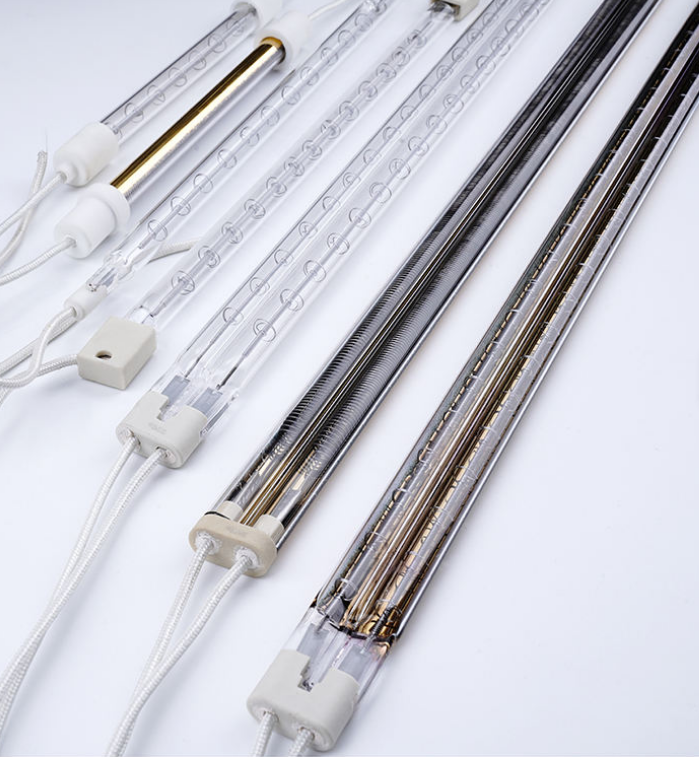
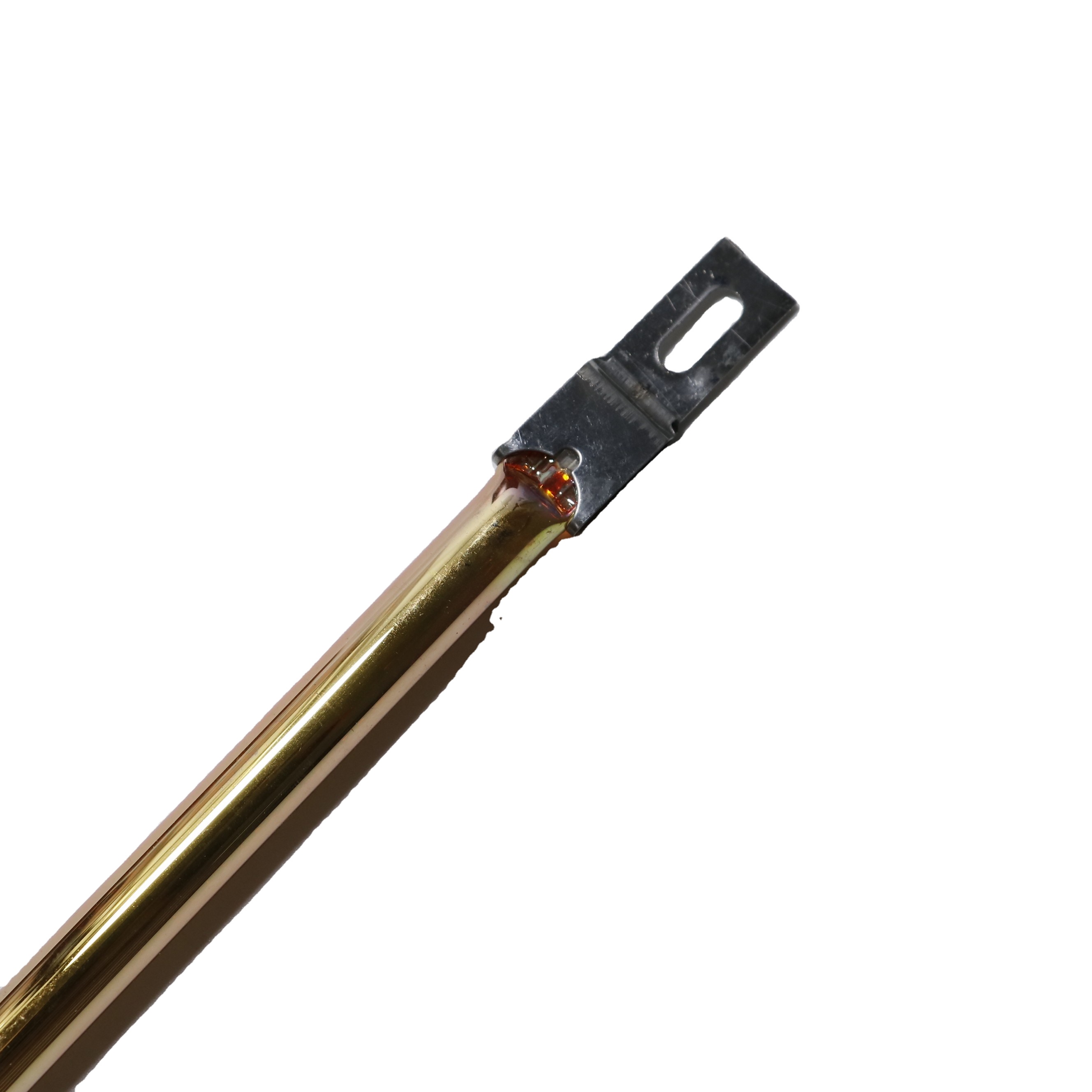
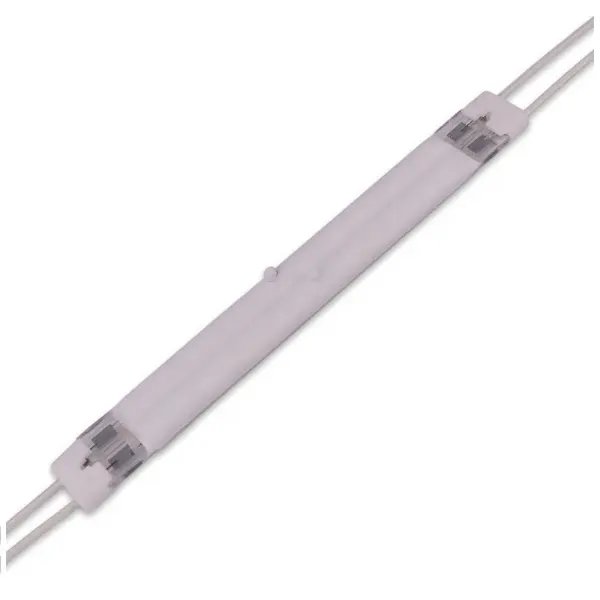
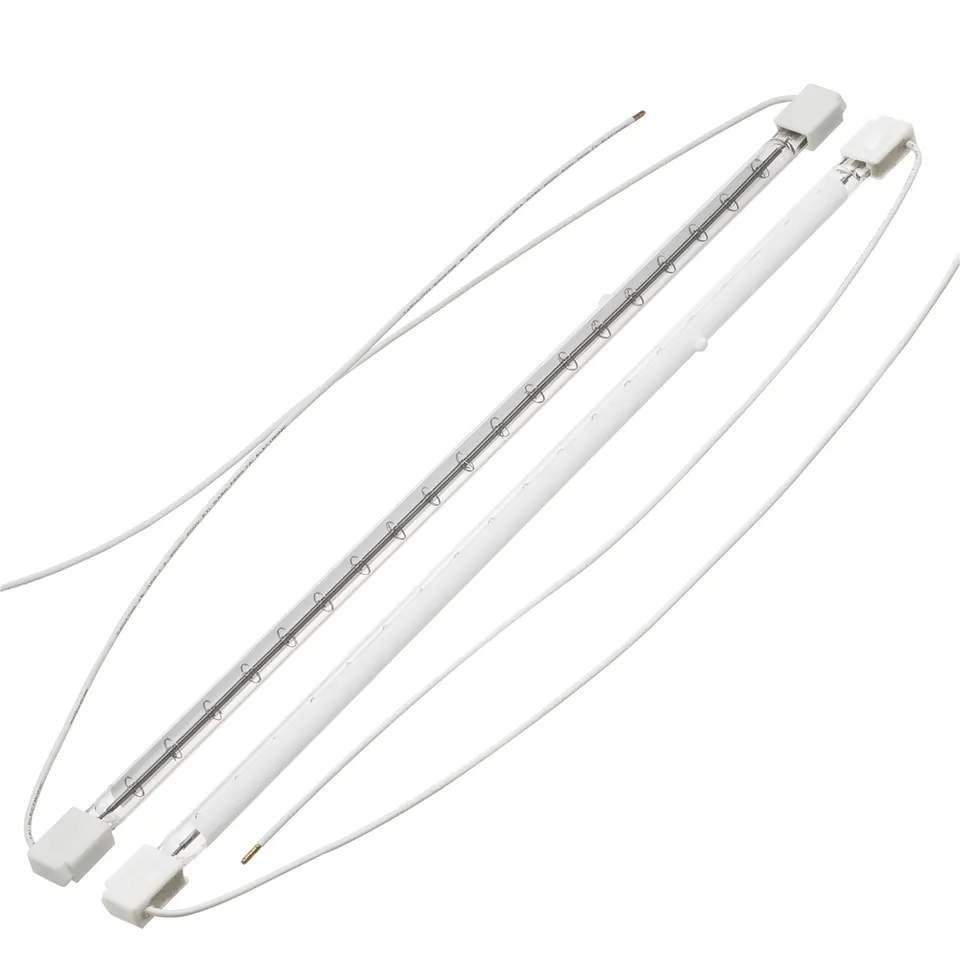
The Strategic Value of Transparent Fused Quartz in Tegucigalpa's Industrial Landscape
The industrial and manufacturing sector in Tegucigalpa, spanning the critical transit axes through the Amarateca Valley and extending into the central Francisco Morazán corridor, faces an evolving need for thermal management, photochemical processing, and high-temperature optical components. Industrial plant operators in Honduras often rely on legacy machinery imported from North America, Europe, and East Asia. In high-demand processes such as polyethylene terephthalate (PET) stretch blow molding, commercial screen printing on apparel textiles, and pharmaceutical analytical quality control, generic borosilicate or tempered soda-lime glass components frequently fail due to severe thermal gradients, localized mechanical stress, and chemical erosion.
Transparent fused quartz glass ($SiO_2 > 99.99\%$) represents a transformative structural material for Tegucigalpa's industrial buyers. Sourced from high-grade natural silica crystal deposits processed in the world-leading Donghai-Lianyungang cluster, our transparent quartz tubes, plates, crucibles, and customized infrared heating envelopes provide an unmatched combination of structural purity, zero thermal hysteresis, and an exceptionally broad optical transmission window ranging from vacuum UV (180 nm) through mid-infrared (4,500 nm).
- Thermal Shock Elimination: Near-zero coefficient of thermal expansion ($5.5 \times 10^{-7}/\text{K}$), enduring immediate quenching from $1,100^\circ\text{C}$ to room temperature water without micro-fracturing.
- Photothermal Efficiency: Peak infrared radiation transmittance exceeding 92%, drastically lowering energy overhead on rotary stretch blow molding ovens.
- Corrosion Resistance: Inert against aggressive acidic reagents, volatile solvents, and chlorinated sanitizers utilized in Central American laboratory operations.
High-Purity Quartz Chemical Composition Spectrum
*Standard factory tolerance metrics verified via ICP-OES spectroscopy. Each melt batch destined for international transit to Central American recipients is accompanied by optical spectrophotometry certificates.
Industrial Application Vectors Across the Tegucigalpa Basin
Tailored component integration answering the operational realities, infrastructure demands, and production environments across Honduras.
Beverage Bottling & Rigid PET Packaging
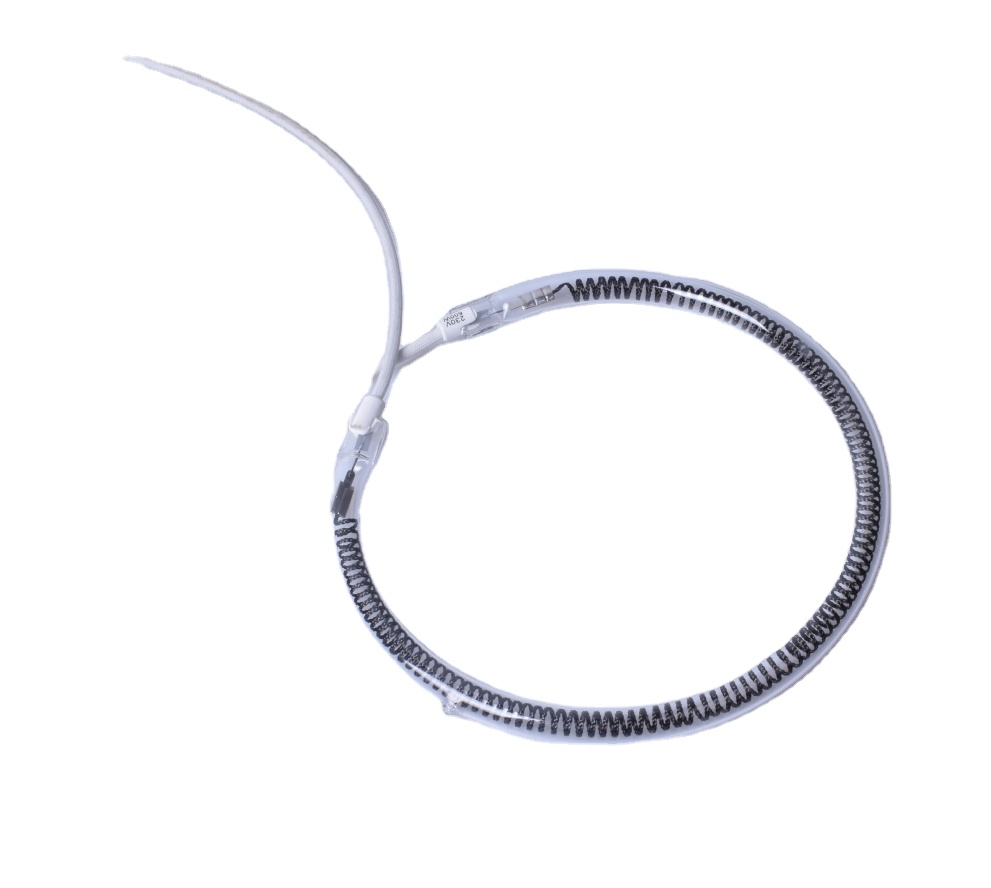
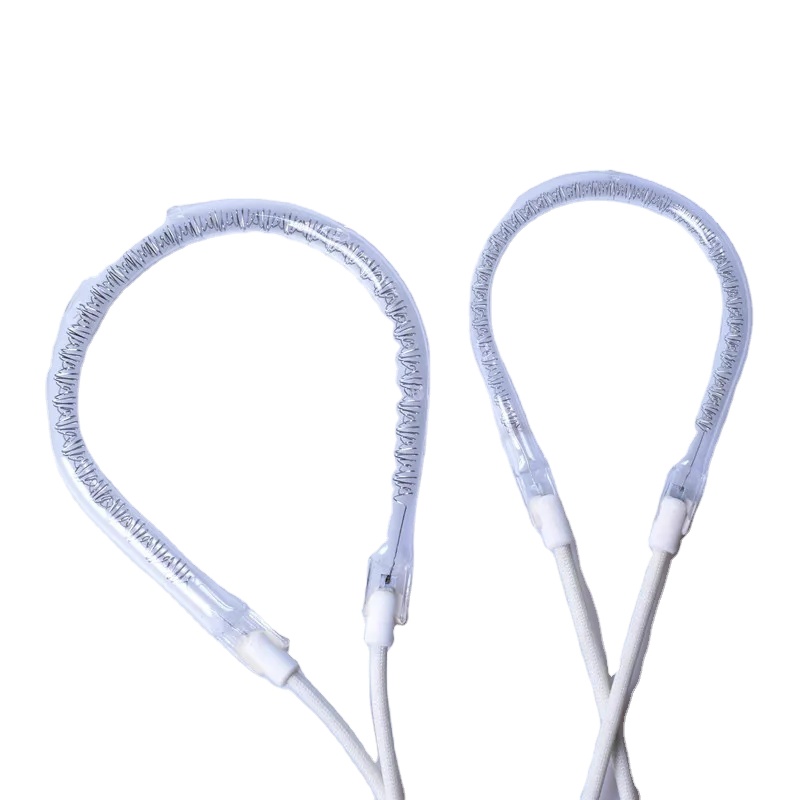
Tegucigalpa houses major beverage processing, edible oil packaging, and bottled water plants. High-speed blow molding units require uniform penetration through thick-walled preforms. Our circular carbon fiber emitters and twin-tube short-wave halogen lamps provide deep thermal penetration into PET resin, preventing gate crystallization, surface burning, and uneven bottle wall thickness while lowering oven kilowatt consumption.
Textile Screen Printing & Maquila Flash Curing
Positioned as an administrative and production backbone linking to the northern industrial corridors (San Pedro Sula, Choloma), apparel manufacturers in Central Honduras depend on flash cure units. Gold-coated transparent quartz lamps redirect 95% of medium-wave and short-wave radiant energy onto the garment surface, curing plastisol and water-based inks in under 2.5 seconds without scorching delicate synthetic fabrics.
Clinical Diagnostics & Pharmaceutical Labs
Laboratories associated with the Universidad Nacional Autónoma de Honduras (UNAH), hospital systems, and private pharmaceutical producers in Francisco Morazán utilize optical quartz flow cells, cuvettes, and transparent viewing sight glasses. Transparent fused silica ensures zero spectral distortion between 200 nm and 380 nm, essential for enzyme kinetics, blood biochemistry analyzers, and high-pressure liquid chromatography (HPLC).
Agro-Industrial Drying & Livestock Brooding
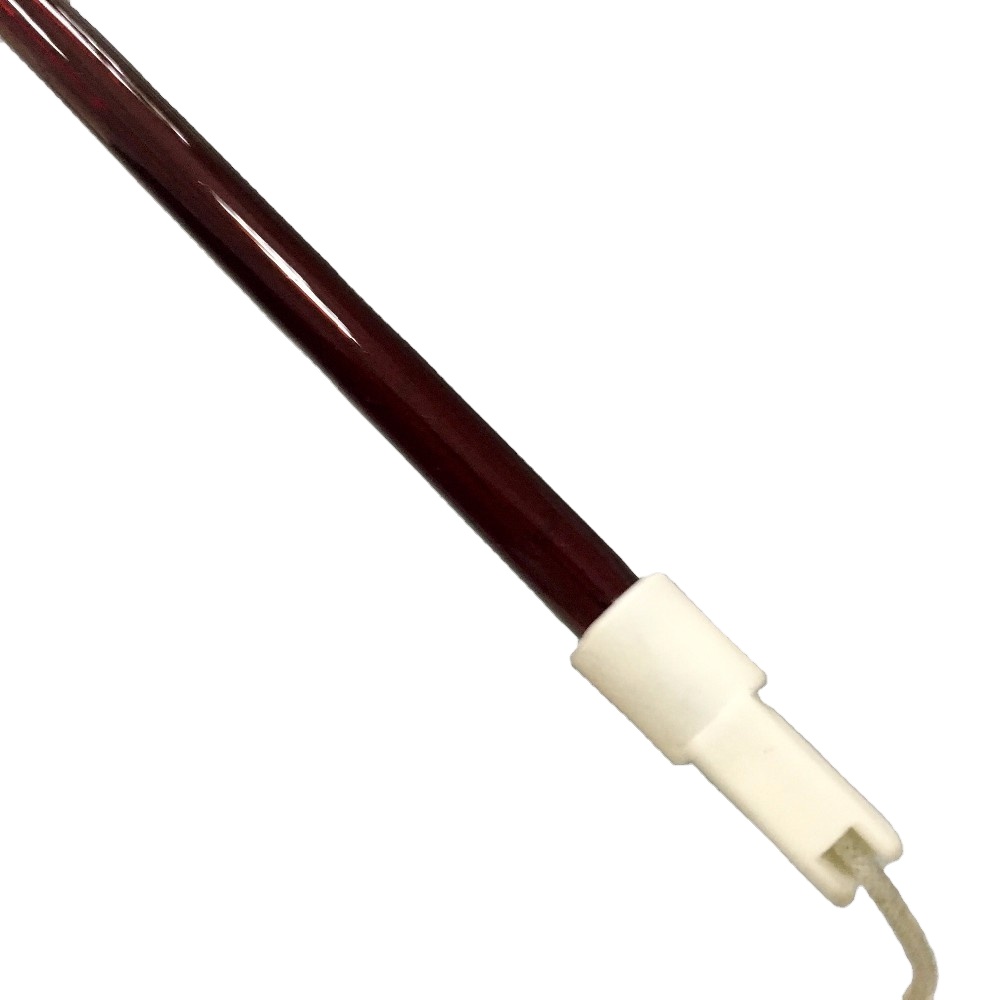
The mountainous agricultural perimeter of Tegucigalpa, Comayagua, and El Paraíso incorporates coffee bean moisture balancing, tobacco drying, and poultry production. Ruby-doped quartz heat lamps shield birds from visible-spectrum retinal stress while delivering penetrating radiant heat, sustaining chick survival rates during volatile Andean-Central American diurnal temperature swings.
Solar Thermal & High-Temperature Furnaces
With Honduras expanding solar power plants in the southern region (Choluteca) and modernizing metallurgical processing plants near Tegucigalpa, transparent quartz protection tubes and heavy-wall diffusion cylinders serve as electrical insulators and furnace linings capable of continuous operation at $1,150^\circ\text{C}$ in oxygenated or reducing atmospheres.
Water Disinfection & Municipal UV Systems
Water treatment facilities throughout the Tegucigalpa metropolitan zone and industrial effluent processors utilize high-purity clear fused quartz sleeves. Providing high UV-C transmission at the 253.7 nm germicidal peak, our ozone-free and synthetic quartz sleeves protect mercury amalgam UV lamps from water-cooling effects and physical scale formation.
Comparative Matrix: Industrial Glasses vs. Pure Fused Quartz
Empirical engineering benchmarks contrasting thermal, mechanical, and optical parameters for equipment designers and plant maintenance engineers.
| Performance Parameter | High-Purity Fused Quartz ($SiO_2$) | Borosilicate Glass 3.3 | Ceramic Refractory Tubes | Tempered Soda-Lime |
|---|---|---|---|---|
| Continuous Strain Point | 1,120 °C – 1,200 °C | 500 °C – 525 °C | 1,250 °C – 1,400 °C | 250 °C – 300 °C |
| Coeff. of Thermal Expansion ($\alpha$) | 5.5 × 10⁻⁷ / K | 33 × 10-7 / K | 45 – 70 × 10-7 / K | 90 × 10-7 / K |
| Instant Thermal Shock Resistance | ΔT = 1,100 °C (Ice Water Quench) | ΔT = 150 °C | ΔT = 200 °C – 300 °C | ΔT = 80 °C |
| Optical Window (Transmission) | 180 nm – 4,500 nm (>90%) | 320 nm – 2,500 nm (>85%) | Opaque / 0% Light | 380 nm – 2,000 nm (>80%) |
| Dielectric Strength ($20^\circ\text{C}$) | 25 – 40 kV / mm | 15 – 20 kV / mm | 10 – 18 kV / mm | 8 – 12 kV / mm |
| Hydroxyl ($OH$) Baseline Control | ≤ 5 ppm to 15 ppm Max | Not Regulated (High) | N/A (Crystalline matrix) | Not Regulated |
| Primary Failure Mode in Ovens | Zero Thermal Stress Failure | Thermal Fatigue / Splitting | Mechanical Brittleness | Instant Catastrophic Shatter |
Navigating Supply Chain Dynamics in Honduras
Direct factory supply models engineered to mitigate regional electrical volatility, transport vibrations, and port clearance friction.
Grid Stability & Voltage Spikes
Industrial operations across the Central District of Tegucigalpa frequently confront electrical line oscillations and unannounced brownouts. Standard heating filaments in low-grade glass tube enclosures burn out or warp under uncontrolled current swings. Our custom-wound tungsten and carbon fiber filaments are reinforced with high-purity molybdenum retaining rings inside thick-walled quartz envelopes, tolerating sudden power cycles and thermal rebounds without envelope sagging.
Puerto Cortés to Tegucigalpa Transit
International ocean freight arrives primarily via Puerto Cortés on the northern Caribbean coast, followed by over-the-road trucking across the mountainous CA-5 logistical artery to Tegucigalpa. Fragile long-format quartz tubes (up to 2,500 mm in twin-tube configurations) face vibration risks. We utilize specialized export shock-isolation packaging: inner EPE foam casing, individual hardboard sleeves, vacuum sealed bags, and steel-strapped multi-ply wooden crates to guarantee zero transit loss.
Custom Dimensions for Legacy European Units
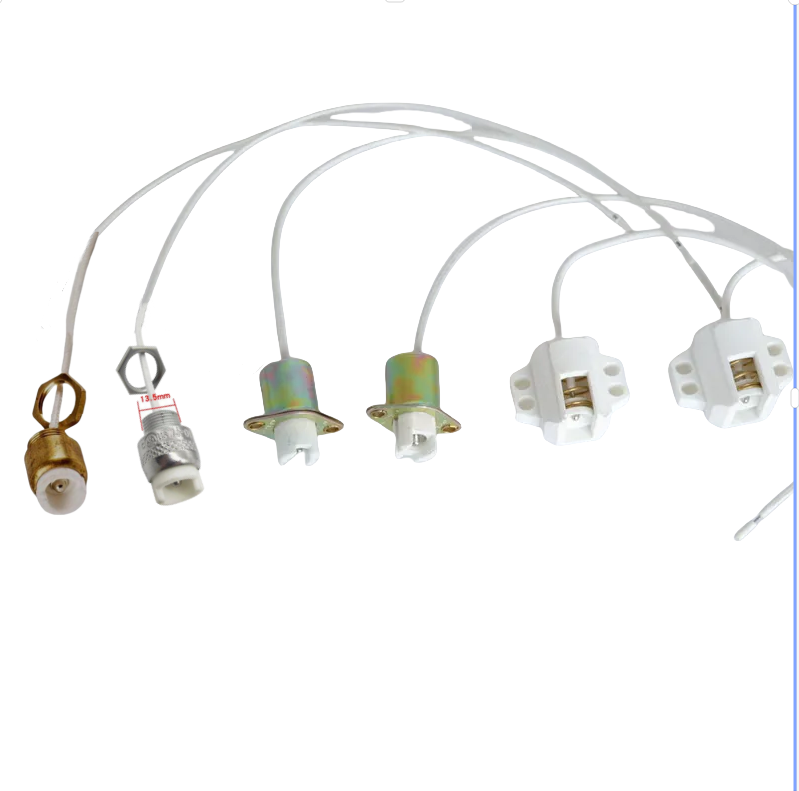
A key bottleneck for Honduran plant engineers is sourcing replacement parts for imported German, Italian, or Japanese lines whose original equipment manufacturers charge exorbitant lead times and prices. Kavri Quartz provides fully customizable mechanical configurations: non-standard overall lengths, custom lead wire gauge and high-temperature silicone/Teflon insulation, R7S, ceramic base caps, metal tabs, or round terminal studs matching original drawings precisely.
Why Kavri Quartz Leads Industrial Quartz Production
Direct factory fabrication in China's foremost silica cluster, serving global machine builders and regional processing plants since 2014.
Raw Quartz Mineral Origin
Located directly in Lianyungang, adjacent to Donghai's world-famous silica deposits. Uninterrupted access to raw crystal feedstock ensures batch consistency, high glass density, and competitive bulk pricing passed directly to overseas enterprise buyers.
Thermal Flame-Working & CNC
Equipped with high-precision hydrogen-oxygen glassblowing lathes, flat grinding mills, and multi-axis CNC slicing machines. We achieve tight external diameter tolerances (±0.05 mm) and optical surface finishes from fire-polished to optical pitch-polished (λ/4).
Onsite Alibaba-Verified Entity
Operating across 3 dedicated production lines with verified trade infrastructure since 2014. More than 81% to 90% of aggregate production is shipped directly to European, North American, and Latin American industrial clients.
Rapid B2B Sample Response
Our engineering sales department responds to international technical inquiries, CAD drawings, and reverse-engineering requests within 4 hours. Rapid sample runs for custom IR lamps typically complete within 7 to 10 working days.
Frequently Asked Questions: Purchasing & Importation into Tegucigalpa
Clear, direct operational answers for procurement directors, import brokers, and plant maintenance supervisors across Honduras.
Short-wave halogen lamps (peak emission 1.0 to 1.2 µm) provide rapid, highly penetrative radiation, transferring heat directly through the core of thick preforms without blistering the resin surface. Medium-wave carbon fiber emitters (peak emission around 2.0 µm) match the natural infrared absorption bands of polymers and water, making them ideal for thin-wall blow molding, stretch conditioning, and surface preheating. Our technical team can model your line speed and preform gram weight to specify the exact wattage distribution.
We regularly ship under FOB (Chinese ports: Shanghai, Qingdao, Ningbo), CFR, and CIF Puerto Cortés terms. For high-priority production breakdowns in Tegucigalpa, we offer expedited air courier freight (DAP/DDU) direct to Palmerola International Airport (XPL) or Toncontín (TGU) via DHL or FedEx, ensuring replacement lamps reach plant maintenance floors in 5 to 8 business days.
Yes. Reverse engineering is central to our OEM service. If CAD drawings are unavailable, you can provide photographs of the lamp markings, heated length, total length, end-cap style, and rated electrical parameters (voltage/wattage). Even photos of fractured ceramic terminals or dimensional calipers allow our engineering team to draft accurate shop drawings for client sign-off.
Unlike large conglomerates requiring hundred-unit minimums, standard quartz glass parts and configured infrared heating lamps start at just 8 to 10 pieces. This low barrier allows Honduran processing plants to conduct trial fit tests, validate electrical compatibility, and maintain emergency backup stocks without excessive capital commitment.
Traditional ceramic or iron-sheathed resistance heaters rely on conduction and ambient air convection, suffering 40% to 60% standby thermal losses and taking 15 to 30 minutes to achieve stable working temperatures. Transparent quartz infrared emitters achieve full thermal output within 1 to 2 seconds of energization, directing radiation directly to the target substrate, yielding verified energy reductions of 30% to 50% across industrial drying tunnels.
Typically, clear fused quartz tubes, rods, and plates are classified under HS Code 7002.31.00 (Tubes of fused quartz or other fused silica) or 7002.39.00. Completed infrared electric heating emitters fall under HS Code 8539.49.00 (Infrared lamps) or 8516.80.00 (Electric heating resistors). We provide complete commercial documentation, packing lists, and certificates of origin to streamline Honduran customs clearance via SAR (Servicio de Administración de Rentas).
Optimize Your Industrial Thermal Operations in Tegucigalpa
Connect directly with Kavri Quartz engineering directors. Whether commissioning replacement infrared emitters for high-speed PET blowing, ordering high-purity laboratory quartz instruments, or engineering custom OEM heating assemblies, our Lianyungang manufacturing team provides verified specs, rapid prototyping, and shock-resistant international delivery.