Precision Quartz Emitters & Heating Solutions
Direct manufacturer supply of engineered halogen, carbon fiber, ruby, and gold-reflector quartz components designed for tight thermal process control.
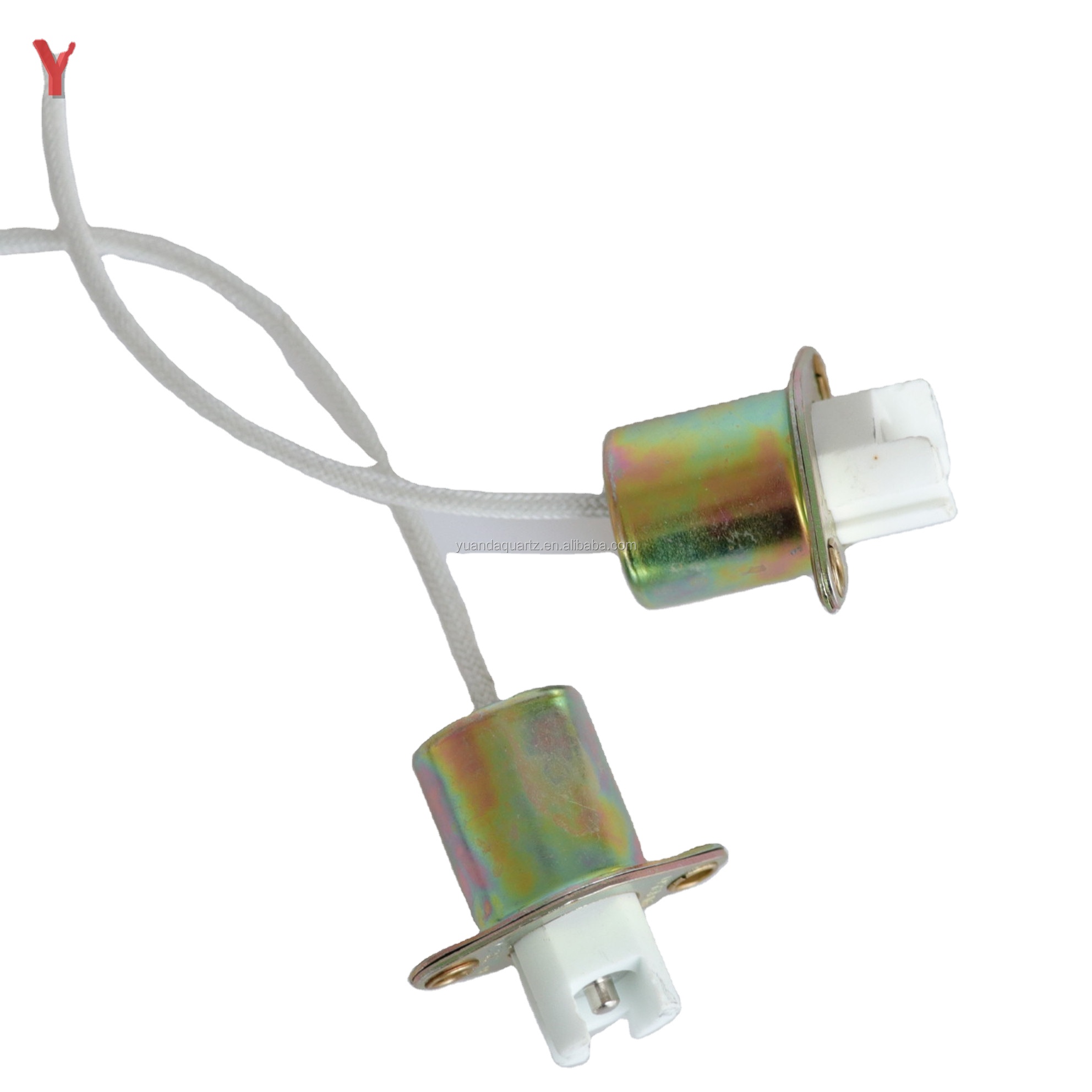
- High-temperature steatite ceramic
- Up to 1100°C continuous quartz glass
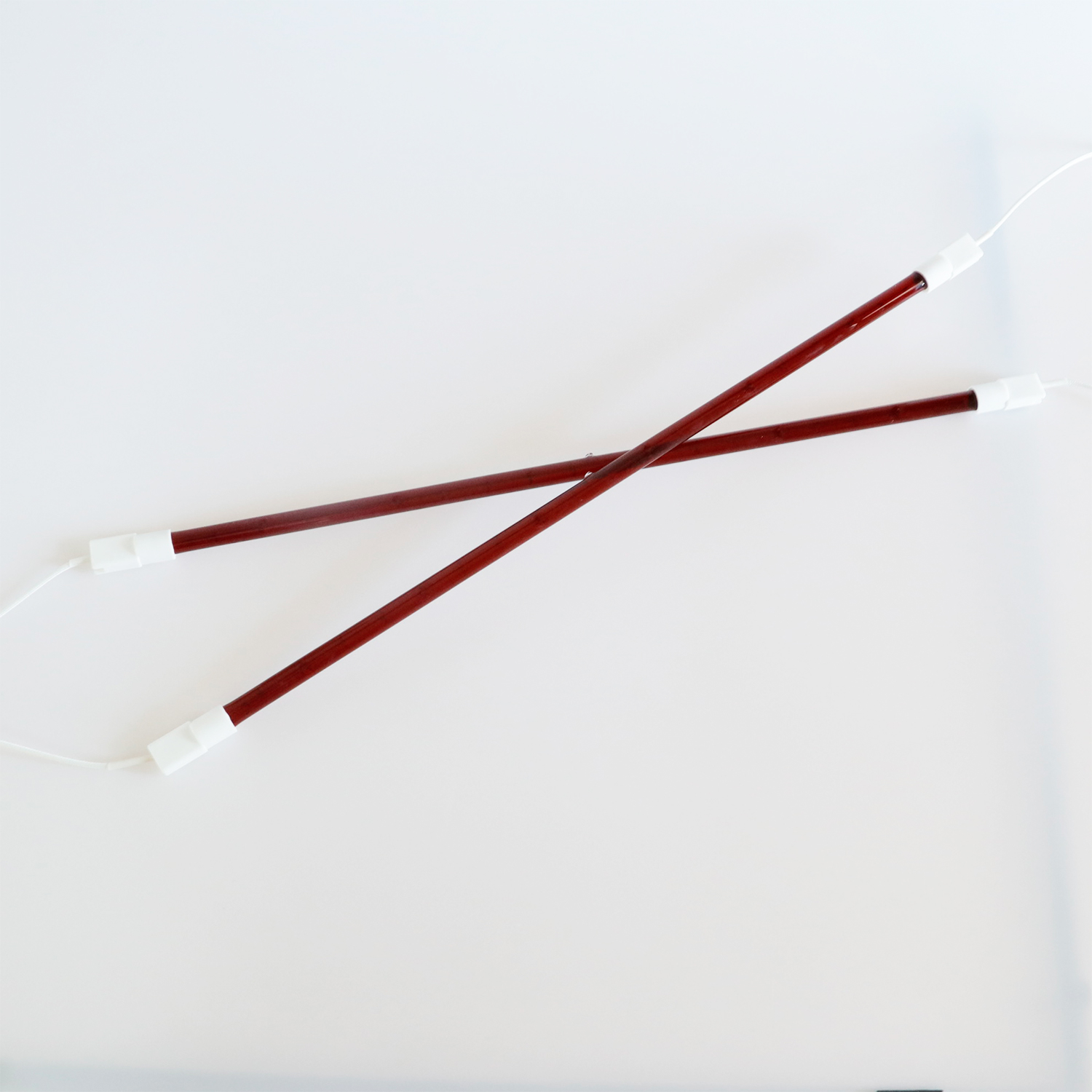
- Anti-glare ruby doped quartz envelope
- Rapid 1-second thermal response rate
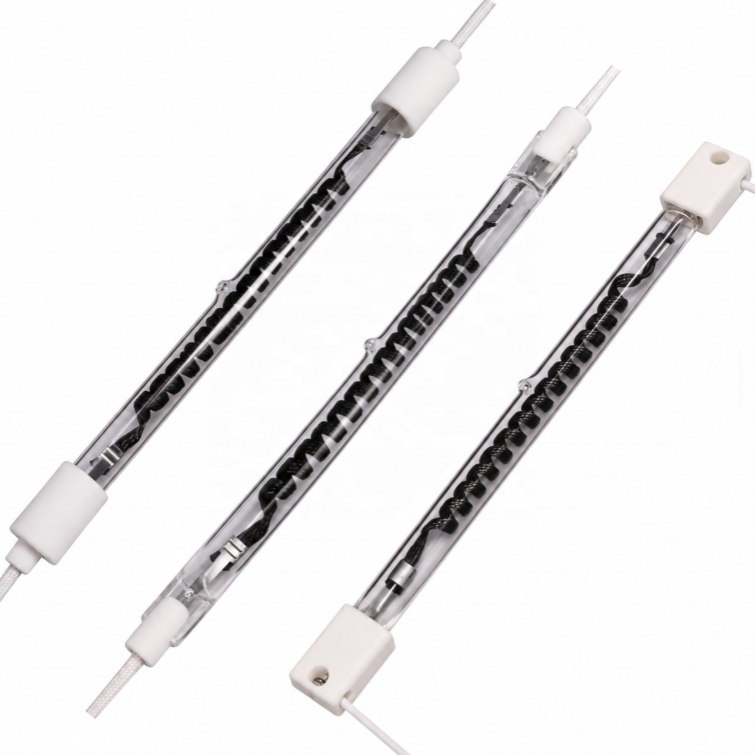
- Peak emission: 2.0–2.4 µm wavelength
- Highly absorbed by resins, water & inks
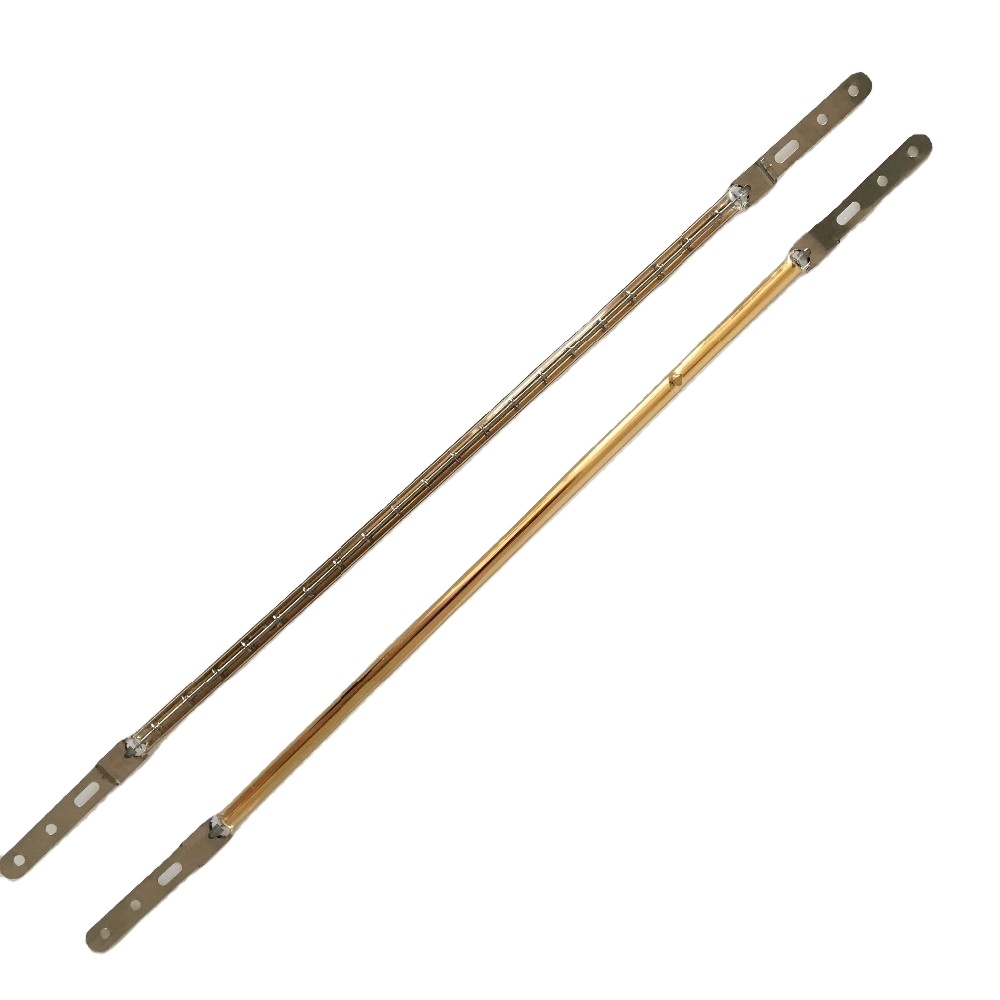
- High-reflectivity 24K gold mirror back
- Cuts rear heat loss by up to 90%
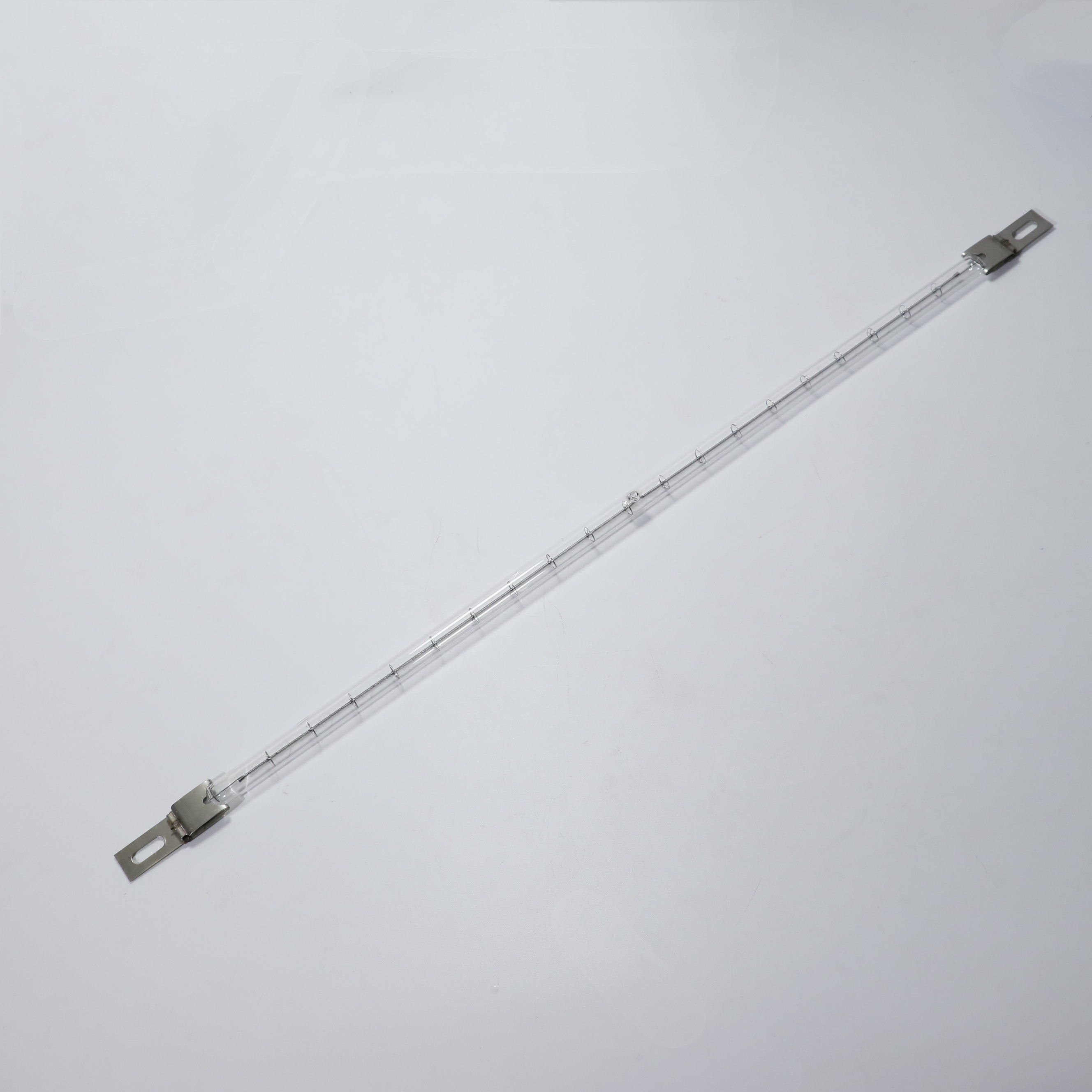
- Standard 220V/240V industrial form-factor
- Reinforced fused silica shock barrier
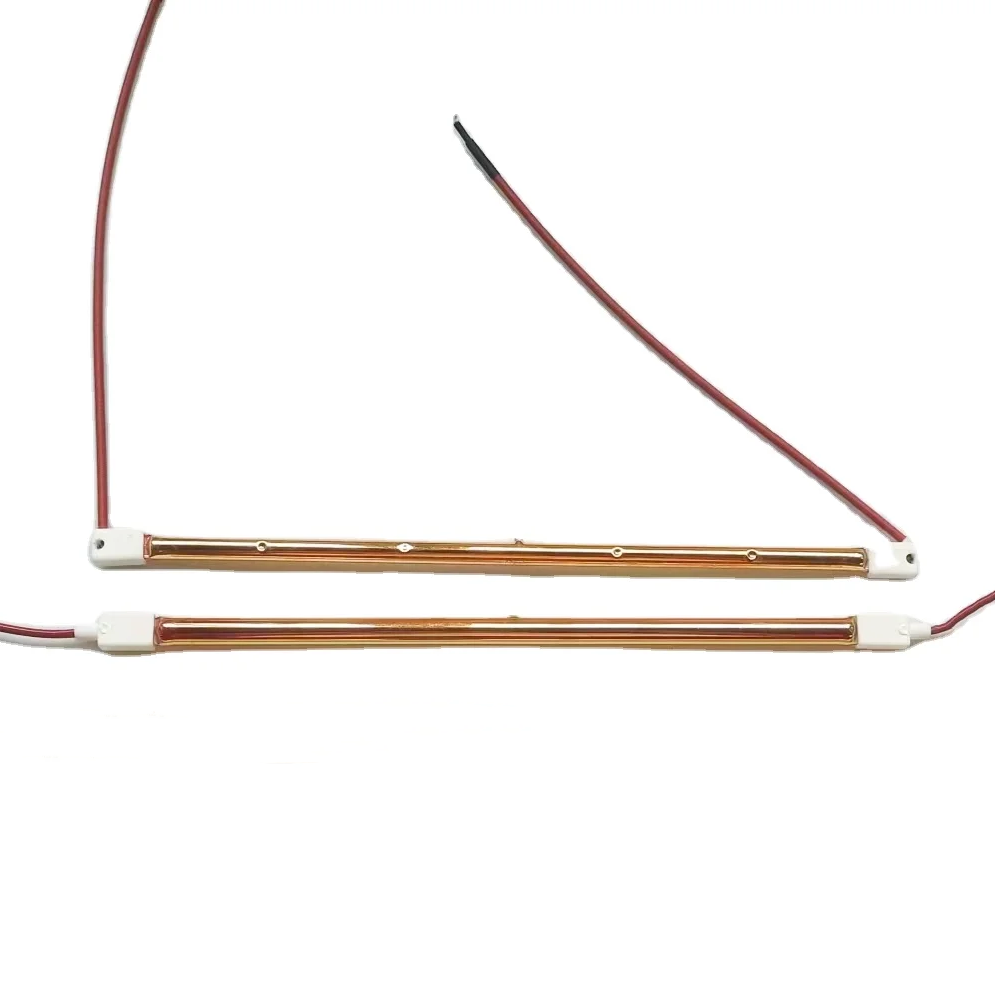
- Twin/Single chamber profile option
- Targeted directional radiant efficiency
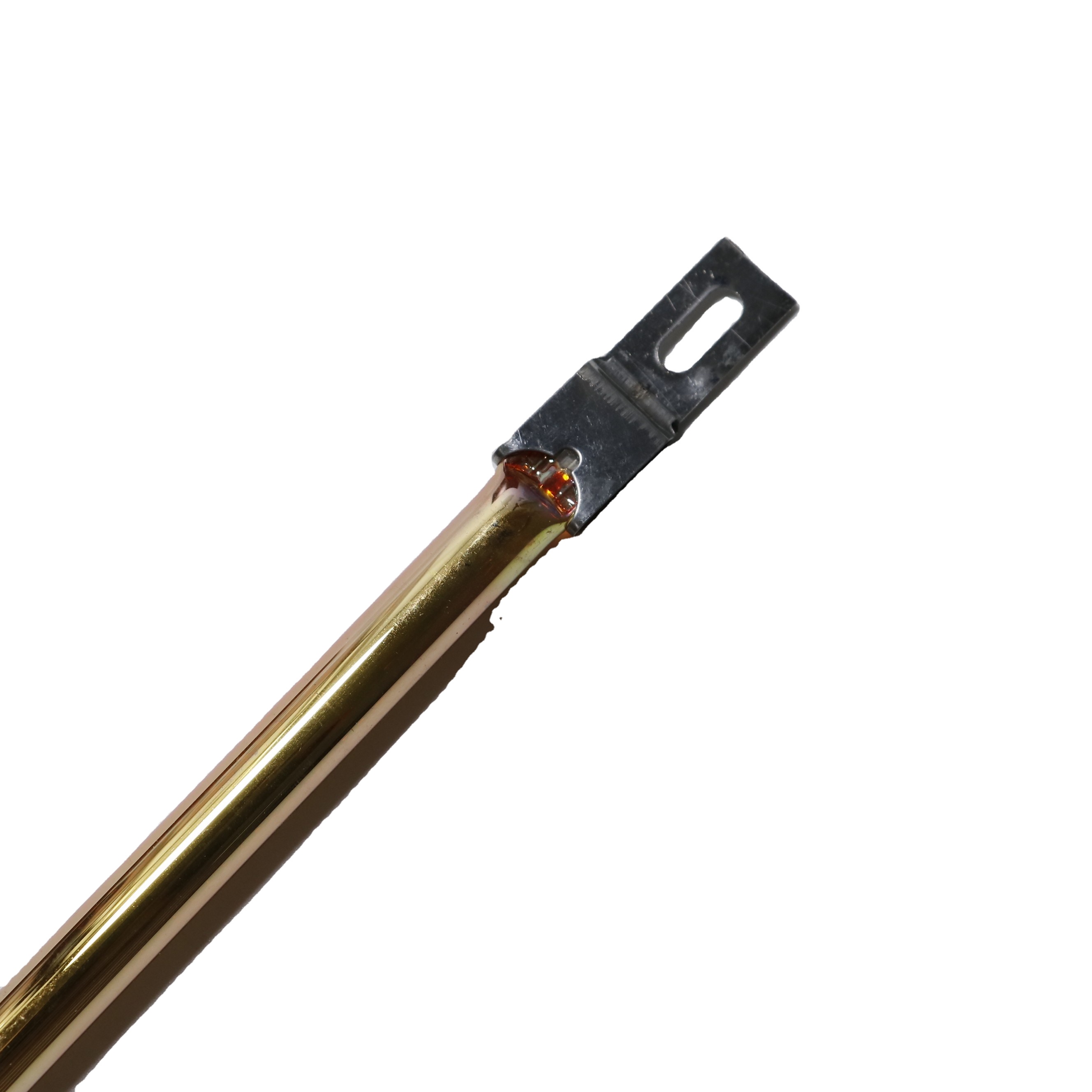
- Full circumference specialized gold layer
- Cleanroom sterile thermal containment
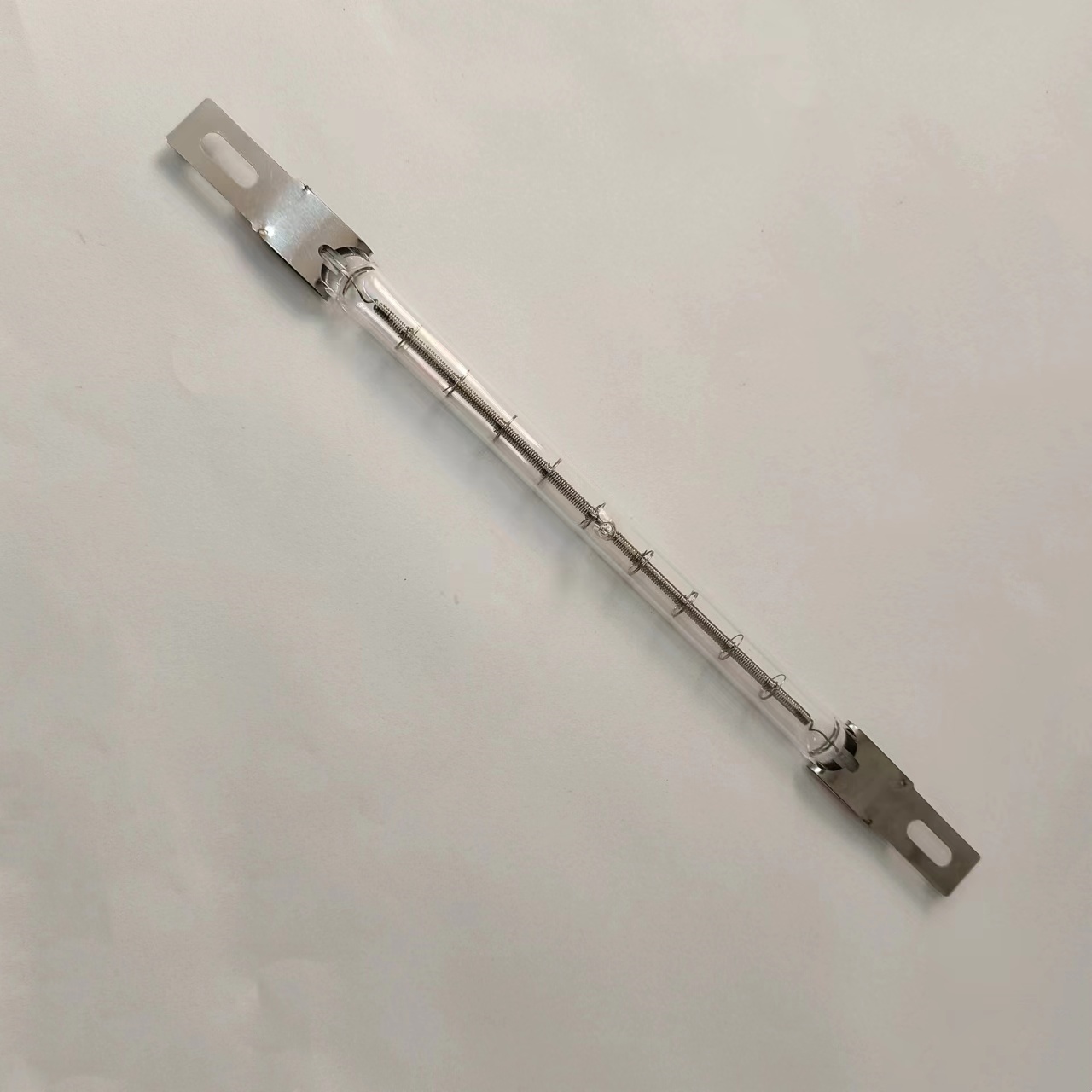
- Precision flexible metal spring clip ends
- High-speed continuous printing drying
Sapporo’s Advanced Industrial Landscape & Quartz U-Tube Demands
A strategic analysis of sub-zero thermal engineering, semiconductor-grade fused silica fabrication, and clean processing solutions in Hokkaido.
In the evolving industrial matrix of Northern Japan, Sapporo stands as a critical command center not only for Hokkaido’s expansive dairy, beverage, and agricultural processing sectors but increasingly as a core precision-machinery and technical support node for the Chitose–Sapporo technology corridor. The emergence of next-generation semiconductor fabrication complexes (such as Rapidus in nearby Chitose) has triggered a structural evolution in component-level expectations throughout the regional supply ecosystem. Industrial thermal engineering, specifically Quartz U Tube assemblies and bent high-purity fused silica emitters, occupies a cornerstone position in this transition. These specialized geometries allow for double-pass radiation within compact spaces, balanced fluid dynamics in analytical instruments, and unhindered thermal expansion in environments subject to severe temperature gradients.
Unlike standard linear emitter lamps or straight fused silica tubing, a true Quartz U Tube represents a severe test of glass-forming skill and stress-relief metallurgy. Bending a high-purity fused quartz pipe (over 99.99% silicon dioxide) into a precise 180-degree radius without thinning the outer radial wall, altering interior cross-sectional flow dimensions, or introducing micro-striations requires continuous, pyrometer-monitored hydrogen-oxygen flame work. In Sapporo’s stringent processing conditions—where facilities must contend with dramatic indoor-to-outdoor sub-zero differentials during winter months—any micro-fracture, uneven wall crystallization, or residual strain within the quartz lattice inevitably leads to thermal shock failure under frequent startup-shutdown cycles.
Semiconductor Precursor & Cleanroom Gas Systems
Within the expanding cleanroom facilities of the Sapporo-Chitose high-tech belt, Quartz U-Tubes serve as non-reactive, non-outgassing channels for high-purity chemical processing, vapor condensation loops, and inert carrier gas thermal preheating. Zero bubble density prevents particulate drift at deep sub-micron scales.
Automated Dairy & Food Bottle Blow-Molding
Sapporo’s premier dairy processors and beverage packagers utilize U-profile infrared emitters inside compact reheat blow-molding tunnels. By concentrating twin-pass short-wave emission along the preform neck without excessive lateral scatter, machines achieve up to 34% energy reductions while running 24/7 high-speed lines.
Cold-Climate Automotive Curing & Coatings
Sub-zero winter humidity in Hokkaido severely challenges clear-coat and paint curing in automotive body fabrication and railway repairs. Ruby-tinted and gold-backed Quartz U-Tubes deliver concentrated medium- and short-wave heat, transferring thermal energy straight to base metal substrates without losing energy to icy ambient drafts.
Procurement & Technical Trends Across Northern Japan
Key architectural criteria driving purchasing teams from traditional metal-sheathed heating elements toward precision fused quartz systems.
In analyzing procurement contracts across Hokkaido over the past three fiscal cycles, an unmistakable transition toward decarbonized radiant thermal processing is observable. Traditional industrial heating approaches across Sapporo historically relied upon boiler-fed steam loops, oil-fired drying tunnels, or thick stainless-steel resistance tubes. In a cleanroom or a high-sanitation food-processing facility, however, metal-sheathed elements present severe contamination vulnerabilities: atmospheric oxidation creates trace particulate flaking, while the enormous thermal mass of steel slows dynamic feedback control, wasting electric power during line stops.
Industrial users are actively replacing legacy systems with fused silica quartz U-tubes and twin-tube emitters for three foundational operational reasons:
Near-Zero Thermal Expansion Coefficient
With an extremely low expansion coefficient (~5.5 × 10⁻⁷ /K), Kavri's fused quartz withstands thermal shock swings from 1100°C directly down to freezing ice-water contact without mechanical spalling or crystalline fractures—a vital requirement for unheated Sapporo winter plants.
Second-Level On/Off Thermal Response
Unlike resistive ceramic or metal-alloy rods requiring 15–25 minutes of continuous power preheating, tungsten halogen and carbon ribbon quartz emitters achieve 100% operational thermal output within 1 to 2 seconds, eliminating idle operational power draw completely.
Total Chemical Inertness & Purity
Fabricated with over 99.99% silicon dioxide, these quartz vessels resist attack from aggressive chemical acids (excluding hydrofluoric), ensuring process security in pharmaceutical distillation, biochemistry analysis flow-cells, and high-spec optical coating lines.
Enterprise Heritage: Kavri Quartz Direct Factory Strength
Combining raw mineral advantages with tenured glass artisans and verified export infrastructure.
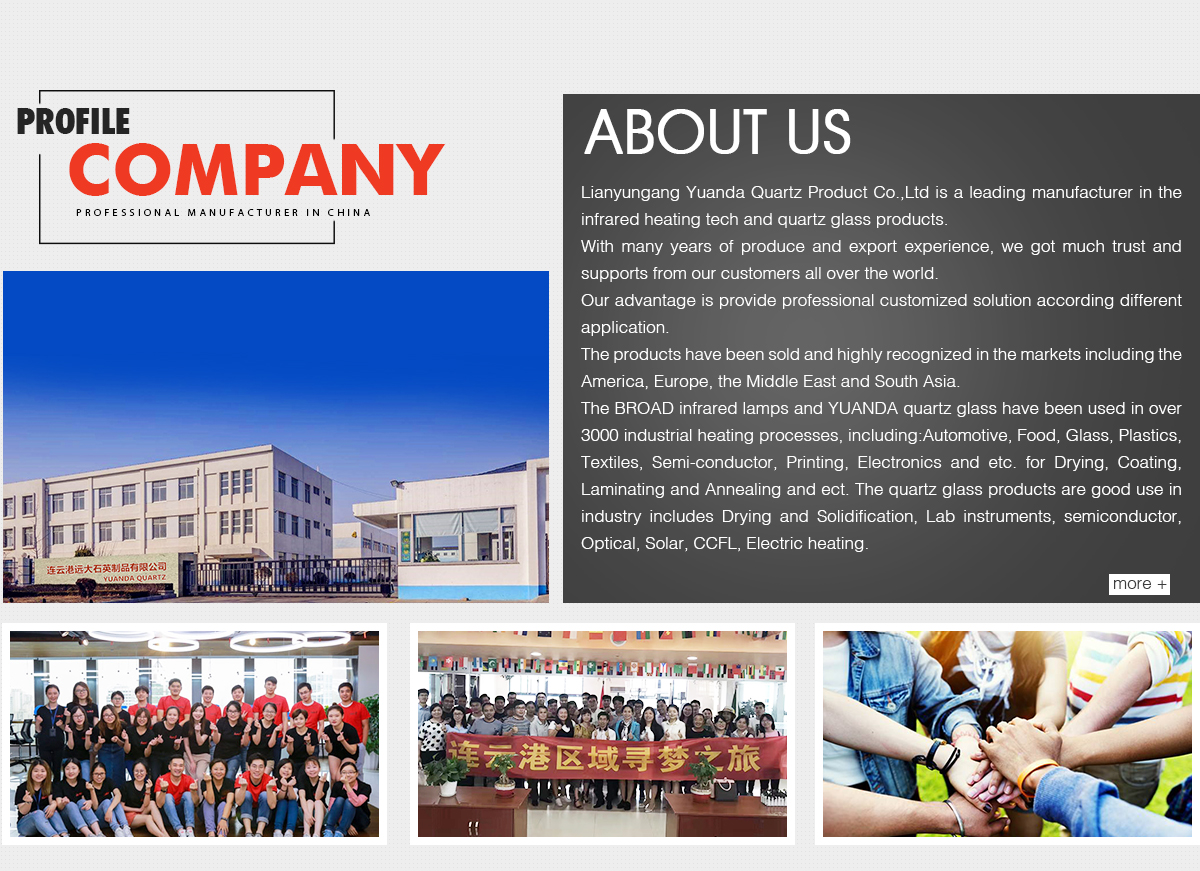
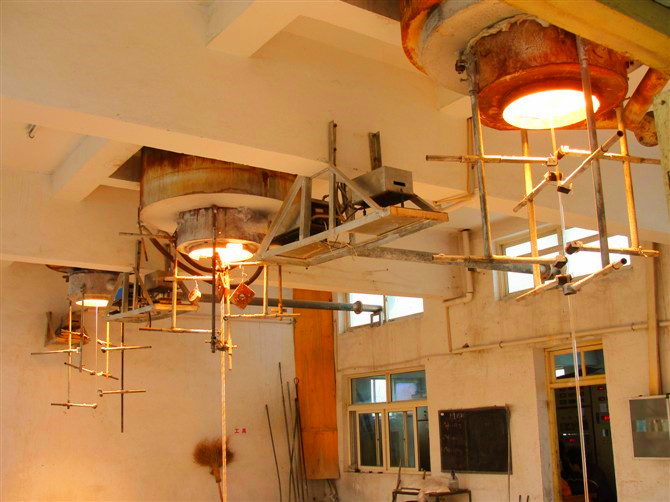
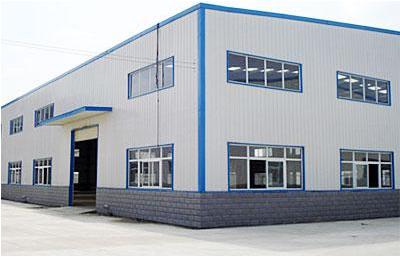
Founded in 2014, Kavri Quartz Product Co., Ltd. operates direct manufacturing facilities inside Lianyungang, Jiangsu—widely recognized as the Silicon Valley of raw quartz crystal refinement in China. This direct regional access to ultra-high purity fused silica ingots, tubes, and rods gives our engineering team a permanent pricing and quality control advantage over intermediate packaging workshops. We maintain 3 specialized production lines dedicated respectively to heavy-wall furnace quartz tubes/plates, automated tungsten halogen lamp evacuation and sealing, and custom high-temperature flame-worked glasscraft, including bent U-tubes, spiral manifolds, and analytical quartzware.
With an export distribution footprint spanning over 80 countries—including multi-year continuous shipments to original equipment manufacturers across Germany, the Netherlands, Japan, Korea, and North America—every batch of Quartz U-Tubes destined for Sapporo undergoes rigorous three-stage verification: coordinate dimensional check via optical projectors, high-voltage spark testing to ensure perfect hermetic seals, and filament burn-in tests to guarantee exact spectral output and wattage tolerances.
Systematic 6-Stage OEM/ODM Engineering Workflow
Eliminating variance across cross-border procurement through strict parameter validation.
Drawing & Parameter Review
Our engineers verify your CAD/PDF specifications: center-to-center bend distance, wall thickness, heated length, gas backfill, and terminal cap requirements.
Material & Spectral Matching
We select optimal clear, ruby, translucent, or coated silica tubing, matching filament physics to the exact absorption curve of your process media.
Precision Prototyping
Experienced glass-blowers fabricate pilot units. Wall uniformity across the 180° curve is verified using non-destructive ultrasonic gauges.
Client Fit & Thermal Testing
Prototypes are dispatched via fast courier (DHL/FedEx) to your Sapporo engineering facility for mechanical fitting and in-line thermal benchmarking.
Batch Production & Stress Relief
Full production run on our 3 lines, followed by automated furnace annealing cycles to eliminate residual hoop stresses introduced during bending.
Seismic Shock-Proof Export Packing
Tubes are individually sheathed in shock-absorbing EPE foam, suspension crated in high-density multi-ply cartons, and insured for ocean or air delivery.
Frequently Asked Questions: Sapporo Procurement
Direct technical answers addressing lead times, sub-zero logistics, custom bending tolerances, and low minimum order quantities.
What is the typical lead time for custom-bent Quartz U-Tubes delivered to Sapporo?
For custom engineering prototypes or replacement samples built to your drawing, tooling and fabrication require approximately 7 to 10 working days. Upon dispatch from our factory in Lianyungang, express air delivery (via New Chitose Airport / CTS) requires 3 to 5 business days, ensuring minimal downtime for your machinery.
How do you guarantee that fragile quartz tubes survive winter transit to Hokkaido?
Exporting brittle fused quartz into sub-zero climates requires dedicated suspension packaging. Each Quartz U-Tube is packed inside custom-molded high-resilience foam cassettes, isolated from external wall compression, and secured inside double-wall reinforced wooden crates marked with impact sensors. Zero transit breakage is guaranteed.
Can you replicate obsolete or unbranded Quartz U-Tubes from old machines?
Yes. Many processing lines across Hokkaido run European or domestic Japanese machines whose original equipment manufacturers have discontinued spare support. You can provide a technical sketch, nameplate wattage/voltage data, or ship a sample to our engineering office. We can reverse-engineer the exact profile and electrical parameters.
What is the minimum order quantity (MOQ) for custom quartz manufacturing?
While large automated lamp producers demand orders of 100+ units, Kavri Quartz supports maintenance engineers and specialized machinery integrators with trial batch MOQs starting at only 8 to 10 pieces for standard custom-bent components, making fit trials both risk-free and budget-friendly.
Do you supply gold-backed or ceramic reflector treatments on U-tube bends?
Absolutely. We apply pure 24K gold reflector layers or diffuse white ceramic coatings onto the outer radius or along selective planes of the quartz geometry. This directs over 90% of emitted infrared energy toward your target workpiece while shielding adjacent machine electronics from unwanted radiant heat.
What international trade and payment terms do you support for Japanese buyers?
We work flexibly under Incoterms including FOB (Lianyungang/Shanghai), CIF (Tomakomai/Otaru), CFR, EXW, and DDP (door-delivered, customs cleared to your facility in Sapporo). We support standard commercial bank wire transfers (T/T), Letters of Credit, and verified escrow trade channels.