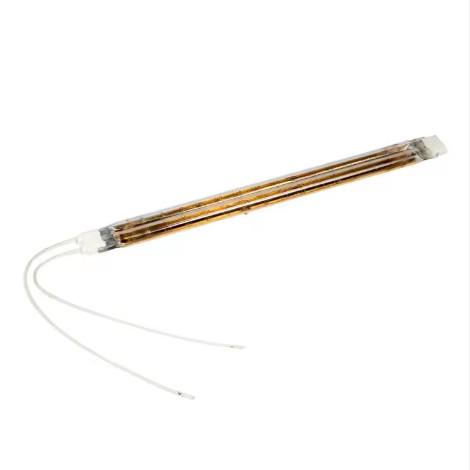
Directional short-wave precision emitter featuring high-reflectance gold plating for maximized thermal transfer in blow moulding.
Engineered in compliance with ISO international standards, offering maximum thermal shock endurance, chemical inertness, and superior optical emissivity for demanding Austrian industrial operations.
Directional short-wave precision emitter featuring high-reflectance gold plating for maximized thermal transfer in blow moulding.
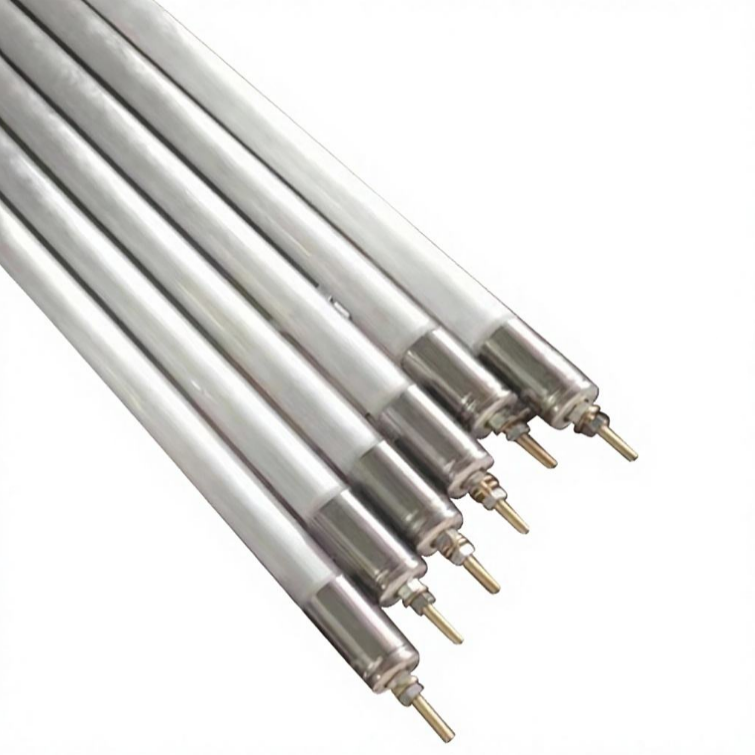
Ultra-pure fused quartz heating core resisting thermal cycling up to 1100°C for foundry and material thermal processing units.
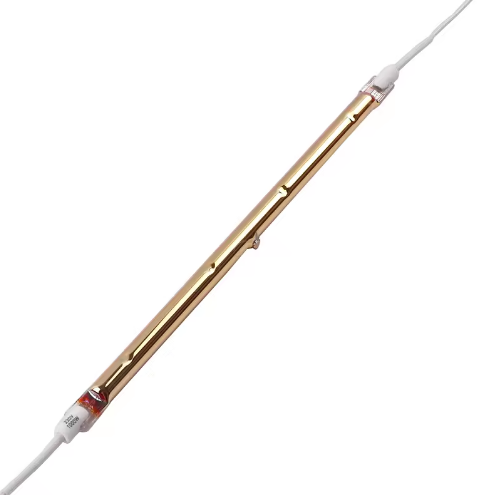
High-efficiency thermal source tuned for PET preform lines with uniform heating yield and long-term envelope reliability.
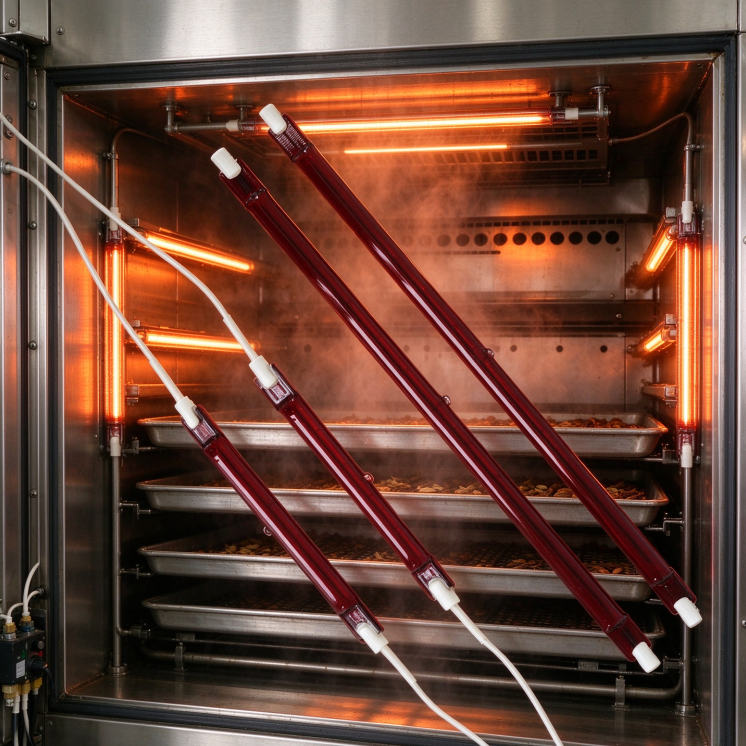
Continuous continuous-operation quartz tubes optimized for fast solvent evaporation and industrial curing lines.
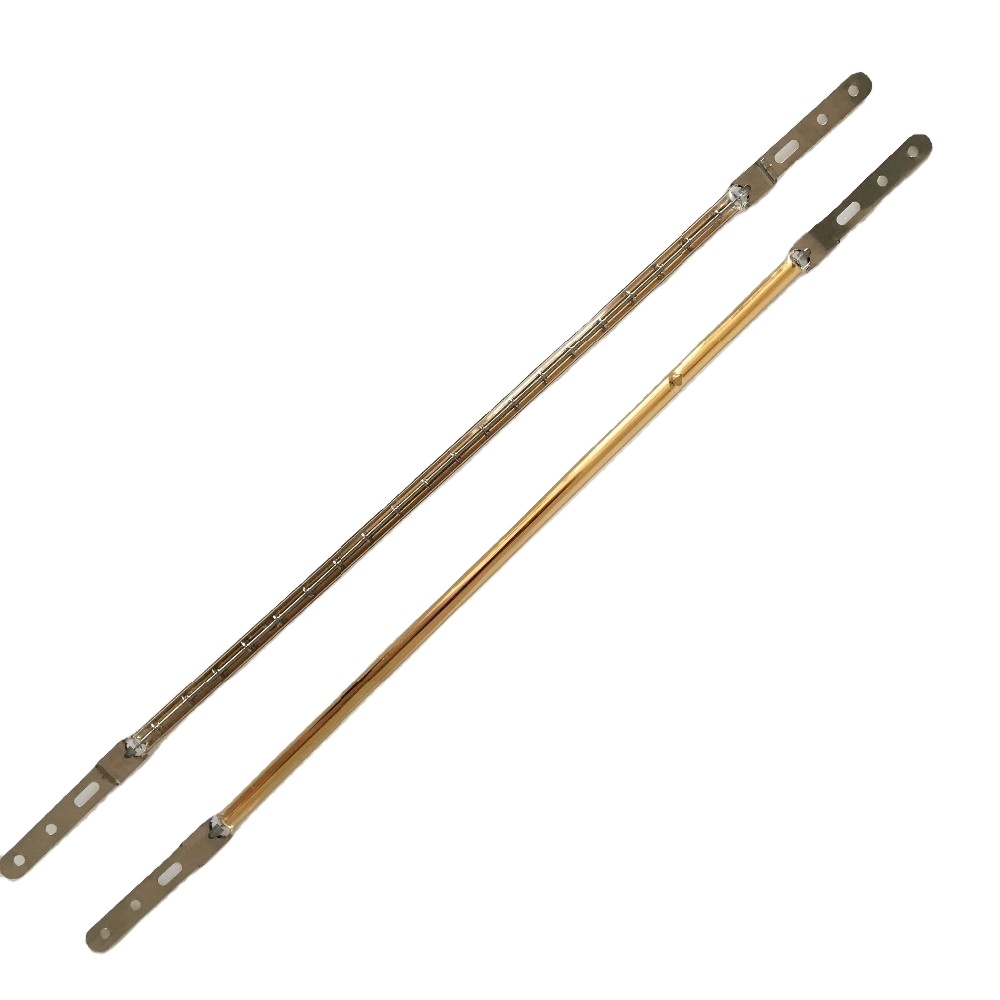
Rapid one-second thermal cycling emitters delivering directional radiant energy without substrate distortion.
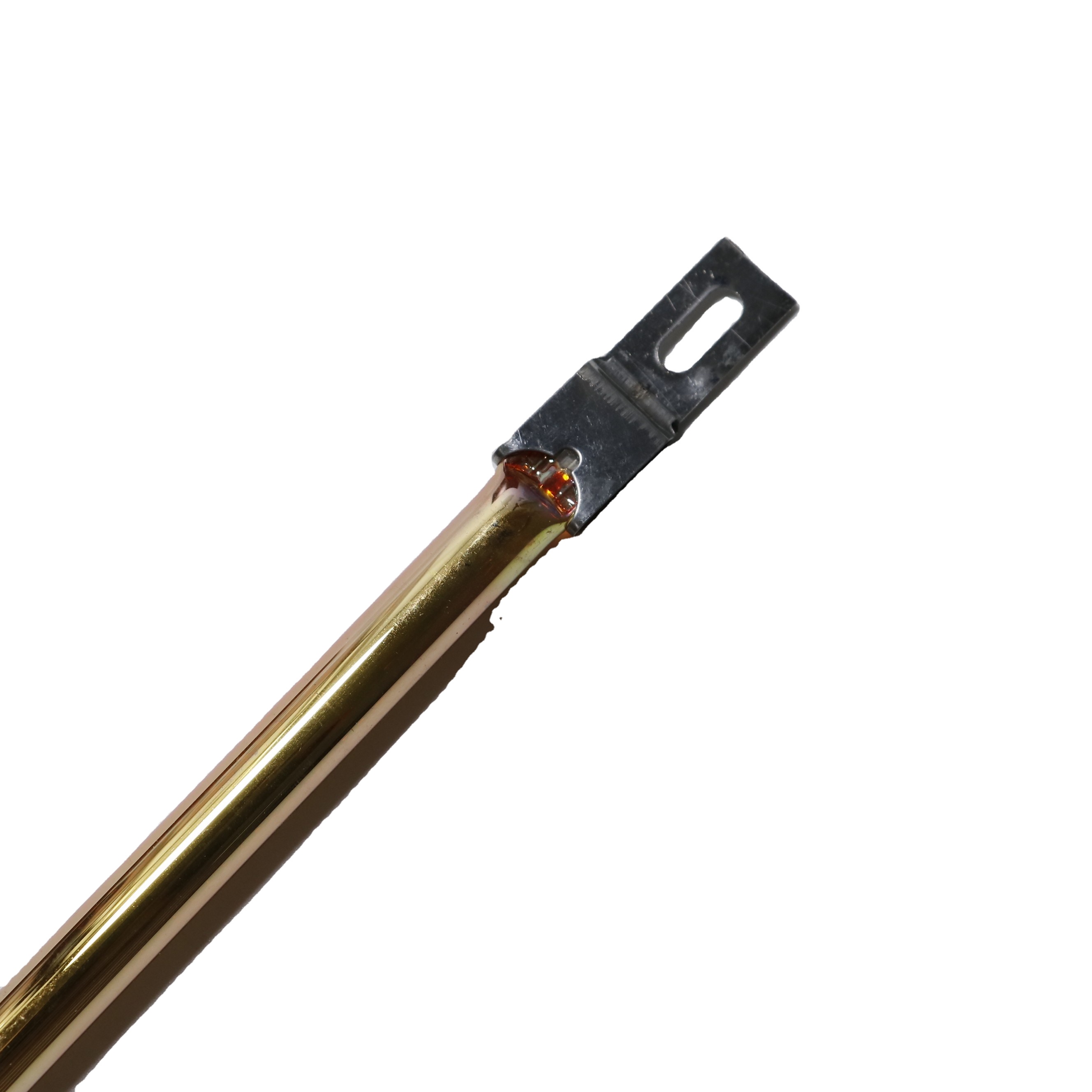
Fully encapsulated pure gold reflection matrix offering over 95% directional radiation focus for high-temperature melting zones.
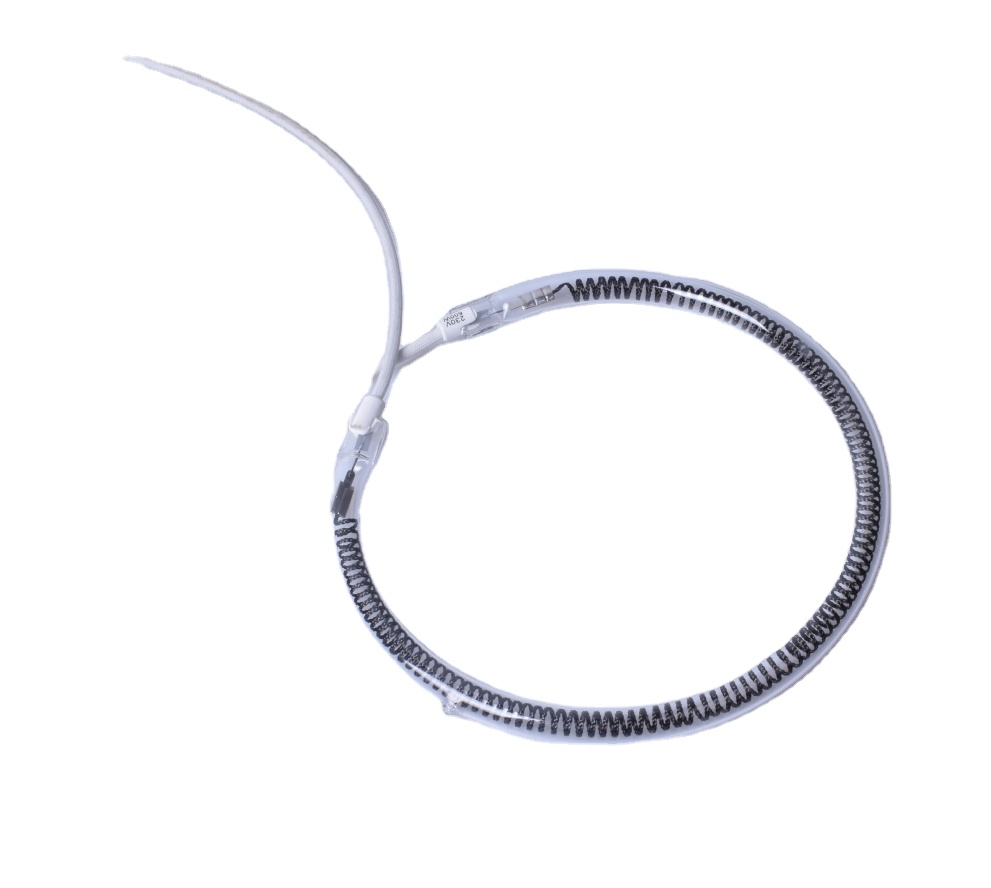
Medium-wave circular carbon emitter tailored for 360-degree radial heating of cylindrical containers and specialized crucibles.
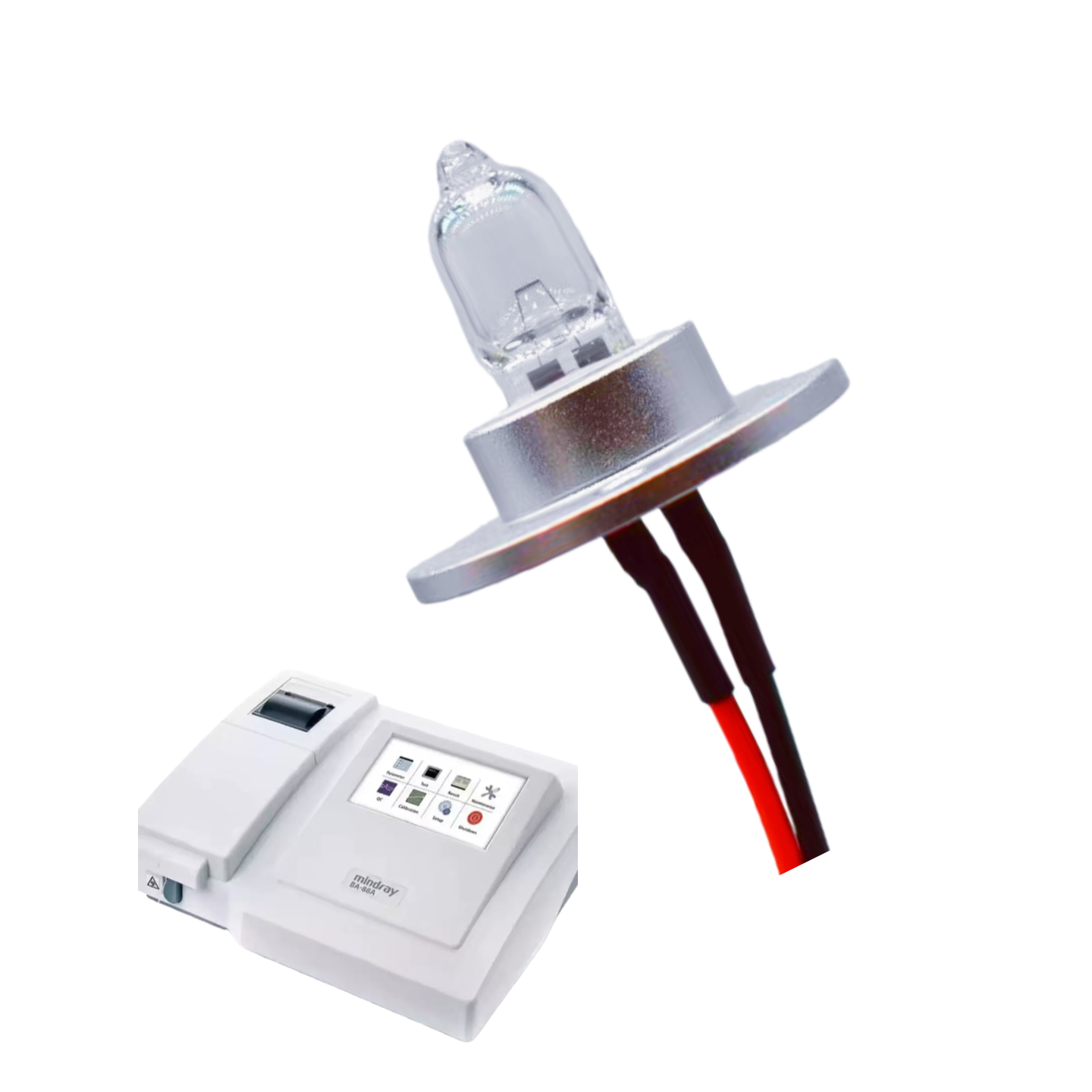
Sub-millimeter optical precision quartz bulb engineered for diagnostic photometry and biomedical laboratory instrumentation.
In modern industrial thermal processing, quartz melting crucibles (manufactured via electric arc fusion or slip casting of natural and synthetic quartz sands) represent the benchmark for thermal management. Operating across Salzburg and Upper Austria's specialized alloy foundries, precious metal refining units, and photovoltaic research clusters, process engineers require high-integrity crucibles capable of enduring extreme thermal gradients without mechanical fatigue or melt contamination.
The fundamental advantage of fused quartz lies in its microscopic structure. Possessing an amorphous, non-crystalline silicon dioxide (SiO2) network, fused silica exhibits an extraordinarily low coefficient of thermal expansion (α ≈ 5.5 × 10⁻⁷ / K between 20°C and 1000°C). This ultra-low expansion profile renders high-grade quartz crucibles practically immune to catastrophic thermal shock. A red-hot crucible exceeding 1200°C can be extracted into room-temperature environments without wall fracturing—an essential safety and operational metric for induction melting, continuous casting, and electron beam zone melting.
When selecting a quartz melting crucible supplier for the Salzburg market, procurement specialists must scrutinize the devitrification threshold. At sustained temperatures above 1150°C, fused silica naturally begins a phase transition toward crystalline cristobalite. Cristobalite undergoes a destructive volumetric shift (approximately 2.8% to 4.5% inversion contraction) upon cooling past 220°C–270°C, which triggers surface micro-cracking.
To combat this phenomenon, our production lines in Lianyungang implement controlled thermal annealing and micro-elemental surface polishing. By minimizing alkali metal contaminants (specifically Na, K, and Li, which act as catalytic nucleation centers for cristobalite), our crucibles extend their operational lifespans across multi-heat smelting regimes, ensuring repeatable cycle longevity and predictable cost-per-melt metrics for Austrian metallurgy plants.
| Physicochemical Property | High-Purity Fused Quartz Crucible | Standard Alumina (99% Al2O3) | Clay Graphite Crucible |
|---|---|---|---|
| Thermal Expansion (x10⁻⁶/K) | 0.55 (Superior Thermal Shock Resistance) | 8.0 (Moderate Risk of Shock Failure) | 4.5 – 6.0 (Requires Strict Preheating) |
| Chemical Purity (Main Oxide) | ≥ 99.99% SiO2 | 99.0% - 99.5% Al2O3 | Blend (Carbon Matrix + Silicates) |
| Maximum Working Temp (Continuous) | 1100°C – 1200°C (1450°C Peak) | 1600°C | 1400°C – 1650°C |
| Melt Contamination Risk | Extremely Low (< 20 ppm Total Impurities) | Moderate (Aluminium Pick-up) | High (Carbon/Silicon Pick-up) |
| Induction Coupling Behavior | Transparent (RF energy goes straight to charge) | Dielectric Insulator | Susceptor (Couples directly with field) |
Delivering tailored metallurgical and laboratory solutions matching the precision manufacturing standards of the Austrian industrial core.
Salzburg’s traditional and modern goldsmithing ateliers, dental alloy suppliers, and precious metal recovery hubs utilize our cylindrical and conical fused quartz crucibles. Zero wet-out properties with liquid gold, silver, and palladium alloys ensure maximum recovery rates and zero crucible wash contamination during induction torch heating.
Austrian specialized engineering workshops utilize our transparent and opaque quartz crucibles as non-conductive vessels in induction furnaces. The crucible wall allows high-frequency electromagnetic fields to penetrate unobstructed directly into the metallic melt, enhancing energetic efficiency and shortening batch melt cycles.
Salzburg-based environmental laboratories, biochemistry institutes, and university material testing facilities depend on our quartzware, micro-crucibles, and flow cells. Resistant to virtually all inorganic acids (excluding hydrofluoric and concentrated phosphoric acid), our vessels guarantee baseline analytical precision.
How decarbonization directives, soaring European energy costs, and precision manufacturing automation are reshaping supplier criteria.
Under strict Austrian and EU environmental guidelines, Salzburg foundries are transitioning from fossil-fired melters to high-efficiency electric induction and infrared-driven systems. This transition demands high-transmissivity quartz crucibles that lower parasitic thermal inertia, drastically cutting kilowatt-hour consumption per kilogram melted.
With Austria expanding its footprint in high-end aerospace and automotive 3D printing components, local gas-atomization facilities require crucibles with near-zero particulate shedding. Quartz provides the glass-smooth, ultra-pure melt interface required to produce aerospace-grade titanium and nickel-superalloy spherical powders.
Salzburg procurement directors are sidestepping regional middlemen to establish direct relationships with primary manufacturers like Kavri Quartz. Factory-direct partnerships deliver strict dimensional tolerances (±0.1 mm), verified material batch testing, and 25–40% cost reductions across repeat annual consumable procurement.
Kavri Quartz Product Co., Ltd. combines over a decade of OEM/ODM engineering excellence with direct access to Lianyungang (Donghai)—the world's most concentrated silicon refining and quartz production hub. Our premises and export credentials have been rigorously verified onsite by Alibaba.com and leading third-party inspection agencies.
Key information regarding custom dimensions, material certifications, delivery timelines, and metallurgical compatibility.
Connect with our technical engineering desk today. Share your dimension drawings, operating temperatures, or alloy specifications, and receive a comprehensive commercial and technical proposal within 4 hours.