Featured Industrial Quartz & Infrared Heating Solutions
Factory-direct OEM/ODM thermal emitters and fused quartz glassware tailored to European machinery standards. Designed for rapid thermal cycling, chemical inertness at >1100°C, and superior transmission across UV-Vis-NIR spectrums.
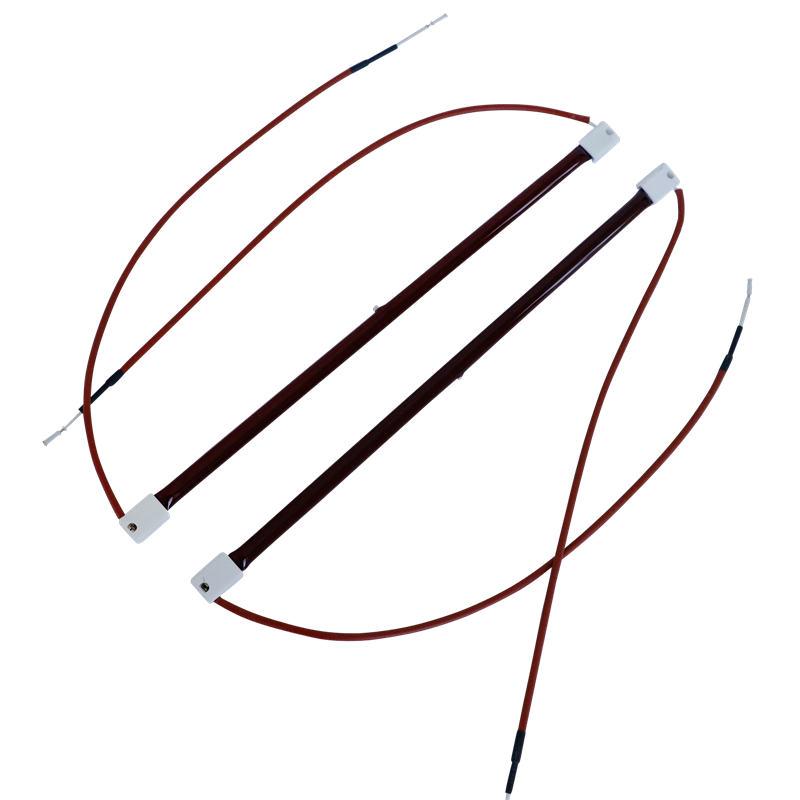
500w 220v Ruby Infrared Heating Lamp for Agri-Industrial & Enclosure Heating
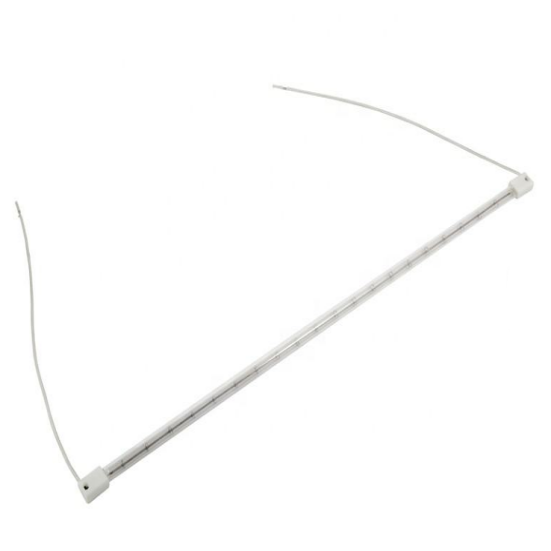
Customizable Infrared Halogen Lamp for Textile & Polymer Surface Curing
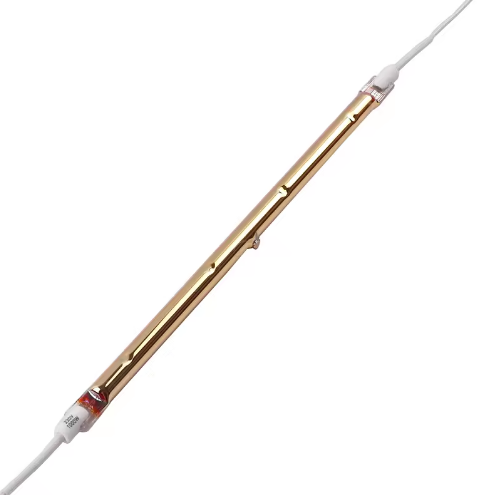
Gold-Plated Directional Quartz Infrared Heat Lamps for Precision Preform Heating
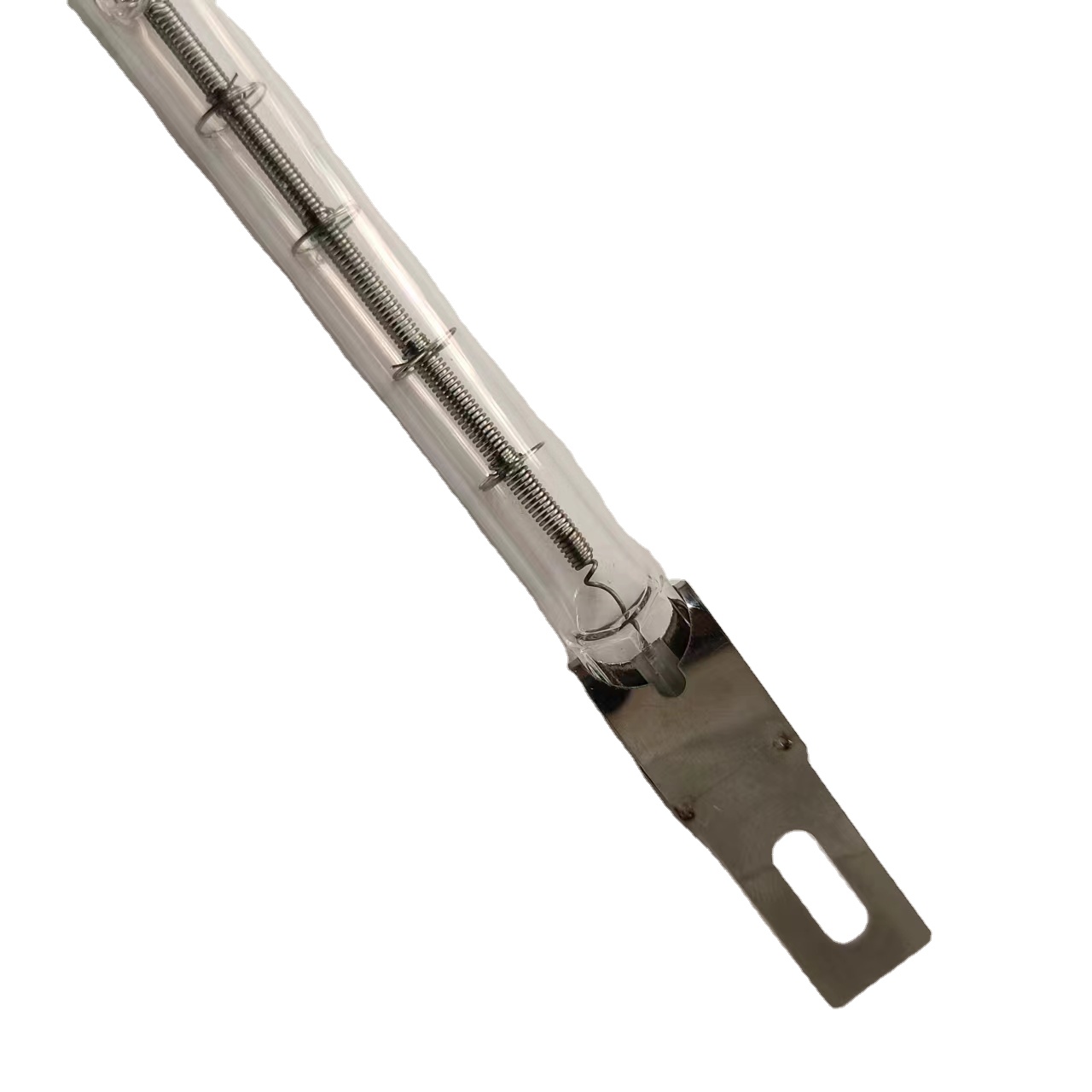
220V 1000W Heavy-Duty Industrial Quartz Infrared Heat Lamp for Continuous Ovens
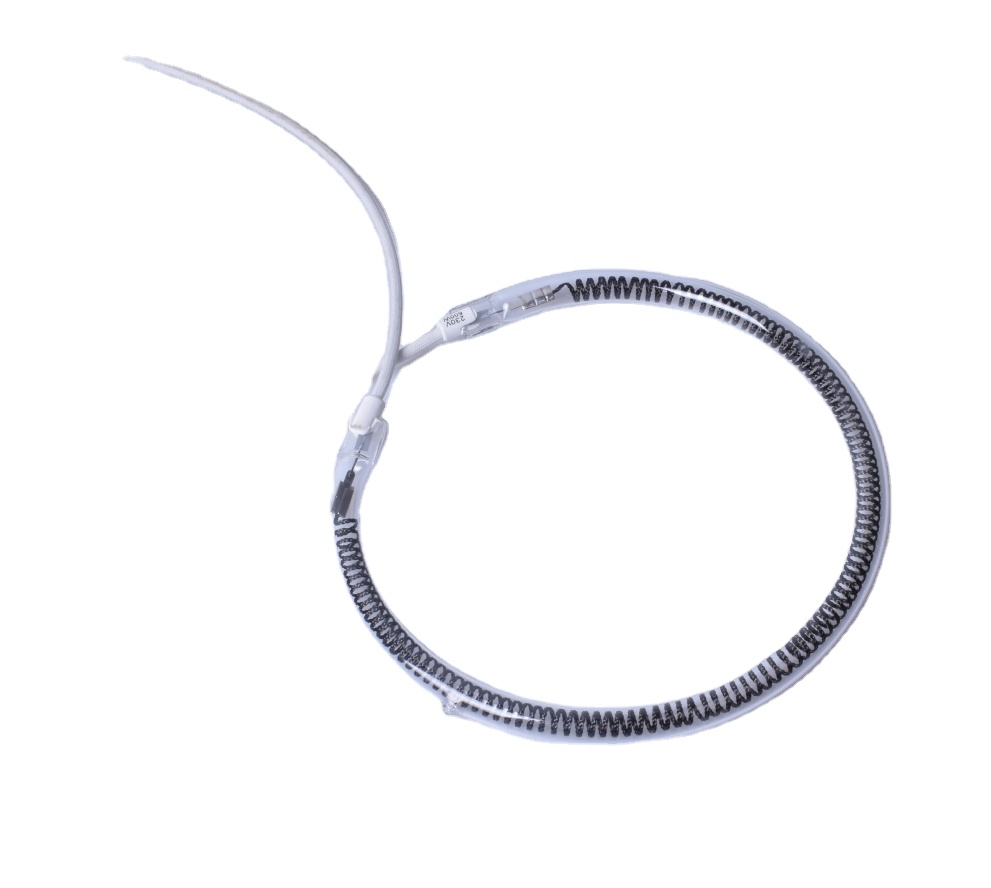
1000W Carbon Fiber Circular Infrared Heat Lamp for Uniform Tube & Bottle Preheating
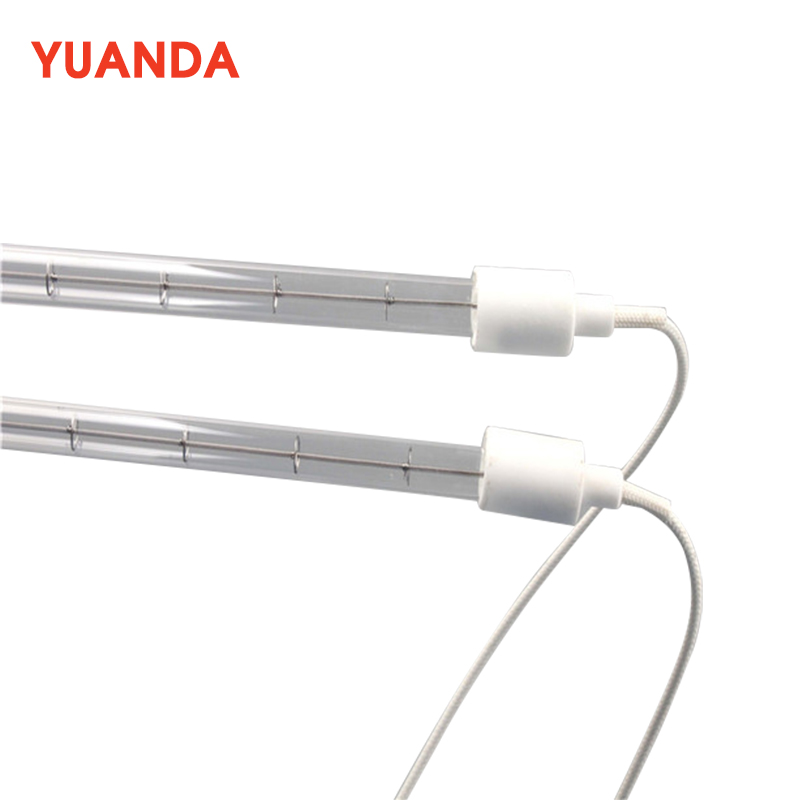
High-Efficiency Infrared Halogen Lamp for Industrial Flash-Off & Drying Tunnels
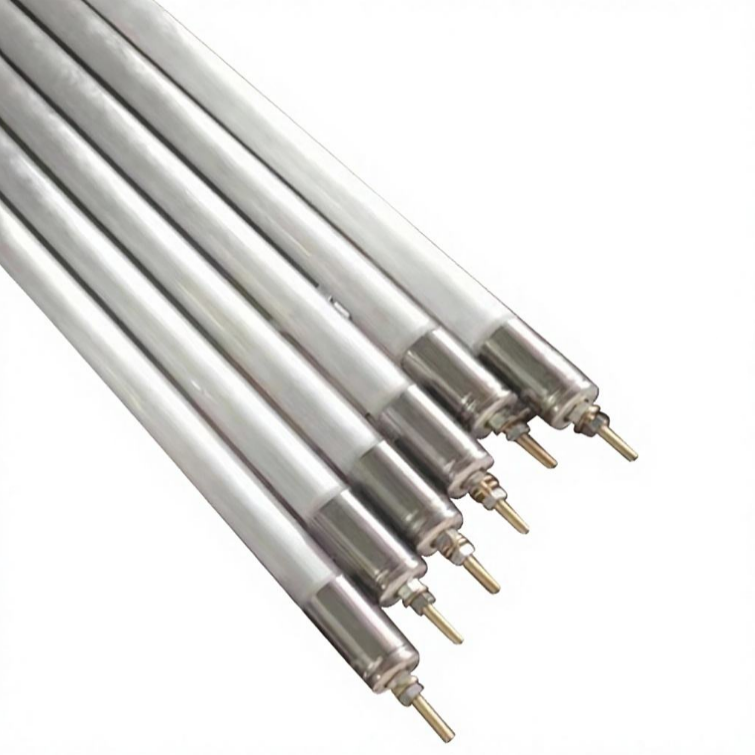
Enclosed Resistance Wire Quartz Heating Tube 1000W for High-Temp Furnaces
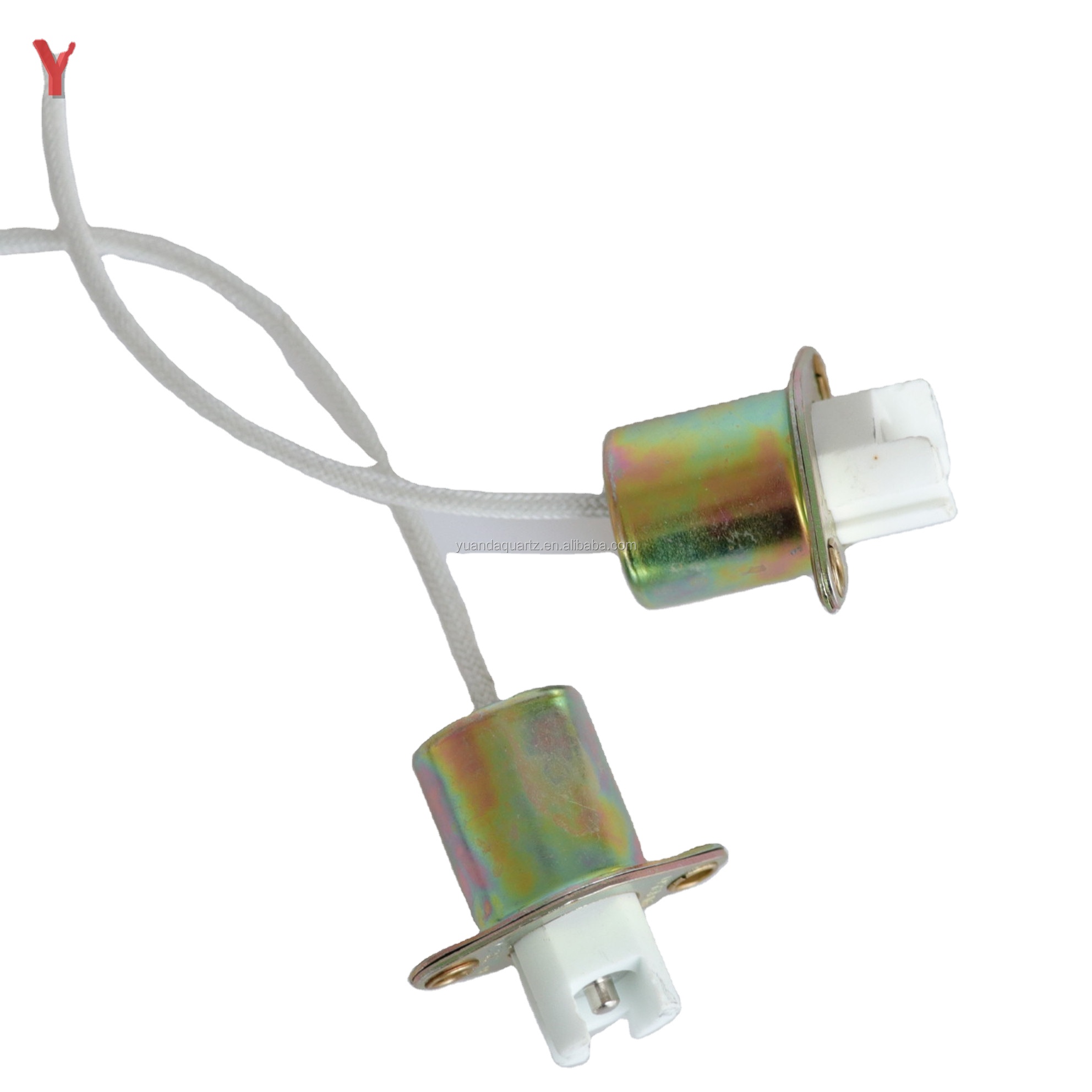
R7S Standard Interface Halogen Infrared Emitter with Steatite Ceramic Cap
Serving Debrecen's Megasite Industrial Ecosystem
Debrecen has rapidly emerged as Central Europe’s foremost manufacturing and high-tech automotive nucleus. From the Southern Industrial Park (Déli Ipari Park) to the Northwest Economic Zone (Északnyugati Gazdasági Övezet), global manufacturers demand resilient thermal infrastructure and uncompromising material purity.
EV Battery Cell & Slurry Drying
Debrecen houses multi-gigawatt battery plants including CATL and Eve Power, alongside cathode and separator manufacturers like EcoPro BM and Semcorp. Battery electrode coating processes require zero micro-contaminants and balanced thermal field distribution. Our medium-wave carbon fiber and twin-tube short-wave halogen lamps deliver non-contact heat transfer that prevents slurry binder migration, increases line speeds, and stabilizes NCM/LFP active material adhesion.
Automotive E-Coat & Paint Flash-Off
At the BMW Group Debrecen iFactory and its tier-1 supply network, sustainable automobile assembly requires extreme thermal efficiency. Convection ovens take up massive floor space and waste energy through air circulation. Our 24K gold-coated directional short-wave emitters focus >90% of emitted infrared radiation forward directly into paint coats and clear lacquers, achieving instantaneous solvent evaporation without heating the vehicle structural subframe.
Pharmaceutical & Lab Optics
Debrecen's long-standing pharmaceutical backbone, supported by facilities like Teva and Richter Gedeon, relies on medical-grade analytics and corrosive acid processing. Kavri supplies customized high-transmission quartz flow cells (32 µL), ultra-clean fused silica test tubes, crucibles, and synthetic quartz glass windows capable of handling hydrofluoric trace environments, vacuum UV analysis, and extreme autoclave sterilization cycles.
Fused Silica Superiority vs. Standard Borosilicate & Ceramic
In high-throughput continuous processing environments across Hungary, equipment failure due to thermal stress or glass devitrification causes catastrophic downtime. Fused quartz glass (amorphous Silicon Dioxide, SiO2) manufactured by Kavri utilizes premier natural quartz crystals refined at our Donghai and Lianyungang industrial facilities.
Unlike borosilicate glass which softens at 500°C, synthetic and fused quartz operates continuously at 1100°C and can withstand emergency transient excursions to 1450°C. With an ultra-low coefficient of thermal expansion (α ≈ 5.5 × 10⁻⁷ / K), Kavri quartz components can be heated red-hot and quenched instantly in cold water without microscopic cracking or structural rupture.
| Performance Parameter | Kavri Fused Quartz (Donghai Purity) | Standard Borosilicate Glass 3.3 | Ceramic Infrared Emitters |
|---|---|---|---|
| Purity (SiO2 Content) | > 99.99% | 80.5% (with B2O3, Na2O, Al2O3) | Non-optical refractory oxides |
| Thermal Expansion (0-300°C) | 5.5 × 10⁻⁷ / K (Zero thermal shock failure) | 33 × 10-7 / K (Moderate resistance) | 50-80 × 10-7 / K |
| Max Operating Temperature | 1100°C Continuous / 1450°C Peak | 500°C Continuous / 550°C Short-term | 700°C Continuous |
| Thermal Response Rate | 1 to 2 Seconds (Halogen / Carbon) | Not applicable for direct emitters | 8 to 15 Minutes (High thermal inertia) |
| Electromagnetic Transmission | UV (190nm) to Deep Infrared (4.5µm) | Cut-off at UV (<320nm) & Far IR | Surface re-radiation only |
| Cleanroom Contamination Risk | Zero Outgassing, Zero Flaking | Low | Particulate dust from glazed ceramic |
Why Debrecen Procurement Teams Choose Kavri Quartz
We eliminate intermediaries. Kavri Quartz Product Co., Ltd. operates 3 automated production lines in China’s quartz capital (Lianyungang), combining low production costs with verified European testing standards.
Direct Replacement for European OEM Emitters
Hungarian facilities running automated thermoforming, PET blow molding (Sidel, Krones), or UV offset print systems frequently face 12 to 18-week lead times and inflated costs from legacy European lamp vendors. Kavri engineers build drop-in replacements with matching filament geometry, overall length, heated length, and custom ceramic base termination (R7S, X-clip, ceramic cap with lead wires) at 30-50% operational cost savings.
Full Batch Inspection & CE/RoHS Traceability
Every shipment destined for Debrecen undergoes stringent multi-stage quality control. We measure internal filament alignment, vacuum envelope integrity, optical transmission spectrum, rated resistance, dielectric leakage, and gold/white reflector adhesion. Certificates of Conformity (CE, RoHS) and dimensional inspection reports accompany all export consignments.
Customized Export Logistics (DDP Debrecen)
We provide comprehensive Incoterms including EXW, FOB, CIF Budapest/Debrecen, and full DDP (Delivered Duty Paid) Debrecen. Quartz tubes and delicate halogen bulbs are cushioned with specialized anti-vibration pearl foam, high-density honeycomb cartons, and ISPM 15 heat-treated fumigated wooden crates ensuring zero transit breakage via air cargo or express rail.
Debrecen 2025–2030: Thermal Electrification & Clean Energy Transition
Under the European Union’s Net-Zero Industry Act and strict Hungarian ESG industrial requirements, Debrecen is aggressively moving away from fossil-gas industrial curing. Infrared radiation directly electrifies production heat with zero local emissions and unprecedented thermal transfer efficiency.
Eliminating Thermal Loss via Targeted Optical Wavelengths
Standard convection heating heats the surrounding air volume first, dissipating up to 60% of input energy in high-ceiling factories. In contrast, quartz infrared lamps transfer energy electromagnetically at the speed of light. Short-wave infrared (1.0 - 1.2 µm) penetrates dense polymer coatings instantly, while medium-wave infrared (2.0 - 2.6 µm) corresponds precisely to the molecular absorption bands of water and organic solvents, reducing process dwell times by up to 65%.
Precision Heating for Automated Industry 4.0 Lines
Smart manufacturing lines in Debrecen require dynamic closed-loop temperature control with pyrometer feedback. Kavri short-wave halogen lamps switch from 0% to 100% full thermal power within 1 second. When conveyor lines halt, lamps shut down immediately, eliminating the risk of overheating battery foils, plastic webs, or painted surfaces common with slow-cooling ceramic or hot-air systems.
Frequently Asked Questions by Debrecen Buyers
Clear, expert technical answers addressing engineering parameters, delivery timelines, and logistics into Hajdú-Bihar County.
How fast can replacement quartz lamps be engineered and delivered to Debrecen?
For custom OEM orders built to CAD drawings or nameplate specs, technical drawings are finalized within 24 hours. Prototyping requires 3-5 working days. Mass production completes in 10-15 business days. We offer express door-to-door air freight (DHL/FedEx/UPS) reaching Debrecen in 4-6 days, or economical consolidated rail/sea freight for recurring warehouse stocking orders.
Do your products comply with European CE, RoHS, and REACH regulations?
Yes. All quartz tubes, halogen elements, and carbon fiber emitters exported to Hungary fully comply with EU Directive 2011/65/EU (RoHS) and CE low-voltage safety directives. Our pure silica glass contains no hazardous lead, cadmium, or mercury compounds, making them fully compliant for cleanroom, pharmaceutical, and food-grade packaging facilities.
What is the minimum order quantity (MOQ) for custom quartz parts?
Unlike massive conglomerate glassmakers requiring container-level volumes, Kavri supports Debrecen engineering teams with an accessible MOQ of 8 to 10 pieces for standard or custom IR emitters. Customized laboratory quartz flow cells, crucibles, and specialized quartz plates can often be sampled starting from single-piece prototypes.
How do you guarantee that fragile quartz tubes arrive without breakage?
We employ a verified multi-tiered packaging protocol proven over 10+ years of global exporting. Each quartz tube is wrapped in individual protective PE film, housed inside form-fitted shock-absorbent EPE foam sleeves, placed into heavy-gauge corrugated interior cartons, and crated in exterior composite wooden boxes reinforced with strapping. Damage rates remain below 0.1%.
How should I specify a replacement lamp when the OEM part number is worn off?
Simply provide our engineering team with: (1) Total length and heated length in mm, (2) Tube diameter or twin-tube profile (e.g. 11x23mm), (3) Measured operating voltage and desired wattage, (4) End cap style (ceramic, metal cable, R7S, push-in), and (5) A smartphone photo of the existing emitter. Our technical desk will reproduce the engineering CAD drawing for approval.
Gold coating vs. Ceramic white reflector: Which is optimal for our Debrecen ovens?
Gold coating exhibits the highest infrared reflectivity (>90-95%) and directs heat forward with minimal stray losses, making it ideal for automotive painting and cleanroom drying at tube temperatures up to 600°C. White ceramic coating is recommended for extreme-temperature industrial ovens reaching up to 1000°C where gold might degrade over long operating lifespans.
Connect Directly with Kavri Quartz Engineering
Whether you are engineering a high-speed battery drying tunnel, maintaining an automotive paint curing line, or procuring high-purity laboratory quartz instruments in Debrecen, our factory-direct team guarantees verified technical execution within 4 hours.