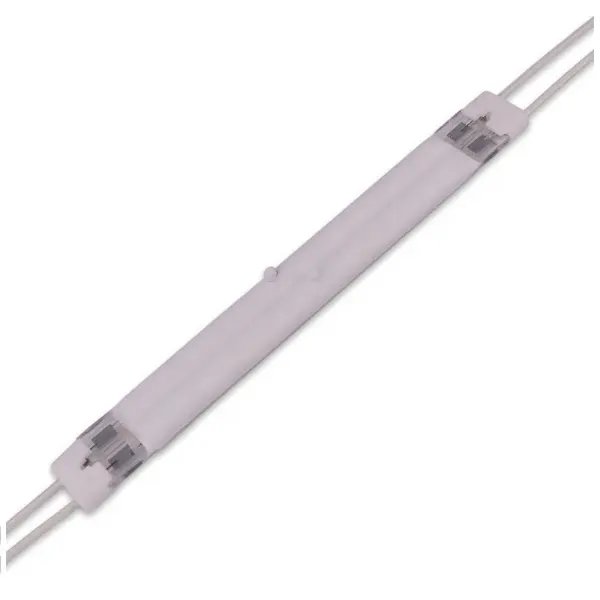
High-Performance Components
Featured Precision Quartz Optics & Thermal Emitters
Standard and custom-engineered quartz optical components, specialized analytical analyzer lamps, and precision IR emitter modules deployed across European manufacturing facilities and R&D laboratories.
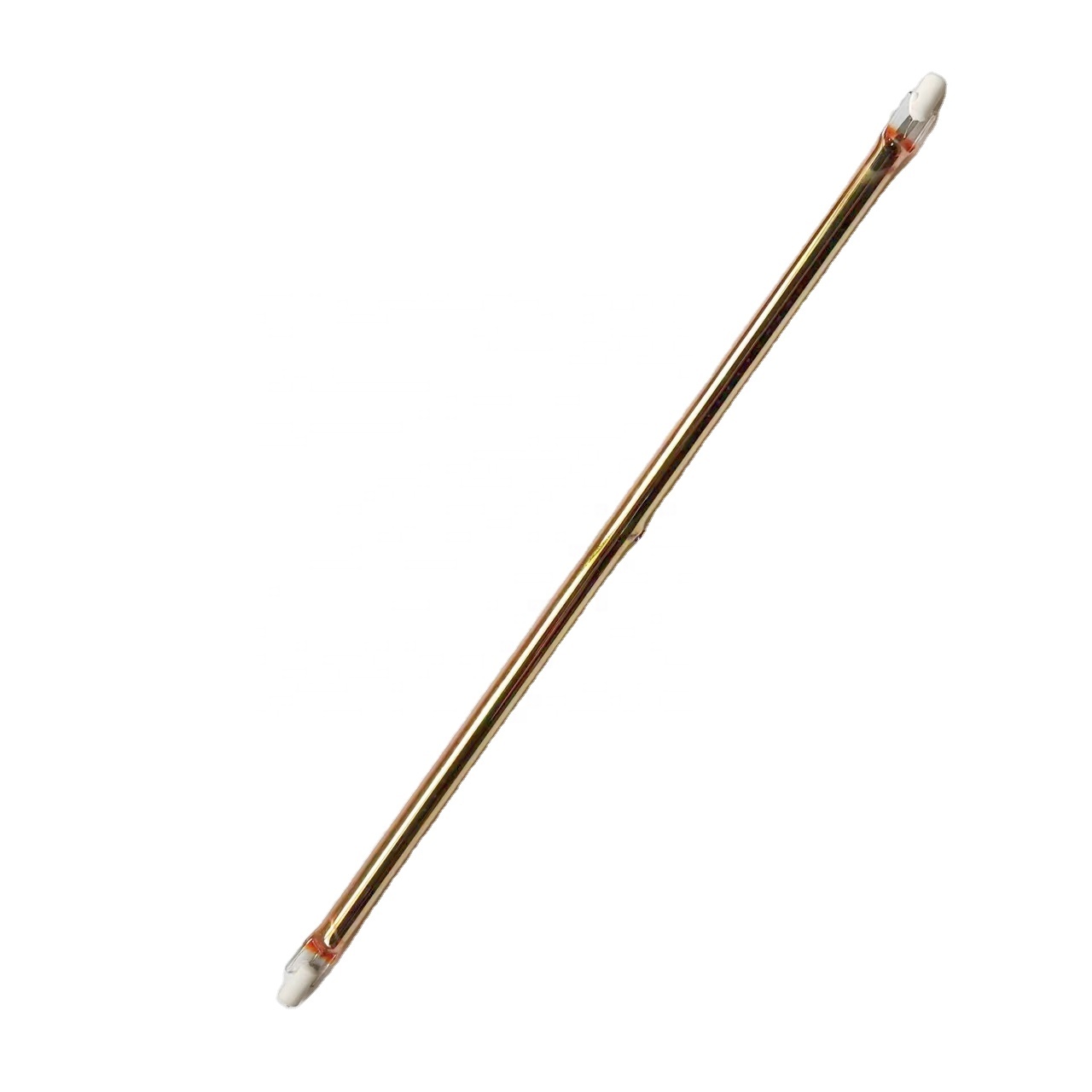
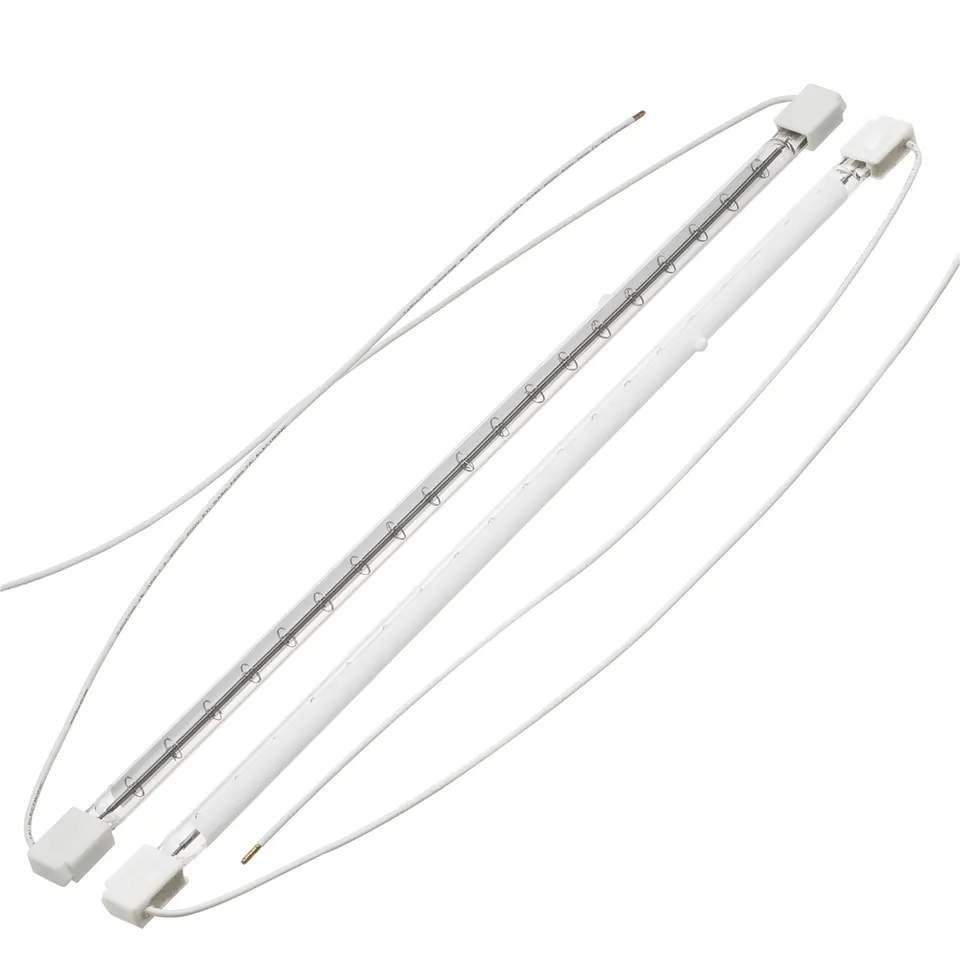
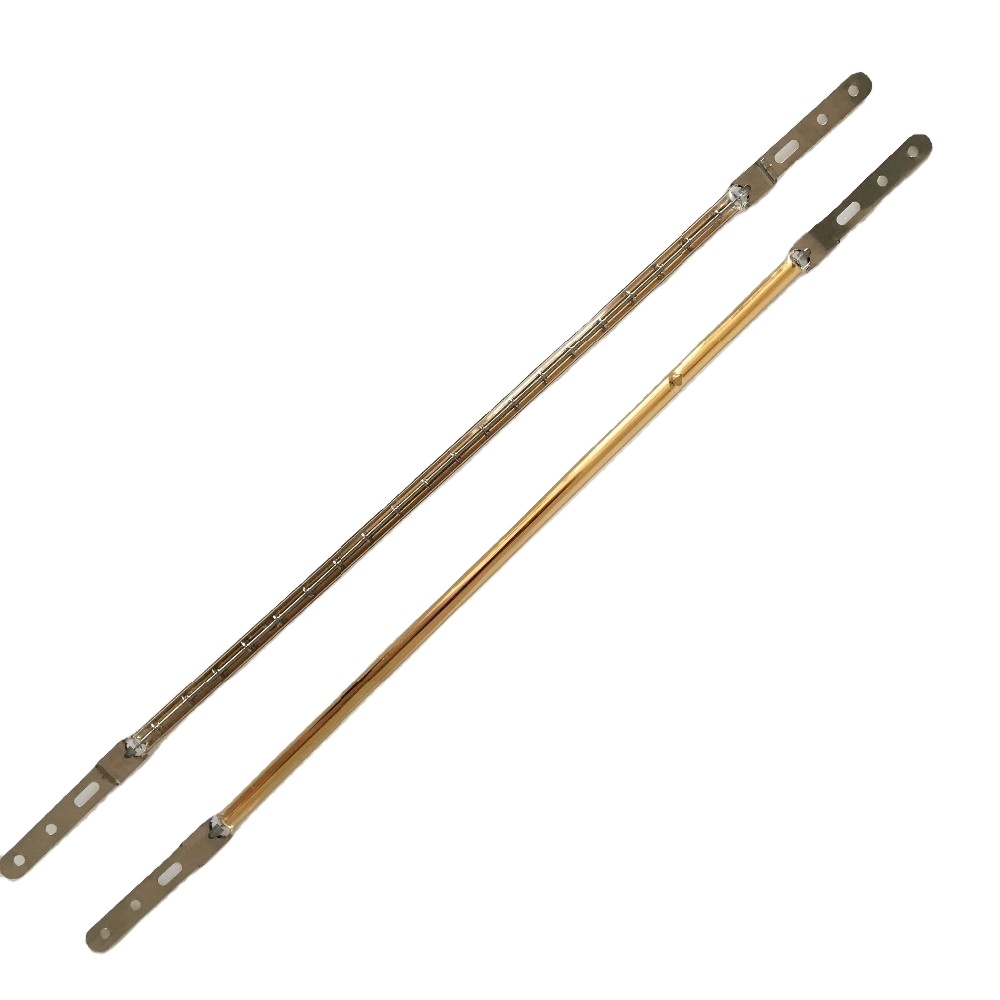
Engineering Whitepaper
Precision Fused Silica Optical Fabrication: Material Grades & Optical Physics
A technical evaluation of high-purity synthetic quartz, optical fused silica substrates, and laser-damage threshold tolerances for Kaunas optical instrument builders.
Optical Transmission Classes (JGS1, JGS2, JGS3)
Selecting the correct fused quartz substrate dictates photon efficiency across specific operational bandwidths. JGS1 (Synthetic Fused Silica) exhibits exceptional transmission from 185 nm to 2500 nm without absorption bands at 245 nm, ideal for DUV photolithography and excimer optics. JGS2 provides reliable optical transmission from 220 nm to 2500 nm, while JGS3 is infrared-optimized, virtually free of hydroxyl ions (OH⁻ content < 5 ppm), preventing water-absorption dips at 2.73 µm for thermal photonics and mid-infrared spectroscopy.
Laser Damage Threshold (LIDT) & Surface Homogeneity
Lithuanian laser manufacturers demand uncompromising power handling. Our double-sided chemical-mechanical polished (CMP) plano-convex, biconvex, and cylindrical quartz lenses achieve surface roughness Ra < 0.5 nm and Scratch-Dig 10-5 per MIL-PRF-13830B. Subsurface damage (SSD) is removed via controlled acid etching, ensuring certified LIDT exceeding 10 J/cm² at 1064 nm (10 ns pulse width, 20 Hz rep rate), preventing catastrophic dielectric breakdown during high-energy picosecond or femtosecond pulses.
Extreme Thermal Stability & Abbe Dispersion
With an extremely low coefficient of thermal expansion (CTE of 5.5 × 10⁻⁷ / K from 20°C to 320°C), fused silica optics maintain focal length stability under intense thermal loads where N-BK7 or optical crowns fracture. An Abbe dispersion value of Vd = 67.8 coupled with a refractive index of nd = 1.45846 minimizes chromatic aberration across broad spectral ranges, rendering quartz lenses essential for high-temperature collimators, pyrometry viewports, and high-power thermal radiation management.
| Material Class | Spectral Range | OH⁻ Content | Bubble Class (DIN 3140) | Surface Accuracy | Primary Industrial Sector |
|---|---|---|---|---|---|
| JGS1 Synthetic Silica | 185 nm – 2500 nm | ≤ 1200 ppm | 0 / 0 (Zero Inclusion) | λ/10 @ 632.8 nm | Excimer Lasers, Semiconductor Steppers, Deep UV Optics |
| JGS2 Fused Quartz | 220 nm – 2500 nm | ≤ 150 – 200 ppm | Class 1 / Class 2 | λ/4 to λ/8 | Industrial Automation, Optical Lenses, Petrochemical Sight Glass |
| JGS3 Infrared Silica | 260 nm – 3500 nm | ≤ 5 ppm | Class 1 | λ/4 @ 632.8 nm | IR Collimation, Gas Analyzers, Thermal Pyrometry Windows |
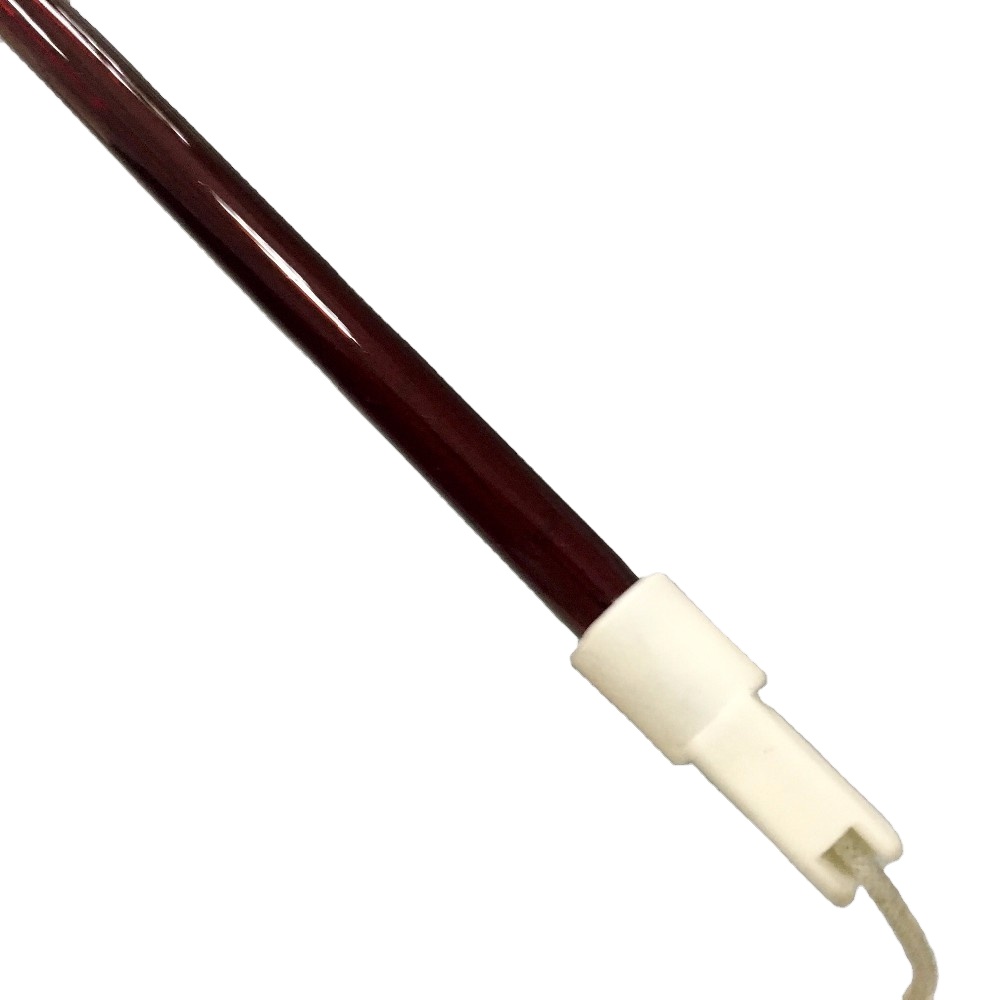
| Doped / Ruby Quartz | Filter < 600 nm | N/A | Industrial Grade | Mechanical Polish | Low-Glare Medical Therapy, Industrial Paint Curing Ovens |
Regional Integration
Quartz Optical Applications Across Kaunas & the Lithuanian High-Tech Sector
Direct integration into the innovation corridors of Kaunas Free Economic Zone (LEZ), KTU Santaka Valley, and the Baltic precision engineering network.
The Strategic Role of Precision Quartz in Kaunas's Advanced Engineering Cluster
Kaunas has rapidly emerged as Lithuania's premier manufacturing and technological nexus. While Vilnius is globally renowned for its pioneering laser physics, the Kaunas ecosystem—anchored by the Kaunas University of Technology (KTU), the Santaka Valley, and the rapidly growing Kaunas Free Economic Zone (Kauno LEZ)—specializes in high-throughput automation, automotive electronics, biomedical device engineering, and advanced materials manufacturing. These operations rely on fused quartz optical components and high-precision thermal emitters that survive aggressive thermal cycling, vacuum environments, and intensive radiation fluxes.
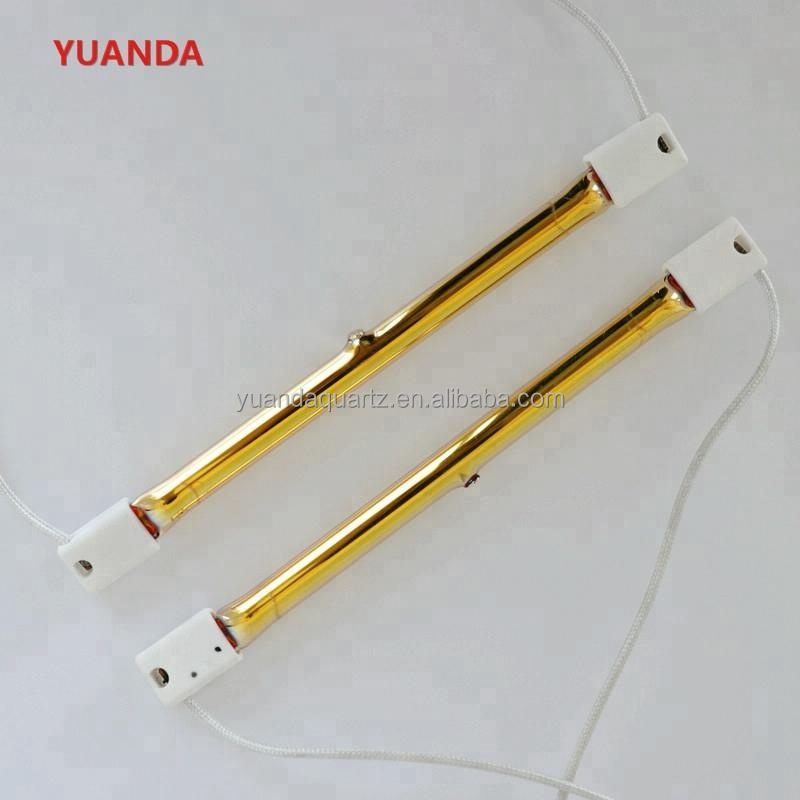
In the electronics manufacturing plants across the Dainava and LEZ districts, automated surface-mount technology (SMT) and conformal coating curing systems utilize our directional gold-coated short-wave infrared lamps to achieve targeted polymer crosslinking without substrate warping. Our precision cylindrical quartz focusing tubes and flat fused silica heat shields ensure thermal energy is focused on the solder joint while shielding delicate active microchips.
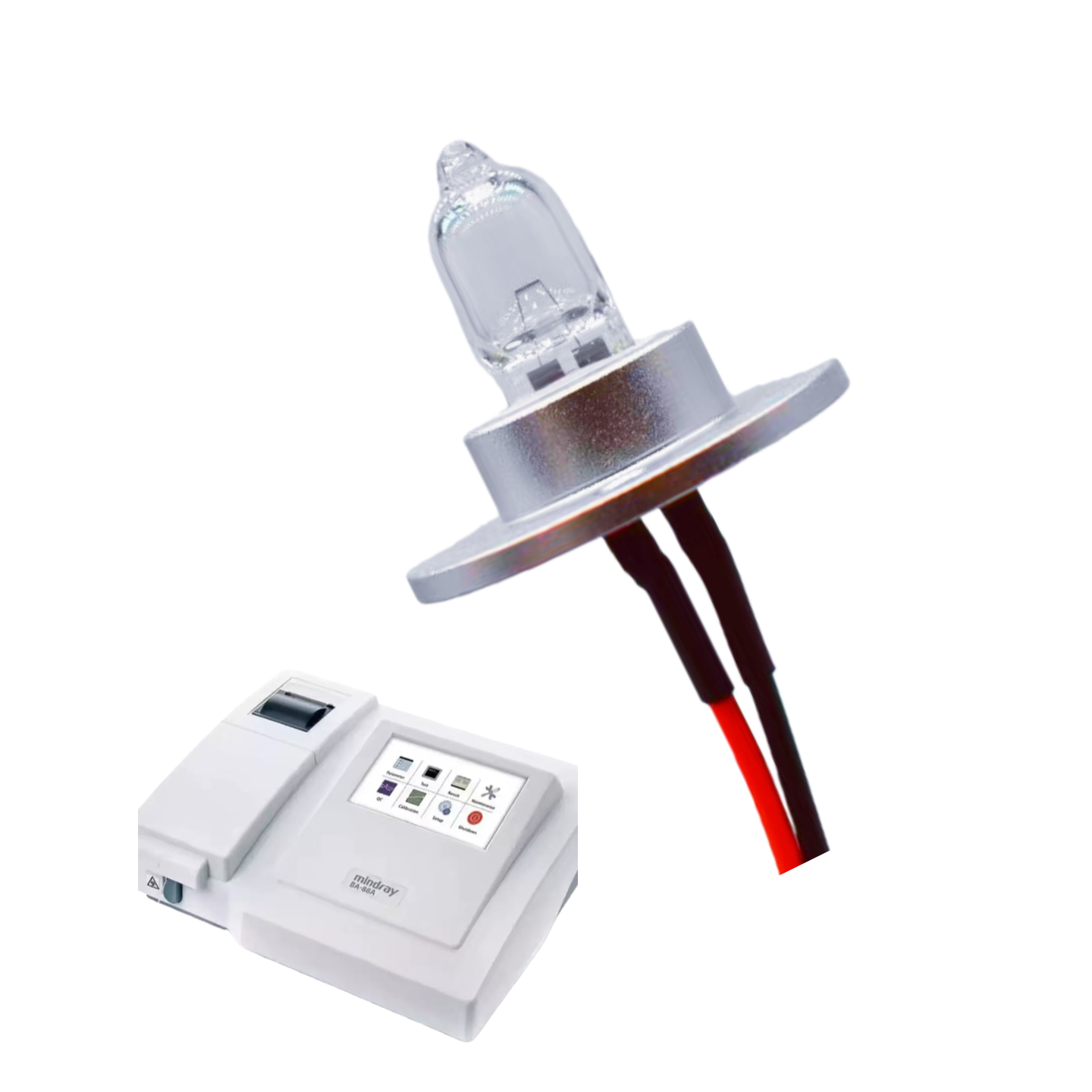
Furthermore, in clinical diagnostic devices developed across Kaunas's biotechnology incubators, optical purity is essential. The Mindray-compatible semi-automatic biochemical analyzer light bulbs (e.g., BA-88A 6V 10W) and custom fused silica optical flow cells supplied by Kavri Quartz guarantee ultra-low stray light, zero baseline drift, and uninterrupted photometric transmission from UV to near-IR wavelengths.
Industry Trajectory
Emerging Technological Trends in Kaunas Photonics & Industrial Manufacturing
Adapting to the next wave of European manufacturing standards, digital process control, and sustainable photonics deployment.
Decarbonization of Baltic Food & Packaging Plants
Lithuanian packaging plants are rapidly phasing out inefficient gas-fired convective drying ovens. By transitioning to high-emissivity twin-tube quartz emitters with integrated ceramic half-white reflectors, PET blow-molding preheating facilities in Kaunas report up to 45% reductions in line kilowatt-hour consumption. The instant on/off response of tungsten-halogen quartz filaments allows Kaunas engineers to implement closed-loop PID control via optical pyrometers, eliminating preform thermal lag.
Integration of Ultrafast Laser Cold Processing
As Kaunas precision machine builders incorporate femtosecond laser cutting for medical stents and semiconductor wafers, conventional optical glasses fail due to thermal lensing and color center formation. Pure synthetic fused quartz (JGS1) optics are now mandatory to preserve beam profile integrity (M² < 1.1) and avoid wave-front distortion during multi-photon absorption processes, setting higher benchmarks for surface roughness and optical homogeneity.
Cleanroom Process Automation in Kauno LEZ
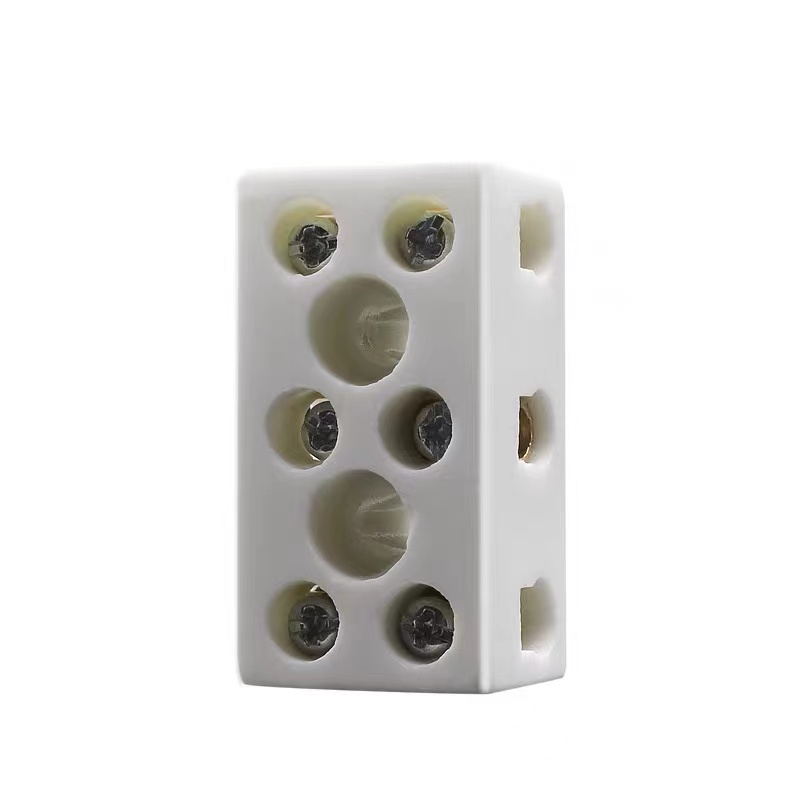
Tier-1 automotive electronics and sensor assemblers in Kaunas operate under stringent ISO Class 5 to Class 7 cleanroom protocols. This has triggered strong demand for zero-outgassing optical assemblies. Kavri Quartz addresses this trend through vacuum-baked quartz sleeves, ceramic terminal blocks with high-temperature nickel leads, and ozone-free or ozone-generating UV quartz envelopes manufactured with strict dimensional tolerances to fit automated pick-and-place assembly frames.
Manufacturing Authority
Why Kaunas Procurement Specialists Partner with Kavri Quartz
Combining the world-class silica reserves of Lianyungang, China with stringent European quality management and express logistics.
Direct Raw Material Origin
Situated in Lianyungang, adjacent to Donghai—the world's foremost crystalline quartz center—we maintain uninterrupted access to high-purity natural silica sand (>99.999% SiO₂), bypassing distributor markups and guaranteeing raw material consistency.
Rigorous Metrology QC
Every batch of quartz optical lenses, tubes, and heating emitters undergoes Zygo interferometric surface verification, UV-Vis-NIR spectrophotometer transmission testing, and electrical burn-in validation with comprehensive inspection certificates provided.
Rapid Prototyping & Agility
With 3 specialized production lines and an in-house tooling workshop, we turn around custom OEM quartz lens prototypes or tailored infrared emitter drawings in 7–10 working days, backed by a technical response window of under 4 hours.
Direct Baltic Logistics
Established DDP/CIF/FOB freight routes connecting directly to Kaunas International Airport (KUN), Vilnius Airport (VNO), or the Port of Klaipėda, utilizing reinforced shock-absorbing wooden export crates with zero transit breakage guarantees.
Procurement Intelligence
Frequently Asked Questions by Lithuanian Engineers & Buyers
Clear, authoritative technical answers addressing customs, tolerances, testing documentation, and supply chain continuity.
What dimensional tolerances and surface scratch-dig ratings can you achieve on custom quartz lenses?
For precision optical lenses and windows, our CNC grinding and polishing lines reliably achieve diameter tolerances down to ±0.02 mm, center thickness tolerances of ±0.05 mm, and surface figure accuracy of λ/4 to λ/10 @ 632.8 nm. Surface quality meets MIL-PRF-13830B standards at 20-10 or 10-5 Scratch-Dig for high-power laser applications. For quartz heating tubes and industrial sight glasses, standard dimensional tolerances are held within ±0.1 mm to ±0.2 mm depending on diameter and wall thickness.
How do you handle European Union customs clearance and import documentation for deliveries to Kaunas?
We provide full documentation for Lithuanian customs authorities (Muitinės departamentas prie Lietuvos Respublikos finansų ministerijos). This includes accurate HS code classification (such as 7002.31 for quartz tubes, 9001.90 for optical elements, and 8539.49 for infrared/UV emitters), EUR-standard commercial invoices, packing lists with net/gross weights, and Certificates of Origin. We support flexible Incoterms including EXW, FOB Shanghai/Qingdao, CIF Klaipėda, and DDP Kaunas (where all import duties and Lithuanian VAT are pre-handled for direct facility delivery).
Can you supply anti-reflective (AR) coatings matched to specific laser wavelengths?
Yes. Our thin-film vacuum deposition chambers apply hard dielectric coatings with high adhesion and environmental resistance (MIL-C-675C). Options include V-coatings with residual reflectance R < 0.2% for single lines (e.g., 266 nm, 355 nm, 532 nm, 1064 nm), Broad-Band Anti-Reflective (BBAR) coatings covering 248–400 nm (UV), 400–700 nm (Visible), or 700–1100 nm (NIR) with average reflectance R < 0.5% per surface, as well as directional gold reflectors (reflectance > 96% in the infrared spectrum) for high-efficiency heat emitters.
What is the minimum order quantity (MOQ) for prototypes and low-volume pilot runs in Kaunas?
To assist R&D teams and maintenance engineers in Kaunas with testing and validation, standard catalog quartz products, analytical flow cells, and standard infrared emitters feature an accessible MOQ of just 8 to 10 pieces. For custom CNC-machined optics or non-standard emitter configurations requiring custom tooling, sample batch sizes can be tailored following preliminary CAD/drawing review.
How do you protect fragile quartz optics and long twin-tube emitters against shipping shock?
We utilize custom multi-layer packaging engineering: individual optical elements are sealed in lint-free lens tissue and vacuum-sealed cleanroom blister packs. Long infrared emitter tubes are secured inside rigid PVC conduit sleeves, surrounded by high-density closed-cell polyethylene foam, and housed within export-grade reinforced multi-ply plywood crates with internal shock-absorption battens. In the unlikely event of courier transit damage, we operate an expedited immediate remanufacture and replacement policy.
How do I determine whether my thermal application requires a short-wave halogen or carbon medium-wave emitter?
Short-wave halogen emitters (peak emission ~1.0–1.2 µm) offer deep heat penetration, instantaneous response (approx. 1 second to 100% power), and high power density, making them optimal for PET preform reheating, metal annealing, and rapid automotive coating lines. Carbon medium-wave emitters (peak emission ~2.0 µm) produce gentle, surface-absorbed heat that aligns perfectly with the fundamental molecular absorption bands of water, organic polymers, inks, and wood fibers. If your Kaunas facility dries water-based inks or cures thin films without burning the core substrate, carbon medium-wave is the superior engineering choice.
Request an Optical or Thermal Engineering Quotation
Whether you require precision fused silica lenses manufactured to tight optical tolerances or direct replacement quartz IR emitters for high-throughput Kaunas manufacturing lines, our engineering desk will verify your CAD drawings and provide a competitive factory-direct quote within 4 hours.