Top China Quartz Glass Tubing Factories in the Riga Market
Engineering white paper on precision fused silica emitters, dielectric thermal barriers, and specialized industrial quartz solutions for Baltic advanced manufacturing and processing clusters.
Engineered Quartz Glass Tubing & Infrared Heating Components
Precision-drawn fused quartz envelopes configured for short-wave infrared, twin-tube preheating, optical chemical analysis, and aggressive thermal processing lines.
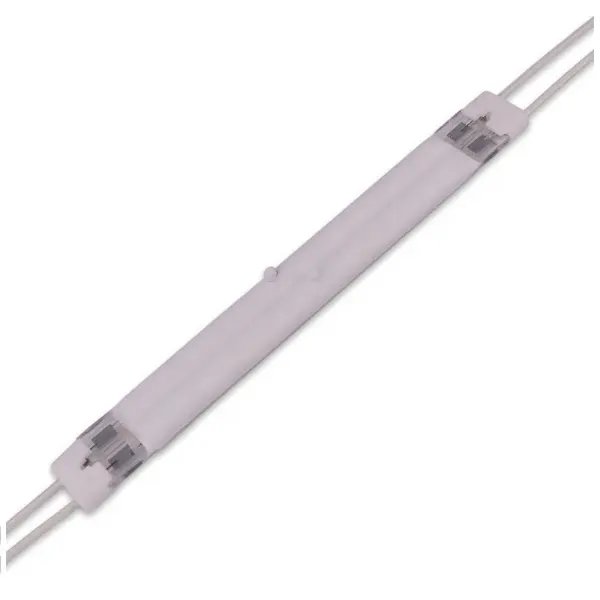
Halogen Half White Twin Tube IR Lamp
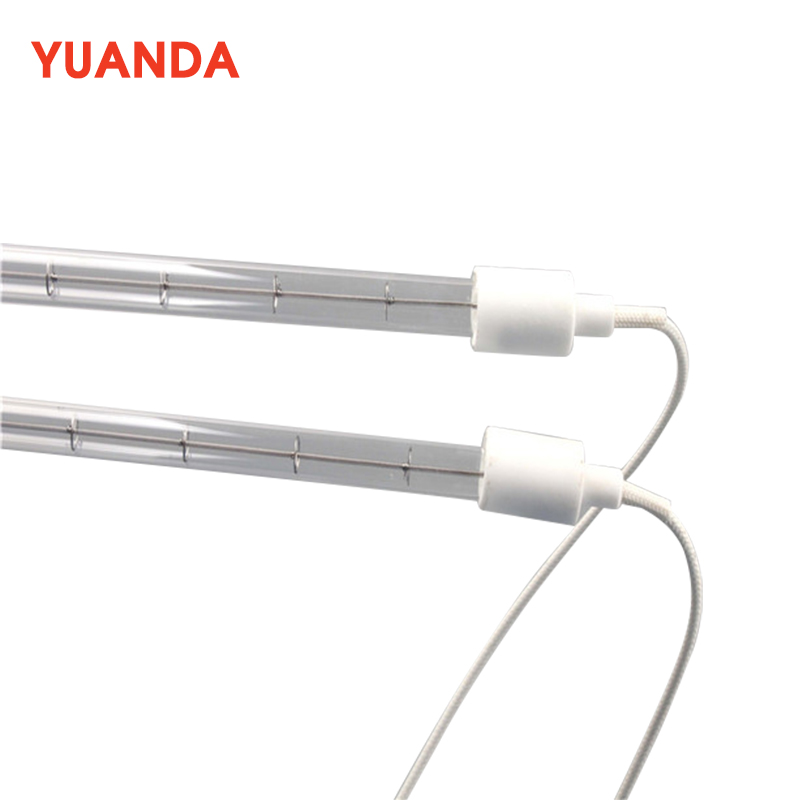
Customized Halogen Lamp for Drying Systems
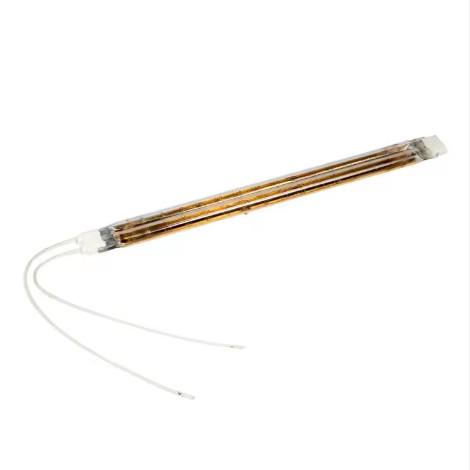
Double Tube Half Gold IR Lamp for Stretch Blow
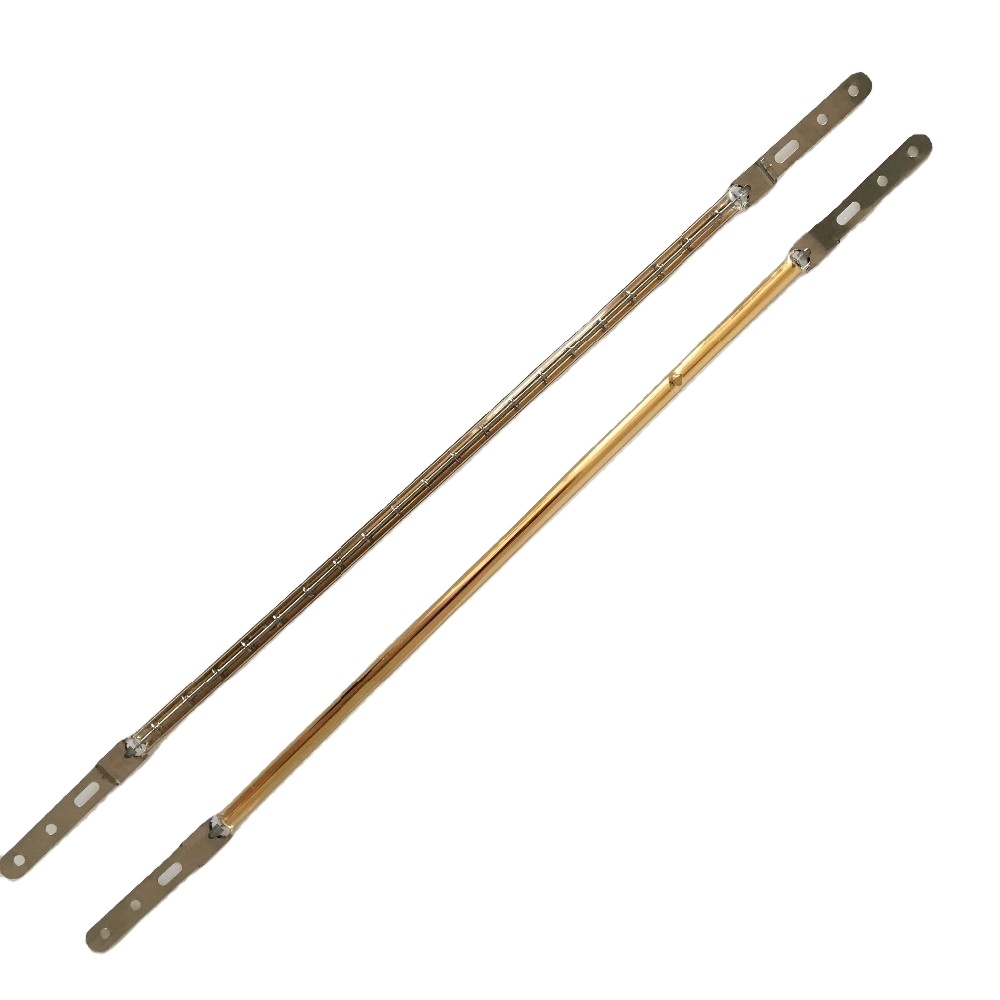
Half Gold Quartz Heating Lamp for Flash Dryers
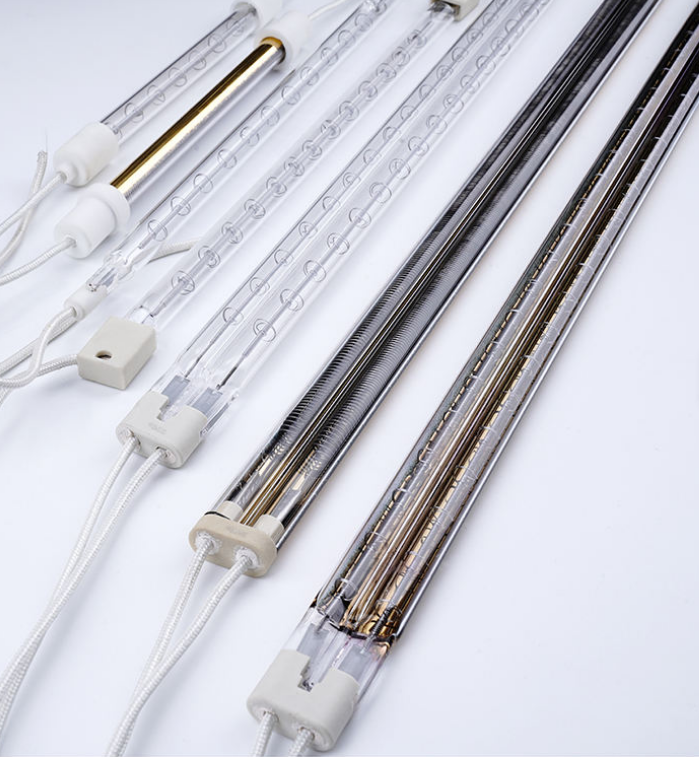
Factory Direct 220V IR Lamp for PET Blow Moulding
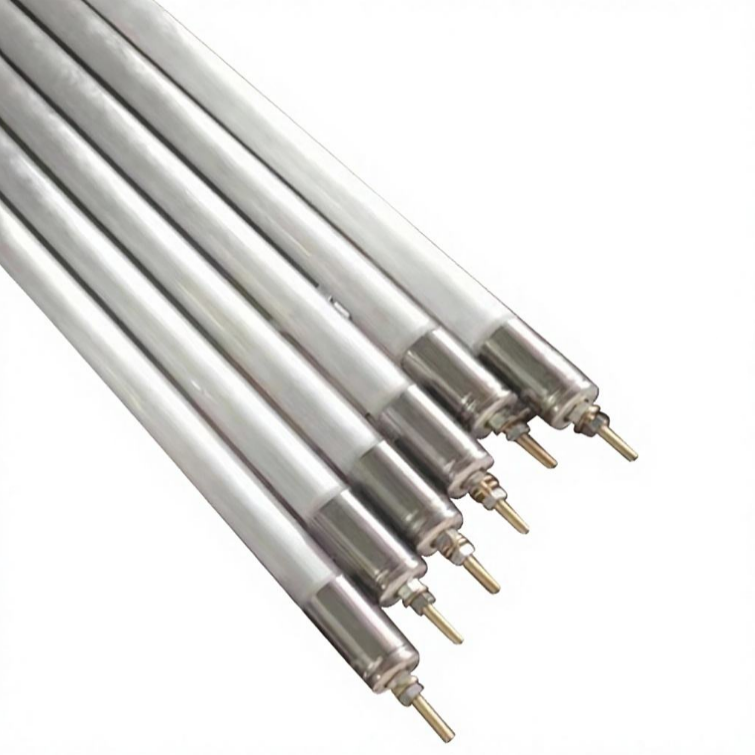
1000W Coiled Resistance Wire Quartz Tube
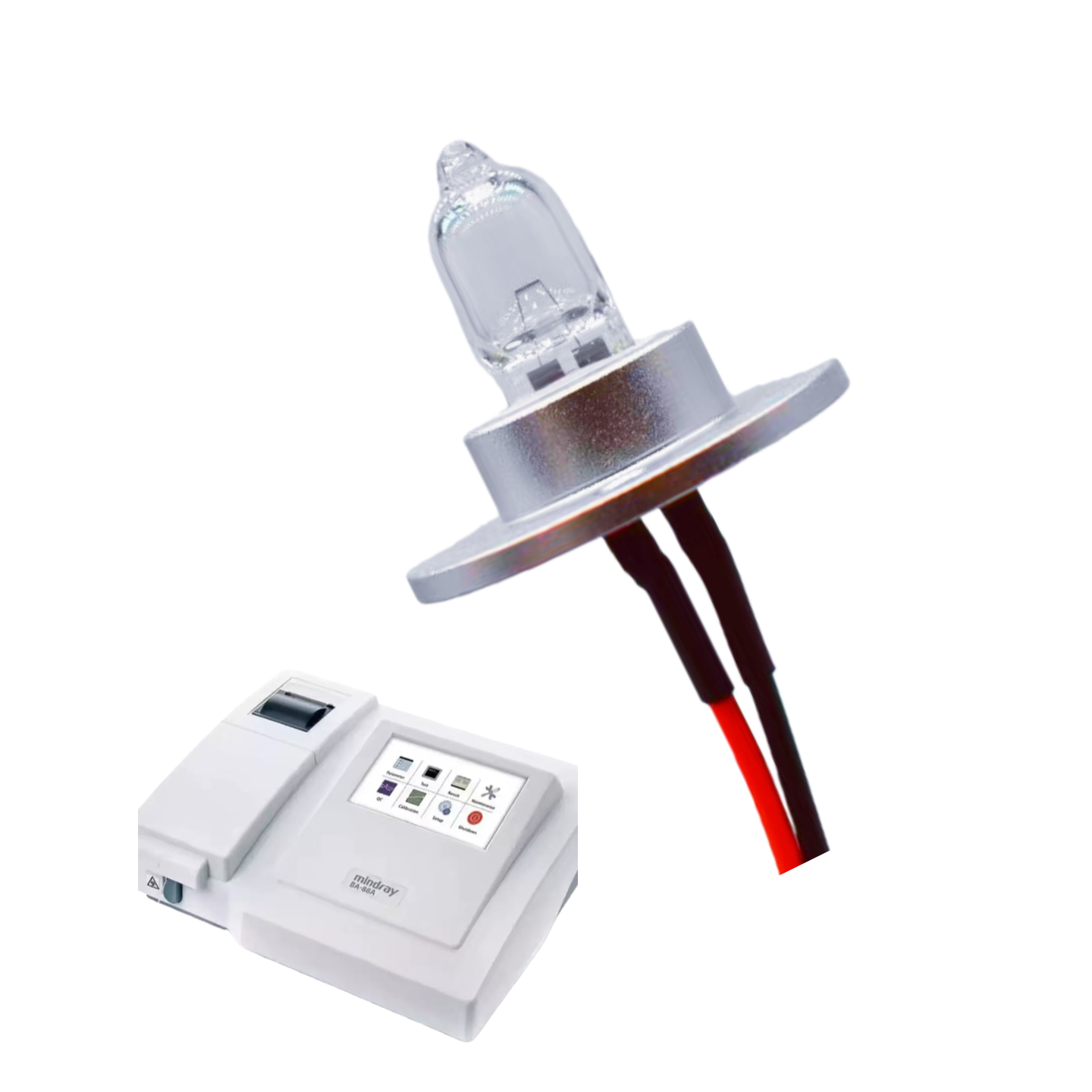
BA-88A Optical Quartz Lamp 6V 10W
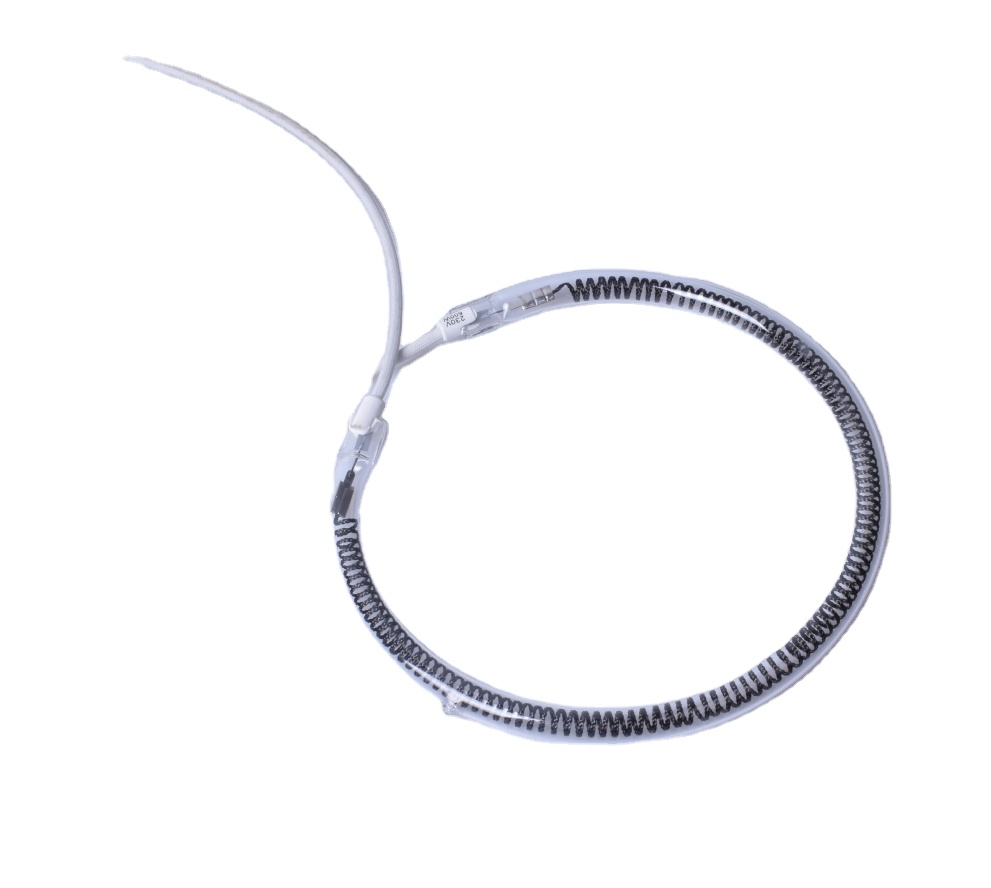
1000W Circular Carbon Fiber IR Lamp
China Fused Quartz Glass Tubing Supply Chains for Riga's Industrial Base
A comprehensive examination of high-purity silica raw material sourcing, thermal dissipation vectors, and mechanical tolerance controls across the Baltic maritime corridor.
In the contemporary Baltic manufacturing theater centered around the Greater Riga metropolitan region—stretching along the Daugava River corridor to Olaine, Jelgava, and Jurmala—industrial engineering paradigms have shifted swiftly toward stringent energy conservation and rapid thermal cycling. Whether maintaining specialized polymer thermoforming machinery, scaling up commercial pharmaceutical cleanrooms, or designing localized photonic-grade diagnostic arrays, Latvian procurement executives are continually seeking uncompromising quartz glass tubing manufacturers in China that bridge the critical gap between high silica purity (>99.99% SiO2) and exact physical fabrication tolerances (±0.05 mm).
Quartz tubing acts as an indispensable envelope and thermal insulator across demanding operational zones. The unique geological basin of Donghai in Lianyungang, Jiangsu Province, yields China's finest natural pegmatite crystals and refined fused silica feedstocks. As a specialized manufacturer established in 2014, Kavri Quartz leverages this regional cluster advantage to produce single, twin-tube, capillary, and heavy-wall quartz envelopes that exceed the mechanical resilience of European borosilicate counterparts while presenting an optimized, direct-to-port total cost of acquisition for Latvian OEMs.
| Thermal & Physical Property | High-Purity Clear Fused Silica | Opaque / Translucent Silica | Borosilicate Glass 3.3 (Baseline) |
|---|---|---|---|
| SiO2 Chemical Purity | ≥ 99.99% (Low Trace Alkali < 20 ppm) | ≥ 99.80% (Reflective Bubbles) | Approx. 80.5% (High Flux Additives) |
| Maximum Working Temp (Continuous) | 1100 °C (1200 °C short exposure) | 1000 °C continuous | 450 °C (500 °C peak thermal stress) |
| Coefficient of Thermal Expansion (CTE) | 5.5 × 10⁻⁷ / °C (20 °C to 320 °C) | 5.4 × 10⁻⁷ / °C | 33 × 10⁻⁷ / °C (High shatter susceptibility) |
| Softening Point (Vicosity Log η=7.6) | 1680 °C – 1730 °C | 1650 °C | 820 °C |
| Optical Transmission Bandwidth | 190 nm (Deep UV) to 3500 nm (Infrared) | Diffused / Attenuated Scatter | 320 nm to 2500 nm (Limited deep UV) |
| Thermal Shock Resistance (ΔT Water Quench) | 1100 °C rapid drop to 20 °C cold bath: NO CRACK | 1000 °C to 20 °C water: Stable | ΔT > 150 °C risks microfracture / shatter |
High-Performance Quartz Tubing Applications Across Latvia
Mapping high-precision silica solutions directly to key growth sectors and processing requirements in Riga and surrounding industrial zones.
PET Bottle Blowing & Stretch Blow
Riga’s expanding beverage, edible oil, and cosmetic packaging facilities utilize our twin-tube short-wave quartz halogen lamps. Gold-coated (95% forward reflection) and half-white ceramic tubes focus infrared energy uniformly through preform walls, preventing uneven bottle wall thicknesses and slashing machine idle times.
Pharmaceutical & Chemical R&D
Within biomedical clusters in Olaine and Riga's technical incubators, our quartz flow cells, reaction tubes, and biochemical analyzer lamp beads (e.g., Mindray BA-88A) deliver exceptional optical purity and acid/solvent resistance without leaching heavy trace ions into test assays.
Timber & Wood Coating Curing
Latvia’s massive timber processing and engineered flooring plants demand long-body carbon fiber medium-wave emitters (peak ~2.0 µm). Medium-wave energy matches the hydroxyl absorption resonance of waterborne coatings and adhesives, setting finishes quickly without blistering the delicate wood fiber beneath.
Industrial Furnaces & Optics
For custom furnace builders, metallurgy testing, and photonic laboratories in the Baltic states, our large-diameter clear quartz sleeves and resistance wire containment cylinders provide dependable structural rigidity up to 1100 °C while maintaining near-zero thermal expansion distortion.
Technological Vectors Transforming Riga’s Advanced Procurement
Market analysts note several key shifts in how Latvian engineers specify and commission Chinese quartz elements:
Why Baltic Engineers Rely on Kavri Quartz
Delivering stable quality, comprehensive testing, and localized trade terms that safeguard continuous automated manufacturing lines.
Integrated Mineral Origin in Donghai
Headquartered in Lianyungang, Kavri operates directly within China's primary silica melting and hot-drawing heartland. We maintain continuous material traceability, selecting low-hydroxyl, low-alkali raw quartz tubes that resist devitrification even through years of cyclic high-temperature operation.
Full OEM/ODM Mechanical Adaptability
Over a decade of focused precision manufacturing allows us to re-engineer any infrared lamp or quartz component from simple technical sketches, old equipment mark-plates, or worn parts. We precisely match electrical voltages (110V to 480V), terminal caps, lead lengths, and twin-tube configurations.
Secure DDP & Port-to-Port Delivery
Quartz glass demands experienced packaging engineering. Kavri implements multilayer shock-absorbing honeycomb chambers, specialized suspension mounts, and vacuum-sealed wrapping for safe container shipping via the Freeport of Riga, air-express hubs, or Baltic rail-freight corridors.
Kavri Quartz Product Co., Ltd.
Founded in 2014 and independently onsite-verified by international inspection agencies and Alibaba.com, Kavri operates 3 dedicated precision production lines with annual export outputs between US$1M–$2.5M. Exporting over 85% of our products worldwide, our specialized team responds to complex industrial drawings within 4 hours.
- HQ Location
- Lianyungang, Jiangsu, China
- Export Share
- 81% – 90% Global
- Response Time
- ≤ 4 Hours Guaranteed
- Standard MOQ
- 8 – 10 Pieces Prototype
Frequently Asked Questions by Baltic Procurement Teams
Straightforward answers regarding shipping arrangements, custom tube designs, mechanical tolerances, and minimum orders for the Latvian industrial sector.
Q: Can Kavri replicate existing European OEM lamps used in Riga factories?
Yes. Many Baltic facilities run Italian, German, or Nordic packaging and curing lines where replacement emitters carry steep markup costs. By providing overall length, heated length, cross-section profiles (such as 23×11mm twin-tubes), connector caps, and electrical ratings, we supply identical form-and-function drop-in replacements.
Q: How is fragile quartz glass protected during transit to Riga?
We treat quartz tubes as precision optical instruments. Each element is isolated in custom shock-absorbing foam tubes, set inside rigid individual sleeves, and suspended within multi-layer corrugated master cartons or customized export wooden crates. Our transit break-rate to Northern European destinations remains strictly below 0.2%.
Q: How do I choose between clear, ruby, and gold-coated quartz lamps?
Clear lamps suit deep volumetric preheating like thick-walled PET preforms. Gold coatings reflect infrared forward (>90% efficiency), eliminating rear thermal loss to protect sensitive machinery. Ruby-quartz envelopes filter out harsh visible glare while preserving intense short-wave IR, making them ideal for operator-facing zones, saunas, and drying stations.
Q: What is the standard minimum order quantity (MOQ) for custom runs?
To support line retrofits and scheduled maintenance spares, standard quartz tubing and custom-dimensioned infrared heat lamps start from only 8 to 10 pieces. Customized laboratory quartz instruments and specialty machined crucibles are quoted upon review of the CAD drawing.
Q: What documentation is provided for Latvian customs clearance?
We routinely supply full commercial documentation including certified Commercial Invoices, Packing Lists, Certificates of Origin (CO), bill of lading manifests, and material safety data. Shipments can be arranged under EXW, FOB, CIF, or full DDP terms delivered straight to your plant in Latvia.
Q: Does high operating heat cause devitrification or sagging in Kavri tubes?
No. By maintaining hydroxyl content [OH-] below controlled industrial thresholds and selecting high-purity natural silica sand (>99.99% SiO2), our quartz envelopes resist premature surface crystallization, micro-cracking, and physical sag up to continuous exposures of 1100 °C.
Ready to Upgrade Your Thermal & Quartz Glass Components?
Whether you require standard replacement short-wave emitters or custom-machined fused silica tubing for a new engineering assembly, our technical engineers provide comprehensive design verification within 4 hours.
Get Catalog