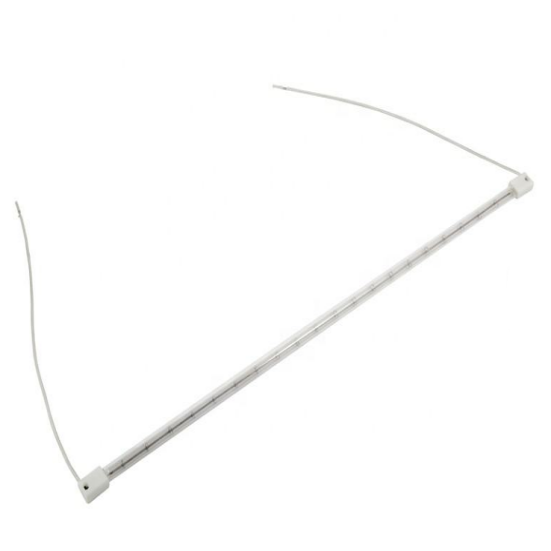
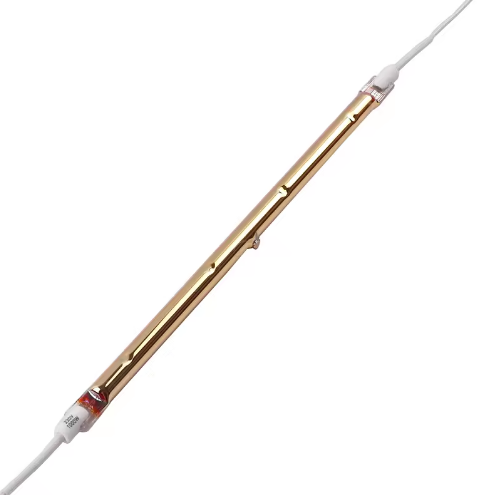
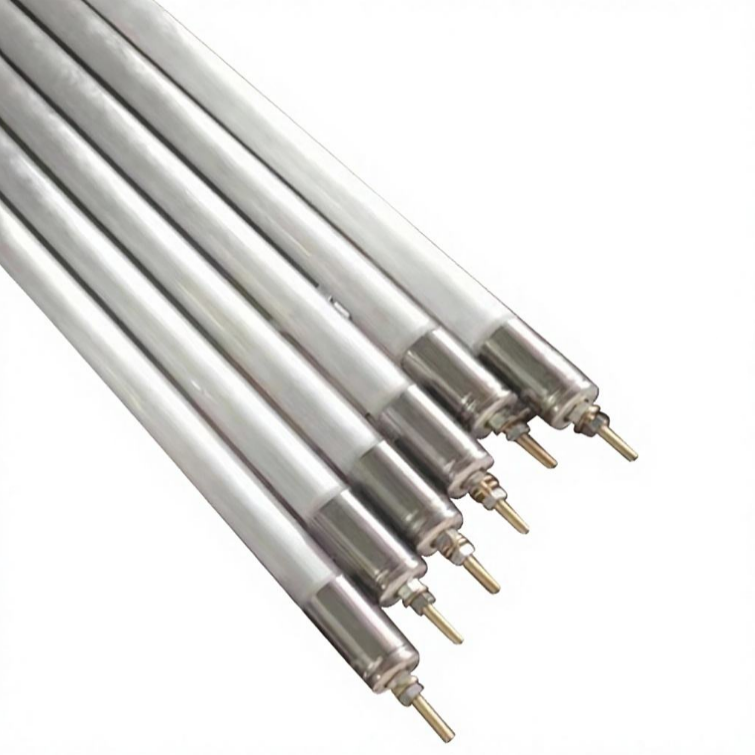
Recommended High-Performance Short-Wave IR Emitters
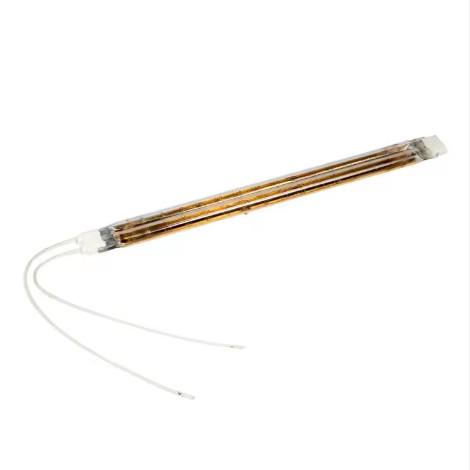
Engineered with pristine optical quartz glass envelopes and precision reflective coatings to withstand fluctuating voltage environments and maximize thermal transfer in tropical manufacturing facilities.
White Paper: Modernizing Thermal Processing in Myanmar’s Industrial Sector
The industrial landscape across Myanmar—anchored within major manufacturing belts such as Hlaing Tharyar, Shwe Pyi Thar, South Dagon in Yangon, and emerging agro-industrial clusters in Mandalay—is undergoing critical transformation. Manufacturers face the dual challenge of escalating diesel generator costs during grid outages and persistent humidity challenges during the southwest monsoon season. Traditional convection ovens, resistive tubular heaters, and basic LPG burners exhibit profound thermodynamic limitations: long warm-up intervals, high ambient heat dissipation, uneven heat penetration, and excessive kilowatt-hour consumption.
Short-wave infrared (SWIR) technology presents a paradigm shift. Operating within the 1.0 to 1.4 µm wavelength spectrum, short-wave infrared emitters transfer energy via electromagnetic radiation rather than convective air circulation. This radiation matches the absorption characteristics of industrial polymers, moisture layers, and surface coatings, yielding instantaneous thermal ramp-up times (typically ≤ 1 second) and direct energy transmission without heating ambient factory air.
Localized Industrial Application Scenarios in Myanmar
Industrial thermal needs vary dramatically across regions. Below are the key manufacturing vectors where SWIR emitters provide documented productivity and operational advantages:
1. PET Blow Molding (Beverage & Edible Oil)
Myanmar's purified drinking water and edible oil sectors rely heavily on automated stretch blow molding machinery. Short-wave infrared emitters, particularly twin-tube gold-coated quartz lamps, penetrate the core of the PET preform evenly. This eliminates "cold spots" that cause bottle wall unevenness or burst rejects, while preserving preform neck crystallization.
2. Garment & Textile Screen Printing
The export garment sector in Yangon requires ultra-fast ink flash-curing between color stations on automatic carousel printers. Halogen quartz emitters provide flash curing in 2 to 4 seconds, evaporating water-based and plastisol inks without shrinking synthetic fabrics or causing dye migration.
3. Agricultural Produce Dehydration
In Upper Myanmar, post-harvest drying of tea leaves, spices, pulses, and sliced fruits during high-humidity cycles often risks fungal degradation. Short-wave heating penetrates crop tissue, evaporating cellular moisture while safeguarding active nutritional compounds and color vibrancy.
Regional Evolution & Future Procurement Trends in Myanmar
Manufacturing procurement across Yangon, Bago, and Mandalay shows distinct evolutionary shifts toward high-efficiency thermal technology:
- Grid Resiliency Integration: Frequent rolling blackouts require reliance on auxiliary diesel generation. Plants are replacing continuous 45kW resistance ovens with compact 18kW zoned SWIR modules that only draw current when a sensor confirms workpiece presence, slashing fuel consumption during generator runs.
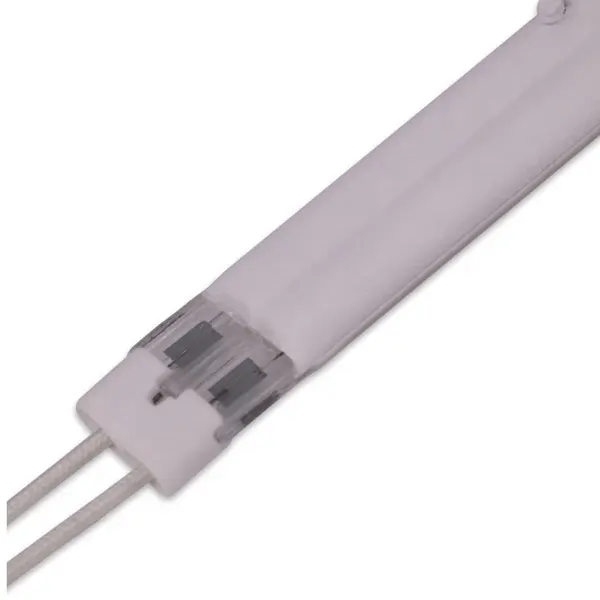
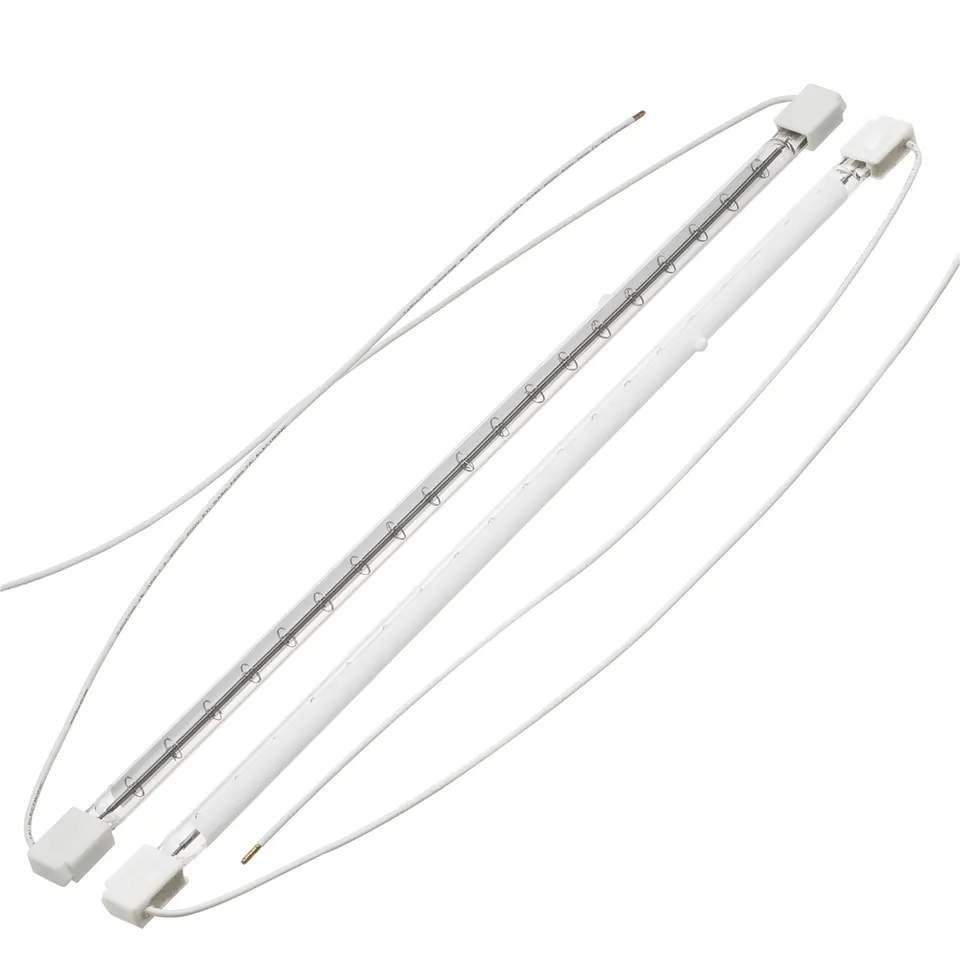
- Adoption of Directional Coatings: Standard bare quartz tubes waste roughly 50% of their heat rearward into machinery frames. Factory engineers in Myanmar now specify 24-karat gold-plated or half-white ceramic reflectors, which channel up to 95% of radiant energy directly toward the product.
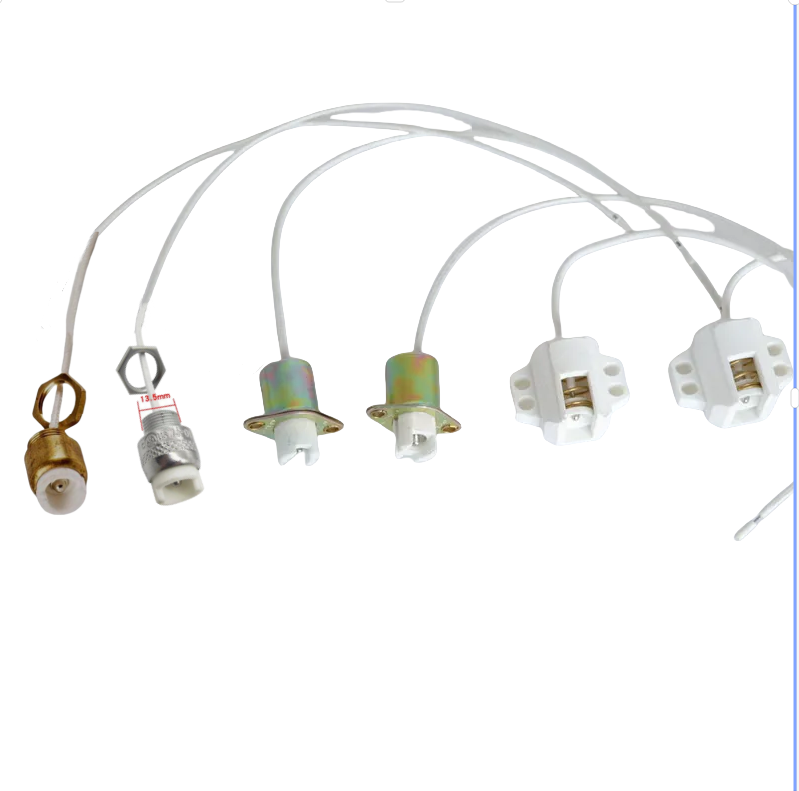
- Direct Source Procurement (China to Myanmar Supply Corridors): Instead of relying on local stockists with limited generic replacements, purchasing teams now partner directly with specialized manufacturers in China. This provides access to engineering support, correct pin/lead wire configurations, and bulk logistics through Muse land-border crossings or direct Yangon sea freight (Thilawa Port).
| Thermal Technology | Wavelength Range | Thermal Efficiency | Warm-Up Duration | Impact on Ambient Workshop |
|---|---|---|---|---|
| Kavri Short-Wave Halogen IR | 1.0 – 1.4 µm (Peak) | > 92% Radiation Output | < 1 Second | Minimal (Heats targets, not air) |
| Ceramic Heating Elements | 3.0 – 10.0 µm (Far-IR) | 50 – 60% Radiation Output | 8 – 15 Minutes | High (Substantial ambient heat load) |
| Standard Calrod / Metal Sheath | Broad Far-IR / Convective | 40 – 50% Radiation Output | 5 – 12 Minutes | Severe (High workshop cooling cost) |
| Gas Burner Systems | Combustion / Convection | 30 – 45% Thermal Transfer | Continuous Run | Extremely high, poses local emission risks |
Engineering Advantages: Kavri Quartz Product Co., Ltd.
Located in Lianyungang, Jiangsu—the premier raw quartz crystal industrial cluster in China—Kavri provides OEM and ODM quartz heating solutions to industrial equipment manufacturers across Asia, Europe, and the Americas.
Purity Fused Quartz Envelopes
Manufactured from >99.99% pure fused silica glass, offering superior thermal shock resistance, stable operation up to 1100°C continuous, and exceptional optical clarity.
Industrial Precision Filament Coils
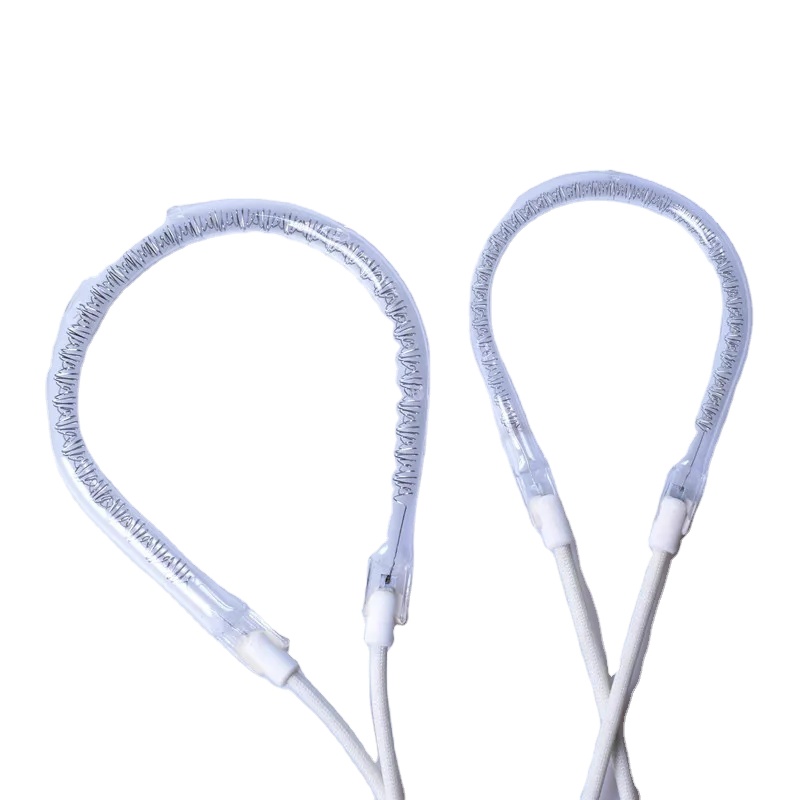
High-grade tungsten wire coiled and tensioned using automated CNC machinery. Star-filament supports prevent sagging during horizontal or vertical machine orientations.
Custom Dimensional OEM / ODM
Custom single or twin-tube profiles (11x23mm, 15x33mm), overall lengths from 100mm to 3000mm, dual-end or single-end wiring, and ceramic cap variations built to your drawing.
Responsive Technical Support
Our dedicated engineering export team guarantees technical responses within 4 hours. We offer drawing review, sample production, and verified batch QC reports.
Purchaser FAQ: Sourcing Short-Wave Infrared Lamps for Myanmar
Direct answers addressing technical selection, durability, freight logistics, and voltage stability.
How do Kavri short-wave IR tubes perform under Myanmar's frequent voltage fluctuations?
What are the key differences between Gold-Plated and Half-White Ceramic reflectors for local facilities?
How do you protect fragile quartz lamps during international shipment to Yangon?
Can we order replacement lamps for existing European, Japanese, or Taiwanese machinery?
What is the minimum order quantity (MOQ) and lead time for shipments to Myanmar?
Upgrade Your Heating Systems & Reduce Energy Costs
Connect with our thermal application engineers today. Send your technical drawings, machinery models, or sample requests for a comprehensive quotation and performance analysis.