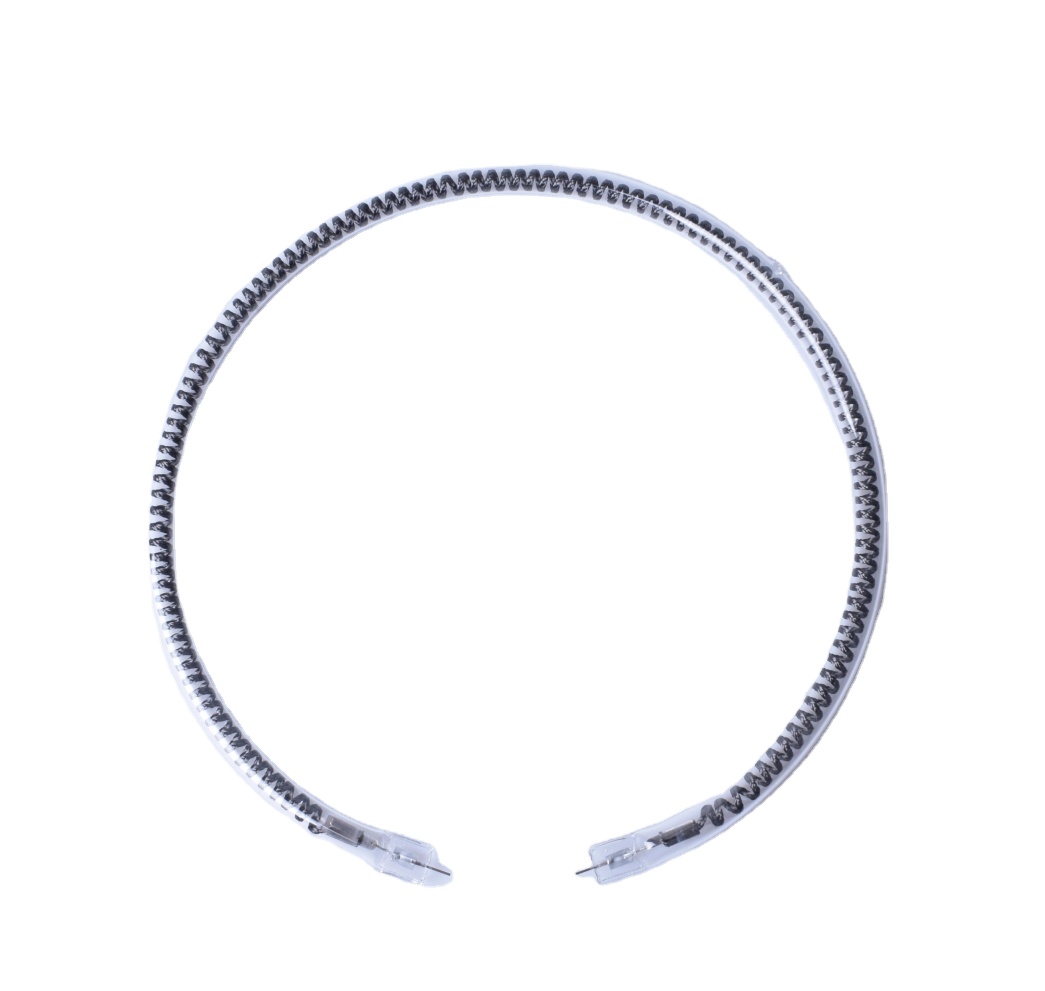
Photovoltaic Processing
Every precision quartz product is pulled from vacuum-melted crystalline raw feedstocks sourced within the Donghai-Lianyungang quartz cluster, delivering the exact thermal shock tolerance, spectral dispersion, and mechanical precision requested by Norwegian laboratory technologists and process automation systems.
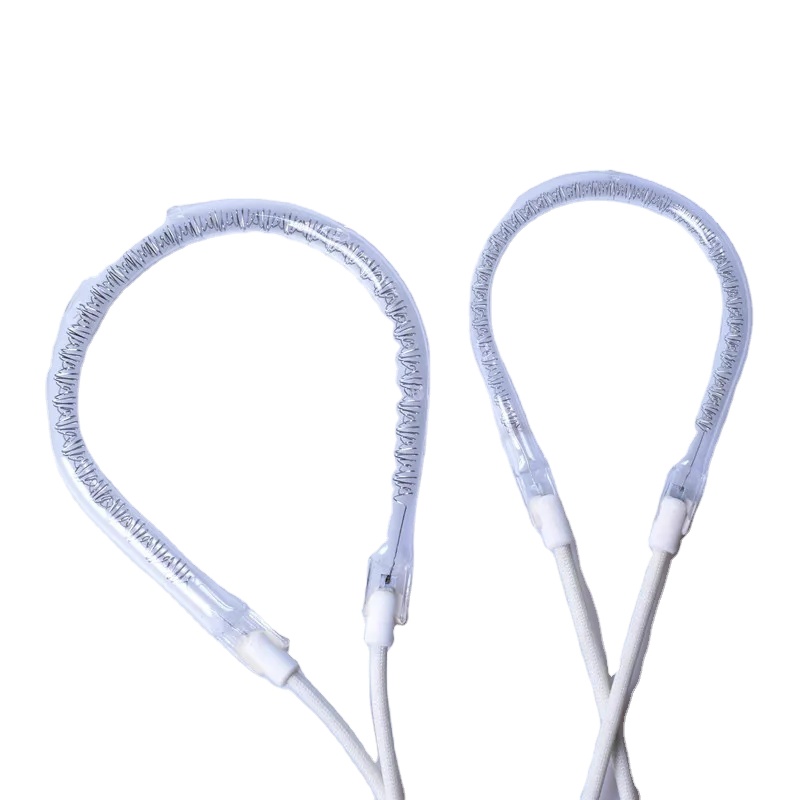
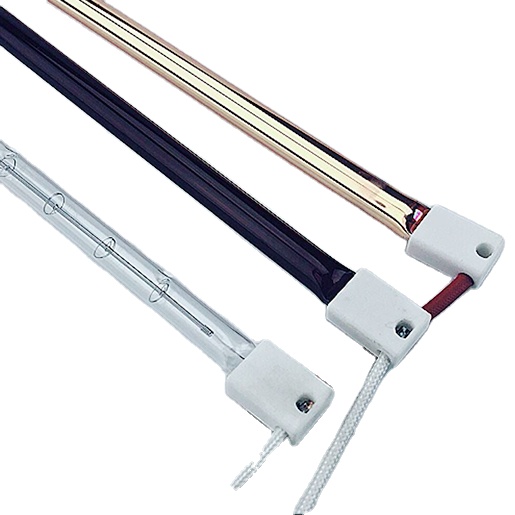
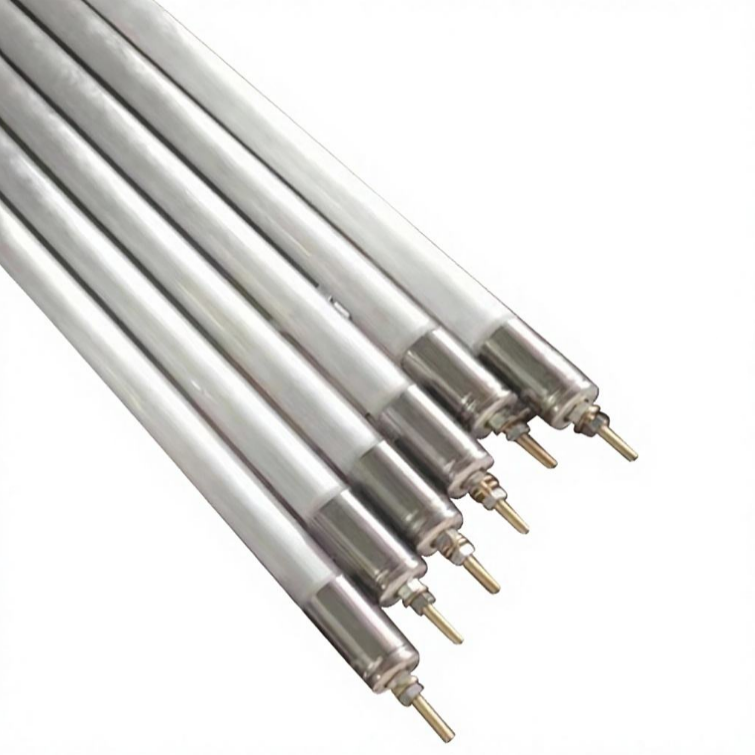
In high-latitude and heavily decarbonized industrial economies such as Norway, sourcing high-grade silica glass transcends transactional manufacturing. From subsea sensor enclosures in Stavanger and analytical marine ecology laboratories in Bergen to advanced metallurgical research centers across Trondheim, standard borosilicate or soda-lime glass tubes consistently fail under severe thermal stresses, aggressive acid reactions, and high-frequency optical measurements. Procuring directly from audited, integrated quartz glassware factories and certified exporters requires a comprehensive understanding of raw material crystallization, fused silica refining, and rigorous dimensional tolerance control.
International procurement managers and laboratory equipment distributors operating in Oslo and the Nordic territory prioritize verified producers able to fulfill both catalog standard dimensions and bespoke OEM thermal envelopes. The ten definitive criteria separating elite quartz glass exporters from standard brokers include:
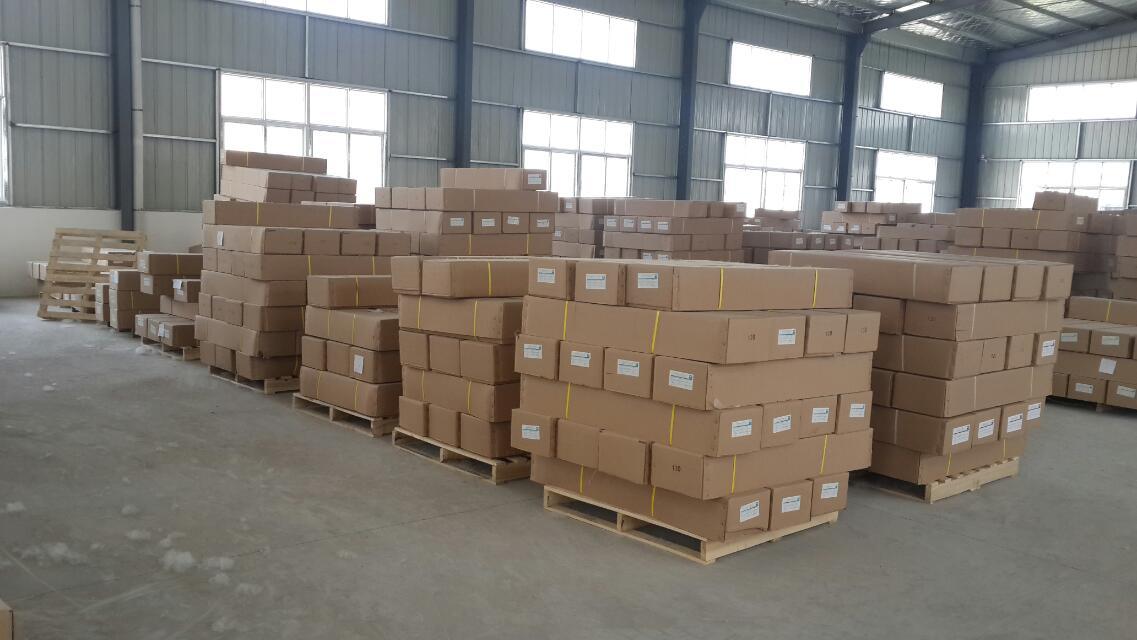
Beyond raw production efficiency, Norwegian supply chains demand absolute consistency in compliance reporting, batch trace-analysis certificates via Inductively Coupled Plasma Mass Spectrometry (ICP-MS), and shock-proof maritime crating capable of withstanding rough North Sea transport corridors.
Norwegian industry operates under rigid environmental mandates and severe climatic cycles. Our quartz test tubes, flow cells, and quartz heating elements solve engineering bottlenecks across three mission-critical domains.
| Material Engineering Characteristic | High-Purity Fused Quartz (Kavri Quartz) | Standard Borosilicate 3.3 Glass | Operational Significance for Norwegian Buyers |
|---|---|---|---|
| Silica Purity (SiO2 Content) | > 99.99% | Approx. 80.5% | Prevents sample contamination during trace marine assays and subsea sensor runs. |
| Thermal Shock Tolerance | 1100°C down to 20°C water plunge without rupture | Approx. 150°C differential max | Crucial for high-temperature metallurgy sampling and Arctic field operations. |
| Coefficient of Thermal Expansion (CTE) | 5.5 × 10⁻⁷ / K (0–300°C) | 33 × 10-7 / K | Near-zero dimensional variance inside high-precision analytical spectroscopy. |
| UV-Vis Spectral Transmission Window | 190 nm (Deep UV) to 2500 nm (Near-IR) | 310 nm to 2200 nm (UV Blind Cutoff) | Permits direct photometrical monitoring in automated clinical and marine analyzers. |
| Maximum Working Temperature | 1100°C (Continuous) / 1350°C (Short-term) | 490°C (Continuous) / 510°C (Softening) | Enables combustion tube applications and molten alloy testing without tube deformation. |
Several progressive shifts across Norway's industrial landscape are reshaping how purchasing departments evaluate quartzware manufacturers:
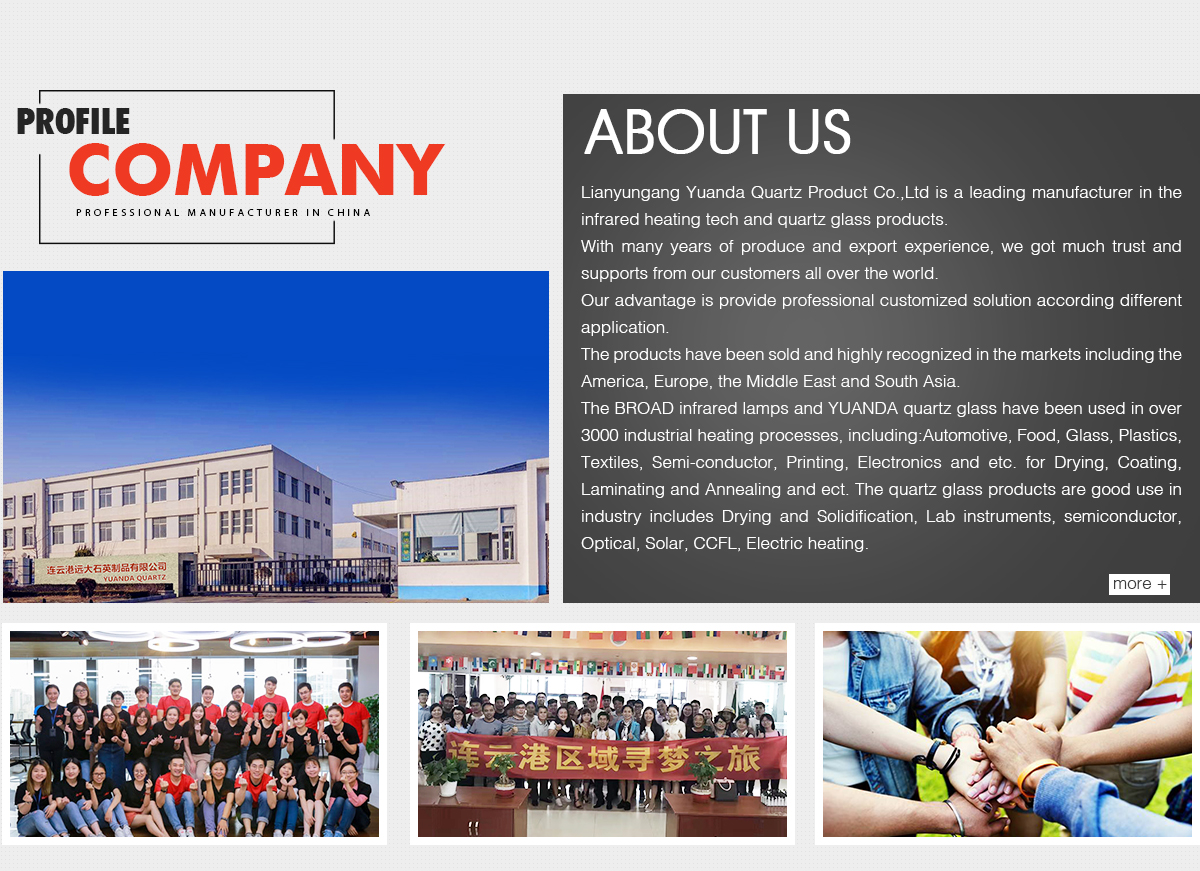
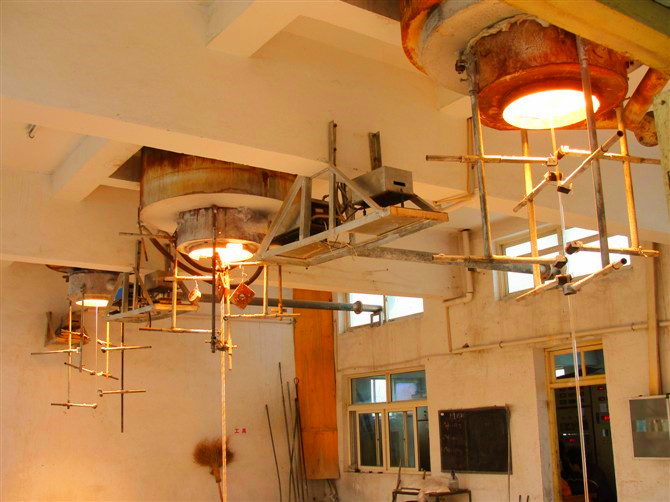
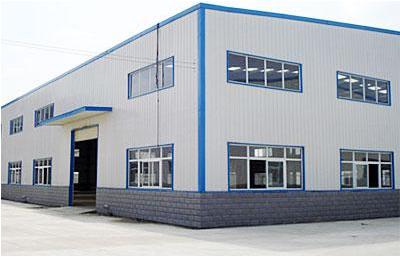
Headquartered in Lianyungang, Jiangsu—adjacent to Donghai, the world-renowned capital of quartz processing—Kavri Quartz Product Co., Ltd. provides direct, vertically integrated factory manufacturing without secondary markups.
Direct answers addressing customs clearances, dimensional tolerances, material certifications, and shipping safety when importing quartzware into Norway.
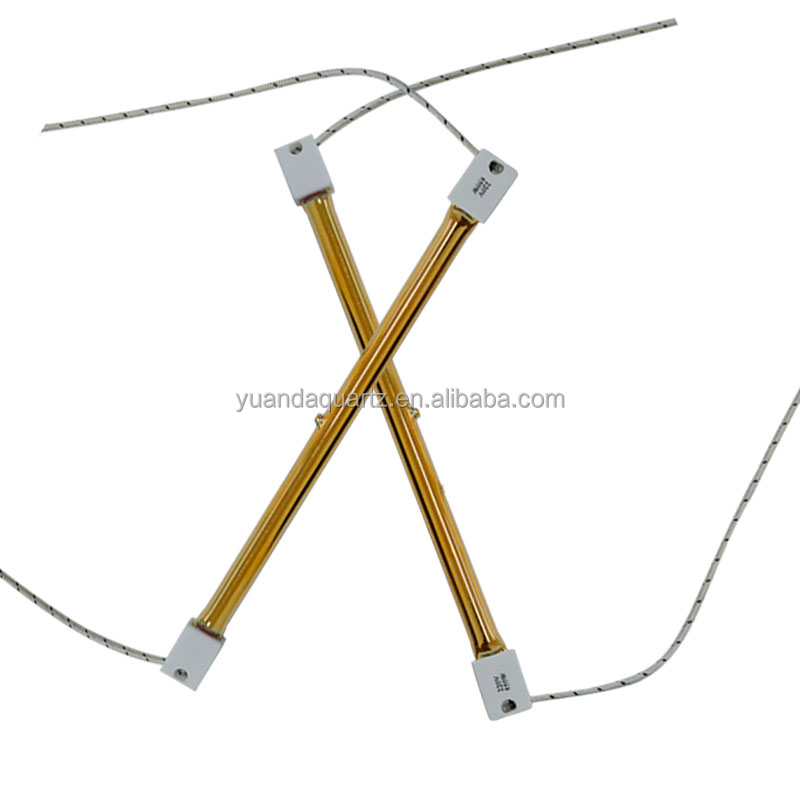
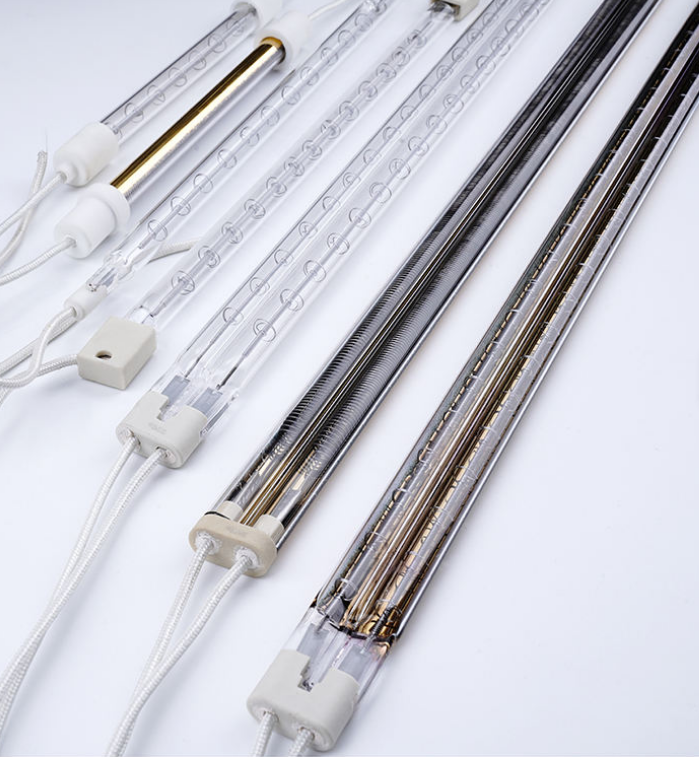
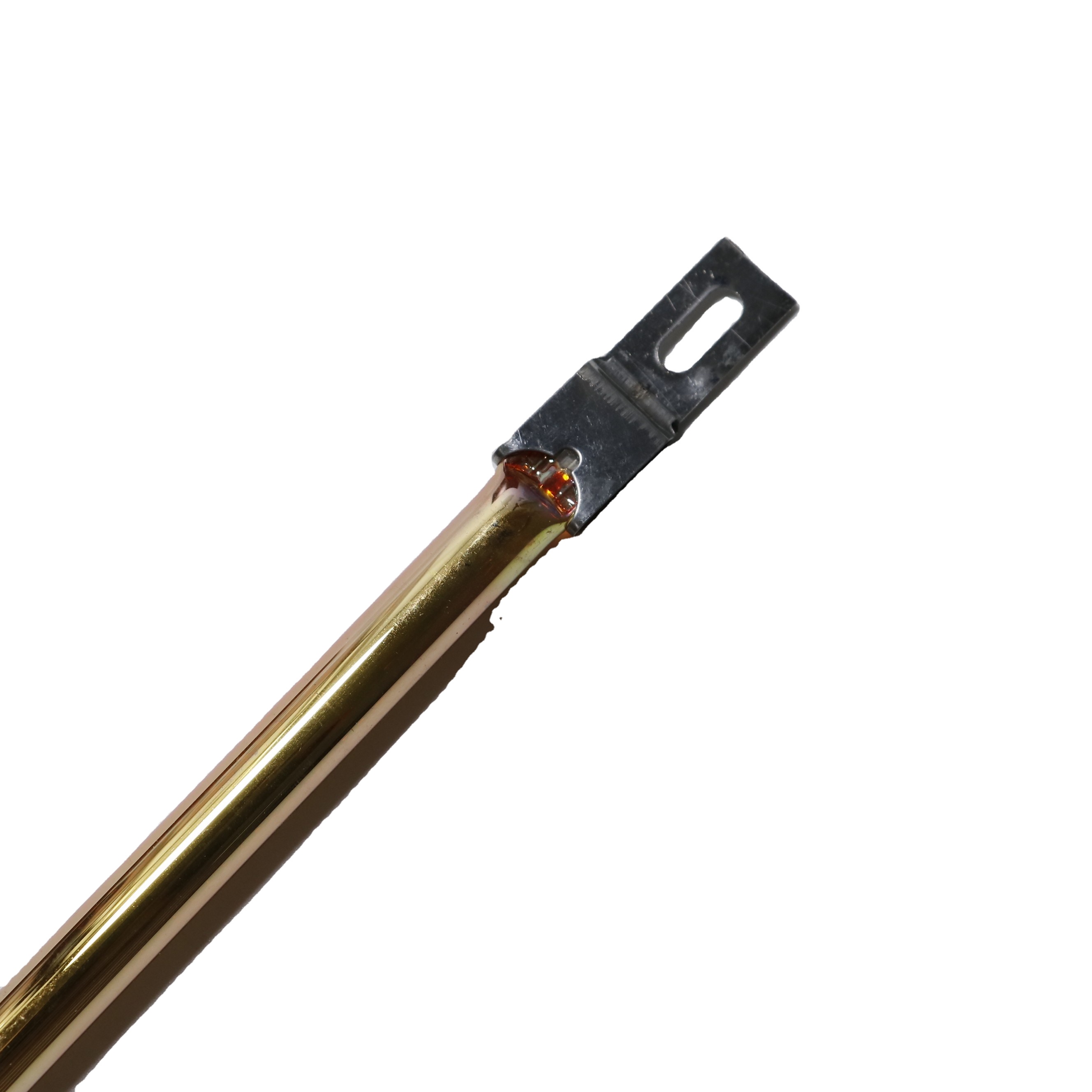
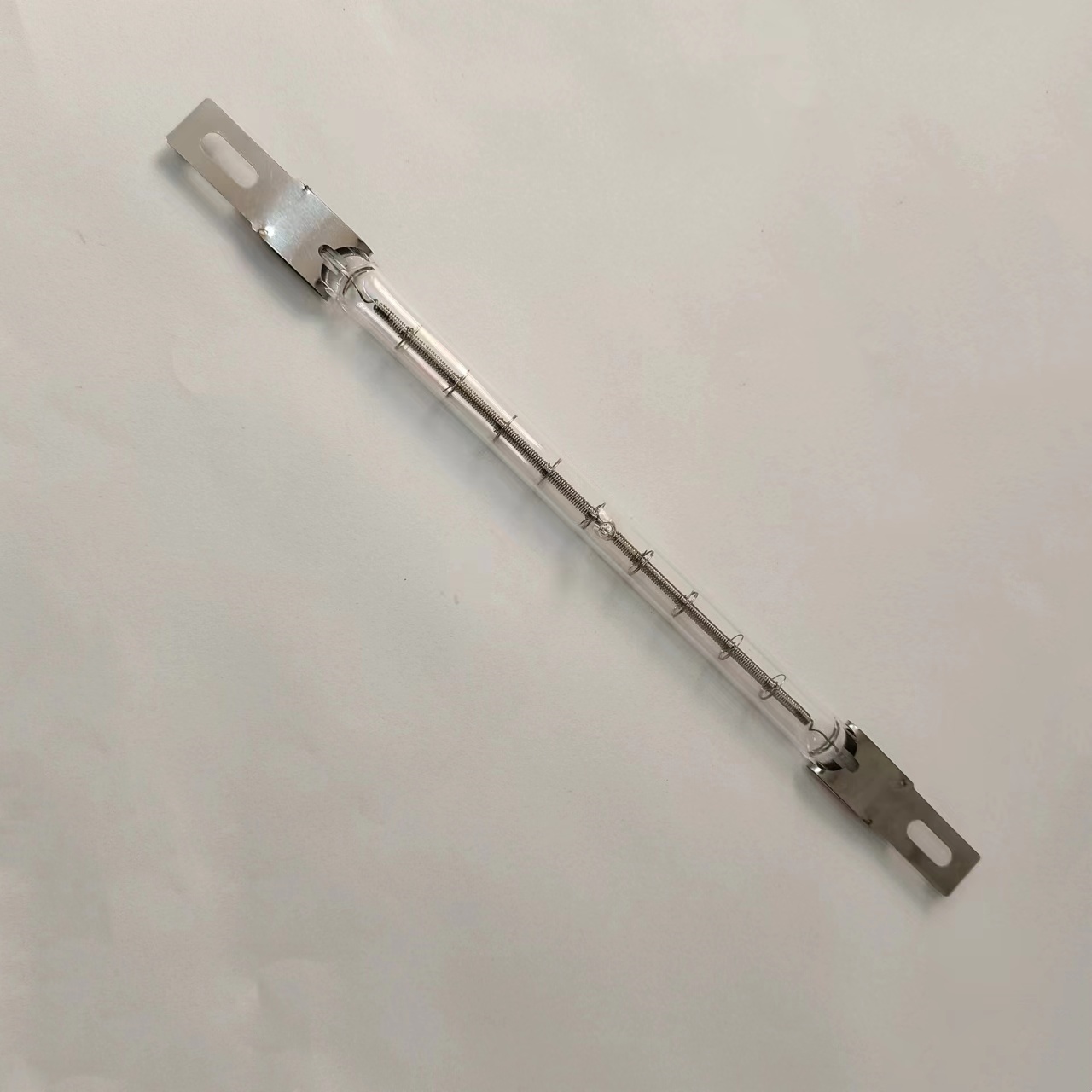
Whether you require standard high-purity quartz test tubes, specialized subsea reaction vessels, or custom infrared thermal processing tubes, connect directly with our engineering team. Receive detailed technical drawings, material test reports, and an all-inclusive DDP quote within 4 hours.
Contact Us