Engineered Quartzware & Infrared Thermal Emitters
High-purity fused silica envelopes, specialized spectroscopic cells, and rapid-response IR thermal processing assemblies deployed across Udon Thani's laboratory and light industrial sectors.
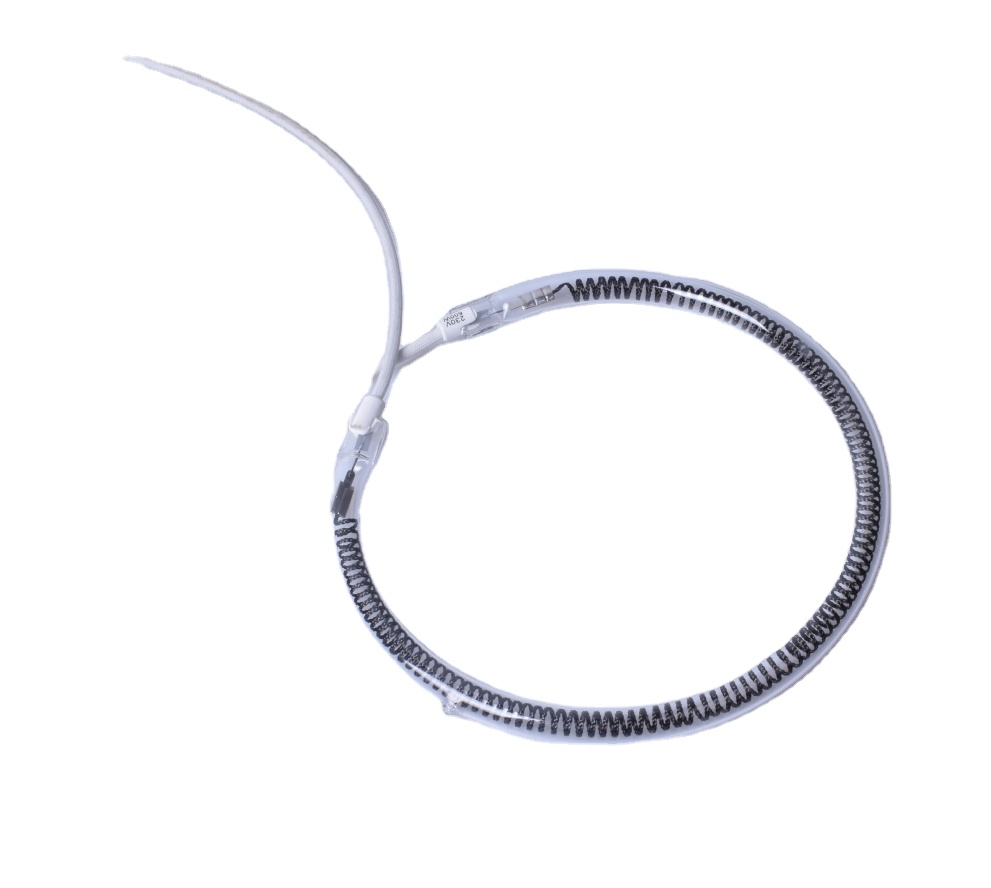
1000W Carbon Fiber Circular Infrared Heat Lamp for PET Blowing Preheating
- Ring Form Factor: Radial Heat Profile
- Peak Wavelength: ~2.0 μm Medium-Wave
- Envelope: Optical Clear Quartz
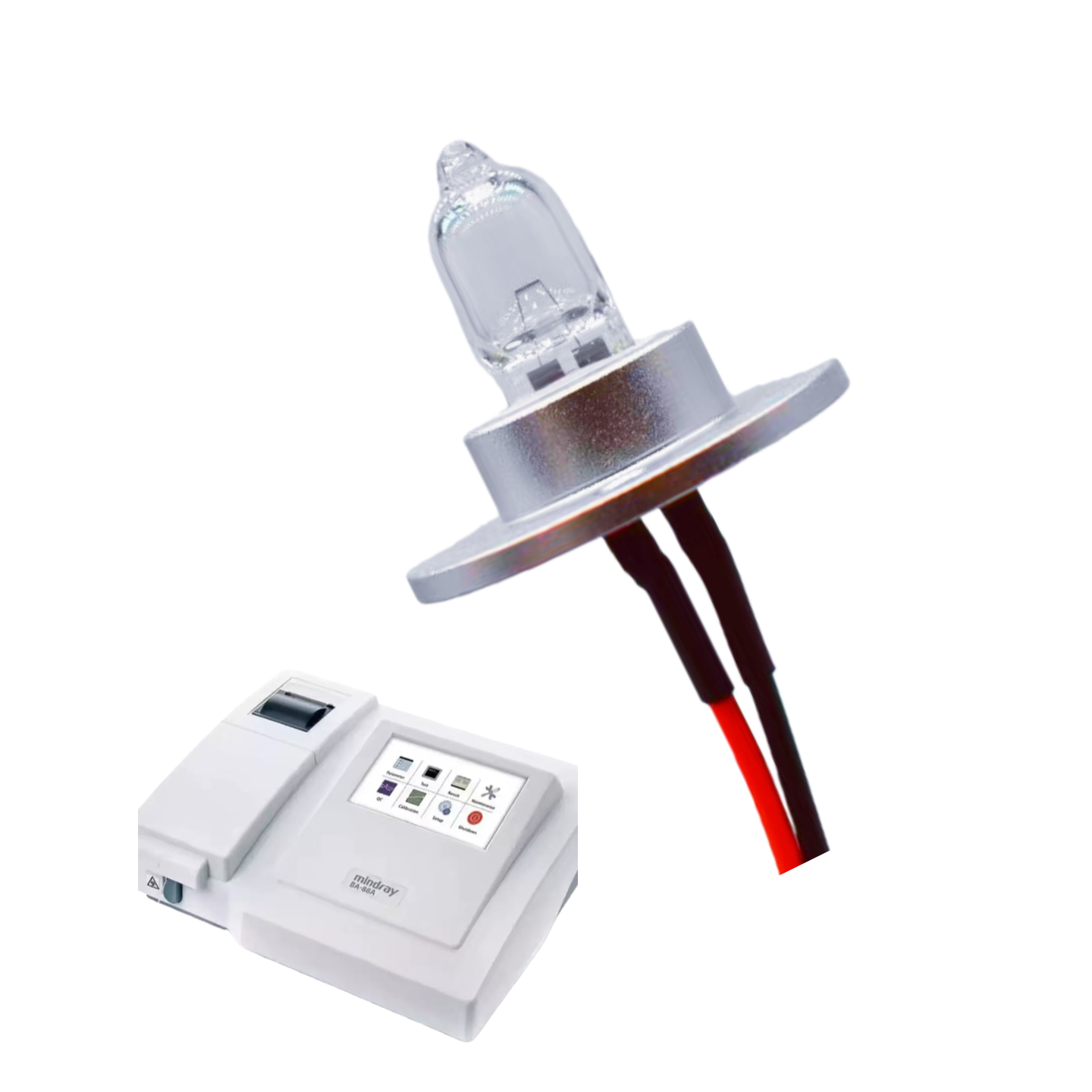
BA-88A Halogen Lamp Bead 6V 10W Mindray Semi-automatic Biochemical Analyzer Light Bulb
- Application: Diagnostic Flow Cells
- Purity: Low Drift Spectral Envelope
- Precision: Optical Center Fixed Alignment
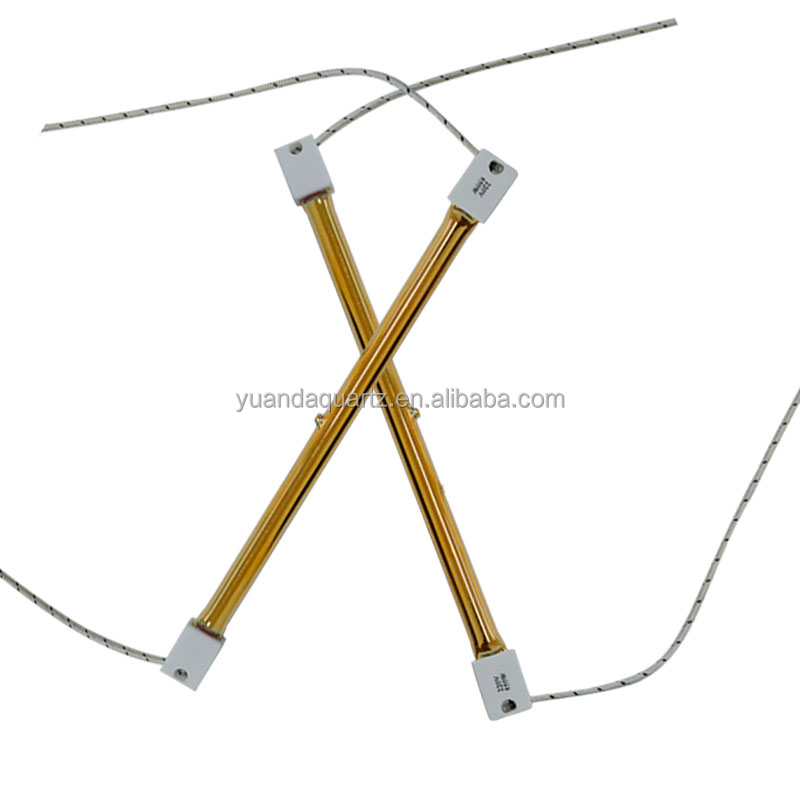
Full Gold Customized Infrared Heating Lamps for Screen Printing Machine
- 95%+ Forward Reflection Efficiency
- Substrate: Heavy-Wall Fused Quartz
- Fast Thermal Cycling Stability
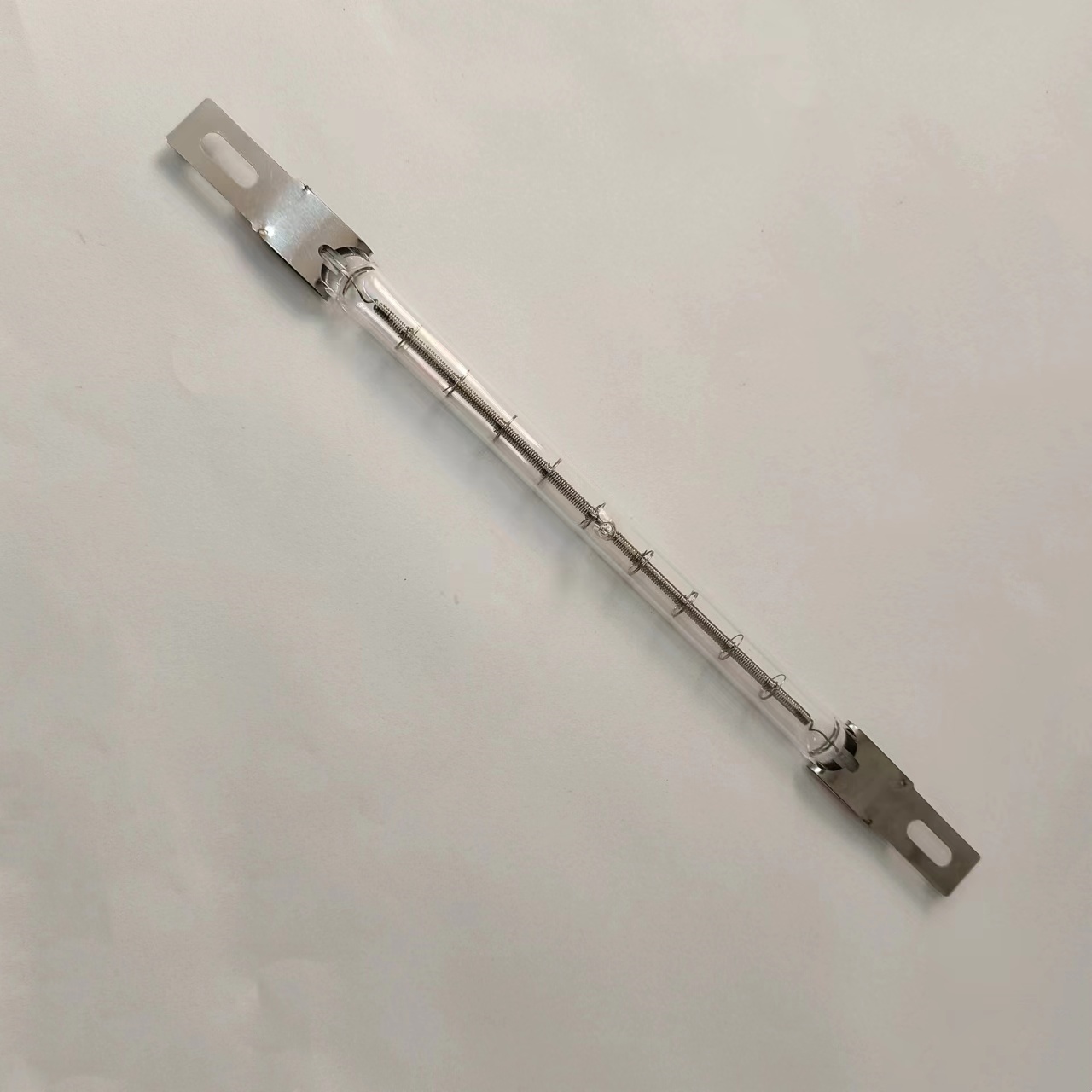
13195X Metal Clip 480mm 220v 1000w clear Infrared Heat Lamp for Printer Drying Machine
- Mechanical Mounting: Clip Retention
- Rapid Start-Up: ≤ 1 Second to 100%
- Filament: Tungsten Halogen Core
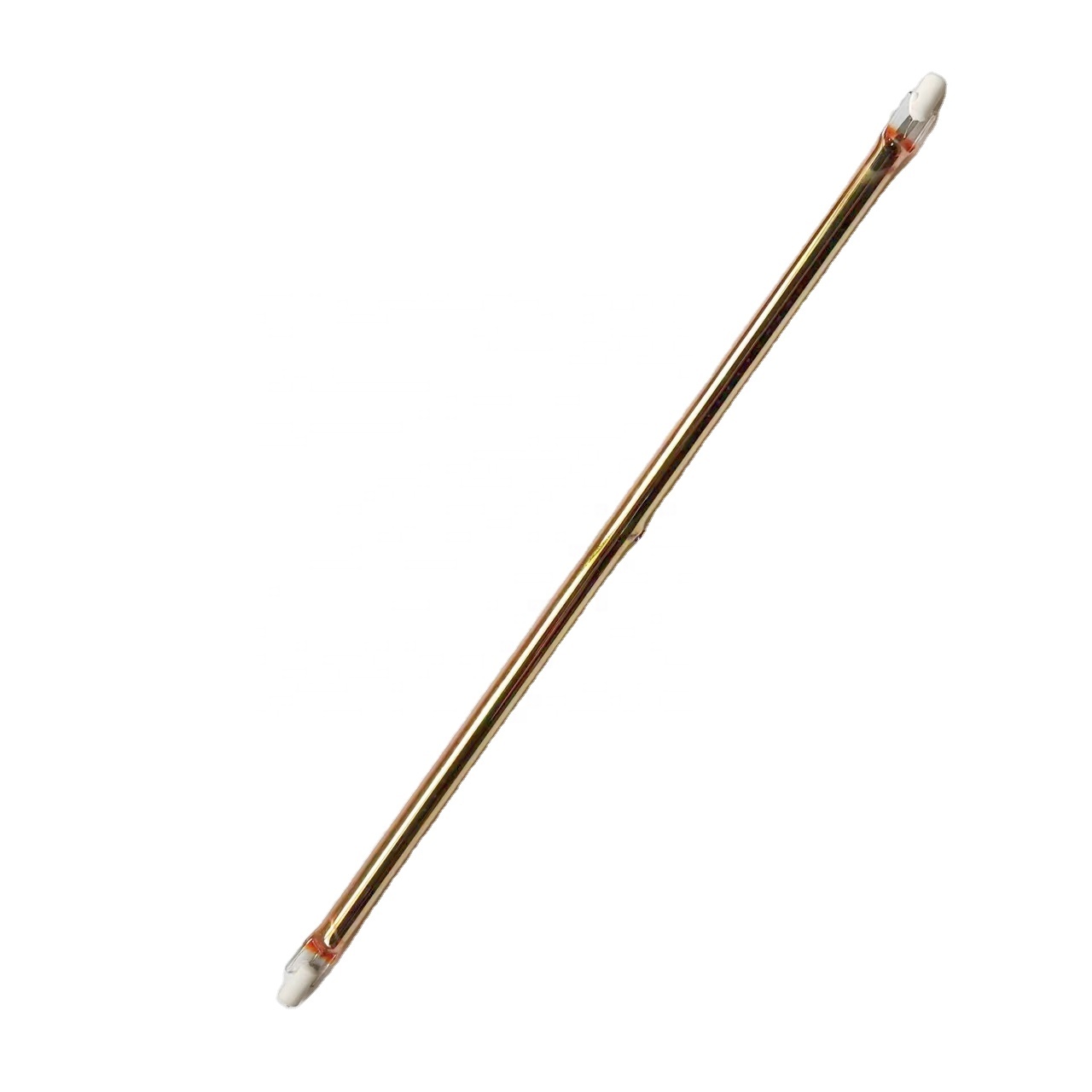
Low Prices R7S Short Wave Halogen Infrared Heating Lamp for Bread Toaster
- Standard Ceramic R7S Termination
- Direct Infrared Penetration Profile
- High Operating Lifetime Rating
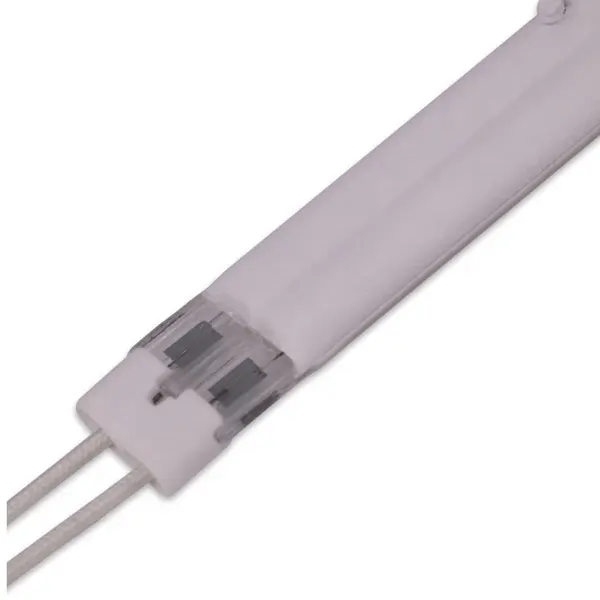
Low Prices Twin Tube Halogen IR Heating Lamp for Paint Drying Curing
- Dual-Bore High Mechanical Rigidity
- Extended Heated Length Capability
- Ideal for Industrial Drying Gantry
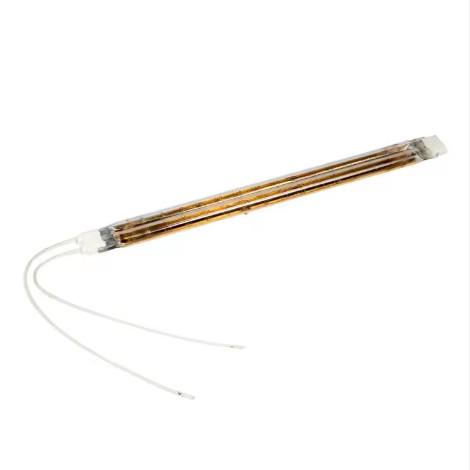
Halogen Double Tube Half Gold Infrared Heating Lamp for Blowing Machine
- Integrated 180° Gold Reflector
- Minimizes Rear Heat Energy Loss
- High Power Density per Linear Cm
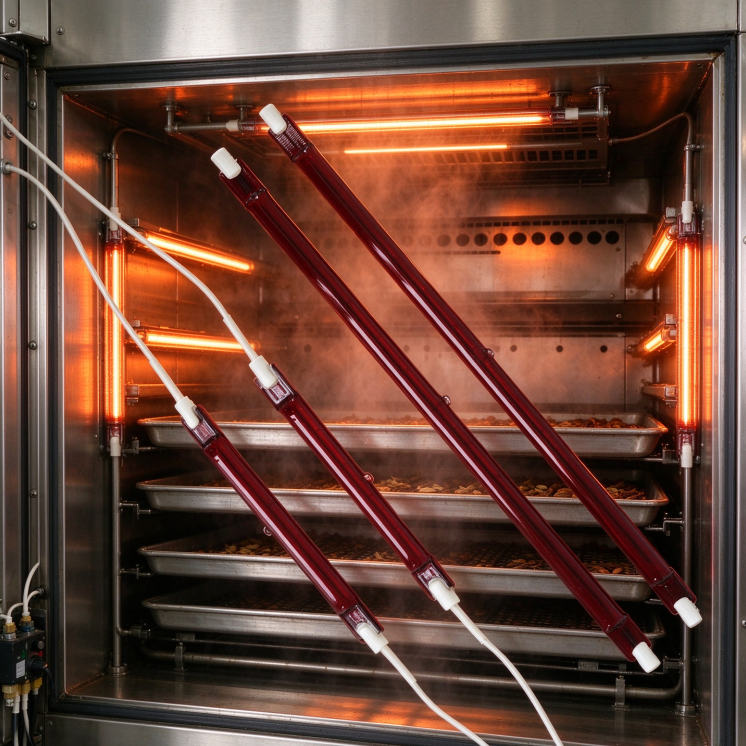
Wholesale Infra Red IR Quartz Glass Infrared Heater Lamp for Infrared Drying Oven
- Pure Fused Silica Outer Tube Body
- Chemical & Corrosive Vapor Resistant
- Standard Fit for Conveyor Tunnels
Comprehensive Directory Analysis: Top 10 Quartz Labware Suppliers for Udon Thani
Laboratory procurement in Udon Thani and the broader Upper Isan economic basin demands a strict balance between metallurgical-grade structural tolerance and responsive international logistics. Unlike standard borosilicate glassware (which softens around 560°C to 600°C and degrades in the presence of strong acidic vapors at elevated thermal states), transparent fused quartz labware maintains dimensional stability up to 1450°C under peak excursions.
When engineering teams at regional research hubs, such as Udon Thani Rajabhat University or localized agricultural processing quality laboratories, evaluate international and domestic quartzware fabricators, suppliers are categorized into three core operational tiers:
Advantages: Direct factory pricing, infinite custom flame-working flexibility, custom dimensional profiling (OD, wall thickness, heated length, customized spectrophotometer cells), low minimum batch quantities (8–10 units), and rapid turnaround on OEM analytical equipment components.
Advantages: Ultra-certified ASTM purity documentation and catalog standardization for standardized trace analysis crucibles. However, regional buyers face significant markup margins (300% to 500%), rigid standard catalog sizing, and lead times often spanning 8 to 16 weeks to reach Isan.
Advantages: Readily available localized invoicing in Thai Baht (THB) and overnight domestic courier service to Udon Thani. Disadvantages include limited custom manufacturing capability, reliance on stock batches, and lack of specialized custom flame-working facilities for bespoke quartz reactors.
Ranking the Top 10 International & Regional Quartz Manufacturers Serving Udon Thani:
For operations directors organizing annual capital expenditure (CAPEX) or maintenance, repair, and operations (MRO) budgets, the leading entities supplying fused quartzware, optical cells, and industrial quartz assemblies include:
- 1. Kavri Quartz Product Co., Ltd. (China) – Renowned factory-direct producer of fused silica tubes, quartz plates, precision flow cells, crucibles, and customized infrared emitters. Located in Lianyungang's silica basin, providing OEM/ODM services with rapid 4-hour technical responses and customized logistics to Isan under CIF/DDP terms.
- 2. Heraeus Conamic (Germany) – World leader in extreme-purity fused silica for semiconductor-grade quartzware and specialized optical substrates used in benchmark calibration institutions.
- 3. Momentive Performance Materials / Quartz (USA) – Premier material formulator producing semiconductor-grade fused quartz tubing, ingots, and analytical furnace vessels.
- 4. Tosoh Quartz Corporation (Japan) – Specialized Japanese glass fabricator supplying ultra-high precision quartz containers and micro-fluidic analytical components.
- 5. Saint-Gobain Quartz (France) – High-performance quartz materials manufacturer engineering thermal shock resistant crucibles and chemical synthesis apparatus.
- 6. Quartz Scientific, Inc. / QSI (USA) – Longstanding manufacturer of specialized quartz labware, including beakers, evaporating dishes, distillation columns, and boiling flasks.
- 7. Coresix Precision Glass (USA/Global) – High-precision custom machining of optical quartz plates, polished windows, and UV sensor cover-slips.
- 8. Technical Glass Products / TGP (USA) – High-volume distributor and fabricator of custom scientific laboratory glassware, quartz test tubes, and furnace muffles.
- 9. Local Thai Scientific Agency Consortiums (Bangkok) – Stocking agents bridging overseas tier-1 supply with localized university research grants throughout Khon Kaen and Udon Thani.
- 10. Donghai Cluster Precision Quartzware Fabricators (China) – Agile specialist processing workshops offering high-speed flame-working for specialized petrochemical sample boats and test tube custom racks.
Localized Application Scenarios Across Udon Thani's Economy
From agro-industrial starch testing laboratories along Route 2 to diagnostic pathology centers, fused quartzware satisfies distinct localized thermodynamic thresholds.
Cassava Starch Ashing & Bio-Refining
Cassava processing mills surrounding Kumphawapi and Mueang Udon Thani rely on quartz ashing crucibles and combustion boats. Operating muffle furnaces at 650°C to 900°C to measure inorganic ash residues causes standard porcelain to crack under repetitive thermal shock; high-purity fused silica withstands instant water immersion from 1000°C without catastrophic mechanical fracture.
Clinical & Hospital Pathology Centers
Major healthcare facilities in Udon Thani operating Mindray, Beckman Coulter, or Roche automated biochemistry analyzers require optical flow cells and replacement halogen light bulbs (e.g., 6V 10W precision alignment lamps). Quartz flow cells ensure zero UV absorption drift at 340 nm wavelengths, ensuring consistent clinical diagnosis across liver, kidney, and glucose panels.
Agricultural Soil, Fertilizer & Rubber Testing
With rubber plantation expansion across Nong Khai, Bueng Kan, and Udon Thani, vulcanization rheology labs and agricultural mineral testing centers utilize quartz digestion vessels for nitric/hydrochloric acid digestion under high pressures, eliminating heavy-metal leaching inherent in low-grade borosilicate vessels.
PET Bottle Blowing & Beverage Packaging
Bottled drinking water and agro-beverage packaging manufacturing plants across the Isan corridor operate high-speed blow-molding equipment. These production lines depend on short-wave halogen lamps with ceramic half-white reflectors to achieve balanced preform thermal elasticity without surface scorching.
Industrial Printing & Screen Textile Curing
Commercial printing houses supporting cross-border signage and logistics labeling utilize twin-tube gold-coated quartz infrared drying lamps. Directional 95% infrared radiation accelerates ink evaporation and polymer curing on high-speed conveyors without warping delicate films.
Automotive Body Repair & Spray Curing
Udon Thani's heavy transport service corridors utilize short-wave tungsten-halogen heating cassettes for quick vehicle recoating and industrial chassis paint baking, penetrating deep pigment layers to eliminate moisture entrapment and bubble defects.
Emerging Supply Chain & Technological Trends in Udon Thani (2025–2030)
The operational landscape of Northeastern Thailand's manufacturing infrastructure is evolving rapidly. Procurement strategies are transforming due to several macro and technological factors:
1. The China-Laos-Thailand High-Speed Rail Corridor Expansion: The commissioning of the railway connecting Kunming through Vientiane to Nong Khai and Udon Thani has dramatically cut transit windows. High-value, shock-sensitive cargo such as precision fused quartzware, furnace tubes, and delicate infrared emitters can now move overland in protected containerized freight in a fraction of traditional ocean shipping times through Laem Chabang port, reducing freight costs and transit-breakage risks.
2. Direct Factory Sourcing (Disintermediation of Middlemen): Traditionally, institutions in Udon Thani purchased quartzware through multiple layers of trading brokers in Bangkok, inflating unit costs by 200% to 400%. Technical directors now routinely establish direct relationships with OEM specialists in Lianyungang, leveraging custom digital specifications, CAD drawing validation, and sample prototyping prior to production runs.
3. Transition from Borosilicate to Fused Silica in Quality Assurance: With tightening international standards for cassava starch export to Japanese and European markets, trace contaminant limits are increasingly strict. Borosilicate glass can leach trace boron and sodium during prolonged boiling in aggressive reagents. Fused quartz eliminates analytical contamination at the parts-per-billion (ppb) level, securing laboratory compliance with ISO/IEC 17025 certification criteria.
Why Engineering Teams Partner with Kavri Quartz
Combining raw crystal supply from China's primary silica cluster with precision OEM/ODM glass-working craftsmanship since 2014.
Silica Cluster Advantage
Located in Lianyungang (home to the famed Donghai quartz cluster), we maintain direct uncompromised access to high-purity natural silica sand, ensuring chemical purity exceeding 99.99% $SiO_2$.
10+ Years OEM/ODM Customization
From complex single and twin-tube configurations to customized quartz test tubes, flow cells, and specialized caps/leads, our flame-working workshops fabricate strictly against client engineering drawings.
Export-Grade Quality Assurance
Over 81%–90% of our annual production is exported to demanding markets including Germany, the Netherlands, the USA, Japan, and Southeast Asia, adhering to tight dimensional and electrical tolerances.
Rapid Technical Response
Our engineering support department operates with a verified buyer inquiry response time of ≤ 4 hours, resolving technical specification reviews, impedance calculations, and logistics queries rapidly.
Frequently Asked Questions by Udon Thani Procurement Teams
Practical insights regarding thermal tolerances, material differentiation, minimum orders, and cross-border transport protection.
What is the core thermodynamic difference between fused quartz and standard borosilicate lab glassware?
Can your production lines manufacture custom-dimensioned quartz flow cells and combustion tubes?
How do you choose between short-wave halogen and carbon fiber medium-wave emitters for industrial drying?
What is the minimum order quantity (MOQ) for international orders shipped to Isan/Thailand?
How are fragile quartz items protected against damage during transit to Udon Thani?
Request Technical Specs & Factory-Direct Quotations
Planning laboratory upgrades, analytical instrument maintenance, or high-temperature processing lines in Udon Thani? Access our complete quartzware and infrared heating catalog or connect with our engineering team for a rapid CAD review.
Get Catalog