High-Performance Quartz Thermal & Material Systems
Precision Photothermal Quartz Components for Cleanroom Production
Engineered to meet the stringent thermo-mechanical requirements of advanced semiconductor foundries, analytical reagent containment, and high-purity glass fabrication.
Japan's Ultra-Pure Quartz Bottle Engineering Paradigm
The manufacturing landscape for quartz glass bottles, vials, and diffusion vessels in Japan is defined by exacting metalloid limits, non-reactive internal surfaces, and extreme thermal resilience. Unlike standard borosilicate laboratory glassware, semiconductor-grade quartz bottles are composed of virtually pure fused silica (>99.99% SiO2). Japanese precision foundries in prefectures such as Yamagata, Kanagawa, and Shizuoka maintain strict protocols for producing quartz vessels used in trace chemical analysis, ultra-pure mineral acid digestion, and high-temperature wafer deposition processes.
Key technical criteria evaluated by Japanese procurement engineers include low trace metallic contamination (Fe < 0.2 ppm, Al < 14 ppm, Ti < 1.0 ppm), virtually zero hydroxyl ion (OH) absorption bands for vacuum-grade vessels, and exceptional thermal shock endurance capable of withstanding rapid excursions from 1100°C to cold water quenching without microscopic micro-fissuring or crystallite nucleations.
Top 10 Quartz Bottle & Vessel Manufacturers in Japan (2025 Evaluation)
This industry ranking evaluates the dominant domestic players in Japan based on silica synthesis purity, flame-polishing accuracy, cleanroom standards, and export capability.
| Manufacturer Name | Primary Production Hub | Specialization Focus | Purity Grade (SiO2) | Key Strengths |
|---|---|---|---|---|
| 1. Tosoh Quartz Corporation | Yamagata / Tokyo | Semiconductor Fabrication Ware & Bottles | 99.999% (Synthetic & Fused) | Industry standard for ultra-clean sub-ppb containment vessels. |
| 2. Shin-Etsu Quartz Products Co., Ltd. | Fukushima / Tokyo | Large-Diameter Quartz Vessels & Vials | >99.995% Natural Quartz | High thermal resistance, stable supply chain for silicon ingot processes. |
| 3. Techno Quartz Inc. | Miyagi / Tokyo | Precision Machined Glass & Bottles | High-Purity Electrically Fused | Micro-machining, laser-fused threading, chemical resistance. |
| 4. AGC Inc. (Electronics Glass Div.) | Kanagawa / Chiba | Synthetic Silica Reaction Chambers | Synthetic Grade (OH Optimized) | Exceptional optical transmission, minimal deep-UV bubble defects. |
| 5. Maruwa Co., Ltd. (Quartz Div.) | Aichi | Thermal Processing Vessels & Liners | Electric / Oxyhydrogen Fused | Proprietary ceramic-quartz thermal interface assemblies. |
| 6. Fujiwara Scientific Co., Ltd. | Tokyo | Custom Chemical Digest Bottles | Fused Clear Silica | Tailored ground-joint quartz stoppers and laboratory glassware. |
| 7. Nihon Kessho Kogaku Co., Ltd. | Tokyo | Optical Cell & Spectrophotometer Bottles | Synthetic High-Transmittance | Direct fusion technique without adhesive interference. |
| 8. Seiko Quartz Glass Co. | Osaka | Heavy-Wall High-Pressure Bottles | Oxy-Hydrogen Torch Fused | Specialized for petrochemical autoclave applications. |
| 9. Yamato Scientific Co., Ltd. | Tokyo / Kanagawa | Standard Lab Quartz Sample Bottles | Standard High Purity | Extensive domestic distribution and calibration traceability. |
| 10. Kavri Quartz (Global Supply Partner) | Lianyungang Cluster (Serving JP) | OEM/ODM Custom Quartz Ware & Lamps | >99.99% Optical Fused Silica | Direct raw-material integration, 4h response, cost-to-spec optimization. |
Localized Application Scenarios Across Japanese Industrial Clusters
Precision quartz bottles and optical-grade quartz heating elements are integral components within Japan’s advanced manufacturing ecosystem. The operational environments require rigorous adherence to JIS (Japanese Industrial Standards) and zero-particle generation:
Semiconductor Acid Digestion
In cleanrooms across Kyushu (Japan’s "Silicon Island") and Tohoku, quartz digestion bottles preserve the purity of hydrofluoric and nitric acid mixtures used in wafer etch analyses without leaching alkaline ions into the bath.
Photovoltaic & Thin-Film CVD
Quartz containers and radiant heating assemblies serve as essential process boats and thermal emitters during high-temperature crystallization phases, preventing wafer warpage through uniform heat flux distribution.
Pharmaceutical Analytical Cells
Japanese pharmaceutical and biotechnology labs rely on high-grade optical quartz bottles for deep-UV spectrometry, exploiting the broad 190nm to 3500nm transmission band to quantify biochemical reagents.
Emerging Trends in Japan's Quartz Containment & Thermal Processing
1. Shift Toward Synthetic Low-Bubble Matrices: As advanced semiconductor nodes scale below 2nm (e.g., Rapidus in Hokkaido), the permissible defect density within quartz process vessels has dropped dramatically. Natural quartz bottles are increasingly supplanted by synthetic fused silica to eliminate residual micro-bubbles and heavy metal inclusions.
2. Thermal Integration with Carbon & Halogen Emitters: Modern Japanese chemical plants are transitioning from convection resistance heating to direct photothermal quartz systems. Pairing custom quartz storage vessels with targeted 1.0–2.0 µm infrared lamps accelerates chemical preheating by over 40% while cutting plant power consumption.
3. Resilience via Dual-Sourcing Strategies: To mitigate domestic production bottlenecks and raw material cost spikes, Japanese procurement agencies are actively establishing certified cross-border partnerships with verified primary quartz fabricators like Kavri Quartz, securing stable volume commitments for high-purity tubes, plates, and customized reaction vessels.
Why Kavri Quartz: Direct Industrial Synergies for Japanese Buyers
Founded in 2014 and located directly in Lianyungang, Jiangsu—the premier raw quartz mineral and fused silica processing cluster in East Asia—Kavri Quartz Product Co., Ltd. serves as a reliable OEM/ODM partner for global high-tech industries.
Integrated Mineral Access
Direct proximity to prime silica reserves reduces raw material processing latency, allowing rapid delivery of custom wall thickness, precision flame-worked necks, and ground joints at highly competitive price points.
Rigorous Dimensional Tolerances
Every batch of quartz tubes, bottles, and infrared emitters undergoes automated laser micrometer testing for concentricity, wall uniformity (±0.05mm), and stress-relief annealing to eliminate residual mechanical tension.
Reliable Export Track Record
With 81–90% of total output exported to Japan, Germany, and the United States, our facilities fully support customized OEM specifications, shock-absorbent vacuum packaging, and rapid logistics under FOB, CFR, CIF, and DDP terms.
Japanese Procurement FAQ: Quartz Vessels & Photothermal Systems
What is the difference between J-Grade natural quartz and synthetic silica for bottle manufacturing?
Natural fused quartz is synthesized from high-purity natural silica sand, providing exceptional mechanical stability up to 1100°C and resistance against hydrofluoric-free acids at an economical cost. Synthetic silica is produced through chemical gas deposition (SiCl4), creating virtually bubble-free quartz with metallic impurity levels lower than 0.1 ppb—vital for semiconductor lithography and deep UV spectrophotometry.
How do quartz bottles tolerate thermal cycling compared to standard Pyrex or Borosilicate 3.3?
Fused quartz features an extraordinarily low thermal expansion coefficient of approximately 5.5 × 10⁻⁷/K, roughly one-sixth that of borosilicate glass. A red-hot quartz bottle heated to 1000°C can be submerged immediately into ice water without cracking, making it the only viable material for violent chemical flash heating and vacuum thermal distillation.
What mechanical drawings and criteria are needed to initiate an OEM quartz bottle run?
To generate a reliable engineering quote, please provide: total volume (mL), outer/inner diameter tolerances, wall thickness requirements, neck joint specifications (such as standard taper ground joints, screw threads, or flat flange seals), continuous operating temperature, and any internal optical polishing or opaque silica masking requirements.
Can Kavri Quartz fabricate matched infrared thermal components for quartz vessels?
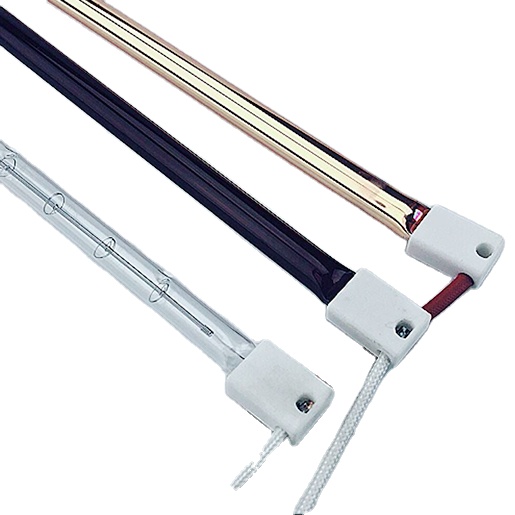
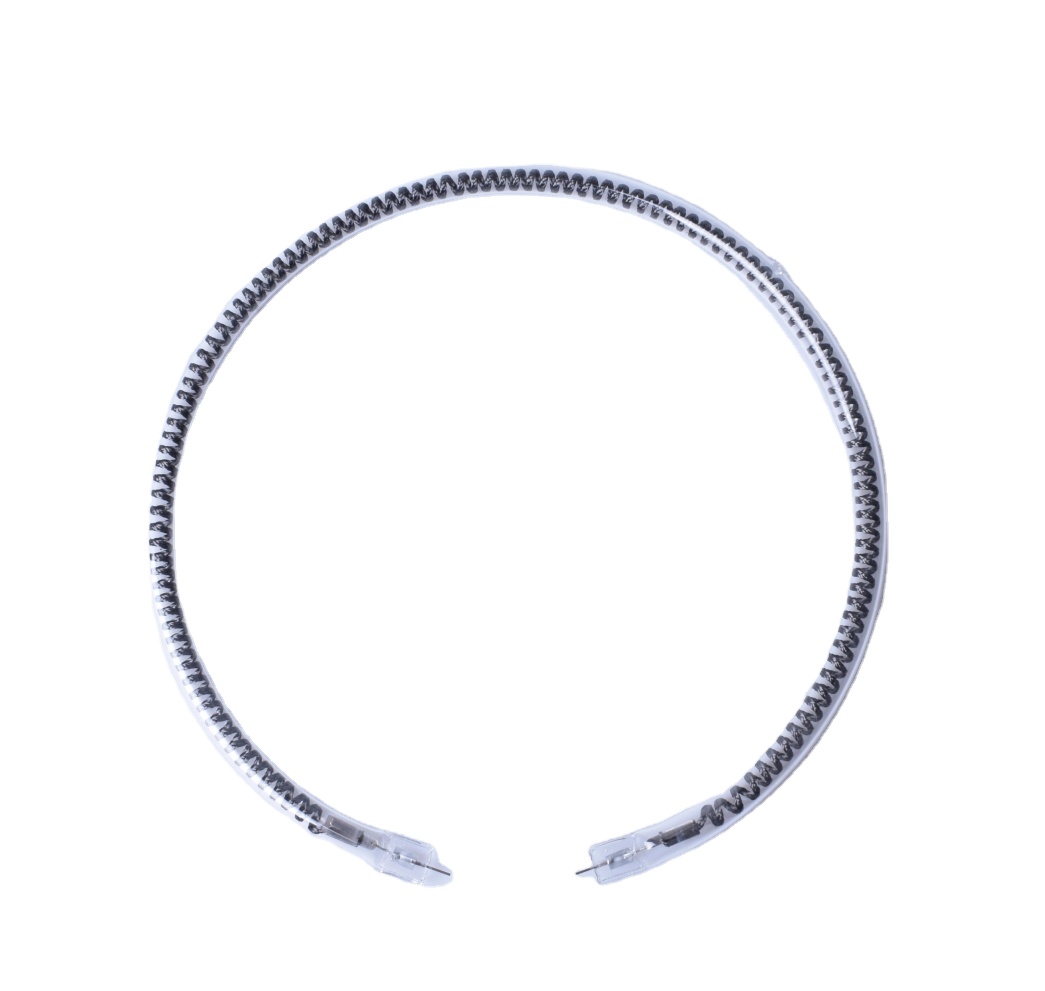
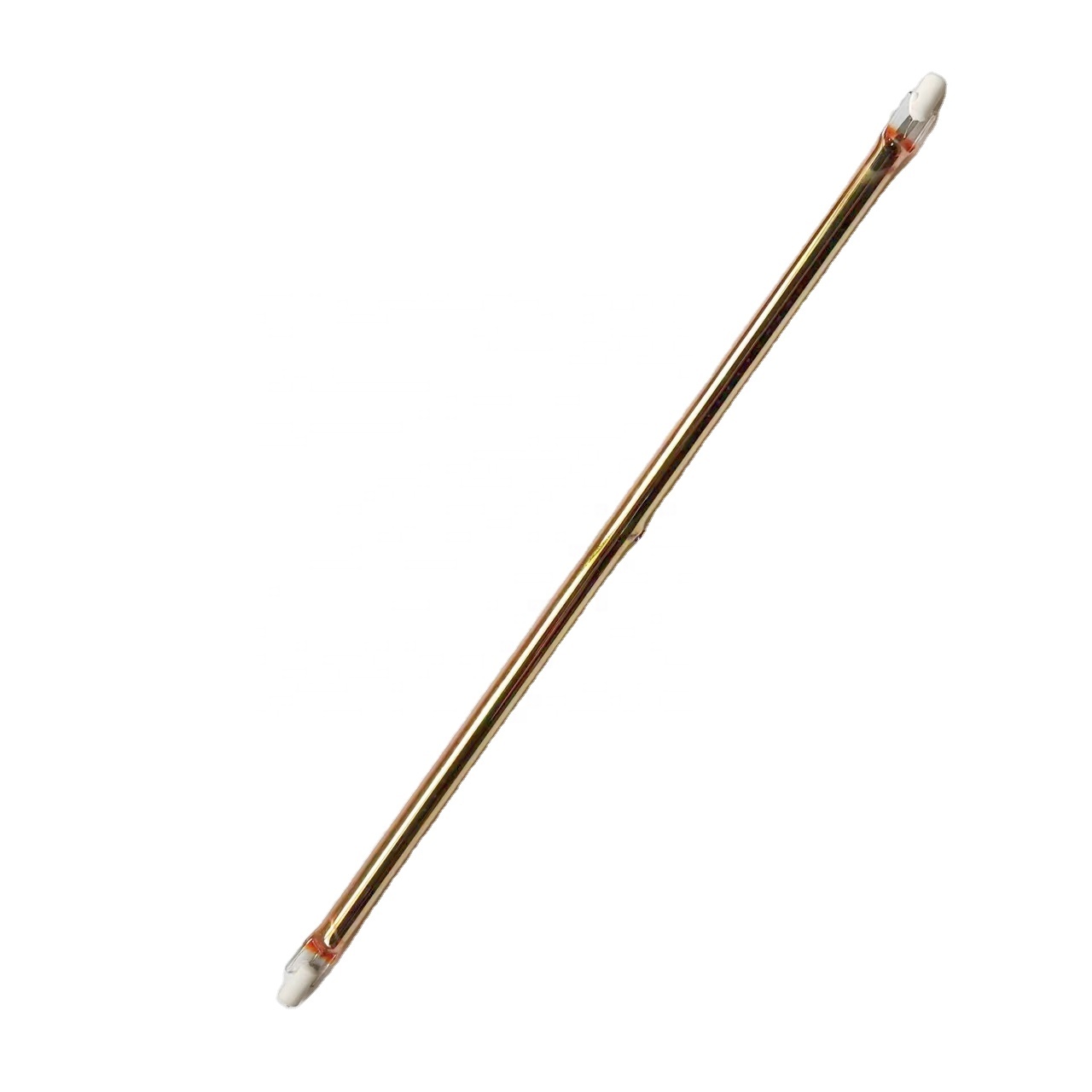
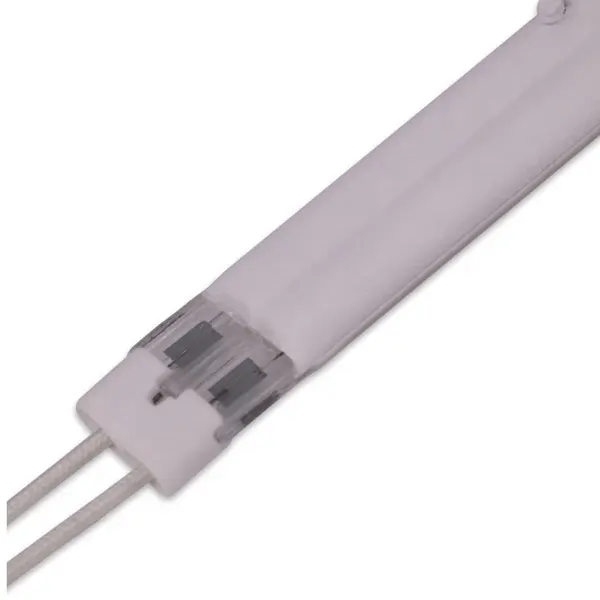
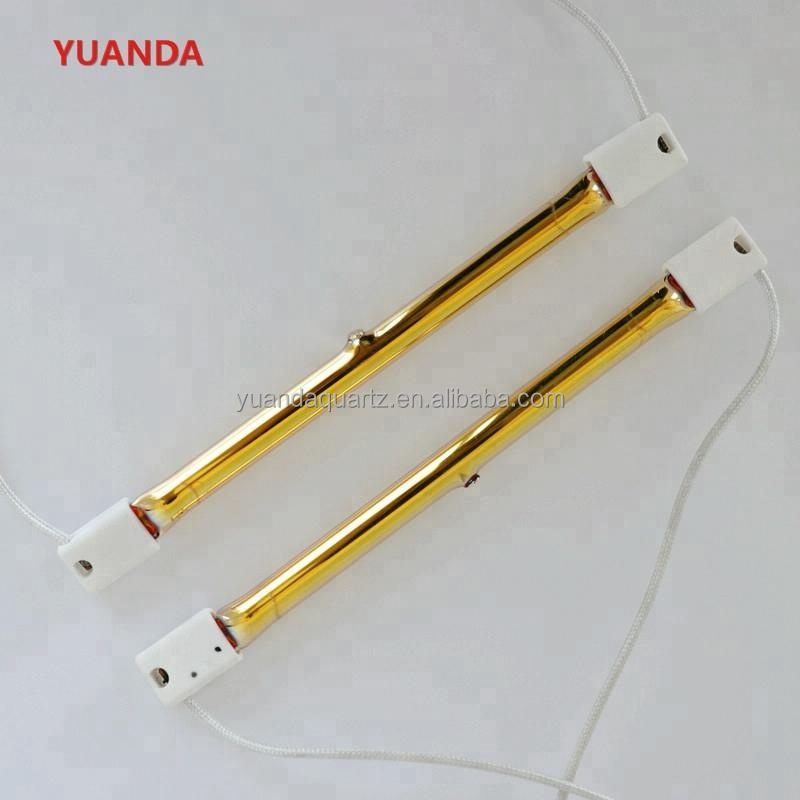
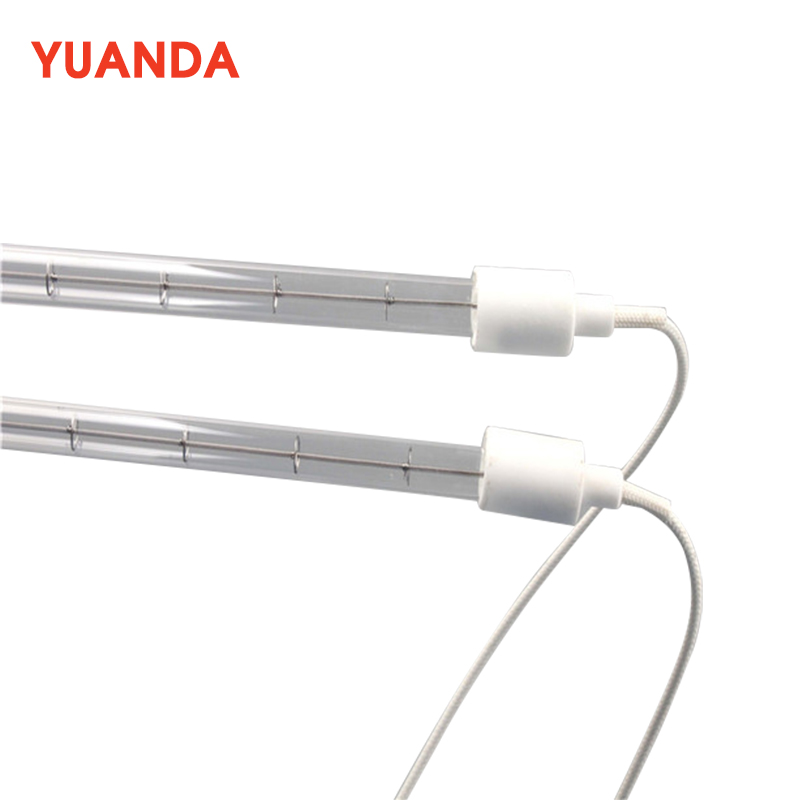
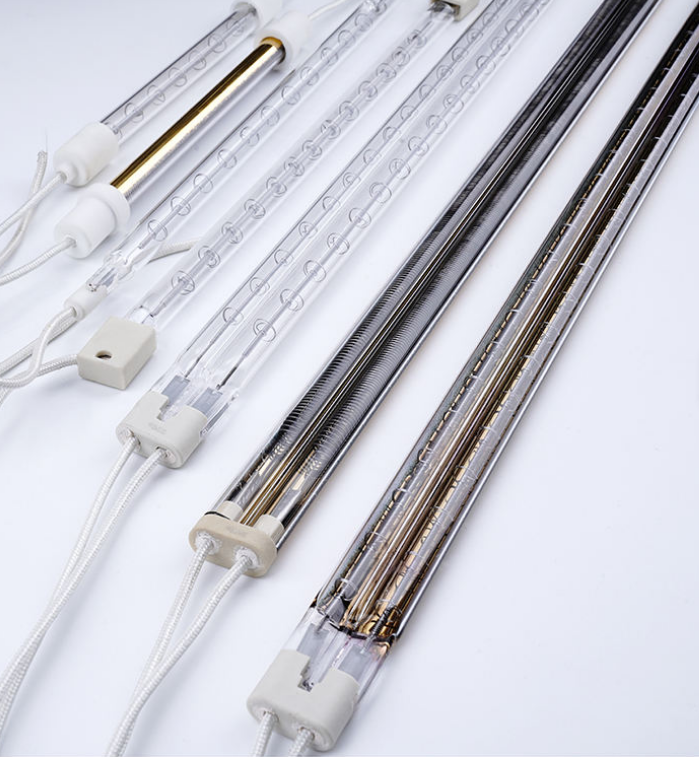
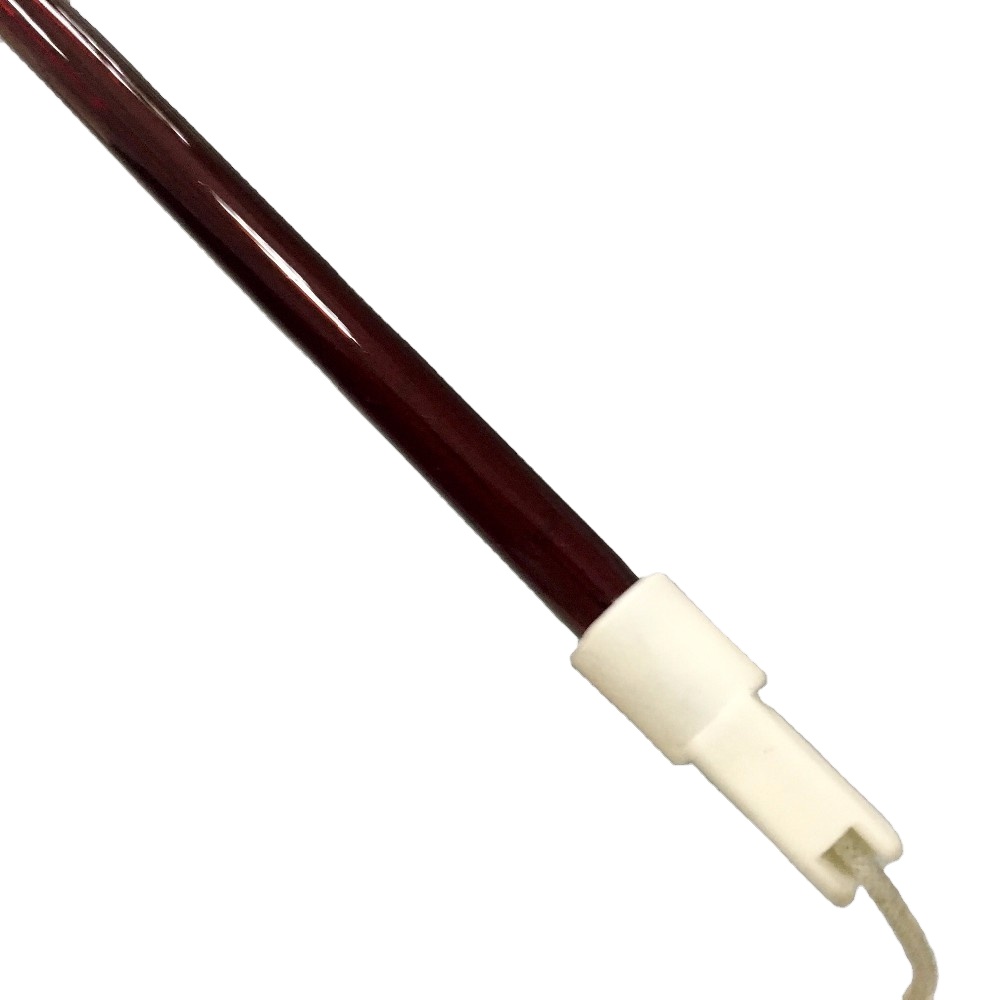
Yes. Beyond cold quartz glass fabrication, Kavri produces high-efficiency halogen short-wave and carbon medium-wave infrared heating tubes with custom white ceramic or pure gold directional reflectors. These emitters are tailored to match the specific geometry of quartz digestion containers, chemical flow cells, and industrial heating jackets.
What packaging and shock-absorption measures are used for fragile exports to Japan?
Every shipment to Japan utilizes multi-layer custom pearl-cotton inserts, specialized foam-lined interior boxes, and shock-resistant export-grade wooden crates. In addition, tip-n-tell tilt indicators and impact monitoring labels are applied to international freight to ensure pristine condition upon arrival at your receiving docks in Tokyo, Osaka, or Fukuoka.
Accelerate Your Quartz Vessel & Thermal System Procurement
Whether you require standard high-purity reagent bottles, custom ground-joint distillation glassware, or matched infrared emitter configurations, our engineering team responds within 4 hours with precise technical specs and factory-direct pricing.
Get Catalog