High-Efficiency Emitters & Essential Quartz Components
Direct factory supply of short-wave ruby emitters, halogen heat tubes, quartz furnace elements, and high-temperature connection hardware manufactured to stringent BS EN and CE standards.
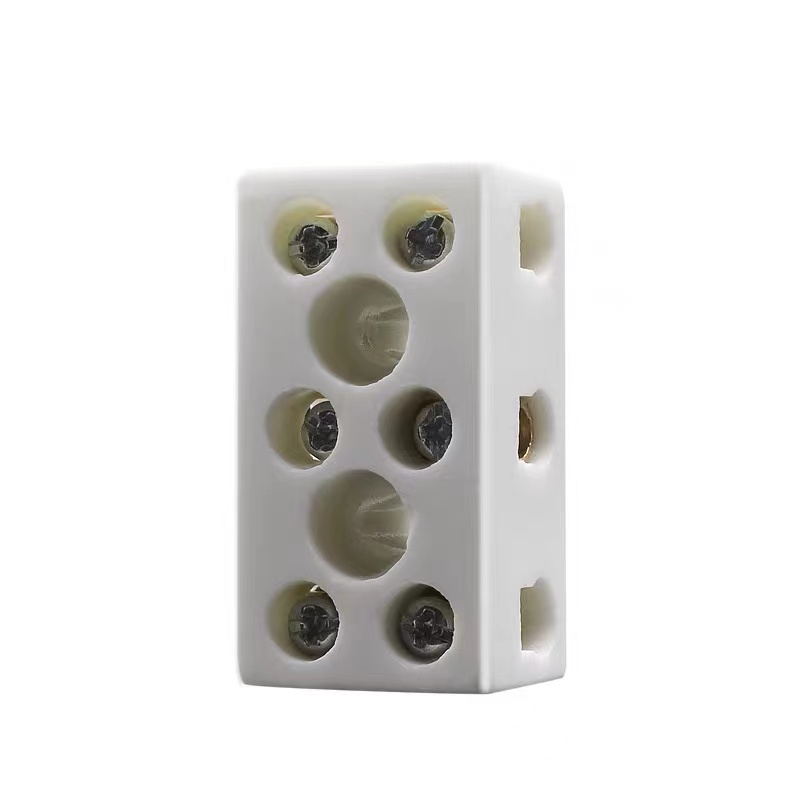
Ceramic Terminal Block Wire Connector Ceramic Wire Connector
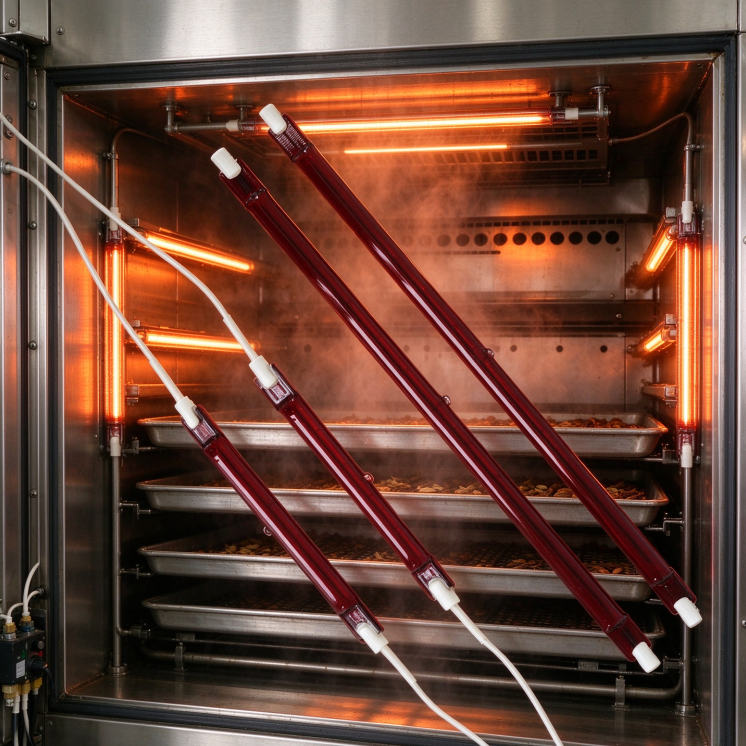
Wholesale Infra Red IR Quartz Glass Infrared Heater Lamp for Infrared Drying Oven
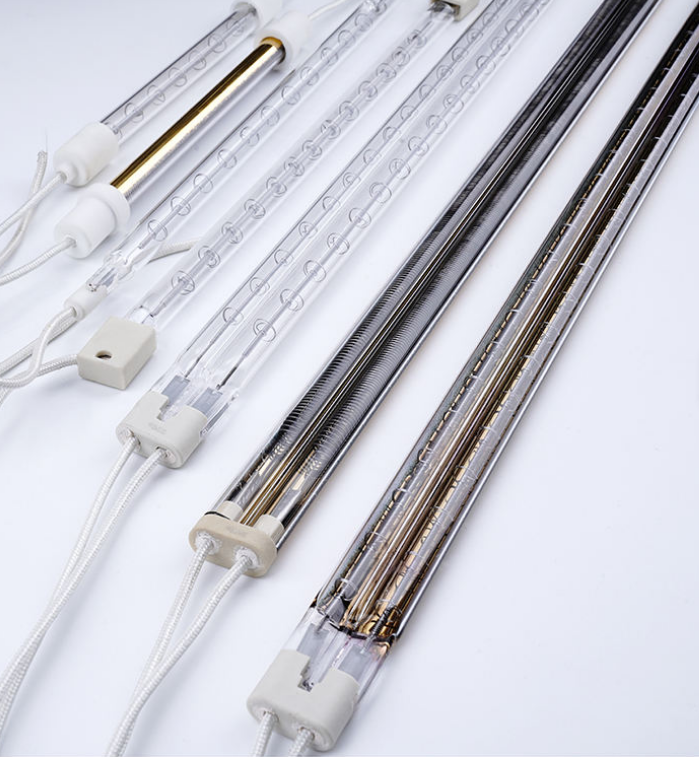
Factory Supply 220v Infrared Heater Lamp for PET Blowing Machines
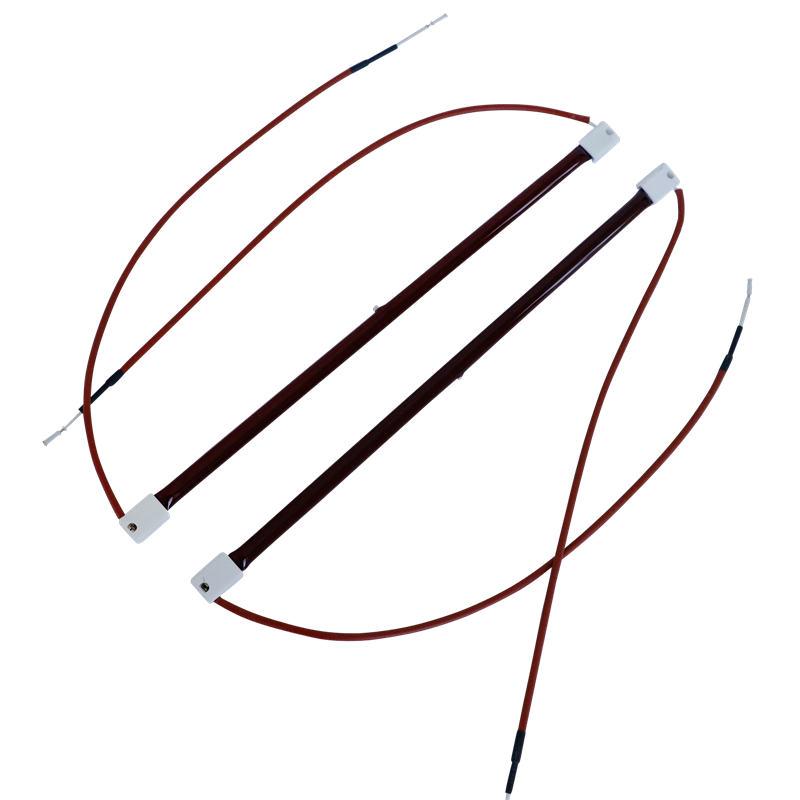
500w 220v High Quality Ruby Infrared Heating Lamp for Poultry Chicken and Duck Farm Heating
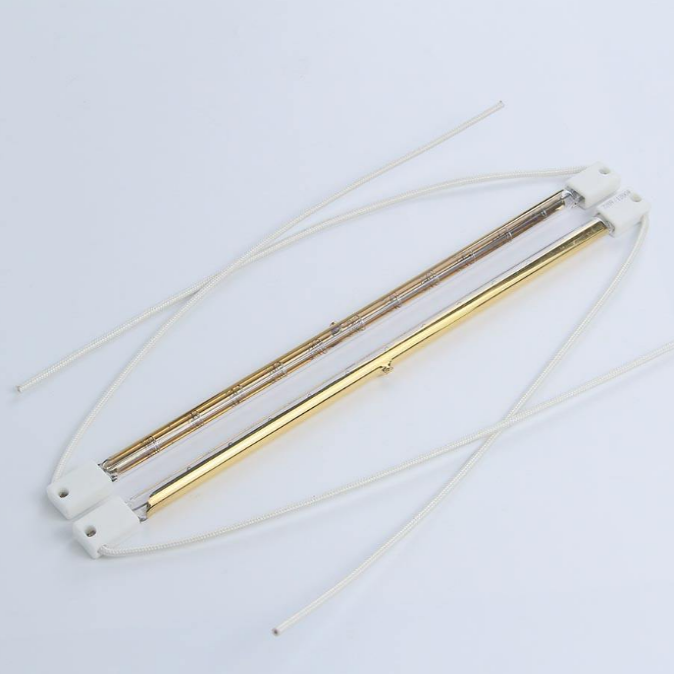
Halogen 220V 1000W Half Gold Coated Infrared Heat Lamp for Machine Equipment
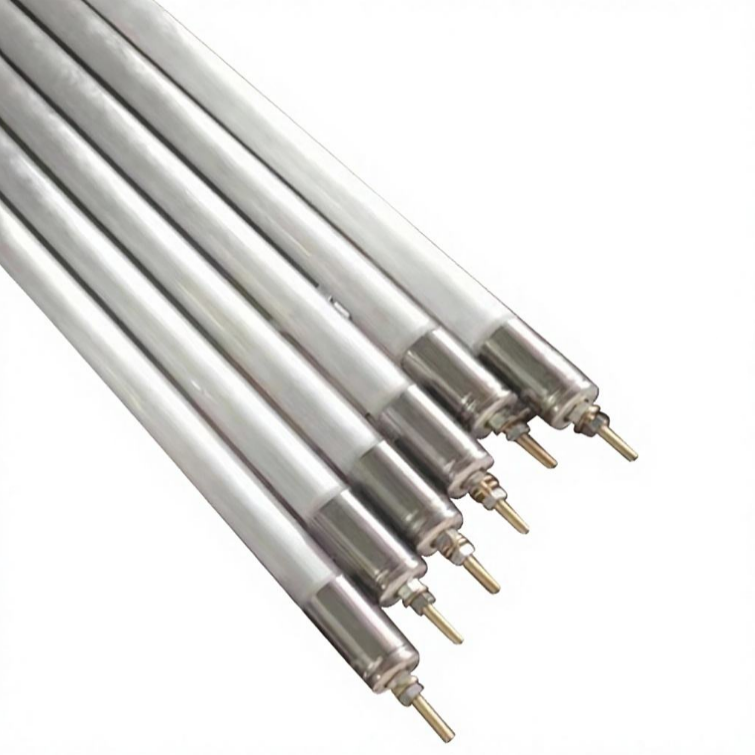
Electric Furnace Wire Quartz 1000w for Machine Equipment
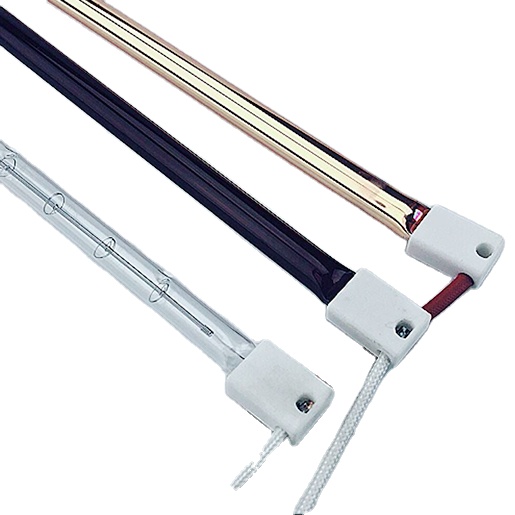
Wholesale Ceramic Linear Quartz Infrared Heating Lamp for Flash Dryers
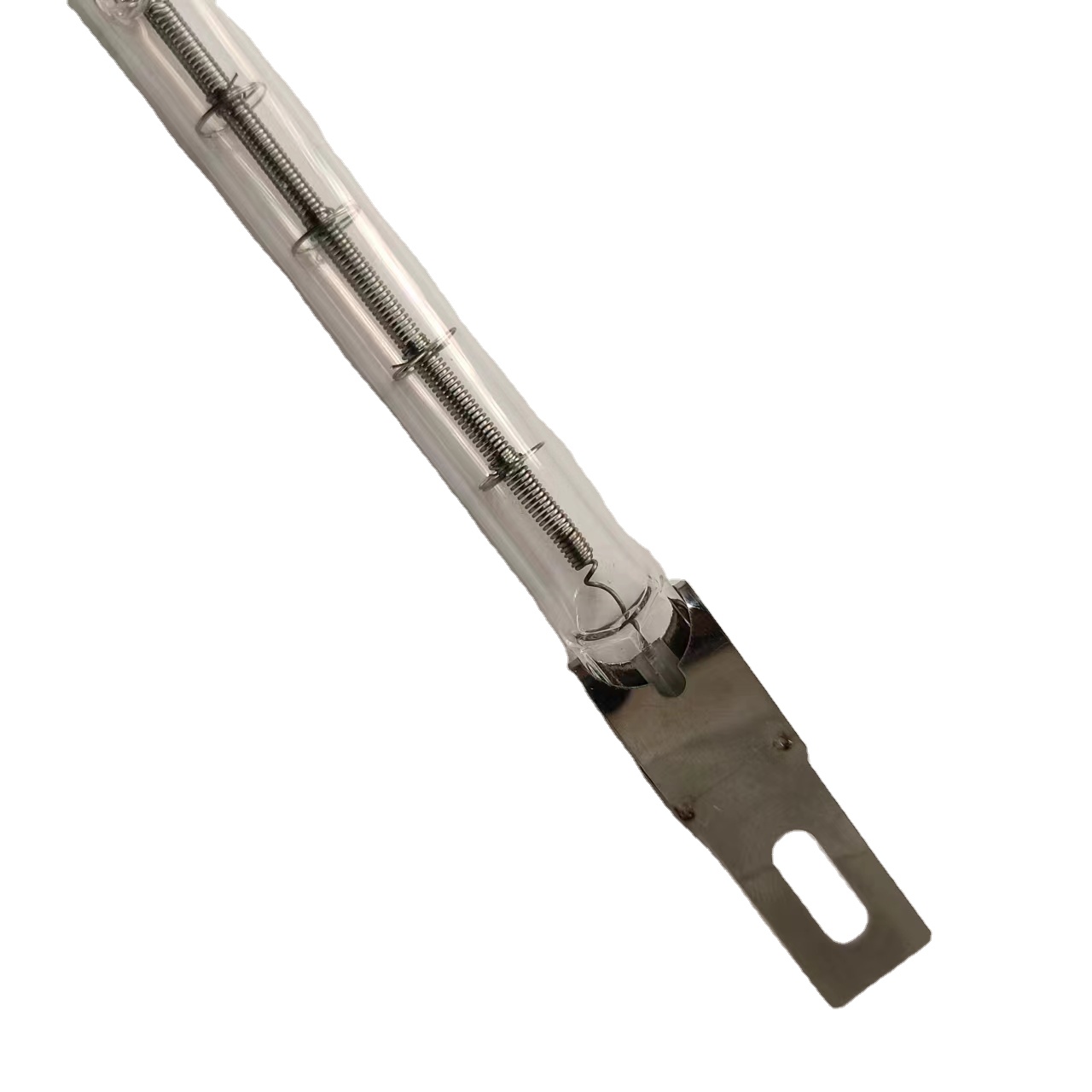
Cheap Wholesale 220V 1000W Quartz Infrared Heat Lamp for Processing Industrial
The Physics of Ruby Infrared Quartz Emitters in High-Velocity Processing
Why doping clear silica glass with selected metallic oxides provides Manchester’s manufacturing facilities with superior heat transfer, strict environmental glare compliance, and remarkable operational energy savings.
| Thermal & Optical Metric | Standard Clear Halogen Emitters | Kavri Ruby Doped Quartz Emitters | Manchester Industrial Advantage |
|---|---|---|---|
| Spectral Peak Emission | 1.0 μm – 1.2 μm (Short-Wave) | 1.1 μm – 1.4 μm (Optimised Short-Wave) | Matches polymer and water-borne coating absorption bands with pinpoint accuracy. |
| Visible Glare Ratio | High Lumen Lux Output (>800 lm/kW) | Doped Ruby Cut-Off (<15% transmission in visible) | Conforms to UK Health and Safety Executive (HSE) glare control standards for factory shopfloors. |
| Thermal Shock Tolerance | Expansion coeff: 5.5 × 10⁻⁷ / K | Pure Fused SiO2: 5.5 × 10⁻⁷ / K | Withstands splash contact and rapid cycling between 0% and 100% load without glass micro-fracture. |
| Filament Integrity | Tungsten in Argon/Halogen gas cycle | Zirconium-stabilised Tungsten + Halogen Cycle | Eliminates tungsten blackening on the tube wall, maintaining 90%+ radiation output at 4,500 hours. |
| Thermal Penetration Depth | Shallow skin heating on darker substrates | Volumetric penetration up to 3.5mm in plastics | Crucial for Trafford Park packaging blow molders seeking stress-free molecular preform orientation. |
Spectral Selective Filtration: Eliminating Worker Fatigue Without Radiant Losses
Standard high-density industrial infrared emitters radiate heavily across the visible spectrum (380 nm to 780 nm). In production settings where operators manually inspect textile webs, automotive paint finishes, or thermoformed parts, high visible glare causes eye fatigue, headaches, and occupational hazards. Our factory-produced Ruby Infrared Heating Lamps utilise fused quartz tubes that are chemically doped with rare earth and transition metal oxides during the molten silica drawing process. This creates a homogeneous ruby-red molecular filter directly embedded within the quartz lattice.
Unlike externally painted or dipped glass tubes that degrade, peel, or off-gas noxious volatile organic compounds (VOCs) when operating at 900°C tube wall temperatures, our doped quartz remains permanently stable up to 1100°C continuous service. The ruby matrix filters out up to 85% of visible light while permitting unimpeded transmission across the 1.0 μm to 3.5 μm short and near-medium infrared bands, directing genuine radiant calorific power straight to the target substrate.
Serving Greater Manchester's Advanced Manufacturing & Processing Hubs
From Europe’s largest industrial park at Trafford Park to the polymer processing plants of Rochdale and Bolton, our ruby emitters provide exact thermal engineering for demanding industrial processes.
Trafford Park & Salford: Automated Automotive Refinishing
Commercial spray booths and automotive component lines in Trafford Park rely on short-wave ruby heating for rapid flash-off and curing of water-borne primers and two-pack clearcoats. The quick-response tungsten halogen coil reaches curing temperature in 1.2 seconds, avoiding costly warm-up wait times.
- Eliminates skin-boiling and solvent pops
- Direct radiative curing from metal substrate outwards
- Custom gold-reflector backing cuts rear energy loss by 35%
Rochdale & Bolton: Technical Textiles & Web Drying
The historic textile corridors of the North West have evolved into advanced non-wovens, composite prepregs, and performance fabrics. Traditional hot-air convective dry-cans cause excessive fabric tension and uneven binder migration. Ruby linear emitters provide non-contact, zone-modulated heat.
- Precise cross-web temperature profiling
- Instantaneous emergency shutoff to prevent line fires
- Low visible flare permits optical sensor inspection
Bury & Wigan: PET Blowing, Thermoforming & Packaging
Blow molding operations producing beverage bottles, pharmaceutical containers, and thermoformed food trays in Greater Manchester need uniform core heating of preforms without burning outer surfaces. Ruby short-wave radiation penetrates deeply into the resin walls.
- Interchangeable replacements for Sidel, Krones & SIPA blow molders
- Standard single-tube and twin-tube configurations (11x23mm, 15x33mm)
- Custom lead lengths with high-temp ceramic blocks
Greater Manchester Net Zero 2038: The Electrification of Process Heat
How upgrading from fossil-fueled gas convection to high-efficiency electric quartz infrared emitters positions local manufacturing ahead of the UK Emissions Trading Scheme (UK ETS).
Overcoming UK Natural Gas Volatility
Fluctuating UK gas prices and carbon levies make running oversized 500kW gas convection ovens uneconomic. Electric ruby quartz systems direct 92% of input power straight to product surfaces, eliminating thermal chimney exhaust and convective casing losses.
Zoned Factory Space Heating
Uninsulated Victorian brick factories and modern high-bay distribution hubs across Trafford, Middleton, and Stockport struggle with drafty heating. Ruby comfort emitters heat personnel and equipment directly without heating millions of cubic metres of stagnant air.
Thyristor Phase-Angle Integration
Seamlessly interfaces with smart PLCs, zero-crossing or phase-angle SCR power controllers (Eurotherm, Schneider, Siemens). Offers millisecond modulation to match variable line speeds without thermal overshoot.
End-to-End Engineering & Custom Manufacturing Workflow
Whether duplicating an obsolete European OEM lamp or prototyping a next-generation high-intensity curing rack, our engineers guarantee exact mechanical, optical, and electrical fit.
Requirement Review
Send old lamp part numbers, markings, photos, or engineering CAD drawings. We cross-reference voltage, wattage, and total length.
Optical Formulation
Selection of envelope (ruby doped, clear, frosted), reflector coating (half-gold, ceramic white), and filament coil density.
Prototype & Tooling
Custom production of trial emitters with tailored caps (R7s, SK15, metal tags, leads) and ceramic wire connectors.
On-Site Machine Trial
Sample testing on your Manchester line to evaluate heat-up ramp rate, thermal uniformity, and optical glare attenuation.
Batch Production
High-volume manufacturing under ISO-traceable quality control with 100% burn-in, seal resistance, and dimensional checks.
Air/Sea Dispatch
Packed in reinforced shock-proof foam crates. Shipped DDP straight to your Manchester, Salford, or Trafford facility.
Frequently Asked Questions by UK Plant Engineers & Buyers
Authoritative guidance covering UK voltages, retrofitting, certifications, minimum order quantities, and freight logistics to Greater Manchester.
Are your ruby infrared heat lamps compatible with standard UK mains voltage (230V / 240V / 400V / 415V)?
Can you cross-reference and replace obsolete lamps from Heraeus, Victory, Ushio, or Philips?
What are the lead times and delivery terms for shipments into Manchester or Liverpool ports?
What is your Minimum Order Quantity (MOQ) for custom-engineered or non-standard lamps?
How do you protect fragile quartz tubes during intercontinental transit?
Do your emitters comply with UK Health and Safety Executive (HSE) artificial optical radiation guidelines?
Upgrade Your Manchester Production Lines with High-Purity Quartz IR
Consult with Kavri Quartz engineers today. Share your existing lamp specifications, voltage parameters, or application requirements, and receive a factory-direct quotation within 4 hours.