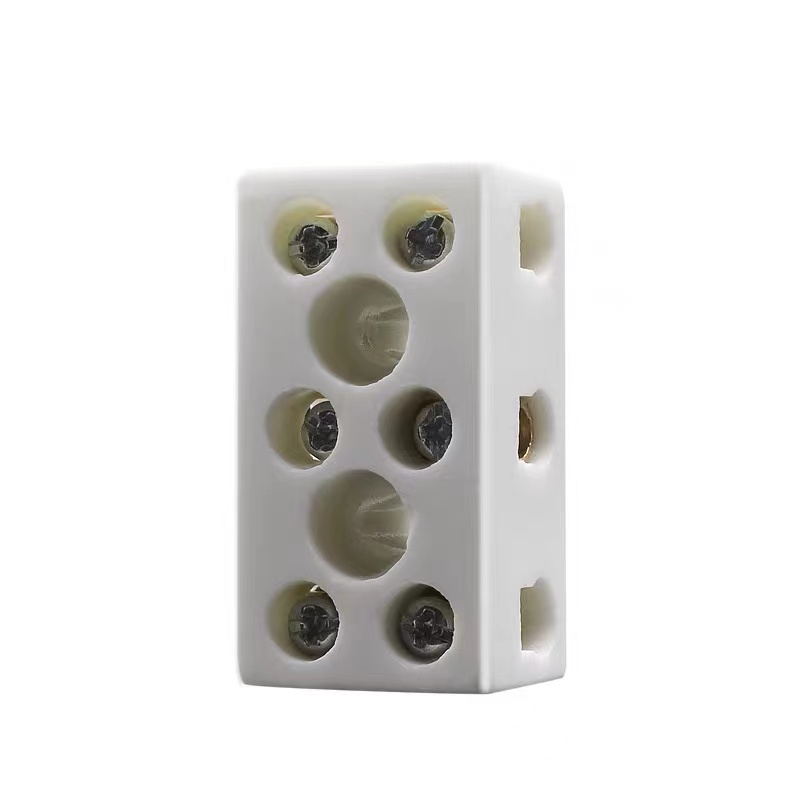
Ceramic Terminal Block Wire Connector
High-dielectric steatite ceramic connector for high-temperature quartz reactors and industrial junction housings up to 500°C.
View DetailsExplore our core export line: high-purity quartz envelopes, ceramic connections, and specialized infrared reactor heating tubes manufactured to international tolerances.
High-dielectric steatite ceramic connector for high-temperature quartz reactors and industrial junction housings up to 500°C.
View Details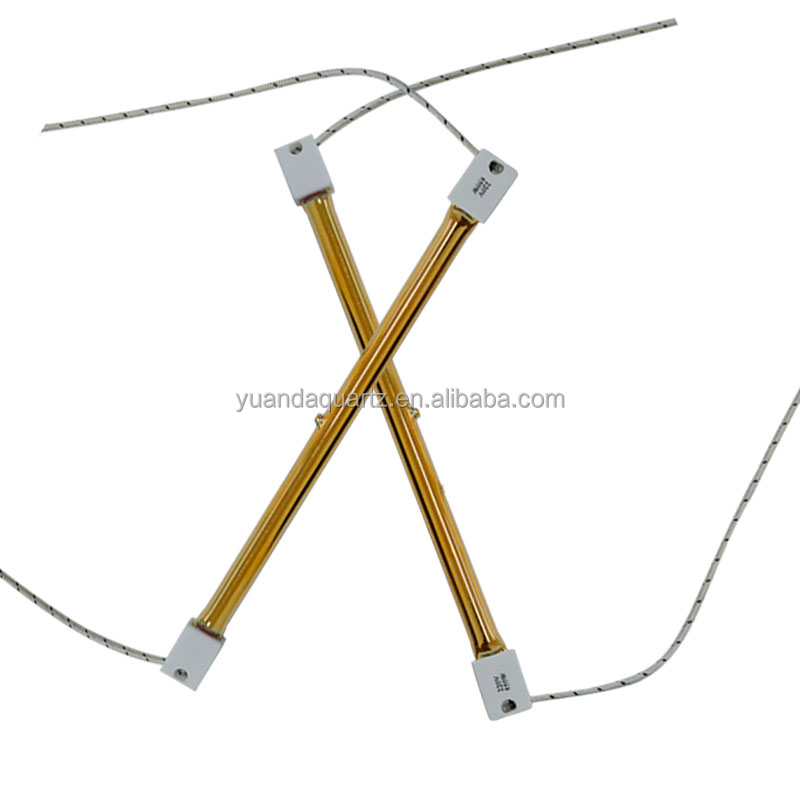
Micro-layer gold back-reflector concentrating thermal irradiance toward the reaction vessel while preserving perimeter housing.
View Details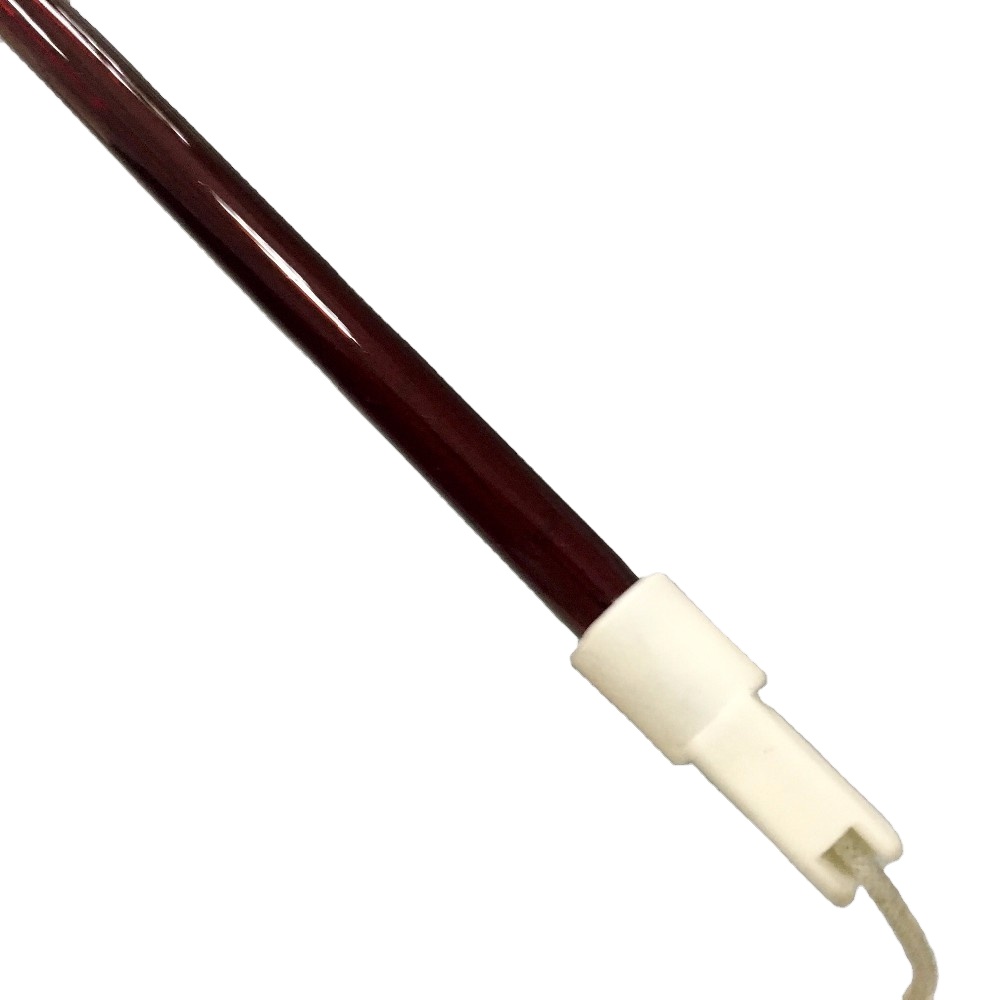
Doped quartz substrate filtering high-intensity glare while providing penetrative short-wave infrared heat for specialized incubators and drying units.
View Details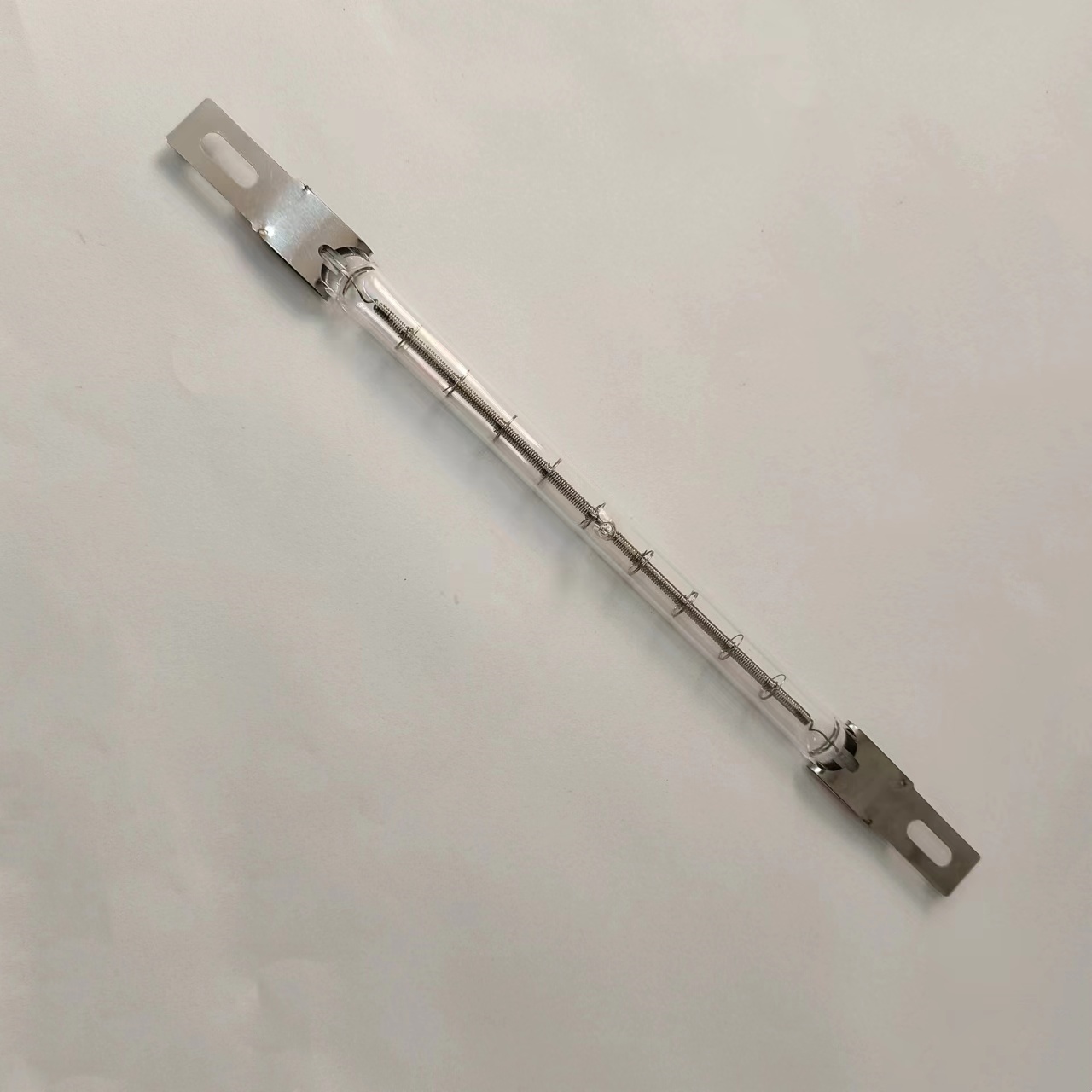
Rapid-start tungsten filament in clear fused quartz sleeve, featuring secure metal-clip terminations for continuous thermal processing.
View Details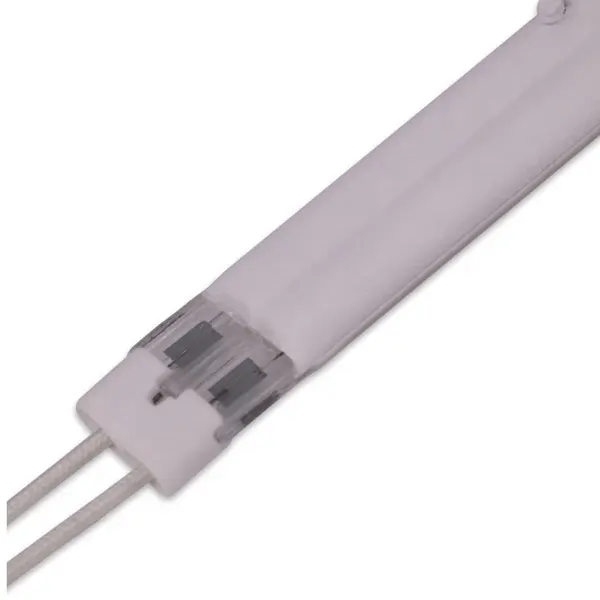
High mechanical resistance figure-8 twin-bore quartz geometry allowing double power density within narrow reactor channels.
View Details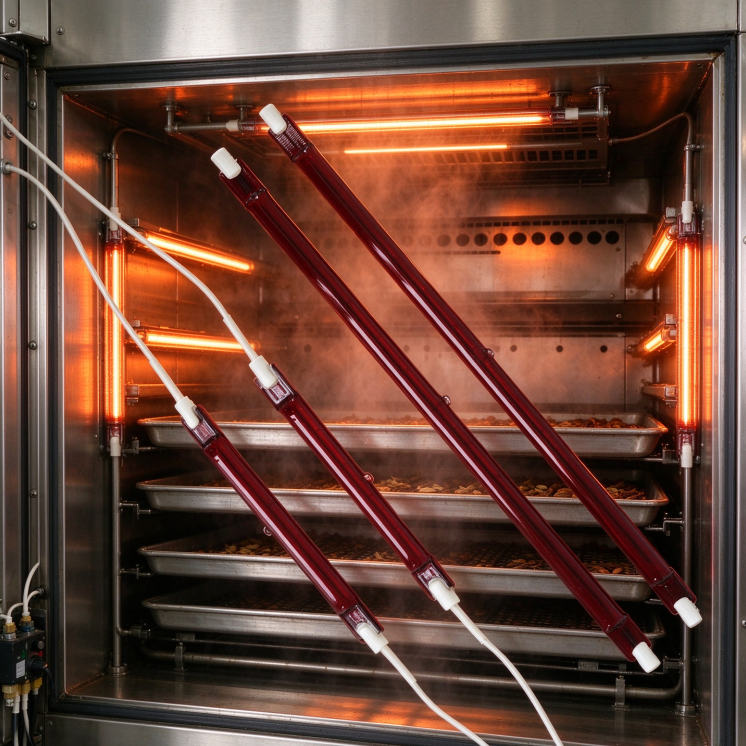
Industrial drying and degassing quartz tube with optimized filament winding to ensure uniform thermal dissipation along its entire active span.
View Details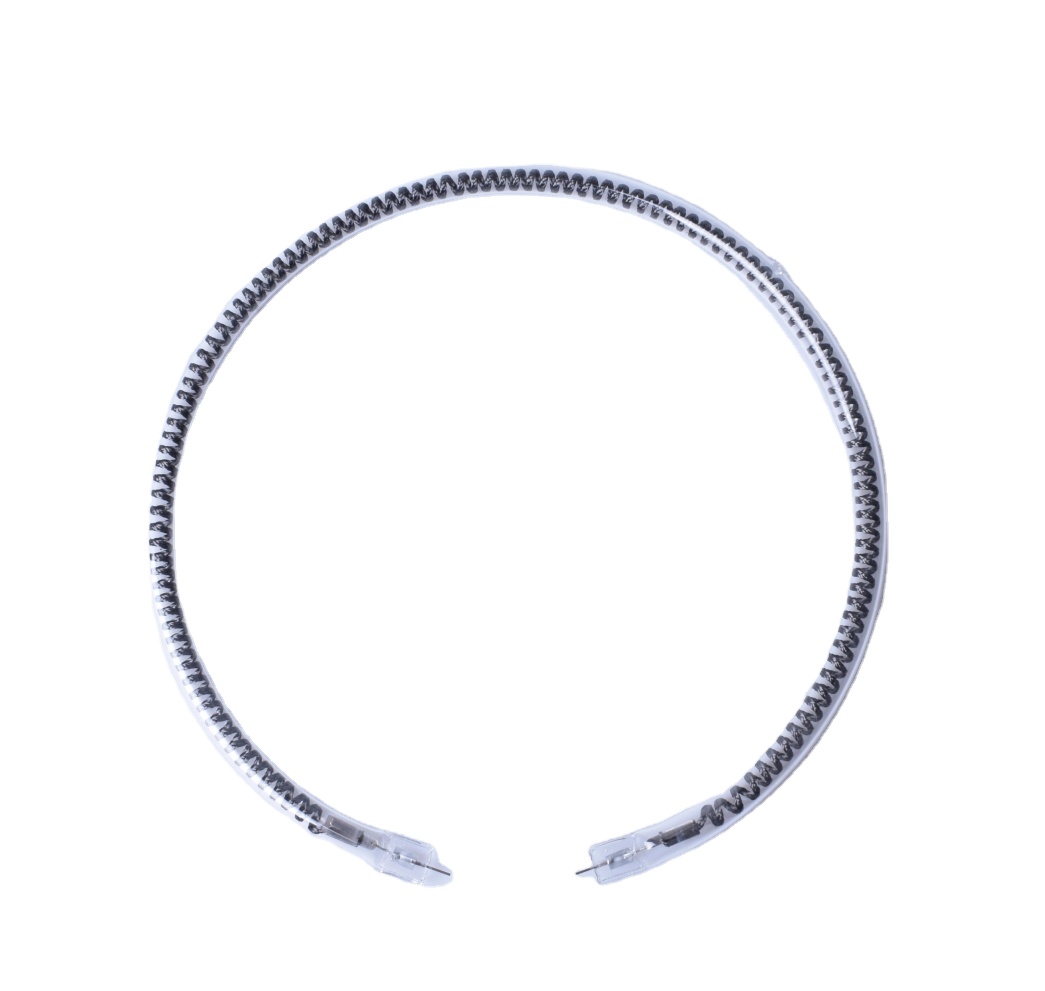
Photovoltaic grade cleanroom-compatible quartz tube designed for solar wafer curing, annealing, and polymer-reaction drying systems.
View Details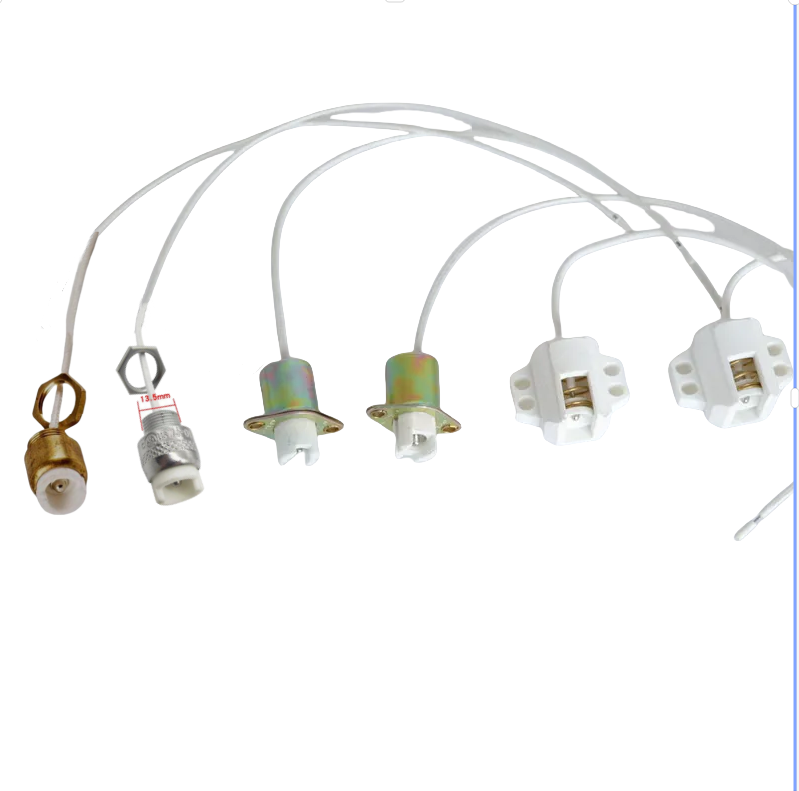
Heavy-duty spring-loaded ceramic mounting base engineered to preserve contact pressure during continuous thermal expansion cycles.
View DetailsA rigorous review of thermo-mechanical specifications, local processing environments, and continuous continuous-flow manufacturing applications.
When selecting a quartz reactor supplier serving the Liberta industrial region and its neighboring trade corridors, plant managers must balance purity, thermal resilience, and optical transmission. Industrial quartz apparatuses manufactured from high-purity natural silica sand (SiO2 ≥ 99.99%) provide critical advantages over standard borosilicate glassware. They handle continuous operating temperatures reaching 1100°C and short-term thermal shock excursions up to 1450°C without structural failure.
Our quartz vessels feature an ultra-low linear coefficient of thermal expansion (approx. 5.5 × 10⁻⁷/K). This allows operators in Liberta to subject reactor columns to abrupt cooling transitions and cyclic flash heating without risking mechanical cleavage or micro-fractures in the quartz wall.
The manufacturing footprint in and around Liberta is experiencing modernization across fine-chemical processing, pharmaceutical intermediate synthesis, and precision surface treatments. Traditional metallic reactors often release trace metal contamination into aggressive acid streams. Our quartz flow-chemistry columns, photolytic reactors, and quartz thermal sleeves eliminate metal leaching completely.
In addition, municipal water testing, beverage bottling sanitization, and packaging plants around the region increasingly rely on in-line UV-C disinfection arrays and short-wave infrared drying tunnels. Utilizing transparent quartz jackets ensures optimal radiant transmission across both UV (200–400 nm) and short-wave IR (1.0–1.2 µm) spectra, delivering higher process yields with minimal power consumption.
| Performance Characteristic | High-Purity Fused Quartz (Kavri) | Standard Borosilicate Glass | 316L Stainless Steel |
|---|---|---|---|
| Maximum Working Temperature | 1100°C (Continuous) / 1450°C (Peak) | ~450°C | ~800°C |
| Thermal Shock Resistance | Extremely High (ΔT > 1000°C water quench) | Moderate (ΔT ≈ 120°C) | High (prone to distortion) |
| Chemical Inertness | Inert to all acids (Except HF & Hot H3PO4) | Susceptible to alkaline attack | Corrodes under hot halogens/acids |
| Optical & Radiant Transmission | > 90% across Deep UV to Far IR | Opaque to UV-C; moderate IR | Zero (Surface conduction only) |
| Metallic Leaching Profile | Undetectable (< 0.5 ppm heavy metals) | Trace Boron and Sodium release | Chromium/Nickel ion migration risk |
Over the next five years, engineering entities serving the Liberta industrial market will face escalating power tariffs and tighter environmental limits on industrial emissions. Convection-based heating furnaces are steadily being superseded by modular electric quartz heating cassettes. Infrared radiation directly excites molecular bonds within the target medium, bypassing ambient air and cutting thermal boot-up latency from hours to seconds.
Our OEM carbon-fiber and halogen emitter series—paired with localized quartz reflection baffles—enable Liberta processors to shrink their production footprint by up to 40% while slashing heating kilowatt requirements. By retrofitting outdated batch vessels with precision continuous-flow quartz reactors, regional chemical operations gain higher space-time yields and improved batch-to-batch repeatability.
Geographic dependencies and supply chain volatility often leave offshore facilities waiting weeks for specialized replacement quartz glassware. Kavri Quartz addresses this vulnerability by offering complete dimensional compatibility mapping for legacy European, American, and Asian equipment operating throughout Liberta.
Whether you require custom capillary rods, high-temperature combustion tubes, biochemical flow cells, or gold-coated short-wave IR emitters, our export division coordinates protective export-grade crating, certified shock-indicator labeling, and customs documentation to provide smooth port clearance and rapid site commissioning.
Direct from China's primary silica processing cluster in Lianyungang, combining raw material access with strict quality controls.
Over a decade of specialized OEM/ODM capabilities. We machine, flare, bend, and coat fused quartz to technical CAD drawings or physical client samples, producing evaluation prototypes within 7 to 10 working days.
Every quartz tube and emitter is subjected to electrical resistance checking, dimensional laser calibration, vacuum seal testing, and thermal shock validation prior to international packaging.
With 81–90% of our products exported to North America, Europe, and the Caribbean basin, we use multi-layer foam suspensions, vacuum enclosures, and reinforced wooden crates under FOB, CIF, or DDP terms.
Practical guidance covering logistics, technical tolerances, operational lifespan, and custom designs.