Engineered Infrared & Quartz Tube Solutions for Korean Importers
From tungsten short-wave precision emitters to pure carbon fiber medium-wave systems, explore the eight foundational product lines manufactured to ISO-level dimensional tolerance and strict Korean industrial quality expectations.
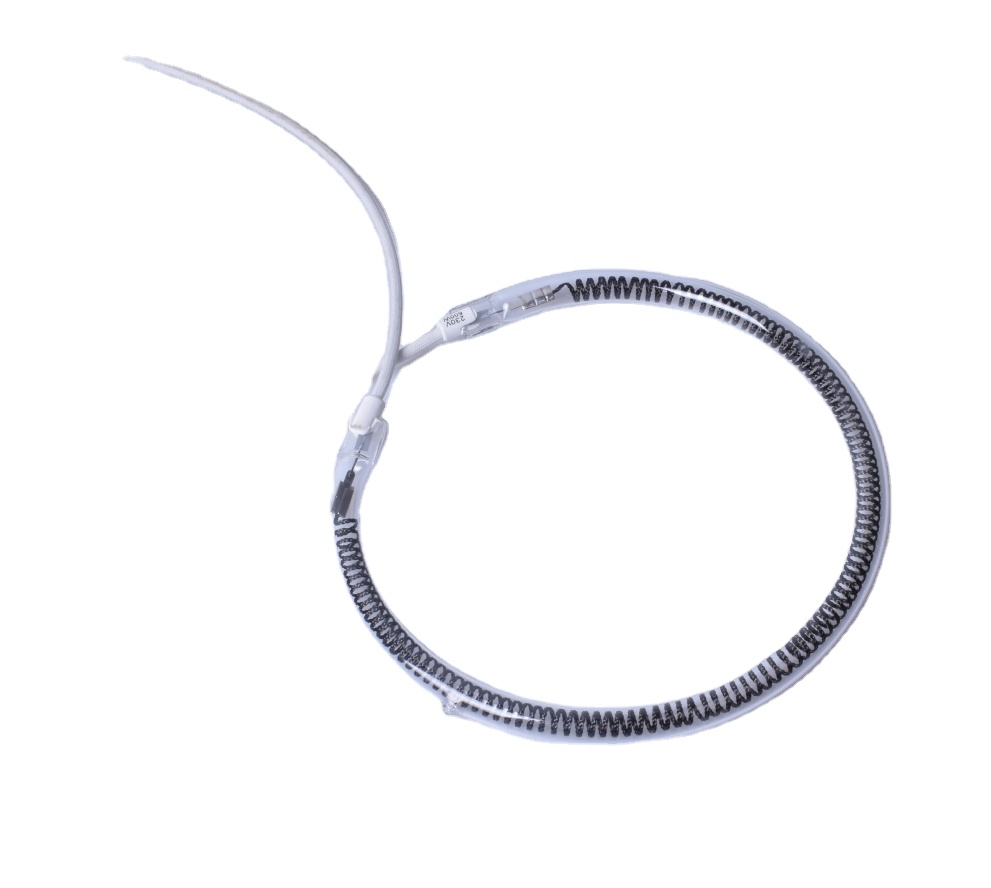
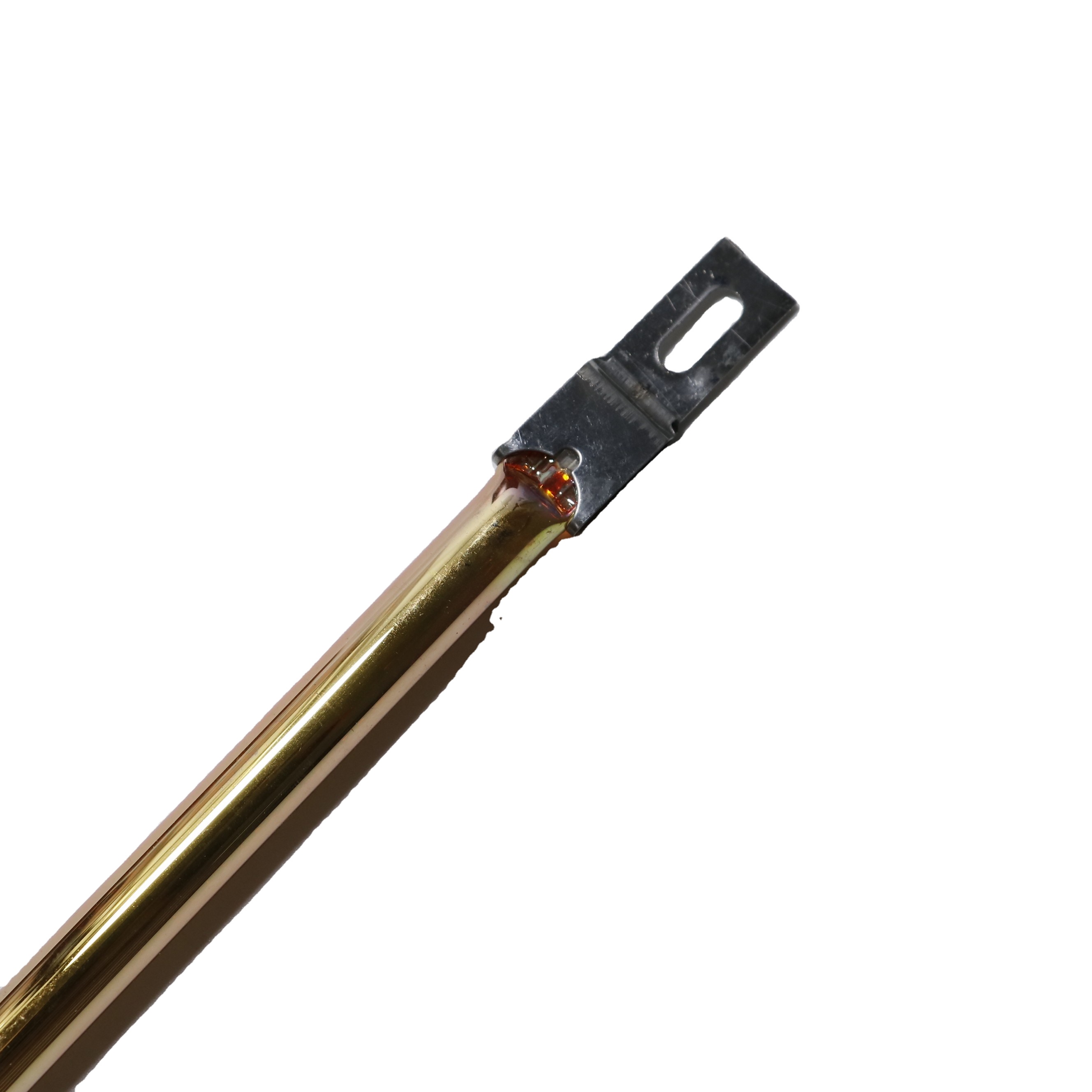
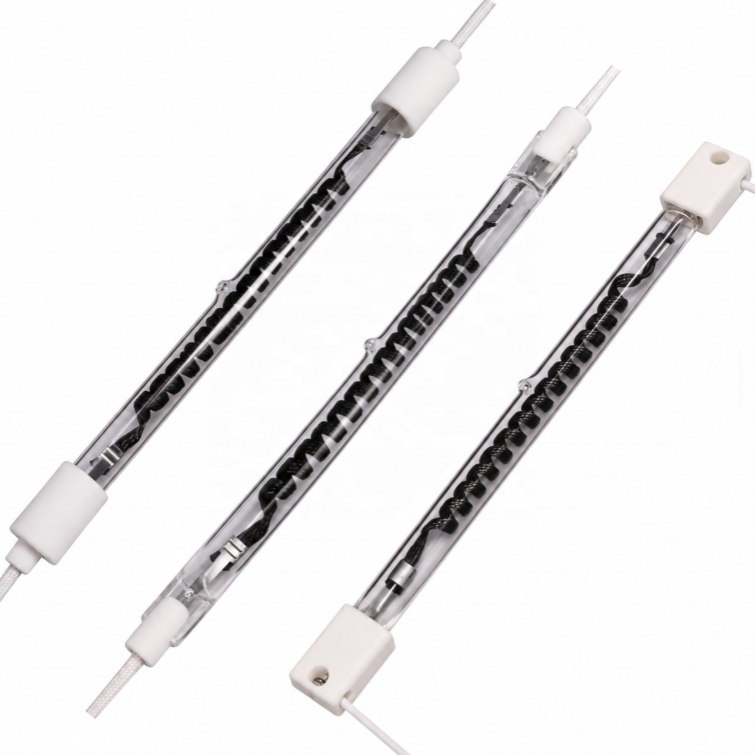
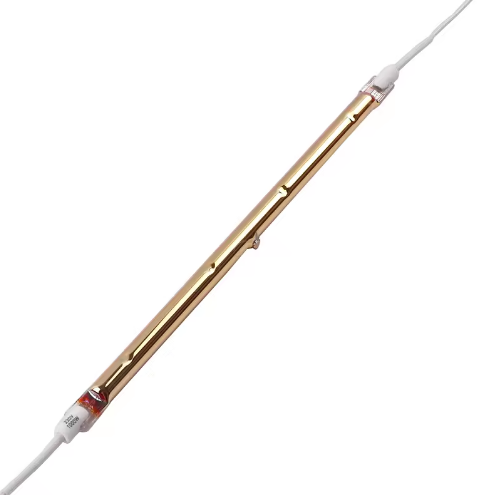
Localized Engineering Applications Across South Korea's Industrial Corridors
South Korea's high-density manufacturing clusters require uncompromising thermal uniformity, zero-contaminant outgassing, and high electrical efficiency across strict cleanroom and line-speed standards.
Semiconductor & Secondary Battery Processing (Gyeonggi & Chungcheong)
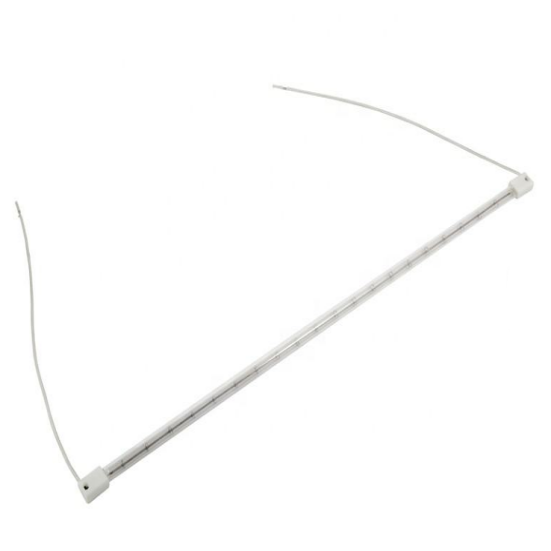
Korea's leading semiconductor fabs in Hwaseong and Pyeongtaek, alongside EV battery gigafactories in Cheongju and Ochang, utilize Kavri Quartz emitter tubes for vacuum thermal anneal, electrode slurry drying, and separator coating curing. Our fused silica envelopes deliver peak hydroxyl (OH-) purity below 20 ppm, eliminating trace alkali outgassing inside ultra-clean high-temperature chambers.
- Instantaneous ~1-second thermal rise cuts cycle time in rapid thermal processing (RTP).
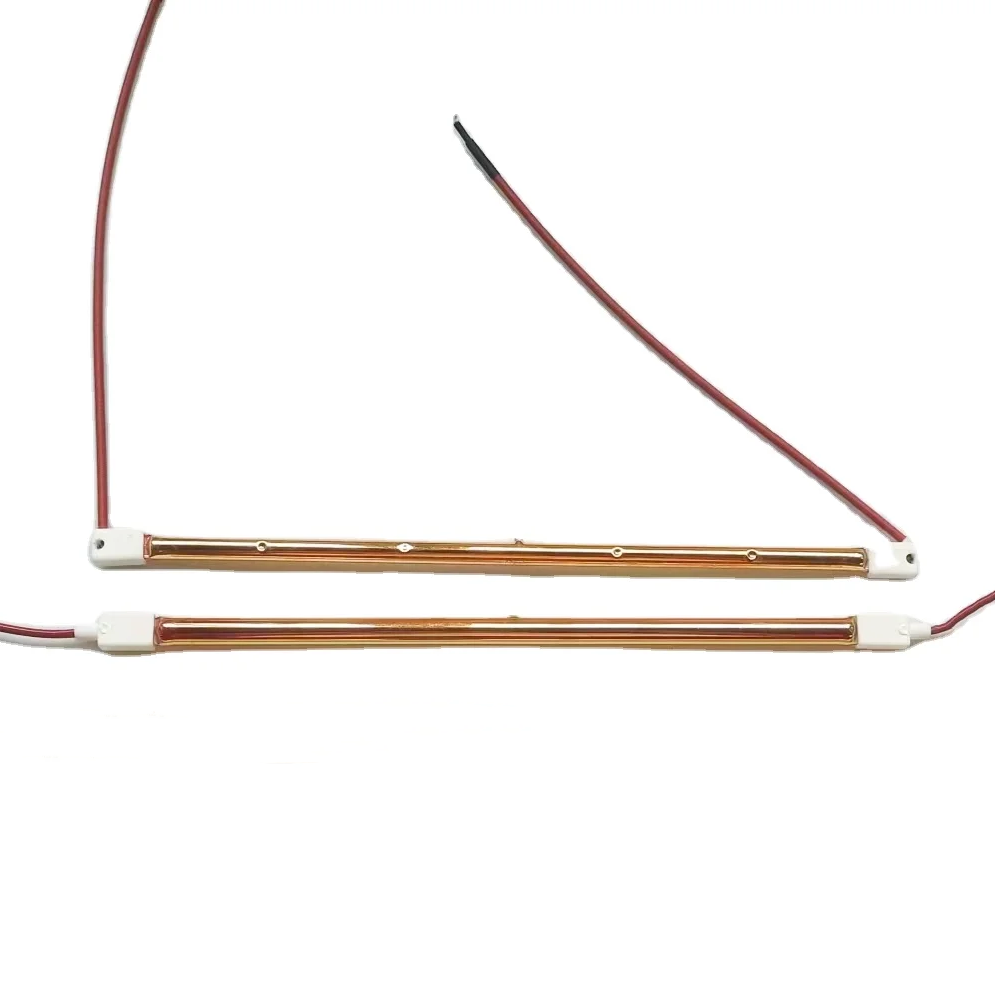
- Directional pure gold reflectors concentrate >90% of forward IR output into anode/cathode foils without heating frame structures.
- Resistant to continuous operational furnace temperatures reaching 1100°C without devitrification.
Automotive Precision Coating & Smart Mobility Assembly (Ulsan & Gwangju)
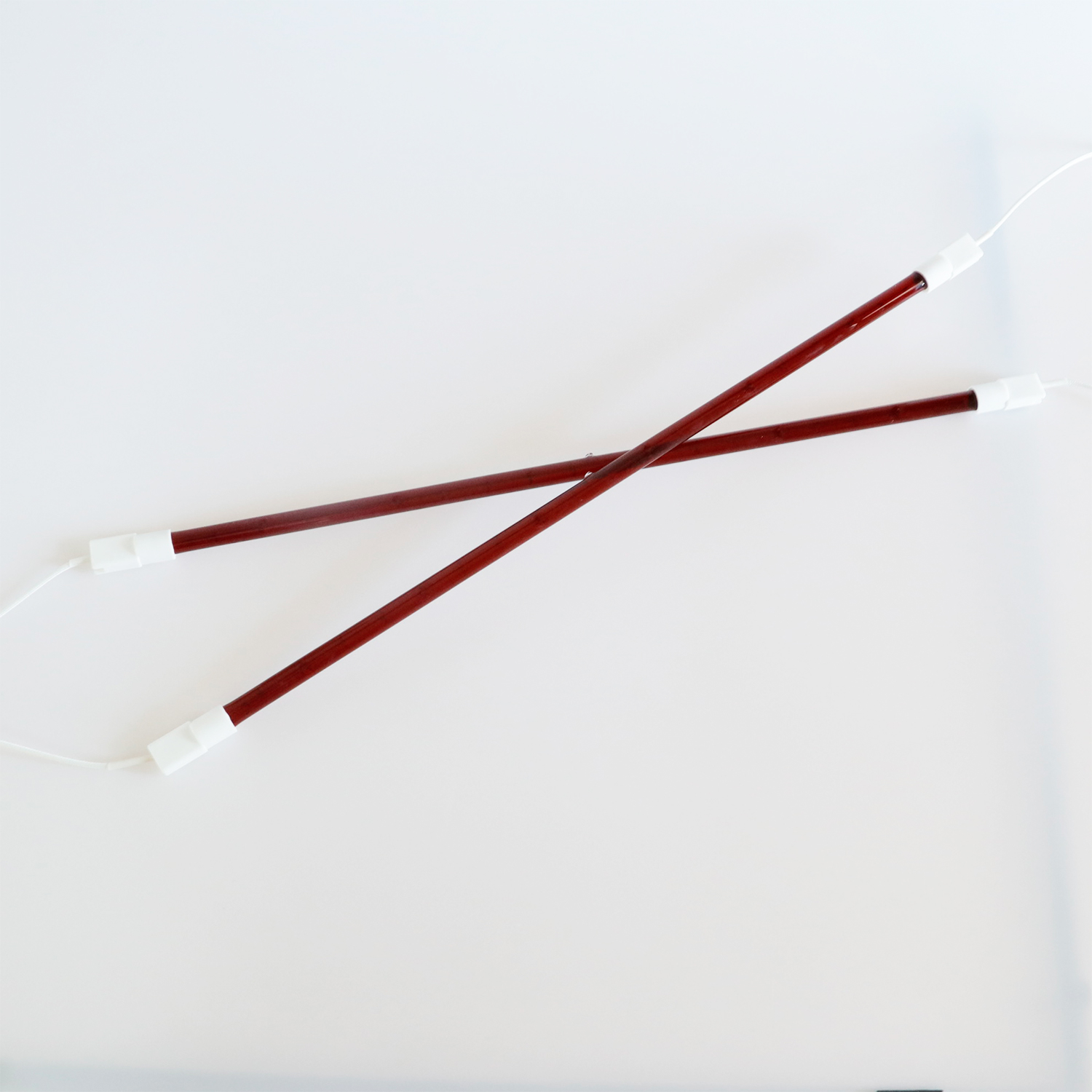
Automotive tiers in Ulsan and Gwangju transition rapidly from massive convection baking ovens toward compact short-wave IR drying zones. In smart spray booths, our ruby halogen quartz tubes attenuate aggressive visible light glare while transferring deep, non-convective heat straight to primer, base, and clear coats, reducing orange-peel defects and volatile organic compound (VOC) venting requirements.
- Short-wave peak (1.0–1.2 µm) penetrates deep into wet films, curing steel-facing layers outward to prevent paint blistering.
- Customized R7S, ceramic base, and Teflon-insulated lead configurations perfectly match OEM replacement racks.
- Survives aggressive cyclic thermal shocking due to quartz's low thermal expansion coefficient (5.5 × 10⁻⁷/K).
South Korea's Thermal Equipment Trends: Decarbonization & Precision Yield
A technical overview of regulatory developments, power tariffs, and machinery specifications shaping quartz emitter imports across the Korean peninsula through 2030.
1. Electrification of Industrial Heat (K-ETS Compliance)
Under the strengthening parameters of the Korea Emissions Trading Scheme (K-ETS) and escalating industrial electricity tariffs from KEPCO, Korean conglomerates are dismantling legacy fossil-gas convection ovens. Radiant quartz heating delivers instant start-up, localized target zoning, and up to 45% lower kilowatt-hour consumption, providing verifiable carbon credit offsets.
2. Micro-Defect Control in Display & Flexible Electronics
As display manufacturing in Asan and Paju scales micro-OLED and flexible polyimide substrates, convection air turbulence creates intolerable particulate drift. High-purity fused quartz tubes operate seamlessly in vacuum and high-nitrogen laminar chambers without airflow disruption, boosting wafer and substrate yield rates.
3. Dual-Wavelength Selective Curing for Advanced Polymers
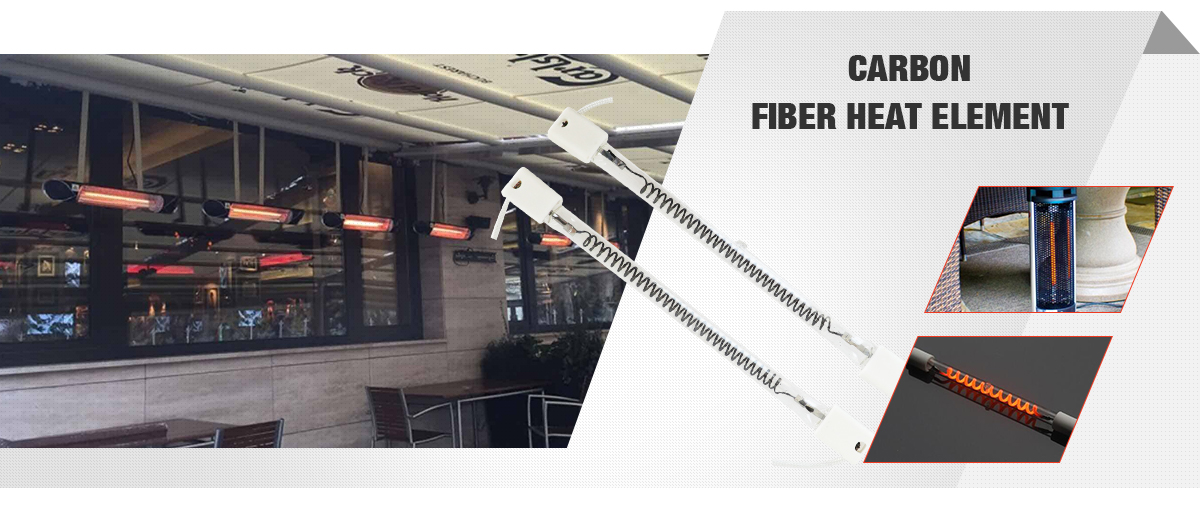
Korean converters demand tailored spectrums: short-wave tungsten emitters (1.0–1.2 µm) for dense metallic substrates combined with carbon fiber medium-wave radiators (~2.0 µm) matching the fundamental absorption bands of C-H, O-H, and water-based resin solutions, significantly boosting throughput in high-speed packaging lines.
4. Local Compliance with KC Mark & Safety Standard Integration
Korean import regulations require verified terminal insulation, non-toxic lead wires complying with Korean RoHS standards, and precise mechanical tolerancing to withstand the automated insertion protocols of Samsung- and LG-derived equipment ecosystems.
| Heating Emitter Architecture | Peak Spectral Band | Response Rise Time | Primary South Korean Industry Use Case | Energy Efficiency Gain |
|---|---|---|---|---|
| Short-Wave Halogen (Clear/Gold) | 1.0 – 1.2 µm | < 1 Second | Automotive clear-coat curing; PET bottle blow molding; RTP semiconductor | 40% over hot-air circulation |
| Ruby Quartz Short-Wave | 1.1 – 1.3 µm (Glare Filtered) | ≤ 1 Second | Operator-attended inspection booths, localized manual touch-up curing | 35% directed optical efficiency |
| Carbon Fiber Medium-Wave | 2.0 – 2.5 µm | 1 – 2 Seconds | EV battery cathode slurries, textile dyeing, paper converting, plastics | 50% matching polymer absorption |
| High-Purity Fused Quartz Tubes | Broad Optical Window | High Shock Resilience | Furnace liners, quartz flow cells, laboratory biochemistry analyzers | 100% inert chemical boundary |
Kavri Quartz: China's Quartz Hub Direct to Korea's Engineering Frontline
Headquartered in Lianyungang—the heart of China's silica extraction and advanced glassworking cluster—Kavri Quartz provides factory-direct custom emitters that bypass trading layer markups while matching OEM precision.
Lianyungang Silica Origin
Direct proximity to Donghai quartz reserves ensures raw silica envelopes with SiO₂ purity >99.99%, exceptional dimensional constancy, and consistent wall thickness.
Rapid OEM / ODM Prototyping
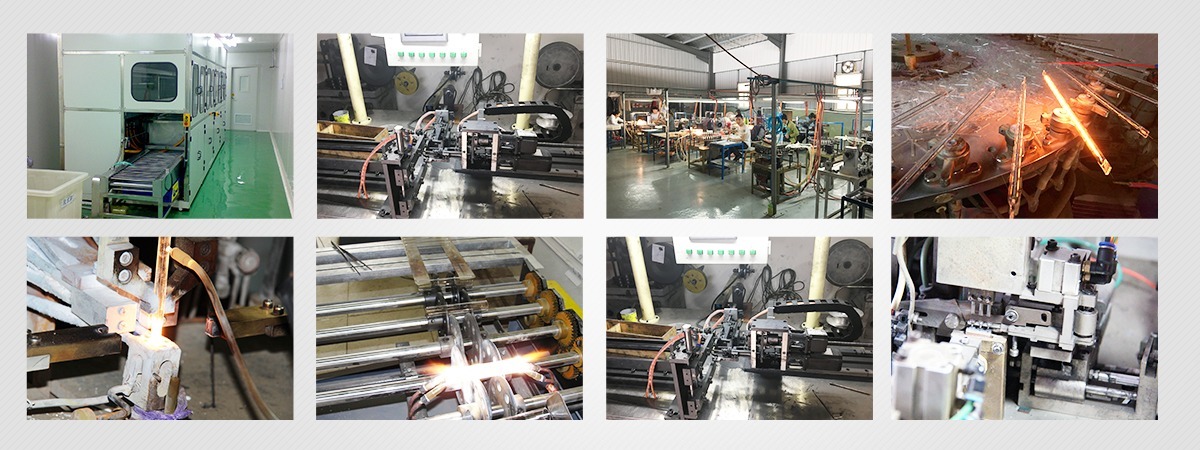
Over 10 years of custom engineering. We fabricate custom twin-tube, circular, or ruby profiles directly from customer CAD drawings or aged machine reference samples.
≤ 4h Engineering Response
Dedicated technical account executives align directly with Korean standard time (KST), offering swift quotation, technical feasibility checks, and transparent DDP terms.
Zero-Breakage Packaging
Custom shock-damped wooden crates and suspended EPE foam cradles engineered specifically for fragile long-bore quartz, keeping trans-Yellow Sea air and ocean loss at 0%.
Korean B2B Buyer FAQ: Procurement, Customs, & Engineering
Direct technical answers addressing the logistical, compliance, and custom integration questions asked by South Korean purchasing managers and factory maintenance heads.
What are the lead times and shipping routes to Incheon or Busan ports?
Because our facilities are strategically located in Lianyungang, Jiangsu Province, shipments depart directly via Lianyungang Port or Qingdao/Shanghai. Direct ferry and container lines reach Incheon Port within 2 to 3 days, and Busan Port within 3 to 4 days. For urgent factory breakdown replacements, express air cargo via Incheon Airport (ICN) takes 24 to 48 hours following batch quality dispatch.
Can you replicate obsolete OEM quartz heating lamps for imported Japanese or German machines?
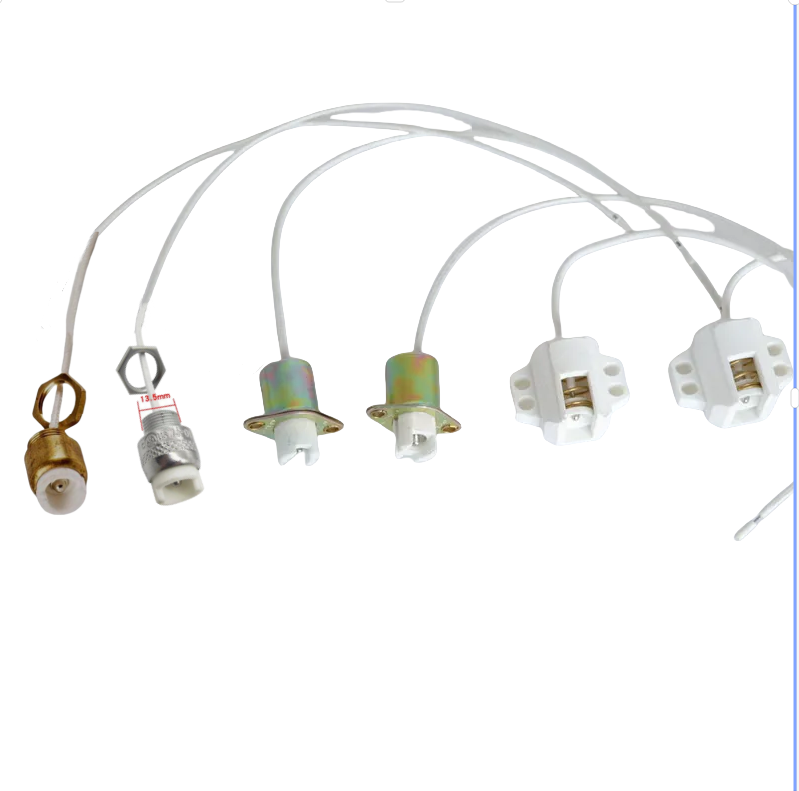
Yes. Many Korean plants utilize legacy machinery from brands such as Ushio, Heraeus, or GE. We require only a photograph of the lamp rating plate, mechanical measurements (total length, heated length, tube profile), or a spent sample sent to our engineering shop. We precisely match filament resistance, terminal connections (ceramic R7S, SK15, flat metal tags), and reflector backings to eliminate line downtime.
How do you handle KC Certification and electrical safety standards in Korea?
As discrete component heating emitters incorporated into broader industrial machine assemblies, heating tubes generally do not require individual end-user KC certification; however, all wiring, ceramic insulation, lead seals, and quartz substrates comply strictly with Korean RoHS limits, electrical safety creepage distances, and CE machinery compliance parameters. We provide full material inspection data sheets (COA) with every export batch.
What is your policy on Minimum Order Quantity (MOQ) for custom quartz parts?
To support Korean line prototyping, machine modifications, and MRO maintenance contracts, our standard infrared lamp MOQ starts at just 8 to 10 pieces. Customized fused silica plates, laboratory glassware, and specialized twin-bore configurations are quoted flexibly based on dimensional complexity and raw material volume.
What coating options do you provide for directional process heating?
We offer two primary industrial reflection coatings: (1) 24K Pure Gold Coating, which reflects up to 90–95% of infrared energy forward, reducing heat transfer into machine frames and working wonders up to 600°C envelope temperatures; and (2) Half-White Ceramic Reflector, ideal for continuous high ambient oven environments where temperatures exceed 900°C, ensuring zero peeling or discoloration over extended lifespans.
Which Incoterms and payment methods do you support for Korean enterprises?
We routinely operate under FOB (Qingdao/Shanghai), CIF (Incheon/Busan), and seamless DDP (Delivered Duty Paid) terms where customs clearance, import tax, and doorstep logistics to your Gyeonggi-do, Gyeongsang-do, or Chungcheong-do warehouse are fully managed. Settlement is facilitated through standard T/T, Letter of Credit (L/C), or Alibaba Trade Assurance.
Accelerate Your Korean Production Line with Precision Quartz Engineering
Send our thermal engineering team your CAD drawings, OEM part numbers, or line operating parameters. Get comprehensive technical evaluation, custom filament calculations, and factory-direct pricing within 4 hours.
Contact Us