Featured Quartz Glassware & Process Heating Emitters
Manufactured from ultra-pure natural quartz silica (>99.99% SiO2) exhibiting exceptional thermal stability up to 1450°C, extreme resistance to chemical devitrification, and superior transmission across UV-Vis-NIR spectra.
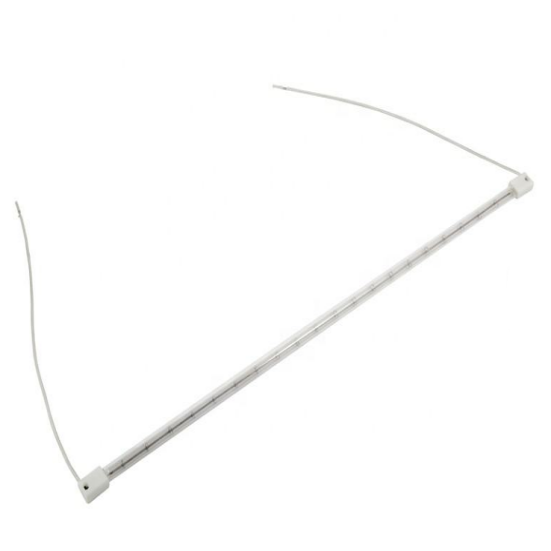
Low Price Infrared Heater Halogen Lamp Supports Customization for Textile Industry
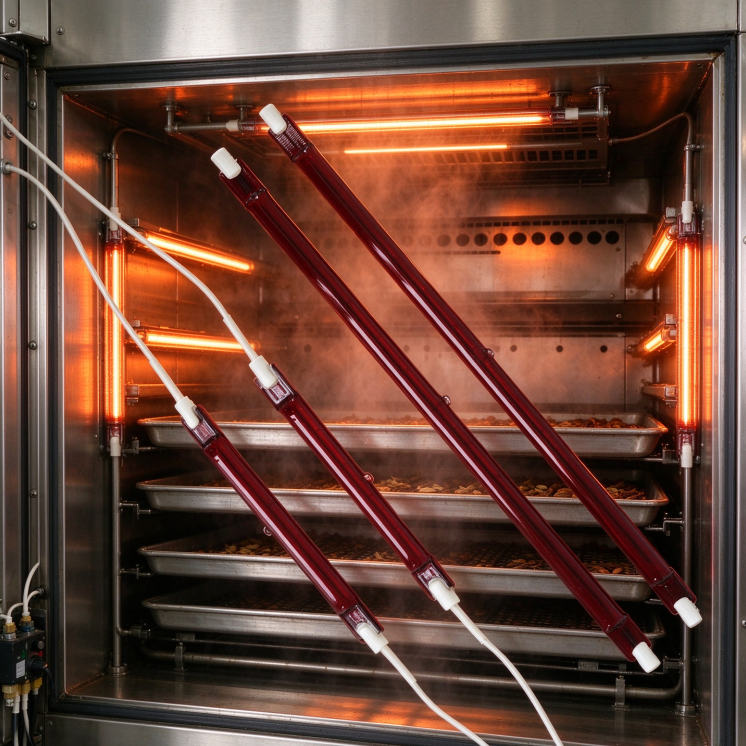
Wholesale Infra Red IR Quartz Glass Infrared Heater Lamp for Infrared Drying Oven
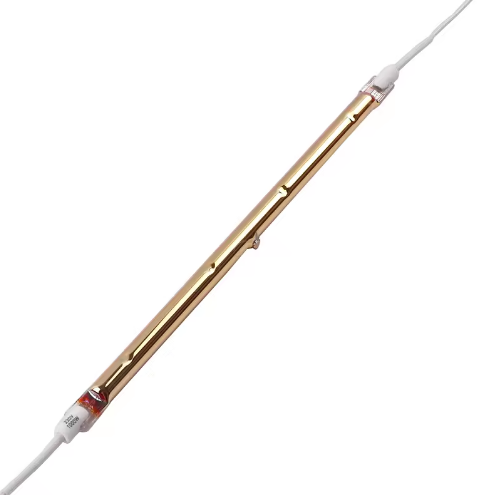
Stable Quality Gold Plated Quartz Infrared Heat Lamps for PET Manufacture
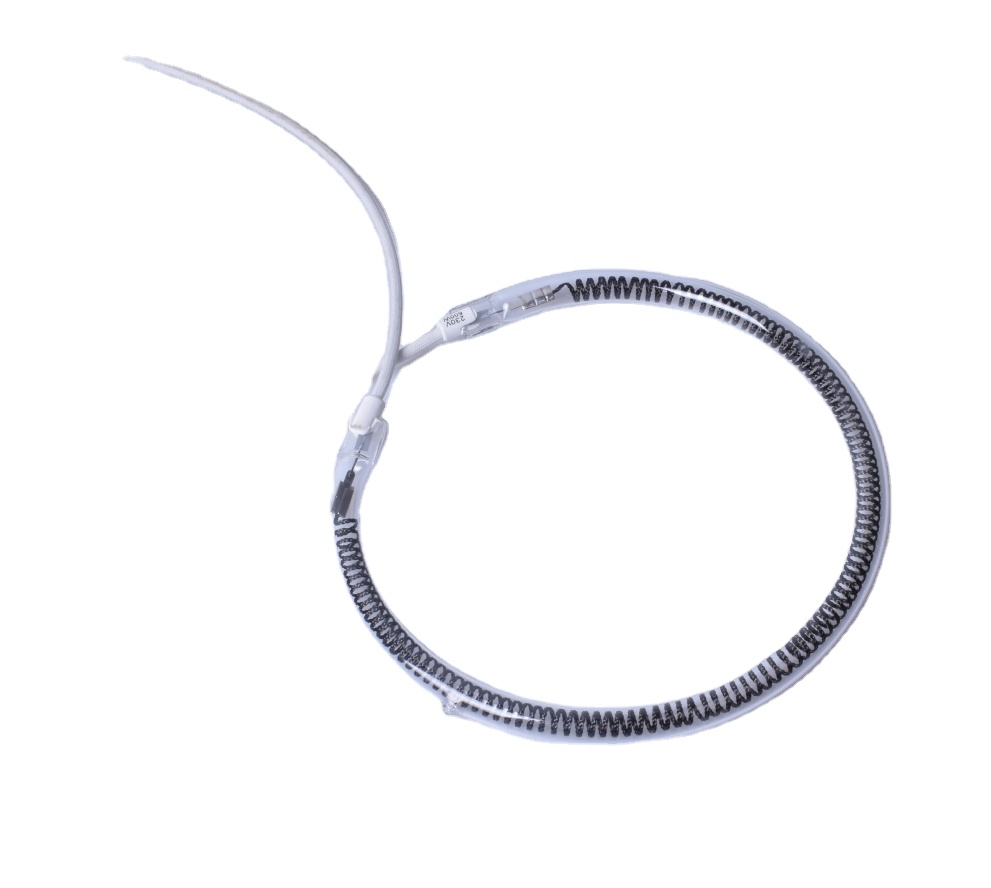
1000W Carbon Fiber Circular Infrared Heat Lamp for PET Blowing Preheating
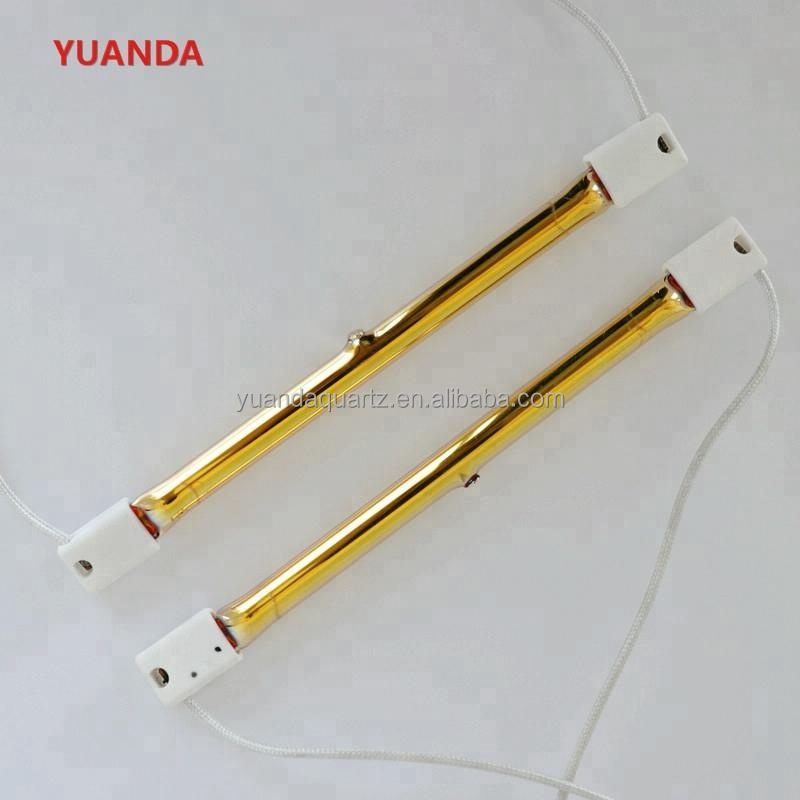
Infrared Heater Halogen Lamp Supports Customization for Drying Systems
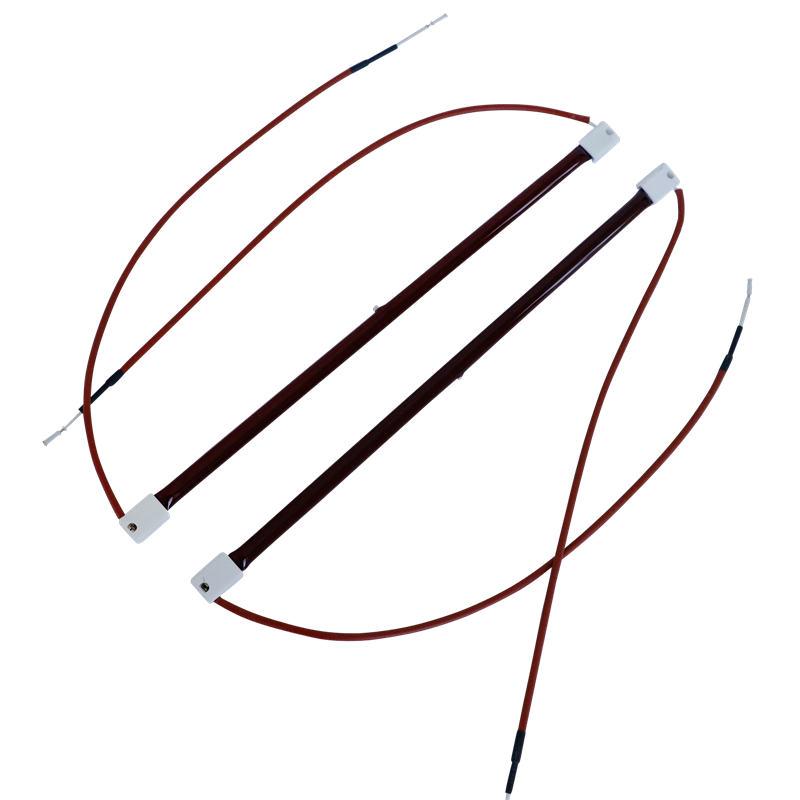
500w 220v High Quality Ruby Infrared Heating Lamp for Poultry Chicken and Duck Farm Heating
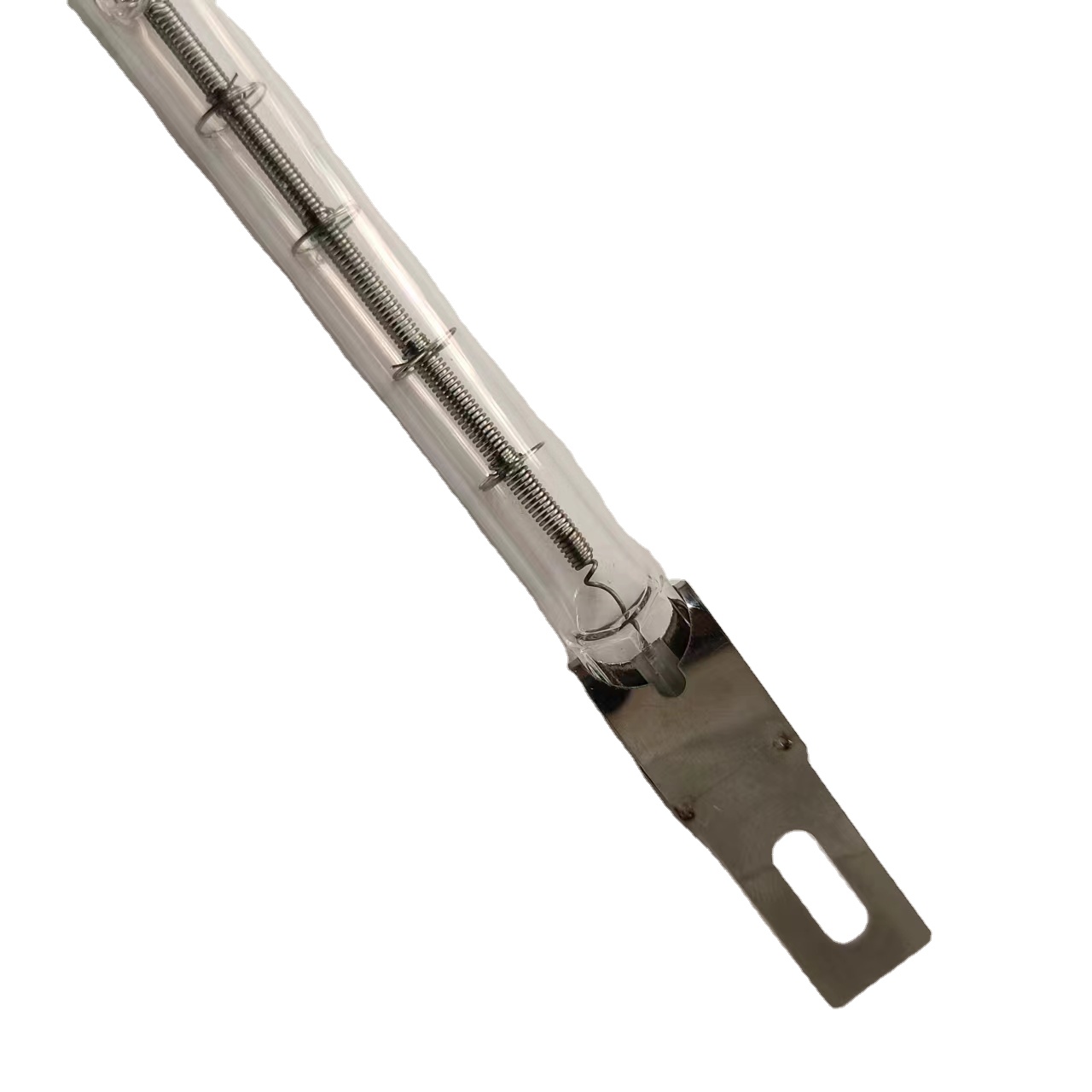
Cheap Wholesale 220V 1000W Quartz Infrared Heat Lamp for Processing Industrial
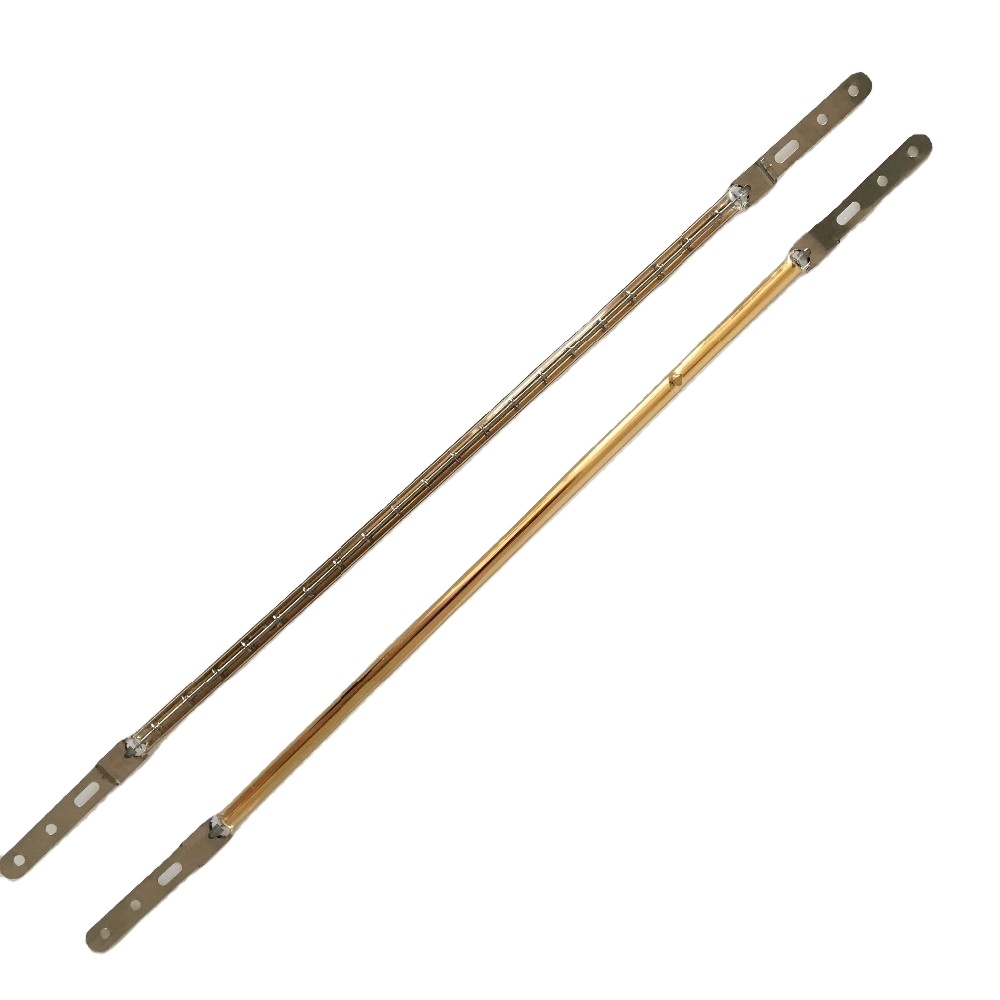
Halogen Quartz Half Gold Infrared Heating Lamps for Flash Dryer Screen Printing
Founded & Onsite-Verified Global Factory
OEM/ODM Laboratory & Industrial Quartzware
Automated Drawing, Sintering & Flameworking
Export Ratio (EU, Americas, East Asia)
Engineering Response & Drawing Quotation
Engineering Pure Vitreous Silica: Why Scientific Facilities in Lviv Rely on Fused Quartz
A rigorous metallurgical, chemical, and thermodynamic evaluation of fused silica apparatus against standard borosilicate 3.3 for analytical laboratories, petrochemical research, and pharmaceutical synthesis.
Thermodynamic Resilience and Devitrification Kinetics
In high-throughput metallurgical digestion, atomic absorption spectroscopy (AAS), inductively coupled plasma mass spectrometry (ICP-MS), and semiconductor CVD epitaxy, ordinary borosilicate glasses fail catastrophically when sustained temperatures exceed 500°C. Borosilicates suffer from flux softening, alkali leaching, and micro-cracking induced by thermal shock. Fused quartz synthesized from natural crystalline silica crystals represents an amorphous single-component glass composed entirely of silicon dioxide (SiO2 ≥ 99.99%). Its near-zero thermal expansion coefficient (approx. 5.5 × 10⁻⁷/K between 20°C and 320°C) gives it unmatched resistance to acute thermal shock: a red-hot quartz crucible heated to 1100°C can be quenched directly into iced water without mechanical fracturing or stress craze generation.
For scientific apparatus operating in Lviv's testing hubs, Kavri Quartz carefully regulates the raw ingot smelting process to keep hydroxyl groups (OH content) below 20 ppm in electrically fused grades, or precisely tailored in gas-fused material. This control prevents high-temperature sagging, bubble nucleation, and unwanted devitrification into cristobalite phases during prolonged isothermal holds between 1050°C and 1150°C.
| Material Class | SiO2 Purity | Max Working Temp (Continuous) | Softening Point | Thermal Expansion Coeff. | Optical Window | Industrial Suitability |
|---|---|---|---|---|---|---|
| Kavri Fused Quartz (Clear) | > 99.99% | 1100 °C – 1150 °C | 1683 °C | 5.5 × 10⁻⁷ / K | 190 nm – 3500 nm (Deep UV to NIR) | Ultra-Critical Labs / CVD |
| Synthetic Fused Silica | > 99.999% | 1150 °C – 1200 °C | 1730 °C | 5.2 × 10⁻⁷ / K | 160 nm – 2500 nm (Deep Excimer UV) | Lithography / Laser Optics |
| Standard Borosilicate 3.3 | ~ 81% | 490 °C – 500 °C | 820 °C | 33 × 10-7 / K | 310 nm – 2200 nm (Near UV Blind) | General Wet Chemistry Only |
| Aluminosilicate Glass | ~ 55-60% | 650 °C | 910 °C | 42 × 10-7 / K | 340 nm – 2500 nm (Limited UV) | High-Pressure Sight Glasses |
High-Purity Quartz Glassware Applications Across Lviv's Key Economic Sectors
Lviv serves as the primary scientific, pharmaceutical, and logistics gateway in Western Ukraine. The rapid modernization of industrial infrastructure demands reliable direct-from-factory procurement of specialized silica apparatus.
Pharmaceutical & Active Substance Synthesis
Lviv's thriving pharmaceutical plants (including production complexes under the Arterium / Halychpharm umbrella and local contract synthesis labs) demand trace-element-free inert reaction vessels. Kavri quartz extraction beakers, distillation columns, and rotary evaporation flasks eliminate heavy metal contamination (B, Al, Ca, Na leaching) that can compromise batch validation in HPLC assays and active pharmaceutical ingredient (API) crystallizations.
University Research & Analytical Testing Centers
Scientific institutions such as Ivan Franko National University of Lviv (Faculty of Chemistry) and Lviv Polytechnic National University require specialized vitreous silica apparatus. These include vacuum sublimation manifolds, micro-cuvettes for UV-spectroscopy, quartz combustion boats for elemental microanalysis (C, H, N, S determinations), and optical windows with minimal wavefront distortion for laser-matter interaction research.
Biochemical Diagnostics & Flow Cytometry
Clinical diagnostic laboratories across Western Ukraine rely on automated biochemistry analyzers. Kavri Quartz engineers precision flow cells (standard 32 µL and custom micro-apertures) featuring optical flame-polished quartz windows. These yield zero autofluorescence and extreme UV transmittance at critical 214 nm – 340 nm enzyme reaction markers, ensuring dependable automated blood chemistry readouts.
Industrial Parks: Sparrow Park & Sigma Park Yarychiv
Lviv's newly expanded industrial zones house manufacturing lines for electronics packaging, automotive wiring harness post-curing, and specialized polymeric coatings. These processes utilize our twin-tube short-wave quartz lamps and fused quartz furnace muffle tubes for rapid infrared thermal annealing and conveyorized drying operations without atmospheric contamination.
Food, Beverage & Agricultural Testing
Western Ukraine's prominent agro-industrial and brewing facilities (including Lvivska Pyvovarnya / Carlsberg Ukraine quality testing labs) conduct high-temperature Kjeldahl protein digestions, ash determinations, and mineral residue analyses. Our high-wall quartz crucibles and Kjeldahl digestion flasks resist boiling sulfuric acid and perchloric acid digestion cocktails without surface etching or weight distortion.
PET Bottle Blowing & Packaging Conversion
Packaging plants in Lviv and surrounding towns like Stryi and Drohobych utilize high-speed PET blow-molding machines. Our star-filament quartz lamps with directional white ceramic and 24K gold reflector backings focus radiant heat directly onto the bottle preform neck and body, saving up to 28% electrical draw compared with unshielded heating coils.
Emerging Trends in Western Ukrainian Laboratory Procurement & Logistics
How laboratory directors and industrial purchasing managers in Lviv Oblast are re-engineering their equipment sourcing routes away from outdated legacy suppliers toward certified direct manufacturers.
1. The Accelerated Phase-Out of Legacy GOST Glassware
Historically, scientific and industrial facilities in Western Ukraine relied heavily on standard glass produced according to Soviet-era GOST 19908-90 standards. While functional for basic thermal handling, older vitreous formulations frequently exhibit excessive bubble counts (Class 3 inclusions), wall thickness variations exceeding ±18%, and trace iron oxide contaminants (>80 ppm Fe) that distort optical absorption readouts below 350 nm. Laboratories throughout Lviv are systematically standardizing on ISO 9001 and DIN EN ISO certified quartzware with certified trace impurity profiles, ensuring repeatable baseline readouts for international peer review and European GMP compliance.
2. Western Ukrainian Logistics Corridors: The Polish Transit Route
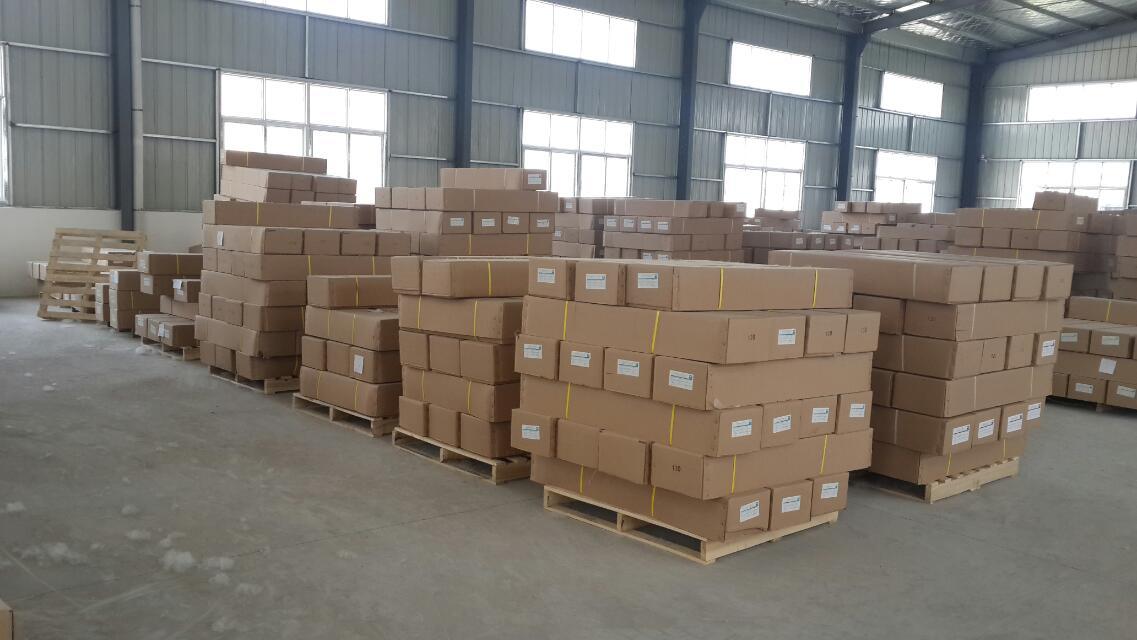
Given the closure of domestic airspace and maritime container blockages at Black Sea ports, Lviv has become Ukraine’s indispensable commercial logistics clearinghouse. Cargoes bound for Western Ukraine travel overland via dedicated European road freight corridors crossing the Polish border checkpoints at Korczowa-Krakovets, Medyka-Shehyni, and Hrebenne-Rava-Ruska. Kavri Quartz provides factory-direct multimodal freight solutions to Lviv transit hubs under FOB, CIF European Port (Gdansk, Gdynia, or Hamburg), and DDP/DAP bonded road transit to Lviv customs terminals. Reinforced suspended-cushion crating with shock-watch indicator labels guarantees zero breakage on fragile quartz test tubes, flow cells, and meter-long quartz diffusion tubes during international cross-docking.
Kavri Quartz: Precision Vitreous Glassworks
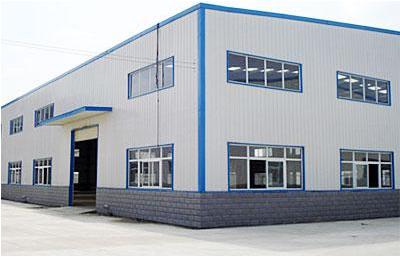
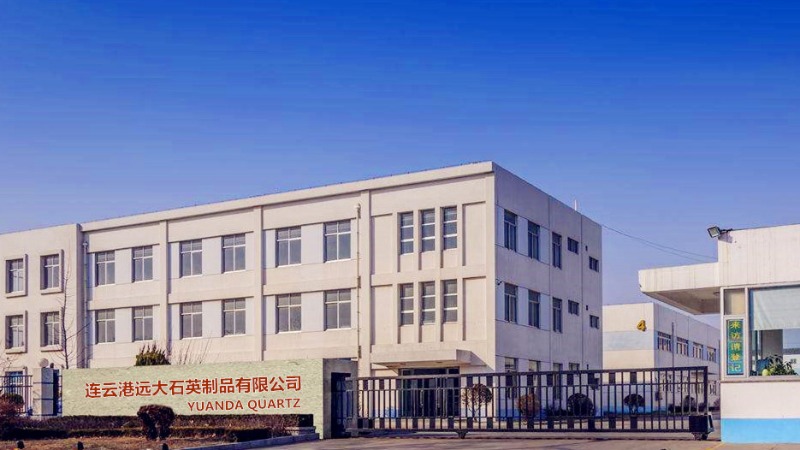
Founded in 2014 in Lianyungang, Jiangsu Province—China's world-renowned quartz raw material hub and crystal processing cluster—Kavri Quartz Product Co., Ltd. operates as an onsite-verified manufacturer delivering premium silica engineering to research and manufacturing clients across Germany, the Netherlands, Japan, South Korea, the United States, and Ukraine.
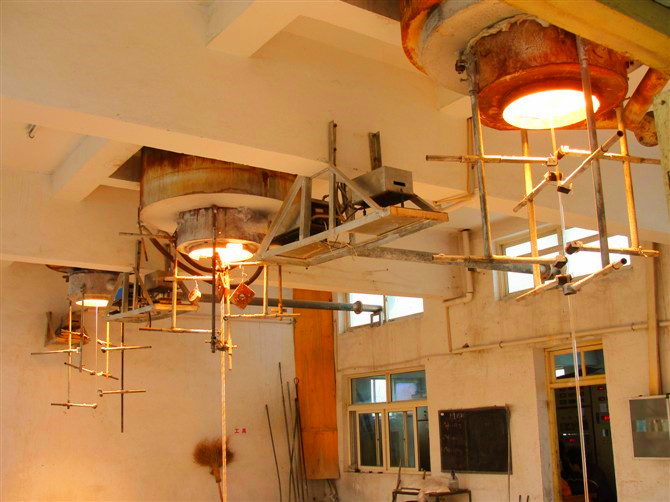
With three in-house modern drawing, flame-working, and vacuum sintering lines, we maintain complete quality control from natural crystalline silicon dioxide lumps down to laser-cut optical cell assemblies.
Frequently Asked Questions: Sourcing Quartzware for Lviv Operations
Direct technical and logistical guidance addressing customs processing, specifications, thermal shock ratings, and customized manufacturing for Ukrainian engineers and procurement officers.
What customs documentation and HS codes apply to quartz glassware arriving in Ukraine?
Quartz laboratory instruments, combustion tubes, and beakers are classified under Ukrainian Customs Commodity Code (UKTZED) 7017 10 00 00 ("Laboratory, hygienic or pharmaceutical glassware, whether or not graduated or calibrated — of fused quartz or other fused silica"). Infrared quartz emitters generally import under 8516 80 20 90 or 8539 49 00 00 depending on assembly. Kavri Quartz provides all commercial invoices, packing lists with net/gross weights, certificates of origin, and material test reports (MTR) required for smooth customs clearance through the Western Regional Customs Office in Lviv.
Can you fabricate non-standard laboratory vessels from engineering sketches or broken parts?
Yes. Custom glassworking represents approximately 65% of our scientific business. If an import replacement from Western Europe has excessive lead times or has been discontinued, you can provide an engineering drawing (.DWG, .STEP, or hand-dimensioned PDF) or send photographs of the existing apparatus. Our flame-working artisans reproduce precise outer diameters, wall thicknesses, ground ball/socket joints (e.g., standard taper ST 14/23, 24/29, 29/32), and optical window orientations with tolerances down to ±0.05 mm.
How does Kavri Quartz protect fragile vitreous silica against breakage during transit to Lviv?
Fragile quartzware requires specialized export packaging. Each piece undergoes individual wrapping in static-free bubble sleeves, followed by nesting in multi-density polyurethane expandable foam inserts inside inner double-wall cartons. Multiple cartons are consolidated into fumigated multi-layer plywood export crates reinforced with steel corner brackets. We affix 3M ShockWatch® impact indicators and TiltWatch® sensors to ensure road carriers handle crates with extreme care along the overland Poland-to-Lviv route.
What is the minimum order quantity (MOQ) for custom laboratory quartz items?
To accommodate university labs, pilot plants, and replacement orders across Lviv, standard test tubes, quartz plates, and crucibles carry a minimal MOQ of just 8 to 10 units. For specialized complex assemblies—such as multi-neck reaction vessels, coiled condensers, or multi-port photolysis wells—we can manufacture evaluation prototypes in quantities as low as 1 to 2 pieces prior to authorizing batch production runs.
What chemical reagents degrade fused quartz in laboratory service?
Fused silica exhibits virtually total chemical inertness against almost all organic and inorganic acids, including hot concentrated nitric acid, aqua regia, sulfuric acid, and hydrochloric acid. The only notable chemical substances that actively attack silica are hydrofluoric acid (HF) at all temperatures, concentrated phosphoric acid (H3PO4) above 150°C, and strongly basic alkaline solutions (e.g., concentrated boiling NaOH or KOH), which dissolve silica via silicate formation. For all other acid digestions, quartz provides unmatched operational longevity.
How do you verify internal strain and optical homogeneity before dispatch?
Every custom fabricated tube, cell, and vessel undergoes thermal annealing cycles at 1150°C to relax residual stress induced by flame-working torches. Annealed items are checked under a cross-polarized polariscope to verify that optical birefringence and stress retardation stay below 10 nm/cm. Flow cells and spectrophotometer windows undergo spectrophotometric baseline scans to guarantee certified transmittance values across deep UV (200 nm–250 nm) wavelengths.
Initiate Your Laboratory Glassware or Thermal Emitter Specification
Whether you require standard crucibles, replacement infrared emitters for industrial ovens, or precision fused quartz vessels custom-blown to your technical drawings, our engineering team in Lianyungang guarantees rapid quote turnaround (≤4h) with dedicated delivery support to Lviv.