High-Performance Quartz Windows & Process Heating Emitters
Engineered to handle severe thermal shock, extreme pressure gradients, and direct thermal curing within demanding production environments.
Technical Specification of Fused Quartz Windows in Pakse’s Tropical Infrastructure
A rigorous review of structural properties, thermodynamic behaviors, and optical performance criteria essential for Southern Laos industrial operations.
As the economic epicenter of Champasak Province, Pakse functions as a strategic bridgehead connecting southern Laos, eastern Thailand, and central Vietnam. The modern industrial landscape around the Pakse-Japan SME SEZ and along National Route 13 has transformed significantly, shifting from traditional primary processing to advanced agro-processing, biomass generation, specialized mineral processing, and automated packaging lines. Operating optical inspection systems, autoclave viewports, boiler chambers, and infrared drying tunnels in this region demands industrial glassware that withstands unique environmental challenges: high ambient relative humidity, pervasive particulate loads from processing, and extreme continuous process temperatures.
Standard soda-lime glass or ordinary borosilicate viewing ports commonly fail under these intensive operating protocols. Catastrophic thermal failures occur not only from internal operational temperatures—which frequently reach between 600°C and 1000°C in Pakse's furnace viewports and high-pressure steam lines—but from severe transient thermal differentials caused by cold CIP washes, sudden power fluctuations, or tropical downpours hitting exterior equipment enclosures. Fused quartz glass windows provide the ultimate engineering solution due to their pure silicon dioxide (SiO₂ > 99.99%) composition, ultra-low thermal expansion rate, and unrivaled spectral transmission breadth.
Thermomechanical Superiority: Fused Silica vs. Alternative Industrial Glasses
The primary advantage of sourcing fused quartz windows from an ISO-standard exporter lies in structural integrity under thermal extremes. Standard borosilicate sight windows fail when process parameters induce thermal gradients exceeding 150°C. In contrast, clear fused quartz maintains continuous performance up to 1100°C, and can endure short-duration temperature excursions reaching 1450°C before softening begins.
| Material Property | High-Purity Fused Quartz Window | Borosilicate Glass (3.3) | Standard Float Glass |
|---|---|---|---|
| Continuous Operational Temp | 1100 °C | 450 °C | 120 °C |
| Short-Term Max Limit | 1450 °C | 500 °C | 150 °C |
| Coefficient of Thermal Expansion | 5.5 × 10⁻⁷ / K | 33 × 10⁻⁷ / K | 85 × 10⁻⁷ / K |
| Thermal Shock Resistance (ΔT) | > 1000 °C (Direct Water Quench) | ~ 150 °C | ~ 50 °C |
| Optical Transmission Bandwidth | 190 nm (Deep UV) to 3500 nm (IR) | 320 nm to 2500 nm | 380 nm to 2000 nm |
| Chemical Attack Resistance | Inert to almost all acids (except HF) | Moderate alkali vulnerability | Vulnerable to strong acids/alkalis |
Because the coefficient of thermal expansion of fused quartz is roughly 1/6th that of borosilicate, a red-hot quartz sight glass window can be quenched in cold water without fracturing. For plant engineers across Pakse managing biomass boilers, rubber drying facilities, or coffee roasting systems, this thermal tolerance eliminates catastrophic shutdowns caused by thermal stress cracking.
Broadband Spectral Transparency: From Deep UV Disinfection to Infrared Processing
Beyond thermal endurance, the optical transparency of fused silica represents an essential parameter for industrial instrumentation in Champasak. Optical window applications fall into three distinct spectral domains:
- Deep Ultraviolet (UV-C Transmission): Employed in water treatment stations and pharmaceutical manufacturing around Pakse, where UV monitoring sensors verify bactericidal wavelength transmission at 254 nm. Ordinary glass blocks this spectrum completely; Kavri quartz windows deliver greater than 90% transmission efficiency.
- Visible Sight Glass Windows: Designed for pressure vessels, distillation columns, and chemical reactors. Optical grade polished quartz provides zero color distortion, bubble-free clarity, and micro-scratch-free surfaces, allowing operators to monitor high-pressure crystallization or boiling dynamics safely.
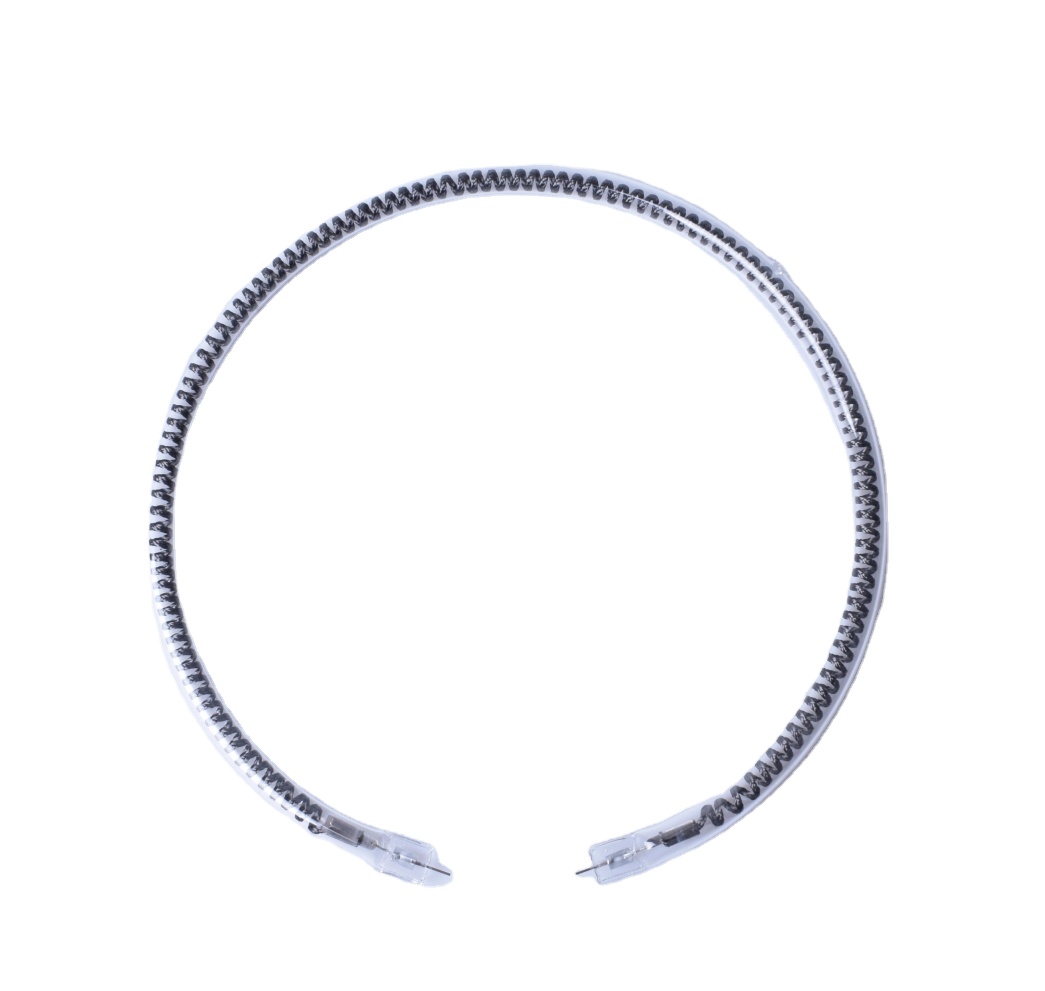
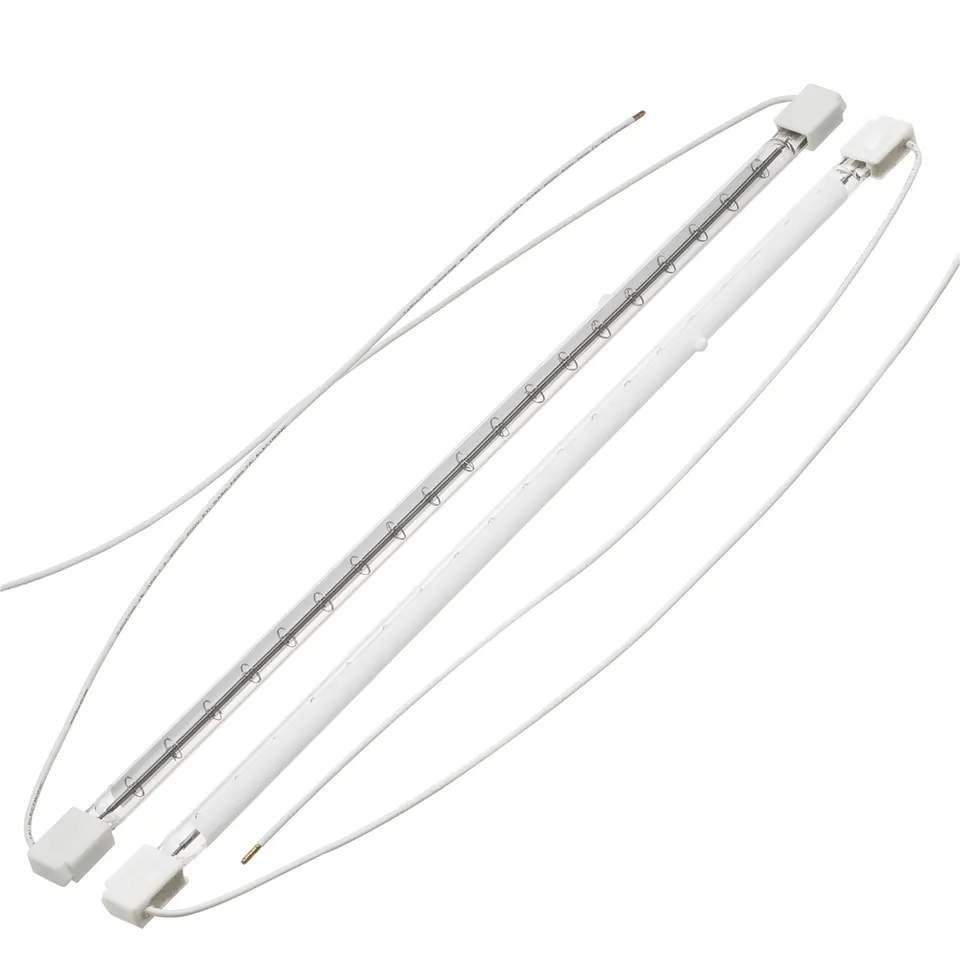
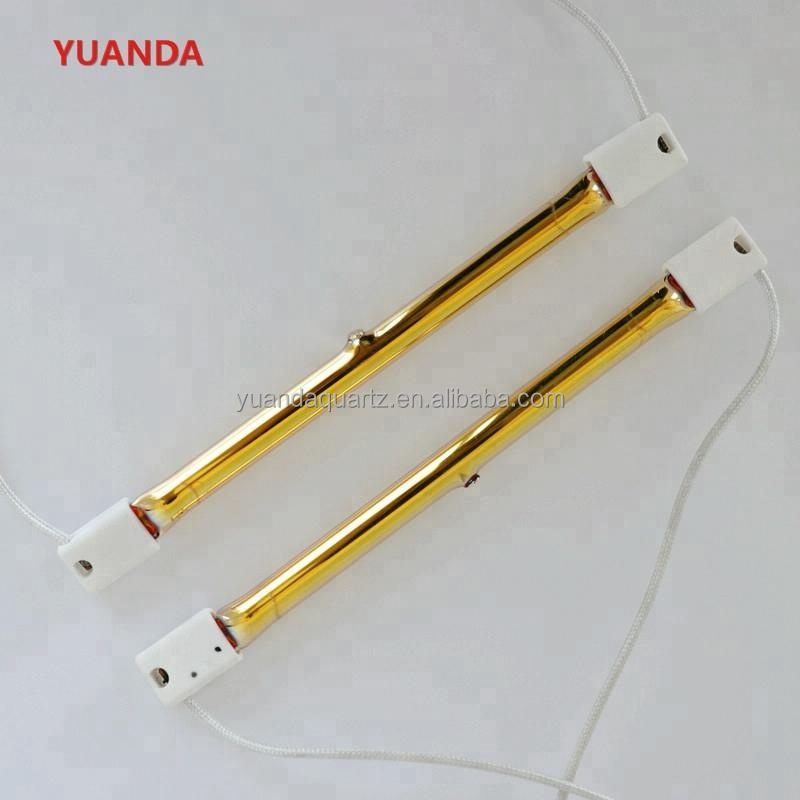
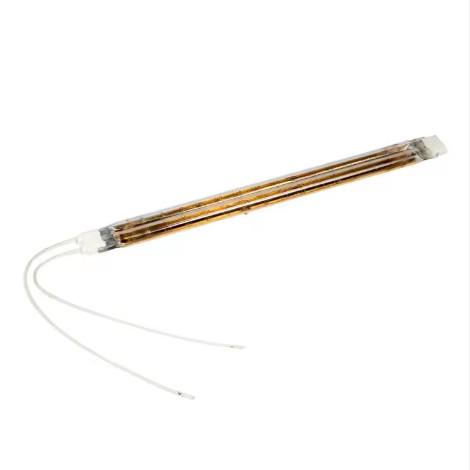
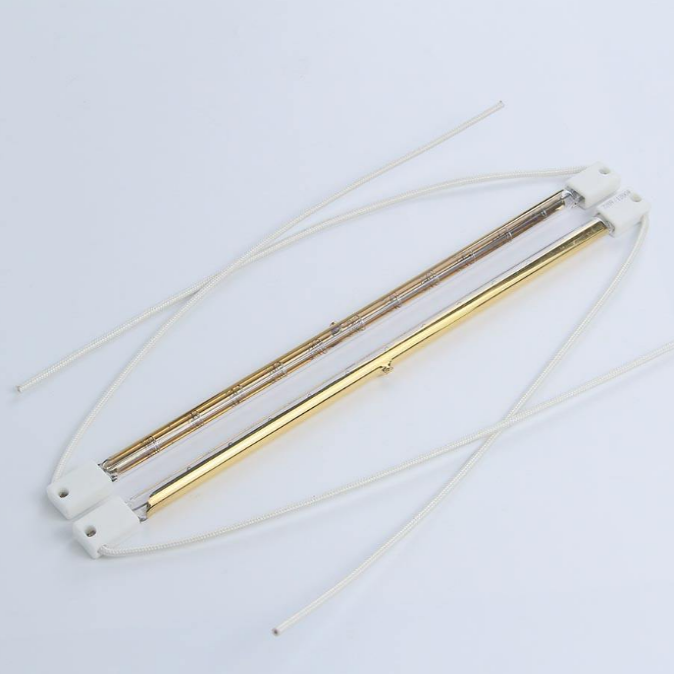
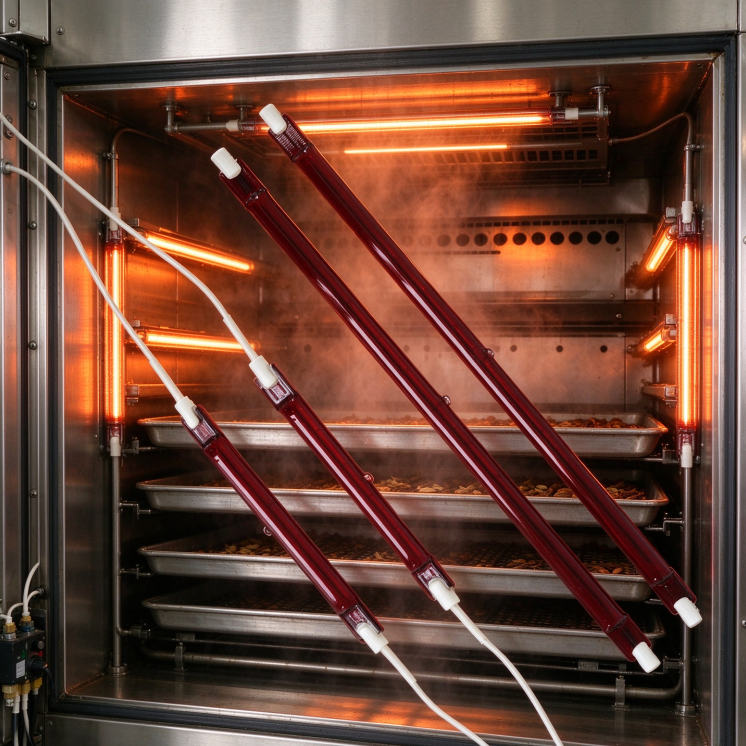
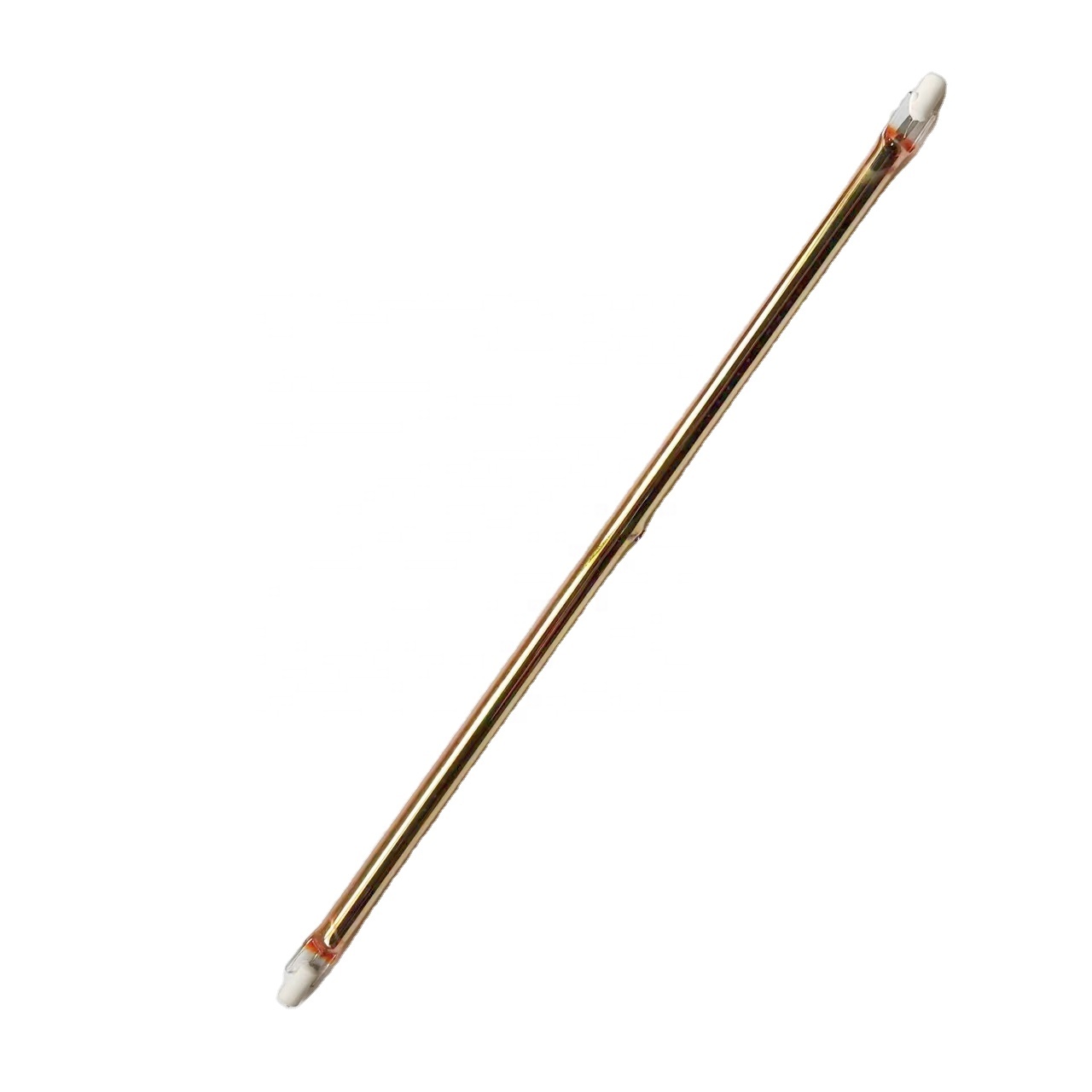
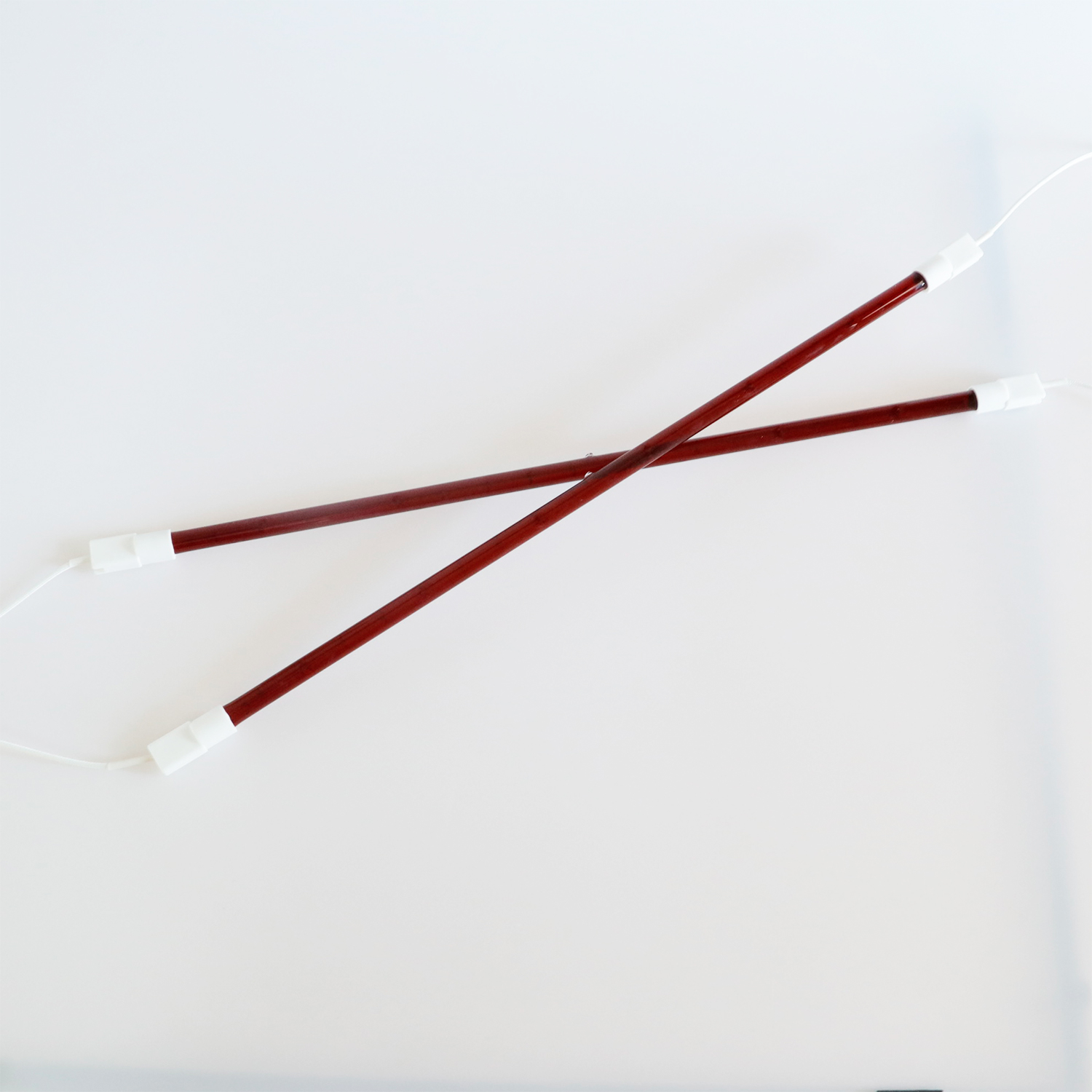
- Near-to-Far Infrared (NIR & FIR Processing): In automated drying, thermoforming, and PET bottle blowing lines, quartz panels act as thermal protective shields that isolate sensitive instrumentation while passing maximum radiation from quartz tungsten-halogen emitters to target workpieces without heat absorption losses.
Localized Applications of Quartz Windows in the Pakse Economy
Addressing the specific operational and process conditions across key manufacturing sectors in Southern Laos.
Bolaven Agro-Processing & Coffee Roasting
Industrial coffee roasting and drying plants operating out of Pakse require high-temperature sight glass viewports to inspect bean roast profiles under intense radiant airflow. Our quartz windows resist roasting gas deposits, withstand thermal fluctuations up to 850°C, and provide a clear, distortion-free view for real-time optical color sensors.
Biomass Energy & Steam Generation
Wood pellet manufacturing, rice husk combustion, and biomass gasification plants along the Mekong corridor use high-pressure sight glasses in their boiler walls. Kavri quartz plates resist fly-ash abrasion, thermal shock from cycling steam output, and acid condensation from flue gases, providing durable boiler safety.
PET Blowing & Beverage Packaging Lines
Southern Laos beverage and mineral water bottling facilities run automated PET blow molding machinery that depends on targeted short-wave IR emitters. Installing protective quartz glass windows between the high-power lamps and the moving preform track prevents preform dust accumulation and protects expensive emitters from bottle ruptures.
Emerging Trends & Supply Chain Modernization in Southern Laos
Evaluating trade corridor dynamics, cross-border logistics routes, and infrastructure upgrades through 2030.
The industrial landscape in Pakse is evolving from labor-intensive manual operations into automated, sensor-driven processing. Three macro trends are directly increasing the regional demand for high-spec fused quartz components and specialty heat elements:
1. Automation and In-Line Quality Control via Machine Vision
Modern export processing plants operating in the Pakse-Japan SME Special Economic Zone and along National Route 13 are adopting automated machine vision for grading agricultural goods, checking beverage fill levels, and verifying packaging seals. Machine vision cameras analyzing goods under short-wave infrared (SWIR) or ultraviolet wavelengths cannot use traditional optical glasses, which absorb these spectral bands. Ultra-pure fused silica windows provide consistent, high-transmittance optical ports that protect sensitive cameras from high ambient factory temperatures while maintaining complete spectral fidelity.
2. Transition to Clean Electric Infrared Radiative Curing
Rising fuel costs and tighter emissions standards are driving industrial plants in Southern Laos to convert older diesel and LPG thermal drying lines into electric infrared heating tunnels. Utilizing high-density tungsten-halogen lamps and carbon fiber medium-wave radiators housed behind protective quartz plates allows processors to direct energy straight into water molecules, paint resins, and textile fibers. This transition cuts process cycle times by 40% to 65% while reducing energy overhead, helping operations achieve high-efficiency production standards.
3. Resilient Cross-Border Logistics and Direct Sourcing from Lianyungang
Procuring specialized quartz components traditionally exposed Lao enterprises to extended lead times and distributor markups through intermediate transit hubs. Kavri Quartz Product Co., Ltd. resolves this supply friction by exporting factory-direct from our manufacturing base in Lianyungang, Jiangsu—the premier quartz processing cluster in China. We support direct multimodal shipping via air freight into Pakse International Airport (PKZ) for urgent line replacements, or consolidated sea-land freight via Bangkok/Laem Chabang Port and the Ubon Ratchathani–Chong Mek border crossing. Every shipment is packaged with multi-layer shock-absorption crating, guaranteed moisture-barrier wrapping, and complete export documentation, eliminating supply chain risk for regional facilities.
Precision Manufacturing & Global Trade Competence
Combining local raw mineral access with specialized glass-forming capabilities to deliver certified optical components.
Donghai Cluster Advantage
Located in Lianyungang, China, we operate right in Donghai, the world’s leading crystal and fused quartz processing hub. This provides direct access to high-purity natural silica sand and experienced quartz glass technicians.
≤ 4h Response & Rapid Sampling
Our engineering desk reviews technical drawings, dimensional tolerances, and custom heating requests within 4 hours. Prototypes are produced on dedicated lines to minimize testing lead times.
Full Batch Quality Verification
Every piece of quartz plate, sight disc, tube, and assembled IR emitter is checked for dimensional accuracy, edge chamfering, filament alignment, and optical clarity. Full testing reports are provided prior to export packing.
81%–90% Export Volume
Operating since 2014, we export between 81% and 90% of our total volume internationally, serving clients across Germany, the Netherlands, Japan, Korea, the USA, and key Southeast Asian industrial markets.
Frequently Asked Questions by Industrial Buyers in Pakse
Practical answers on import procedures, technical specifications, and custom OEM manufacturing.
Upgrade Your Process Thermal Optics Today
Connect directly with our engineering team to review sight glass specifications, request custom quartz plate samples, or match legacy infrared emitters for your production line in Pakse.
Contact Us