Engineered Quartz Piping & Infrared Process Emitters
Precision-fabricated from premium fused silica feedstock in the Donghai quartz cluster. Designed to meet stringent German DIN ISO tolerances for thermal resilience, chemical inertness, and spectral transmission.
High-Purity Quartz Glass Pipes in the Greater Munich Metropolitan Area
An in-depth metallurgical and optical assessment for Bavarian machine builders, cleanroom operators, and thermal processing facilities.
The Munich metropolitan area, anchored by the high-tech clusters in Garching, Martinsried, Freising, and the extended Bavarian industrial network, represents Europe's most exacting consumer base for technical quartz glass ware. From extreme ultraviolet (EUV) optical lithography sub-assemblies to chemical vapor deposition (CVD) process tubes and automotive infrared paint polymerisation ovens, industrial components operating in this market must strictly adhere to German mechanical integrity norms (such as DIN ISO 2768-m) and European environmental frameworks (RoHS, REACH).
As an established Chinese quartz pipe and IR emitter manufacturer operating from the Donghai mineral corridor in Lianyungang, Kavri Quartz bridges factory-direct cost efficiencies with the uncompromising quality benchmarks expected by German plant engineers (*Diplom-Ingenieure*). The molecular stability of synthetic and electric-fused quartz glass (vitreous silica) enables structural integrity in environments where conventional borosilicate 3.3 glass fails catastrophically due to thermal softening, chemical leaching, or devitrification.
Critical Application Scenarios across Upper Bavaria's Leading Sectors
Our quartz pipes, reaction vessels, and infrared emitters are engineered directly for high-stress applications found within Munich's specialized manufacturing corridors:
Semiconductors & Microelectronics
Diffusion furnace liners, wafer carrier boats, and Rapid Thermal Processing (RTP) process tubes for fab lines in Munich-East and Garching. Low hydroxyl ([OH-] < 5 ppm) prevents trace contamination.
Laser & Photonics Infrastructure
Cooling water jackets, flashlamp sleeves, and precision optical guide pipes engineered for solid-state and fiber laser fabricators exhibiting high transmission from 185 nm deep-UV to 3500 nm NIR.
Biopharma & Martinsried Life Sciences
Continuous flow photochemistry reactors, high-precision UV digestion cells, and bio-reactor sight tubes requiring chemical inertness to withstand hot mineral acids (except hydrofluoric) and steam autoclaving.
Automotive & E-Mobility Assembly
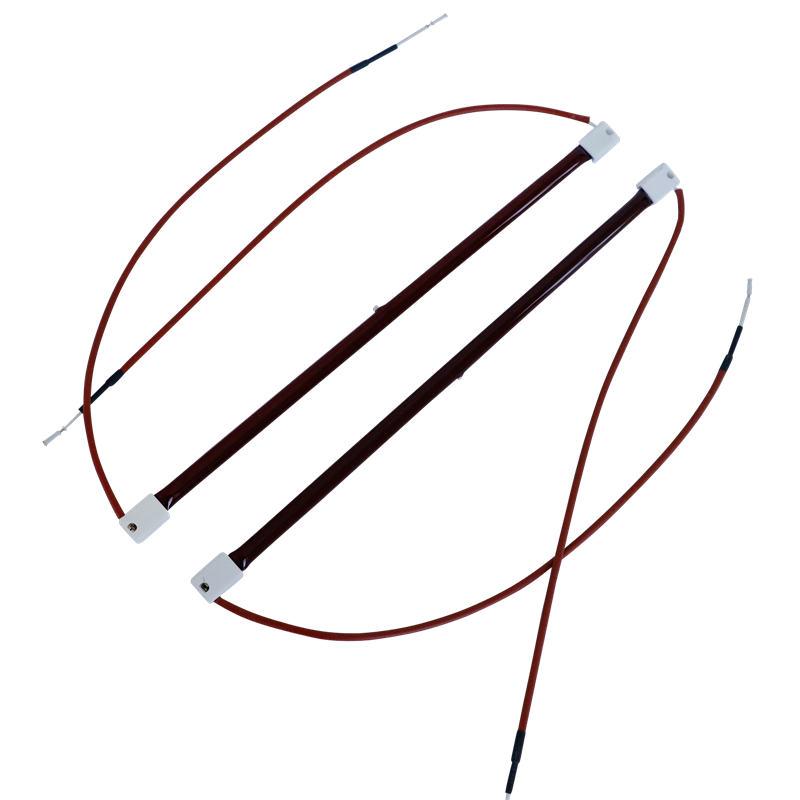
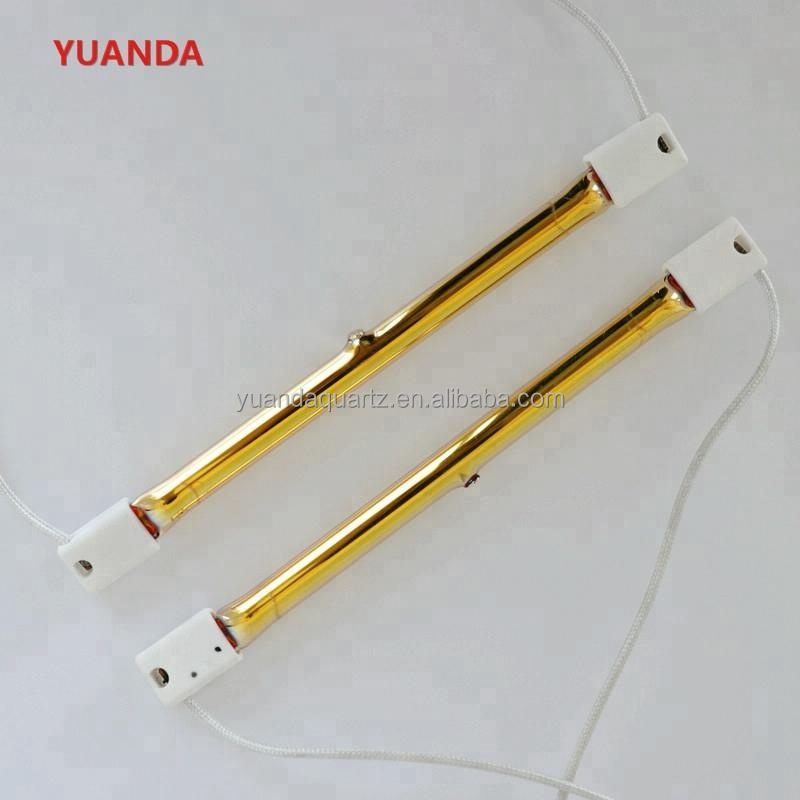
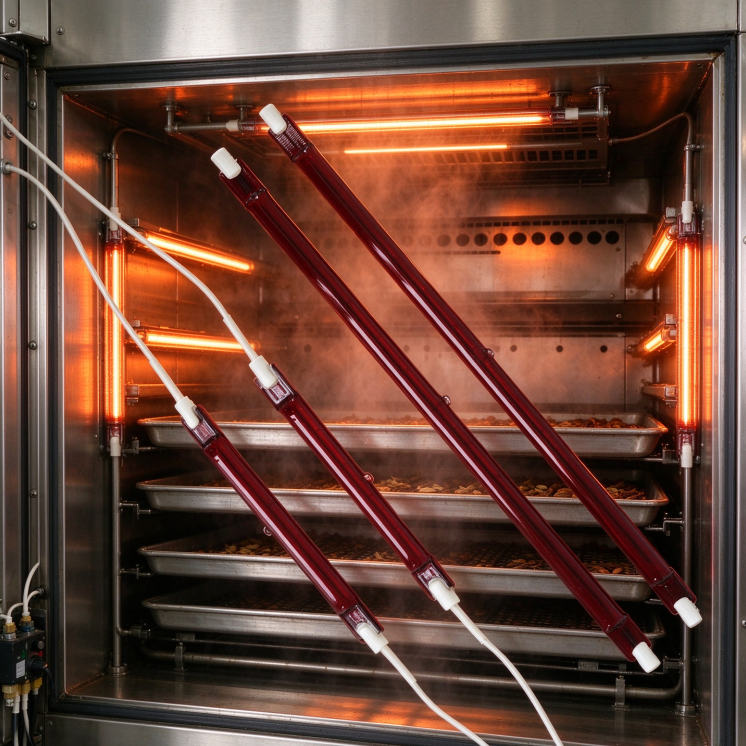
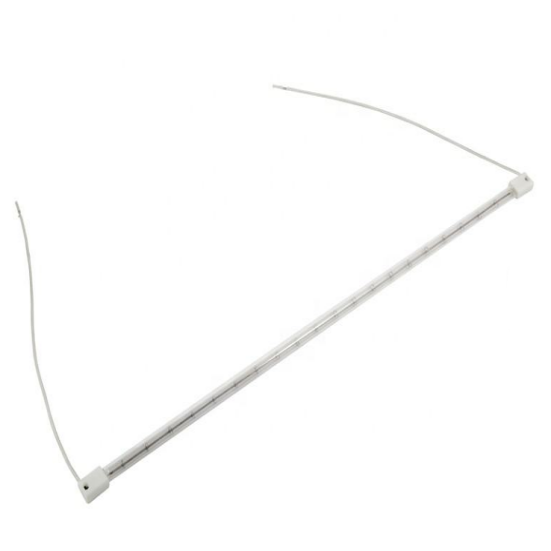
Twin-tube short-wave and medium-wave carbon IR drying modules utilized in BMW supplier networks for preform thermoforming, lithium-ion battery electrode slurry drying, and clearcoat crosslinking.
Technical Material Specifications: Fused Silica vs. Alternative Industrial Glasses
Selecting quartz glass pipes over standard borosilicate or aluminosilicate glasses is primarily dictated by extreme operating temperatures and thermal shock thresholds. The table below delineates key operational parameters benchmarked against standard industrial requirements:
| Physical / Thermal Property | Kavri Fused Quartz Pipe (Electric Melt) | Synthetic Fused Silica (VAD/CVD) | Standard Borosilicate 3.3 |
|---|---|---|---|
| Silica Purity (SiO₂ Content) | ≥ 99.99% (Donghai Natural Feedstock) | ≥ 99.9999% (Chlorosilane Precursor) | ~ 81% (Contains B₂O₃, Na₂O, Al₂O₃) |
| Coefficient of Thermal Expansion (20–320°C) | 5.5 × 10⁻⁷ / K | 5.2 × 10⁻⁷ / K | 32.5 × 10⁻⁷ / K (~6x higher expansion) |
| Maximum Continuous Operating Temp | 1,100 °C | 1,150 °C | 450 °C |
| Softening Point | 1,683 °C | 1,730 °C | 820 °C |
| Thermal Shock Resistance (ΔT Rapid Quench) | > 1,000 °C directly into cold water without rupture | > 1,100 °C directly into cold water | ~ 150 °C safe thermal shock differential |
| Standard Hydroxyl Content ([OH⁻]) | < 15 – 30 ppm (Dehydroxylated options < 5 ppm) | < 1 ppm (Dry) to 1,200 ppm (Wet optical) | Not applicable (High network modifiers) |
| Dielectric Breakdown Strength (at 20°C) | 25 – 40 kV / mm | 40 – 50 kV / mm | 15 – 20 kV / mm |
For industrial furnace manufacturers in Bavaria configuring vertical or horizontal tube reactors, our electric-melt quartz pipes present virtually zero bubble inclusion (Class A ISO standard), extreme dimensional circularity, and tight wall thickness tolerances within ±0.15 mm.
Munich Industrial Trends & Quartz Glass Demands
Key procurement forces transforming how Bavarian system integrators and OEMs source specialty glass.
Gas-to-Electric IR Heating Conversion
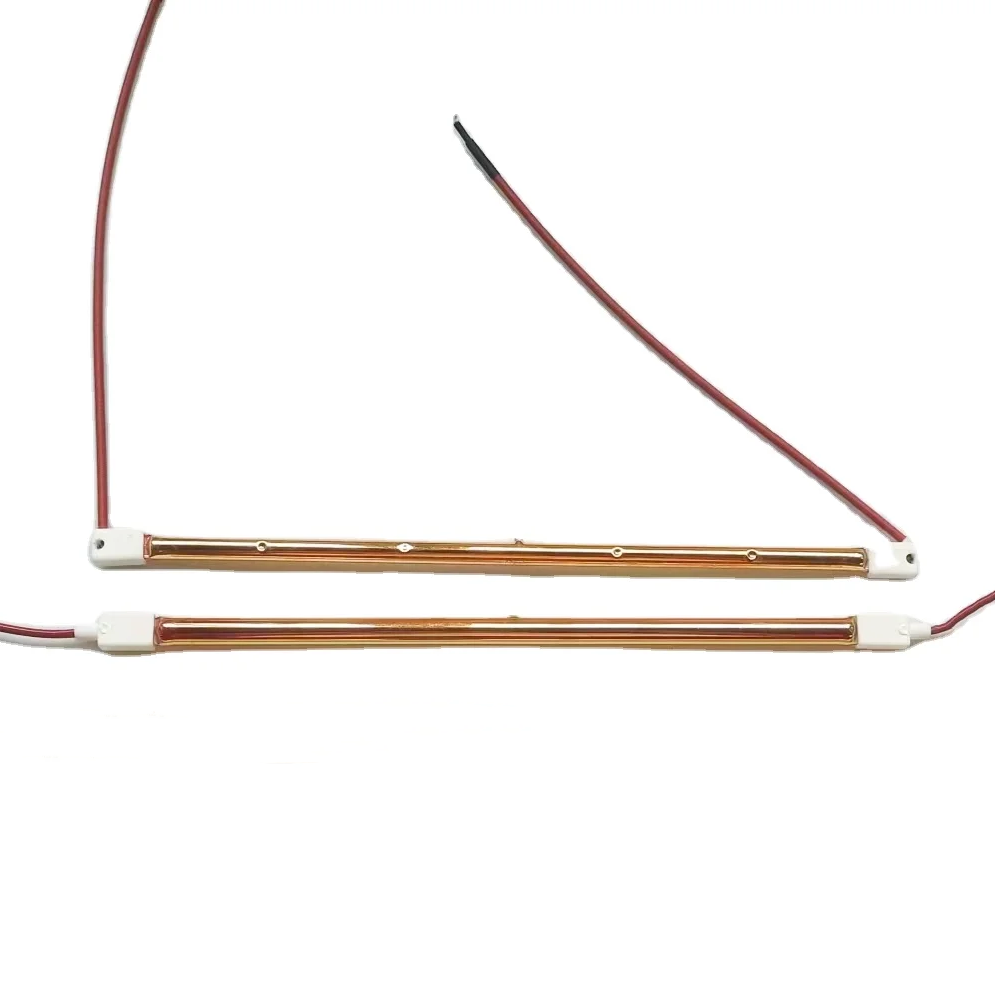
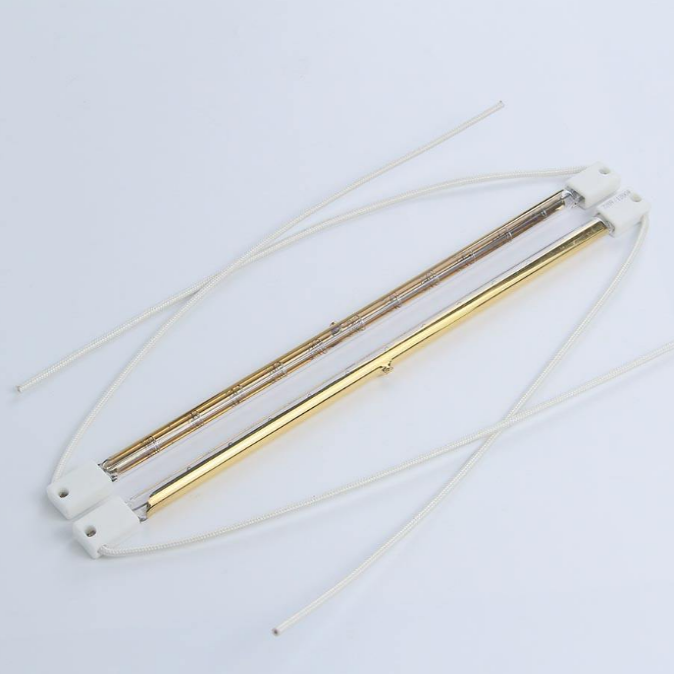
Faced with high natural gas energy volatility in Germany and strict EU carbon taxonomy guidelines, Bavarian automotive coaters, food processing plants, and paper convertors are dismantling legacy gas-convection tunnels in favor of precision short-wave halogen and medium-wave carbon IR emitter modules. Fused silica pipes with selective directional reflectors (24K gold and white ceramic backings) focus over 90% of radiative energy onto the substrate, shrinking plant floor footprints by up to 60% and trimming net electrical energy demands by 35%.
Semiconductor Fab Onshoring Surge
With massive semiconductor investment flowing into Southern Germany and the broader DACH region, Tier-2 and Tier-3 equipment manufacturers in Garching and Unterföhring require scalable, high-purity quartzware supply chains. Reaction chambers, bubbling tubes, and etching apparatuses manufactured from low-alkali fused silica are crucial to prevent catastrophic ionic cross-contamination (such as trace sodium, potassium, and iron migrations) during advanced sub-7nm photolithography and vapor phase dopant annealing.
Direct OEM/ODM Sourcing Bypassing Middlemen
Procurement teams at mid-sized German family-owned machinery enterprises (*der Mittelstand*) are increasingly bypassing expensive European commercial trading houses. By partnering directly with audited Chinese primary producers offering DIN ISO drawing compliance, material certificates (EN 10204 3.1), and local customs clearances via Munich Airport (MUC), Bavarian purchasers achieve a 30% to 50% cost advantage on replacement emitter tubes and custom laboratory quartz pipelines.
Why Bavarian Engineers Rely on Kavri Quartz
Direct manufacturing superiority rooted in China's quartz capital, refined through ten years of European export standards.
Donghai Feedstock Purity
Situated in Lianyungang, Jiangsu, directly connected to the Donghai silica basin—the world's densest quartz processing hub. Direct access to premium raw silica ensures rock-bottom material costs, zero synthetic precursor shortages, and SiO₂ purity testing up to 99.995%.
Bespoke Blueprint Precision
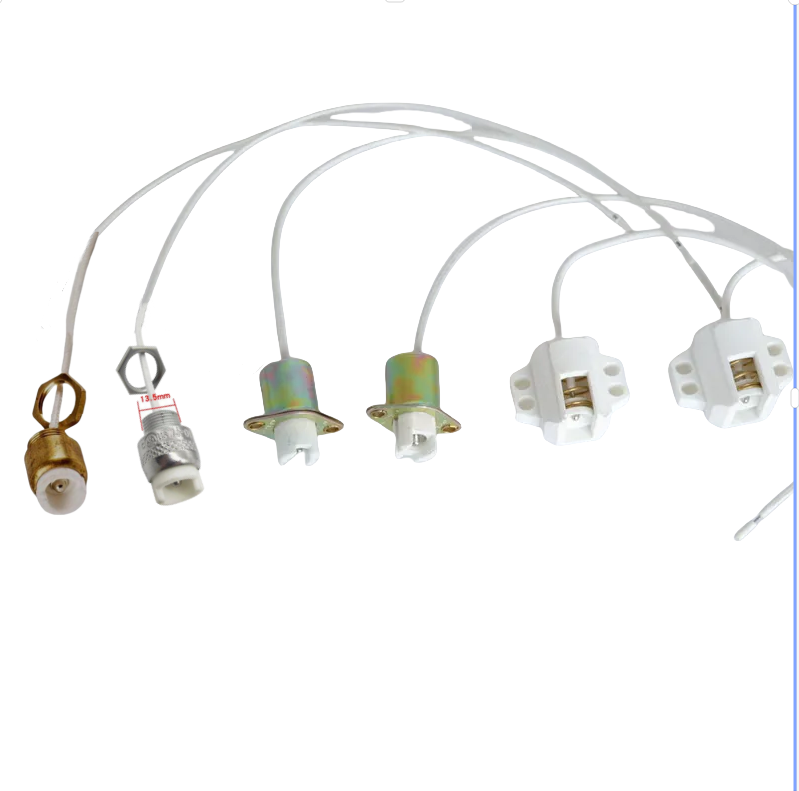
Over a decade of dedicated OEM/ODM manufacturing. We produce complex quartz glass pipe geometries, spiral condensation coils, ground joint sockets, quartz flanges (KF/ISO), and custom filament lead orientations from your 2D/3D CAD drawings (STEP, DXF, PDF).
3 Automated Production Lines
Operates three state-of-the-art lines for continuous tube drawing, CNC diamond grinding, flame fire-polishing, and cleanroom vacuum sealing. Annual throughput exceeding US$2.5M guarantees seamless continuity for both prototype sampling and full containerload exports.
Rapid German Desk Response
We operate with a guaranteed response window of ≤ 4 hours for technical inquiries, RFQs, and engineering validations. Our team provides comprehensive DDP Munich airport delivery, reinforced wooden export packaging, and replacement guarantees against in-transit breakage.
Munich Buyer & Engineering FAQ
Answers to critical regulatory, logistics, and technical specifications for sourcing quartz pipes from China into Germany.
What customs documentation and tariffs apply to importing quartz pipes into Munich, Germany?
How do you manage fragility, vibration, and thermal shock during international transit to Bavaria?
Can your quartz pipes be manufactured to German standard DIN ISO 2768-m tolerances?
What is the hydroxyl ([OH-]) level in your quartz, and why does it matter for Munich optics and heating systems?
What are your minimum order quantities (MOQ) and lead times for prototype or replacement batches?
How do you handle CE, RoHS, and electrical safety compliance for IR halogen heating assemblies?
Accelerate Your Bavarian Thermal & Optical Systems
Whether you need urgent replacement infrared emitter pipes for an automotive drying line or custom high-purity quartz tubing for semiconductor wafer processing in Munich, our engineering team will review your specifications, technical drawings, or physical samples and provide a detailed quotation within 4 hours.
Send an Inquiry