High-Performance Quartz Glass Pipes & Precision Infrared Emitters
Direct from our verified Lianyungang manufacturing cluster: high-purity SiO2 quartz tubing, custom dimensional sleeves, and heavy-duty infrared emitters designed for rigorous thermal stability up to 1,100°C.
Precision Fused Quartz Pipe Engineering: Structural Integrity for Extreme Environments
In modern industrial thermal operations, standard borosilicate or soda-lime glass tubing fails catastrophically under extreme thermodynamic gradients. As a premier direct quartz glass pipe manufacturer serving industrial operations in Guatemala City (Ciudad de Guatemala), our precision-drawn fused quartz pipes are produced using electrical and oxy-hydrogen flame-fusion methods in Donghai, Lianyungang. The fundamental structural distinction lies in the molecular matrix: pure amorphous silicon dioxide ($SiO_2$) produces a network of extraordinarily low thermal expansion ($\alpha = 5.5 \times 10^{-7} / K$ from 20°C to 320°C). This characteristic allows a red-hot quartz pipe heated to over 1,000°C to be plunged directly into freezing water without structural failure, thermal fracture, or micro-cracking.
Industrial procurement teams spanning the metropolitan industrial sectors of Mixco, Villa Nueva, Amatitlán, and Zona 12 require quartz pipes that satisfy rigorous mechanical, thermal, and optical tolerances. Whether used as chemical reactor tubes, furnace process envelopes, pyrometric sight glasses, or envelopes for short-wave tungsten halogen emitters, every quartz pipe batch undergoes stringent verification for hydroxyl concentration (OH content < 20 ppm in electrically fused variants for high-temperature stability) and bubble classification (conforming to DIN 58927 standards). With an internal strain point of 1,070°C and an annealing point of 1,180°C, our quartz pipelines and process chambers provide Guatemalan processing plants with unmatched service life and process repeatability.
| Physical / Chemical Property | Electrically Fused Quartz Pipe | Flame-Fused Quartz Tubing | Industrial Borosilicate Glass (Reference) |
|---|---|---|---|
| Purity ($SiO_2$ Content) | > 99.99% | > 99.95% | ~ 80 - 81% |
| Thermal Expansion (20-300°C) | $5.5 \times 10^{-7} \text{ K}^{-1}$ | $5.4 \times 10^{-7} \text{ K}^{-1}$ | $33 \times 10^{-7} \text{ K}^{-1}$ (6x higher) |
| Max Working Temperature (Long Term) | 1,100 °C | 1,050 °C | ~ 450 °C |
| Softening Point | 1,683 °C | 1,665 °C | 820 °C |
| Optical Transmission Range | 260 nm - 2,500 nm | 220 nm - 3,500 nm | 350 nm - 2,200 nm |
| Dielectric Strength (20°C) | $25 - 40 \text{ kV/mm}$ | $25 - 35 \text{ kV/mm}$ | $10 - 15 \text{ kV/mm}$ |
Localized Industrial Application Scenarios in Guatemala
From the bustling maquila corridors of Villa Nueva to the sugar refining hubs of the Pacific coastal slope, our quartz pipes and emitters solve vital thermal and analytical challenges across Guatemala's industrial landscape.
Textile Maquilas & Screen Printing in Mixco & Zona 12
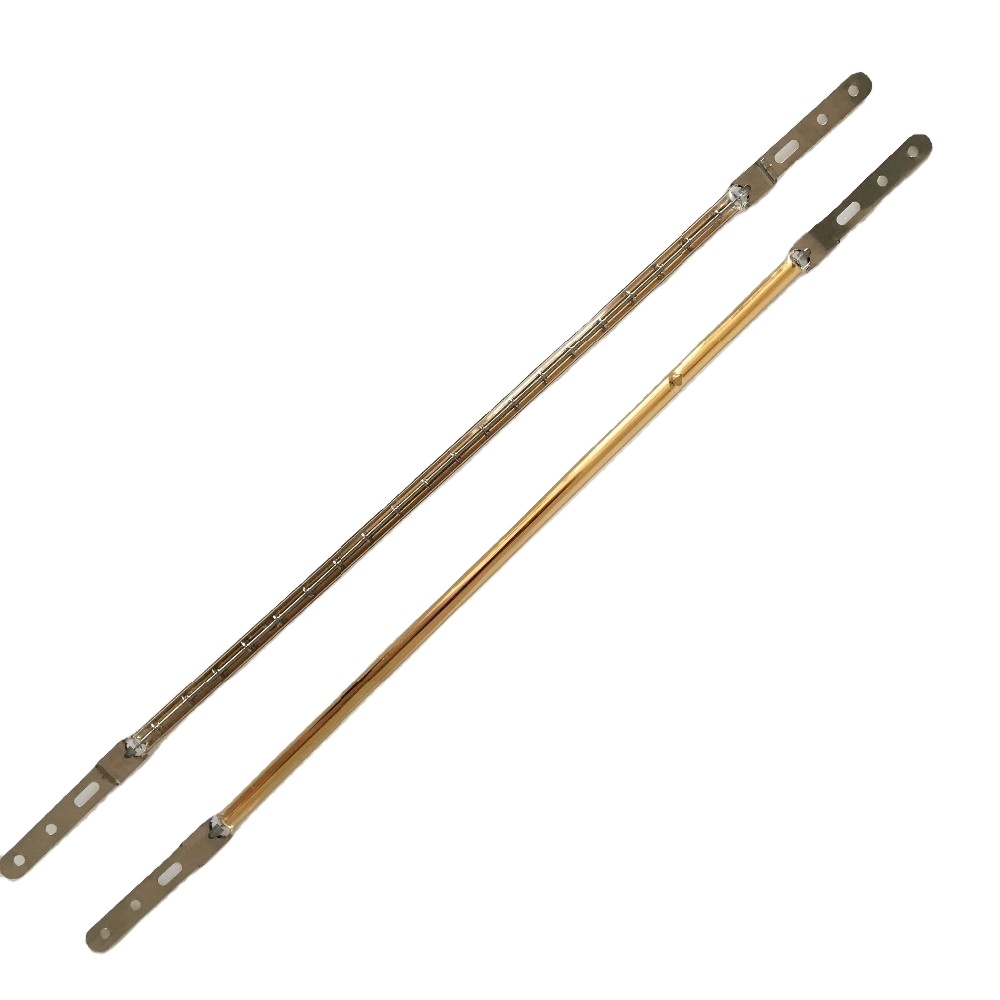
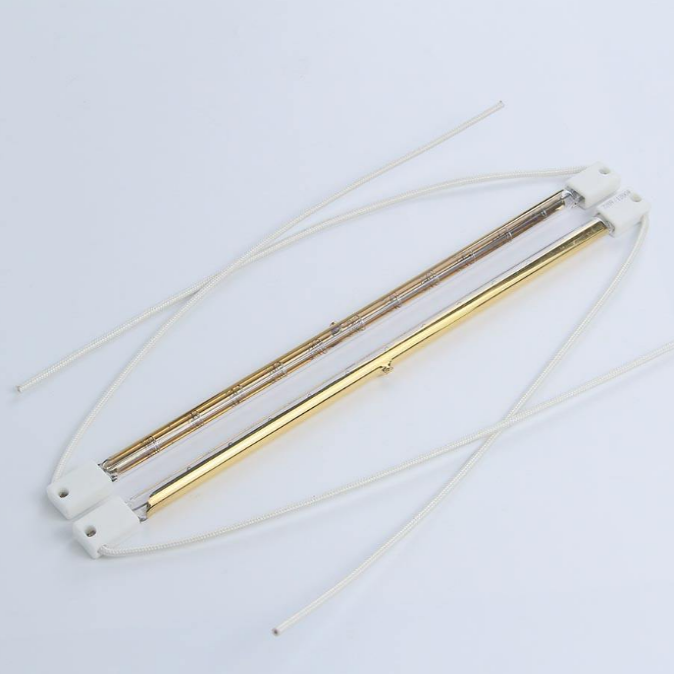
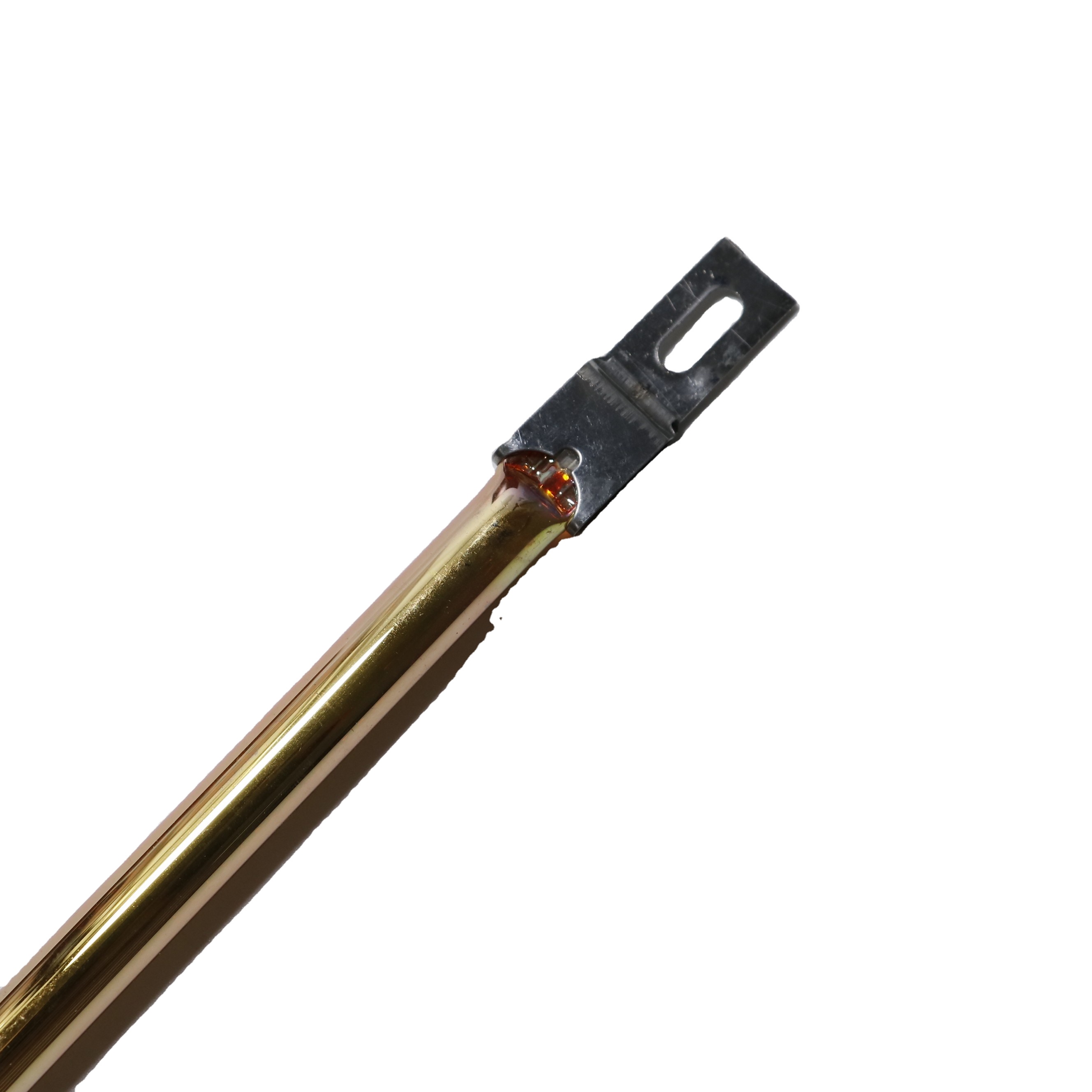
Guatemala's apparel manufacturing sector operates under demanding export schedules for international brands under CAFTA-DR. Our gold-coated quartz infrared heating tubes supply instant radiant thermal flux in flash dryers and conveyored curing tunnels. The directional gold barrier focuses 98% of thermal energy onto plastisol and water-based inks without overheating ambient garment fibers, cutting cycle times and eliminating energy losses in high-throughput textile mills.
Beverage & PET Blow Molding in Amatitlán
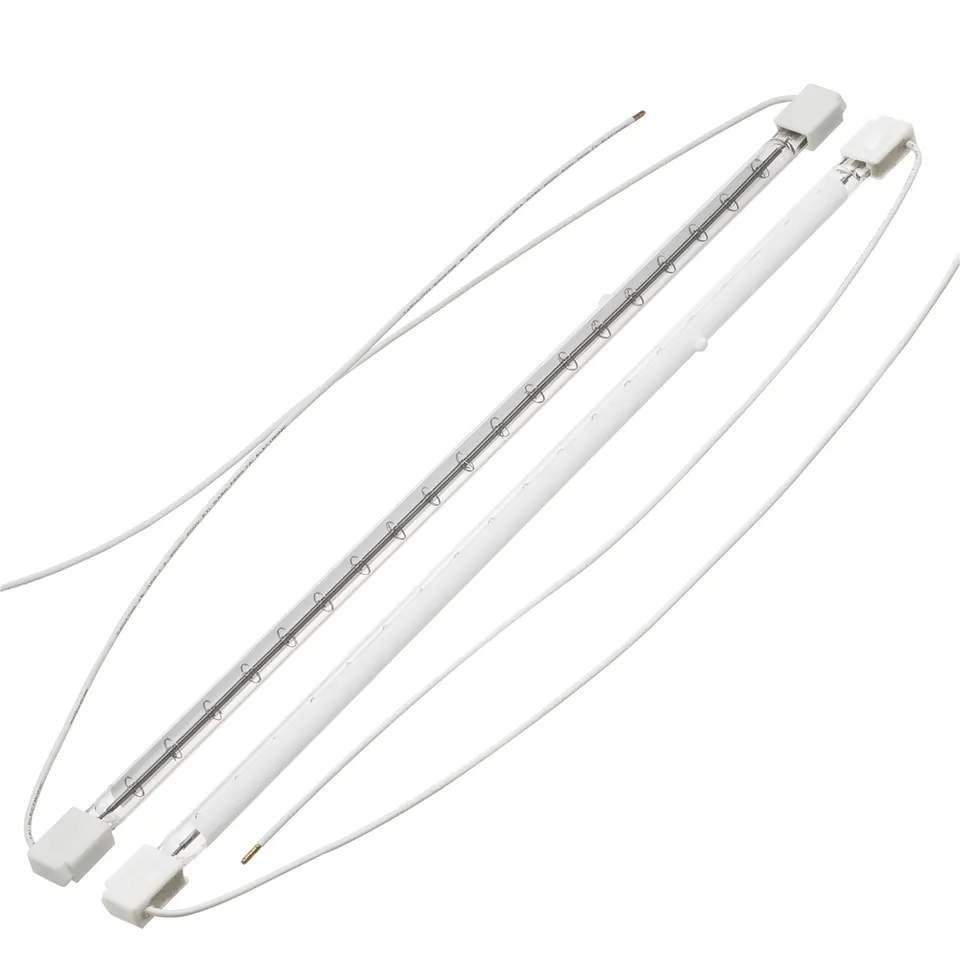
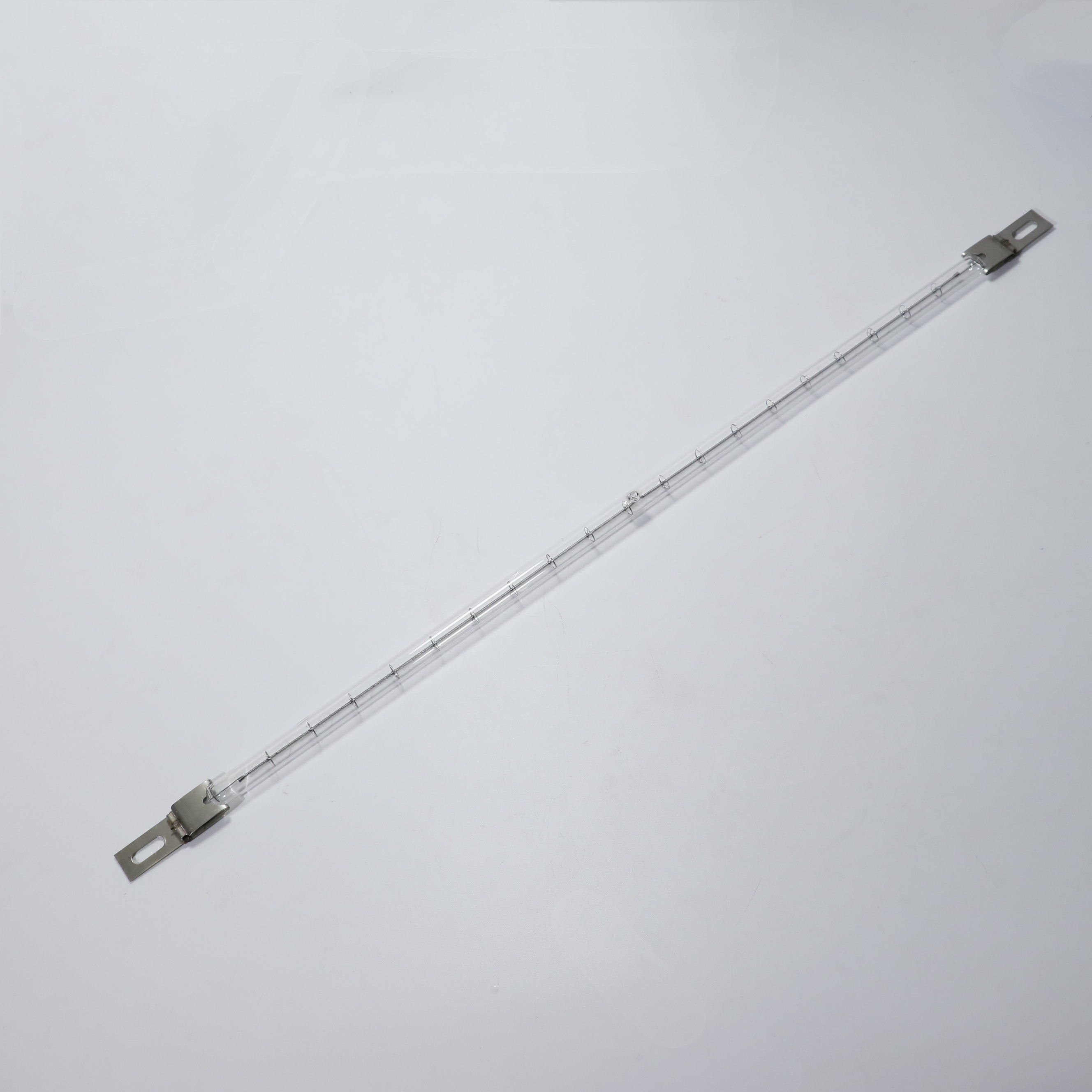
The southern metropolitan manufacturing corridor of Amatitlán hosts massive beverage bottling facilities. Reheating heavy PET preforms requires precise short-wave penetration to achieve uniform wall elasticity before blow molding. Our custom twin-tube quartz emitters with ceramic half-white coatings deliver balanced core thermal distribution, minimizing preform reject rates caused by thermal under-penetration or outer surface scorching.
Sugar Mills & Agro-Industrial Processing in Escuintla
While processed in the coastal Escuintla and Santa Lucía Cotzumalguapa basins, corporate logistics and procurement for Guatemala's premier sugar refineries (*ingenios*) originate in Guatemala City. Heavy-duty transparent quartz pipes serve as observation sight-glasses, liquid-level boiler tubes, and pyrometry envelopes in high-pressure biomass boilers, resisting violent vapor condensation, sulfuric scaling, and thermal cycling up to 900°C.
Pharmaceutical & Clinical Analysis Laboratories
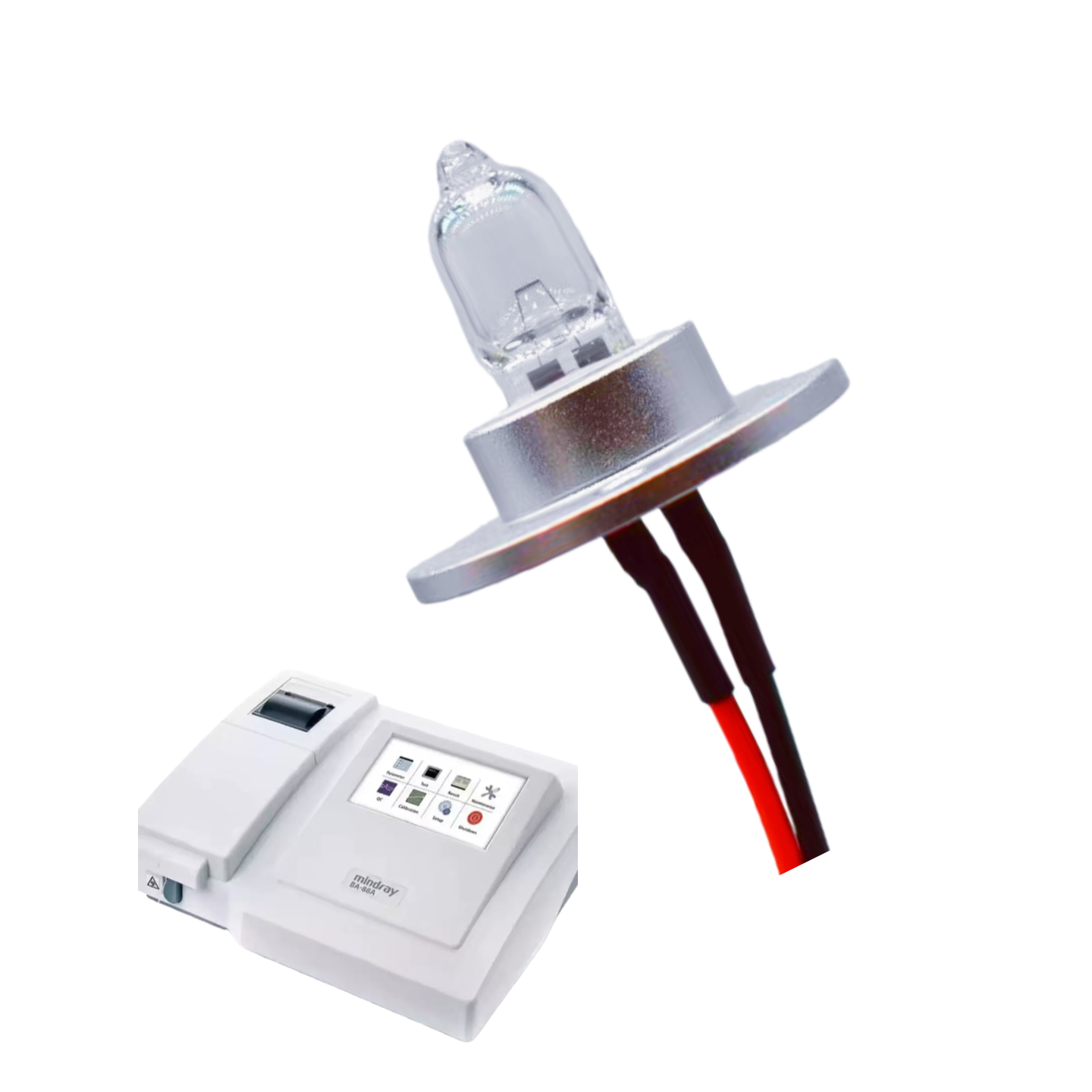
Guatemala City acts as the medical and clinical manufacturing center for Central America. Analytical laboratories demand synthetic fused silica flow cells, quartz absorption cuvettes, and specialized light sources such as our Mindray BA-88A 6V 10W halogen lamps. These precision quartz components maintain total UV transmission down to 200 nm, ensuring drift-free spectroscopic calibration for clinical assays and pharmaceutical verification.
Poultry Brooding in Chimaltenango & Alta Verapaz
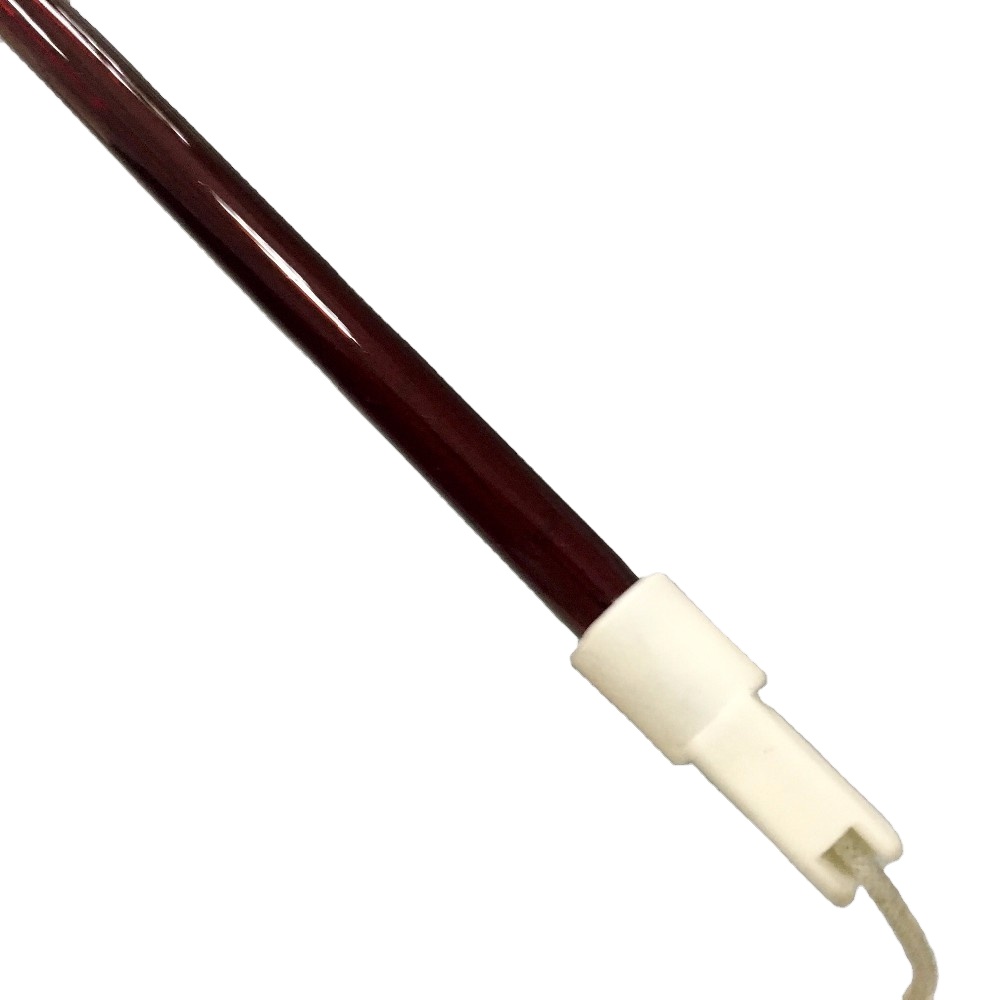
Supplied through agricultural distributor networks across Guatemala City's commercial hubs, our ruby quartz infrared lamps are extensively installed in commercial brooder facilities. The ruby glass filters out high-intensity visible light that disrupts circadian cycles and causes stress-induced poultry cannibalism, while delivering gentle, deep-penetrating infrared heat that keeps mortality rates exceptionally low during cold mountain nights.
Geothermal Power & Volcanic Process Monitoring
Operating near active volcanic zones like Pacaya and Agua, Guatemala's geothermal power generating stations (e.g., Ortitlán) require transparent quartz tubing for chemical sampling probes and high-temperature geothermal brine extraction monitoring. Our heavy-walled fused silica pipes resist corrosive silicic acid and high sulfur concentrations where conventional metal conduits and glasses corrode or crack.
Guatemala City Industrial Growth & Manufacturing Modernization Trends
Guatemala's manufacturing sector is undergoing an unprecedented modernization cycle driven by nearshoring dynamics, regional trade integration under CAFTA-DR, and rising domestic demand across Central America. Facilities in Guatemala City are aggressively phasing out inefficient resistive coil heaters, open-flame drying, and low-grade glass conduits in favor of clean, electric infrared thermal emitters and high-purity quartz tubing systems. Key trends shaping technical procurement include:
Decarbonization & Electrical Efficiency
With industrial electricity tariffs in Guatemala City regulated under EEGSA and volatile fuel oil prices, factories are transitioning to directional quartz halogen emitters. The instant start-up (< 1 second) and gold reflector geometries eliminate pre-heating standby waste, saving up to 45% in electrical consumption compared to traditional warm-air ovens.
Precision Automation & PET Preform Control
Packaging plants are expanding automated high-speed blow-molding lines (e.g., Sidel, Krones, and proprietary Asian OEMs). These lines demand exact custom dimensional tolerances (±0.5 mm) on quartz emitter tubes and custom wiring caps to maintain uniform bottle neck crystallization without cycle downtime.
Rigorous Sanitary Standards in Food & Pharma
The expansion of Guatemala's pharmaceutical exports to Mexico and South America mandates non-leaching, chemically inert process tubing. Our fused silica pipes exhibit zero trace heavy metal leaching, resisting hot hydrochloric and nitric acid washdowns during clean-in-place (CIP) regimens.
Why Industrial Procurement Officers Choose Kavri Quartz
Combining raw quartz resource advantages from China's premier mineral cluster with over a decade of verified export manufacturing excellence.
Cluster Advantage
Headquartered in Lianyungang, adjacent to Donghai's world-famous high-purity silica deposits, granting us direct access to pristine raw material at competitive pricing.
Direct Factory OEM/ODM
Operating 3 dedicated modern production lines since 2014, manufacturing to custom technical drawings, samples, custom voltages (110V/220V/380V/480V), and lengths.
Robust Global Logistics
81-90% of factory output exported internationally. Shockproof wooden crating and internal foam suspension ensure zero breakage on maritime or air routes to Guatemala.
Verified Reliability
Onsite-verified manufacturer by Alibaba and third-party inspectors, maintaining a 4.7/5.0 buyer satisfaction score and rapid response times within 4 hours.
Frequently Asked Questions: Purchasing & Logistics for Guatemala
Practical guidance on customs compliance, shipping routes, electrical voltage parameters, and custom dimension engineering for Guatemalan buyers.
FAQ 1 What are the typical maritime and air logistics routes for shipping quartz pipes to Guatemala City?
For standard bulk freight, shipments depart from Shanghai or Qingdao ports directly to Puerto Quetzal on Guatemala's Pacific coast (typically 24 to 32 days transit). From Puerto Quetzal, bonded ground transport transports cargo north via the CA-9 corridor directly into industrial warehouses in Guatemala City, Amatitlán, or Villa Nueva. For urgent emergency replacements of machinery emitters or laboratory quartz cells, we ship via DHL, FedEx, or air cargo directly into La Aurora International Airport (GUA) in Guatemala City within 5 to 7 business days.
FAQ 2 How do you package fragile quartz glass pipes to prevent breakage during ocean transit?
Every single quartz tube is enclosed within a customized polyethylene shock sleeve, separated by high-density closed-cell EPE foam dampening layers, and packed in reinforced inner cartons. These are secured inside custom-built ISPM-15 compliant export plywood cases with desiccants and external multi-axial shock and tilt indicator labels. Over the past decade of exporting across the Americas, our sea-freight breakage incident rate is well under 0.2%.
FAQ 3 Can you manufacture infrared heat lamps tailored to Guatemala's industrial electrical grid?
Yes. Guatemala primarily operates on a 60 Hz frequency grid with common industrial supply voltages of 120V single-phase, 240V three-phase, or 480V for heavy industrial substations. We customize filament internal resistance, total wattage (from 200W up to 6,000W+ per emitter), heated length, and connection terminal leads to match your machinery's power profile, eliminating line overload or under-heating risks.
FAQ 4 What documents are provided for SAT customs clearance and tariff classification in Guatemala?
We supply a complete export documentation suite customized for clearance with the Superintendencia de Administración Tributaria (SAT) of Guatemala. This includes certified Commercial Invoices with designated HS Codes (typically 7002.31.00 for fused quartz tubes or 8516.80.00 for electric heating resistors/infrared lamps), detailed Packing Lists with gross/net weights, Bills of Lading (B/L) or Airway Bills (AWB), and Certificates of Origin to expedite local DAI (Derecho Arancelario a la Importación) and IVA tax processing.
FAQ 5 What is the Minimum Order Quantity (MOQ) for custom-engineered quartz pipes?
To support prototyping, machinery maintenance, and spare-part validation for plant managers across Central America, our MOQ for standard size quartz tubes and typical IR heating emitters is low—beginning at just 8 to 10 pieces. For heavily customized large-diameter furnace tubes or precision optical quartz instruments, batch minimums are determined upon engineering drawing evaluation.
FAQ 6 What data is required to duplicate an old quartz pipe or blown heating lamp from an existing machine?
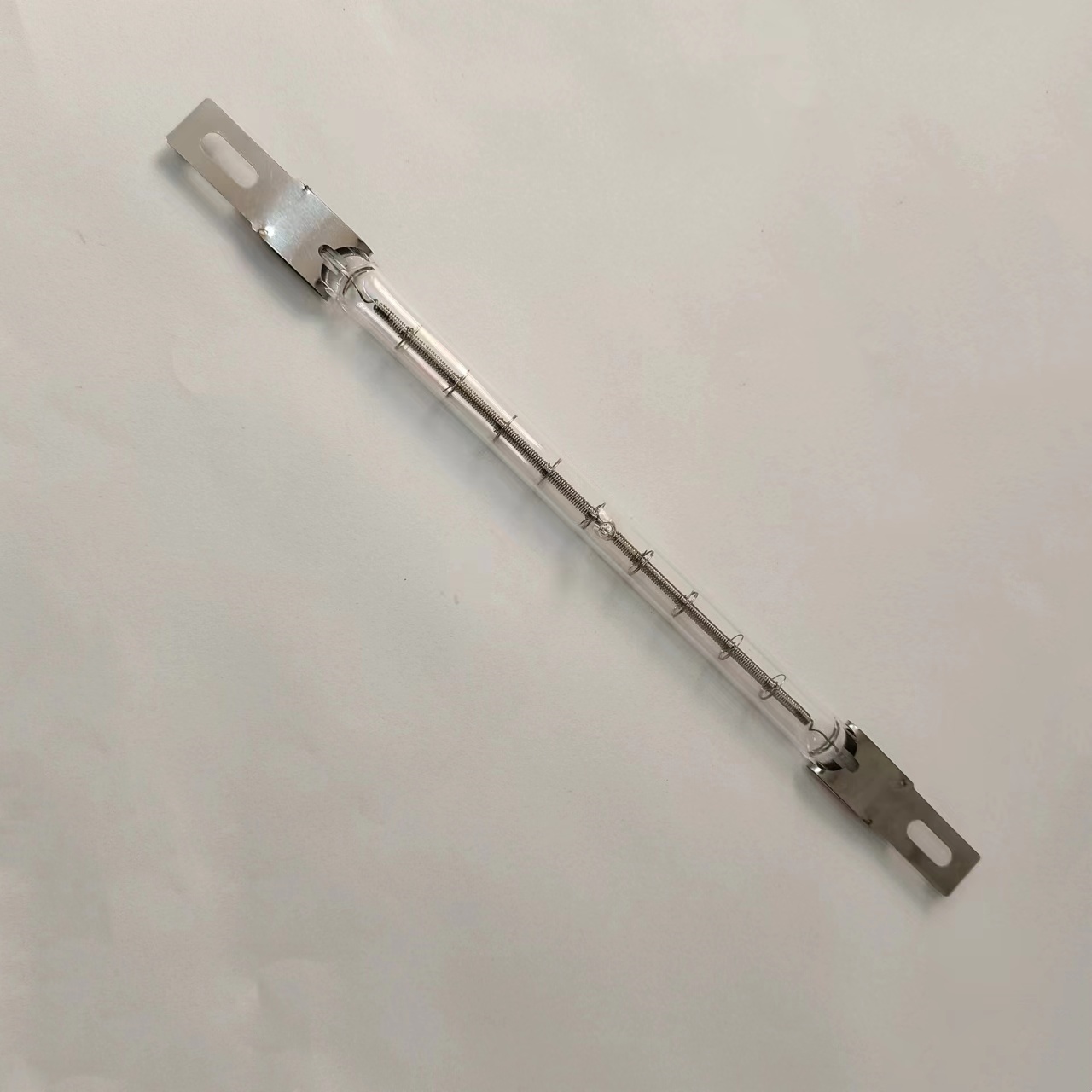
To produce an exact-fit drop-in replacement, please supply: (1) Total tube length and effective heated length, (2) Outer diameter (OD) and wall thickness or inner diameter (ID), (3) Operational voltage and wattage ratings, (4) Terminal cap configuration (e.g., metal clip, ceramic end cap, cable leads, or fast-plug connector), and (5) Reflector preference (clear, half-gold mirror, or white ceramic). If mechanical drawings are unavailable, high-resolution photos of the tube label and end caps alongside a caliper measurement are sufficient for our engineers to generate an approval blueprint.
Engineer Your Custom Quartz Piping & Infrared Solution Today
Whether you need urgent replacement infrared emitter lamps for a packaging line in Amatitlán, high-temperature sight glasses for an Escuintla boiler, or custom silica pipes for chemical processing, our engineering department provides formal technical proposals within 4 hours.