Standard & Custom Industrial Quartz Emitters & Tubes
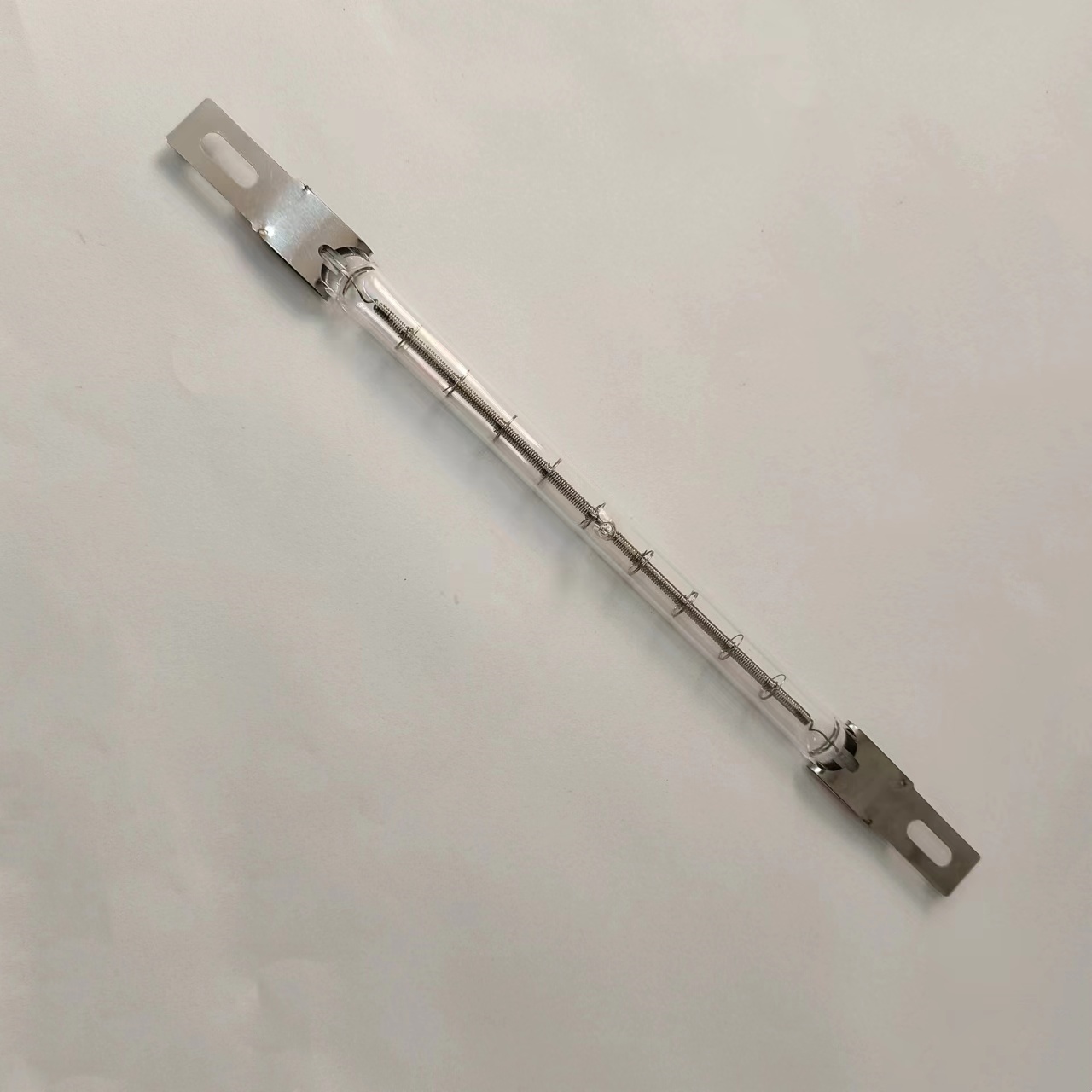
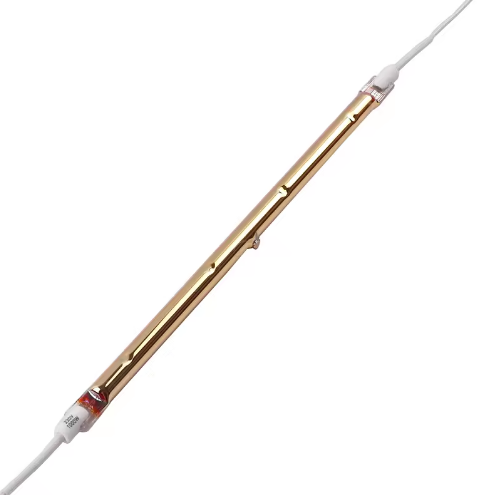
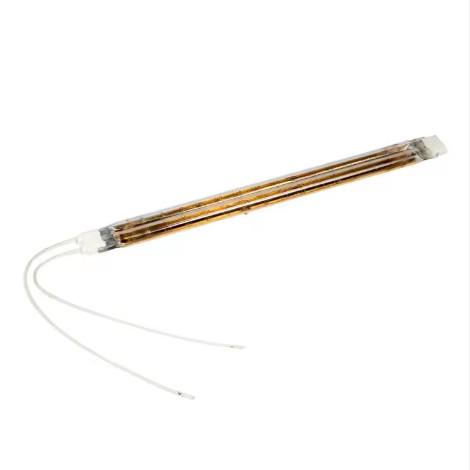
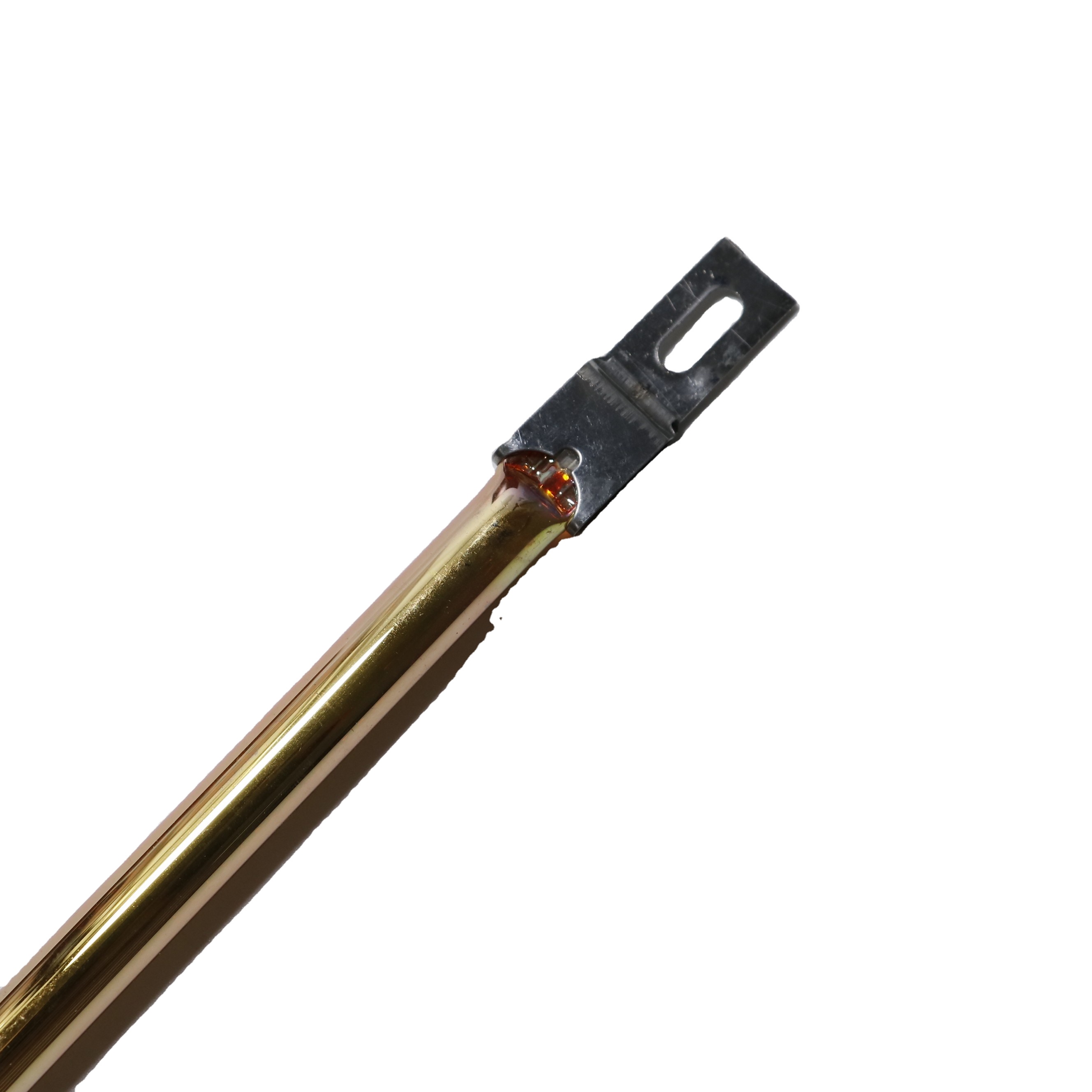
Direct factory configurations matching Utrecht's automated packaging lines, laboratory synthesis reactors, and cleanroom heating furnaces.
Procurement Excellence for Utrecht's Advanced Sectors
How high-purity fused silica pipes, custom reaction tubes, and optical quartz glass elements drive reliability across Utrecht Science Park, Lage Weide industrial zones, and the central Randstad tech network.
Navigating High-Purity Fused Quartz Needs in the Central Netherlands
The Utrecht metropolitan area serves as a primary logistical and academic heartland in the Netherlands. Situated at the junction of the Amsterdam-Rotterdam-Eindhoven industrial axis, Utrecht has evolved beyond administrative governance into a prominent European center for biotechnology, medical technology (MedTech), life-science instrumentation, clean energy R&D, and specialized manufacturing. Facilities across Utrecht Science Park, including university laboratories, research institutes, and spin-off incubators, consistently demand precision quartzware that tolerates high thermal shocks, aggressive chemical attack, and strict optical transmission criteria.
Concurrently, industrial manufacturing clusters spanning Lage Weide and neighboring business parks throughout Utrecht and Amersfoort demand heavy-duty quartz glass pipes, heating sleeves, and custom infrared radiators. From automated food-grade packaging ovens and inline UV sterilizers to high-temperature thermal reactors, purchasing agents and mechanical design engineers in Utrecht face distinct procurement pressures: they require component resilience, micro-level geometric tolerances, and certified material purity that complies with stringent European Union chemical and environmental directives. Kavri Quartz addresses these exact specifications by offering factory-direct, highly scalable quartz pipe and IR emitter manufacturing tailored to Dutch industrial practices.
Material Specifications: Fused Silica vs. Borosilicate
Comprehensive chemical, physical, and optical metrics of high-purity quartz glass pipes engineered for heavy-duty thermal processing.
| Characteristic / Parameter | High-Purity Fused Quartz (Kavri Standard) | Standard Borosilicate 3.3 Glass | Direct Advantage for Utrecht Systems |
|---|---|---|---|
| Chemical Composition | SiO2 ≥ 99.99% (Low trace metal contamination) | SiO2 ~81%, B2O3 ~13%, Na2O/Al2O3 ~6% | Eliminates contamination in cleanroom CVD and biochemical analysis |
| Continuous Working Temperature | 1100 °C (Peak strain point: 1120 °C) | 450 °C – 500 °C | Safe operation in semiconductor diffusion furnaces and high-heat ovens |
| Short-Term Thermal Resistance | 1450 °C (Softening point: ~1683 °C) | 560 °C maximum | Zero structural deformation during instant IR heating cycles |
| Coefficient of Thermal Expansion (CTE) | 5.5 × 10⁻⁷ cm/(cm·°C) (20°C–320°C) | 33 × 10-7 cm/(cm·°C) | Extreme thermal shock tolerance; zero cracking from 1000°C water quench |
| Dielectric Strength (at 20 °C) | 25 – 40 kV/mm | 15 – 20 kV/mm | Safe electrical insulation in high-voltage industrial heating modules |
| Optical Transmission Range | 190 nm (Deep UV) to 3.5 µm (Near-to-Mid IR) | 320 nm to 2.5 µm | Superior optical efficiency for UV cross-linking & high-speed IR drying |
Industrial & Analytical Applications in Central Netherlands
From microfluidic spectrophotometry in laboratory clusters to heavy drying arrays in logistics distribution hubs.
Semiconductor & Cleanroom Equipment
OEM equipment builders throughout the wider Randstad tech corridor rely on custom fused quartz pipes as reaction tubes, wafer process carriers, and chemical gas delivery sleeves. Fused quartz’s low hydroxyl (OH≤20ppm or OH≤5ppm on custom orders) prevents ionic leach-out during chemical vapor deposition (CVD) and thermal annealing steps, protecting yield in sensitive microchip production runs.
Life Sciences & Analytical Spectroscopy
Centering on the academic and pharmaceutical institutions at Utrecht Science Park, high-precision quartz capillary tubes, cylindrical flow cells, and optical quartz plates serve as foundational fluidic channels. High deep-UV clarity down to 190 nm permits precise spectrophotometric measurement, nucleic acid quantification, and continuous bioreactor monitoring without optical distortion.
Industrial Coating & High-Speed Curing
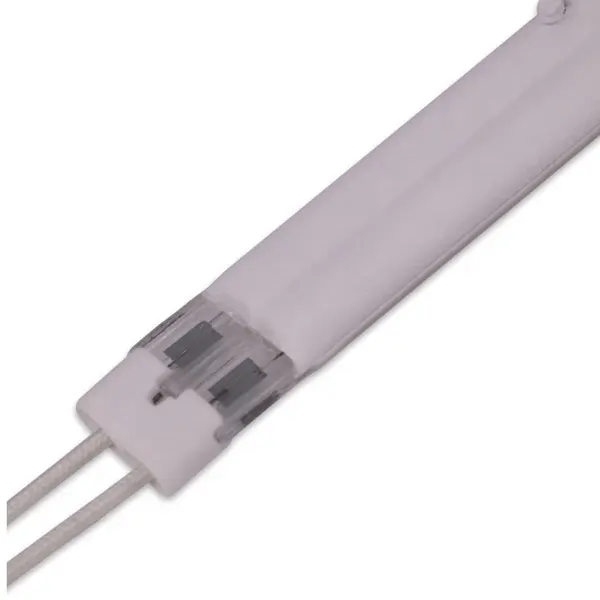
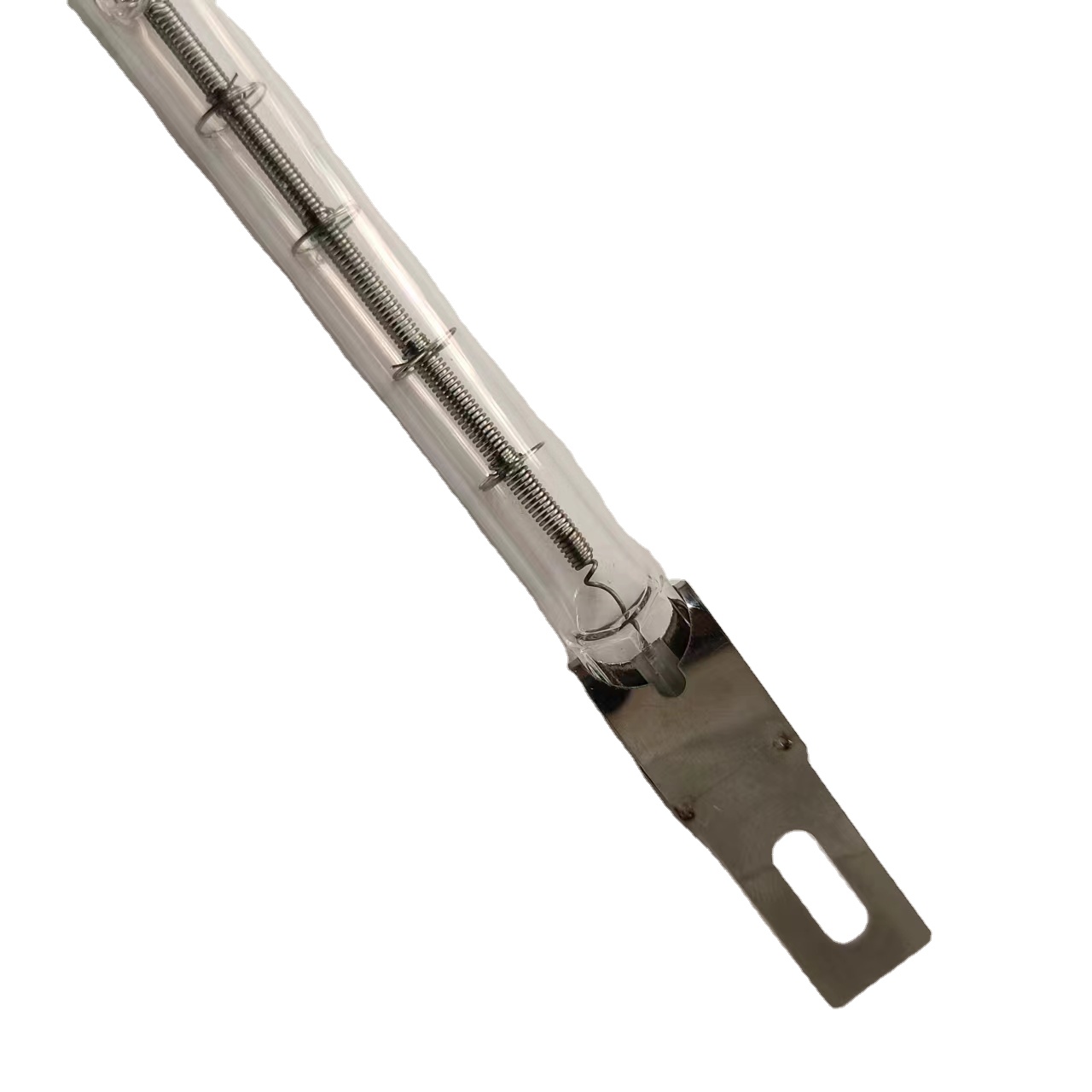
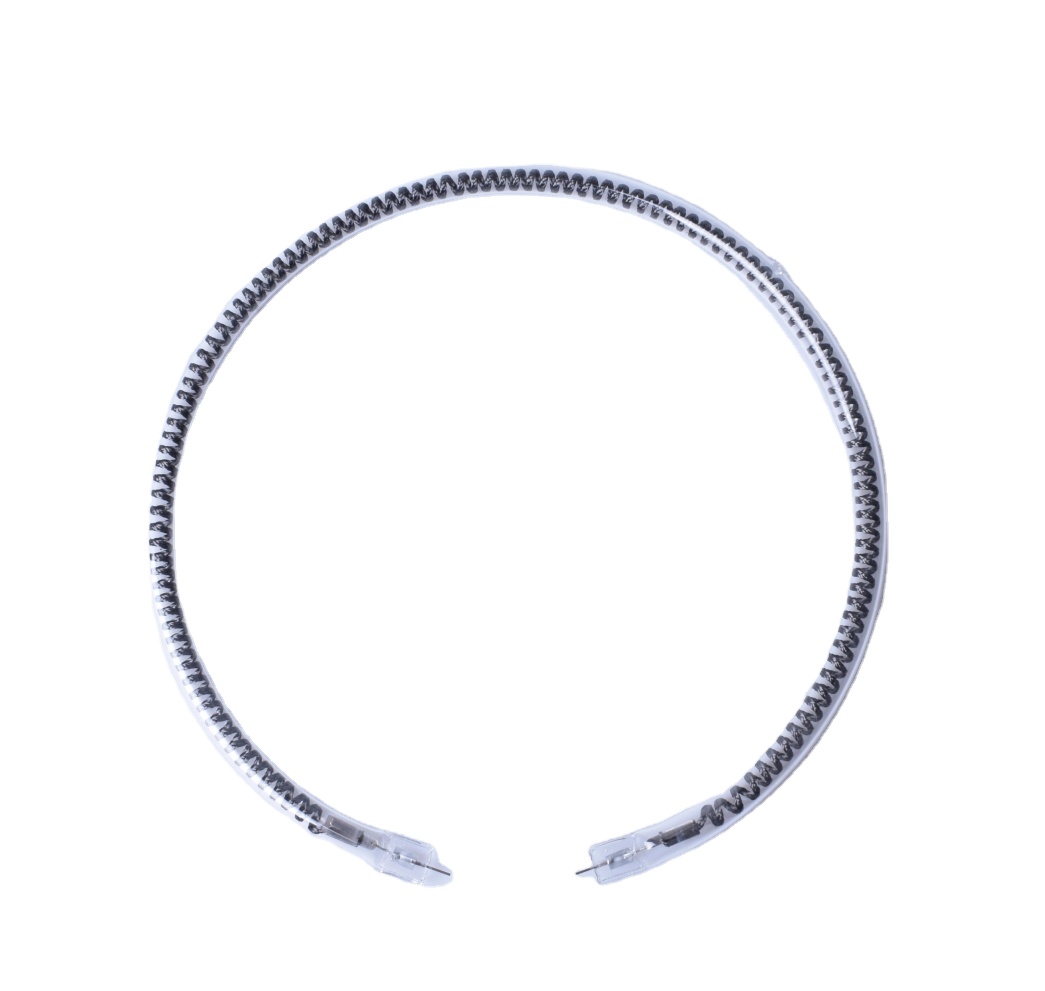
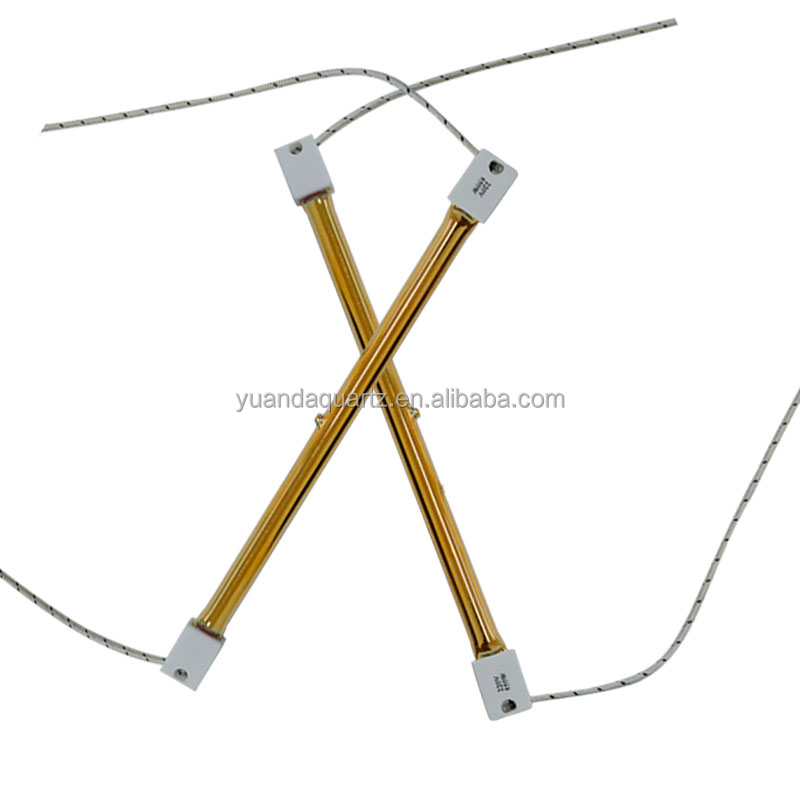
Utrecht’s logistics and manufacturing facilities utilize automated continuous production lines for industrial spray painting, screen printing on plastics, and packaging manufacturing. The twin-tube halogen and carbon infrared quartz heaters (with half-white ceramic or gold reflector coatings) provide targeted radiant heat directly onto preforms, polymer films, or inks, lowering cycle times by up to 45%.
Photovoltaic & Thin-Film Manufacturing
Aligned with the Dutch national energy transition initiative, PV cell research groups and production lines use medium-wave clear quartz lamps and furnace muffle tubes. Fused quartz delivers consistent heat dissipation across wide conveyor belts, accelerating the firing of metallic contacts and curing photovoltaic antireflective coatings without thermal bowing.
Thermal Gas Pyrolysis & Catalytic Reactors
Chemical engineering institutes and pilot-scale recycling initiatives throughout the province of Utrecht employ heavy-wall transparent quartz tubes as visible reaction chambers. Operating under extreme vacuums or reactive gas atmospheres (Cl2, HCl, standard reducing gases), these quartz pipes permit in-situ optical pyrometry and laser monitoring while resisting aggressive corrosive media.
UV Water Disinfection & Exhaust Scrubbing
Municipal wastewater installations and chemical facilities in the Rhine-Meuse delta region utilize synthetic silica quartz protection sleeves for immersion UV lamps. Offering up to 92% transmission at the germicidal 253.7 nm wavelength, our ozone-free and synthetic quartz sleeves protect against solarization, biofouling, and sudden hydraulic pressure transients.
Decarbonization & Electrification in the Dutch Industry
Aligning high-heat manufacturing in Utrecht with the Netherlands’ Climate Agreement (Klimaatakkoord) through all-electric quartz infrared technologies.
The Shift from Gas-Fired Furnaces to Precision Electric Quartz Radiators
Under the Dutch Climate Agreement (Klimaatakkoord) and stringent EU greenhouse gas mandates, industrial operators across the Netherlands are executing rapid roadmaps to eliminate natural gas dependencies. Conventional gas-fired hot air recirculating ovens, traditionally widespread in paint drying, thermoforming, and curing operations across central Netherlands, present high carbon levies and poor thermal efficiency (often below 35% transferred energy).
Modern automated factories across Utrecht are replacing bulky convection tunnels with high-flux electric quartz infrared heating modules. Quartz-sheathed halogen and carbon emitters switch on and off in under 1 to 2 seconds, delivering pure electromagnetic radiant energy directly into target substrates without requiring slow preheating cycles. When integrated with directional gold or ceramic reflectors, energy conversion efficiency surpasses 85% with zero localized CO2 emissions. Furthermore, the local push toward circular polymer reprocessing (e.g., rPET thermoforming) requires fine-tuned wavelength matching: our medium-wave carbon emitters peak precisely around the 2.0 to 3.0 µm resonance absorption band of polymers, preventing surface blistering while cutting electrical power draws by over 30%.
Direct Supply Chain Advantage From Source to Port of Rotterdam
Combining raw material purity from the world's premier quartz cluster with rigorous European export verification.
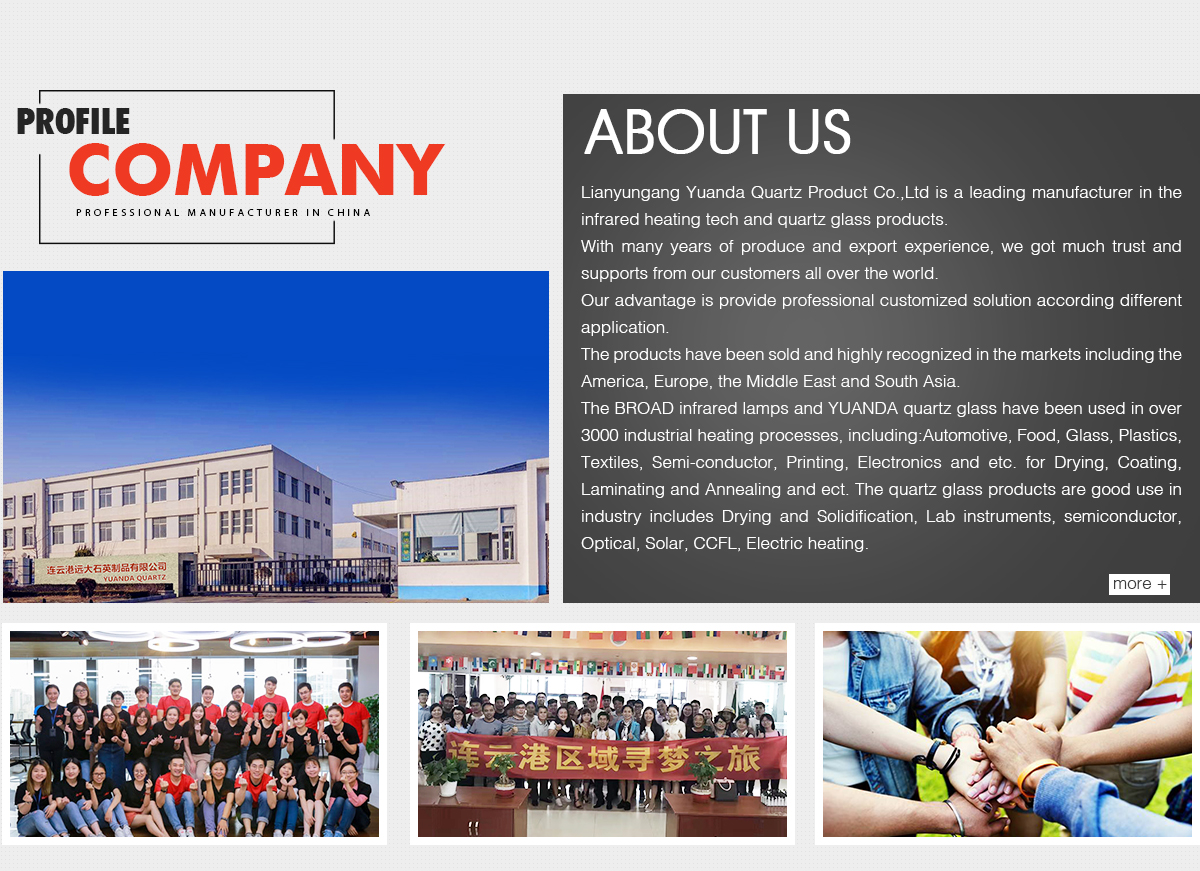
Engineered Quality Sourced Directly at Donghai
Headquartered in Lianyungang, Jiangsu — directly neighboring Donghai, the world’s leading hub for quartz mining, purifying, and crystal fabrication — Kavri Quartz controls every step from raw silica sands to finished flame-polished tubular pipe assemblies.
-
Raw Material Purity ≥ 99.99%
Minimal trace metals (Fe ≤ 1.5 ppm, Al ≤ 18 ppm, Ti ≤ 1.1 ppm) ensuring extreme thermal stability and zero discoloration at continuous temperatures above 1100°C.
-
Three Dedicated Production Lines
Specialized high-temperature vacuum fusion drawing towers, CNC optical cutting/grinding centers, and cleanroom quartz glass torch welding stations.
-
On-Site Verified Audit & Direct Exporting
Over 81% to 90% of our products are shipped overseas, fully verified through on-site audits, with dedicated shipping routes straight to Rotterdam/Schiphol under DDP/CIF terms.
Frequently Asked Questions by Dutch Purchasing Engineers
Direct answers covering customs clearance, logistics via Rotterdam, anti-breakage packaging, and precision customization.
Q What are standard delivery terms and transit times to Utrecht?
We regularly handle Incoterms including DDP (Delivered Duty Paid), CIF Rotterdam, and DAP directly to client facilities in Utrecht, Lage Weide, or Utrecht Science Park. Air shipments via Amsterdam Schiphol (AMS) take roughly 5 to 7 working days, while ocean freight container shipping into the Port of Rotterdam takes 24 to 28 days transit time.
Q How do you safeguard fragile quartz pipes against shipping breakage?
Breakage rates for our European shipments remain under 0.2%. Every quartz pipe and heating emitter is individually wrapped with custom-molded high-density Pearl Cotton (EPE foam), enclosed in shock-resistant cardboard tubes, and secured inside heavy fumigation-free plywood export crates reinforced with corner battens and moisture desiccants.
Q Do your quartz glass pipes and IR lamps comply with EU RoHS & REACH?
Yes. Our fused quartz glass products and IR halogen/carbon heating lamps are manufactured in full compliance with European Union CE, RoHS (Restriction of Hazardous Substances), and REACH regulations. Certificates of material compliance and chemical element safety datasheets are provided alongside engineering drawings.
Q Can you customize quartz tubes to replace legacy Heraeus or Philips lamps?
Yes. More than 70% of our production is dedicated to OEM/ODM custom replacement parts. Provide us with your machine brand, original code, physical sample, or drawing (including outer diameter, heated length, overall length, voltage, wattage, and terminal caps), and our engineers will supply 1:1 cross-compatible components within 24 hours.
Q What are the standard dimensional tolerances for custom quartz pipes?
Standard outer diameter (OD) and inner diameter (ID) tolerances are held within ±0.2 mm. For precision analytical instruments, semiconductor furnace chambers, and optical sleeves, we achieve tighter tolerances down to ±0.05 mm through precision diamond grinding, micro-lapping, and fire-polishing techniques.
Q What is the minimum order quantity (MOQ) for custom prototypes?
To support R&D centers, pilot testing, and maintenance procurement in Utrecht, standard quartz pipes and infrared emitters start with an accessible MOQ of just 5 to 10 pieces. Specialized laboratory glassware or custom welded reactor flanged pipes can be sampled as single-piece prototypes prior to volume production.