Featured Quartz Glass & Optical Heating Emitters
Precision-manufactured from high-purity natural and synthetic silica (SiO₂ ≥ 99.99%). Optimized for rapid thermal cycles, high transmission thresholds, and severe industrial operating environments.
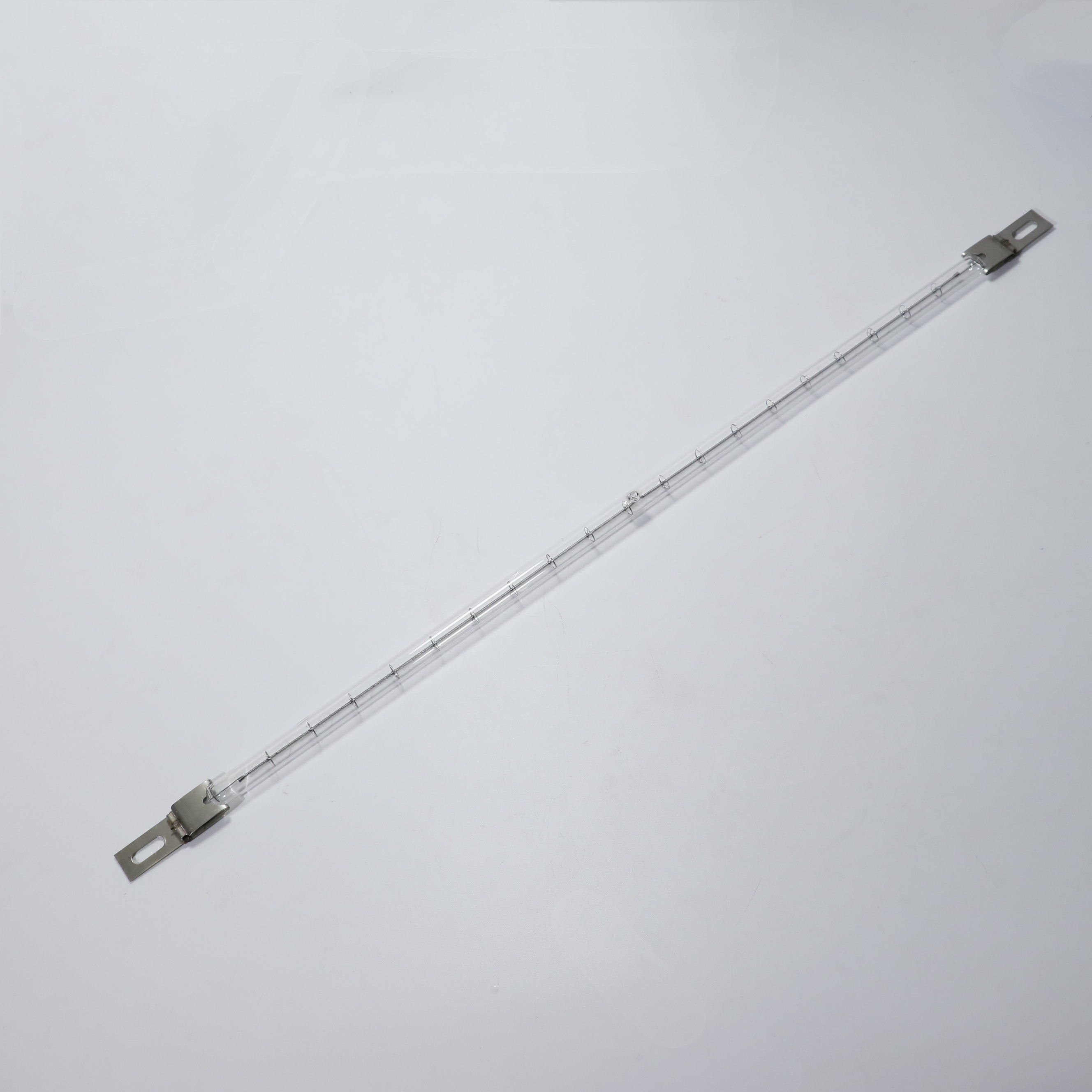
Best Selling 220V 1000W Quartz Infrared Heat Lamp for Processing Industrial
- Envelope Purity≥ 99.99% Fused Quartz
- Working TempContinuous 1100°C
- Response Speed≤ 1.0 Second
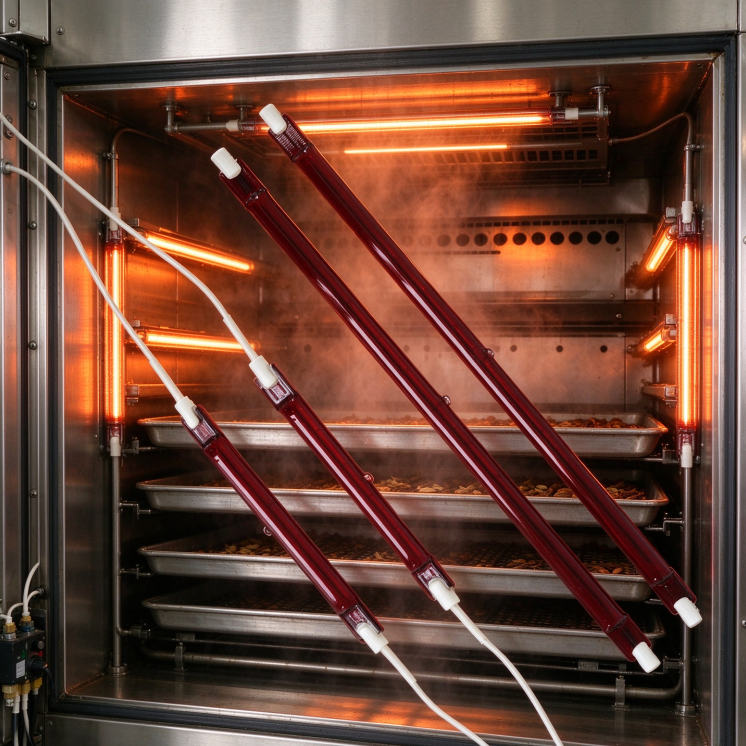
Wholesale Infra Red IR Quartz Glass Infrared Heater Lamp for Infrared Drying Oven
- Thermal StabilityΔT > 1000°C Quench
- Peak Wavelength1.2 – 2.2 μm
- Coating OptionGold / White Ceramic
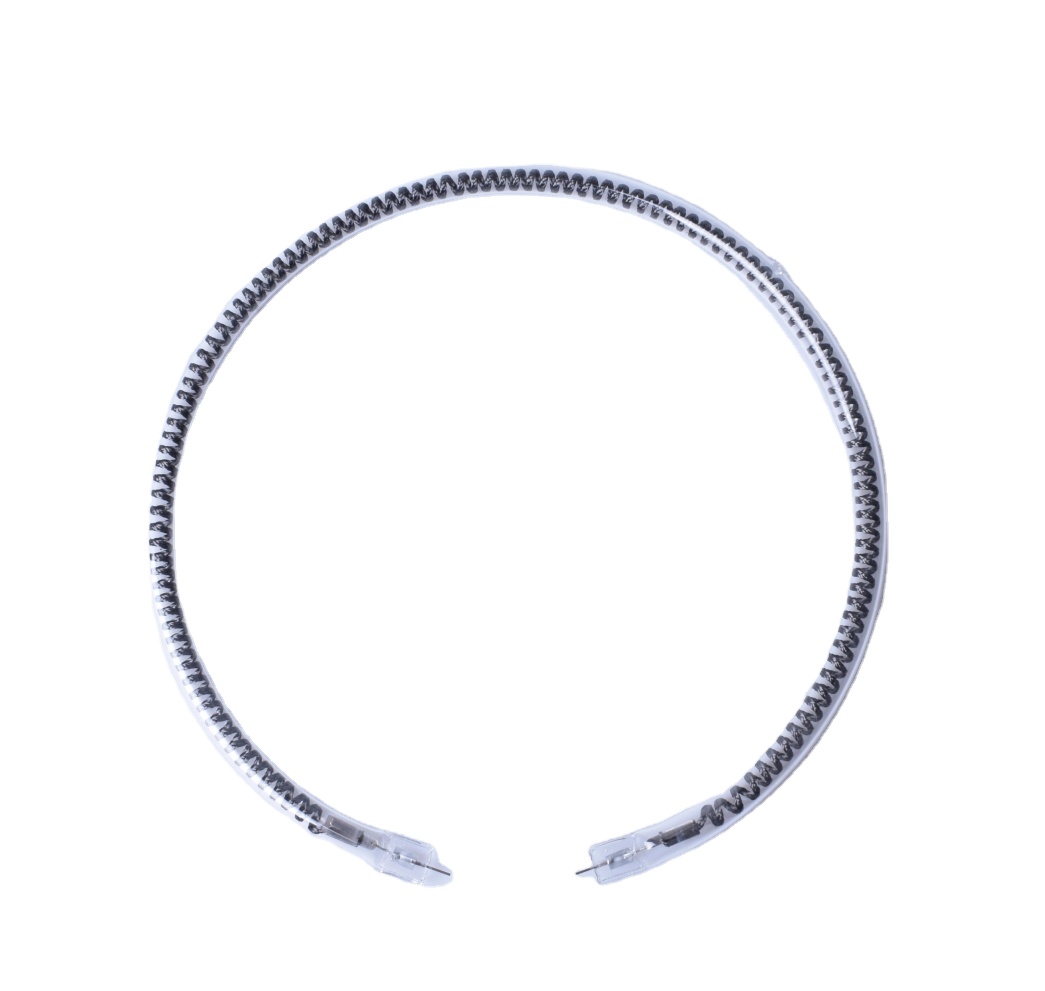
120V 1000W Medium Wave clear Infrared Heat Lamp for Photovoltaic Industry
- Envelope GlassClear Optical Silica
- TransmissionUV to NIR > 92%
- ApplicationWafer Thermal Annealing
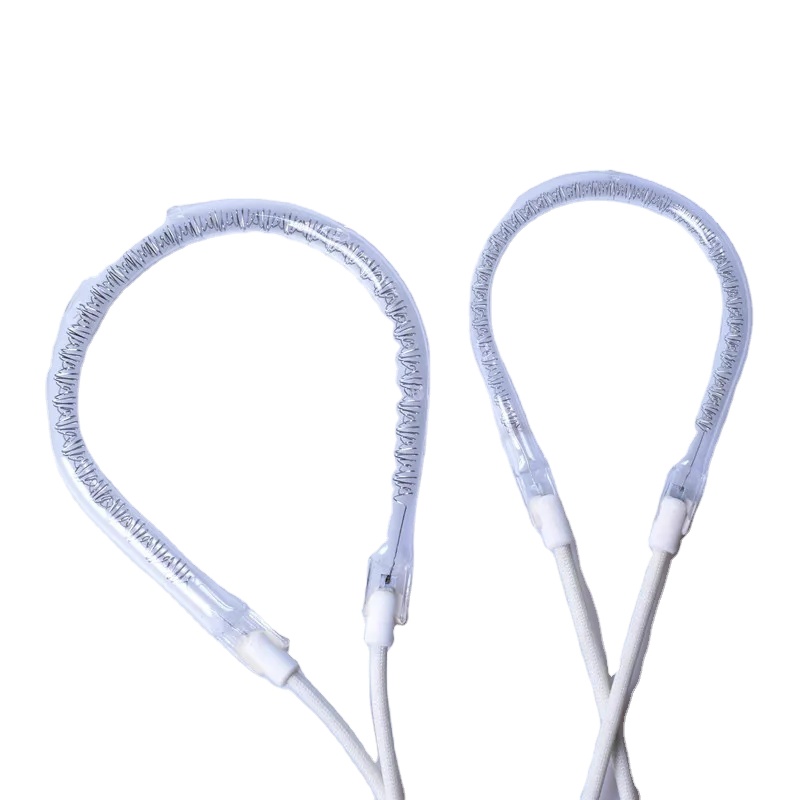
OEM Strong Manufacturer Ruby Infrared Bulb Heat Lamp for Heating
- Quartz DopingRuby Red Spectral Filter
- Glare Reduction> 80% Visible Cutoff
- Life Expectancy> 5,000 Hours
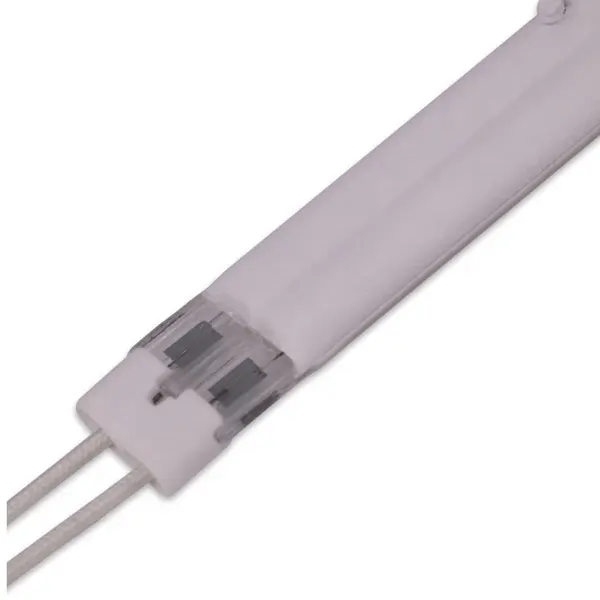
Low Prices Twin Tube Halogen IR Heating Lamp for Paint Drying Curing
- Cross SectionTwin Tube 11x23 / 15x33
- Mechanical StrengthAnti-Sagging Geometry
- FinishFull / Half Gold Coated
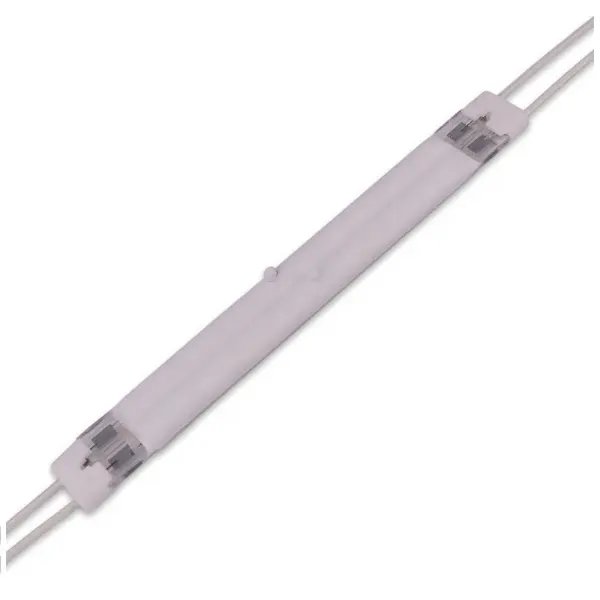
Halogen Half White Twin Tube Infrared Heating Lamp for PET Blowing Preheating
- Reflector QualityDiffusive Ceramic Slurry
- Directivity90% Forward Flux
- FormatCustom Heated Lengths
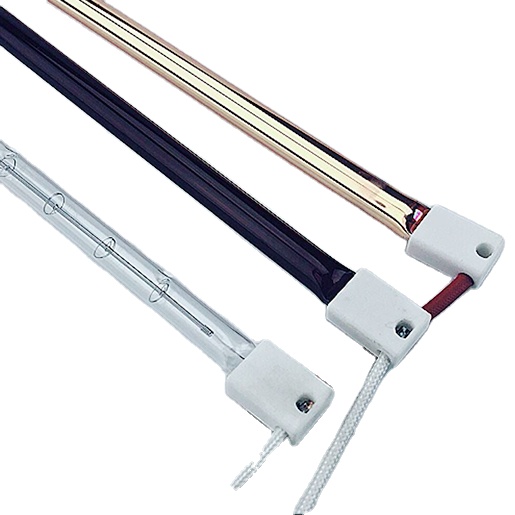
Wholesale Ceramic Linear Quartz Infrared Heating Lamp for Flash Dryers
- End TerminationCeramic Insulator Caps
- Thermal Expansion5.5 × 10⁻⁷ / °C
- ResistanceExtreme Vibration / Shock
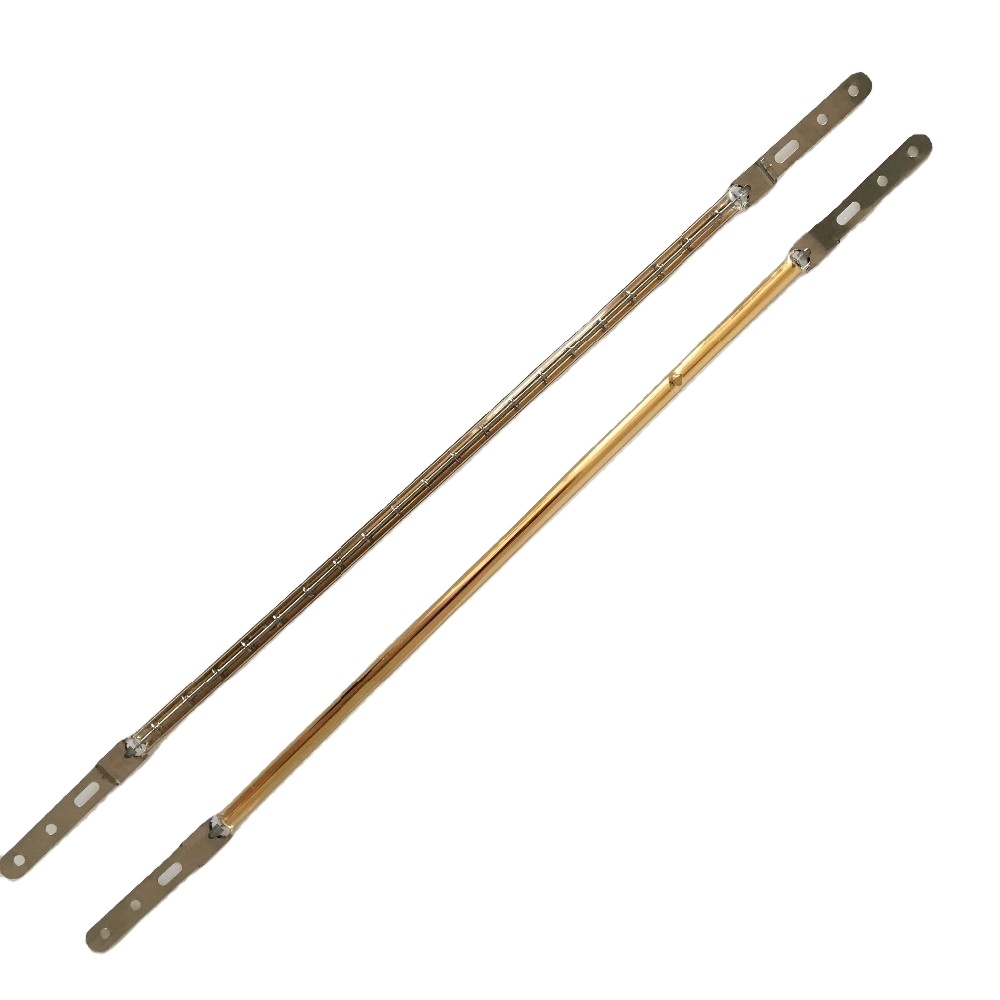
Halogen Quartz Half Gold Infrared Heating Lamps for Flash Dryer Screen Printing
- Reflector Layer24K Gold Sputtered Layer
- Reflective Index> 98% in IR Range
- Efficiency Gain+35% Radiation Output
Quartz Glass Lenses in the Marseille-Provence Industrial Ecosystem
Strategic deployment of fused quartz and synthetic silica optical assemblies across maritime, petrochemical, green hydrogen, and advanced photonics clusters in Southern France.
Marseille, standing as France’s premier maritime gateway and the centerpiece of the Aix-Marseille-Provence metropolis, commands an exceptionally demanding industrial territory. From the heavy petrochemical facilities and steel plants surrounding the Étang de Berre and Fos-sur-Mer, to high-precision marine sensor clusters in La Ciotat and laser research institutes clustered around Aix-Marseille Université and CNRS, engineering teams operate under rigorous thermal, chemical, and physical constraints. Within these demanding installations, standard optical materials such as borosilicate (BK-7, N-BK7) or soda-lime glass frequently succumb to premature failure, surface devitrification, or thermal shock fractures.
The imperative for high-purity fused quartz glass lenses and optical components in the Marseille region stems directly from their unique physical and optical profile. Fused quartz (synthesized via the electric or flame fusion of ultra-pure natural quartz crystal from world-renowned deposits) exhibits an extraordinarily low coefficient of thermal expansion (CTE) of approximately 5.5 × 10⁻⁷ / °C from 20°C to 1000°C. This nearly negligible thermal dilation allows quartz lenses, sight glasses, pyrometer windows, and optical collector assemblies to undergo violent, instantaneous thermal differentials (ΔT > 1000°C) — such as being submerged into cold seawater from a glowing state — without structural integrity loss or optical distortion.
Furthermore, optical transmission across the electromagnetic spectrum is vital for Marseille's growing photonics and environmental testing laboratories. While standard optical glasses exhibit heavy absorption below 350 nm and cut off rapidly above 2000 nm, high-grade fused silica lenses provide unbroken transmission spanning from deep ultraviolet (UV-C at 185 nm) through the visible range to near-infrared (NIR up to 3500 nm). For pyrometric temperature monitoring in the metallurgical furnaces of Fos-sur-Mer, this wide, unclouded window translates directly to sub-degree measurement precision, safeguarding mission-critical processes from runaway drift.
Where Marseille Industries Rely on Kavri Quartz Optical Components
Engineered for extreme performance across the Mediterranean basin’s most demanding industrial operations.
Fos-sur-Mer Metallurgy & Chemical Crackers
Used in non-contact pyrometer viewports, inspection lenses for catalytic cracking columns, and high-pressure reactor sight glasses resistant to hydrofluoric-free corrosive gases at elevated temperatures up to 1200°C.
Grand Port Maritime Marine & LiDAR Sensors
Harbor surveillance, marine buoy LiDAR lenses, and automated container crane optical guidance domes capable of enduring continuous hyper-saline spray, UV solarization, and abrasive Mistral wind particulates without surface pitting.
PACA Photovoltaic & Green H2 Pyrolysis
Solar concentrator lenses, quartz reaction chambers for high-temperature plasma gasification, and IR thermal annealing lamps used in solar module cell manufacturing across Bouches-du-Rhône clean-energy initiatives.
Industrial Coating & High-Speed Printing
UV mercury and LED curing quartz window plates, twin-tube shortwave IR focusing reflectors, and condenser lenses for automotive body finish drying in local transport and packaging equipment manufacturing.
Optical Quartz Substrate Selection Matrix for Engineers
Evaluate physical, thermal, and optical parameters to select the optimum grade for your French industrial installation.
| Optical Substrate Grade | SiO₂ Purity | Transmission Band (T > 85%) | OH Content (ppm) | Maximum Short-Term Temp | Key Marseille Industrial Application |
|---|---|---|---|---|---|
| JGS1 (Synthetic Fused Silica) | ≥ 99.999% | 185 nm – 2500 nm (Deep DUV) | < 5 ppm / > 1200 ppm | 1450 °C | Excimer lasers, semiconductor optics, photolithography (Rousset cluster) |
| JGS2 (Optical Fused Quartz) | ≥ 99.99% | 220 nm – 2800 nm (Standard UV-Vis) | < 30 ppm | 1250 °C | Pyrometric sight lenses, spectrophotometry flow cells, UV curing windows |
| JGS3 (Infrared Fused Quartz) | ≥ 99.98% | 260 nm – 3500 nm (Water-Free IR) | ≤ 2 ppm | 1150 °C | Thermal imaging viewports, industrial IR heating reflectors, metallurgical pyrometry |
| Borosilicate Glass 3.3 (Benchmark) | ~ 81% | 350 nm – 2000 nm (Cuts off UV) | N/A | 490 °C | Low-heat architectural inspection, domestic appliance sight glasses |
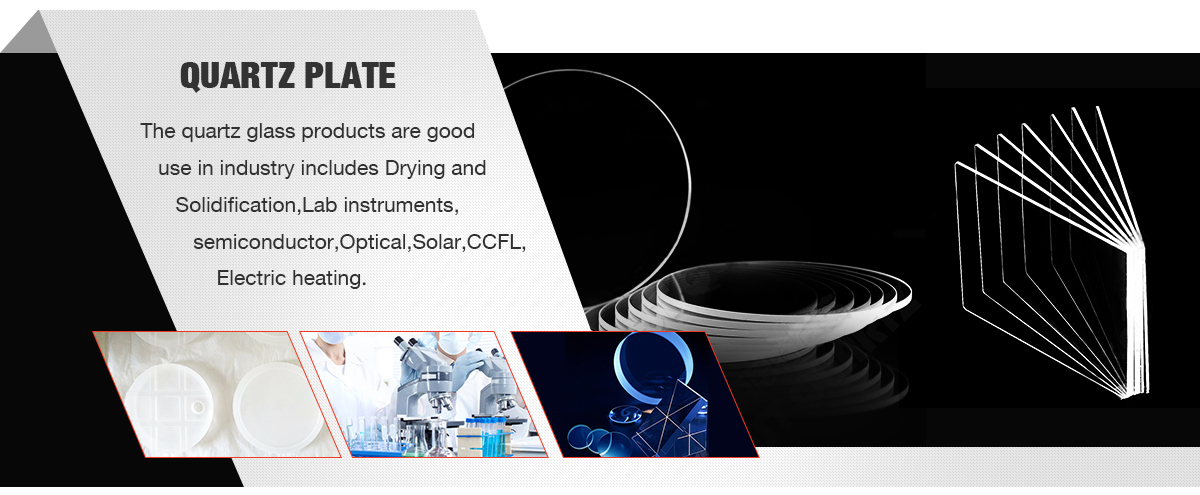
Precision Fabrication & Surface Quality
Every quartz lens blank, optical window, and quartz component produced by Kavri Quartz undergoes stringent optical grinding, double-sided chemical-mechanical polishing (CMP), and laser-guided interferometric inspection.
We supply French procurement teams with scratch-dig surface figures meeting MIL-PRF-13830B (40-20 to 10-5) or ISO 10110 standards, flatness up to λ/4 per 25mm diameter, and parallelism < 30 arcseconds, ensuring zero wavefront degradation in high-magnification and pyrometric systems.
Emerging Trends Shaping Quartz Procurement in Southern France
Anticipating technological transitions across the Bouches-du-Rhône and Mediterranean maritime corridor.
Decarbonization of Fos Industrial Axis
With massive investments transforming the Fos-sur-Berre industrial cluster toward electric arc furnace metallurgy and low-carbon hydrogen combustion, thermal containment viewports must withstand higher operating temperatures and higher localized steam pressures than conventional natural gas systems.
Autonomous Maritime Logistics & Port 4.0
The Grand Port Maritime de Marseille (GPMM) continues deploying autonomous optical recognition, deep-sea exploration submersible rovers, and real-time berth monitoring LiDAR. Optical glass windows require hydrophobic, oleophobic, and anti-reflective sol-gel coatings on fused silica substrates to resist sea spray encrustation.
Expansion of Mediterranean Solar & Laser Research
With the Southern Provence region holding France's highest annual solar irradiation index, demand is accelerating for specialized Fresnel quartz condenser lenses, high-flux beam homogenizers, and optical laser sight ports for clean photonics experiments across Cadarache and Marseille technological parks.
Why Marseille Industry Direct-Sources from Kavri Quartz
Over a decade of specialized quartz glass production, pairing raw material dominance with European-standard quality engineering.
Direct Donghai Cluster Origin
Based in Lianyungang, home to Donghai — the world's premier quartz processing hub — we enjoy unfettered access to ultra-pure crystalline feedstock, ensuring uncompromised supply continuity and rock-bottom material costs.
Rigorous OEM/ODM Customization
From custom plano-convex and biconvex lens geometries to spherical domes, shaped quartz pyrometry sleeves, and tailored IR twin tubes with gold reflectors, we build strictly to CAD drawings or physical replacement samples.
Certified Batch Traceability
Every export lot destined for French buyers is verified on spectrophotometers and laser polariscopes for refractive index homogeneity (± 1 × 10⁻⁵), internal bubble classification (DIN 3140 / ISO 12123), and stress birefringence.
Marseille Direct Logistics
Supporting Incoterms from EXW and FOB to CIF Marseille-Fos and door-to-door DDP. Custom shock-absorbing wooden crating with foam suspension eliminates handling fractures during ocean and air transit.
Frequently Asked Questions by Marseille Engineers
Clear, direct answers regarding compliance, material validation, minimum order quantities, and international logistics.
Accelerate Your Optical Engineering in Marseille
Consult with our quartz fabrication engineers today for material selection, CAD tolerance verification, or direct cost estimates on high-purity optical lenses, sight ports, and industrial IR/UV heating emitters.