Production Catalog
Industrial Quartz Optics & Thermal Heating Components
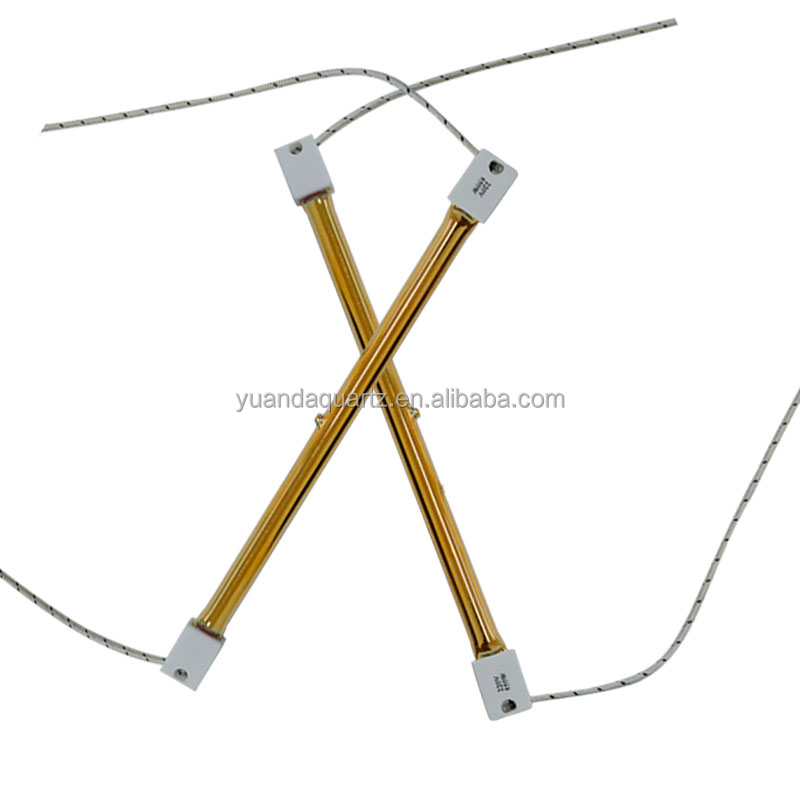
Engineered from Donghai high-purity silica sand (SiO2 ≥ 99.99%), our precision quartz lens envelopes, directional gold-coated reflectors, and emitters withstand thermal shock up to 1100°C without crystalline degradation.
Regional Industrial Application
Engineering Quartz Solutions for Guadalajara's High-Tech Ecosystem
Known as Mexico's "Silicon Valley," the Guadalajara Metropolitan Area (Zapopan, Tlaquepaque, El Salto corridor) presents distinct manufacturing rigors demanding higher transmission purity and thermal resilience from quartz glass optics and emitters.
Electronics & PCB Reflow Soldering (Zapopan Corridor)
Guadalajara's electronic manufacturing services (EMS) lead Latin America. Our optical-grade quartz windows and short-wave infrared focus emitters deliver precise, clean-room compatible heating profiles for surface-mount technology (SMT), selective reflow, and conformal coating curing without outgassing.
Automotive Vision & Sensor Lens Optics (El Salto Cluster)
Tier-1 automotive component makers require optical quartz glass lens blanks and protective shields that exhibit minimal birefringence and deep ultraviolet-to-near-infrared transmission (λ 200nm to 3500nm), critical for LiDAR systems, camera inspection, and headlight UV curing tunnels.
Agro-Industrial & Beverage Bottling PET Preform Reheating
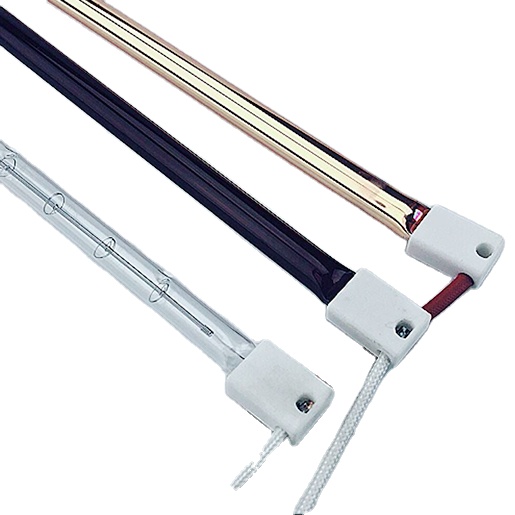
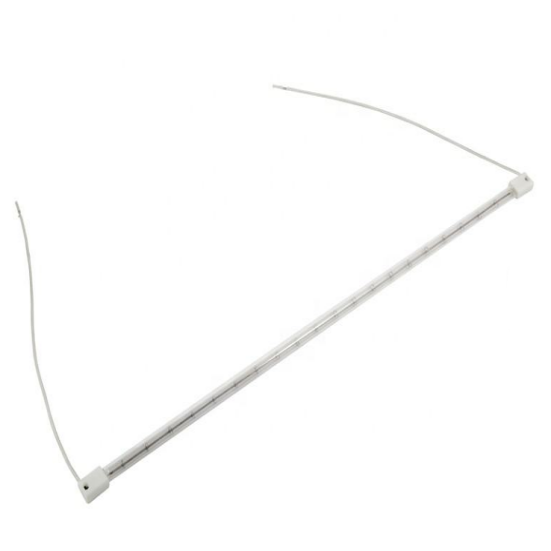
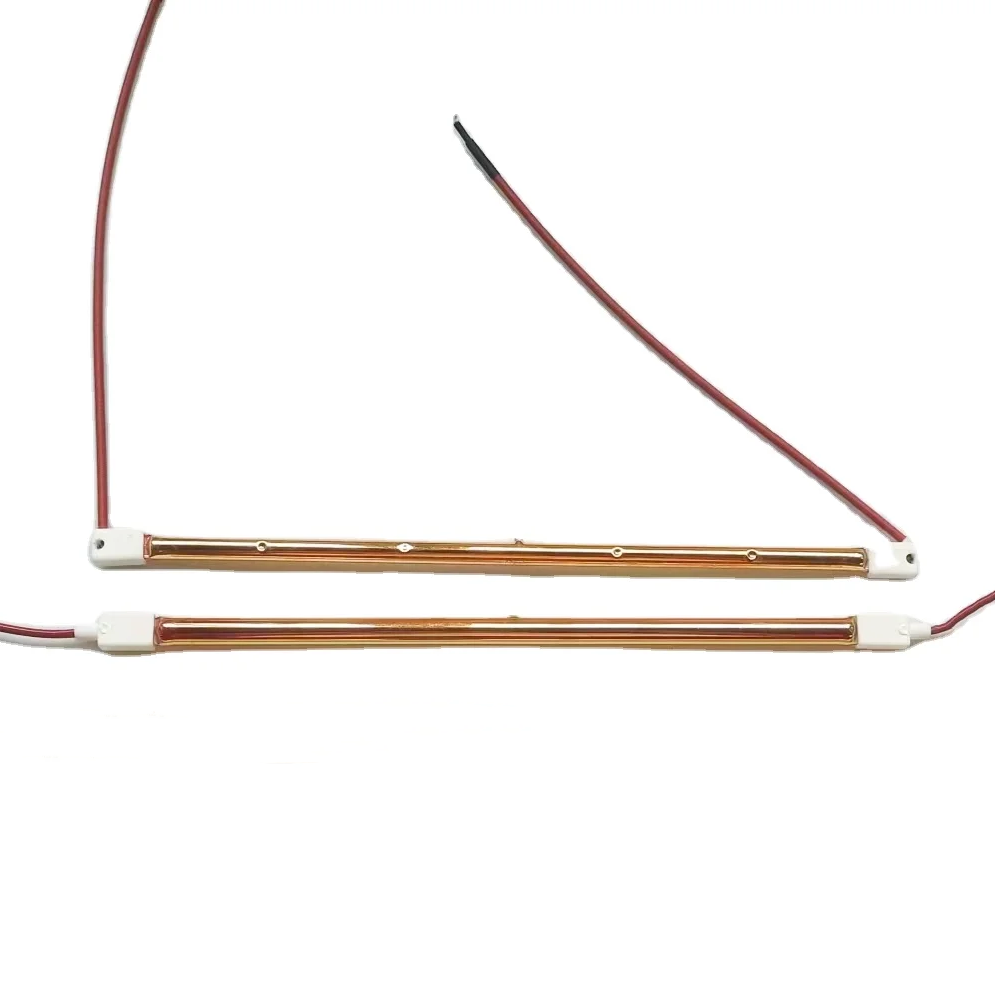
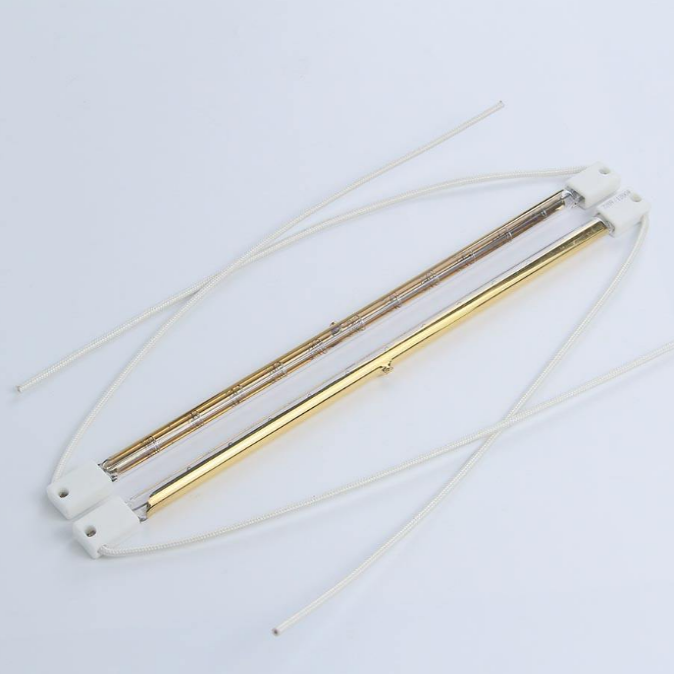
Jalisco's world-leading tequila distilleries and agro-export enterprises depend on high-throughput blow molding machinery. Our customized twin-tube halogen lamps with ceramic and gold reflector coatings direct infrared radiation into PET preforms, decreasing cycle times and eliminating bottle wall unevenness.
Material Engineering Whitepaper
Fused Silica vs. Borosilicate: Critical Engineering Comparison
When specifying optical lens components or high-radiation lamp envelopes for continuous Mexican production plants, physical parameters dictate failure margins under extreme conditions.
| Physical / Optical Parameter | Kavri Fused Quartz (Donghai Silica) | Standard Borosilicate 3.3 | Industrial Benefit for Guadalajara Plants |
|---|---|---|---|
| Maximum Continuous Temp | 1,100 °C | 450 °C | Prevents thermal warping inside high-intensity IR curing ovens. |
| Coefficient of Thermal Expansion (α) | 5.5 × 10⁻⁷ / K | 33 × 10-7 / K | Immune to thermal shock; withstands instant quenching without fracturing. |
| Spectral Transmission Range | 190 nm – 3,500 nm (DUV to NIR) | 300 nm – 2,200 nm | Enables dual-purpose UV crosslinking and short-wave IR radiation. |
| Dielectric Strength (20°C) | ≥ 25 kV / mm | ∼ 15 kV / mm | Ensures high-voltage insulation in dense electronic manufacturing tools. |
| Softening Point | 1,680 °C | 820 °C | Eliminates envelope sagging in high-wattage vertical heating racks. |
Market Trends 2025–2030
Emerging Sourcing Dynamics in Western Mexico's Supply Chain
Strategic supply chain reconfiguration in Jalisco is altering how procurement directors source precision fused quartz and custom-wavelength infrared emitters.
Nearshoring Accelerated Demand (T-MEC / USMCA)
With multinational OEM assembly expanding into Jalisco industrial parks, local plants must meet strict Tier-1 compliance. Sourcing quartz glass components with factory-direct material batch traceability allows Mexican exporters to maintain North American export certifications without domestic supply disruptions.
Industrial Decarbonization & Clean Heat Transition
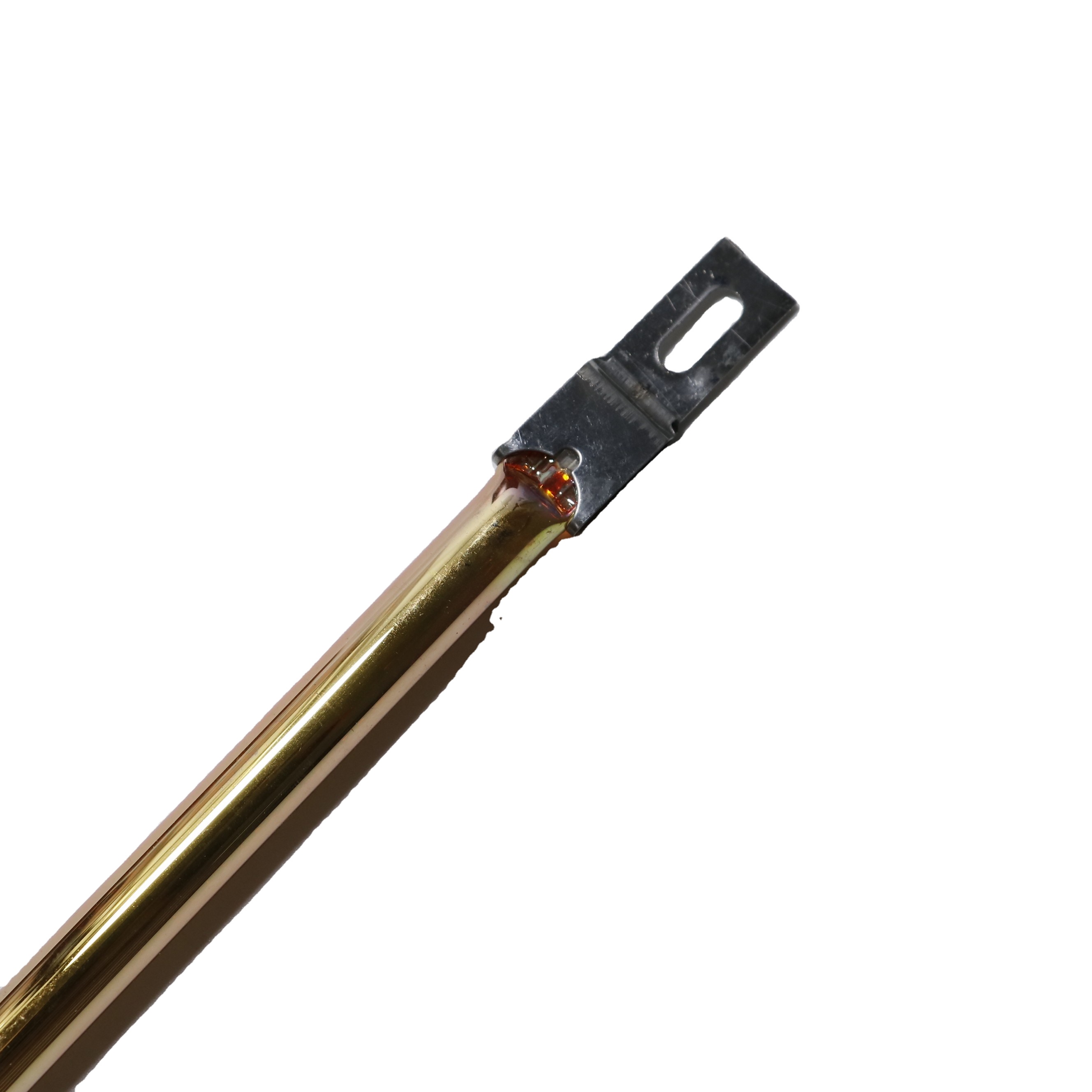
Natural gas drying and convection tunnels are systematically being upgraded across El Salto to electric quartz infrared systems. Gold-coated directional quartz tubes convert up to 95% of applied electrical energy directly into radiant heat, shrinking Guadalajara factory carbon footprints by up to 35%.
Demand for Direct OEM Drawing Customization
Local distributors in Guadalajara frequently struggle with obsolete European and American machine replacement parts. Direct-to-factory engineering replication from samples or drawings has become the leading procurement preference to bypass lengthy 16-week OEM backorders.
Enterprise Credentials
Why Guadalajara Procurement Teams Rely on Kavri Quartz
Combining raw material access in China's quartz capital with full export logistics, Kavri Quartz offers factory-direct assurance verified by third-party audit teams.
Direct Donghai Raw Material Access
Located in Niushan Street, Lianyungang, Jiangsu, our plant borders Donghai—the epicenter of crystal and silica processing. This geographic cluster allows tight purity control (>99.99% SiO2) and stable cost structures insulated from intermediate distributor markups.
Full OEM/ODM Drawing Replication
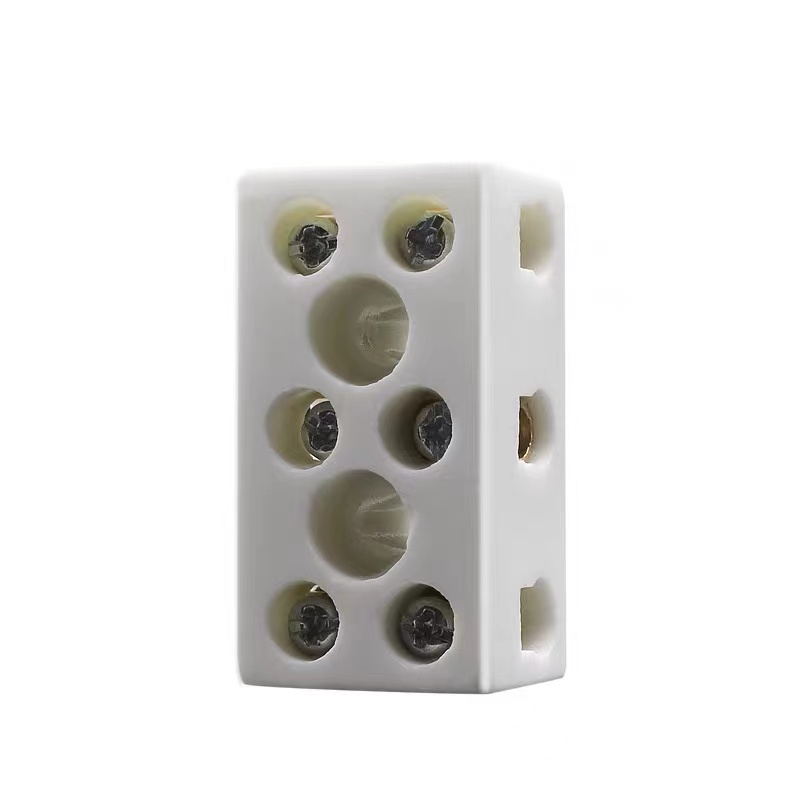
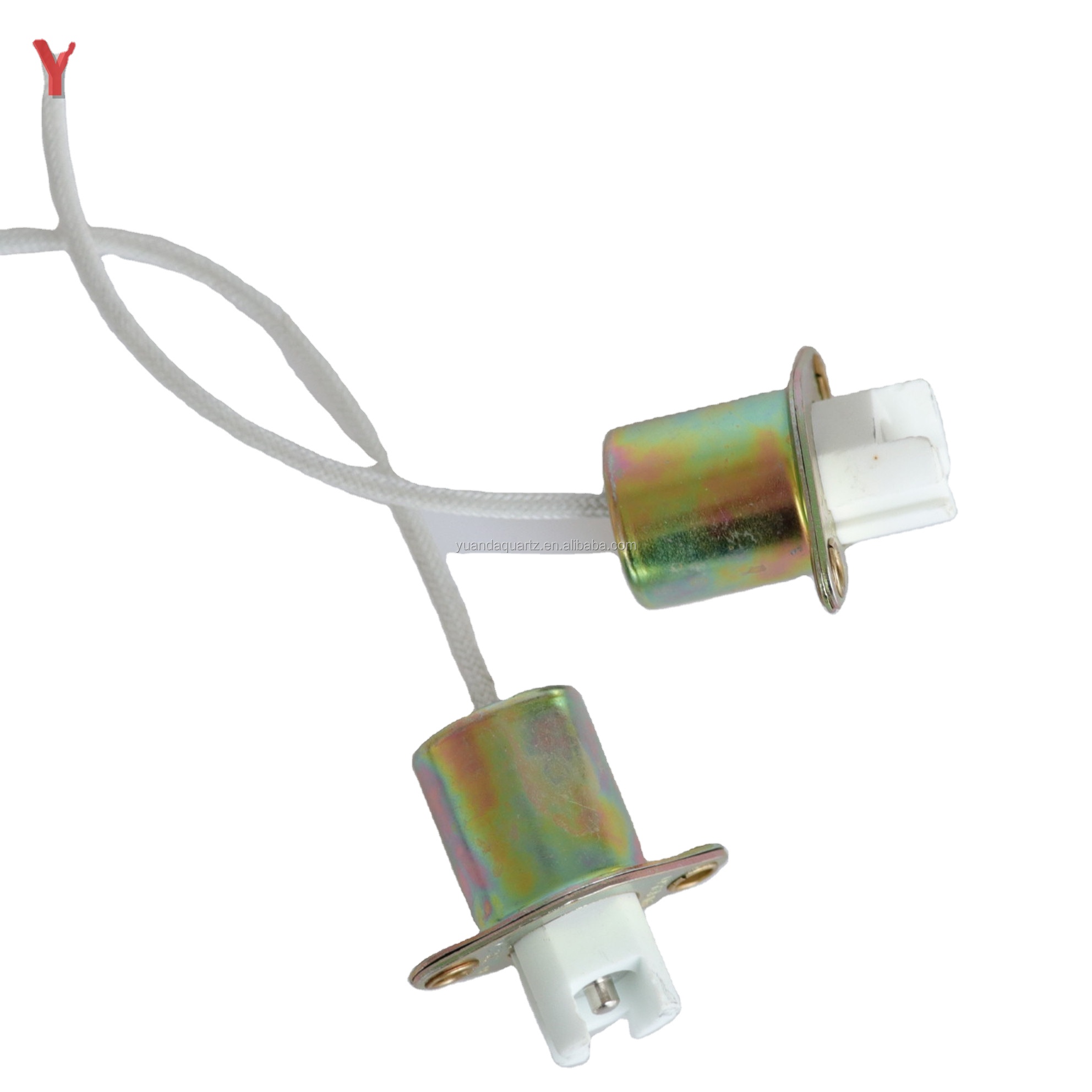
Over a decade of custom manufacturing expertise. From twin-tube configurations, specific R7S/ceramic pin caps, to optical lens polish parameters, our engineering department provides dimensional CAD validation and prototypes within short turnaround windows.
Rigorous QA & Shockproof Export Packaging
Every quartz lens, tube, and heating element undergoes spectral transmission checks, filament center-line alignment, and vacuum hermetic seal testing. Packaged in customized suspension foam and reinforced timber crates for safe arrival at Guadalajara International Airport (GDL) or Manzanillo Port.
Purchasing Clarifications
Frequently Asked Questions by Jalisco Industrial Buyers
Clear, direct answers regarding custom drawings, Incoterms, customs clearance in Mexico, and minimum order requirements.
QCan you replicate discontinued quartz lenses or IR emitters from existing machinery in Guadalajara?
Yes. A significant portion of our Mexican orders involves reverse engineering. You can send us CAD blueprints, high-resolution photographs of terminal markings, or a physical worn sample. We will match electrical parameters, heated length, and optical glass profiles exactly.
QWhat delivery terms (Incoterms) do you provide for shipments to Mexico?
We support FOB, CFR, CIF, EXW, and DDP terms. For fast airfreight replacements, we deliver directly to Guadalajara International Airport (GDL) via DHL/FedEx/air cargo. For bulk sea containers, goods are routinely dispatched to the Port of Manzanillo, Colima, followed by bonded rail or truck freight into Jalisco.
QWhat is the Minimum Order Quantity (MOQ) for custom quartz parts?
Standard infrared quartz lamps and standard quartz plate/tube stock require an MOQ of just 8–10 pieces to support plant maintenance trials. Custom-machined fused silica lenses or complex laboratory glassware designs are confirmed following CAD drawing assessment.
QHow do you protect fragile quartz products against breakage during trans-Pacific shipment?
We utilize high-density honeycomb cushioning, vacuum-sealed PE sleeving, and drop-tested multilayer plywood crates designed specifically for international glass exports. With 81–90% of our products sent overseas, transit breakage rates remain below 0.3%.
QBetween short-wave halogen and carbon fiber emitters, which is superior for PET blow molding?
Short-wave halogen emitters (peak ∼1.0–1.2 µm) provide deep volumetric heating, penetrating the thick core of PET preforms within one second. Carbon fiber emitters (medium-wave ∼2.0 µm) heat the surface faster. For typical high-output rotary bottle machines in Jalisco, halogen emitters with gold or half-white ceramic reflectors yield higher clarity and efficiency.
QDo your quartz products comply with Mexican import and industrial electrical standards?
Yes. Our heating elements and electrical connections are manufactured to meet CE, RoHS, and industrial ISO manufacturing tolerances compatible with standard Mexican voltage networks (220V, 380V, 440V 3-phase systems) commonly utilized in industrial facilities across Guadalajara.
Ready to Optimize Your Guadalajara Production Line?
Consult with our technical engineers for custom quartz lens specifications, radiant heat system upgrades, or immediate OEM lamp replacements. We guarantee engineering assessments and quotation feedback within 4 working hours.
Send an Inquiry