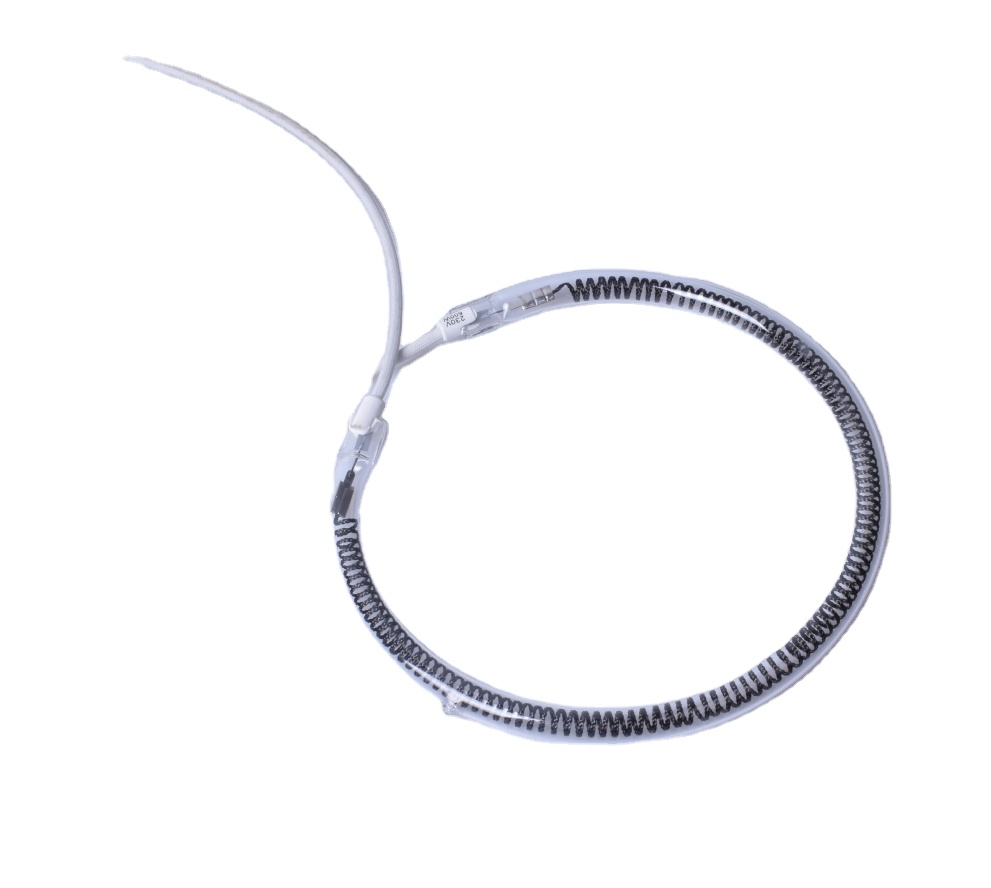
1000W Carbon Fiber Circular Infrared Heat Lamp for PET Preheating
View Product Details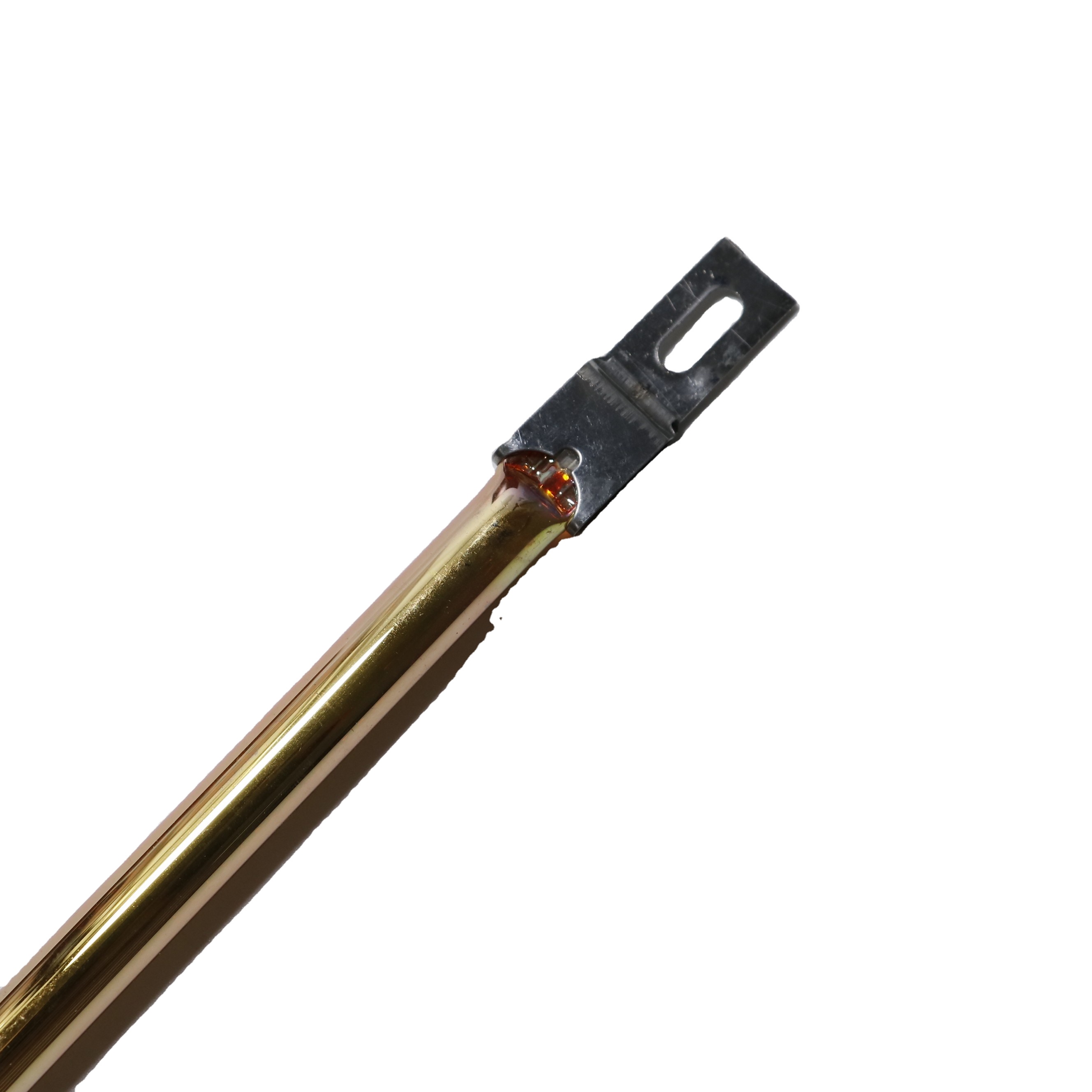
Full Gold Quartz Infrared Heating Lamp for Industrial Processing
View Product Details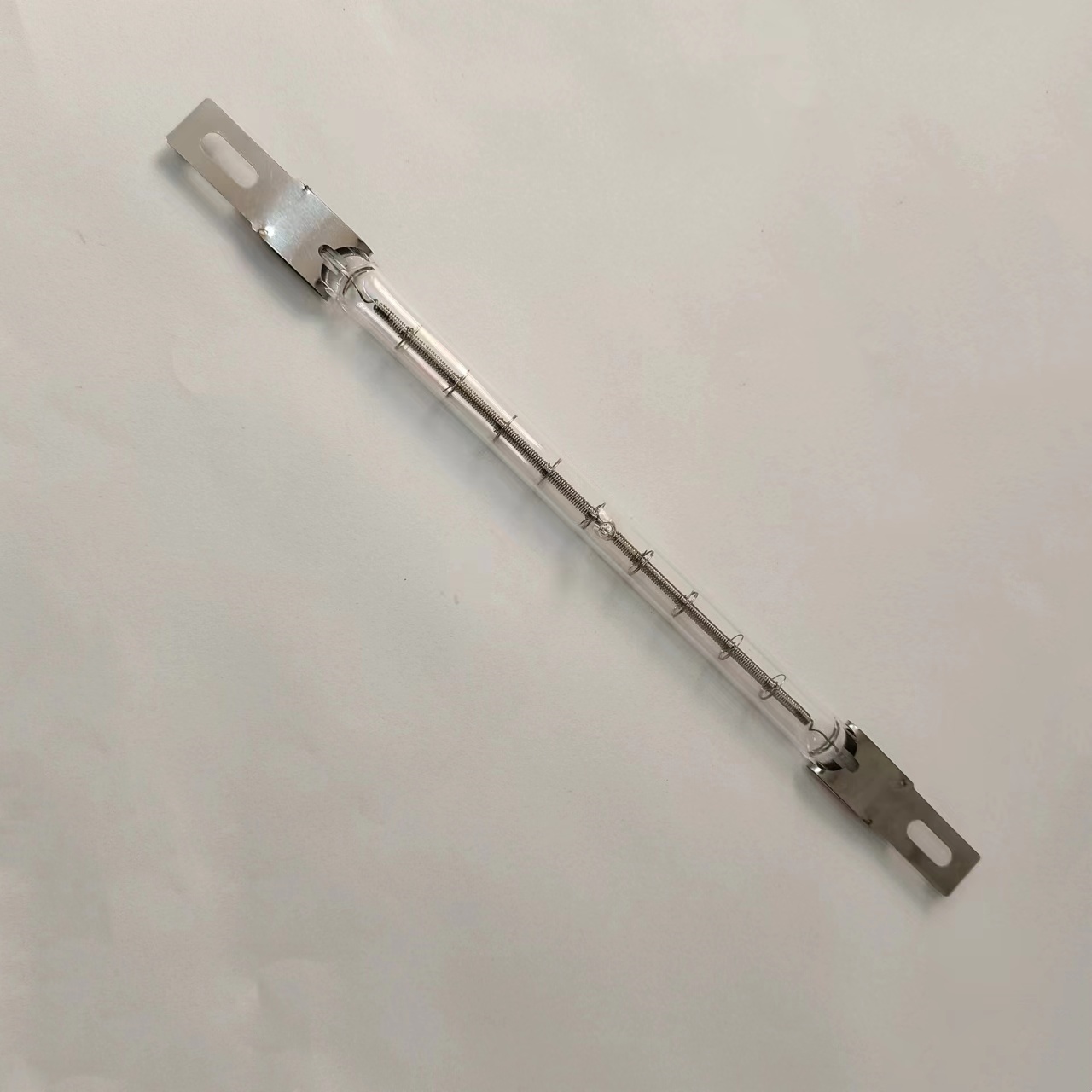
13195X Metal Clip 480mm 220V 1000W Clear IR Lamp for Printers
View Product Details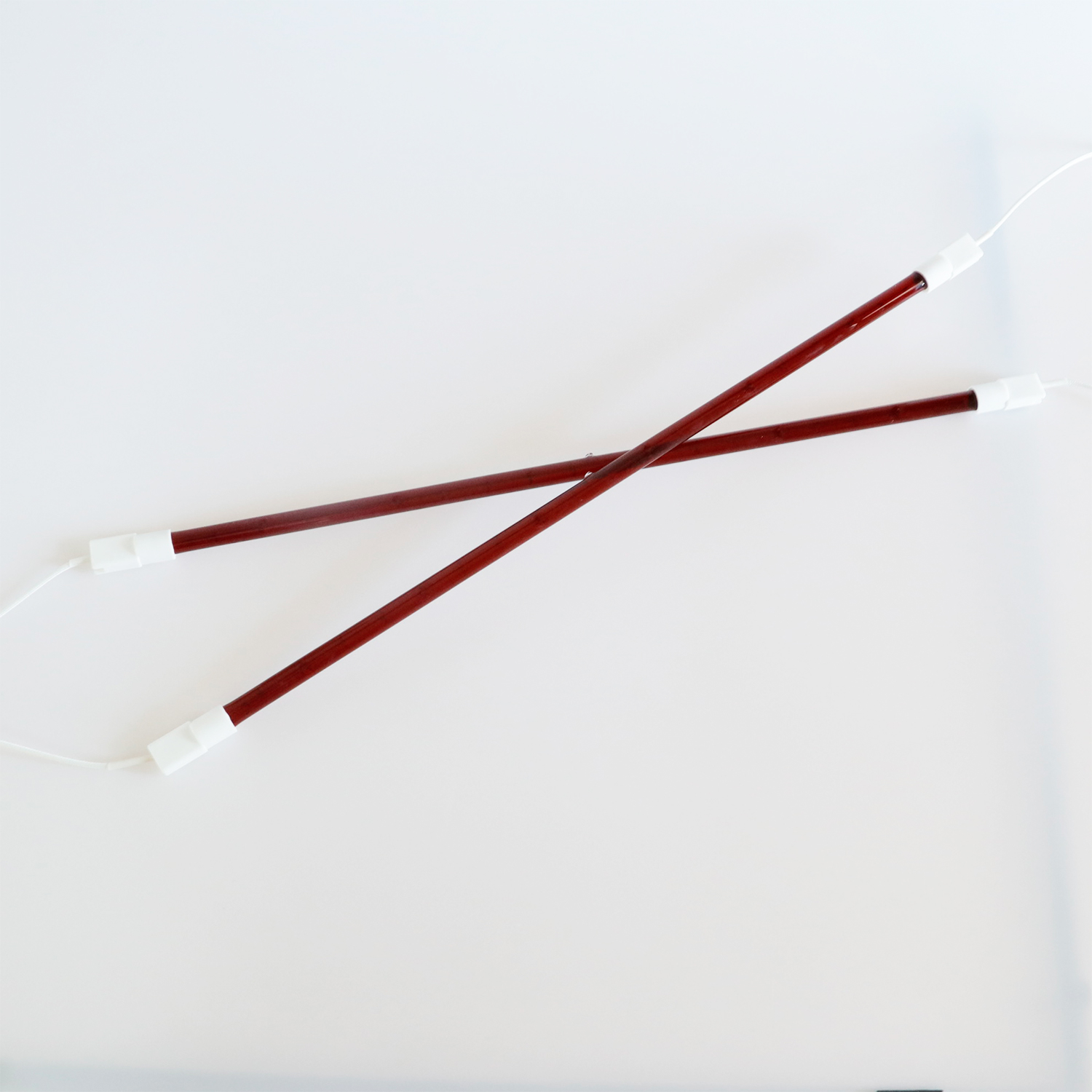
Factory Ruby Short Wave Quartz Tube 1000W Halogen Lamp for Paint Drying
View Product Details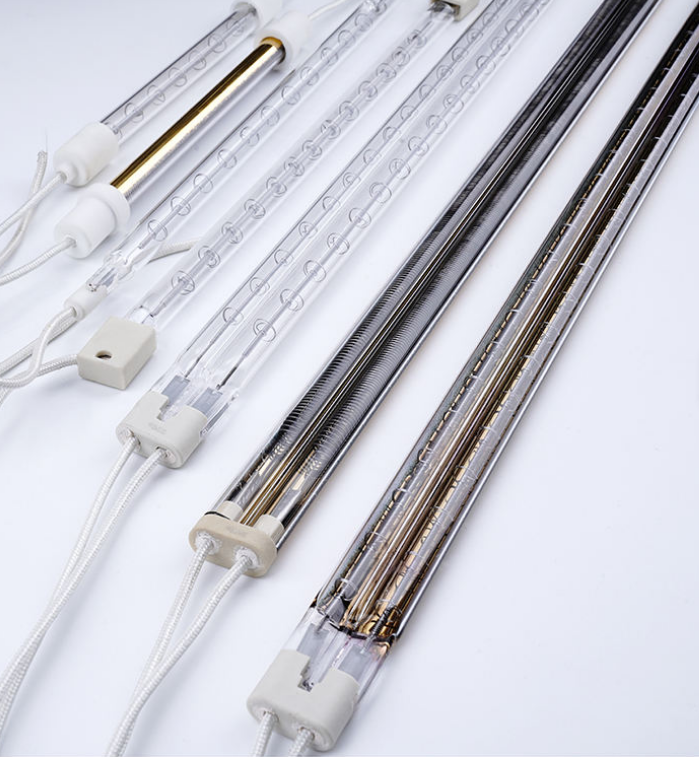
Factory Supply 220V Infrared Heater Lamp for PET Blowing Machines
View Product Details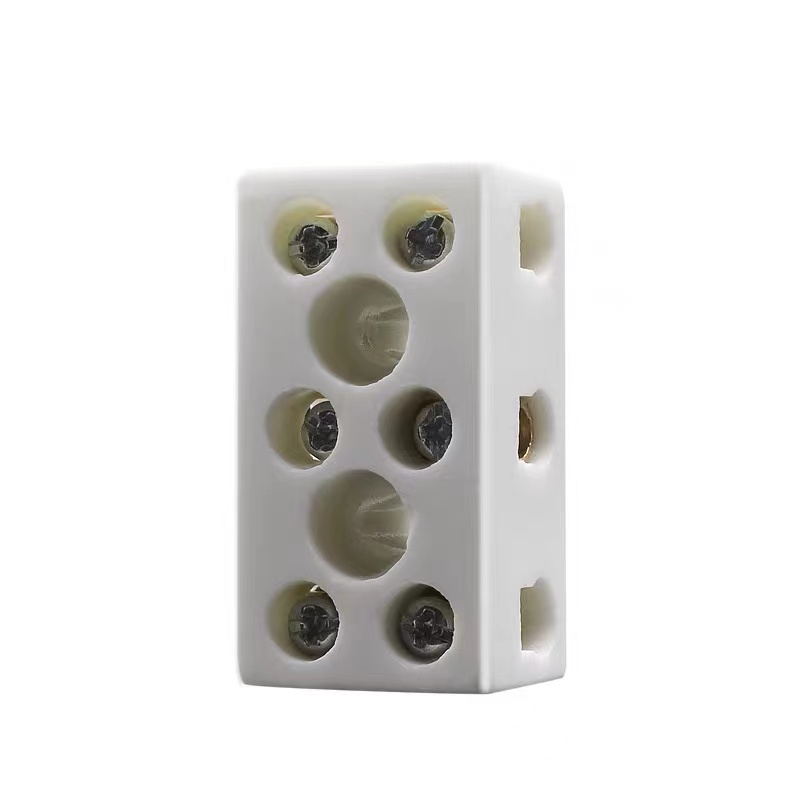
High-Temperature Ceramic Terminal Block & Wire Connector Unit
View Product Details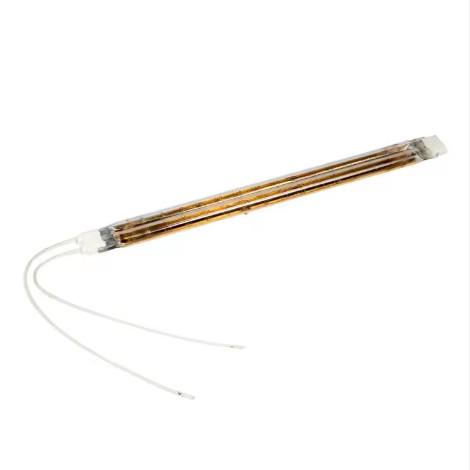
Halogen Double Tube Half Gold Infrared Heating Lamp for Blowers
View Product Details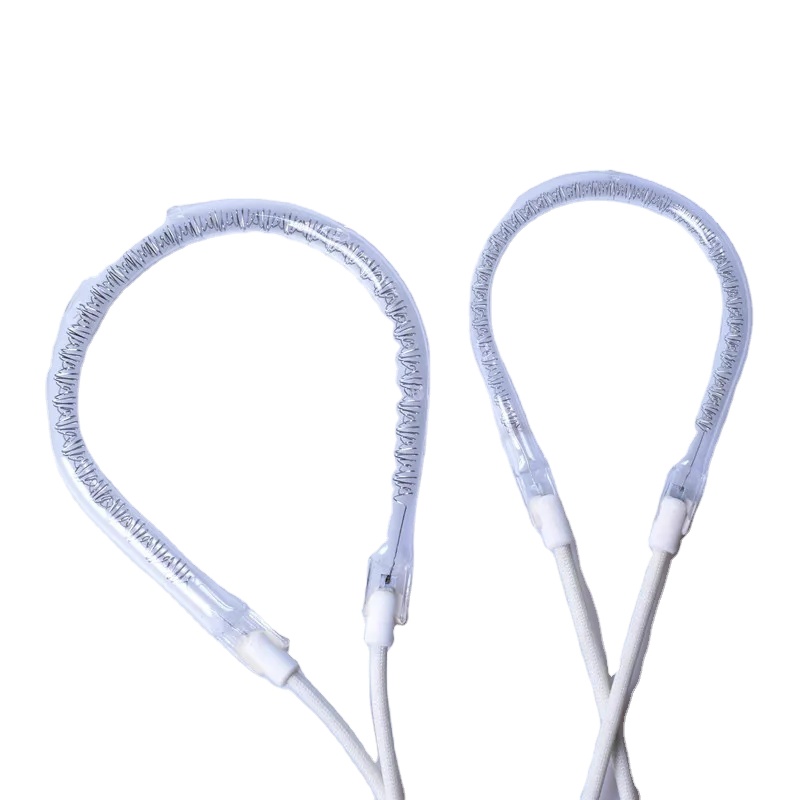
OEM Ruby Infrared Bulb Quartz Emitter Lamp for Industrial Heating
View Product DetailsHigh-Purity Fused Quartz Digestion Tubes in Modern Spectrometry
A rigorous review of high-performance analytical vessel metallurgy, acid matrices resistance, and precision thermal block digestion compliance for laboratories in David, Chiriquí.
In modern analytical trace-element determination, the integrity of sample preparation dictates the validity of downstream instrumentation results, including Inductively Coupled Plasma Mass Spectrometry (ICP-MS), Inductively Coupled Plasma Optical Emission Spectrometry (ICP-OES), and Graphite Furnace Atomic Absorption Spectrometry (GFAAS). Throughout the industrial and commercial sector of David—the economic and diagnostic capital of the Chiriquí Province—laboratories are subjected to demanding digestion regimes comprising concentrated oxidizing acids like nitric acid (HNO3), perchloric acid (HClO4), hydrofluoric acid (HF) mixtures, and sulfuric acid (H2SO4) digestion blocks.
Standard borosilicate 3.3 laboratory glass, while ubiquitous, is severely constrained by its thermal boundary envelope (maximum continuous operation around 450°C to 500°C) and contains significant background concentrations of elemental boron, sodium, aluminum, and silica that continuously leach into sample matrices during open or pressurized refluxing. Fused quartz glass digestion tubes manufactured from semiconductor-grade natural silica crystal provide an inert barrier that resists continuous temperatures up to 1100°C and peak thermal shocks exceeding 1450°C, completely eliminating sample contamination and vessel spallation.
| Performance Parameter | Borosilicate Glass 3.3 | PTFE / PFA Vessels | Kavri Fused Quartz Tubes | Analytical Advantage in David Labs |
|---|---|---|---|---|
| Maximum Working Temperature | 490°C (Softens at 560°C) | 260°C (Risk of deformation) | 1150°C (Strain pt 1075°C) | Unrestricted Block Heating |
| Thermal Shock Tolerance | ΔT = 100°C | N/A (Soft polymer) | ΔT > 1100°C to water plunge | Zero Thermal Breakage |
| Trace Leaching Blank (ppb) | B, Na, Al, Fe > 50 ppb | Trace metal low, memory plastic | B, Na, Fe < 0.2 ppb blank | Ultra-Trace Detection |
| Optical / Infrared Transmittance | Opaque to direct Short-Wave IR | Opaque | > 92% transmission (200-2500nm) | Direct Radiative Coupling |
| Concentrated H2SO4 / HClO4 | Slow surface leaching / frost | Permeable under high pressure | Completely inert & transparent | Acid Matrix Stability |
Localized Application Ecosystem: Western Panama Operations
Tailored laboratory digestion technologies meeting international export criteria, agronomic soil management, and volcanic hydrological analysis throughout Chiriquí and neighboring regions.
Agro-Industrial Kjeldahl Nitrogen Testing
David acts as the primary processing node for Western Panama's agricultural exports, spanning palm oil refineries, dairy production plants, sugarcane processing, and high-yield livestock feeds. Measuring crude protein through Kjeldahl digestion demands digesting complex organic matter in boiling concentrated sulfuric acid (380°C–420°C) with copper or selenium catalysts. Our quartz digestion tubes withstand extended boiling without clouding or surface etching, ensuring analytical recovery and structural life cycles 5 times longer than typical glass.
Volcanic Soils & Highland Coffee Chemistry
The microclimates of Boquete, Volcán, and Cerro Punta require rigorous elemental monitoring of high-value Specialty Geisha coffee beans, foliage tissue, and andisol volcanic soils. Quantifying macro-nutrients (P, K, Ca, Mg) and micronutrients (Fe, Cu, Zn, Mn) requires total acid dissolution using nitric-perchloric digestion blocks. Kavri quartz tubes guarantee zero leaching blanks, preserving baseline detection accuracy down to sub-part-per-billion levels demanded by specialty trade certifications.
Pacific Maritime Aquaculture & Effluents
Laboratories servicing the Gulf of Chiriquí and Puerto Armuelles manage intensive shrimp farming hatcheries and marine export diagnostics. Environmental water runoff, sediment digestion, and tissue testing for bio-accumulated heavy metals (Cadmium, Lead, Arsenic, Mercury) according to EPA 3050B standard procedures require flawless thermal uniformity. Our matched quartz digestion tubes integrate seamlessly with automated heating blocks, delivering consistent internal digestion temperatures across 48-well or 60-well manifolds.
Analytical Modernization Trends Across Chiriquí
How testing facilities in David and the Panamanian border zone are shifting toward automated, high-throughput quartz block digestions.
The regional diagnostic infrastructure in David is experiencing rapid technical modernization, driven by three major economic realities:
1. Stringent Accreditation Standards (ISO/IEC 17025:2017): Private and university-affiliated analytical laboratories (including testing divisions at UNACHI and regional MIDA/MINA analytical posts) are standardizing standard operating procedures to comply with international accreditation audits. Reagent blank control and inter-tube digestion reproducibility are non-negotiable prerequisites. Traditional borosilicate tubes, prone to micro-cracking and erratic wall thickness, introduce digestion variance up to 12% across blocks. Swapping to dimensionally calibrated fused quartz tubes with precision tolerances (±0.05 mm) lowers inter-sample CV (coefficient of variation) to under 1.8%.
2. Adoption of Automated High-Capacity Graphite Block Digesters: Modern analytical labs across David are retiring antiquated individual hotplates and manual Kjeldahl racks in favor of 20-, 48-, and 72-place computerized graphite digestion blocks (such as SCP Science DigiPREP, Questron, and LabTech units). These machines generate steep thermal ramps that exert immense stress on digestion tubes. Quartz glass, with its refractory thermal characteristics, permits rapid step-heating routines that reduce cycle times from four hours down to 75 minutes.
3. Direct Trans-Isthmian & Central American Supply Chain Independence: Procurement directors in David have traditionally suffered from high markups and 6-to-10-week transit delays when ordering replacement glassware through third-party catalog consolidators in North America or Panama City. Sourcing factory-direct from Kavri Quartz, backed by protective sea/air freight routing via Tocumen or Manzanillo straight to Chiriquí logistics hubs, eliminates redundant middleman costs while offering fully customized lengths, calibrations, and rim configurations.
Request Complete Laboratory Quartzware Technical Specifications
Download our technical catalog detailing 25ml, 50ml, 75ml, 100ml, and 250ml quartz digestion tubes, reflux condensers, Kjeldahl tubes, and customized analytical labware.
Why Procurement Leaders in David Partner with Kavri Quartz
From the raw silica heartland of Lianyungang to certified laboratories worldwide—ten years of proven OEM engineering, custom fabrication, and zero-defect logistics.
Lianyungang Quartz Cluster
Directly situated in Lianyungang, China—the epicenter of high-purity natural silica processing—giving us unrivaled access to low-impurity crystal feedstocks and master glassblowers.
10+ Years OEM/ODM Customization
Precision tube sizing, flat or hemispherical rounded bottoms, screw caps, ground glass joints (ST 19/26, 24/40), and laser-etched volumetric fill lines precisely configured to your block digester.
Verified Manufacturing Facility
Alibaba onsite-verified manufacturer operating 3 dedicated quartzware lines. Every production batch undergoes polariscope strain inspection, dimensional optical checks, and chemical wash tests.
Shock-Proof Export Packaging
Over 85% of our finished goods are shipped internationally. We deploy dual-wall honeycomb cartons, high-density custom EPE inserts, and moisture-sealed crates to ensure zero breakage upon arrival in David.
Frequently Asked Questions by Laboratory Buyers in David
Addressing engineering specifications, chemical compatibility, minimum order quantities, and transit logistics for Panamanian operations.
What are the exact dimensional options available for graphite block digestors in David?
Can your quartz digestion tubes withstand continuous perchloric acid (HClO4) fuming?
How does Kavri Quartz ensure trace metal blank compliance for ICP-MS testing?
What is the Minimum Order Quantity (MOQ) and lead time for shipments to Chiriquí?
How are fragile quartz tubes protected during ocean and overland transshipment?
Can we request customized graduations, tare labels, and calibration certificates?
Accelerate Your Digestion Throughput & Precision
Partner with an accredited manufacturer providing customized fused quartz digestion tubes, infrared heating elements, and precision quartzware directly to laboratories in David and nationwide.