High-Performance Catalog
Precision Quartz & Infrared Thermal Equipment
Engineered for extreme thermal shock resistance, tight dimensional tolerances, and uniform radiation profiles across severe industrial processing environments.
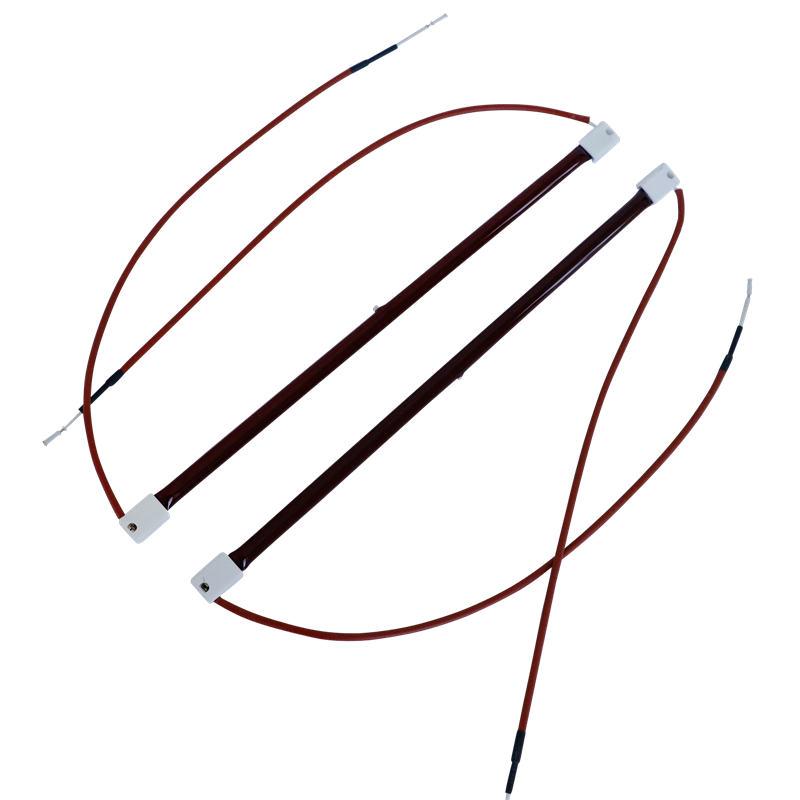
500W 220V Ruby Quartz Infrared Heating Lamp
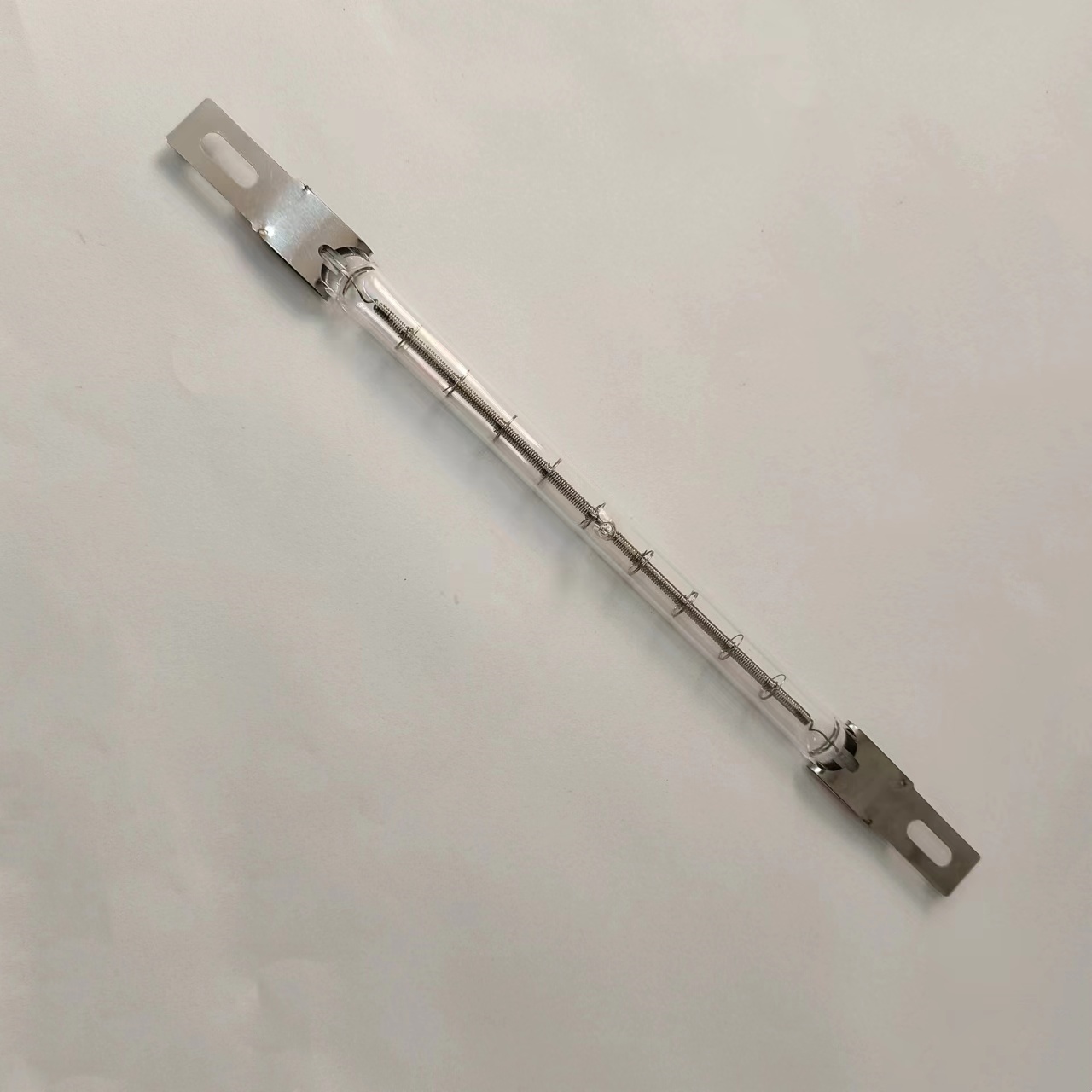
13195X Metal Clip 480mm 220V 1000W Clear IR Lamp
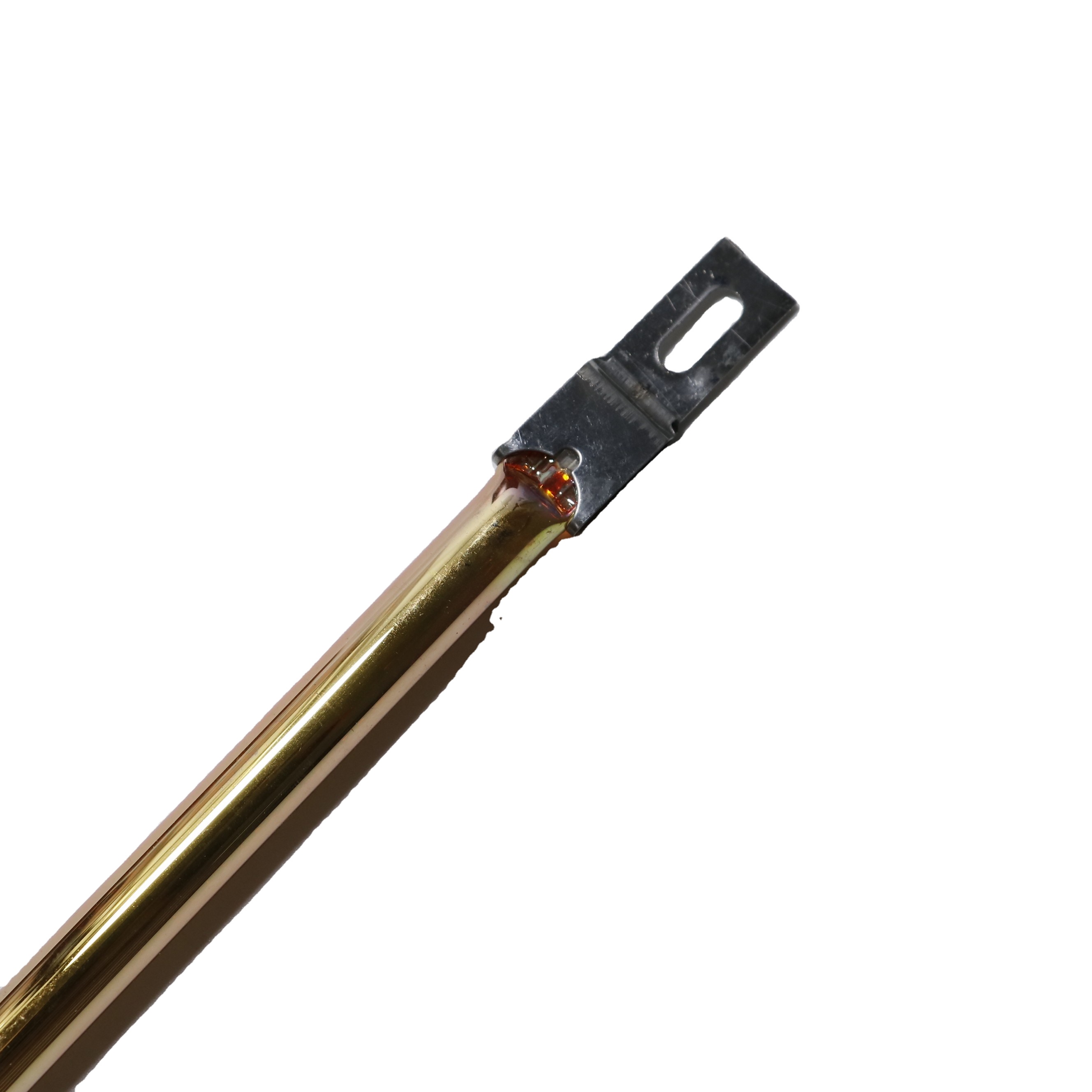
Full Gold Coated Quartz Infrared Heating Lamp
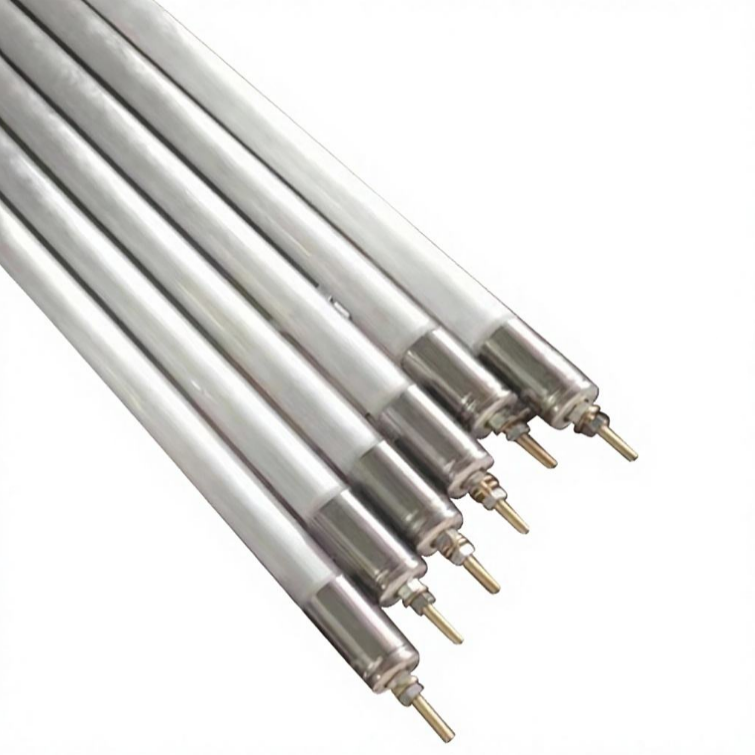
Electric Furnace Wire Quartz 1000W Heating Core
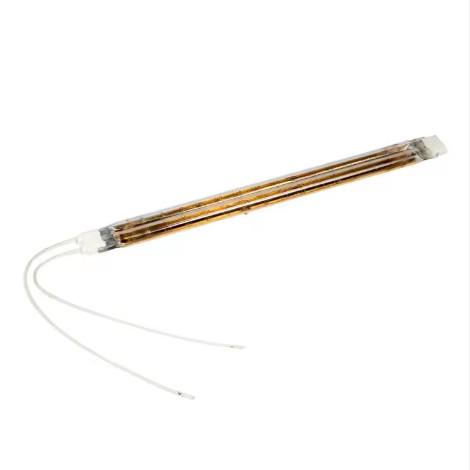
Twin Tube Half-Gold Halogen Infrared Emitter
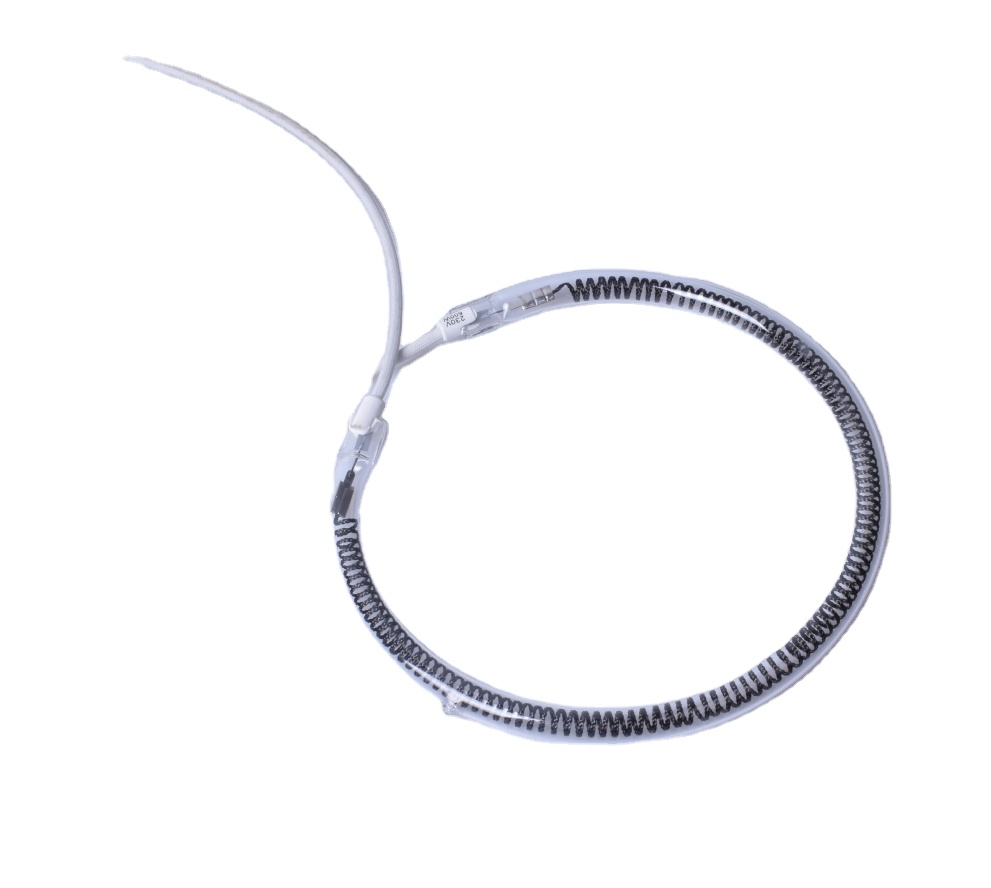
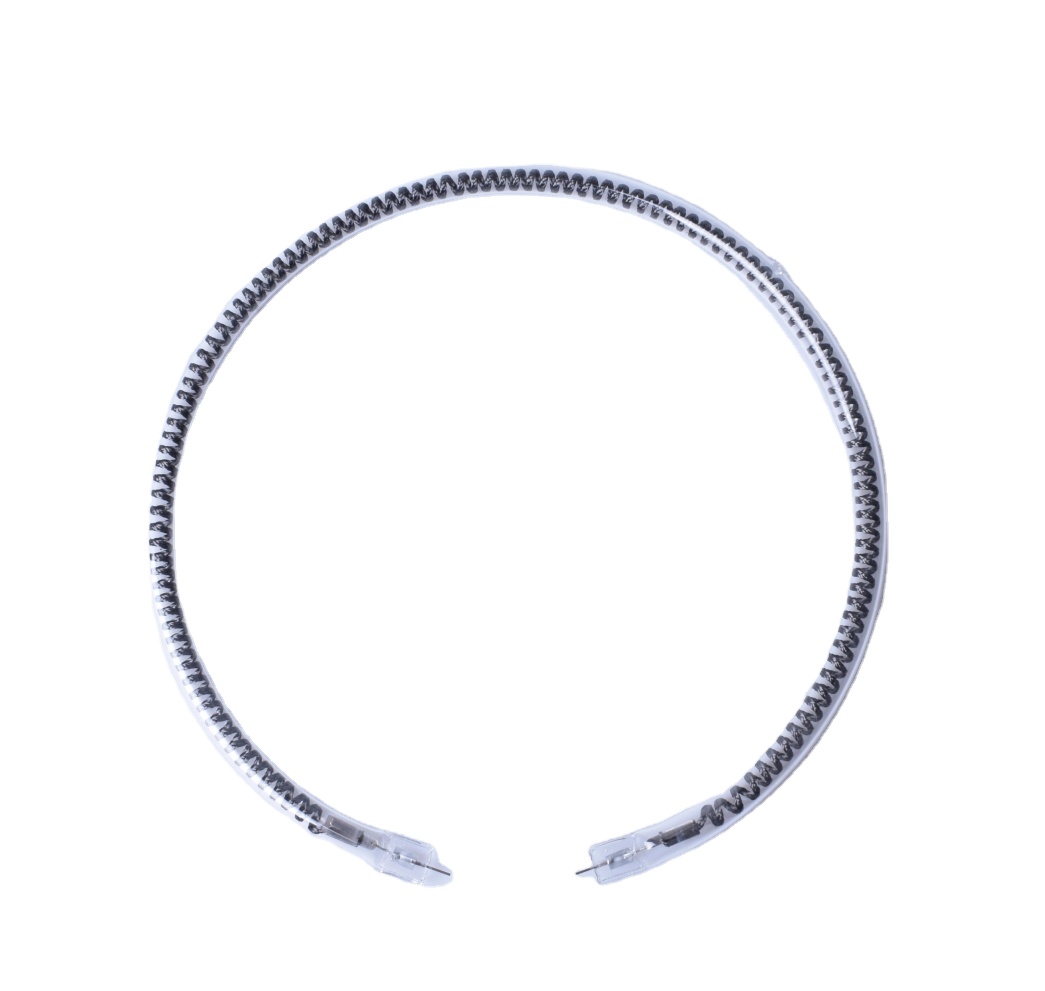
1000W Carbon Fiber Circular Infrared Heat Lamp
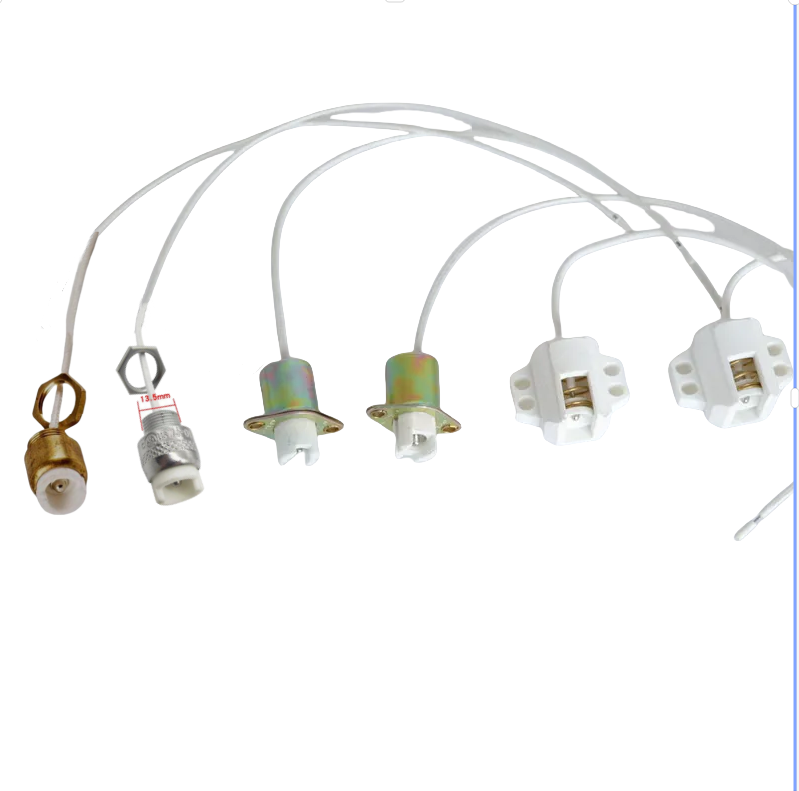
R7S Ceramic Holder Halogen Infrared Heating Tube
Technical Whitepaper & Market Insights
High-Purity Quartz Diffusion Tubes: The Thermal Engineering Backbone of the Dnipro Industrial Corridor
Dnipro (formerly Dnipropetrovsk) stands as one of Eastern Europe's most formidable industrial, aerospace, and heavy metallurgical crossroads. The industrial framework across Dnipropetrovsk Oblast—spanning the banks of the Dnieper River, through Kamianske and Kryvyi Rih—relies heavily on precision thermal equipment that can sustain uninterrupted operation under severe thermal and chemical conditions. Quartz diffusion tubes, reaction chambers, and high-intensity infrared heating elements constitute critical components in this supply chain, serving as the inert, ultra-heat-resistant interfaces where high-temperature processes take place.
A quartz diffusion tube serves as an ultra-pure thermal reaction envelope, typically manufactured from continuous electric fusion or gas-fusion silica crystals. Characterized by a Silicon Dioxide (SiO₂) content exceeding 99.99%, an exceptionally low thermal expansion coefficient (5.5 × 10⁻⁷ cm/cm·°C), and negligible trace-element contamination (such as Fe, Al, Cu, Na, and hydroxyl groups [OH⁻]), these tubes provide the physical and chemical barrier required for diffusion processes, semiconductor annealing, optical fiber preform consolidation, chemical vapor deposition (CVD), and specialized metallurgical heat treatments.
Critical Material Properties & Structural Tolerances
In thermal diffusion operations, consistency of wall thickness and microscopic surface roughness directly govern thermal flux homogeneity and process repeatability. When quartz tubes are deployed in horizontal or vertical furnace cores across Dnipro's metallurgical labs or specialized component manufacturers, variations in tube concentricity or roundness can induce severe localized crystallization (devitrification) or mechanical deflection under sagging stress at sustained temperatures above 1,150°C.
| Physical & Thermal Metric | Standard Semiconductor Grade | Heavy Industrial High-Temp Grade | Dnipro Industrial Application Focus |
|---|---|---|---|
| Purity (SiO₂ Mass Fraction) | ≥ 99.998% | ≥ 99.99% | Electronic components & optical preforms |
| Hydroxyl Group (OH⁻ Content) | < 5 ppm (Dehydroxylated) | < 20 - 30 ppm | Atmospheric furnace & thermal diffusion |
| Continuous Working Temperature | 1,150°C | 1,100°C | Alloy heat treatment & tube furnaces |
| Softening Point / Annealing Point | 1,730°C / 1,180°C | 1,680°C / 1,150°C | High-temperature reaction vessels |
| Thermal Shock Resistance | 1,100°C to 20°C Water Quench (No crack) | 1,000°C to 20°C Rapid Air Cool | Rapid-cycle sintering & IR drying |
| Spectral Transmission (200nm - 3.5μm) | > 90% (UV to Near-IR) | > 85% (Broad Spectrum) | Infrared radiant heating lamps |
Localized Industrial Applications Across the Dnipro Regional Market
Dnipro’s industrial architecture is not a monolith; it is an interconnected ecosystem of heavy metallurgical complexes, advanced rocket and aerospace engineering institutes (such as Yuzhnoye and Yuzhmash), specialty alloy production facilities, and emerging green energy and plastics processing plants. The deployment of quartz diffusion tubes and quartz radiant heating elements matches these distinct operational sectors:
Metallurgical & Powder Sintering
Utilized as high-temperature process tubes for specialized hydrogen-atmosphere annealing, rare-earth reduction, and vacuum sintering of refractory metal powders without metallic ion contamination.
Aerospace & Defense Thermal Shielding
Custom-flanged quartz reaction vessels and thermal insulation sight-glasses employed in structural alloy testing, pyrometry shielding, and plasma-arc deposition monitoring under extreme vacuum environments.
Photovoltaic & Microelectronics
High-purity horizontal quartz diffusion tubes applied in POCl₃ liquid dopant diffusion, boron drive-in steps, and thin-film silicon wafer consolidation throughout regional solar cell lines.
Industrial Polymer & PET Forming
Short-wave and medium-wave carbon fiber quartz heating emitters deployed along high-speed automated bottling and container molding facilities across the Dnipro FMCG packaging clusters.
Analytical Laboratories & Testing
Precision quartz flow cells, crucibles, combustion boats, and spectroscopic test tubes engineered for metallurgical batch analysis, slag testing, and regional environmental assay institutions.
Industrial Coating & Paint Curing
Twin-tube gold-coated quartz heaters generating directional radiant energy for automotive refurbishment, heavy railway wagon coating drying, and structural anti-corrosive curing.
Strategic Development Trends in the Dnipro Industrial Basin
The manufacturing paradigm in Dnipro and across wider central Ukraine is undergoing a profound structural evolution characterized by three dominant forces:
1. Energy Efficiency & Decarbonization Pressures: Escalating power costs and structural grid demands have catalyzed a systematic migration from outdated, convective gas-fired soaking pits to precision infrared electric heating solutions. Twin-tube halogen and carbon fiber emitters equipped with selective gold or ceramic directional reflectors reduce energy dissipation by up to 35% by focusing thermal radiation directly upon the workload, bypassing ambient oven air volumes.
2. Localization and Supply Chain Hardening: With international supply channels demanding higher resilience and faster replenishment cycles, procurement directors at Dnipro enterprises are transitioning from generic traders to direct manufacturing partners capable of offering bespoke OEM/ODM dimensioning, low minimum order quantities (MOQs), and secure crating methods that survive intermodal rail and road transit across Eastern Europe.
3. Modernization of Industrial Automation: Modern automated fabrication cells—from automotive component paint lines to automated blow molding—demand infrared emitters with rapid startup and shutdown cycles. Kavri Quartz lamps achieve full radiant output in under 1 to 2 seconds, empowering Dnipro machine operators with closed-loop optical pyrometry integration for dynamic thermal control.
Factory-Direct Authority
Why Dnipro Industrial Operators Source from Kavri Quartz
Founded in 2014 and anchored in Lianyungang, China—the world-renowned epicenter of natural quartz processing—Kavri Quartz provides industrial enterprises with verifiable engineering superiority.
Direct Raw Silica Access
Located in Donghai, Lianyungang, we utilize high-grade natural quartz sands with SiO₂ content reaching 99.99%, minimizing bubble density, inclusions, and devitrification risks.
10+ Years of OEM/ODM
Custom heated lengths, overall profiles (single/twin tube, circular, hairpin), specialized caps, metal clips, R7S ceramic bases, and leads engineered precisely to technical drawings.
3 Dedicated Production Lines
Independent production flows for short-wave halogen lamps, medium-wave carbon fiber emitters, and fused quartzware, guaranteeing rigid dimensional inspections and electrical stability.
Export-Grade Protective Packaging
Reinforced honeycomb cushioning, custom-molded polystyrene foam inserts, and vacuum-sealed packaging guarantee zero breakages during international intermodal logistics.
Purchasing Intelligence
Frequently Asked Questions by Dnipro Procurement Teams
Practical technical and commercial answers tailored for engineering managers, maintenance departments, and import buyers.
Q1: How do your quartz diffusion tubes endure thermal shock in batch processes?
Our tubes are produced from fused silica boasting an extremely low thermal expansion coefficient (5.5 × 10⁻⁷ /°C). This allows them to withstand instantaneous temperature swings exceeding 1,000°C without micro-fracturing, making them ideal for high-cycling industrial furnace entries in metallurgical and alloy-sintering installations.
Q2: Can you replicate obsolete European or domestic furnace heating elements?
Yes. Many legacy plants across the Dnipro industrial area run machines where original manufacturer tubes or lamps are obsolete or expensive. If you provide rated voltage, wattage, heated length, overall length, outer/inner diameter, and termination photo or drawing, we can reverse-engineer an exact-match replacement.
Q3: What is the recommended choice between gold reflector and ceramic white coating?
Gold reflector coatings exhibit the highest infrared reflectivity (up to 90%) and are ideal for operating temperatures under 600°C, typical in automotive paint drying and plastics processing. For extreme ambient furnace environments exceeding 800°C, our half-white ceramic coating is recommended as it never oxidizes or peels under intense sustained thermal loads.
Q4: What are your minimum order requirements for custom custom-dimensioned quartz?
Standard quartz lamps and standard-diameter tubes start from a flexible MOQ of 8 to 10 pieces, allowing maintenance engineers and R&D teams to validate fit and performance prior to committing to container-level recurring shipments. Fully customized tubes with welded quartz flanges are quoted upon drawing review.
Q5: What Incoterms and shipping methods are available for the Ukrainian market?
We provide FOB, CFR, CIF, EXW, and DDP terms. Given current transit patterns to Dnipro and Western/Central Ukraine, shipments are routed via European transit hubs (such as Polish or Romanian logistics hubs) and delivered by bonded road freight directly to your warehouse with all necessary customs documentation.
Q6: How do you prevent fragile quartz glassware from breaking during international transit?
We employ a multi-stage shock absorption packing protocol: individual elements are shielded with protective sleeve tubing, nested inside dense shock-mitigating EPE foam compartments, placed in heavy-wall double-corrugated cartons, and ultimately crated inside export-grade fumigated plywood cases with tip-and-shock indicator labeling.
Direct-from-Factory Quartz Solutions for the Dnipro Market
Connect with our technical engineering desk. Receive custom CAD drawings, material safety data sheets, and comprehensive factory-direct price quotations within 4 hours.