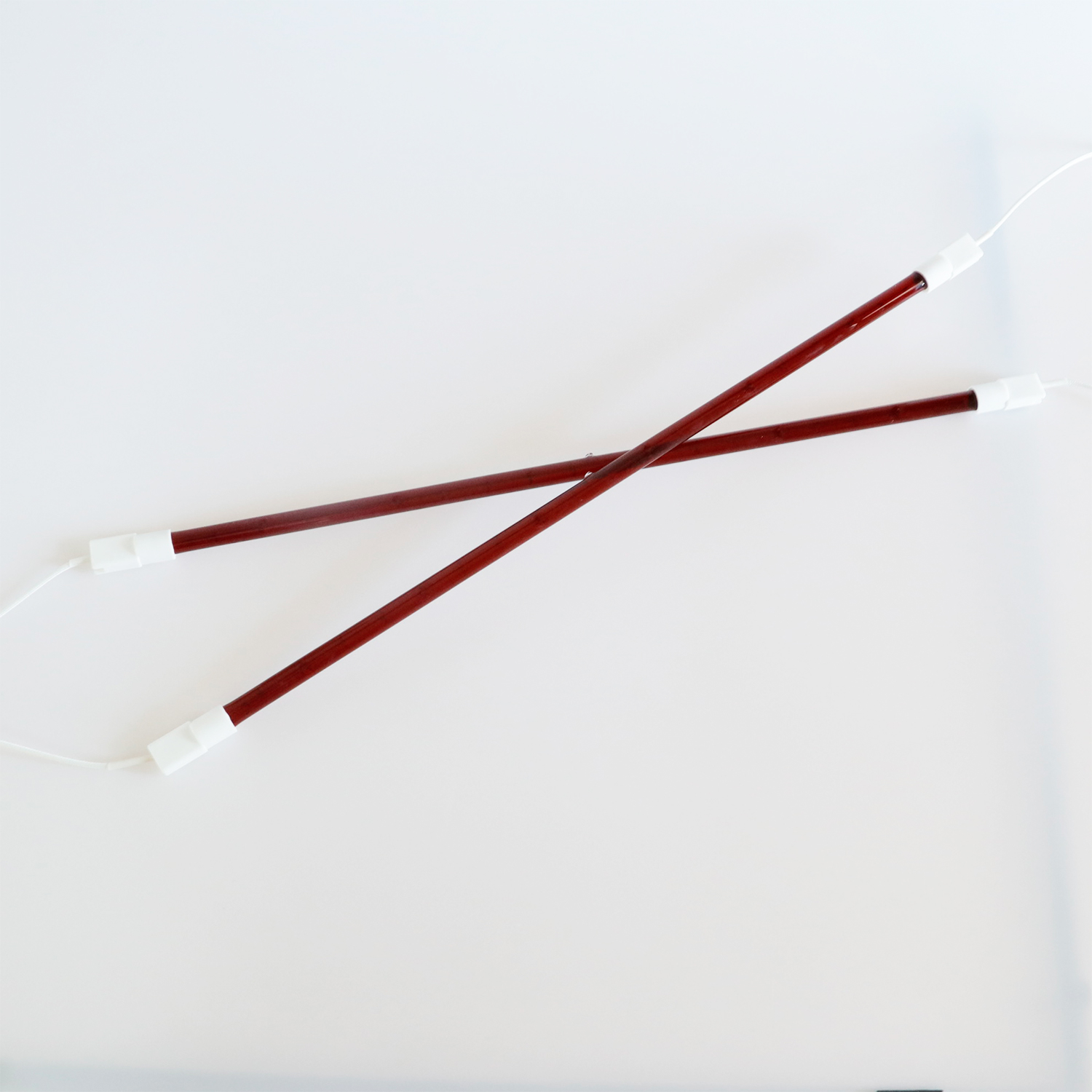
Precision Thermal & Optical Glassware
High-Performance Quartz Cylinders & Infrared Heating Solutions
Manufactured strictly from optical-grade fused silica (SiO₂ ≥ 99.99%) and advanced synthetic glass. Fully customizable by outer diameter (OD), inner diameter (ID), wall thickness, optical coating, and flanged terminations for industrial deployment in Stavanger.
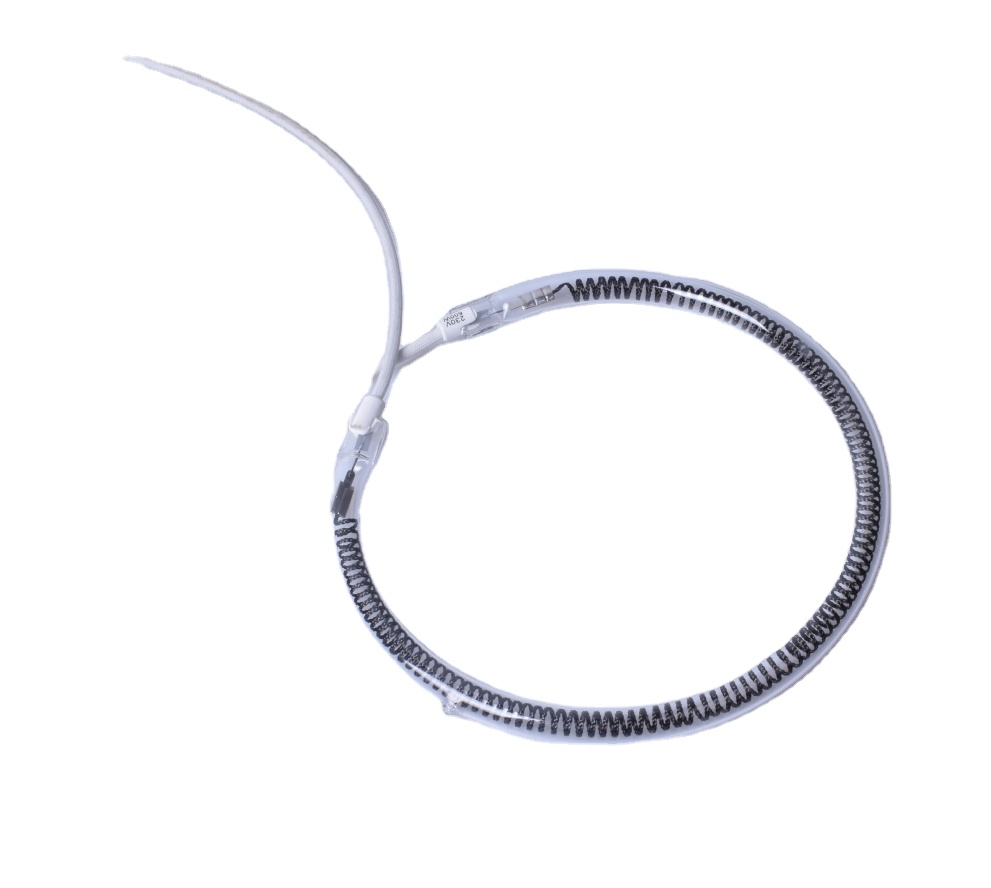
1000W Carbon Fiber Circular Infrared Heat Lamp for PET Blowing Preheating
View Product Specifications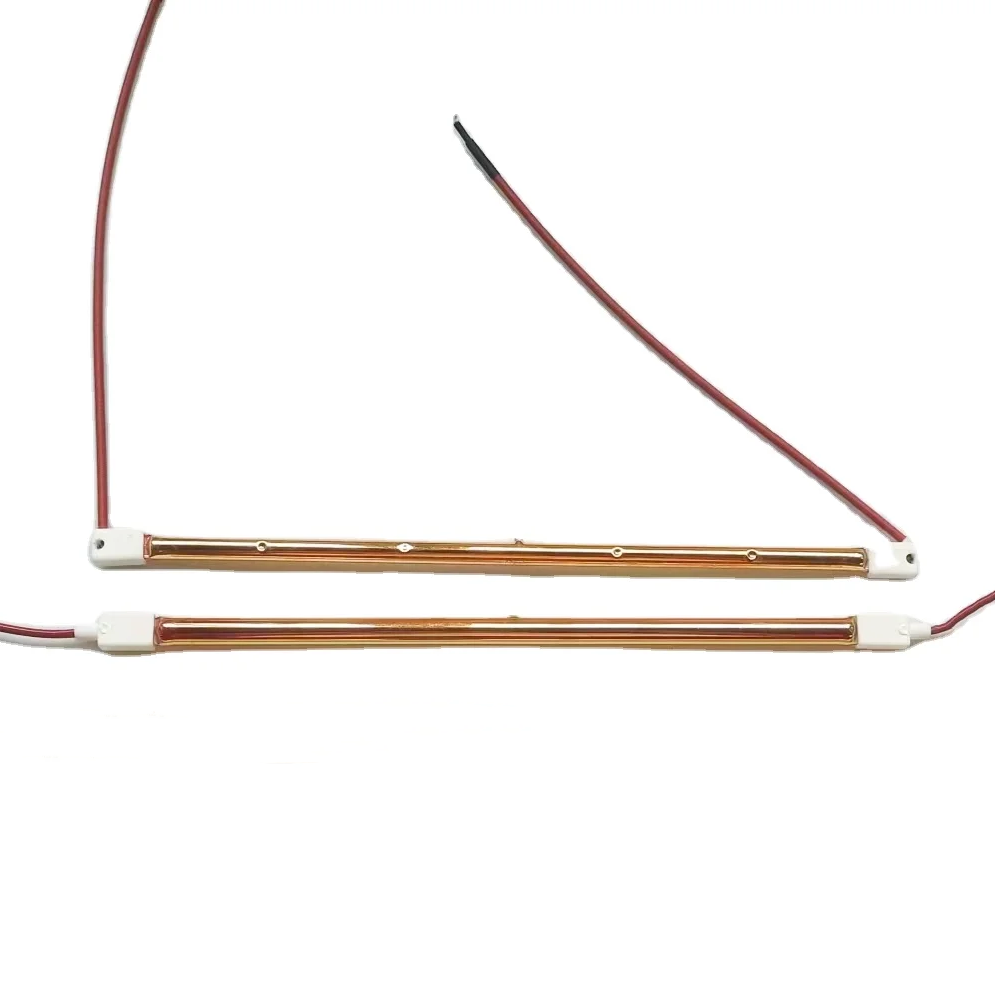
Direct Sells Industry Gold Coated Infrared Heating Lamp
View Product Specifications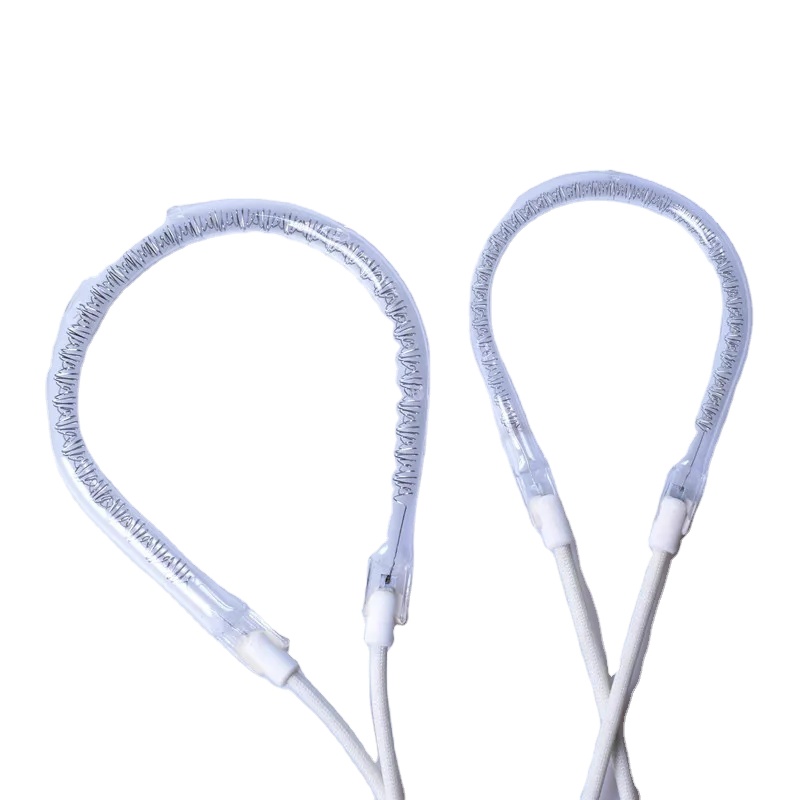
OEM Strong Manufacturer Ruby Infrared Bulb Heat Lamp for Heating
View Product Specifications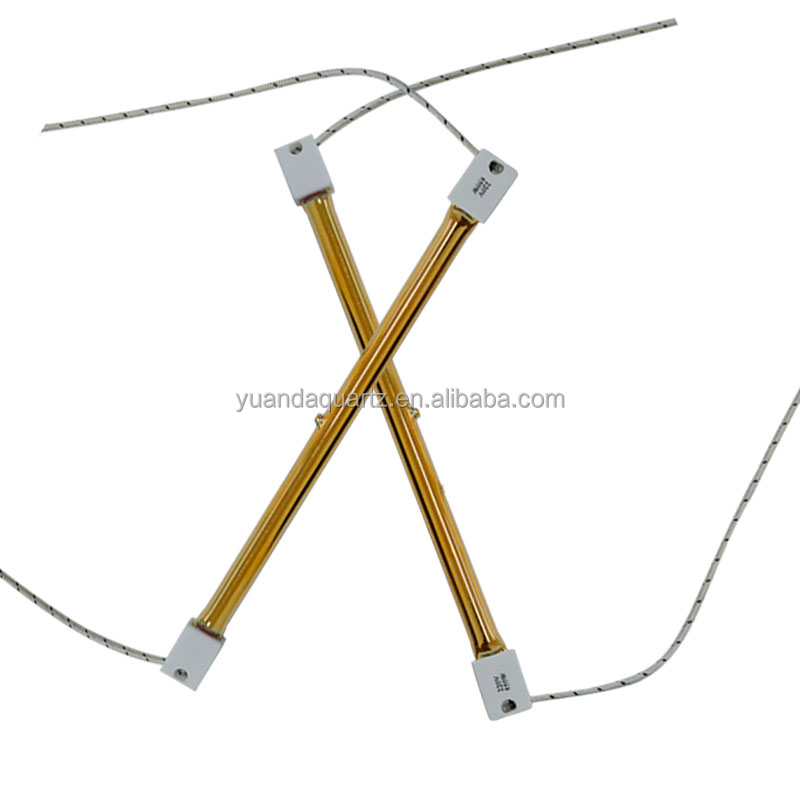
Full Gold Customized Infrared Heating Lamps for Screen Printing Machine
View Product Specifications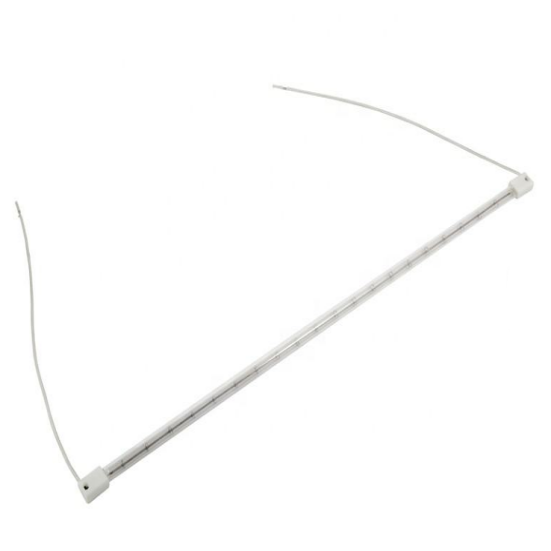
Low Price Infrared Heater Halogen Lamp Supports Customization for Textile Industry
View Product Specifications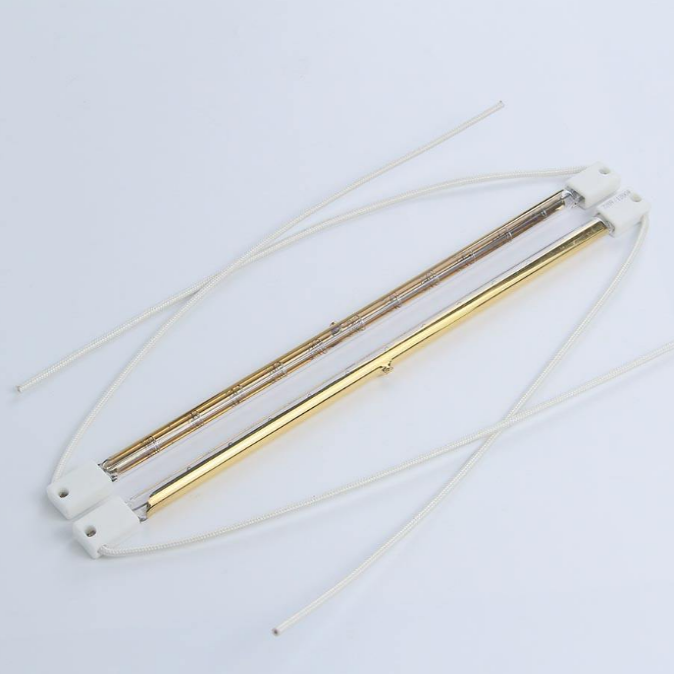
Halogen 220V 1000W Half Gold Coated Infrared Heat Lamp for Machine Equipment
View Product Specifications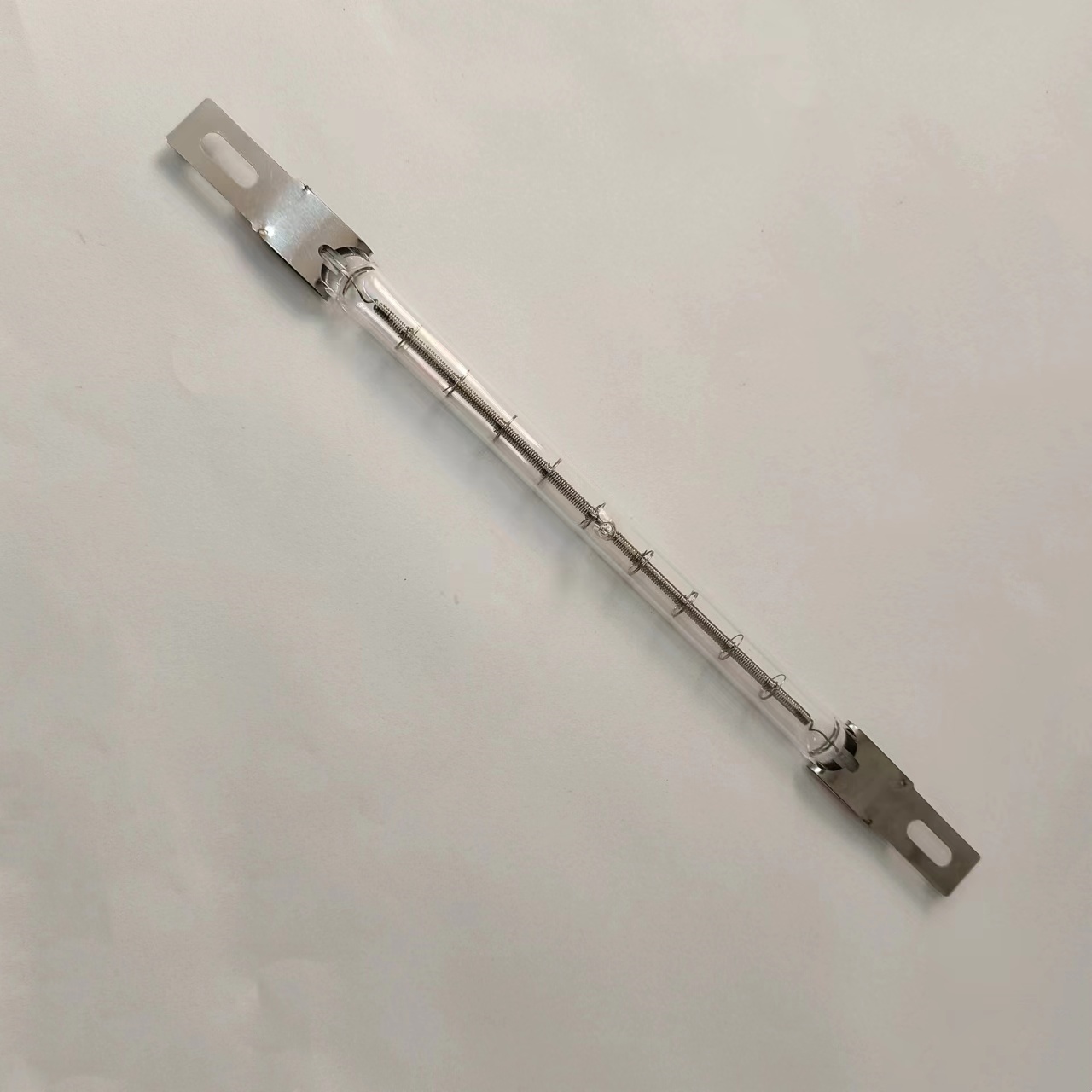
13195X Metal Clip 480mm 220v 1000w clear Infrared Heat Lamp for Printer Drying Machine
View Product Specifications
Engineering White Paper
High-Purity Quartz Cylinder Applications in Stavanger's Extreme Operating Environments
Stavanger's status as the energy capital of Norway creates distinctive engineering constraints. Offshore operators, maritime engineering yards, and analytical research clusters require quartz glass materials capable of withstanding hyperbaric pressures, deep thermal shocks, and saline chemical attack.
1. Subsea Exploration & Offshore Hyperbaric Sight Windows
Exploration in the North Sea and Norwegian Continental Shelf demands subsea observation housings, ROV imaging chambers, and high-pressure autoclave sight glass able to resist mechanical crushing forces at depths down to 3,000 meters.
- Hydraulic Load Tolerances: Heavy wall cylinders designed for continuous working pressures exceeding 350 bar.
- Optical Purity: Low bubble count class (DIN 58927 Class 0/1) providing distortion-free video capture for subsea telemetry.
2. Maritime Ballast Water Disinfection & Marine UV Treatment
In compliance with IMO Ballast Water Management Convention and DNV marine guidelines, Stavanger port facilities and retrofitting docks in Hundvåg require heavy-duty quartz sleeves and cylinders for ultraviolet (UV) germicidal systems.
- UV-C High Transmittance: Transmission > 90% at 253.7 nm wavelength for maximum pathogenic bio-inactivation.
- Corrosion Resistance: Complete immunity to saltwater leaching, micro-pitting, and biofouling-induced surface etching.
3. Rig Maintenance, High-Performance Protective Coatings & Curing
Extreme salinity and North Sea gale storms accelerate offshore structural corrosion. Precision short-wave and medium-wave infrared heating assemblies expedite polymer cross-linking on offshore deck anti-corrosion epoxies.
- Fast Thermal Cross-Linking: Immediate heat transfer without moisture retention, cutting epoxy cure times from 18 hours to 25 minutes.
- Directional Gold Reflector: High 96% IR reflection directs energy specifically toward structural pipe welds and hulls.
| Material Grade | SiO₂ Purity | Working Temp. (Cont./Peak) | Thermal Expansion (α) | Key Stavanger Sector Use Case |
|---|---|---|---|---|
| Clear Fused Silica (Thermal Grade) | ≥ 99.99% | 1100 °C / 1450 °C | 5.5 × 10⁻⁷ / °C | Combustion analyzer combustion tubes, furnace liners |
| Synthetic Quartz Glass (Optical Grade) | ≥ 99.999% | 1150 °C / 1500 °C | 5.2 × 10⁻⁷ / °C | Subsea spectrophotometer cells, ROV deep-immersion sight lenses |
| Ozone-Free UV Fused Quartz | ≥ 99.98% (Doped) | 1050 °C / 1350 °C | 5.5 × 10⁻⁷ / °C | Ship ballast water sterilization reactors, aquaculture UV systems |
| Heavy-Wall Structural Quartz Tubing | ≥ 99.99% | 1100 °C / 1400 °C | 5.5 × 10⁻⁷ / °C | Hyperbaric fluid level gauges, offshore seismic sensor casings |
Strategic Market Intelligence
Technological Shifts & Procurement Drivers Across Rogaland
As the Norwegian offshore cluster transitions toward electrified operations, automated processing, and carbon-capture technology, industrial glass specifications have seen significant shifts across three primary verticals.
Electrification of Offshore Platforms
With major operators on the Norwegian Continental Shelf moving to power offshore assets via subsea power cables and floating offshore wind turbines (such as Hywind Tampen), legacy gas-fired heating is rapidly being phased out. Electrically powered tungsten halogen and carbon infrared quartz cylinders provide clean, zero-direct-emission process heat for deck operations, fuel preheating, and rapid surface maintenance.
CCUS & Hydrogen Infrastructure Testing
The Northern Lights CCS project and regional hydrogen pilot projects around Stavanger and Karmsund require laboratory equipment and in-line process instruments that tolerate pure hydrogen exposure and supercritical carbon dioxide. Fused quartz cylinders deliver chemically inert boundary enclosures that prevent fluid degradation or ionic contamination under high temperatures.
Land-Based Aquaculture & Smolt Hatcheries
Rogaland’s expanding seafood and smolt sector requires industrial-scale, closed-containment UV disinfection systems to safeguard fish health without chemical additives. Ultra-pure quartz protection sleeves prevent bio-film accumulation, withstand pressurized CIP (Clean-In-Place) alkaline sanitization, and transmit 92%+ of critical UV-C germicidal wavelengths.
Manufacturer Credentials
Engineering Rigor Backed by World-Class Quartz Manufacturing
Headquartered in Lianyungang, China—the central industrial cluster for high-purity crystalline quartz—Kavri Quartz integrates direct raw silica synthesis, precision glassblowing, and high-vacuum metallization into a single production chain.
10+ Years Dedicated OEM/ODM
Supplying custom quartz cylinders, high-precision capillary tubes, and specialized infrared emitters to industrial machine builders and engineering contractors throughout Germany, the Netherlands, Norway, and North America since 2014.
Raw Material Purity Advantage
Direct geographic integration with the world's most concentrated quartz processing base gives us access to top-grade SiO₂ raw sand with heavy-metal impurity levels below 5 ppm, eliminating hydroxyl absorption dips for cleaner optical pathways.
Sub-4-Hour Technical Dispatch
Offshore operations run on unforgiving timelines. Our direct engineering support desk reviews drawings, pressure envelope specs, and optical tolerances, providing complete technical proposals within 4 hours during business days.
2014
Established & Onsite-Verified
10+
Years International OEM Experience
3
Dedicated Production Lines
81-90%
Export Ratio Across Europe & Global
Procurement Due Diligence
Frequently Asked Questions for Rogaland & Stavanger Purchasers
Addressing engineering specifications, customs documentation, shock-proof shipping protocols, and pressure-vessel compliance for international maritime sourcing.
What dimensional tolerances and maximum diameters can you supply for quartz cylinders?
We manufacture fused quartz cylinders with outer diameters (OD) ranging from 2 mm micro-capillaries up to 600 mm heavy-wall process tubes, with lengths up to 3,500 mm. For precision offshore monitoring sight glasses and laser chambers, we maintain outer/inner diameter tolerances of ±0.1 mm, wall concentricity within 0.05 mm, and end-face parallelism polished to within λ/4 flatness upon request.
How do you manage shock-proof packaging for fragile quartz shipments to Stavanger Port or Sola Airport?
With 81–90% of our products exported to rigorous industrial markets, our packaging is purpose-engineered to survive multi-modal transit. Each cylinder is wrapped in high-density polyethylene protective film, housed in custom-molded EPE foam cradles, and packed into reinforced wooden crates with internal shock absorption blocks. We regularly ship via air freight directly to Stavanger Airport (SVG) for urgent breakdowns, or via consolidated sea containers arriving at Stavanger Port (Risavika terminal) under FOB, CIF, or DDP terms.
Can your quartz cylinders be certified for hyperbaric offshore pressure chambers?
Yes. For pressure-vessel applications, sight glasses, and subsea instrument housings, we calculate the required wall thickness based on the Lame formula and specific working safety factors (typically 4:1 or 8:1 for maritime operations). Each high-pressure quartz cylinder undergoes thermal stress annealing and optical polariscope testing to eliminate internal residual stresses. Hydrostatic pressure proof-test certificates and material traceability certificates (EN 10204 3.1) can be provided with shipment.
What are the minimum order quantities (MOQ) for custom fabricated quartz pieces?
Unlike large commodity producers, we offer flexible prototyping runs. Standard infrared heating lamps and typical dimension quartz tubes start at just 8 to 10 pieces. For custom-machined quartz cylinders with ground flanges, optical polishing, or internal step-boring, we support pilot batches of 1 to 5 pieces to support engineering R&D and testing in your local workshop prior to mass-volume procurement.
How do you handle Norwegian customs clearance and import VAT (MVA)?
We provide full commercial documentation conforming to Norwegian Customs Directorate (Tolletaten) requirements, including Harmonized System (HS) Codes (e.g., HS 7002.31 for fused quartz tubing, HS 8539.49 for infrared lamps), Commercial Invoices, and Certificates of Origin. Shipments can be delivered under DDP (Delivered Duty Paid) terms directly to your facility in Tananger, Dusavik, or Forus, removing clearance complexities for local procurement teams.
Accelerate Your Project with Custom Quartz Solutions
Whether you require replacements for North Sea offshore installations, custom flanged sight tubes, or custom infrared lamps for manufacturing lines, our engineering desk is ready to review your CAD drawings and operational requirements.
Contact Us
Rapid Engineering Review
•
Response Time ≤ 4 Hours
•
Direct Global Logistics to Norway