Opaque Quartz Glass Engineering: Thermal Dynamics in Bandung’s Industrial Belt
A comparative evaluation of high-purity micro-porous silica structures, thermal insulation mechanics, and direct conversion benefits for regional manufacturing operations.
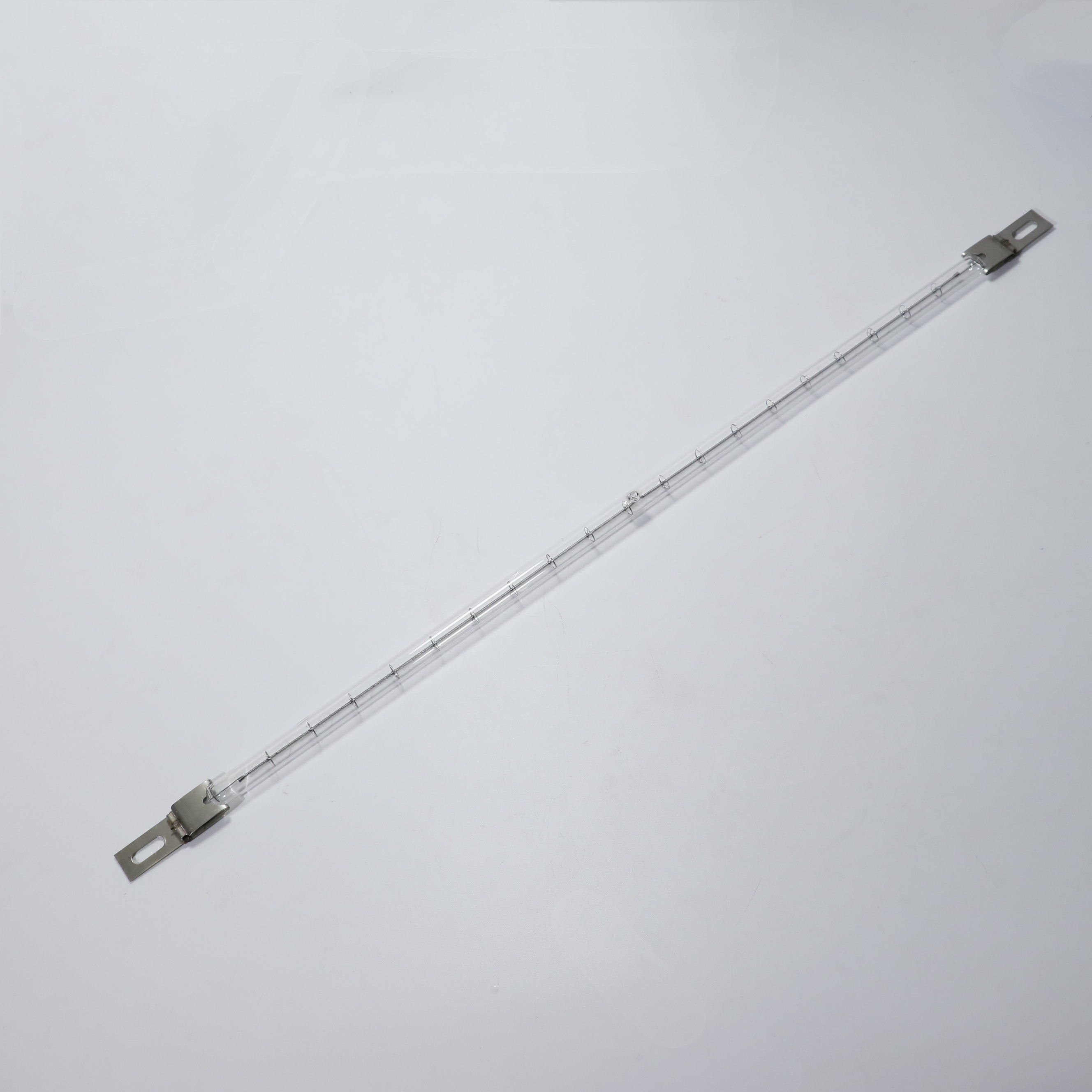
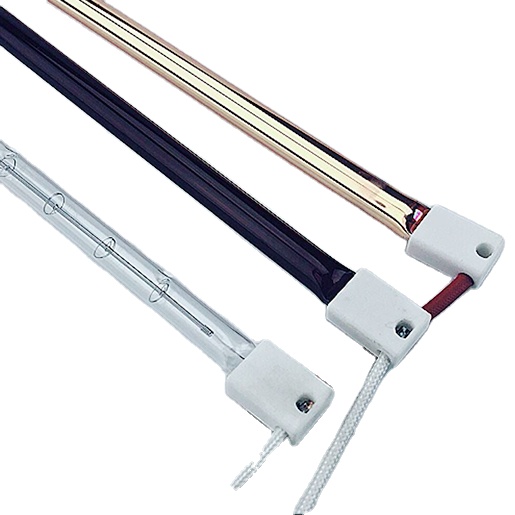
In high-temperature process manufacturing, thermal management represents both the largest operating expenditure and the primary variable affecting chemical yield and material consistency. Fused opaque quartz tubing, often referred to within thermodynamic engineering as milky or translucent quartz glass, provides fundamentally distinct physical mechanisms compared to its clear fused silica counterparts. Engineered via the deliberate encapsulation of gaseous micro-voids during high-purity silica sand melting, opaque quartz operates not merely as a mechanical conduit or an electrical insulator, but as an active optical scattering layer and dynamic heat shield.
For plant managers, kiln operators, and machinery builders spanning Greater Bandung (Bandung Raya), Majalaya, Cimahi, and Padalarang, selecting optimal quartz elements requires navigating localized operational stresses. Bandung sits in an intermontane basin approximately 768 meters above sea level, characterized by high ambient relative humidity and localized voltage transients within industrial parks. When standard borosilicate or low-grade ceramics are deployed under repeated heating cycles, they suffer from devitrification, moisture-induced micro-fractures, and non-uniform surface dissipation. Fused opaque quartz manufactured from high-purity natural silica sand (>99.98% SiO₂) resolves these systemic failures through extraordinarily low thermal expansion (approximately 5.5 × 10⁻⁷ / K), making it virtually immune to thermal shock between 20°C and 1100°C continuous working temperatures.
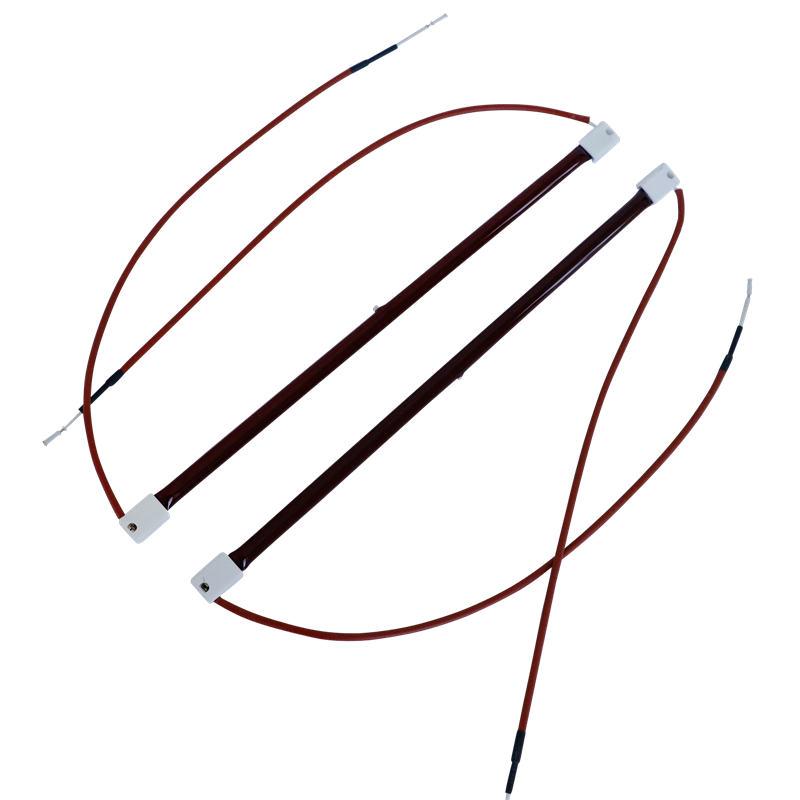
From an optical transmission perspective, clear quartz allows unimpeded electromagnetic radiation across the ultraviolet, visible, and near-infrared bands. While ideal for short-wave halogen emitters used in rapid plastic preform heating, this unobstructed radiation causes critical inefficiency in drying, curing, and annealing setups where broad surface absorption is required. Opaque quartz acts as a natural wavelength converter: it scatters intense radiant energy, absorbs short-wave peaks, and re-emits soft, long-wave thermal radiation. This diffuse distribution eliminates hot spots across large drying surfaces—a distinct advantage for West Java's high-speed textile stenter frames and screen printing flash dryers.