Featured Industrial Heating & Quartz Solutions
High-efficiency infrared emitters, quartz processing sleeves, and thermal elements certified for automated drying, vulcanizing, and industrial thermoforming in Hat Yai manufacturing hubs.
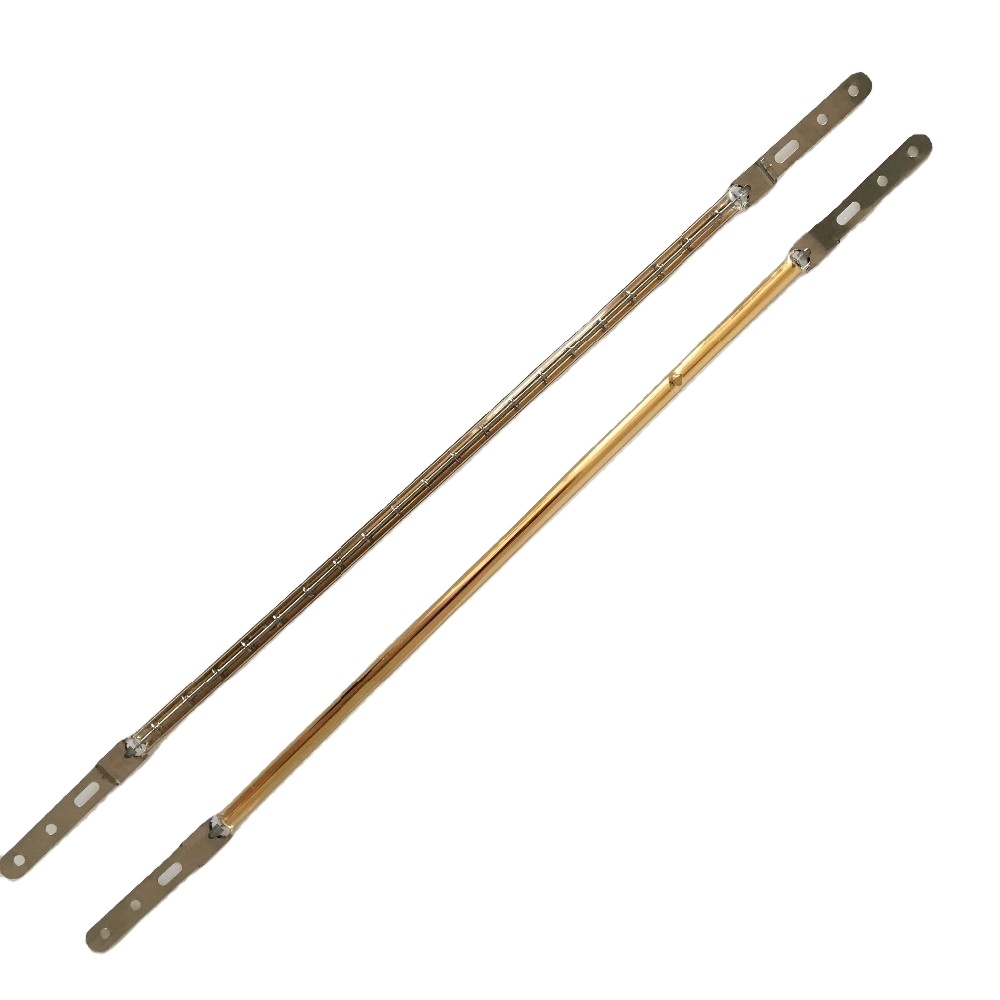
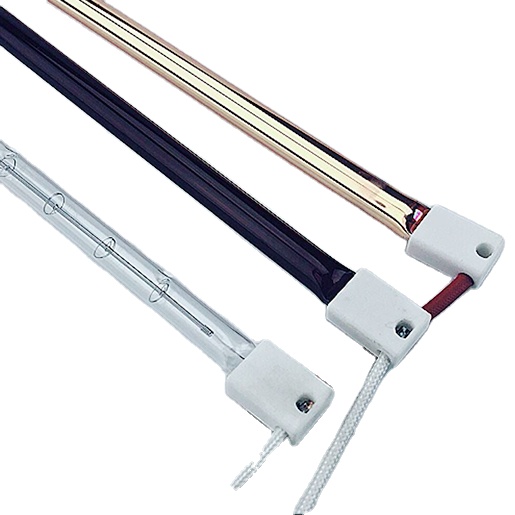
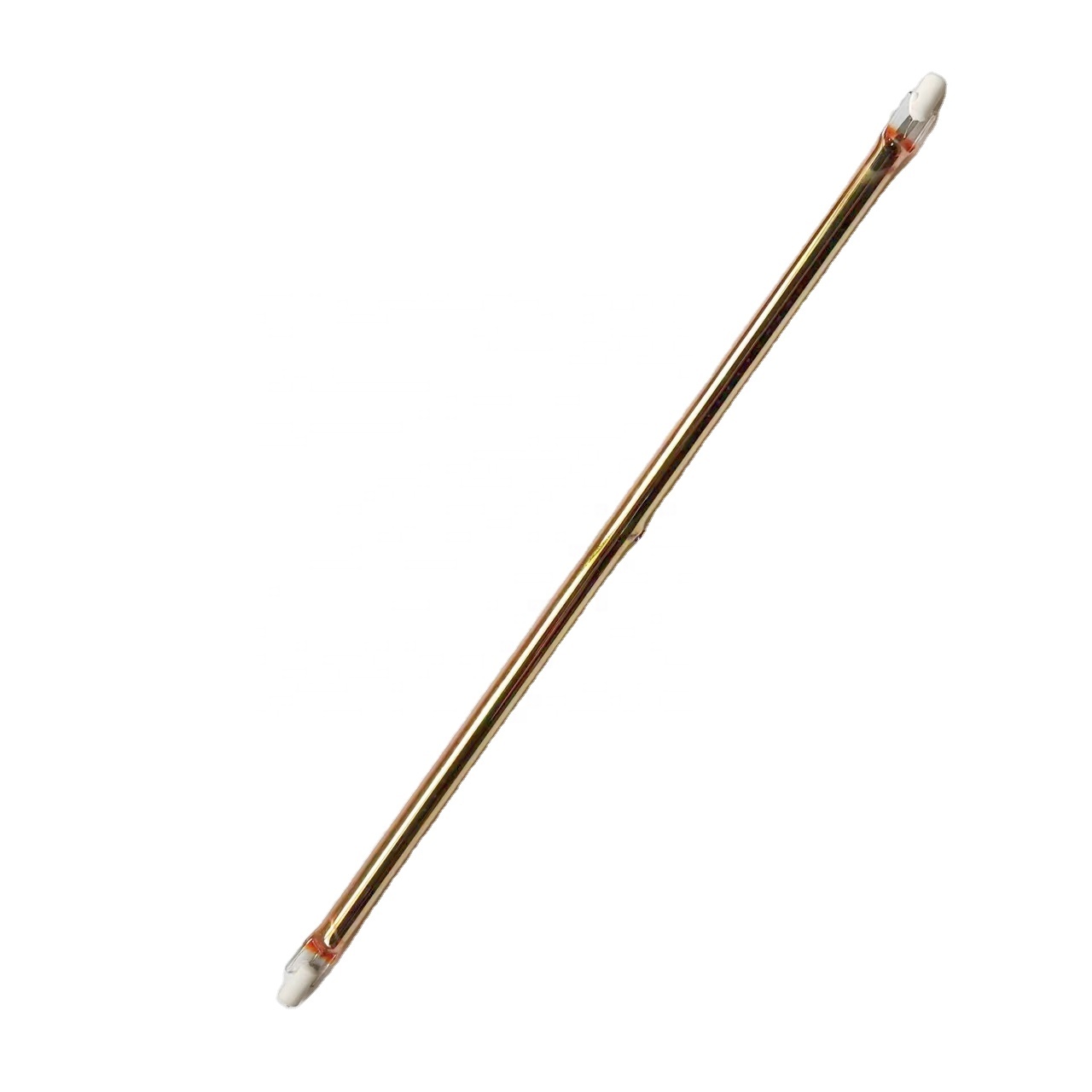
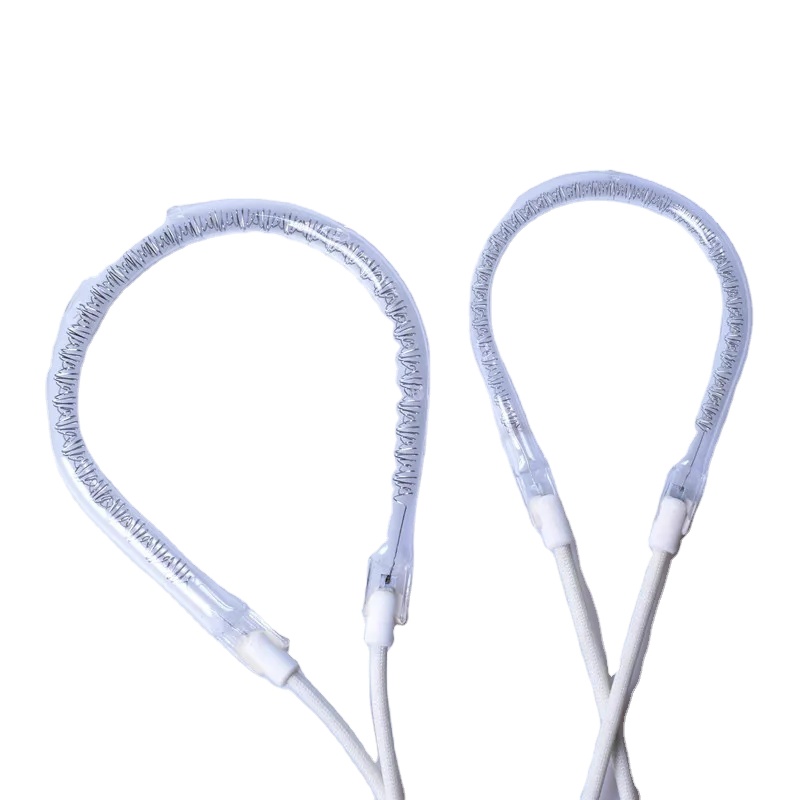
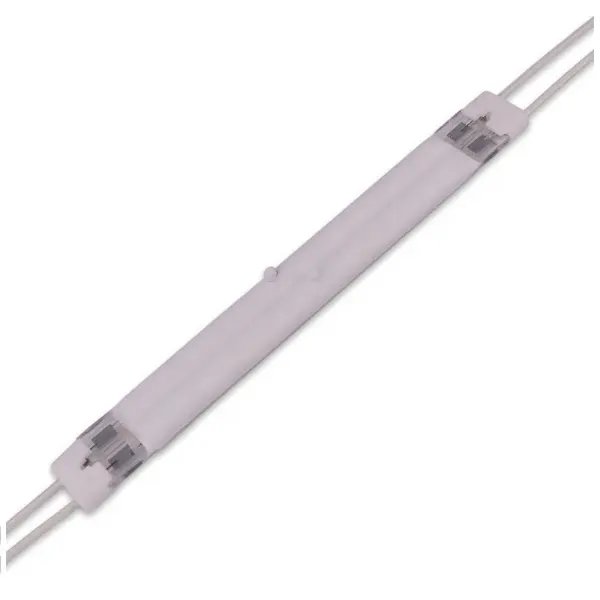
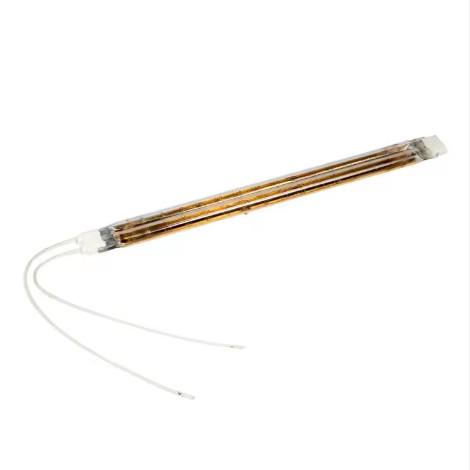
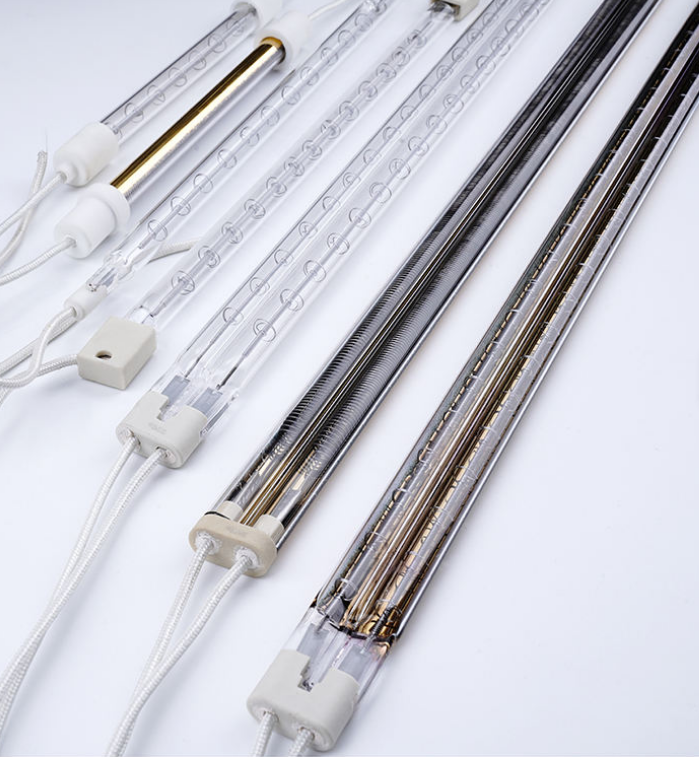
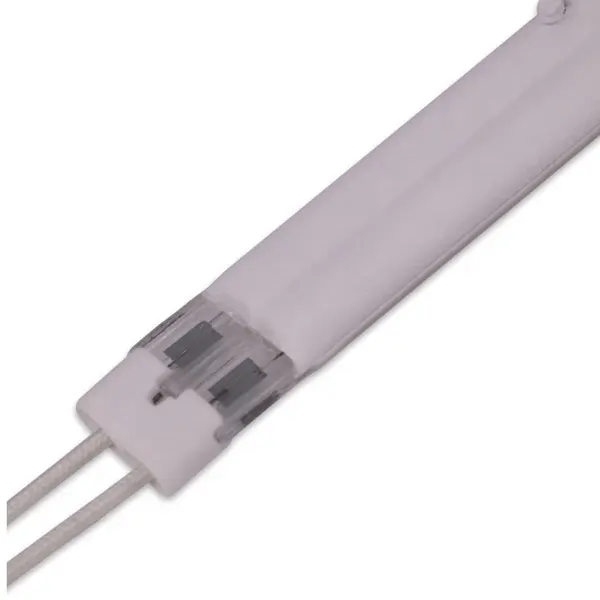
Engineering Fundamentals of Opaque Quartz Glass (Translucent Fused Silica)
An analytical overview of structural microstructure, diffuse infrared emission, and extreme thermal shock tolerance in aggressive manufacturing environments.
In modern high-temperature industrial engineering, opaque quartz glass (commonly designated in metallurgical specifications as translucent fused silica, vitreous silica, or milky quartz) stands as a foundational refractory material. Unlike standard transparent fused quartz, which is engineered for maximum optical transmission across the ultraviolet and visible spectrums, opaque quartz is deliberately manufactured to exploit structural micro-inhomogeneities. During the electric arc or gas-fusion thermal synthesis of high-purity natural silica sand (>99.9% SiO2), millions of microscopic, sub-micron gaseous micro-bubbles are permanently entrained within the amorphous silica matrix. These micro-bubbles do not compromise mechanical cohesion; rather, they serve as optical scattering centers that reflect, refract, and diffuse radiant energy across broad spectral bandwidths.
For industrial plant engineers and procurement teams in Hat Yai, Songkhla, and the broader Southern Thai economic perimeter, opaque quartz provides distinct thermodynamic advantages. The material exhibits an astonishingly low coefficient of linear thermal expansion of approximately 5.5 × 10⁻⁷ / K between 20°C and 1000°C. This near-zero expansion coefficient renders the glass invulnerable to catastrophic failure under severe thermal shock cycles—such as rapid insertion into a 1150°C furnace chamber followed by forced air cooling or liquid quenching. Furthermore, the diffuse scattering effect transforms directed, high-intensity filament radiation into an exceptionally uniform thermal field, eliminating localized hot spots that ruin temperature-sensitive polymer curing, latex vulcanization, and chemical reactions.
As an authoritative opaque quartz supplier shipping directly from China's primary silica hub in Lianyungang, Kavri Quartz delivers high-integrity opaque fused silica tubes, customized opaque quartz furnace muffles, thermal isolation plates, thermocouple protection sheaths, and flange collars. Every component undergoes rigorous dimensioning, ultrasonic thickness testing, and devitrification resistance screening to ensure uncompromising reliability in harsh industrial operations.
Diffuse Thermal Scattering
The enclosed micro-bubble matrix scatters direct radiant energy. Instead of burning or scorching sensitive substrate surfaces, opaque silica converts raw infrared into a homogenized, velvety heat mantle optimal for curing organic films and drying thin elastomers.
Thermal Shock Invulnerability
Capable of withstanding thermal gradients exceeding 1000°C differential without micro-fracturing. Machine operators in Hat Yai can execute rapid startup and emergency shutdown protocols without risking structural implosion of quartz envelopes.
Aggressive Chemical Immunity
Inert to almost all acidic agents, sulfurous vulcanization off-gasses, halides, and high-pressure steam up to 1050°C. Only hydrofluoric acid and concentrated phosphoric acid at elevated temperatures degrade the fused SiO2 barrier.
Hat Yai & Southern Thailand Industrial Application Scenarios
Mapping high-purity opaque quartz products to the operational challenges of Songkhla Province's heavy agro-industrial, rubber refining, and food processing complexes.
Natural Rubber & Concentrated Latex Processing
Hat Yai serves as the commercial epicenter of Thailand's natural rubber belt. Processing plants operating along Kanchanavanich Road and industrial estates in Chalung and Sadao convert raw field latex into concentrated latex, Standard Thai Rubber (STR 20), dipped medical gloves, and technical rubber moldings. These processes demand relentless thermal dewatering, continuous vulcanization tunnel heating, and sulfur compound exposure.
Standard metallic heating sheaths and borosilicate glass fail prematurely due to sulfur embrittlement, thermal fatigue, and hot spots. Our opaque quartz radiant heater tubes and protective muffle sleeves provide uniform, medium-wave infrared radiation that penetrates dense latex films without bubbling or blistering, while withstanding constant acidic and sulfurous vapors.
Seafood Canning & Food Processing
Songkhla's bustling deep-sea fisheries hub hosts world-scale tuna canning and frozen seafood packaging plants. Opaque quartz plates and infrared heater jackets ensure sanitary, non-contaminating dehydration, sterilization, and shrink-tunnel sealing where zero glass-shedding and food-grade thermal purity are legally mandated.
Palm Oil Bleaching & Fractionation
Southern Thai palm oil refineries subject analytical instrumentation and thermal sight glasses to high-temperature free fatty acids (FFA) and bleaching earth slurries. Opaque quartz sight ports and immersion sensor wells resist corrosive erosion and sudden thermal washing cycles up to 350°C.
Electronics & PCB Assembly Corridors
Export manufacturing corridors surrounding Hat Yai Airport require high-density SMD reflow ovens and flash drying fixtures. Using twin-tube opaque and half-white quartz emitters prevents uneven shadow effects, guaranteeing 100% solder joint integrity across multi-layer circuits.
Material Comparison: Opaque Quartz vs. Alternative Refractories
Objective data to support plant maintenance managers and technical designers when choosing high-temperature vessel materials.
| Performance Parameter | Kavri Opaque Quartz Glass | Transparent Fused Silica | High-Alumina Ceramic (Al2O3) | Borosilicate 3.3 Glass |
|---|---|---|---|---|
| SiO2 / Purity Ratio | >99.90% Fused Silica | >99.99% Pure Silica | Alumina Matrix (<10% SiO2) | ~80% SiO2 / 13% B2O3 |
| Max Working Temp (Continuous) | 1100 °C | 1150 °C | 1500 °C | 450 °C |
| Max Peak Exposure (Short-term) | 1350 °C | 1400 °C | 1600 °C | 500 °C |
| Thermal Expansion (20-1000°C) | 5.5 × 10⁻⁷ / K (Extreme) | 5.5 × 10⁻⁷ / K (Extreme) | 7.2 × 10⁻⁶ / K (Moderate) | 3.3 × 10⁻⁶ / K (Low) |
| Thermal Shock Resistance | Superior (Water quench at 1000°C) | Superior (Water quench at 1000°C) | Poor to Moderate (Prone to cracking) | Moderate (ΔT ~150°C max) |
| Radiative Heat Diffusion | High Diffuse Reflection & Scattering | High Direct Transmission (Specular) | Opaque / Conductive Surface | Direct Transmission (Low IR cutoff) |
| Machinability & Slicing | Precision Diamond Cut & Flanged | Precision Polished / Welded | Pre-Sinter Molded Only | Standard Lamp Working |
Industrial Modernization Trends in Southern Thailand
How the Southern Economic Corridor (SEC) and the Thailand 4.0 roadmap drive urgent demand for high-efficiency quartz thermal components.
The industrial landscape across Songkhla Province is undergoing an unprecedented structural transition. Under the Thai government's Southern Economic Corridor (SEC) initiatives and bilateral connectivity frameworks with northern Malaysia (IMT-GT: Indonesia-Malaysia-Thailand Growth Triangle), Hat Yai is migrating from labor-intensive primary commodity processing toward automated, precision manufacturing. Key transformations include:
1. Transition to Electrified Clean Thermal Processing: Strict ESG mandates and rising international carbon border adjustment tariffs (such as EU CBAM) are pressing Hat Yai rubber and food processors to abandon inefficient, polluting diesel and heavy fuel oil steam boilers. Plants are modernizing curing lines with clean, electrically driven infrared radiation furnaces utilizing opaque quartz emitter arrays. These systems slash energy loss by over 38% by directly targeting moisture and polymer matrices rather than heating immense volumes of ambient oven air.
2. Automation in High-Speed Dipped Latex & Nitrile Lines: Hat Yai and Songkhla produce a significant fraction of the global medical examination and industrial glove inventory. Modern high-output continuous dipping lines operate at line speeds exceeding 25 meters per minute. In these continuous ovens, a single shattered heater tube causes catastrophic production downtime. Maintenance managers are systematically upgrading to opaque and heavy-wall twin-tube fused quartz heaters designed to survive splashing of aggressive coagulant baths (calcium nitrate) and extreme washing sprays.
3. Advanced Food Sterilization & Bio-Agro Modernization: Hat Yai's agricultural biotechnology cluster—supported by research initiatives at Prince of Songkla University (PSU)—is commercializing functional foods, concentrated botanical extracts, and value-added seafood byproducts. These extraction and dehydration facilities require ultra-pure, non-leaching contact surfaces. Kavri Quartz's synthetic and opaque silica containers and opaque reactor liners offer total chemical neutrality, ensuring zero heavy metal leaching during acid-digestion or sub-critical fluid extraction.
Why Hat Yai Engineers & Buyers Choose Kavri Quartz
Backed by direct access to China's premier silica reserves in Lianyungang, a decade of international OEM/ODM expertise, and dedicated logistics to ASEAN sea and air ports.
Lianyungang Cluster Hub
Situated in Jiangsu Province, adjacent to Donghai—the global epicentre of raw quartz refining. This gives us unmetered access to ultra-pure silica sand, cutting feedstock costs and ensuring consistent, dense opaque tube walls without structural voids.
Onsite-Verified & ISO Calibrated
Operating continuously since 2014 with full on-site facility verification by Alibaba.com and international third-party inspection firms. 3 automated production lines delivering an annual output of US$1.0M – $2.5M with 81–90% exported globally.
Rapid RFQ ≤ 4hr Response
Industrial lines in Songkhla cannot wait weeks for spare parts. Our specialized overseas technical desk reviews customer CAD drawings, equipment nameplates, or physical photos, generating precise dimensional and electrical proposals within 4 working hours.
Specialized Fragile Logistics
Custom multi-layer shockproof packing using custom high-density EPE foam, reinforced honeycomb cartons, and ISPM-15 export-fumigated wooden crates. Zero-breakage delivery history under CIF Songkhla Port, DDP Hat Yai, or air-freight via HDY.
Frequently Asked Questions by Hat Yai Plant Buyers
Detailed answers addressing import protocols, custom tolerances, operating limits, and replacement procedures for factory engineers in Songkhla.
While both materials are chemically composed of high-purity SiO2, transparent quartz is designed for direct optical transmission of UV, visible, and near-IR rays. Opaque quartz contains millions of microscopic, non-communicating air bubbles that diffuse light and radiation. In industrial furnaces, opaque quartz acts as a superior thermal insulator and radiation diffuser, preventing intense localized focal hot spots and distributing a soft, uniform thermal profile across the curing workspace.
Yes. We regularly produce custom-sized opaque quartz components for OEM machinery where official manufacturer spare parts are discontinued or excessively costly. Hat Yai factory engineers only need to provide outer diameter (OD), inner diameter (ID), wall thickness, overall length, and any flange or notch requirements. You can also provide high-resolution photos with caliper measurements or express-ship a physical sample to our Lianyungang facility for exact reverse-engineering.
We support all major Incoterms: EXW, FOB Lianyungang/Shanghai, CIF Songkhla Port, and door-to-door DDP Hat Yai (including customs clearance and local Thai import tariffs). For standard spare heating elements and quartz tubes, air freight transit via Hat Yai International Airport (HDY) takes 4 to 6 business days. For bulk containerized orders destined for industrial estates in Sadao or Chalung, ocean freight into Songkhla Port or Penang Port (Malaysia) takes 12 to 18 days.
Southern Thailand experiences high tropical relative humidity (often >80%) combined with volatile sulfur compounds in rubber smokehouses and salt-mist near the Gulf of Thailand coast. Opaque quartz is non-hygroscopic and chemically inert to steam, SO2, and volatile organics at elevated temperatures. Unlike metallic sheaths that oxidize or borosilicate glass that leaches alkali ions, fused silica maintains its mechanical integrity and insulating performance under continuous exposure.
For standard-dimension opaque silica tubes, crucibles, and replacement infrared lamps, our MOQ is as low as 8 to 10 units, allowing local maintenance teams to test fit and function without capital strain. For fully customized items requiring custom thermal molds or diamond CNC machining, MOQs are determined based on technical drawing review. We gladly support prototype orders before bulk production.
Devitrification (crystallization of amorphous silica into cristobalite) occurs when quartz surfaces are contaminated with alkali ions (such as sodium or potassium from fingerprints, dust, or hard water) while operating above 1000°C. To ensure multi-year operational lifespans, we advise Hat Yai operators to always handle quartz components with clean cotton gloves, clean surfaces with deionized alcohol before installation, and ensure adequate airflow in continuous heating chambers.
Need Precision Opaque Quartz Glass Delivered to Hat Yai?
Direct from our Lianyungang manufacturing plant to your factory floor. Send your CAD blueprints, machine model numbers, or custom dimension requirements to our engineering team today.
Inquire Now