Core Optical Quartz & Infrared Process Heating Series
Direct factory supply of certified fused silica components, customized twin-tube radiators, and semiconductor-grade quartzware engineered to micron tolerances.
Engineering Overview: High-Purity Fused Quartz Substrates in Advanced Microelectronics
The manufacturing landscape of Cluj County and the greater Transylvania region in northwestern Romania has transformed over the past decade into one of Central and Eastern Europe's most prolific hubs for hardware prototyping, automotive sensor assembly, and optoelectronic integration. Often hailed as the core of "Romania's Silicon Valley," Cluj-Napoca represents an ecosystem where academic institutions like the Technical University of Cluj-Napoca (UTCN) intersect directly with tier-one automotive electronics suppliers, biomedical microdevice startups, and contract manufacturing organizations.
Within this rigorous industrial matrix, quartz substrates (fused silica plates, wafers, and window discs) serve as the fundamental structural and optical medium. High-purity quartz substrate materials—distinguished by purity levels exceeding 99.999% silicon dioxide (SiO2)—deliver near-zero thermal expansion (approximately 5.5 × 10⁻⁷ / K), extreme dielectric breakdown resistance, and high optical transmittance from the deep ultraviolet spectrum (190 nm) into the far-infrared regime (>3,500 nm). For systems engineers developing surface acoustic wave (SAW) filters, photonic integrated circuits (PICs), laser cavities, and MEMS cleanroom tools in the industrial zones of Jucu, Apahida, and the Tetarom Technology Parks, material selection dictates signal-to-noise ratios, thermal dissipation stability, and mechanical durability.
Fused Quartz vs. Alternative Dielectric Substrates
A comprehensive engineering comparison tailored for mechanical designers, cleanroom specialists, and procurement heads across Cluj-Napoca industrial facilities.
| Physical / Chemical Metric | JGS1 (Synthetic Fused Silica) | JGS2 (Optical Fused Quartz) | JGS3 (Infrared Fused Quartz) | Borosilicate Glass (D263 / BF33) |
|---|---|---|---|---|
| Primary Transmission Spectrum | 185 nm – 2,500 nm (Deep UV) | 220 nm – 2,500 nm (Standard Optical) | 260 nm – 3,500 nm (Extended IR) | 350 nm – 2,000 nm (Visible only) |
| SiO2 Purity Content | ≥ 99.9999% (<1 ppm metallic impurities) | ≥ 99.99% | ≥ 99.99% (<5 ppm OH content) | ~80% (contains B2O3, Na2O) |
| Coefficient of Thermal Expansion (CTE) | 5.5 × 10⁻⁷ / K (0–300°C) | 5.5 × 10⁻⁷ / K | 5.5 × 10⁻⁷ / K | 32.5 × 10⁻⁷ / K |
| Maximum Working Temp (Continuous) | 1,150°C | 1,100°C | 1,100°C | ~480°C |
| Dielectric Constant (ε at 1 MHz) | 3.75 | 3.78 | 3.80 | 6.70 |
| Surface Roughness (Polished Wafer Ra) | < 0.5 nm (Super-polished CMP) | < 1.0 nm | < 1.2 nm | < 1.5 nm |
| Key Romanian Target Sector | Semiconductor Lithography & UV Sensors | Automotive LiDAR & Spectroscopy | Industrial IR Furnaces & Drying | Low-cost Commercial Display Covers |
High-Tech Applications in Cluj-Napoca's Industry
Examining how high-spec quartz substrates and precision infrared thermal emitters drive automated production across local technological ecosystems.
Automotive Electronics & LiDAR Assembly
The industrial corridor between Cluj-Napoca and Jucu represents a major automotive engineering hub in Eastern Europe. Quartz substrates function as substrate carriers, micro-optic windows, and optical diffusers in radar and LiDAR sensors. Their ultra-low thermal expansion ensures that automotive sensor calibrations remain pinpoint-accurate under extreme temperature cycling (-40°C to +125°C) typical of engine-bay and chassis environments.
Semiconductor Prototyping & Thin-Film Deposition
Facilities at the Tetarom Science and Technology Parks utilize customized JGS1 and JGS2 fused silica plates as carrier wafers during physical vapor deposition (PVD), chemical vapor deposition (CVD), and electron-beam lithography. Because fused quartz exhibits high chemical inertness against concentrated hydrofluoric, nitric, and hydrochloric acids, it prevents contamination across sensitive microfabrication runs.
Biomedical Microfluidics & Diagnostics
Collaborative biomedical ventures spawned by university research clusters require synthetic quartz substrates for laser-ablated microfluidic lab-on-a-chip diagnostic devices. Fused quartz eliminates background autofluorescence under UV laser excitation, empowering ultra-sensitive detection of molecular markers, DNA hybridization, and dynamic blood cell flow patterns.
Rapid Thermal Annealing (RTA) in PV & Power Modules
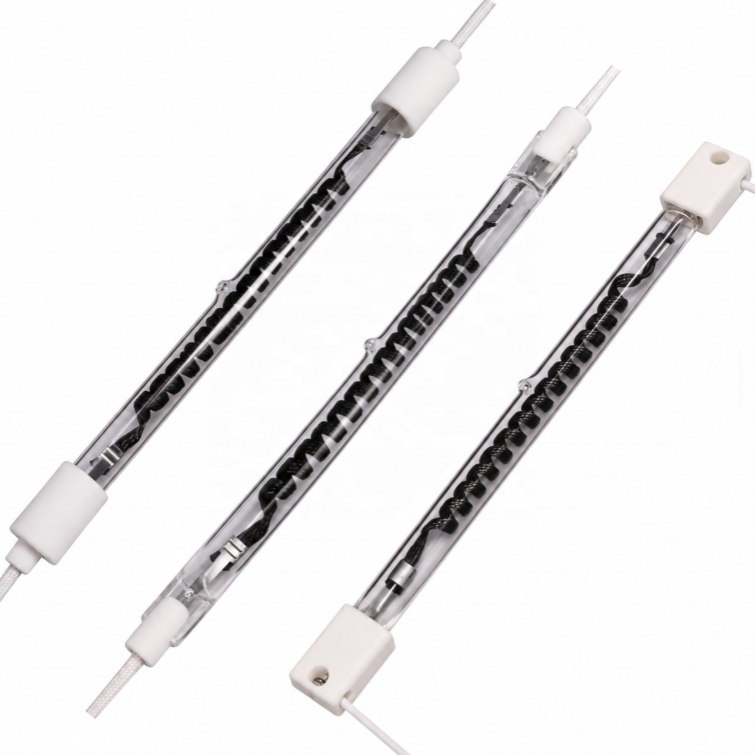
With Transylvania's rapid acceleration toward green technology assembly and photovoltaic manufacturing, rapid thermal processing (RTP) chambers depend on clear quartz tubes and plates alongside high-intensity halogen infrared emitters. Quartz components provide instantaneous radiant energy transfer without thermal mass lag, ensuring uniform dopant activation and rapid silicone curing.
Industrial Automated Screen Printing & Curing Lines
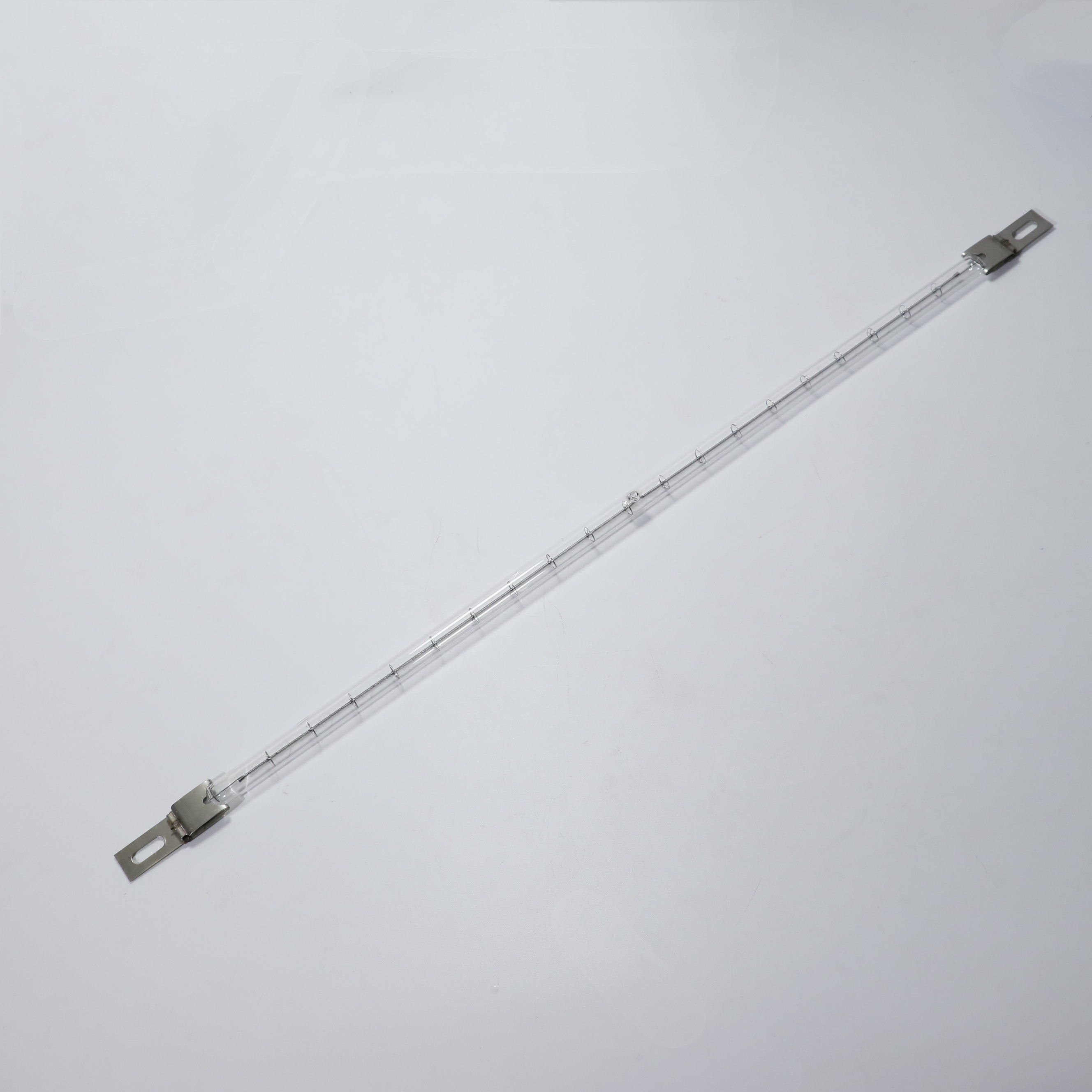
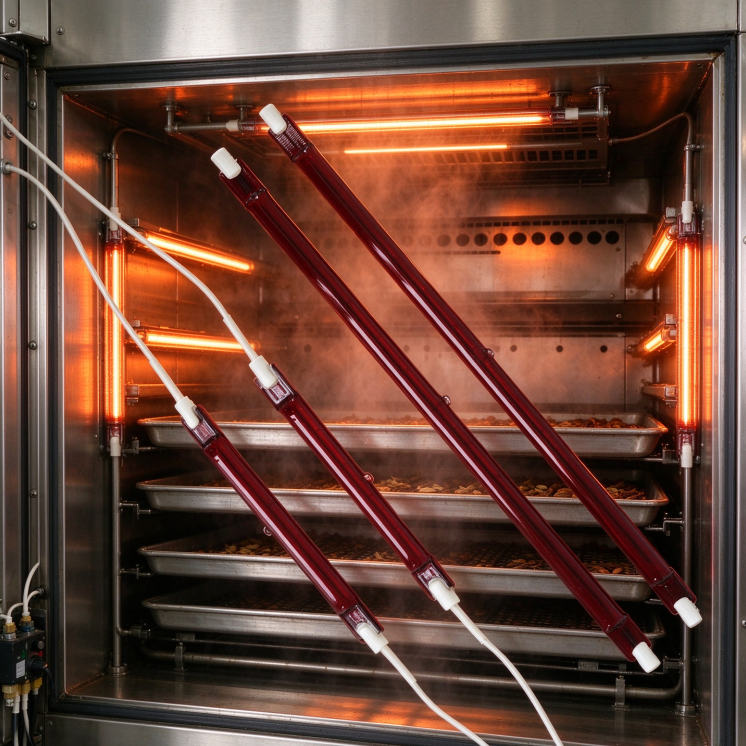
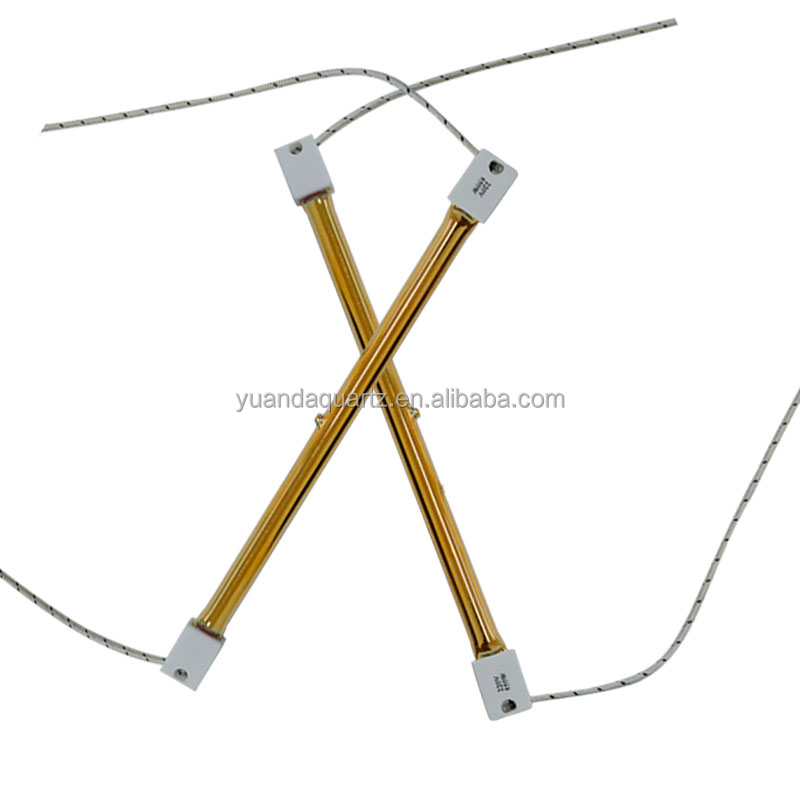
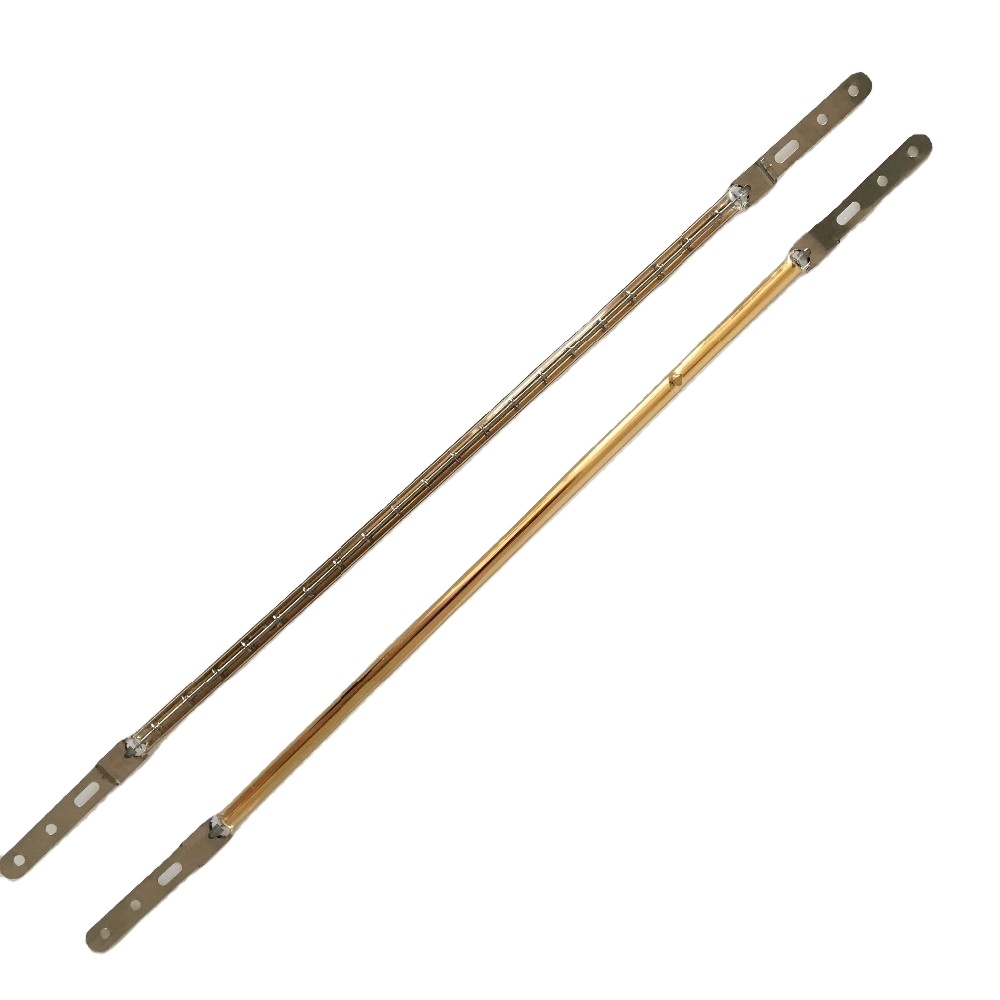
High-volume manufacturing facilities in Apahida utilize short-wave and medium-wave infrared heating emitters equipped with gold and ceramic reflective coatings. These lamps provide directional, instantaneous heat across plastics, circuit board solder masks, and protective coatings, cutting cure cycles by up to 60% compared to conventional convective ovens.
Precision Laboratory Glassware & Analytical Optical Cells
Research centers across Cluj-Napoca, including analytical departments at Babeș-Bolyai University, mandate custom fused silica flow cells, spectroscopic cuvettes, and vacuum furnace processing boats. Kavri's CNC diamond milling and fire-polishing techniques guarantee precise internal path lengths down to ±0.01 mm for high-precision liquid chromatography.
Emerging Procurement Trends & Macro Shifts in the Cluj Market (2025–2030)
The manufacturing ecosystem in Cluj County is undergoing a structural transition characterized by three prominent macroeconomic and technical developments:
1. Nearshoring of Precision Electromechanical Sub-Assemblies: Escalating global supply chain pressures have prompted European tier-1 manufacturing brands to re-center precision production inside the European Union. Cluj-Napoca has emerged as a premier destination for complex optoelectronic integration, cable harness micro-soldering, and sensor sub-assembly. As regional factories advance from basic assembly to end-to-end component fabrication, direct partnerships with primary quartz substrate manufacturers in specialized hubs like Donghai/Lianyungang enable Romanian facilities to maintain agile, just-in-time inventories without intermediary markup.
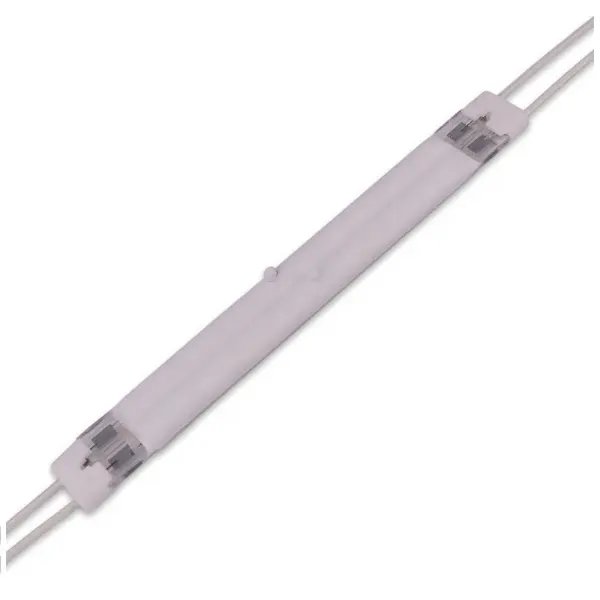
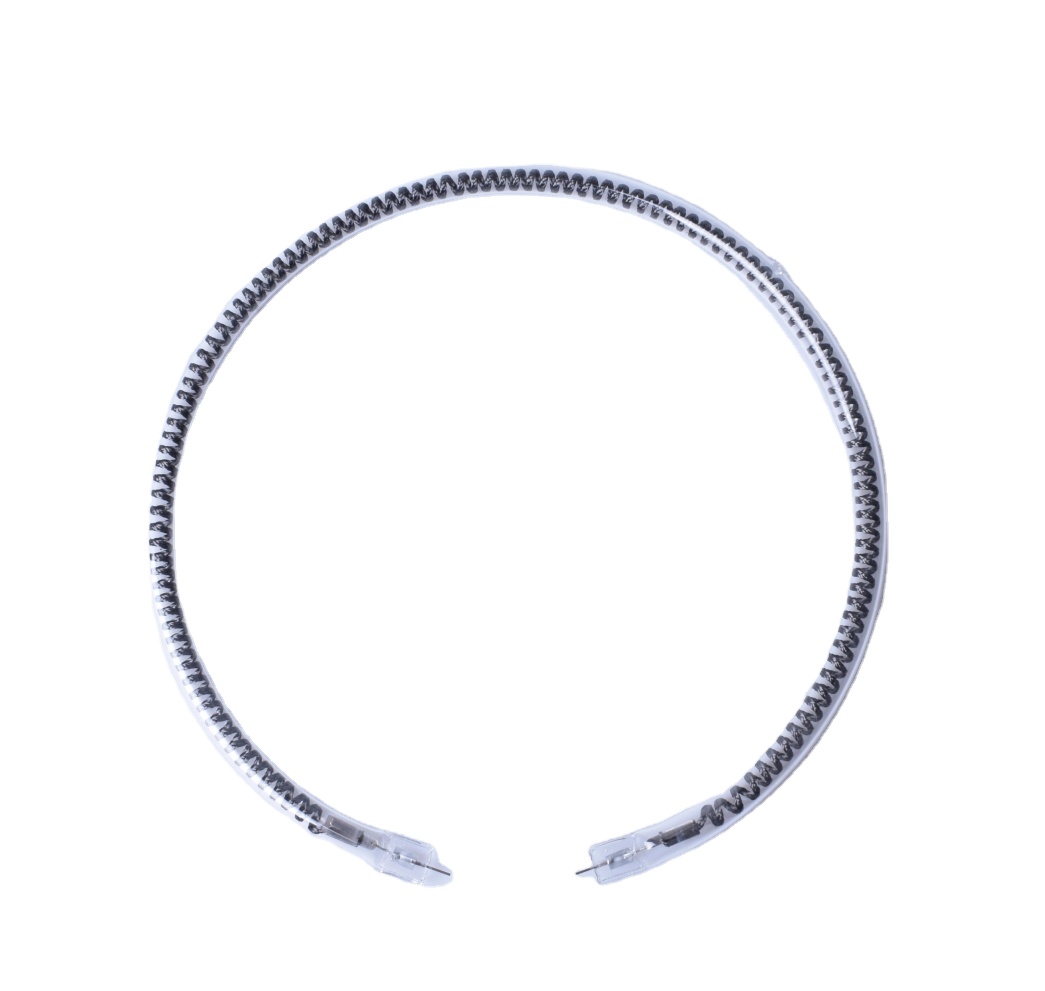
2. Transition from Convective Ovens to Targeted Infrared Cleanroom Heating: In modern cleanrooms situated within the Tetarom industrial zones, air-circulating convection ovens generate unwanted particulates and exhibit poor thermal response times. Factory engineers are increasingly swapping traditional heating elements for twin-tube quartz emitters and carbon fiber infrared lamps. Because quartz infrared radiation heats the targeted substrate directly via electromagnetic waves without disturbing the surrounding atmosphere, cleanroom particulate counts remain strictly within ISO Class 5 limits.
3. Stringent European Compliance (RoHS, REACH & Carbon Audits): Industrial buyers in Cluj-Napoca face stringent European regulatory oversight. From raw silica mining to finished wafer cutting, components must be rigorously certified free of hazardous lead, cadmium, or halogenated compounds. The integration of 100% synthetic fused quartz substrates guarantees non-outgassing properties under ultra-high vacuum (UHV) regimes, an absolute prerequisite for semiconductor testing and space-grade payload packaging currently being developed in Romanian aerospace skunkworks.
Why Transylvanian Industrial Teams Partner with Kavri Quartz
Combining primary raw silica supply from China's premier quartz cluster with direct export logistics and European engineering standards.
Origin-Sourced Raw Quartz
Headquartered in Lianyungang, Jiangsu—adjacent to Donghai, the global epicenter of quartz and crystal processing—Kavri controls raw silica quality from ingot formation to precision cutting, guaranteeing ultra-low bubble classifications (DIN 58927).
10+ Years Dedicated OEM/ODM
Operating since 2014 across 3 modern manufacturing lines, we fabricate custom quartz plates, discs, capillary tubes, and emitters according to CAD/STEP files with tolerances down to ±0.02 mm.
Verified Supply Chain Reliability
Onsite-verified manufacturer with over 13 years on Alibaba.com, maintaining a 92.65% buyer response rate with guaranteed technical engineering support within 4 hours for technical inquiries.
Seamless EU Logistics & DDP
Extensive experience shipping shock-proof, custom-crating packaging to European manufacturing centers. We support FOB, CIF, EXW, and DDP terms directly clearing customs into Cluj-Napoca and greater Romania.
Frequently Asked Questions by Romanian Sourcing Engineers
Straightforward answers regarding dimensional tolerances, optical grades, thermal thresholds, and export logistics to Cluj-Napoca.
Q1: What optical grade should we specify for laser and UV cleanroom applications?
For applications operating below 260 nm (deep UV lithography, excimer lasers, and fluorescence microscopy), synthetic fused silica JGS1 is mandatory due to its near-absence of metallic impurities (<1 ppm) and zero absorption band at 248 nm. For general optical sensors, LiDAR windows, and visible-spectrum diagnostics in Cluj automotive plants, JGS2 provides an optimal balance of 92% optical transmission and cost efficiency.
Q2: What surface roughness and flatness can you achieve on quartz wafers?
Through our double-sided chemical-mechanical polishing (CMP) lines, we achieve surface roughness down to Ra < 0.5 nm (5 Ångströms) for semiconductor carrier wafers and micro-optics. Standard flatness is controlled within 1–3 fringes (λ/2 per inch at 632.8 nm), with total thickness variation (TTV) under 5 µm on custom 2-inch to 8-inch diameter discs.
Q3: How do you pack fragile quartz plates and long IR emitters for transit to Cluj County?
All quartz substrates and heating elements undergo multi-stage protective packing: initial cleanroom dust-free sealed bagging, high-density shock-absorbing EPE foam cradles, and impact-resistant, reinforced export plywood crates. Our air and express freight arrangements maintain a 99.8% damage-free delivery rate directly to facility addresses in Tetarom, Jucu, or Cluj-Napoca Airport cargo terminals.
Q4: How does short-wave halogen compare to carbon fiber emitters in drying applications?
Short-wave halogen emitters (peak spectrum 1.0–1.2 µm) reach full output in less than 1 second, penetrating deeply into thick plastic preforms, powder coatings, and automotive lacquers. Medium-wave carbon fiber emitters (peak ~2.0 µm) match the fundamental absorption bands of water molecules and polymers, delivering faster surface moisture evaporation and curing without blistering or thermal distortion.
Q5: Can you manufacture custom quartz parts from non-standard CAD or old samples?
Yes. Approximately 70% of our production is fully customized OEM/ODM. You can provide 2D engineering drawings (PDF/DWG), 3D solid models (STEP/IGES), or physically mail a worn sample from existing European machinery. Our technical team verifies critical dimensional tolerances, optical clarity requirements, and terminal caps before running pilot prototypes.
Q6: What is the standard sample lead time and minimum order quantity (MOQ)?
For custom quartz substrates, plates, and standard infrared heater lamps, our prototyping MOQ starts as low as 5 to 10 pieces. Sample fabrication requires approximately 5 to 8 working days. Mass production batches (100–5,000 pieces) typically ship within 15 to 20 days via air or express courier under your preferred Incoterms (EXW, FOB, CIF, or DDP).