Engineered Quartz Lamp Assemblies & Optical Tubes
Custom-fabricated in Lianyungang's world-class silica cluster and distributed directly to manufacturing plants and research labs across Liverpool, Knowsley, Birkenhead, and Greater Merseyside.
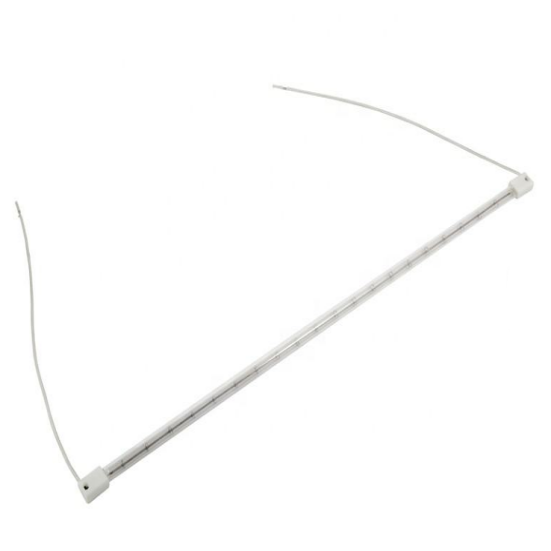
Low Price Infrared Heater Halogen Lamp Supports Customization for Textile Industry
Technical Details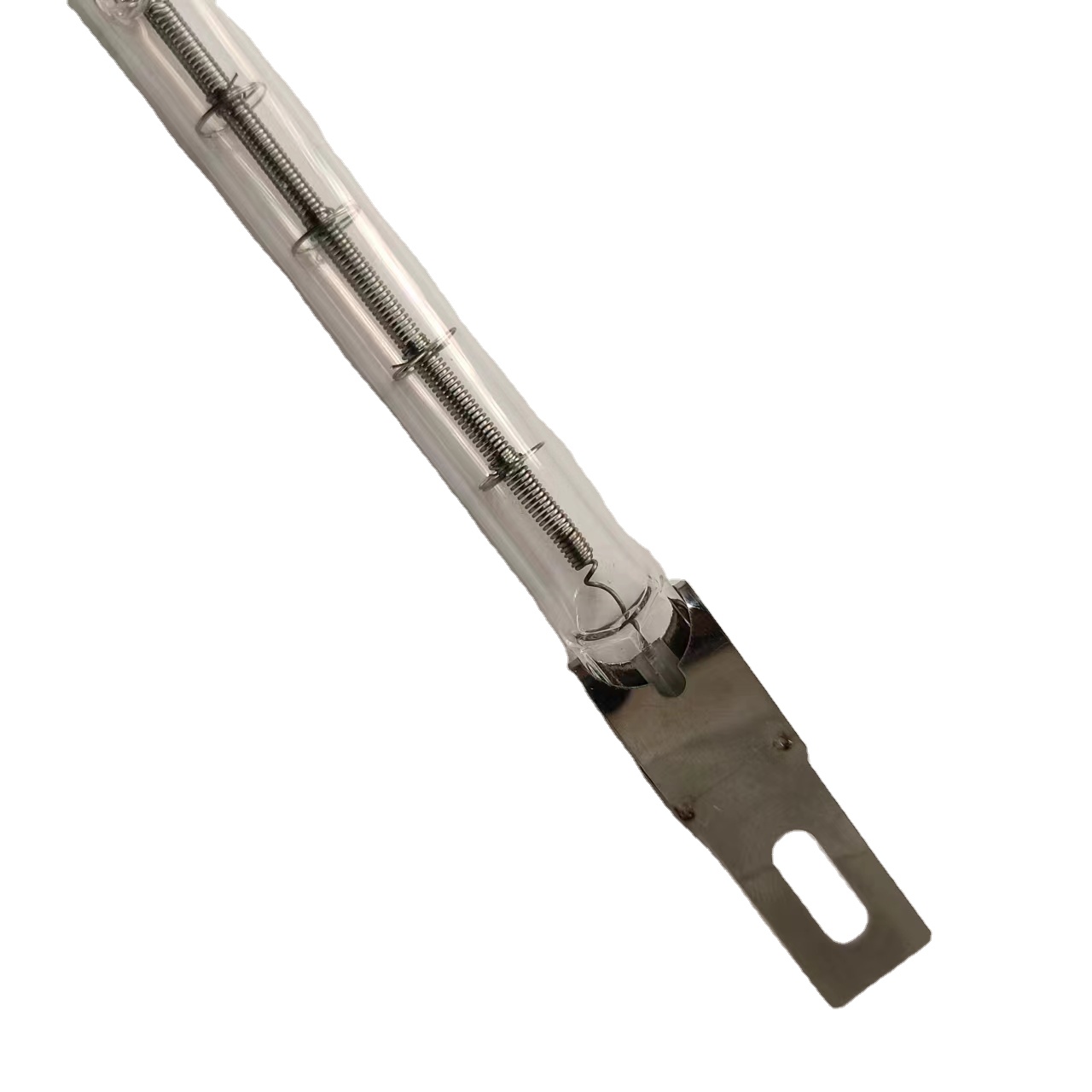
Cheap Wholesale 220V 1000W Quartz Infrared Heat Lamp for Processing Industrial
Technical Details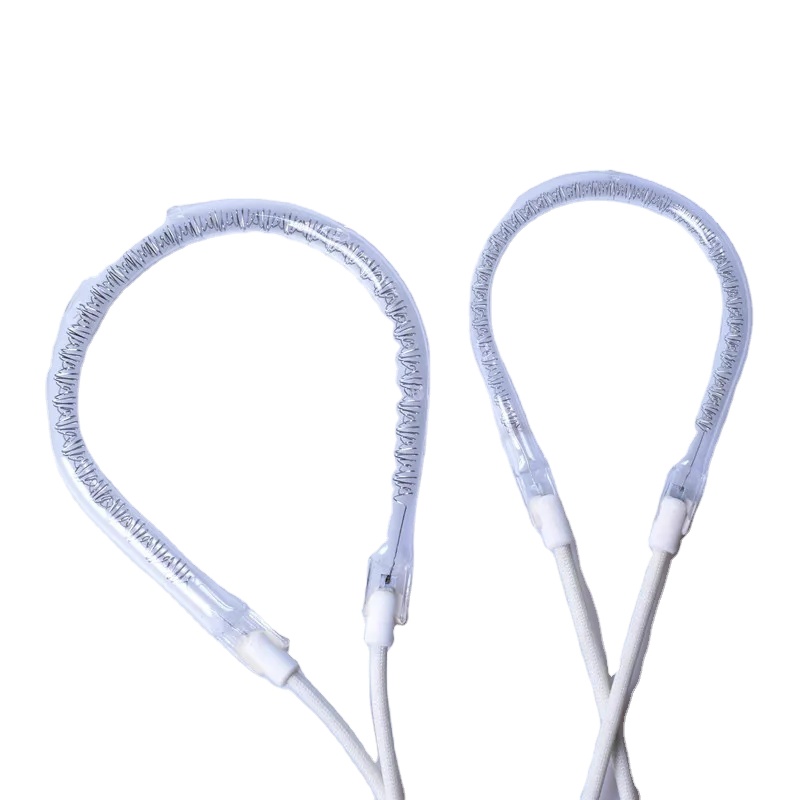
OEM Strong Manufacturer Ruby Infrared Bulb Heat Lamp for Heating
Technical Details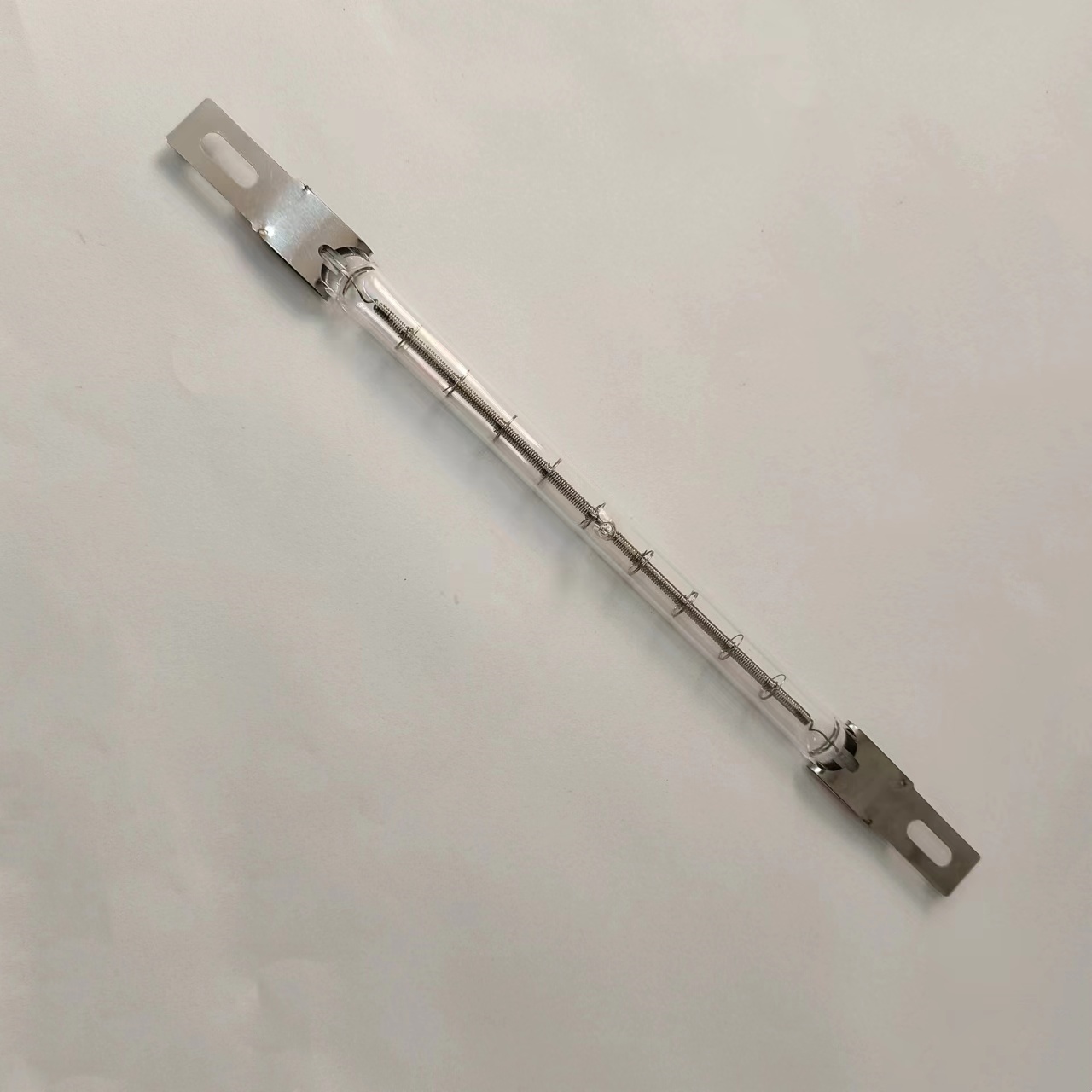
13195X Metal Clip 480mm 220v 1000w clear Infrared Heat Lamp for Printer Drying Machine
Technical Details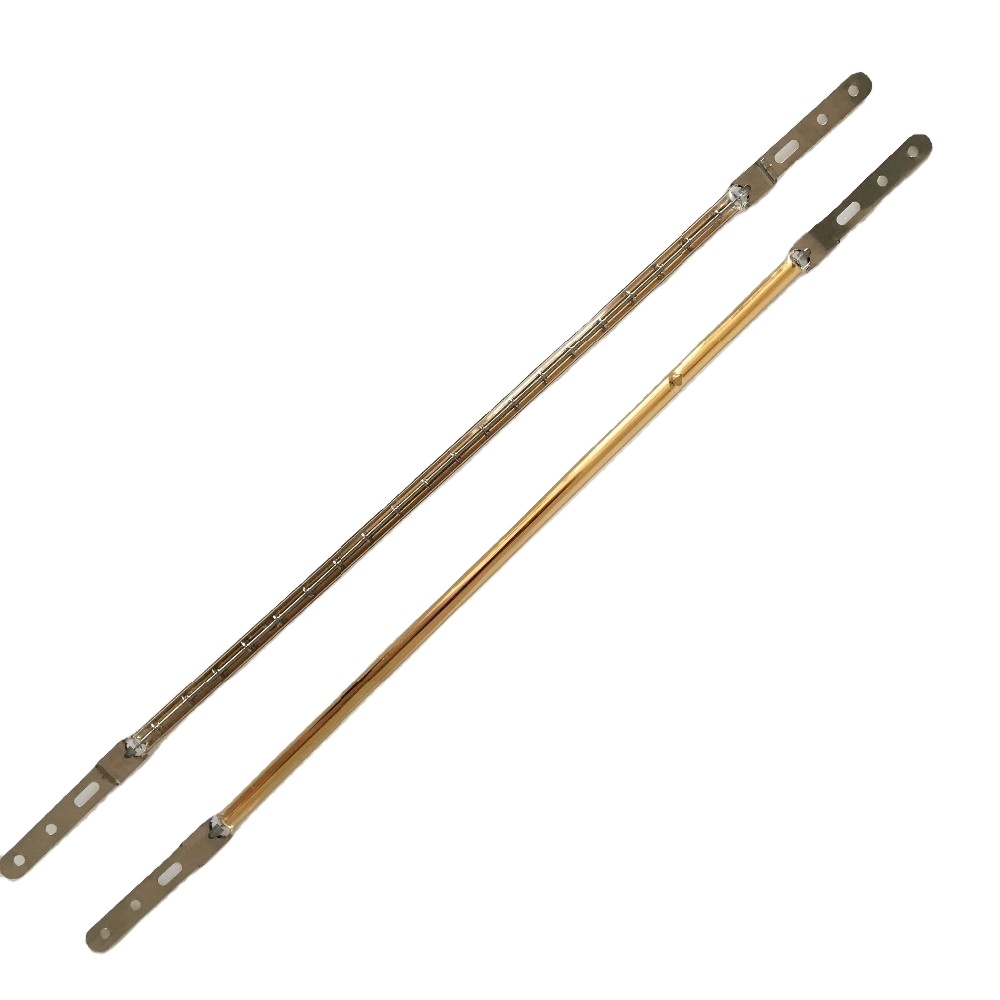
Halogen Quartz Half Gold Infrared Heating Lamps for Flash Dryer Screen Printing
Technical Details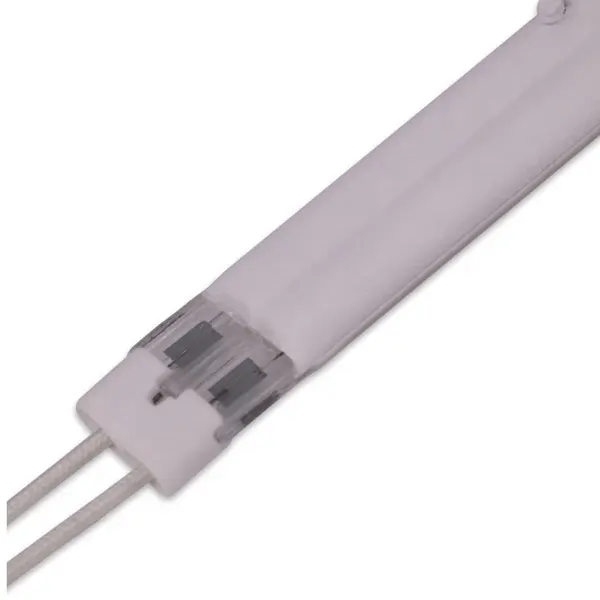
Low Prices Twin Tube Halogen IR Heating Lamp for Paint Drying Curing
Technical Details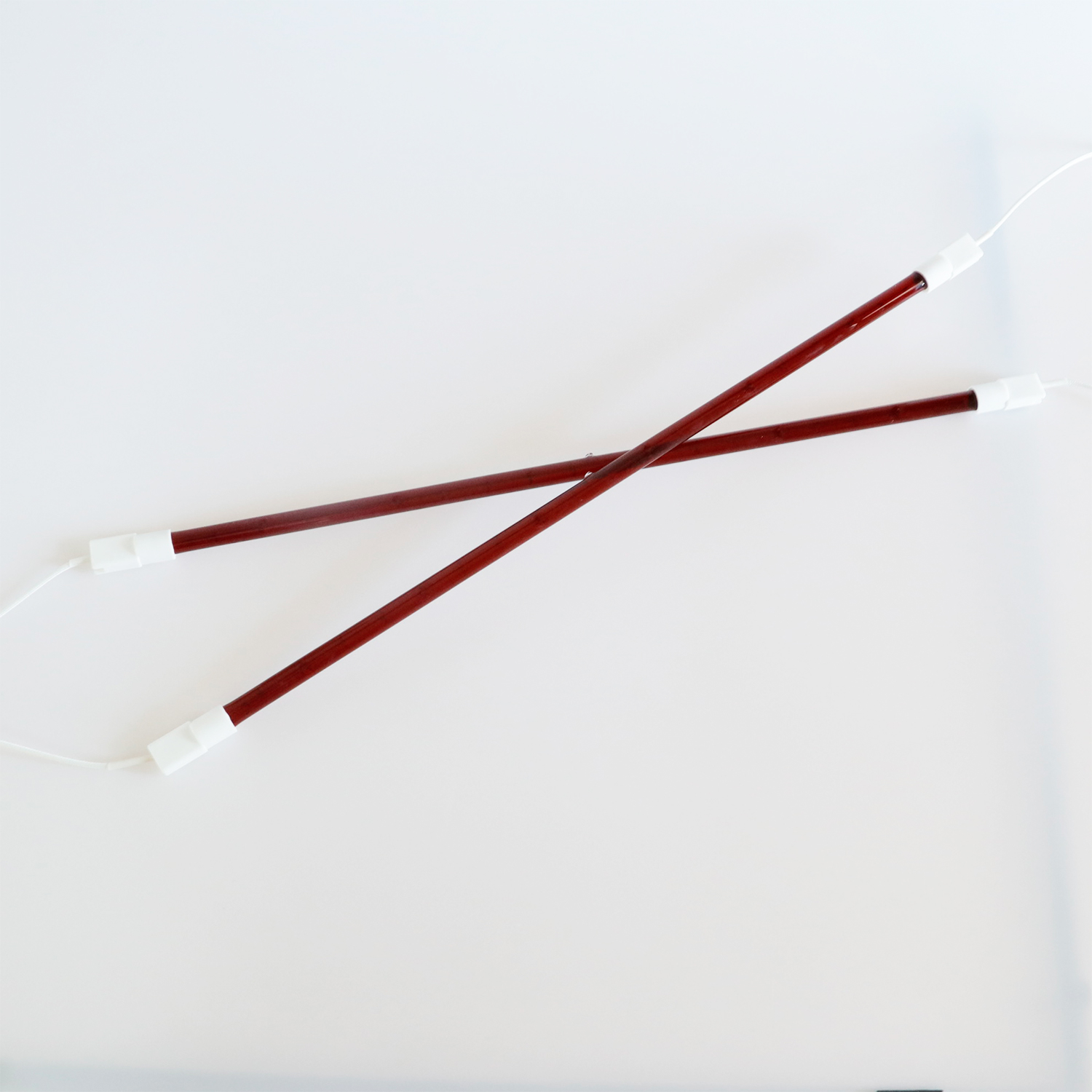
Factory Directly Ruby Short Wave Quartz Tube 1000W Halogen Infrared Heating Lamp for Auto Car Paint Drying
Technical Details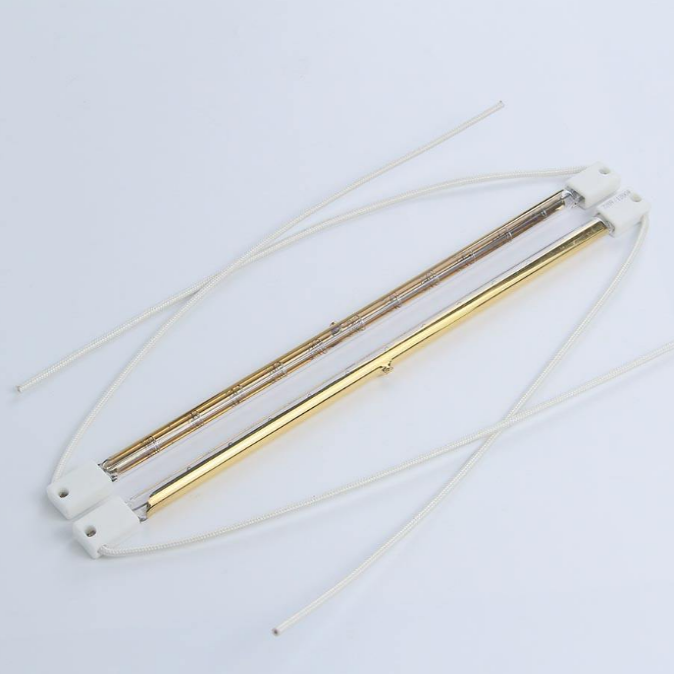
Halogen 220V 1000W Half Gold Coated Infrared Heat Lamp for Machine Equipment
Technical DetailsStrategic Sourcing: Delivering Optical Quartz Solutions to Liverpool and the North West Industrial Belt
The Liverpool City Region, anchoring the historic River Mersey maritime gateway and extending through the high-tech corridors of Knowsley, Halton, Speke, and Ellesmere Port, has evolved into a powerhouse of advanced automotive manufacturing, biopharmaceuticals, chemical processing, and clean maritime energy. Engineering teams operating within this competitive ecosystem face escalating pressures: cycle times must decrease, heat energy must be concentrated without convective loss, and optical instrumentation must withstand severe corrosive and thermal environments.
As an OEM/ODM direct optical quartz glass factory, Kavri Quartz Product Co., Ltd. delivers high-performance synthetic and fused silica (SiO₂) materials engineered to fulfill these rigorous technical requirements. Unlike standard commercial glass or borosilicate alternatives, optical quartz glass features an ultra-low coefficient of thermal expansion (5.5 × 10⁻⁷ /K) and an expansive optical transmission window ranging from deep ultraviolet (185 nm) through the visible spectrum into short and medium-wave infrared (up to 4.5 μm). For engineers serving Liverpool’s industrial base, these intrinsic properties translate to immediate performance gains in heating efficiency, structural integrity, and chemical passivity.
"In automotive finishing plants around Halewood and chemical process lines in Ellesmere Port, transition to precision gold-coated twin-tube quartz emitters has decreased thermal hysteresis from 15 minutes down to 1.2 seconds, driving an average energy reduction of 34% per curing run."
Automotive Paint Drying & Composite Curing
Automotive body repairers, OEM assembly lines, and composite molders across Halewood and Merseyside rely on Kavri twin-tube short-wave quartz halogen lamps. The targeted 1.0–1.2 μm spectrum penetrates coatings from inside out, eliminating solvent boil and paint defects while delivering instantaneous on/off response that cuts electrical idling costs.
Biopharma & Speke Life Sciences
Liverpool’s vaccine manufacturing and pharmaceutical corridor demands analytical quartz flow cells, spectrophotometer quartz cuvettes, and reaction tubes boasting 99.99% SiO₂ chemical inertia. Resistant to aqua regia, nitric acid, and autoclaving cycles, these components maintain pristine ultraviolet transmission down to 190 nm for critical analysis.
Maritime Exhaust Scrubber & Port Logistics
At the Port of Liverpool (Liverpool2) and Birkenhead marine workshops, specialized quartz level-gauge sight glasses and UV ballast water treatment lamp sleeves endure extreme thermal cycling, saline spray, and hydraulic pressure differentials that degrade common toughened soda-lime glass.
Physics of Optical Quartz: Engineering Transmittance and Thermal Stability
The superiority of fused optical quartz glass stems directly from its pure amorphous silica crystal network. In standard glass, alkali fluxing agents (such as Na₂O and CaO) disrupt bridging oxygen atoms, leading to a high thermal expansion coefficient and restricted optical transmission. In contrast, Kavri’s raw material selection from Lianyungang’s crystalline reserves guarantees ultra-pure fused silica with OH content optimized for specific frequency ranges.
| Material Classification | SiO₂ Purity | Softening Point | Thermal Expansion (α) | Spectral Range | Primary Liverpool Applications |
|---|---|---|---|---|---|
| JGS1 (Synthetic Silica) | > 99.999% | 1730 °C | 5.4 × 10⁻⁷ /K | 185 nm – 2500 nm (Deep UV) | Laser optics, photolithography, UV sterilization reactors |
| JGS2 (Optical Fused Quartz) | > 99.99% | 1680 °C | 5.5 × 10⁻⁷ /K | 220 nm – 3000 nm (UV-VIS-NIR) | Sight glasses, high-temp sight ports, precision spectroscopy |
| JGS3 (Infrared Fused Quartz) | > 99.99% (Low OH) | 1680 °C | 5.5 × 10⁻⁷ /K | 260 nm – 4500 nm (Extended IR) | Thermal process IR emitters, moisture-free furnace tubes |
| Standard Borosilicate (3.3) | ~ 80.5% | 820 °C | 33 × 10⁻⁷ /K | 310 nm – 2200 nm | Low-temperature plumbing (unfit for >500°C shock) |
By controlling filament coil design, protective halogen gas mixtures, and gold or ceramic reflector backings, Kavri customizes directional heat flux. A half-gold reflector coat reflects over 95% of rear infrared radiation forward onto the substrate, insulating the surrounding machine framework and reducing ventilation heat loads in tight industrial facilities across Knowsley and St Helens.
Emerging Technology Trends Reshaping Industrial Quartz Applications in Merseyside
The adoption of optical quartz products across the UK North West is accelerating, driven by decarbonization mandates, the Net Zero 2050 timeline, and the growth of advanced manufacturing clusters. Kavri works closely with procurement and plant managers to solve tomorrow's manufacturing challenges:
Electrification of Process Heating
As UK factories transition away from natural gas convection ovens to meet decarbonization targets, high-intensity infrared radiation allows direct radiative transfer without heating large air volumes. This shift can cut electricity usage by 30% to 50% in continuous sheet, textile, and coil lines.
Hydrogen Refining & HyNet North West
With the HyNet North West low-carbon hydrogen cluster advancing along the Mersey Basin, optical quartz windows and combustion sight ports play an essential role in pilot burners and analytical gas chromatographs handling high-temperature hydrogen combustion without cracking.
Advanced UV-C Disinfection in Maritime
IMO Ballast Water Management convention rules require consistent ballast treatment for vessels docking at Liverpool2. High-transmittance synthetic quartz sleeves protect UV lamps from ocean pressure, scale formation, and fouling, ensuring continuous bacterial sterilization.
Enterprise Capabilities & OEM/ODM Engineering Advantages
Sourcing technical quartz glass requires an experienced manufacturing partner. Headquartered in Lianyungang, Jiangsu Province—the global hub of high-purity quartz reserves—Kavri Quartz integrates raw material purification, drawing, precision CNC machining, and automated lamp fabrication under unified ISO9001-aligned management.
Comprehensive Drawing-to-Part Customization
We configure electrical characteristics (12V to 480V, 100W to 12,000W), heated tube lengths (50mm to 3,000mm), tube cross-sections (single round, twin-tube 11x23mm or 15x33mm, omega profiles), and termination terminals (SK15, R7s, metal clips, flat ceramic caps, or Teflon/pure nickel flying leads).
Streamlined UK Logistics & Shockproof Export Packaging
Fragile quartz tubing demands verified handling. We implement multi-layer honeycomb suspension sleeves, vacuum blister packaging, and export wooden crates built for ocean freight into the Port of Liverpool or air courier into Manchester Airport. DDP terms simplify customs clearance, duty processing, and inland transport.
100% Batch Optical & Electrical Inspection
Every industrial emitter undergoes helium mass spectrometer leak detection, filament alignment verification, cold/hot resistance validation, and coating adherence testing prior to crating. Comprehensive optical spectral transmission data sheets accompany specialized lab orders.
Flexible MOQ & Competitive Supply Chain Economics
By producing our own base quartz glass tubes, Kavri eliminates domestic intermediary markups. We accommodate pilot and replacement runs from 8–10 pieces while maintaining manufacturing capacity for monthly OEM supply agreements exceeding 50,000 units.
Frequently Asked Questions by UK Engineers & Procurement Teams
Essential guidance covering technical compatibility, voltage differences, UK import compliance, and customized quartz fabrication.