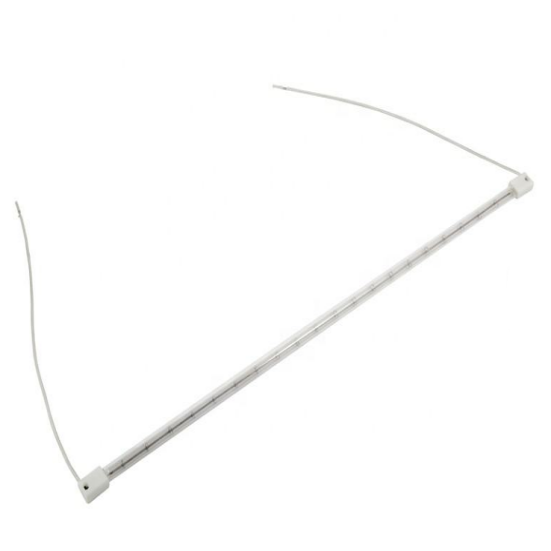
Export Catalog
Factory-Direct Heating Emitters & Industrial Components
Engineered by Kavri Quartz in the Donghai silica corridor, each element matches rigorous industrial specifications for automated lines in Chiang Mai and the Lamphun industrial cluster.
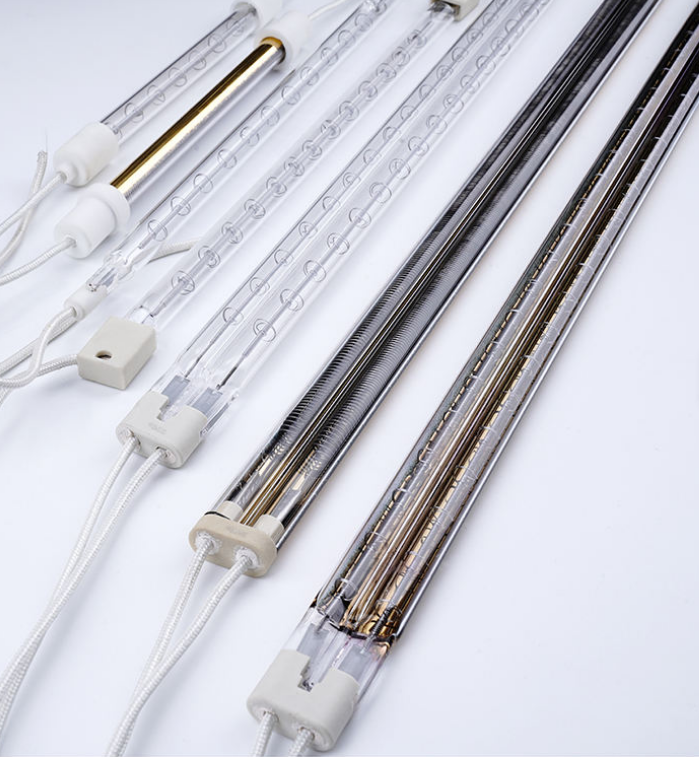
Factory Supply 220v Infrared Heater Lamp for PET Blowing Machines
Technical Specs →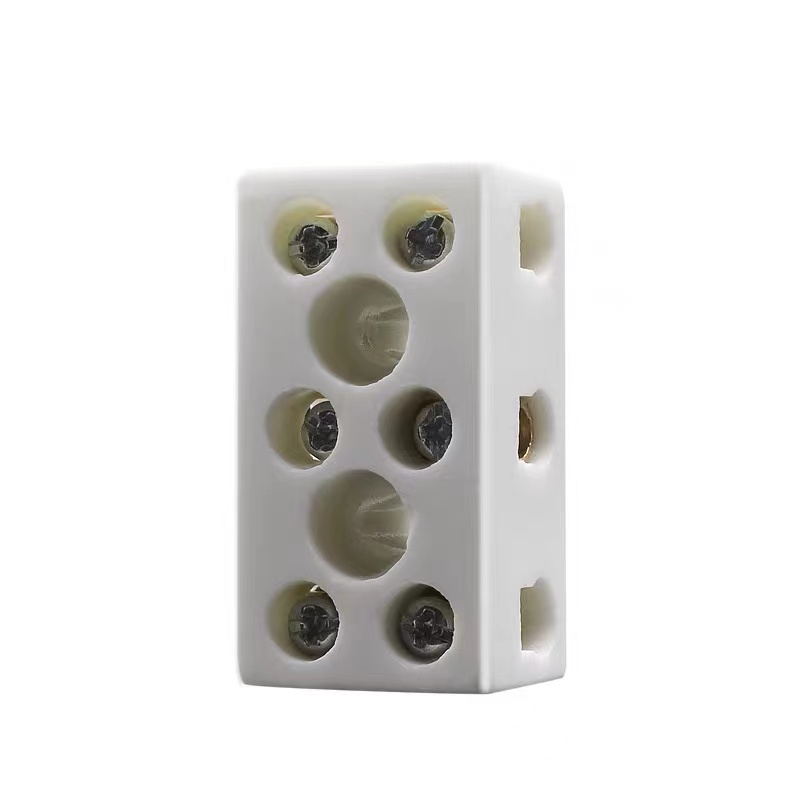
Ceramic Terminal Block Wire Connector Ceramic Wire Connector
Technical Specs →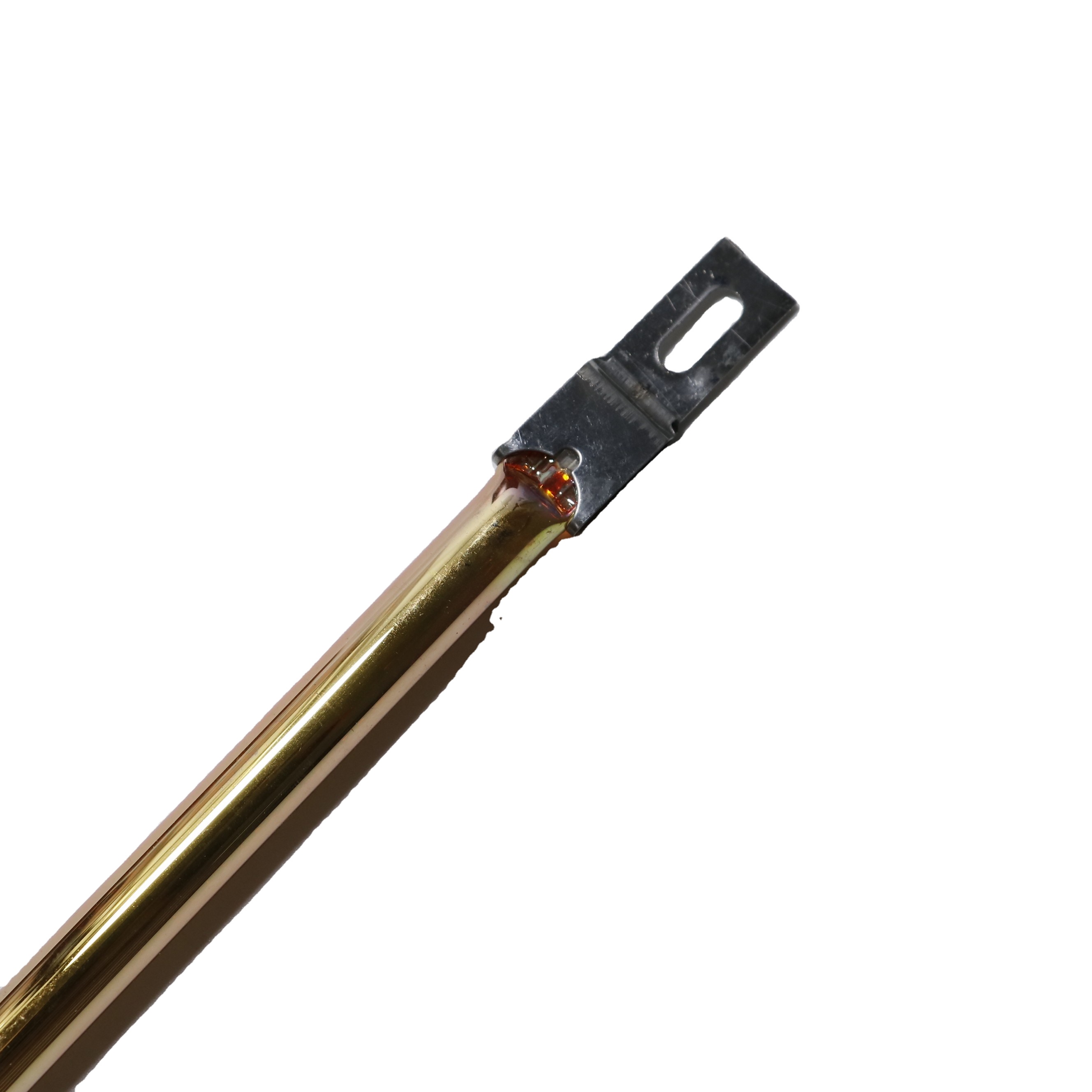
Full Gold Quartz Infrared Heating Lamp for Industrial Processing
Technical Specs →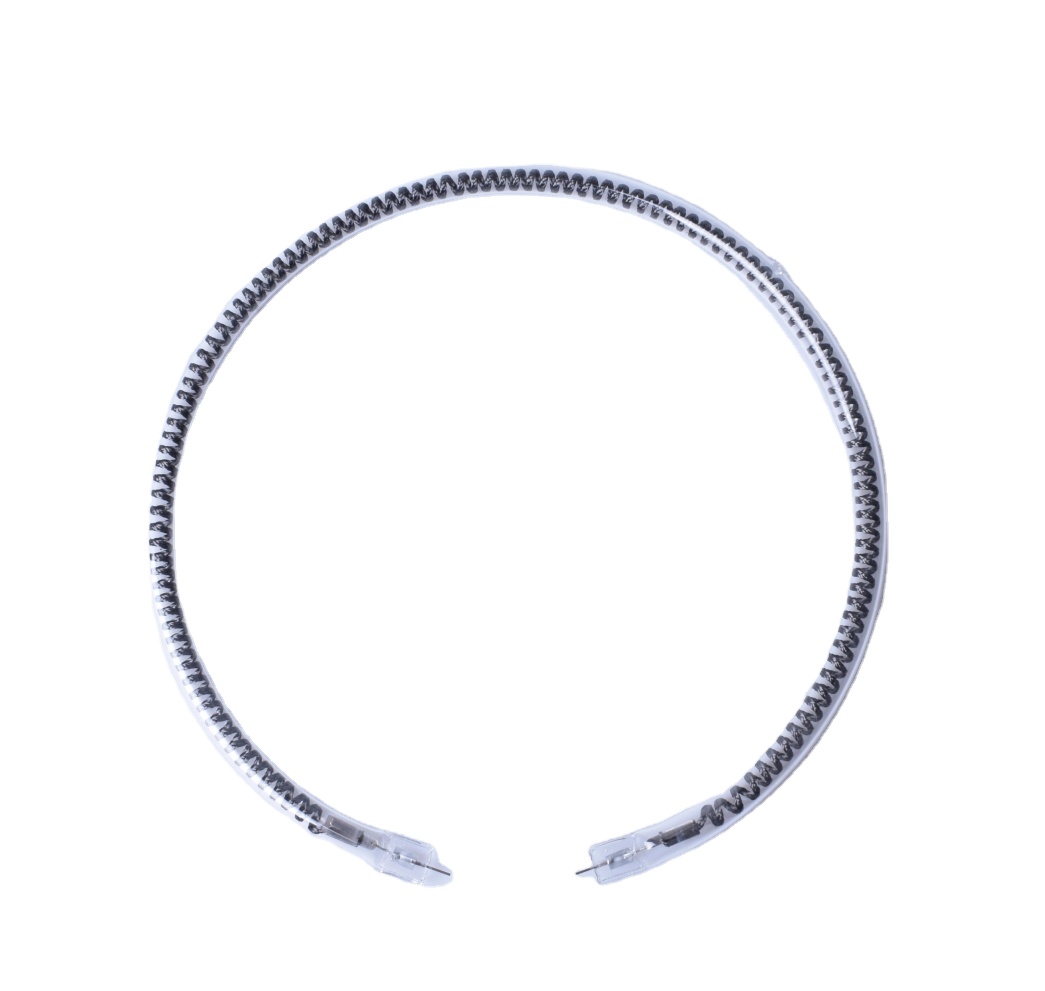
120V 1000W Medium Wave clear Infrared Heat Lamp for Photovoltaic Industry
Technical Specs →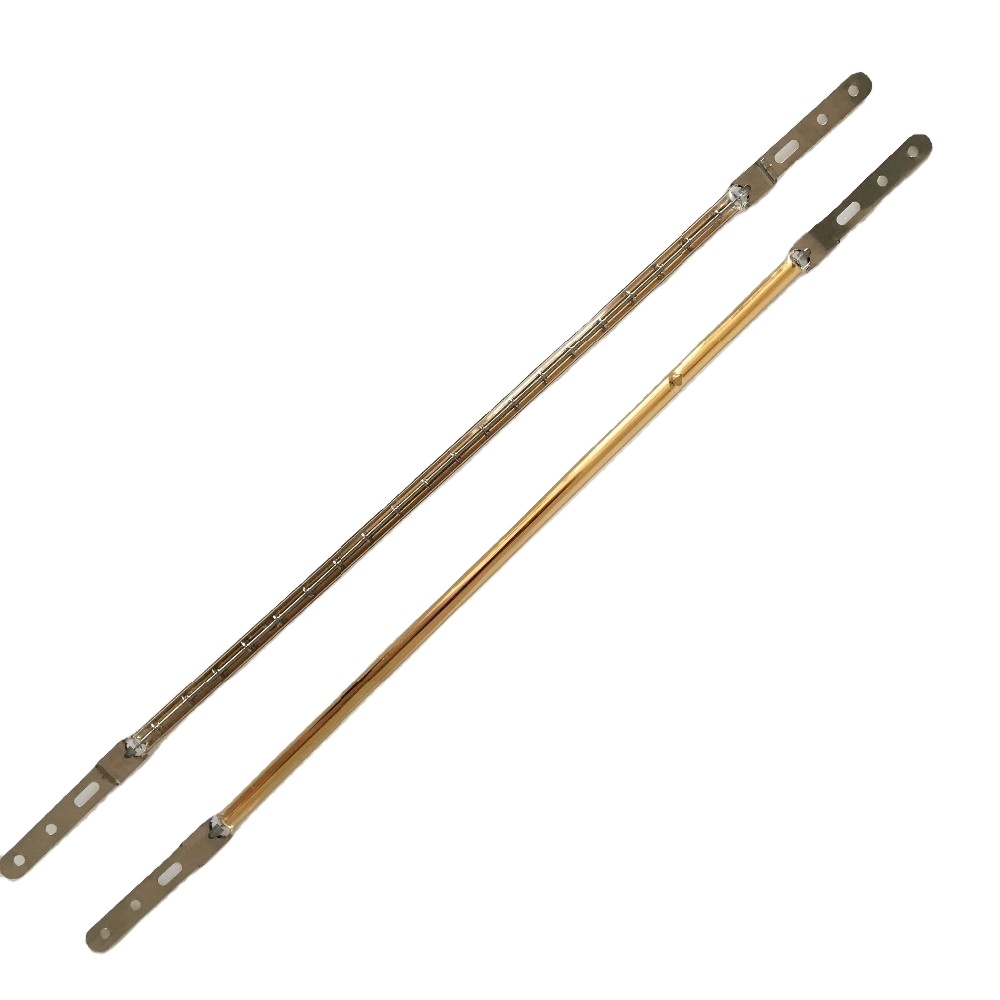
Halogen Quartz Half Gold Infrared Heating Lamps for Flash Dryer Screen Printing
Technical Specs →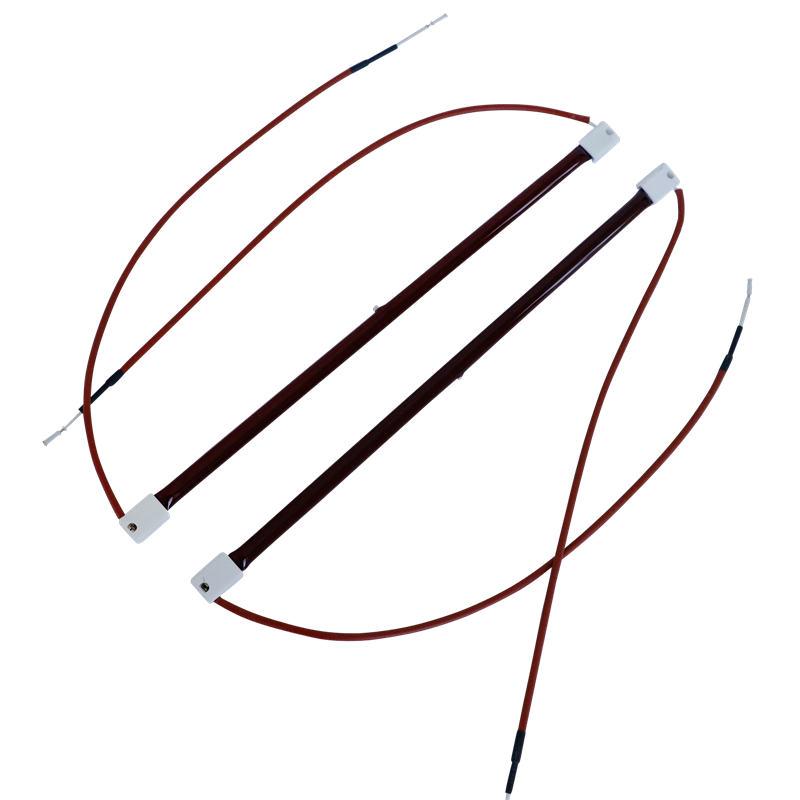
500w 220v High Quality Ruby Infrared Heating Lamp for Poultry Chicken and Duck Farm Heating
Technical Specs →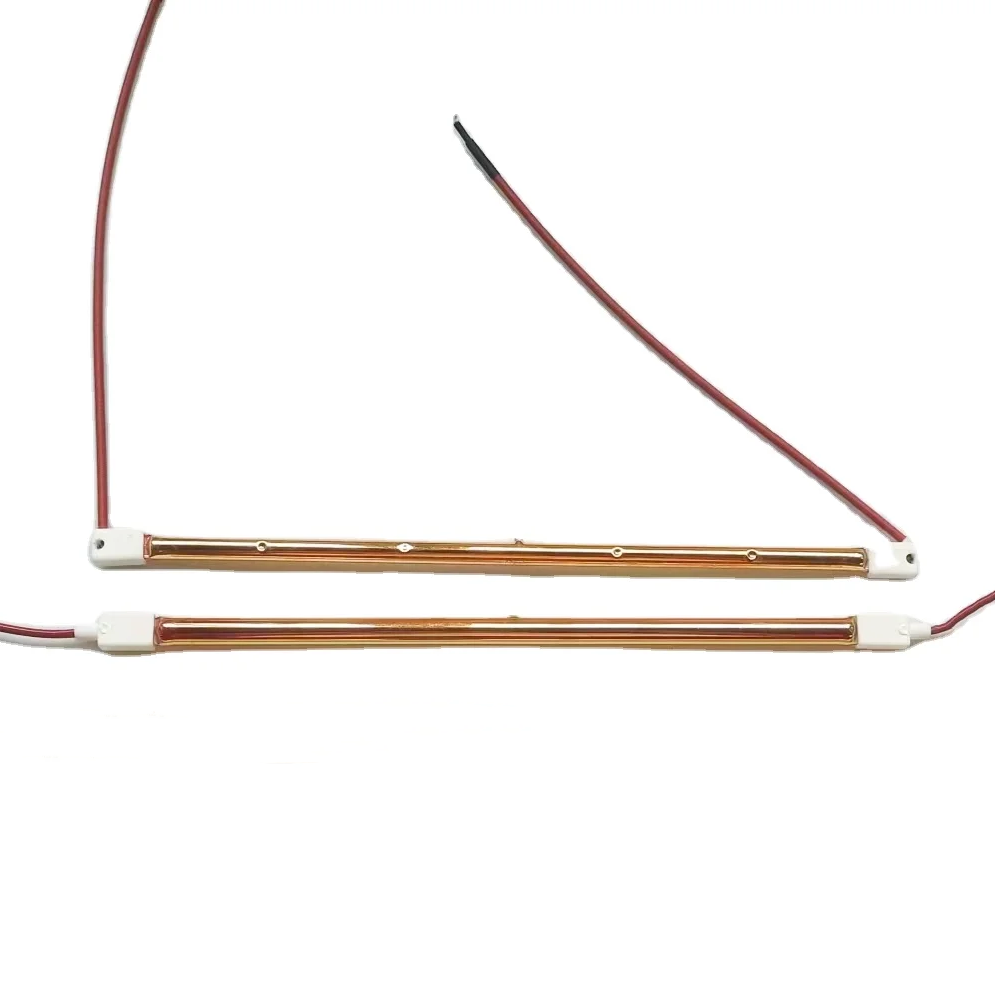
Direct Sells Industry Gold Coated Infrared Heating Lamp
Technical Specs →2.0–2.6 μm
Peak Medium-Wave Spectrum
≥ 98.5%
Carbon Filament Purity
< 2.0 sec
Thermal Response Ramp Time
8,000+ hrs
Rated Operational Lifespan
Engineering Overview: Why Circular Geometry and Carbon Fiber Dominate Modern Processing
In thermal radiation physics, the fundamental challenge of processing three-dimensional, cylindrical, or radially symmetrical objects is nonuniform flux density. Standard linear infrared quartz tubes emit electromagnetic energy perpendicular to their axes, forcing mechanical system designers to construct complex arrays of reflectors, multi-axis rotation jigs, or motorized oscillating lamp banks to achieve thermal equilibrium across curved surfaces. When applied to rotational blow-molding preforms, circular vacuum thermoforming blanks, or rotary food-dehydration tumblers, linear emitters generate localized thermal hot spots, excessive air convection losses, and erratic core temperatures.
The circular carbon fiber heat lamp eliminates this spatial disparity. By bending ultra-pure synthetic fused silica tubing (SiO2 ≥ 99.99%) into precision ring and annular geometries, the radiant heat flux converges concentrically toward the central axis or radiates outwards with exact 360-degree rotational symmetry. Inside the vacuum-sealed quartz envelope, braided polyacrylonitrile (PAN)-based carbon fiber filaments operate at filament temperatures between 950°C and 1250°C. This thermal range produces a primary electromagnetic emission spectrum concentrated squarely in the medium-wave infrared (MWIR) bandwidth of 2.0 to 2.6 micrometers.
"Unlike short-wave halogen lamps whose peak energy (1.0–1.2 μm) passes through water-bearing agro-products or thin polymer films with minimal absorption, medium-wave carbon radiation matches the fundamental C-H, O-H, and C-O molecular vibration absorption resonance bands. Energy is captured directly by the substrate within the first few microns to millimeters of material depth, cutting electrical energy expenditure by up to 34% compared to standard ceramic or metal-sheath calrod heaters."
Furthermore, carbon fiber emitters provide rapid thermal response kinetics that legacy ceramic plaque heaters and steatite elements cannot achieve. With thermal inertia measured in less than 2 seconds from cold start to 100% rated output, factory automated PLC controllers can instantly ramp power via zero-crossing solid-state relays (SSRs) or phase-angle thyristor power controllers. When a manufacturing line stops unexpectedly in an industrial facility, carbon fiber rings can be de-energized instantaneously, preventing scorching, surface degradation, or catastrophic fire hazards in plastic and organic processing equipment.
OEM/ODM Mechanical & Electrical Parametric Matrix
Kavri Quartz provides comprehensive custom bending and design capabilities. We machine dedicated graphite forming jigs to curve quartz envelopes into precise circular, helical, or custom arc radii without altering wall thickness or optical transmissivity.
| Parameter Profile | Standard Specification | OEM/ODM Customization Threshold | Chiang Mai Industrial Compatibility |
|---|---|---|---|
| Outer Ring Diameter (Ø) | 120 mm / 180 mm / 240 mm / 300 mm | Custom formed: 80 mm up to 650 mm | Fits standard rotary carousel & thermoformer clamp frames |
| Rated Voltage (AC) | 220V / 230V / 240V (Single Phase) | 110V, 120V, 380V, 415V, or 480V 3-Phase configurations | Matches PEA (Provincial Electricity Authority) 220V/50Hz grid |
| Power Density & Wattage | 400W – 2500W per ring element | Custom watt density (15–45 W/cm along arc length) | Calibrated to avoid surface scorch on biological/organic goods |
| Quartz Tube Envelope | 10 mm, 12 mm, or 14 mm Clear Fused Silica | Twin-tube profile, Ruby quartz, or Frosted satin envelope | Resistant to thermal shock from 1000°C direct to ambient air |
| Directional Back-Reflector | Uncoated (360° radial radiation) | Electro-pure 24K Gold Coating (95% forward efficiency) or White Ceramic | Directs 90%+ of radiant energy directly toward the product zone |
| Electrical Termination | High-temp lead wires with spade / eyelet terminals | Custom steatite ceramic terminal blocks, screw caps, metal brackets | Corrosion-proof in high ambient relative humidity (RH > 80%) |
Localized Industrial Applications Across the Chiang Mai & Northern Region
Chiang Mai’s industrial ecosystem is distinctive within the Kingdom of Thailand. Rather than heavy chemical petrochemicals or primary automotive assembly lines found in the Eastern Economic Corridor (EEC), the Chiang Mai-Lamphun valley is characterized by premium agro-industrial value addition, sophisticated electronic component manufacturing (Northern Region Industrial Estate - EPZ), high-craft specialty wood finishing, textile printing, and luxury wellness device engineering. Circular carbon fiber heating technology directly resolves specific thermal bottlenecks across these local industries.
High-Yield Dehydrated Longan, Mango & Fruit Processing
Chiang Mai (Chom Thong, Mae Taeng, San Sai) is Thailand's heartland for Longan (ลำไย) and tropical fruit processing. Traditional hot-air convective wood-smoke or LPG drying creates surface case hardening, trapping moisture in the fruit center and darkening flesh sugars. Medium-wave circular carbon emitters penetrate fruit tissues directly, exciting internal water molecules evenly. Combined with rotating rotary trays, carbon rings yield golden dried longan with uniform moisture content below 14% while slashing drying cycle hours by 40%.
Bio-Polymer & Sugarcane Pulp Food Packaging Thermoforming
Aligning with Chiang Mai's strict environmental regulations and single-use plastic bans, regional eco-packaging converters in San Kamphaeng and Saraphi manufacture bio-PET, PLA, and molded sugarcane bagasse containers. Deep circular thermoforming molds require homogeneous heating around the clamp frame perimeter. Our circular carbon fiber emitters provide calibrated radial heating that prevents perimeter thinning, eliminates corner blowout, and accelerates continuous press cycle speeds.
Artisan Teak Furniture Lacquer & Wood Finishing (Baan Tawai)
The famed wood carving and teakwood furniture corridor in Baan Tawai relies on modern polyurethane, nitrocellulose, and natural resin varnishes. During Northern Thailand's rainy monsoon months (July to October), ambient relative humidity causes lacquer "blushing" and surface entrapment under convective air blowers. Circular medium-wave carbon arrays heat the underlying wood substrate directly, driving moisture and solvents from the inside-out to produce crystal-clear, bubble-free mirror finishes.
Screen-Printing & Flash Textile Drying (San Kamphaeng)
Renowned for Lanna silk, organic handwoven cotton, and custom tourist apparel printing, local textile print shops utilize circular screen-printing carousel machinery. Traditional flash dryers waste massive power heating empty print platens. Our custom-diameter circular carbon lamps match the circular sweep of automated carousel heads, delivering intense, instant-on infrared heat in 1.5-second bursts to flash-cure plastisol and water-based discharge inks without scorching delicate natural fabrics.
Artisan Tea Roasting & Northern Herbal Leaf Fermentation Arrest
Highland plantations in Fang, Mae On, and Doi Saket process premium Oolong, Green tea, and indigenous Miang leaves. Halting enzymatic oxidation ("kill-green" or fixation) requires rapid, uniform thermal exposure without singeing leaf edges. Circular carbon fiber heating drums deliver gentle, radiant medium-wave warmth that deactivates polyphenol oxidase enzymes instantly while preserving volatile floral aromas, natural antioxidants, and vibrant emerald tea colors.
Luxury Wellness Devices & Medical Spa Infrared Therapy Rings
As the premier health and wellness capital of Southeast Asia, Chiang Mai hosts leading spa equipment builders and medical recovery centers. Circular carbon emitters provide deep-tissue radiant thermal therapy. Operating at 2.0–2.6 µm with low visible glare, circular quartz lamps surround treatment chambers, promoting blood circulation, neuromuscular relaxation, and cellular regeneration without emitting aggressive UV rays or blinding visual glare.
Northern Thailand Regional Development Trends & Industrial Shifts
Procurement directors and factory modernization teams across Chiang Mai, Lamphun, and Lampang face transformative operational challenges driven by public policy shifts and international trade requirements:
1. Thailand’s Bio-Circular-Green (BCG) Economic Mandate: The Thai Board of Investment (BOI) has introduced aggressive incentives for Northern agricultural processors to eliminate open-field burning and shift away from carbon-intensive fossil fuel boilers. Historic diesel and LPG combustion kilns used in dried fruit and tobacco processing are undergoing rapid electrification. OEM circular carbon heat lamps, which achieve 92%+ electrical-to-radiant thermal conversion efficiency, allow processors to qualify for green industry certifications and reduce direct factory carbon emissions to absolute zero.
2. Integration with Commercial Rooftop Solar PV: Chiang Mai enjoys exceptionally high solar irradiance (averaging 18.2 to 19.5 MJ/m2-day). Over 60% of manufacturing units in the Northern Region Industrial Estate (NRIE) in Lamphun have installed rooftop solar arrays. However, solar production creates fluctuating midday power spikes. Carbon fiber emitters, capable of infinite modulation via SCR/PID control systems, sync seamlessly with solar output variations, turning variable rooftop solar electricity into high-precision, low-cost thermal processing during peak sunlight hours.
3. Transition from Primitive Convection to Direct Electromagnetic Radiation: Convective hot air relies on heating ambient air first, blowing it across the target, and venting large volumes of energy into the atmosphere. In Northern Thailand's humid valleys, convective systems consume exorbitant energy to dry moisture-laden air. Carbon fiber radiant heat travels across space via infrared waves without heating the intervening air, transferring energy directly to the target workpiece and cutting overall electricity draw by 30% to 50%.
Procurement FAQ for Chiang Mai & Northern Thailand Factory Engineers
Can your circular carbon fiber heat lamps tolerate Northern Thailand's electrical grid variances?
Yes. Industrial zones in Chiang Mai, Lamphun, and outlying agricultural districts operate under the Provincial Electricity Authority (PEA) with nominal supply parameters of 220V single-phase / 380V three-phase at 50Hz. Voltage fluctuations of ±10% can occur during peak agricultural harvest seasons. Kavri Quartz engineers carbon fiber filaments with tailored electrical resistance tolerances and uses pure vacuum quartz envelopes backfilled with inert halogen gas buffers, allowing steady continuous operation across 200V–250V without filament crystallization or premature burnout.
How do you ship fragile circular quartz tubes safely to Chiang Mai or Lamphun?
Circular and annular quartz shapes require specialized shock mitigation due to hoop stresses during international transit. Every Kavri circular lamp is nested within a custom-molded, high-density closed-cell polyethylene (EPE) foam casing that isolates the quartz ring from all axes of shock and vibration. These casings are packed inside reinforced honeycomb cartons and packed into IPPC-certified fumigated solid plywood export crates. We ship directly to Chiang Mai International Airport (CNX) via air freight for rapid delivery (3–5 days) or via consolidated sea-land freight via Bangkok Port / Laem Chabang with bonded customs clearance right to your factory floor.
Are your circular emitters exempt from Thai import duties under China-ASEAN Free Trade Agreement?
Yes. As an authorized Chinese manufacturer, Kavri Quartz provides official China-ASEAN Free Trade Certificate of Origin (Form E). Under Thai Customs Harmonized System (HS) code classification 8539.49.00 (Infrared Heat Lamps & Emitters), presenting a valid Form E reduces the standard Thai customs import tariff rate from 5–10% down to 0%. Thai procurement departments only need to process local 7% VAT (which is reclaimable as standard input tax), significantly lowering import procurement costs.
How do circular carbon emitters handle Northern Thailand's extreme monsoon humidity?
During Chiang Mai's monsoon rainy season, factory ambient humidity regularly exceeds 85% RH. Standard bare electrical terminals and unsealed metal heating components can experience dielectric breakdown, rust, and surface leakage currents. Kavri circular lamps feature high-purity steatite ceramic terminal insulators with silicone-embedded, moisture-impervious pinch seals. Our connecting leads utilize multi-strand nickel-plated copper conductors encased in braided fiberglass and high-temperature silicone sleeves rated to 500°C, completely impervious to moisture oxidation and corrosion.
Can you reverse-engineer and custom-build replacement circular lamps for European or Japanese machinery?
Yes. Many factories in the Northern Region Industrial Estate run thermoformers, blow molders, or drying machinery imported from Germany, Switzerland, Italy, or Japan. Sourcing original replacement lamps from European OEMs often entails 12-to-16-week lead times and prohibitive replacement costs. You can provide us with a detailed technical drawing, high-resolution photographs of the terminal tags, or courier a sample unit directly to our engineering lab in Lianyungang. We match the exact envelope radius, arc length, wattage, reflector angle, and connector pins within 7 to 10 production days.
What is the Minimum Order Quantity (MOQ) for custom-radius circular carbon lamps?
While high-volume automated lines benefit from bulk batch pricing, we maintain a flexible prototyping MOQ starting from just 8 to 10 pieces for custom circular and curved carbon fiber lamps. This allows your engineering maintenance or R&D department to conduct fit-checks, optical tests, and trial runs on existing machinery before committing to large-scale replacement runs.
Why Chiang Mai Industry Leaders Partner with Kavri Quartz
Kavri Quartz Product Co., Ltd. is not an export broker or intermediary trader. We are an integrated fused silica and infrared emitter manufacturer situated in Lianyungang, Jiangsu Province—adjacent to Donghai County, the epicenter of global quartz crystal and silica processing. This geographic location gives our engineering team direct control over silica purity, tube drawing, and precision quartz lamp manufacturing.
Ultra-Pure Fused Silica
We melt and draw natural high-purity silica sand into quartz tubes with SiO2 content exceeding 99.99%. Free from bubble inclusions, our envelopes maintain thermal stability up to 1100°C continuous and 1450°C short-term exposure.
10+ Years Dedicated OEM Mastery
Established in 2014 with 3 dedicated production lines and verified onsite by international auditing bodies, Kavri produces over 500,000 quartz elements annually, exported to over 40 industrialized nations worldwide.
Direct Optical Coating Technology
Our in-house magnetron sputtering and liquid gold immersion processes apply high-adhesion 24K gold and diffuse ceramic reflectors directly onto the quartz envelope, maximizing directional thermal transmission toward your product.
4-Hour Rapid Technical Response
Our engineering support desk answers technical inquiries, reviews AutoCAD/SolidWorks lamp drawings, and provides detailed electrical simulations within ≤ 4 business hours for Southeast Asian procurement managers.
Modernize Your Thermal Lines with Precision Circular Carbon Emitters
Whether you require custom-radius circular carbon fiber lamps for rotary agro-drying drums in San Sai or precision replacement emitters for automated thermoforming lines in Lamphun, Kavri Quartz engineers deliver factory-direct reliability, certified zero-tariff Form E documentation, and rapid sampling.