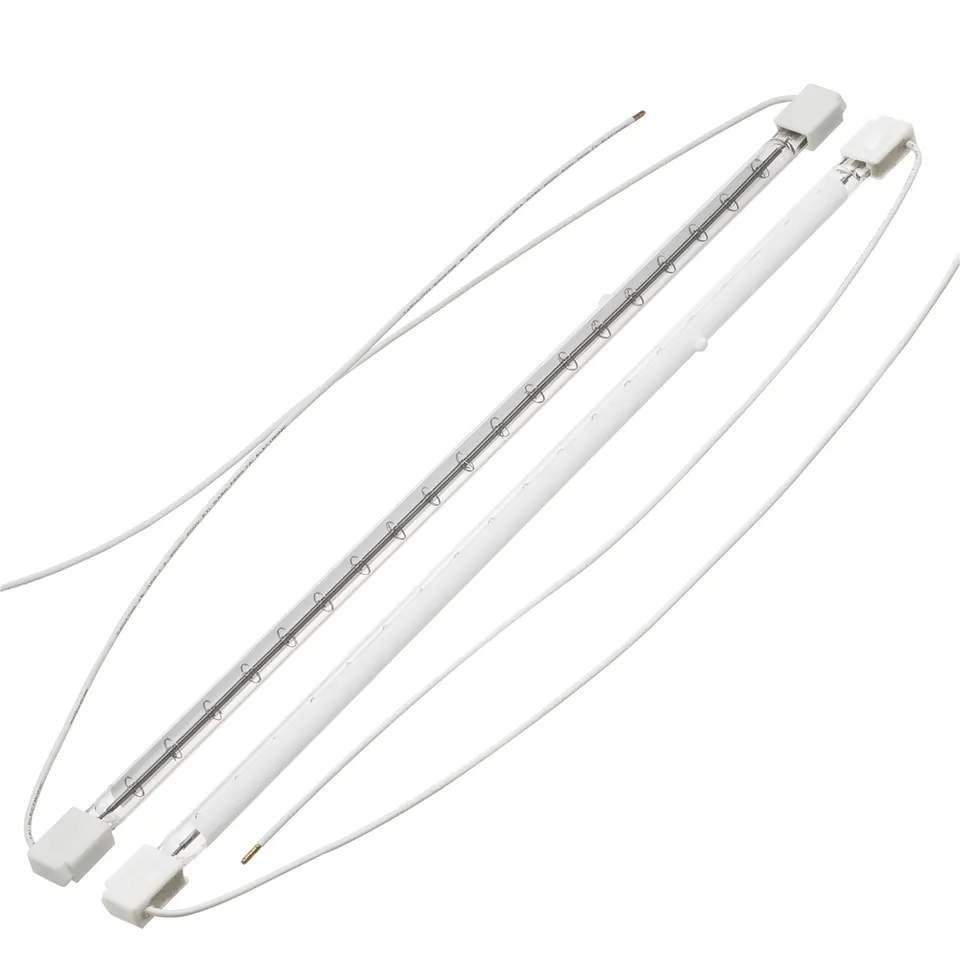
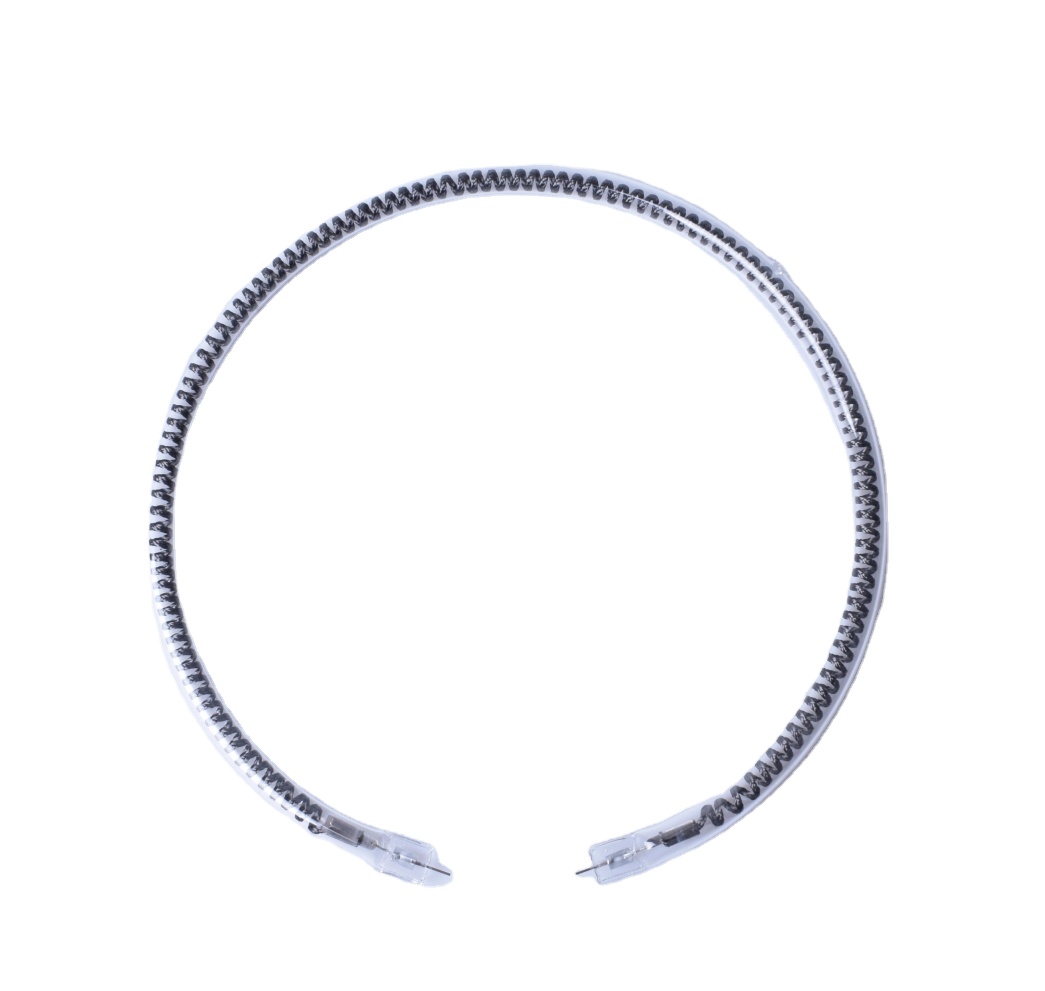
High Quality Shortwave Half White Infrared Heating Radiant Emitter
Peak: 1.0–1.2 µm
Ceramic Coating
Flash Dry
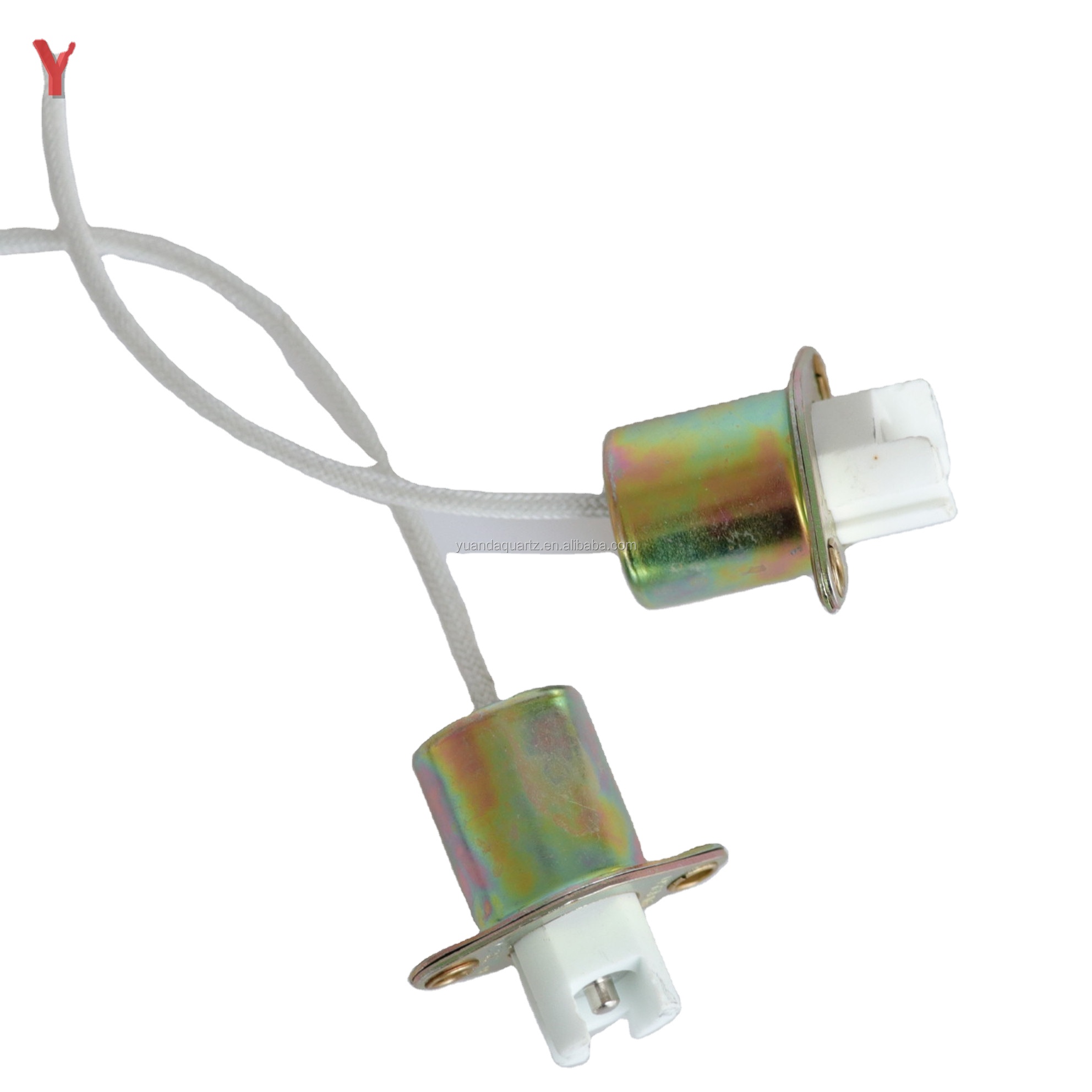
Manufactured using premium fused quartz tubes, high-purity tungsten and carbon filaments, and proprietary directional reflectors for maximum print line performance.
Why modern Swiss packaging, commercial print houses, and label converters across the Zurich Lowlands and industrial corridors require spectral-matched infrared emission.
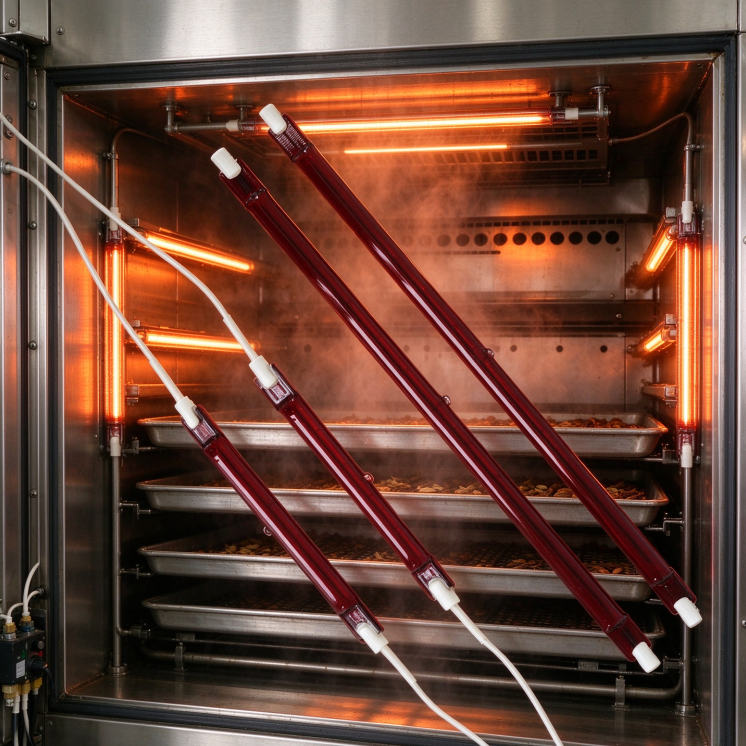
Zurich’s high-end commercial printers rely on multi-color Heidelberg, Koenig & Bauer, and Komori presses. Applying thick water-based dispersion varnishes requires instantaneous flash evaporation without heating paper fibers to the curling threshold. Short-wave twin tubes deliver instantaneous radiant penetration, stabilizing sheet travel at 18,000 sheets per hour.
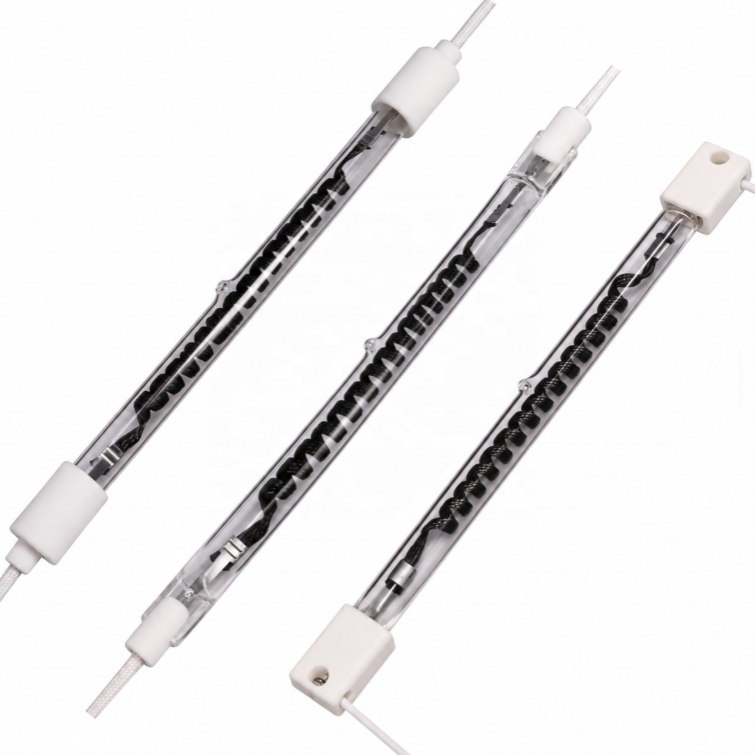
Converters operating in Dietikon, Winterthur, and surrounding Cantonal manufacturing sectors demand rigorous compliance with food-packaging migration standards. Our carbon medium-wave emitters match the resonance absorption bands of aqueous flexographic ink formulations (2.7–3.0 µm), guaranteeing thorough barrier drying on polymer-laminated board stocks.
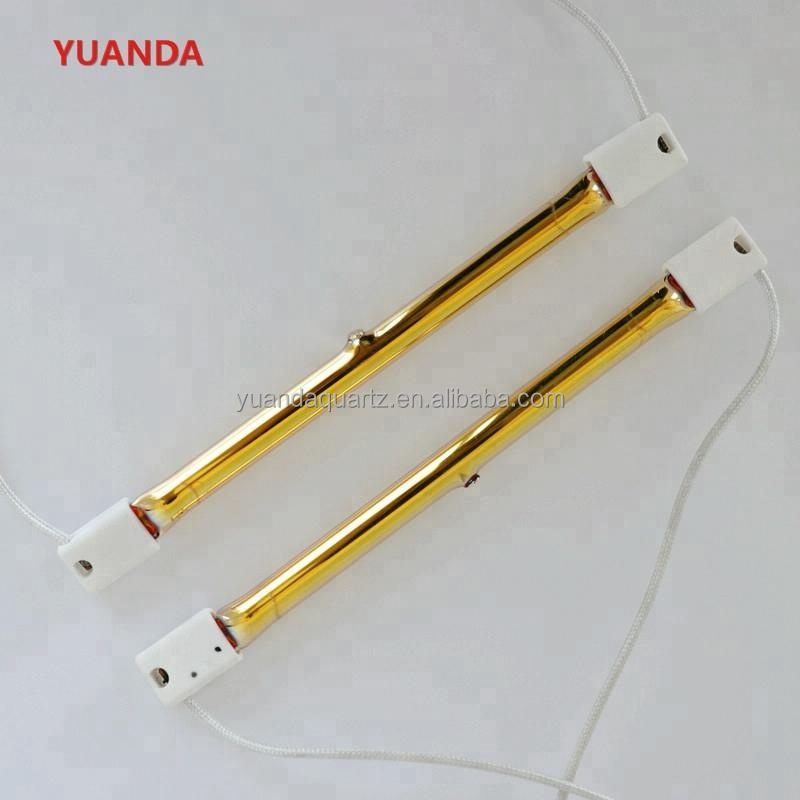
Automated carousel and roll-to-roll screen printing operations require pinpoint flash-cure stations. Kavri half-gold coated short-wave halogen tubes project 90% of emitted infrared energy directly onto plastisol and water-based textile inks within 1.2 seconds, switching to standby between indexing cycles to reduce production line thermal build-up.
A rigorous comparative analysis to assist Swiss printing plant engineers, maintenance directors, and procurement managers in selecting the optimal emitter morphology.
| Emitter Technology | Spectral Peak (λ) | Color Temp (°C) | Switch-On Response | Primary Substrate Compatibility | Reflector Coating Option |
|---|---|---|---|---|---|
| Short-Wave Halogen (Clear) | 1.0 – 1.4 µm | 1800 – 2200 °C | < 1 Second | Dense papers, metal deco, heavy offset inks | Standard Clear / Uncoated |
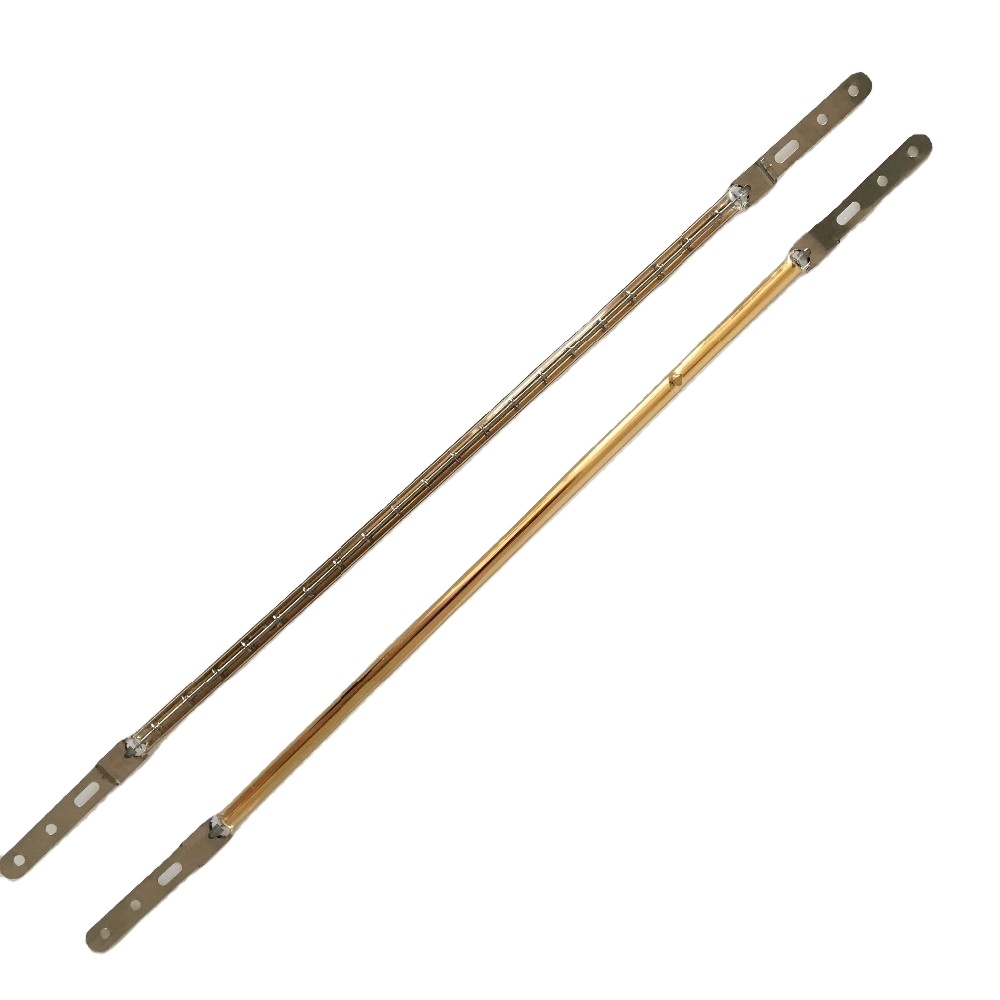
| Directional Half-Gold SW | 1.0 – 1.4 µm | 1800 – 2200 °C | < 1 Second | High-speed sheet-fed, screen flash dryers | 90% Efficient Pure 24K Gold Film |
| Half-White Ceramic SW | 1.1 – 1.5 µm | 1700 – 2100 °C | ~ 1 Second | High-temperature enclosed drying ovens | Diffuse High-Alumina White Ceramic |
| Carbon Medium-Wave (FMW) | 2.0 – 2.6 µm | 950 – 1200 °C | 1 – 2 Seconds | Aqueous inks, primers, flexible foils, labels | Gold or White Ceramic Backing |
| Standard Medium-Wave | 2.5 – 3.5 µm | 700 – 900 °C | 30 – 60 Seconds | Continuous web drying, plastics, textile fixing | Uncoated / Satin Quartz Tube |
Evaluating the impact of Swiss decarbonization mandates, the shift toward sustainable barrier coatings, and predictive maintenance strategies.
With escalating energy tariffs in Switzerland, graphic arts facilities in the Canton of Zurich are aggressively replacing outdated convection gas hoods and inefficient long-wave panels. Spectral matching through carbon filament emitters directs heat exclusively into ink molecules rather than ambient machine frames, cutting line electrical demand by up to 34%.
In response to European single-use plastic restrictions, Swiss folding box producers are migrating to complex water-based dispersion barriers. These aqueous coatings require uniform evaporation without blister formation. Precise twin-tube fast medium-wave emitters penetrate down to the paper substrate interface, drying inside-out evenly.
Zurich printing press operators face steep markups and extended supply chain delays when procuring replacement lamps directly from legacy machine brands. Sourcing directly from verified quartz manufacturers with exact OEM cross-referencing offers 100% mechanical drop-in compatibility at substantial operational expenditure savings.
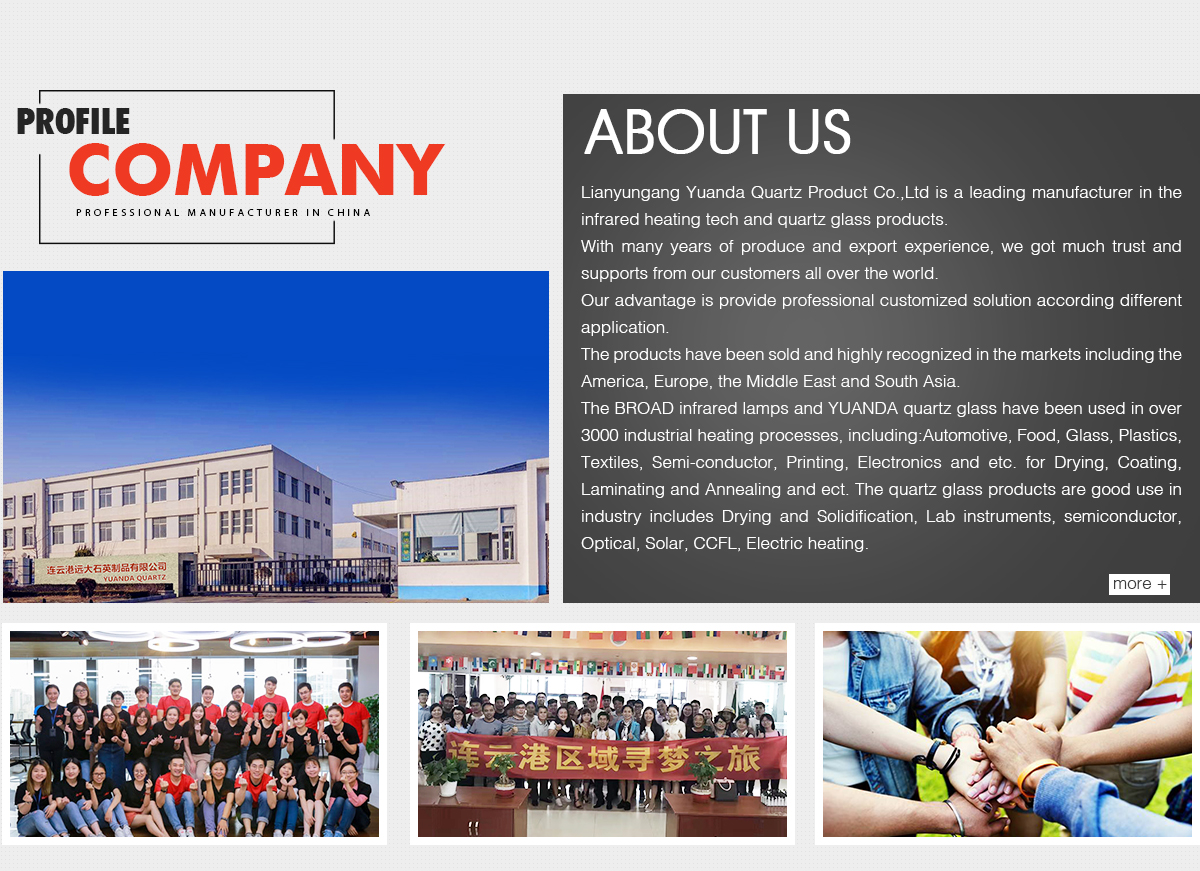
Headquartered in Lianyungang, China—the primary global epicenter for raw quartz mining and high-purity fused silica refinement—Kavri Quartz Product Co., Ltd. controls the complete vertical processing pipeline. From high-grade raw silica ingots to final filament evacuation and sealing, our integrated infrastructure ensures total spectral consistency.
Essential guidance on replacement compatibility, custom specifications, Swiss shipping logistics, and emitter operational lifespans.
Yes. We routinely engineer direct drop-in replacements compatible with systems from Heidelberg (DryStar), Manroland, Koenig & Bauer, Komori, Sakurai, and Grafix dryers. Providing overall length (OAL), heated length, voltage/wattage, and end-cap profile allows us to manufacture identical replacements.
Gold coatings offer maximum directional reflectance (~90%) in the short-wave and fast medium-wave spectra, but should not exceed 600°C ambient casing temperatures. White ceramic coatings (diffuse reflection ~75-80%) are thermally stable up to 1000°C, making them the preferred choice for enclosed, high-heat air-recirculation ovens.
We utilize multi-stage protective packaging: each quartz emitter is enclosed in a rigid, shatter-resistant tube, packed inside shock-absorbing polyethylene foam channels, and encased in export-grade reinforced wooden crates. We regularly ship to Switzerland under DAP/DDP terms via air express (DHL/FedEx/UPS), clearing Swiss customs smoothly.
Standard short-wave halogen lamps deliver an engineered design life of 5,000 continuous hours when operating within specified voltage parameters and adequate cooling. Carbon medium-wave emitters typically yield between 8,000 and 10,000 operating hours due to lower internal operating filament temperatures.
Our standard manufacturing MOQ is 8 to 10 pieces for custom-built emitters. This enables Swiss printing plants to procure pilot batches or complete cassette retrofits without committing to excessive stock holdings.
Digital primers and water-based inkjet formulations rely heavily on water carrier vehicles. Water displays strong absorption peaks at 2.7 µm and 3.0 µm. Short-wave IR (1.1 µm) tends to pass through the thin ink film and heat the substrate beneath, while medium-wave carbon energy is absorbed directly by the ink, resulting in immediate pinning without substrate distortion.
Whether you require a custom quartz emitter prototype, an emergency replacement batch for a Zurich press line, or complete technical drawing verification, our engineering specialists respond within 4 hours.