Engineered Quartz Emitters for Commercial Presses
Direct OEM-compatible replacement emitters, twin-tube configurations, and tailored tungsten filaments formulated for rapid ink solvent evaporation and polymer film crosslinking.
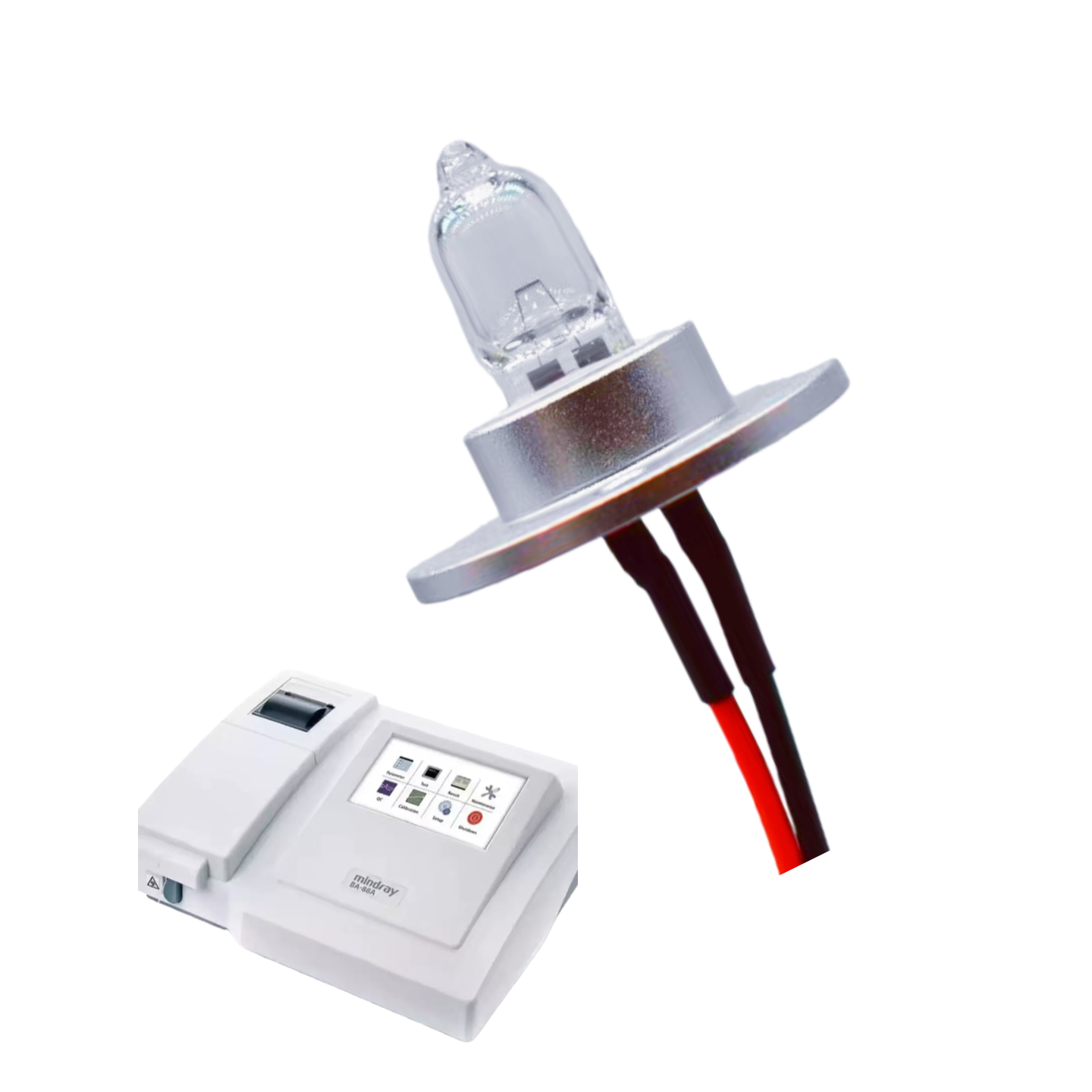
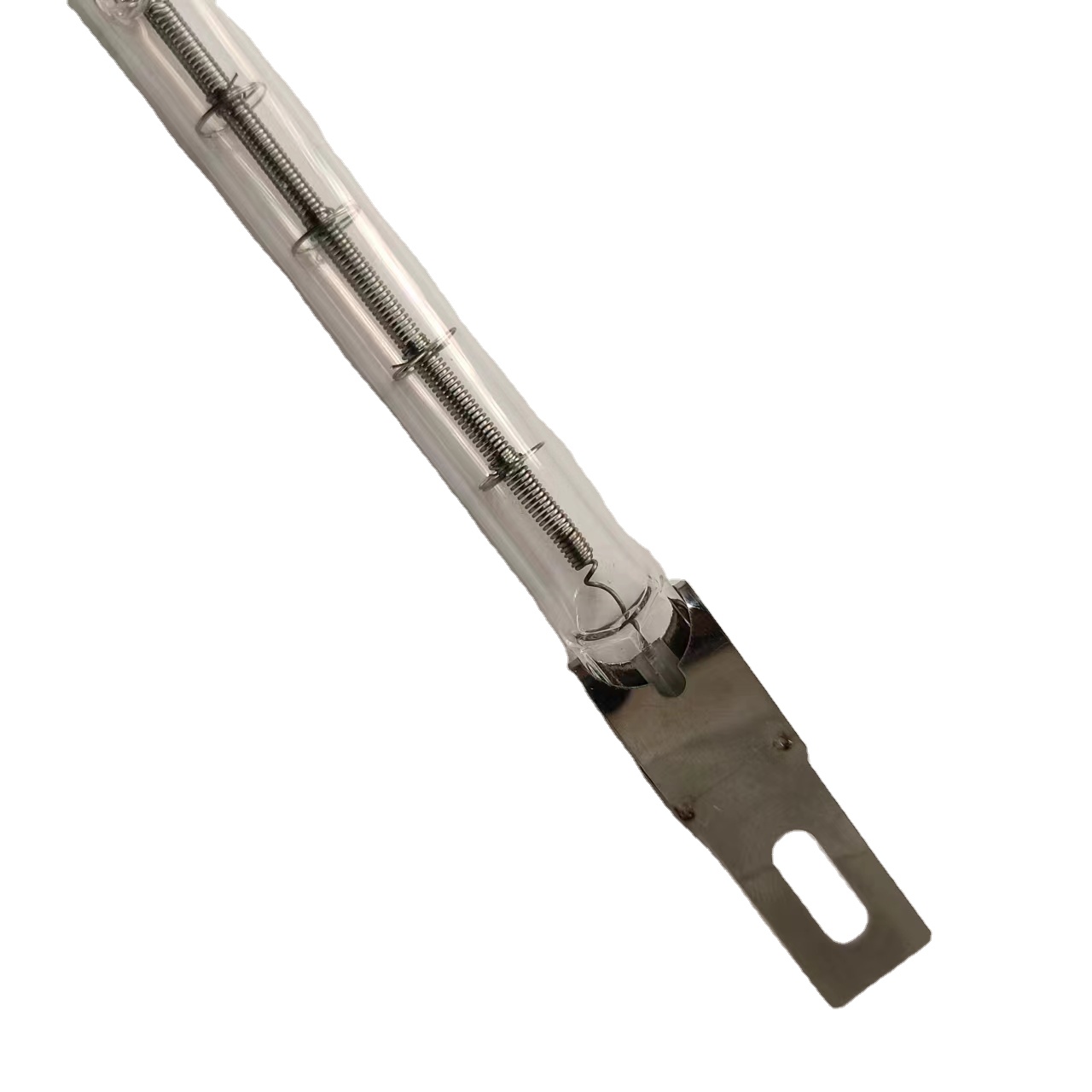
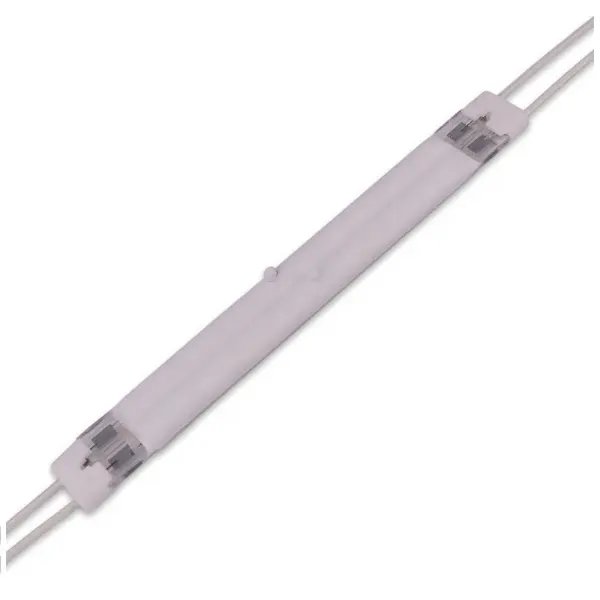
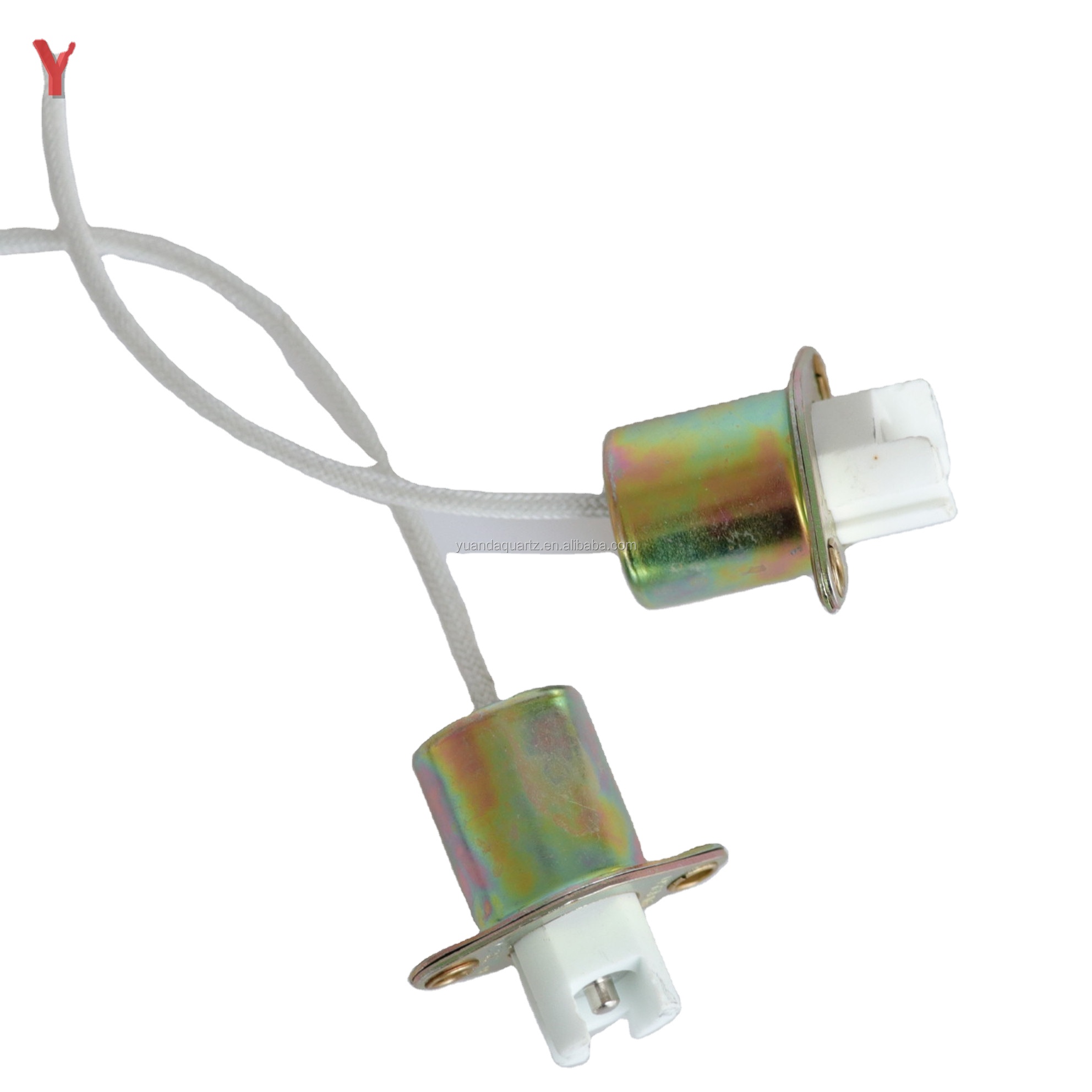
Localized Application Landscape in Novi Sad & Vojvodina Printing Sector
The city of Novi Sad serves as the indisputable technological and industrial hub of Vojvodina, positioning itself at the convergence of vital European freight corridors. For commercial pressrooms, corrugated packaging plants, and label convertors operating in the Petrovaradin industrial zone, the Sever industrial area, and across the Bačka plain, drying throughput determines printing press profitability. Printing machinery manufactured by Heidelberg, Komori, Manroland, KBA, and various regional narrow-web flexographic press builders relies entirely on high-intensity infrared energy to instantly trigger solvent flashing and aqueous coating de-watering prior to sheet delivery stacking or rotary rewinding.
Operating within Novi Sad requires printing machinery components to endure heavy, round-the-clock rotational operations. Modern solvent-based inks, water-dispersed varnishes, and flexographic pigments feature distinctive optical absorption bands. When electromagnetic infrared radiation matches the fundamental vibrational frequencies of water and ink solvents (typically peaking between 1.0 µm and 2.2 µm), thermal transfer happens almost instantaneously within the wet coating layer rather than scorching the sensitive paperboard, polypropylene (BOPP), or polyethylene substrates underneath.
Offset Press Delivery Units
Multi-color sheetfed offset presses require instantaneous short-wave halogen lamps inside the delivery section. Rapid radiant heat prevents ink set-off in the delivery pile, eliminating heavy reliance on anti-set-off spray powders.
Flexo Web Ink Evaporation
Narrow-web and mid-web flexo converters running food labels and dairy packaging throughout the Vojvodina agricultural belt depend on medium-wave carbon emitters to safely evaporate water-based emulsions without stretching flexible polymeric films.
Screen & Textile Curing
Automated carousel screen printing lines utilize high-density twin-tube lamps for flash curing between color stations, reducing gel times to sub-second windows while preserving structural garment elasticity.
Technical Whitepaper: Emission Physics & Matching Emitter Spectra
Selecting industrial infrared heaters is not a matter of simply matching wattage; it is an engineering calculation of spectral distribution, lamp filament kinetics, envelope purity, and optical reflection. Standard electrical heating elements rely heavily on convective heat transfer, warming huge volumes of ambient pressroom air while failing to penetrate rapidly into the ink film. In contrast, high-purity fused silica quartz glass emitters developed by Kavri Quartz Product Co., Ltd. act as targeted radiant transmitters.
The table below illustrates our engineering criteria for matching printing press operational stages with optimal emitter configurations, filament dynamics, and specialized quartz finishes:
| Curing Stage / Process | Recommended Emitter | Peak Wavelength | Filament Dynamics | Reflector Configuration |
|---|---|---|---|---|
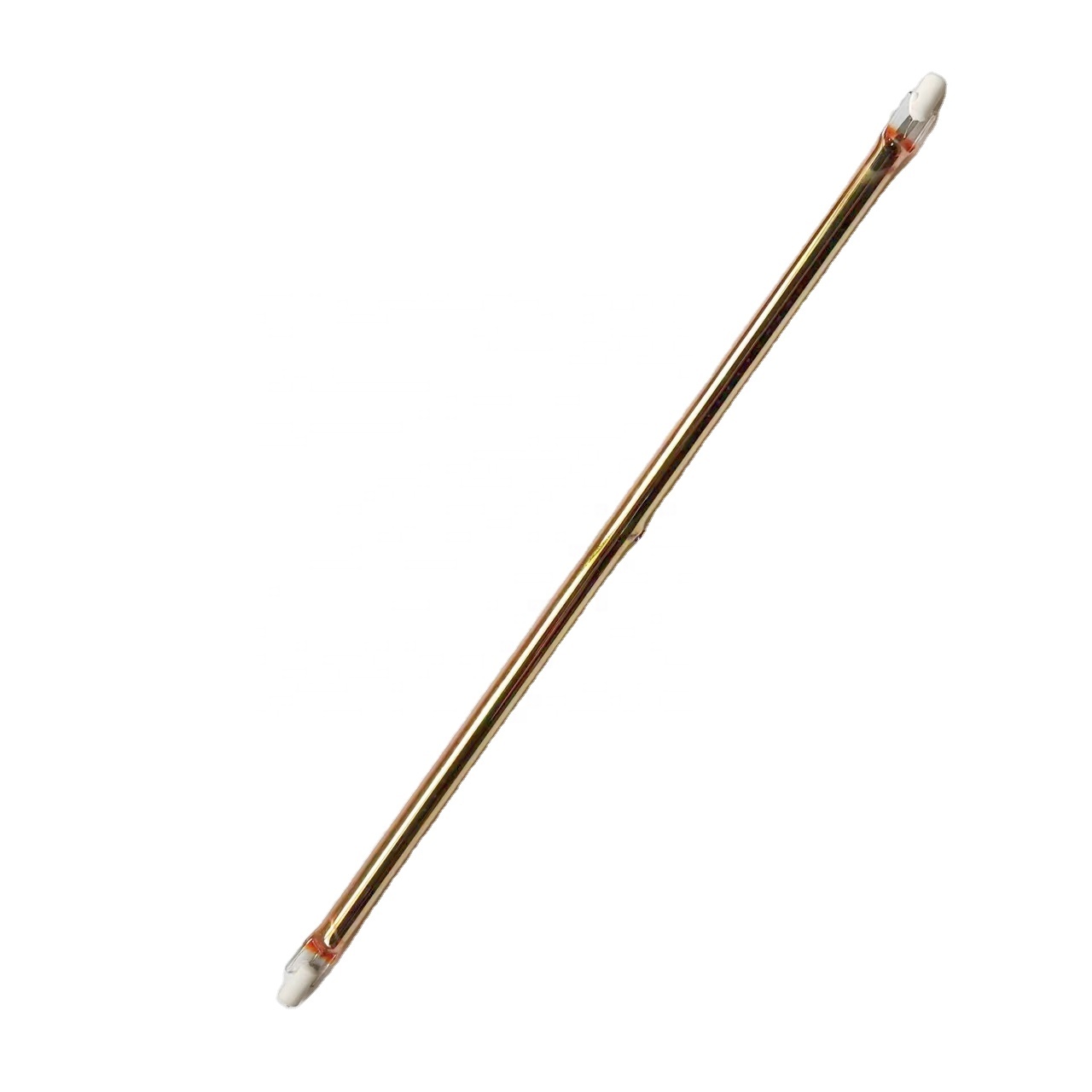
| High-Speed Offset Ink Set-off Prevention | Short-Wave Halogen (Tungsten) | 1.0 – 1.2 µm | Full Output in < 1.0 sec | 98% Purity 24K Gold Sputtered Rear Shield |
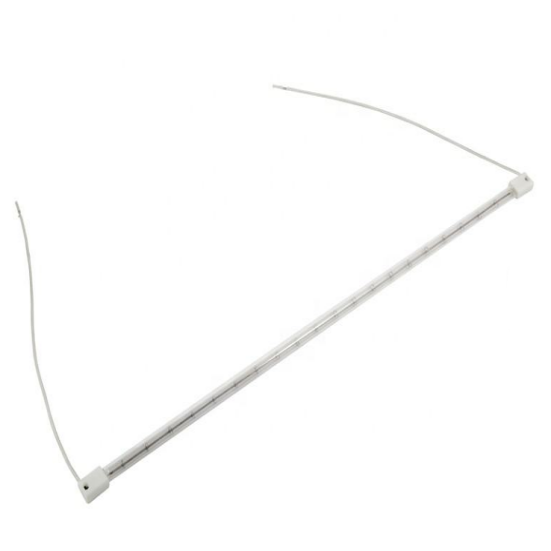
| Water-Based Flexo Emulsion De-Watering | Medium-Wave Carbon Ribbon | 2.0 – 2.4 µm | Heating Cycle < 2.0 sec | Half-White Diffusive Alumina-Silica Ceramic |
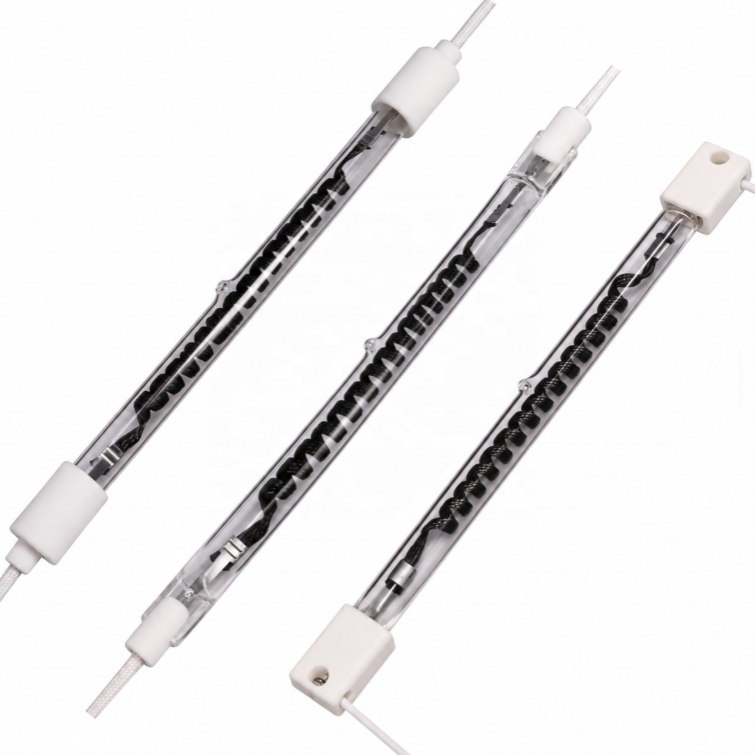
| High-Gloss UV/IR Hybrid Protective Varnishes | Twin-Tube Short Wave (Format 23x11 / 33x15) | 1.1 – 1.3 µm | Continuous Modulation (Thyristor / SCR) | Directional Gold or White Ceramic Reflector |
| Textile Screen Flash-Curing Carousel | Carbon Fiber Medium-Wave Emitter | 1.8 – 2.2 µm | Fast Cycling On/Off Response | Clear Quartz with External Polished Reflector |
| Heavy Folding Box Cardboard Laminating | Twin-Tube Fast Medium-Wave | 1.4 – 1.8 µm | Stable 3-Second Ramp-up | Direct Selective Gold Mirror Deposition |
Industrial Modernization & Regional Development Trends in Novi Sad
The print manufacturing ecosystem in Novi Sad and the wider South Bačka Administrative District is undergoing rapid mechanical and digital modernization. Bolstered by nearshoring investments from the European Union, Serbian converters are upgrading older press assets to handle demanding pharmaceutical packaging, sustainable food labeling, and export-grade corrugated cartons. Key trends currently transforming regional pressroom procurement include:
1. Energy Efficiency Pressures and Gas-to-Electric Transition: Industrial gas price volatility across Central and Southeastern Europe has pushed printing facilities to transition away from bulky gas-fired hot air dryers. High-power quartz infrared emitters convert more than 92% of electrical input power into direct radiated heat energy, enabling plant directors in Novi Sad to drastically reduce kilowatt-hour expenditure per million print impressions.
2. Eco-Friendly Water-Based Inks Replacing Harmful VOCs: Environmental standards align Novi Sad printers closely with EU REACH benchmarks. As packaging houses ditch aggressive chemical solvents for aqueous emulsions, traditional drying tunnels suffer from inadequate evaporation rates. Upgrading delivery hoods with twin-tube medium-wave carbon infrared emitters provides the precise resonance necessary to rapidly flash water without warping sensitive kraft board or light synthetic films.
3. Real-Time Power Modulation via Pyrometric Closed Loops: Modern press operators in Vojvodina are integrating thyristor-based power controllers linked directly to non-contact optical infrared thermometer sensors. Our halogen and carbon emitters are manufactured to withstand continuous, rapid step-voltage cycling, guaranteeing exact thermal management when sheet delivery speeds fluctuate from makeready jogging up to 18,000 sheets per hour.
Enterprise Manufacturing Competence & Direct OEM Advantages
Headquartered in Lianyungang, Jiangsu — the world's primary fused quartz processing cluster adjacent to Donghai — Kavri Quartz Product Co., Ltd. has specialized in the technical development, mass fabrication, and worldwide delivery of precision quartz products and infrared heating elements since 2014. As an onsite-verified manufacturer on Alibaba.com with more than 10 years of OEM/ODM fabrication experience, our engineering facility bridges Chinese raw silica refinement with demanding European pressroom operations.
Unrivaled Quartz Purity
Direct sourcing from high-purity natural crystal deposits yields quartz envelopes with >99.99% SiO2 content. This translates into near-zero devitrification at 1100°C continuous operating points and complete resistance to thermal shock.
Exacting OEM Customization
We manufacture directly from engineering drawings, worn field samples, or machine nameplate ratings. We tailor total length, heated zone, wattage (from 200W up to 10kW+), operating voltage, termination ceramics, and protective lead wires to match Heidelberg, Roland, and KBA specifications.
Advanced Optical Coating Tech
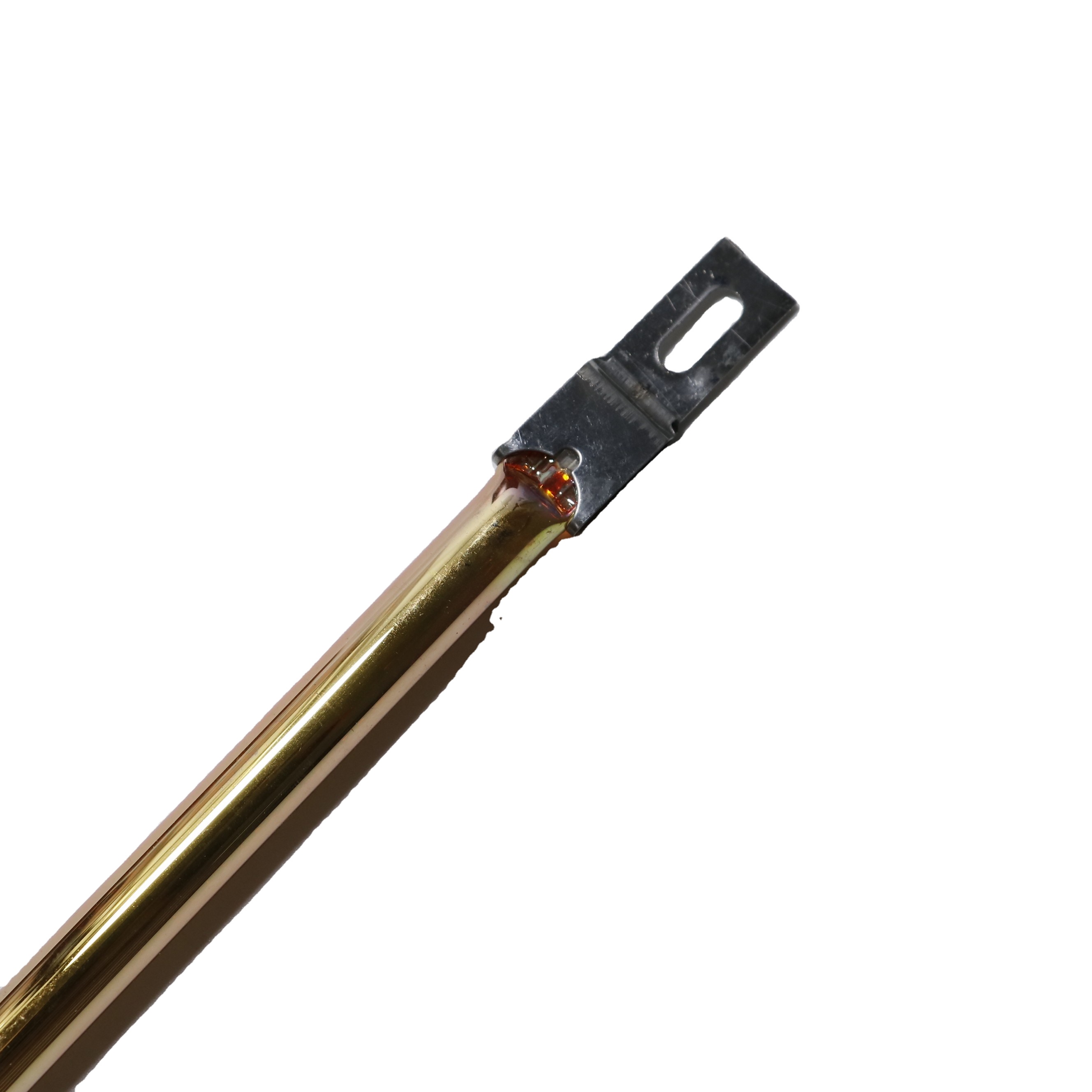
Our computerized sputtering and sintering lines apply permanent 24-karat gold or half-white high-temperature alumina-silica ceramic reflector layers directly to the reverse side of the lamp envelope, directing 90-98% of thermal energy toward the print substrate.
Strict Quality Control Protocols
Every batch undergo spectral verification, microscopic tungsten coil alignment, pressure vacuum seal testing, and electrical burn-in inspections. Each shipment leaves our facility with documented performance records and shock-resistant international packaging.
Direct Global Trade Capabilities
Exporting 81% to 90% of our annual production to industrial clients in Germany, the Netherlands, the United States, and Southeastern Europe, we handle EXW, FOB, CFR, CIF, and reliable DDP door-to-door delivery right to your facility in Novi Sad.
Rapid Technical Consultation
We operate with a guaranteed international inquiry response time of ≤4 hours on business days, providing Novi Sad plant maintenance supervisors and electrical engineers with direct, actionable engineering feedback.
Frequently Asked Questions by Novi Sad Print Plant Engineers
Yes, absolutely. A significant portion of our production consists of reverse-engineered OEM replacements for prominent European press dryers. By providing the original manufacturer part number, electrical parameters (voltage/wattage), mechanical dimensions (total length, heated length, and tube profile such as single tube or 23x11mm / 33x15mm twin tube), or by mailing a spent lamp sample, we produce identical or thermally superior emitters that integrate flawlessly into your existing dryer cassettes.
A gold reflector utilizes pure sputtered gold, which provides the highest physical reflectivity (approx. 98%) in the short-wave infrared spectrum, focusing virtually all heat forward toward the paper sheet and drastically cooling the rear dryer cassette. However, in enclosed delivery hoods where internal air temperatures routinely exceed 600°C, a ceramic white reflector is thermally indestructible and will not degrade or flake over thousands of hours of operation.
Exporting fragile silica glass globally is one of our primary core competencies. Every individual emitter is inserted into a rigid shock-absorbing cylindrical sleeve, cushioned with high-density EPE molded foam, bundled inside thick multi-wall inner cartons, and reinforced inside solid export wooden crates or composite palletized shipping cases. We routinely maintain zero-breakage rates on airfreight and sea-freight consolidations delivered right across Serbia.
Under normal operating conditions with clean cooling airflow across the electrical pinches, our short-wave tungsten halogen lamps provide a rated operational life of 5,000 hours. Our medium-wave carbon fiber ribbon lamps offer an extended operational durability of 8,000 to 10,000 hours, thanks to the lower operating temperature of the carbon filament and the exceptional purity of the internal inert halogen gas atmosphere.
For standard profile lamps and established printing press replacement lengths, our MOQ starts from as low as 8 to 10 pieces, making trial runs, preventative maintenance stocking, and pilot line validation very practical. For entirely bespoke OEM prototype developments requiring special twin-tube quartz geometries or uncommon ceramic brackets, tooling parameters are evaluated upon drawing submission.