Precision Quartz Emitters & Glass Components
Direct factory supply engineered to exact European OEM specifications with rapid delivery logistics to the Plzeň region and Central European industrial corridors.
Technical Guide: Thermal Dynamics and High-Purity Fused Quartz Glass in Modern Bohemian Industry
The industrial landscape of the Plzeň Region (Plzeňský kraj), anchoring West Bohemia, represents a strategic nexus of automotive engineering, rolling stock assembly, heavy mechanical equipment, industrial brewing, and precision plastics manufacturing. In these rigorous operational environments, thermal processing equipment and optical analysis systems demand structural components with near-zero thermal distortion, extreme dielectric strength, and chemical inertness. Industrial quartz glass—manufactured from fused natural quartz sand or synthetic silicon tetrachloride—serves as the definitive material standard answering these severe metallurgical and thermal constraints.
Fused Silica vs. Conventional Borosilicate: Material Science Differentiation
For industrial plant engineers throughout the Borská Pole industrial zone and surrounding regional clusters, substituting borosilicate (such as standard laboratory Pyrex) or float glass with fused quartz glass represents an operational imperative when temperatures exceed 450°C. Borosilicate begins soft plastic deformation near 500°C to 550°C, whereas transparent fused silica maintains its structural integrity up to a strain point of 1075°C, an annealing point of 1180°C, and a softening threshold near 1680°C.
| Physical / Chemical Property | High-Purity Fused Quartz Glass (Kavri) | Industrial Borosilicate Glass 3.3 | Standard Soda-Lime Glass |
|---|---|---|---|
| Silica Content (SiO2) | > 99.99% | ~ 81% | ~ 72% |
| Continuous Max Operating Temp | 1100 °C | 450 °C – 500 °C | 120 °C |
| Short-Term Peak Thermal Tolerance | 1450 °C | 550 °C | 150 °C |
| Thermal Expansion (20°C to 300°C) | 5.5 × 10⁻⁷ cm/(cm·K) | 33 × 10-7 cm/(cm·K) | 90 × 10-7 cm/(cm·K) |
| Optical Spectral Transmission | 190 nm (Deep UV) to 3500 nm (Mid-IR) | 320 nm to 2500 nm | 380 nm to 2000 nm |
| Resistance to Molten Metals & Acids | Inert to all acids (except HF & Hot H3PO4) | Moderate acid & alkali wear | Low chemical resistance |
Application Scenarios Across Plzeň's Industrial Ecosystem
Kavri Quartz provides factory-direct custom quartz elements and infrared curing emitters specifically configured to the regional industry profiles of Plzeň and Western Bohemia:
Automotive & Coating Systems
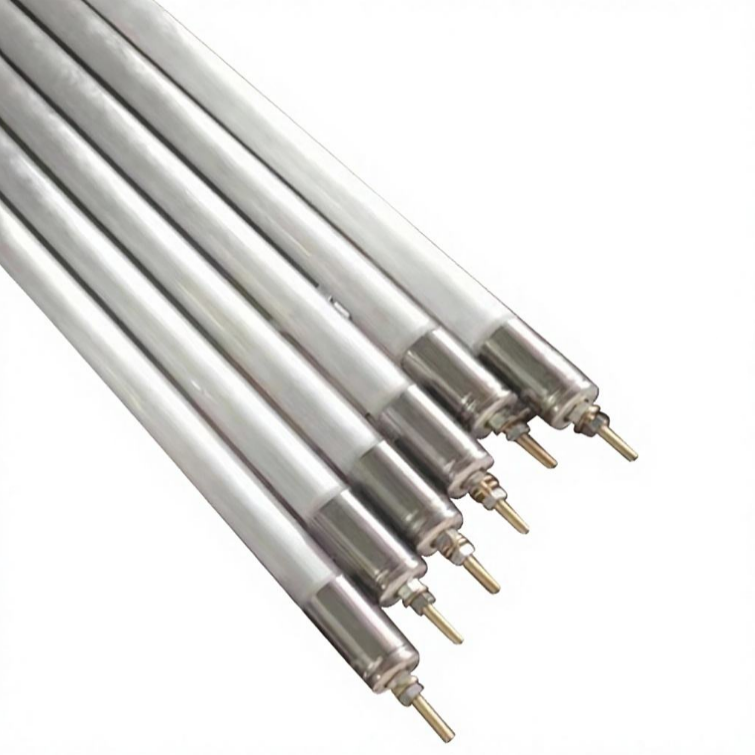
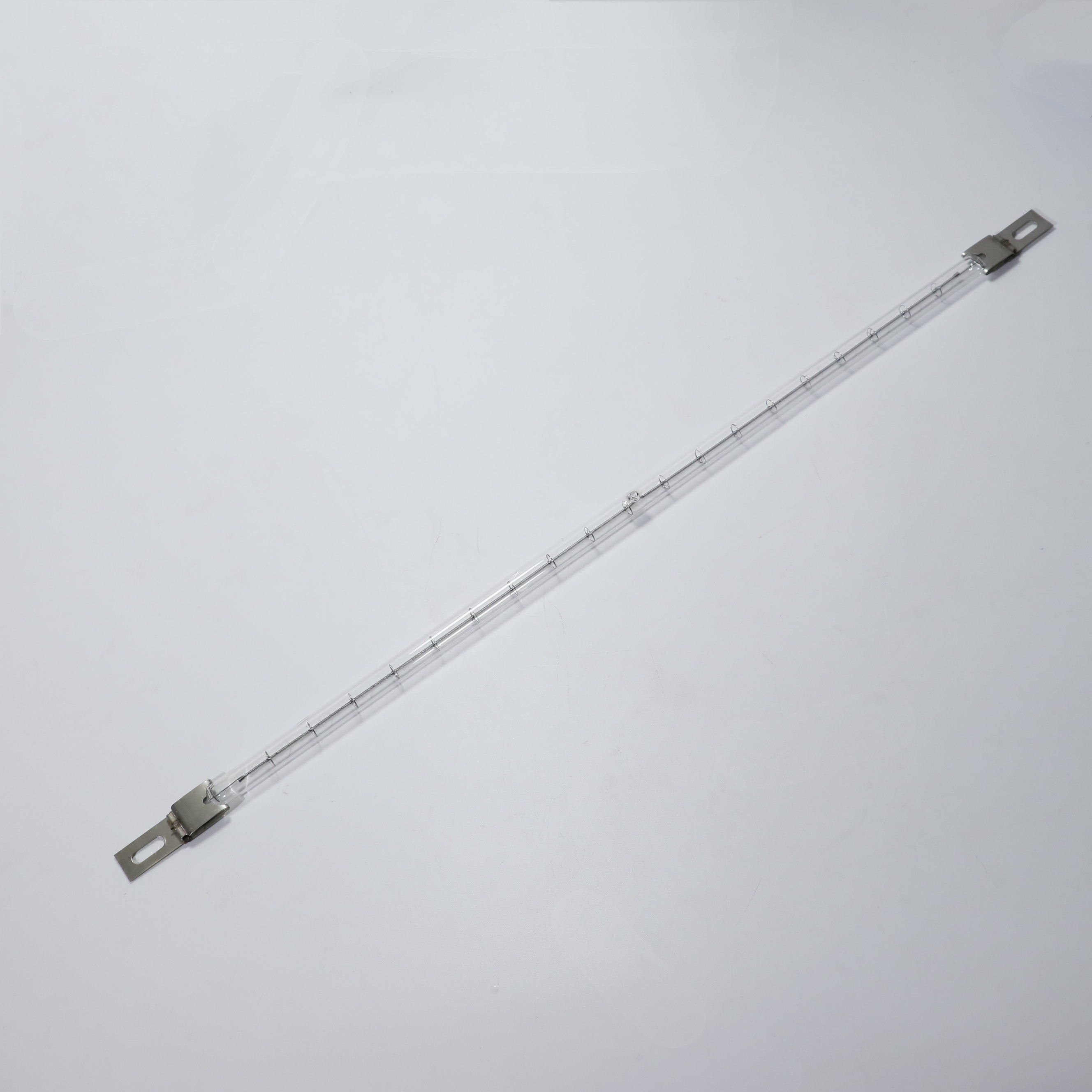
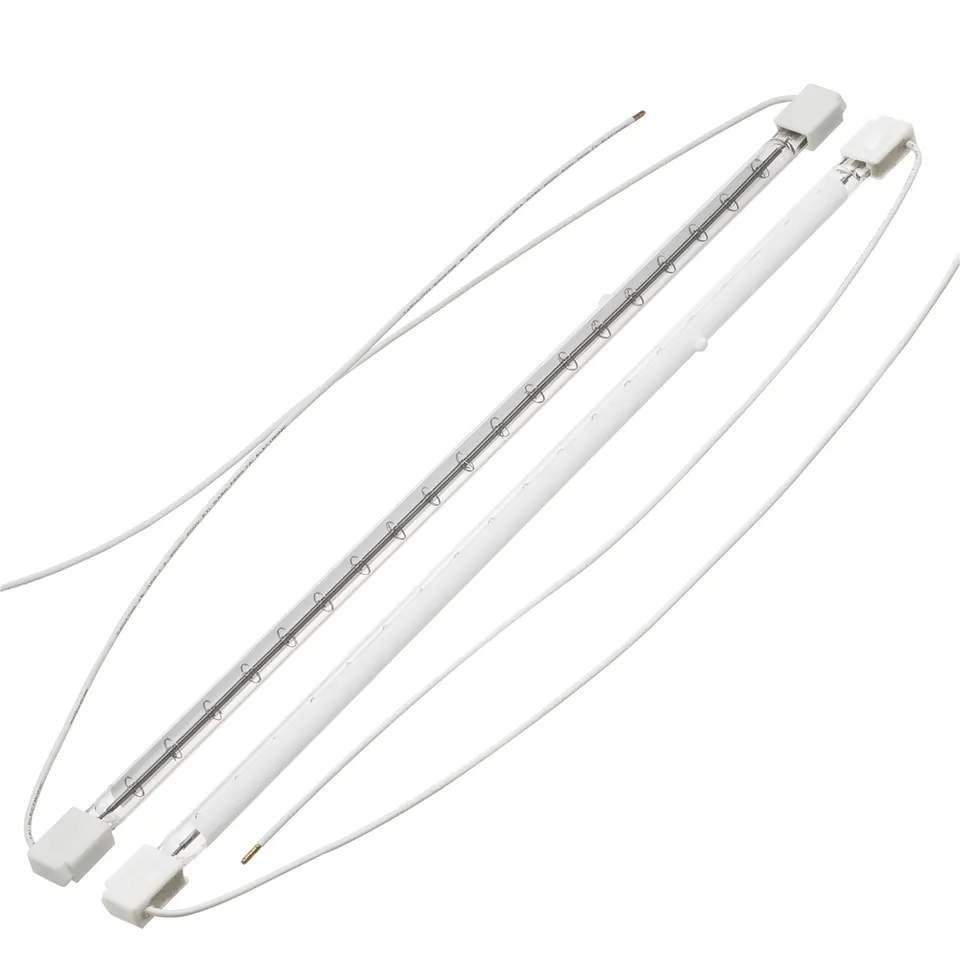
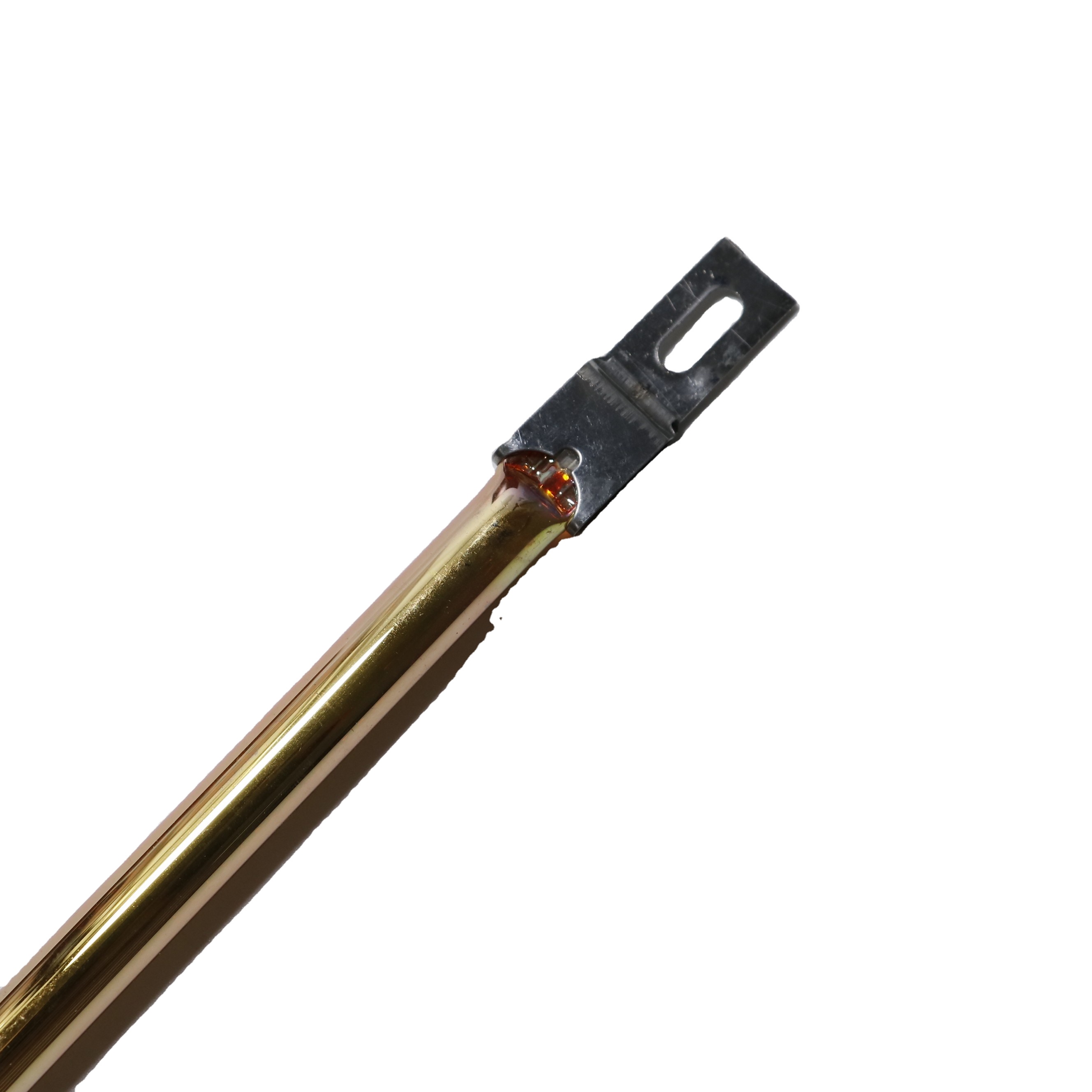
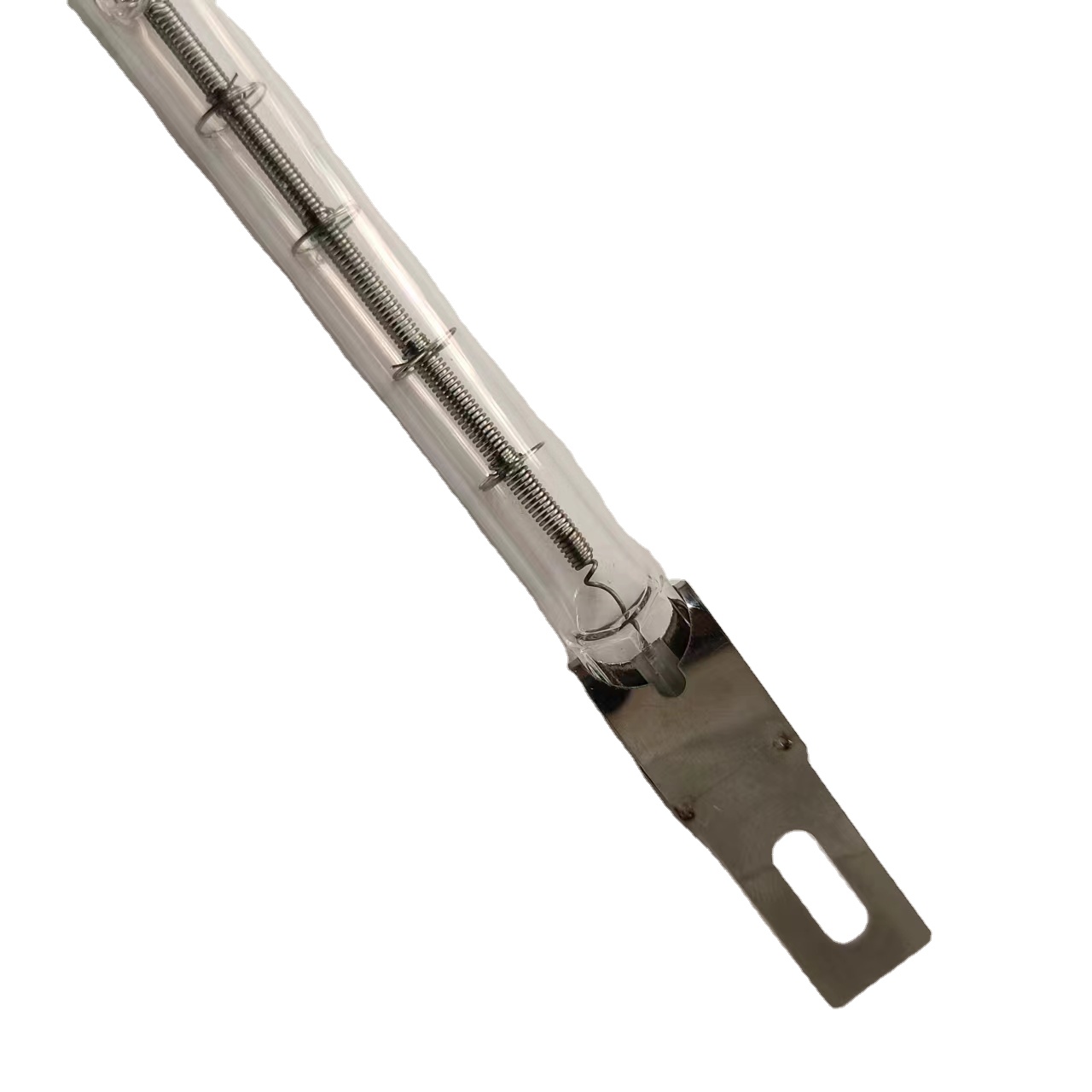
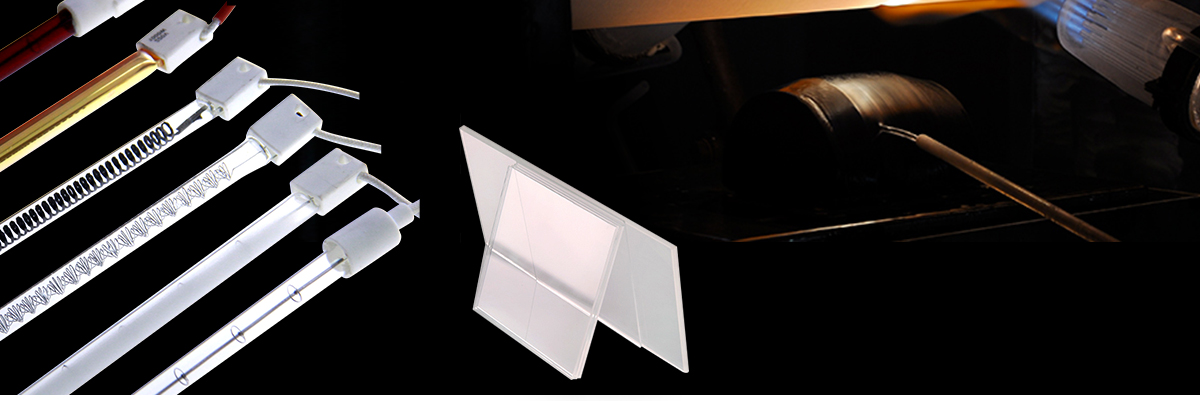
Short-wave halogen emitters equipped with gold and ceramic back-reflectors provide directional, high-intensity radiant flux for fast curing of multi-layer automotive coatings, cathodic dip painting (KTL), and composite bonding lines across Western Bohemian tier-1 automotive suppliers.
Brewing & High-Speed Bottling
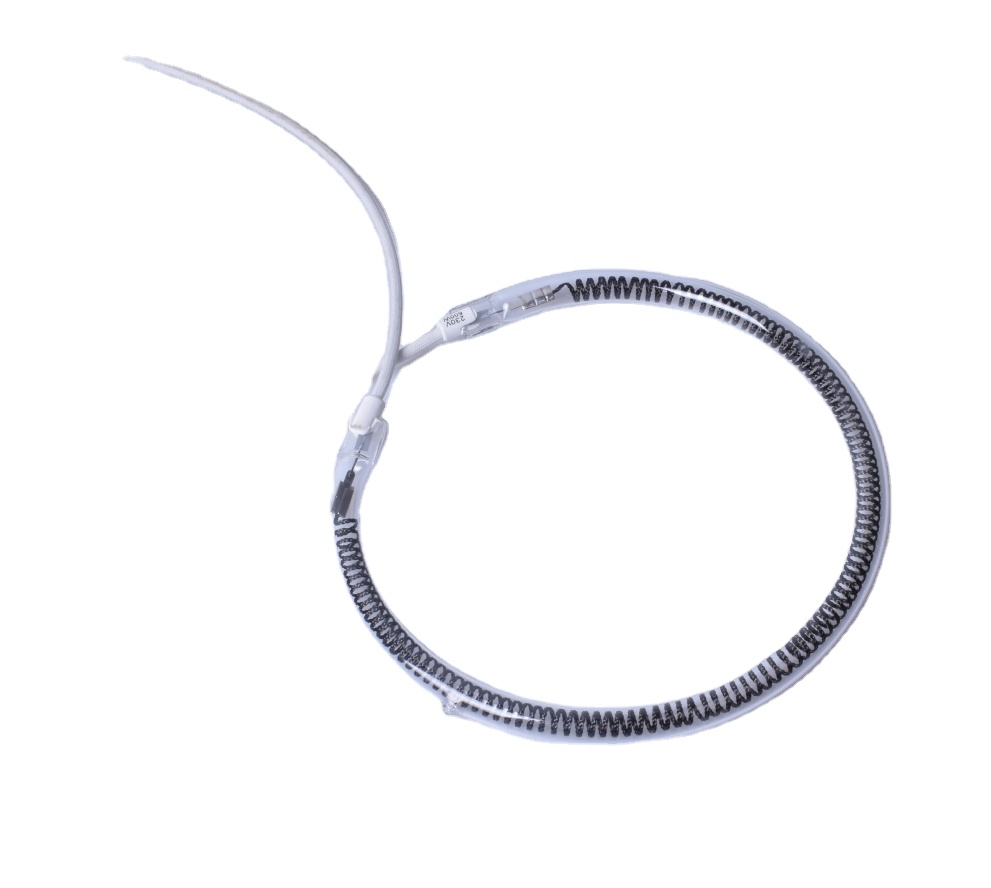
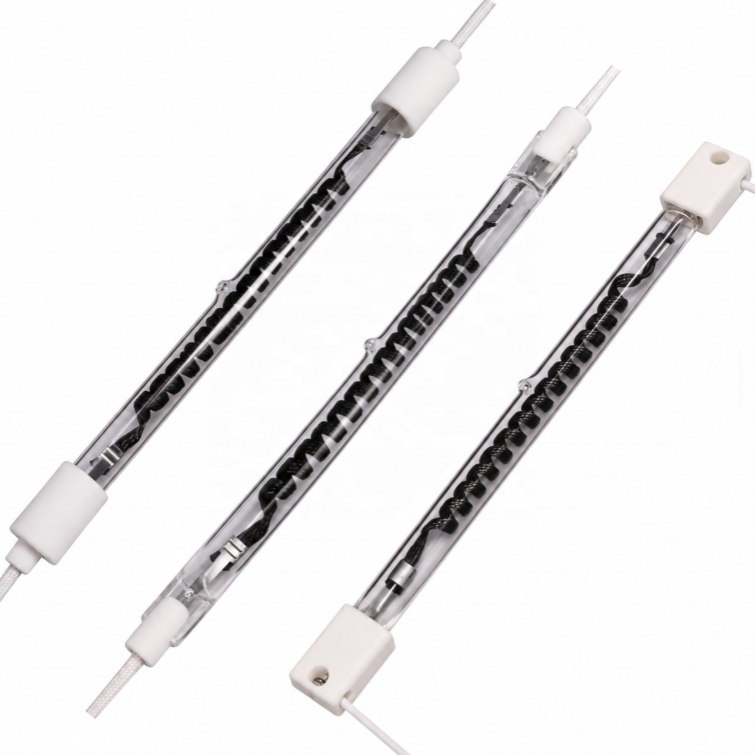
Within Plzeň's world-renowned brewing sector and beverage bottling operations, our circular and linear carbon fiber medium-wave lamps (~2.0 μm) ensure rapid, energy-efficient preform reheating for high-capacity PET bottle stretch blow molding machines with minimal thermal loss.
Metallurgy & Heavy Machinery
Heavy engineering plants rely on clear fused silica furnace sight-glasses, high-temperature furnace tubes, thermocouple protection sheaths, and heating element supports capable of operating under oxidizing or reducing atmospheres up to 1250°C without degradation.
Technological Trends: Electrification & Sustainable Thermal Optimization in Central Europe
European environmental directives and escalating energy costs have accelerated the shift away from fossil-fueled convection ovens toward direct electric radiative heat transfer in the Czech Republic. Convection heat systems waste substantial energy by warming ambient air volumes inside drying tunnels. In contrast, tailored infrared quartz heating delivers direct electromagnetic radiation that matches the specific resonance absorption bands of the substrate material.
Water-based varnishes and structural polymers display predominant infrared absorption bands between 2.0 μm and 3.5 μm. By deploying Kavri medium-wave carbon fiber emitters and half-white ceramic coated short-wave halogen lamps, production facilities in Plzeň achieve cycle time reductions of 35% to 50% while lowering kWh consumption per finished batch by up to 28%.
Why Plzeň Purchasing Directors Choose Kavri Quartz
Combining raw fused quartz material supply from China's primary silica cluster in Lianyungang with ISO-level manufacturing and certified export compliance for the European Union.
Sub-4-Hour Engineering Response
Our multilingual application engineering department processes technical drawings, CAD files, and legacy replacement specifications within 4 hours, expediting prototyping and avoiding plant line downtime.
Strict Dimensional & Optical Tolerances
All quartz tubes, machined plates, and sealed emitters undergo rigorous verification for outer diameter (OD), inner diameter (ID), wall thickness uniformity, visual inclusions, and filament centering.
Damage-Free DDP Logistics to Czech Republic
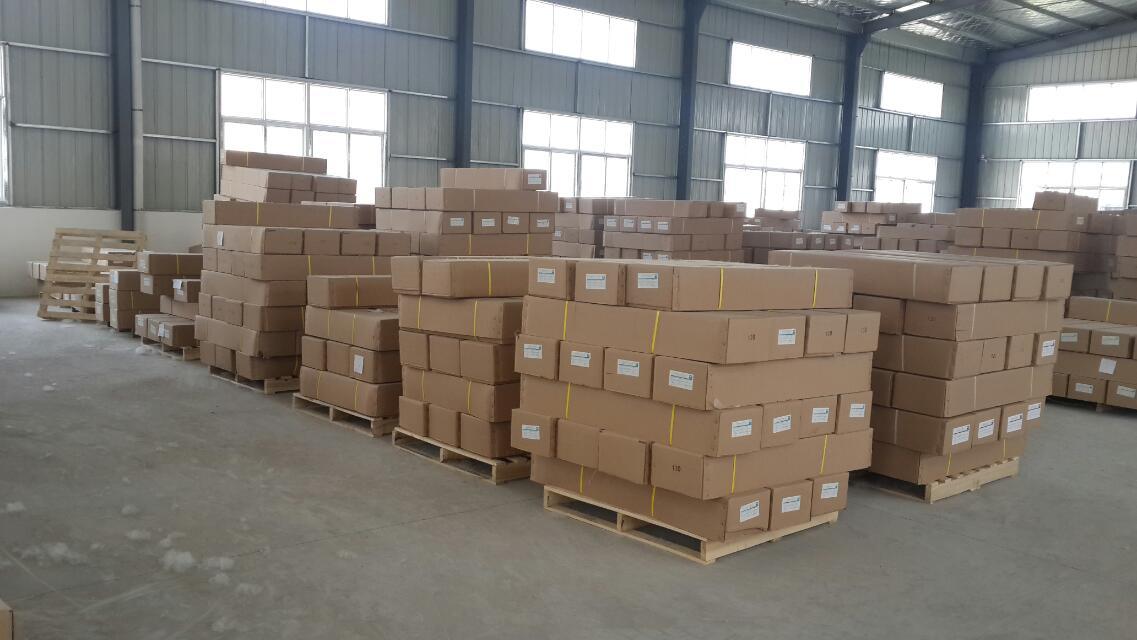
Exporting 81%–90% of total volume globally, our reinforced triple-wall carton and foam-molded wooden crate packing guarantees zero transit shock breakage via air or rail directly into Plzeň warehouses.
Frequently Asked Questions for Plzeň Purchasing Agents
Direct, practical answers regarding OEM manufacturing, customs clearance, specifications, and replacement interchangeability.
Q1: Can Kavri manufacture 1:1 drop-in replacement lamps for European OEM ovens?
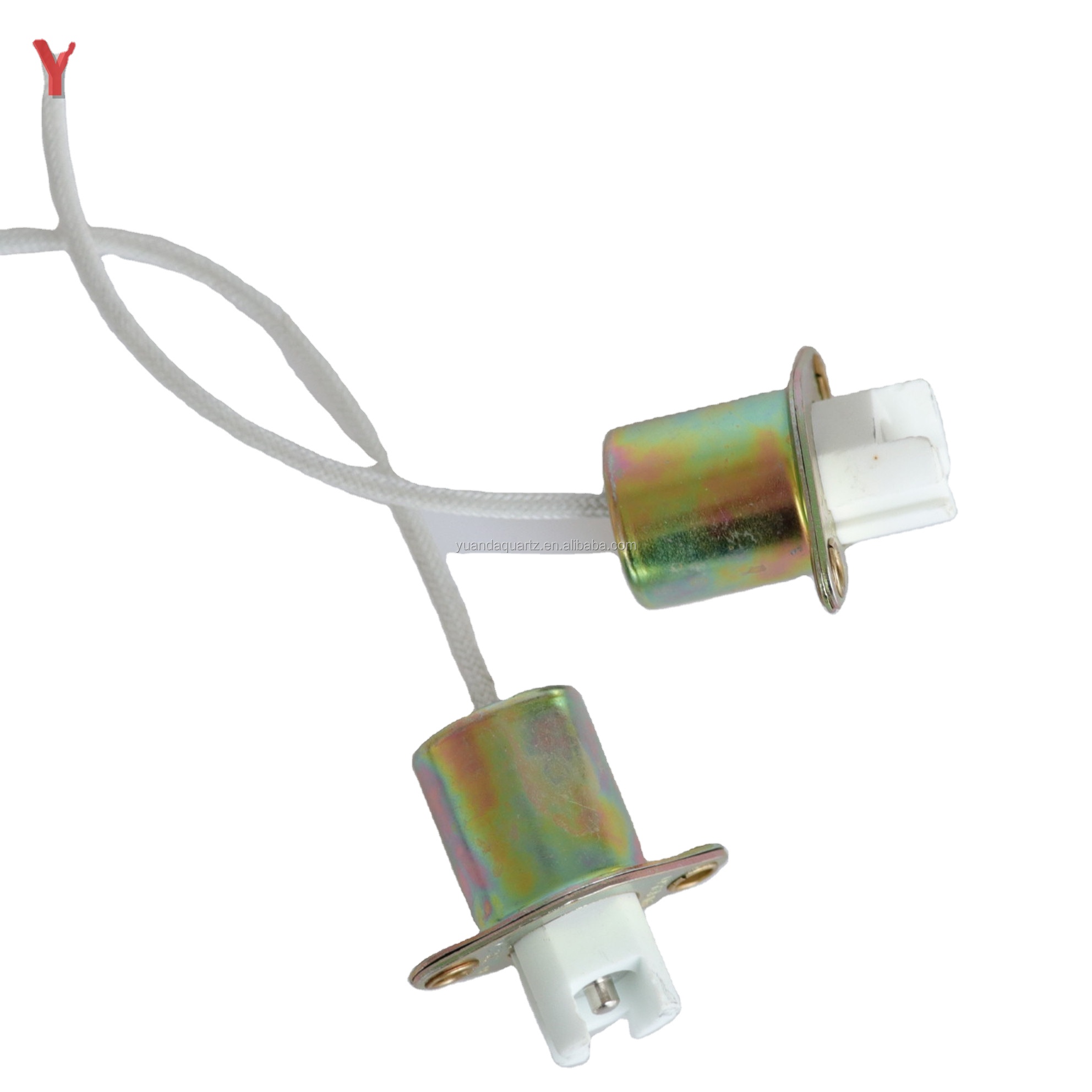
Yes. Many equipment operators in the Plzeň region utilize machine platforms made by European manufacturers. We can reverse-engineer or produce identical replacements based on sample markings, overall length, heated length, ceramic base types (such as R7S, SK15, X-clip, or flying ceramic leads), wattage, and directional coating specifications.
Q2: What are the standard delivery lead times to the Czech Republic?
Prototype samples and standard custom quartz components are fabricated within 7 to 10 working days. Commercial batch orders typically ship within 14 to 20 business days. We support multiple incoterms, including EXW, FOB, CIF, and complete DDP (Delivered Duty Paid) via express air courier or Eurasian rail direct to your factory door in Plzeň.
Q3: How does your quartz handle thermal stress compared to optical crown glass?
Our clear fused quartz exhibits an exceptionally low linear coefficient of thermal expansion (5.5 × 10⁻⁷ / K). It withstands instantaneous temperature shocks of ΔT > 1000°C without micro-fracturing, whereas conventional soda-lime or optical crown glass will shatter under rapid differentials exceeding 60°C–80°C.
Q4: What is the Minimum Order Quantity (MOQ) for custom-dimension quartzware?
To support ongoing plant maintenance, line retrofits, and equipment prototyping in West Bohemia, our minimum order quantity starts at just 8 to 10 pieces for standard emitter tubes and machined quartz plates. Large-volume production runs benefit from tiered factory-direct wholesale pricing.
Q5: Are test certificates and purity analyses supplied with each quartz shipment?
Yes. Upon request, Kavri provides comprehensive Certificate of Compliance (CoC), material spectrometer chemical purity reports (≥99.99% SiO2), dimensional inspection datasheets, and batch electrical test reports confirming resistance, voltage, and rated wattage tolerances (±5%).
Q6: Which reflector coating is best: pure gold or half-white ceramic?
Pure gold coating delivers maximum directional reflectance (up to 95% efficiency in the IR spectrum) but has an operating limit of approximately 600°C on the tube surface. White ceramic reflector coating offers around 80%–85% efficiency but can withstand continuous operating temperatures up to 1000°C, making ceramic reflectors superior for enclosed, high-heat industrial ovens.
Equip Your Plzeň Operations With Engineered Quartz Precision
Share your technical drawings, replacement part numbers, or material requirements with our senior engineering team for an instant factory quotation and thermal evaluation.