Industrial Quartz Glass & Precision Infrared Emitters
Fabricated at our Lianyungang integrated manufacturing facilities, matching strict DIN EN ISO dimensional standards for Dortmund plant upgrades, thermal processing lines, and machinery retrofits.
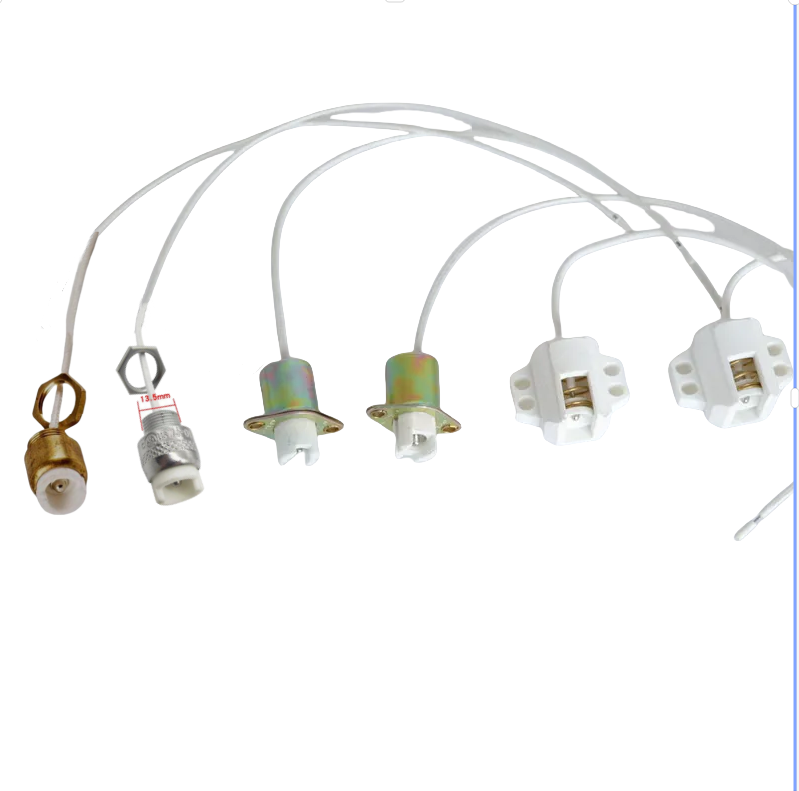
Halogen Infrared Heating Lamp R7S Ceramic Lamp Holder
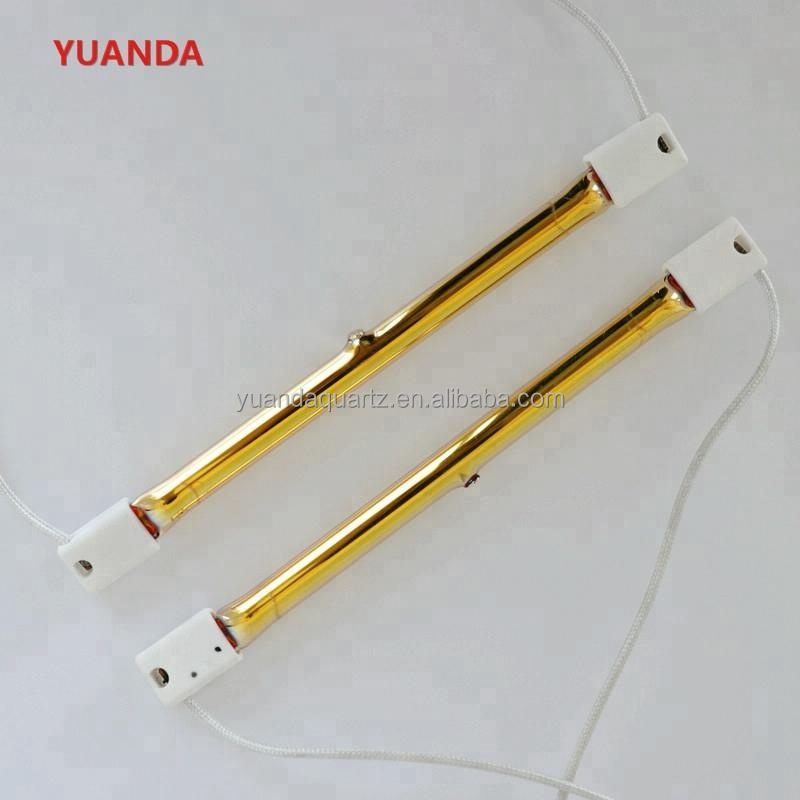
Infrared Heater Halogen Lamp Supports Customization for Drying Systems
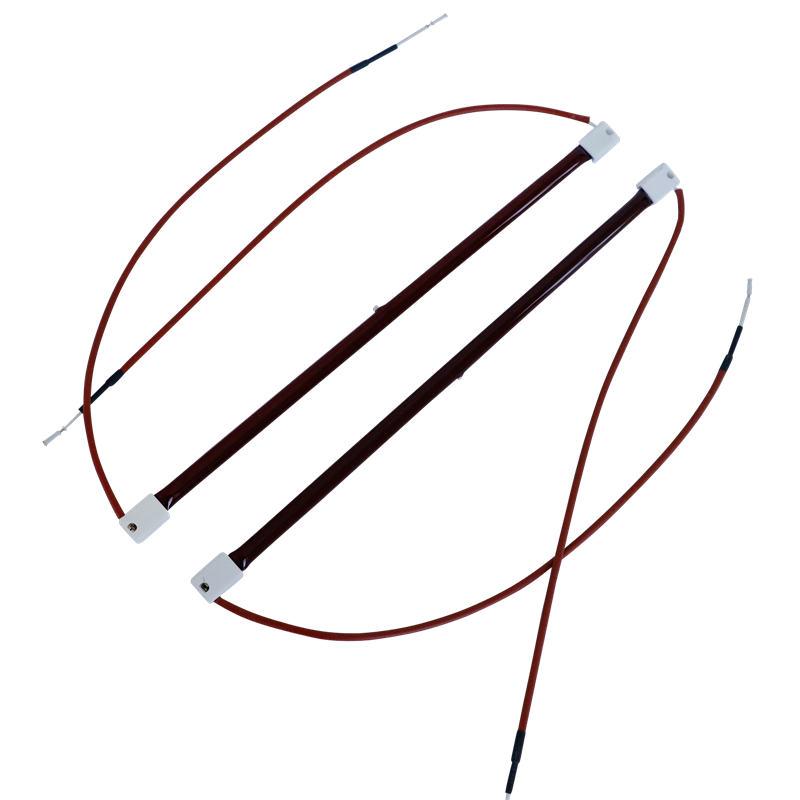
500w 220v Ruby Infrared Heating Lamp for Farm Heating
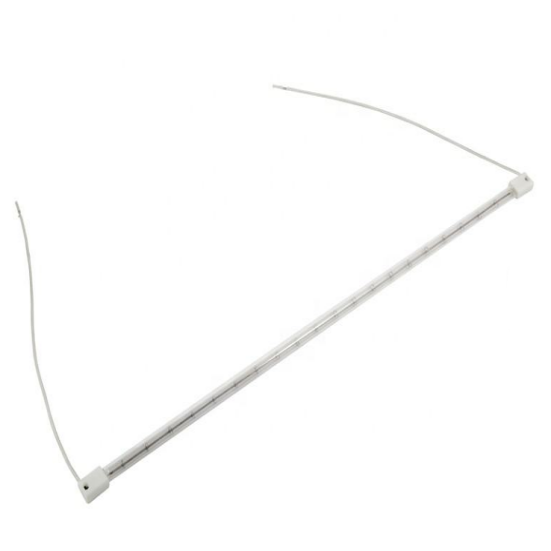
Infrared Heater Halogen Lamp Supports Customization for Textile Industry
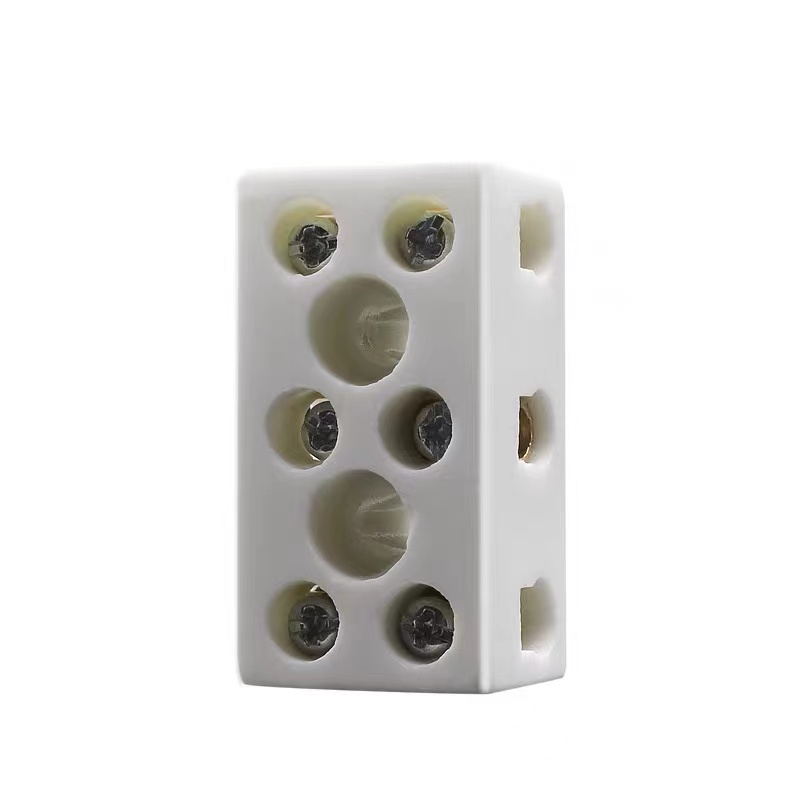
Ceramic Terminal Block Wire Connector High-Temperature Safe
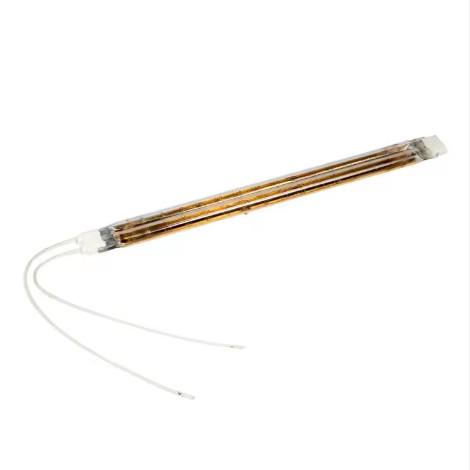
Halogen Double Tube Half Gold Infrared Lamp for Blowing Machine
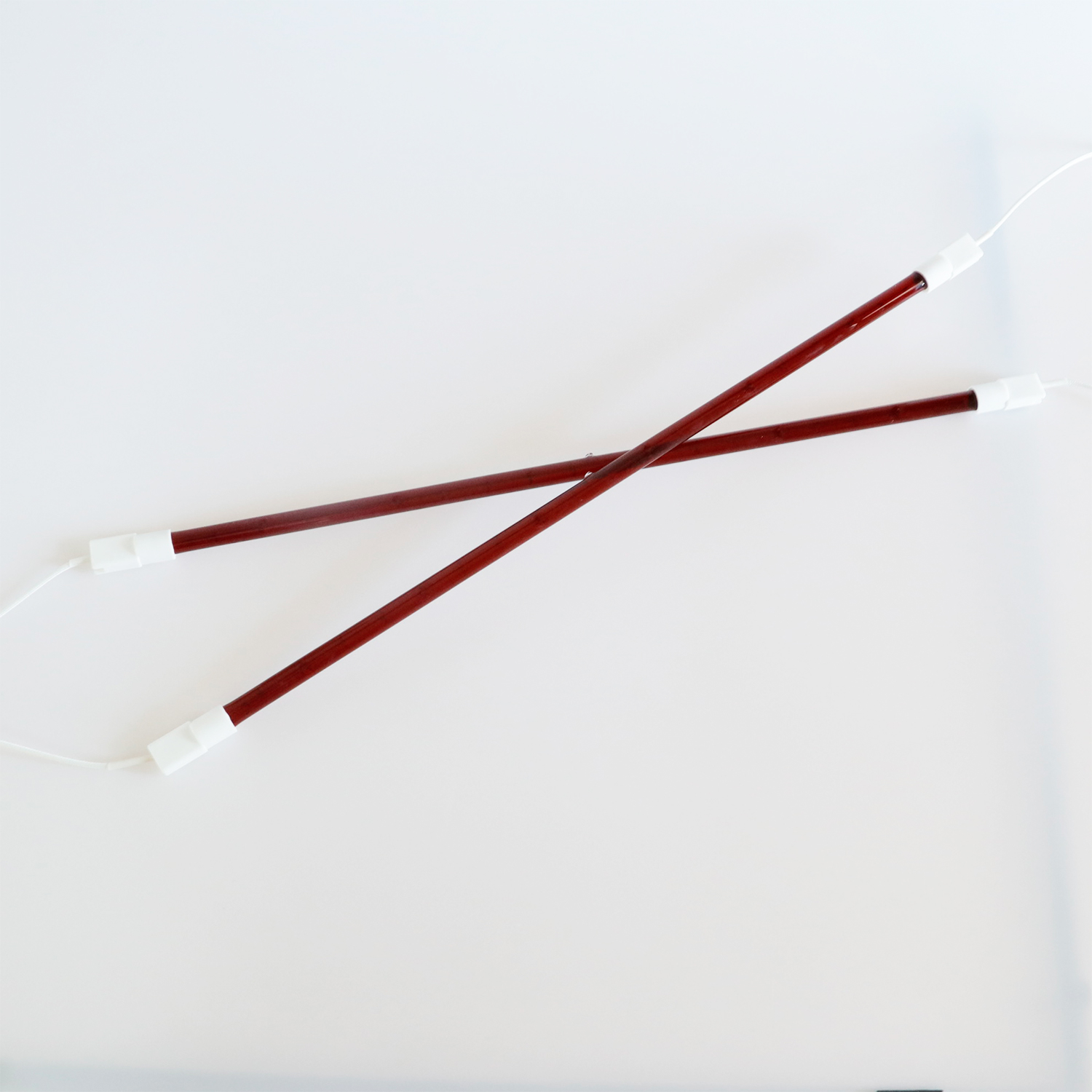
Ruby Short Wave Quartz Tube 1000W Lamp for Auto Car Paint Drying
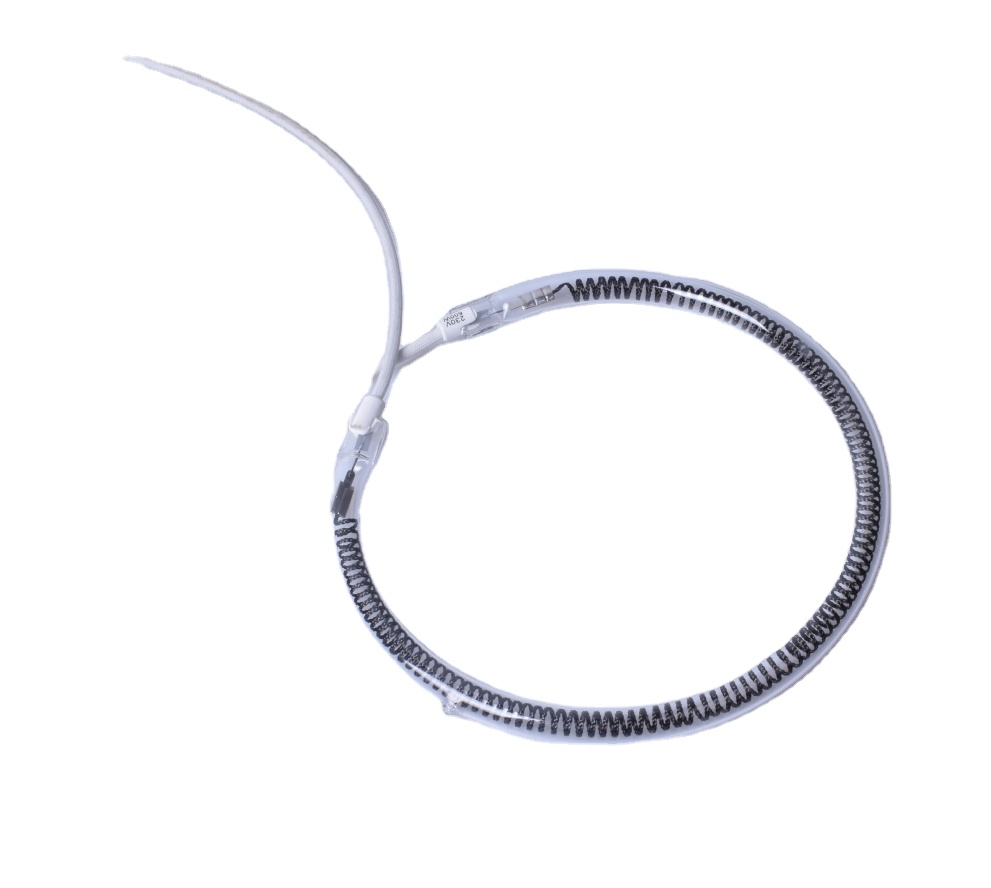
1000W Carbon Fiber Circular Infrared Heat Lamp for PET Preheating
Fused Silica Engineering: Thermophysical & Chemical Foundations
Why high-purity quartz glass (amorphously structured silicon dioxide) remains the indispensable substrate across Dortmund’s micro-optical, chemical synthesis, and precision furnace installations.
Structural Homogeneity & Trace Impurity Control
In high-temperature thermal processing and deep-ultraviolet transmission applications, standard borosilicate or aluminosilicate glasses fail due to network breakdown and crystallization above 500°C. Kavri Quartz relies exclusively on high-purity natural crystal sand and synthetic silicon tetrachloride precursors refined directly within the Donghai-Lianyungang geological quartz belt. The resulting fused quartz features an amorphous cross-linked three-dimensional network of [SiO4] tetrahedra with near-zero grain boundaries, delivering an ultra-low hydroxyl (OH-) concentration down to below 5 ppm for IR-grade materials and exceptional optical transparency ranging from 180 nm (DUV) through 3500 nm (MIR).
For engineering applications across Dortmund's technology parks—such as Phoenix West and the MST.factory micro-technology campus—impurity segregation is critical. Residual alkali metals such as sodium (Na), potassium (K), and lithium (Li) serve as devitrification catalysts, transitioning amorphous fused quartz into cristobalite at elevated operational temperatures. Our stringent vacuum electric fusion and hydrogen-oxygen flame refining protocols hold cumulative trace elements below 15 ppm, preventing surface clouding, structural embrittlement, and dielectric breakdown during rapid thermal cycles.
| Physical / Chemical Property | Test Standard / Reference | Typical Metric Value | Engineering Impact for Industrial Users |
|---|---|---|---|
| SiO2 Chemical Purity | ICP-OES / GDMS Analysis | ≥ 99.998 % | Prevents metal ion leaching into semiconductor & biomedical substrates. |
| Coefficient of Thermal Expansion (CTE) | DIN 51045 (20°C to 320°C) | 5.5 × 10⁻⁷ / K | Zero deformation under flash temperature deltas; water quench safe from 1100°C. |
| Continuous Strain Point | ASTM C336 / ISO 7884-7 | 1075 °C | Prevents tube sagging during sustained horizontal furnace firing. |
| Softening Point | ASTM C338 | 1683 °C | Guarantees dimensional stability during extreme thermal shock spikes. |
| Hydroxyl (OH-) Content | FTIR Spectrometry | ≤ 5 ppm (IR Grade) / ≤ 25 ppm (UV) | Eliminates the 2.73 µm water absorption band, maximizing infrared yield. |
| Dielectric Strength (20°C) | IEC 60243-1 High Voltage | 25 – 40 kV / mm | Ensures arc-free isolation in high-voltage industrial heating modules. |
In addition to thermodynamic endurance, fused quartz glass exhibits exceptional chemical inertness. It is completely unaffected by concentrated acids (including nitric, sulfuric, and hydrochloric acid) at elevated temperatures, reacting exclusively with hydrofluoric acid (HF) and concentrated phosphoric acid above 150°C. For analytical instrumentation and flow cells utilized across Dortmund’s biochemistry research departments, our optical fused silica surfaces resist etching, cross-contamination, and background fluorescence.
Precision Quartz Applications Across Dortmund’s Industrial Landscape
From historical heavy industrial roots to a premier hub for microsystems, logistics, e-mobility, and analytical chemistry, Dortmund requires reliable components built to exact European standards.
Microsystems & Semiconductor Cleanrooms
Within Dortmund’s MST.factory and regional wafer processing corridors, our semiconductor-grade fused quartz diffusion furnace tubes, quartz wafer carriers, and sputtering viewports provide absolute structural stability and trace-element zero contamination during silicon wafer oxidation and doping operations.
Automotive Paint Curing & E-Mobility
Serving automotive suppliers and Tier-1 coating plants throughout the Rhine-Ruhr industrial belt. Our 24K gold-coated ruby short-wave emitters emit directional IR waves that cure multi-layer primer and clear-coat formulations uniformly from the substrate outwards without blistering or solvent entrapment.
Analytical Chemistry & Biomedical Labware
Collaborating with analytical laboratories around TU Dortmund and the Max Planck Institute of Molecular Physiology. We manufacture custom micro-cuvettes, precision flow cells (e.g., 32 µL), quartz reaction crucibles, and combustion boats characterized by high optical clarity and chemical resistance.
High-Speed PET Container Blow-Molding
Integrated packaging lines along the Rhine-Ruhr logistics corridors utilize Kavri twin-tube and circular carbon-fiber infrared lamps to achieve uniform core-to-surface heat dispersion in PET preforms, minimizing wall thickness variation and eliminating blow pin stress failure.
Metallurgical & Heavy Industrial Preheating
Supporting steel tube fabrication, pipe annealing, and heavy casting facilities operating adjacent to Dortmunder Hafen. Quartz sheath heaters protect resistance wires and carbon emitters against corrosive flux vapors, mechanical splashing, and continuous operational cycles.
Textile, Nonwoven, & Technical Film Drying
Supplying customized halogen and medium-wave IR drying assemblies for regional technical textile and polymer extrusion converters. Direct radiative transfer vaporizes sizing agents and water-based adhesives without air turbulent disturbance or surface scorching.
Market Dynamics: Electrification & Purity Standards in Dortmund
How regulatory pressures, skyrocketing natural gas volatility, and DIN quality directives are reshaping thermal equipment sourcing across Germany's Ruhr district.
Transitioning from Gas Furnaces to Radiative IR
Under Germany’s Building Energy Act (GEG) and tightening European Union ETS carbon penalties, industrial facilities across North Rhine-Westphalia are retiring gas-fired convection drying tunnels. Radiative electric quartz heaters offer instant on/off modulation within 1 second, directing energy strictly onto the workload rather than heating cubic meters of ambient air, yielding energy savings between 35% and 58%.
Direct Manufacturer Tiering & Dual-Sourcing
German plant operators are mitigating vulnerability to local European glass processing backlogs by establishing direct OEM partnerships with primary quartz tube and emitter manufacturers. Direct factory sourcing from Kavri provides custom dimensional runs, fully traceable raw materials, and direct engineering accountability without intermediary markups.
Smart Sensors & Closed-Loop Thermal Control
Modern production facilities in Dortmund require thermal emitters compatible with solid-state relays (SSR) and PLC thyristor controllers. Our halogen and fast-response carbon emitters deliver microsecond-responsive thermal response curves, facilitating closed-loop pyrometric monitoring essential for automated production runs.
Need Custom Quartz Dimensions or Emitter Retrofit for Your Dortmund Facility?
Submit your technical drawings, old lamp markings, or dimensional requirements. Our engineering team reviews thermal tolerances and returns verified production quotes within 4 business hours.
Why Engineering Procurement Teams Choose Kavri Quartz
Combining 10+ years of dedicated quartzware and emitter expertise with the raw material abundance of Lianyungang, delivering factory-direct advantages to European engineering standards.
Direct Cluster Advantage
Headquartered in Lianyungang, adjacent to Donghai—the world-renowned epicenter of raw crystal purification and quartz melting. We maintain complete vertical integration from raw silica melting to precision CNC machining and lamp evacuation.
Full OEM / ODM Capabilities
From single-piece laboratory prototypes to multi-thousand container batches. Voltage (12V–480V), wattage (50W–10000W), heated lengths up to 3000mm, twin-tube profiles, gold/white ceramic coatings, and custom lead terminations built to drawing.
Exacting European QA Matrix
Every production lot undergoes rigorous inspection: optical polariscopic strain analysis, wall thickness concentricity gauging, filament tension verification, and 100% burn-in testing under rated electrical loads before final export crate clearance.
DDP Freight to North Rhine-Westphalia
Comprehensive logistics management including shock-isolated wooden crate packaging, handling full customs formalities, and delivering under DDP terms directly to your factory dock in Dortmund, Duisburg, Essen, or surrounding cities.
Precision Production & QA Flow: From Raw Sand to Dortmund Integration
Precision quartz manufacturing demands tight thermal control at each processing station. The journey begins with the electro-thermal melting of quartz sand in an inert vacuum environment to eliminate micro-bubbles and air inclusions. The drawn tubes are evaluated with laser micrometers to maintain outside diameter (OD) and inside diameter (ID) tolerances within ±0.05 mm.
During infrared emitter assembly, tungsten filaments are coiled on computerized CNC winding equipment to guarantee uniform pitch, preventing hot-spot filament failures. Filaments are suspended in fused quartz envelopes using molybdenum support rings before the lamp is evacuated to high vacuum and backfilled with high-purity halogen gas combinations. Reflector coatings—whether 24K vapor-deposited gold or plasma-sprayed ceramic white—are bonded along the back axis, concentrating up to 90% of emitted radiant energy forward onto your process plane.
Frequently Asked Questions for Industrial Procurement in Dortmund
Clear, comprehensive answers addressing customs, technical specifications, MOQ, testing, and logistics for German purchasing and engineering leads.
What are the lead times and shipping modes for delivery to Dortmund and NRW?
+
Do your quartz glass components and infrared emitters comply with EU directives (CE, RoHS, REACH)?
+
Can you manufacture exact drop-in replacements for obsolete German or European emitter brands?
+
What Minimum Order Quantity (MOQ) applies for pilot qualification runs?
+
How do you guarantee quartz safety and shock-resistance during international ocean/air transit?
+
Between Short-Wave Halogen, Fast Medium-Wave, and Carbon Fiber: Which emitter should we select?
+
• Short-Wave Halogen (Peak ~1.0–1.2 µm): Possesses deep thermal penetration capability. Best suited for curing thicker coatings, re-heating solid PET preforms, and metal heating where rapid core-to-surface heat transfer is essential.
• Carbon Fiber Medium-Wave (Peak ~2.0–2.4 µm): Delivers exceptional absorption efficiency in water, standard industrial plastics, adhesives, paper, and textile webs. It provides fast surface drying without blistering sensitive surface skins.
• Fast Medium-Wave Twin-Tube: Combines the structural mechanical stability of twin-tube profiles with an intermediate wavelength spectrum, making it the premier choice for automotive spray paint tunnels and large-format web presses.
Contact our thermal engineering department to review your substrate absorption profile and optimize emitter configuration.
Request Technical Specifications or Receive an Official Quotation
Connect directly with our engineering department in Lianyungang. Provide your technical drawings, equipment retrofit parameters, or old emitter codes, and receive an itemized quotation with verified technical tolerances within 4 hours.