Engineered Quartz Glass & Infrared Process Heating Systems
Precision-calibrated quartzware engineered to resist severe thermal shock, extreme chemical etching, and rapid thermal cycling across critical production lines.
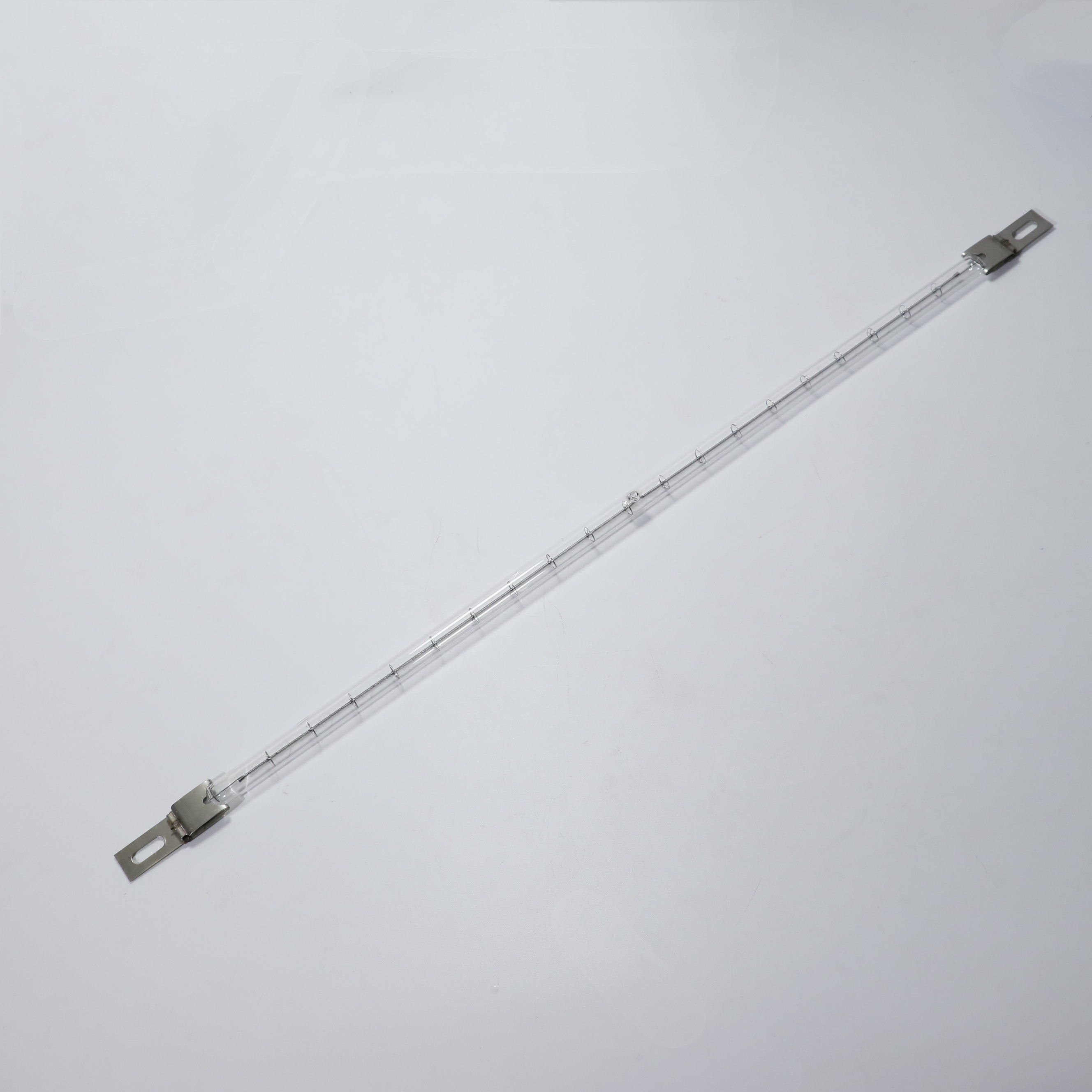
Best Selling 220V 1000W Quartz Infrared Heat Lamp for Processing Industrial
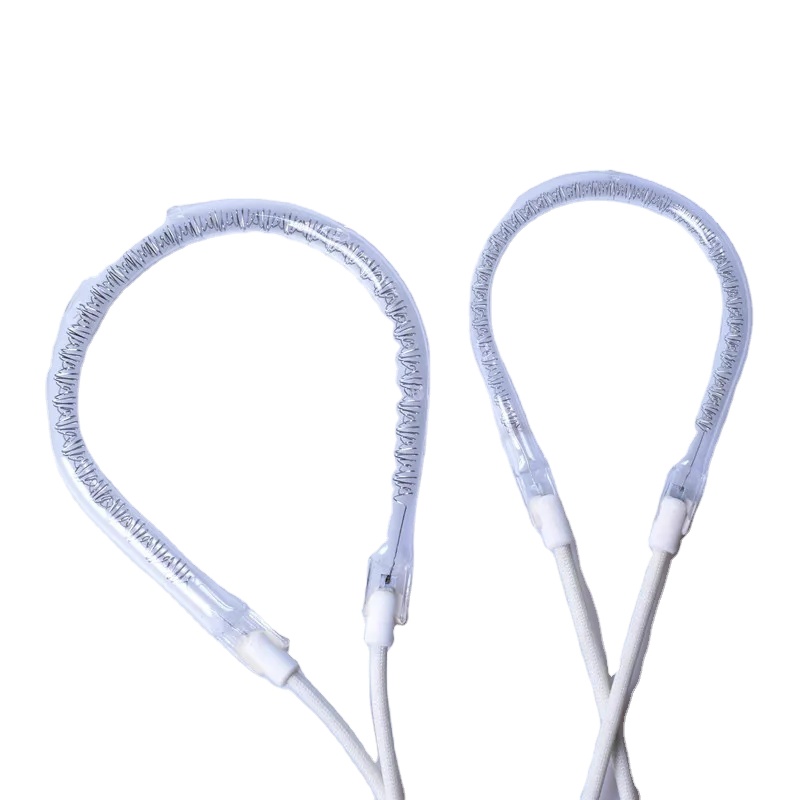
OEM Strong Manufacturer Ruby Infrared Bulb Heat Lamp for Heating
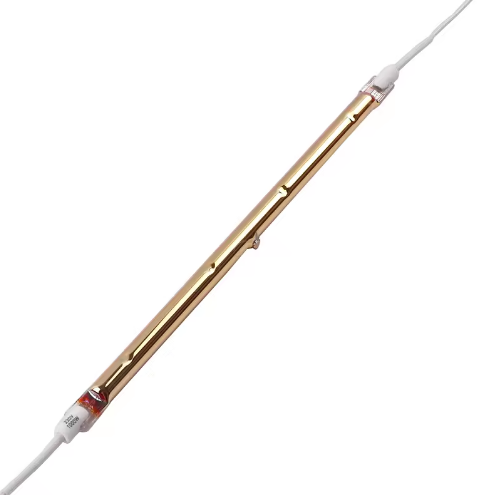
Stable Quality Gold Plated Quartz Infrared Heat Lamps for PET Manufacture
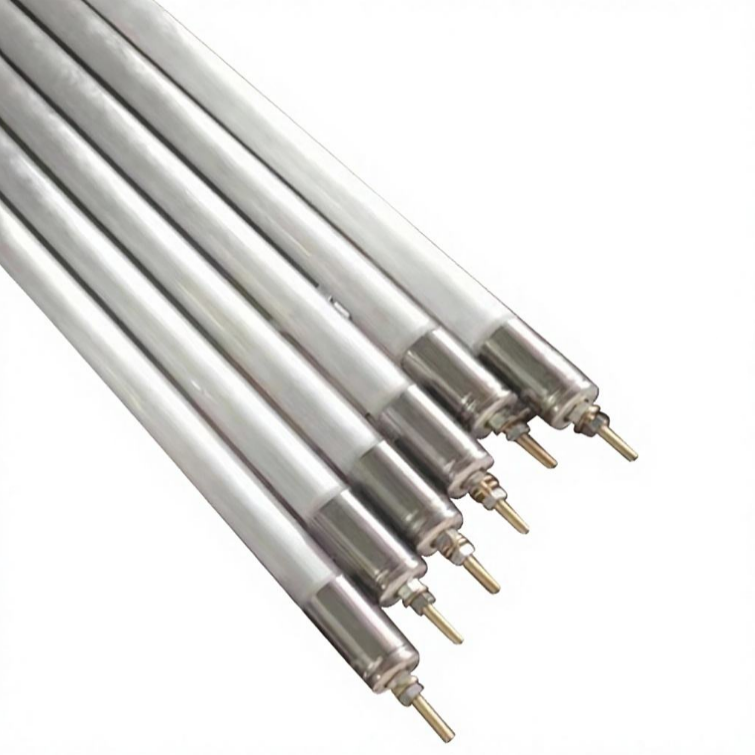
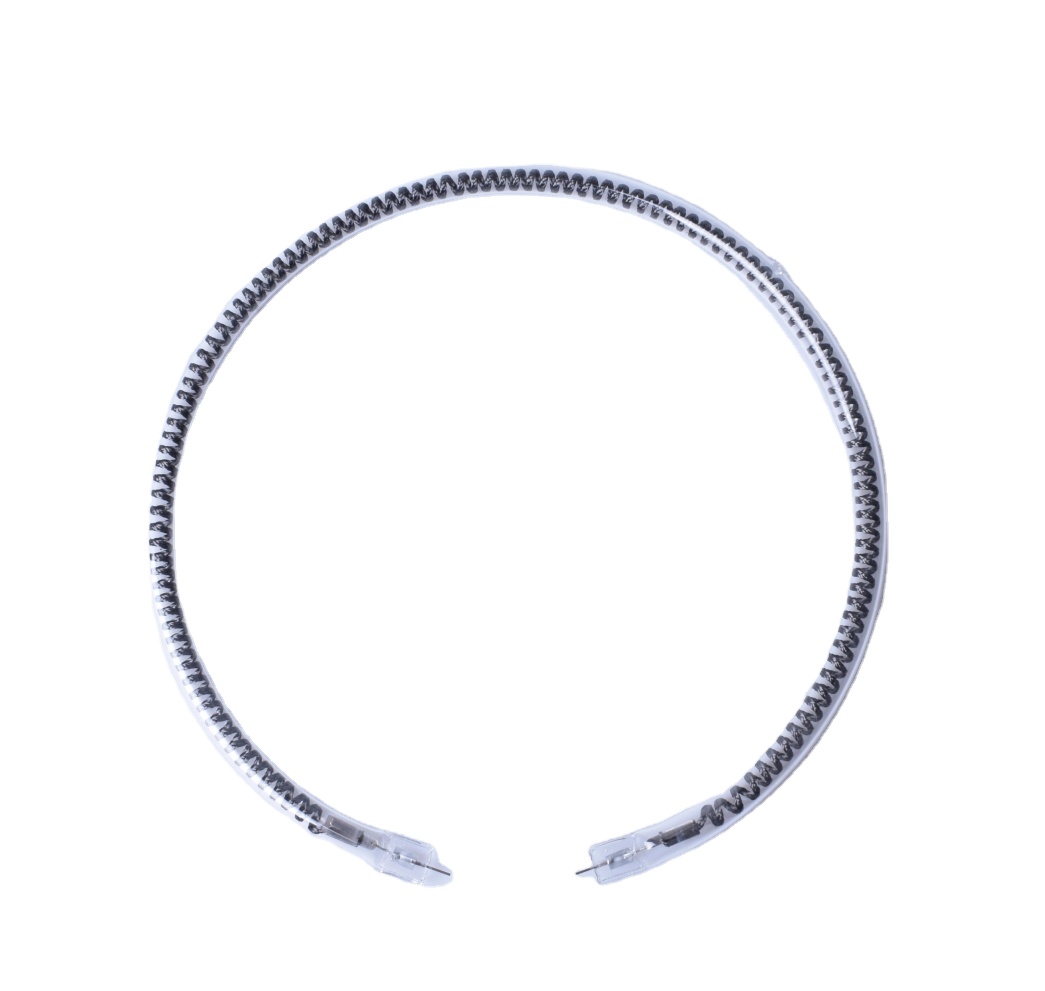
Electric Furnace Wire Quartz 1000w for Machine Equipment
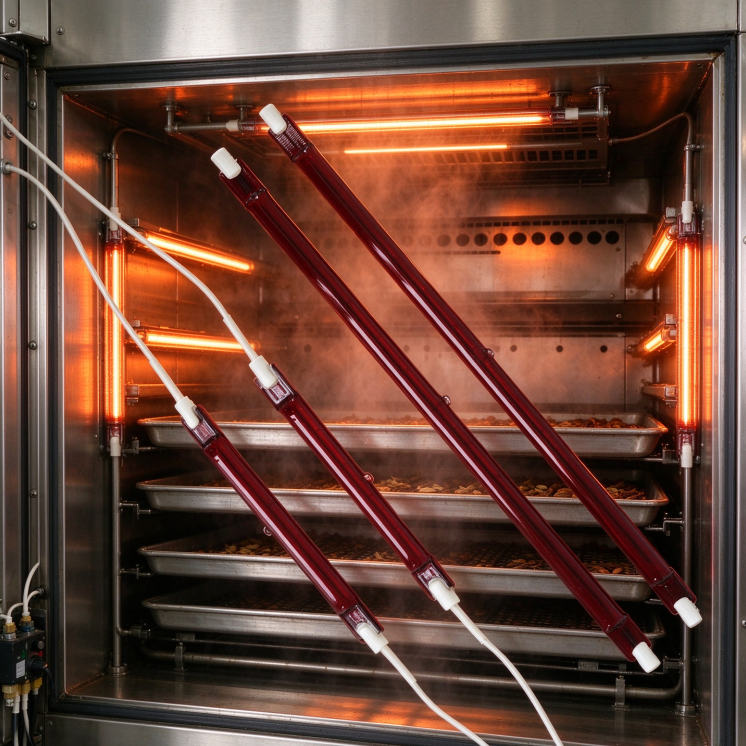
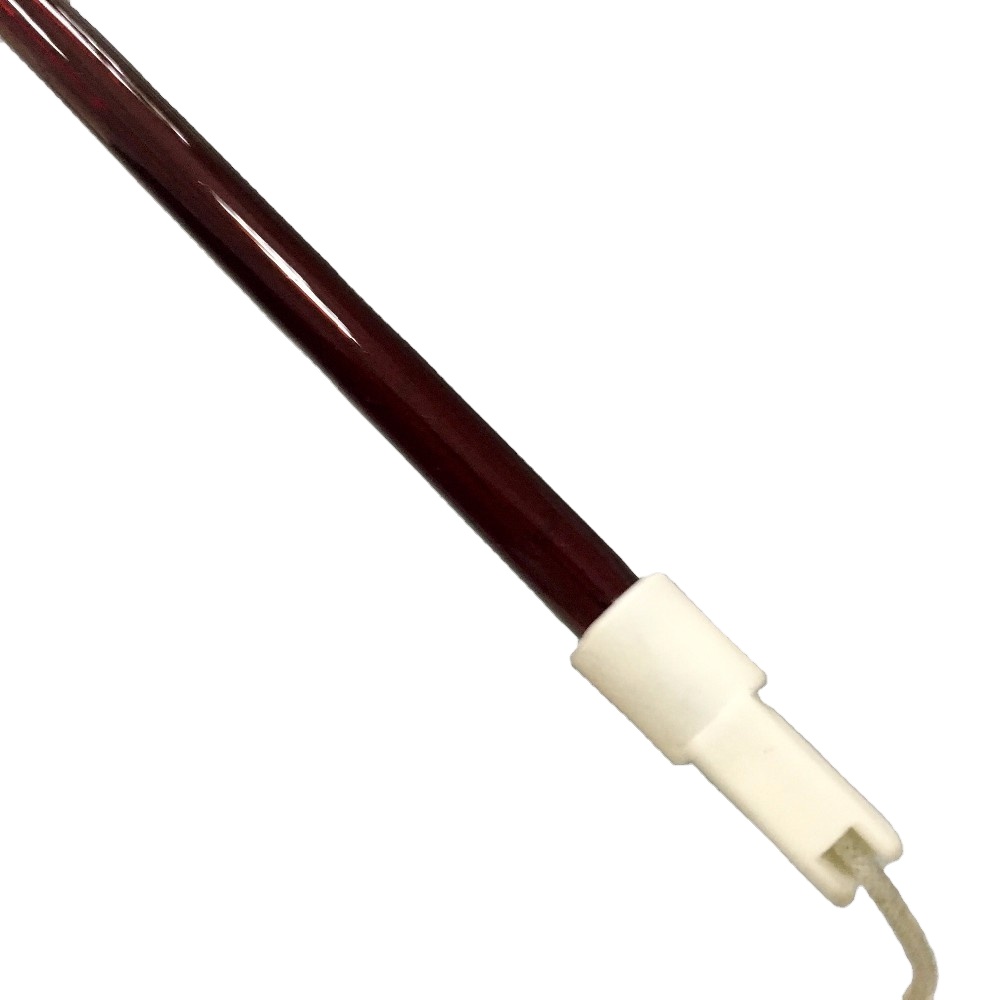
High Quality Ruby Infrared Heating Lamp for Poultry Chicken and Duck Farm Heating
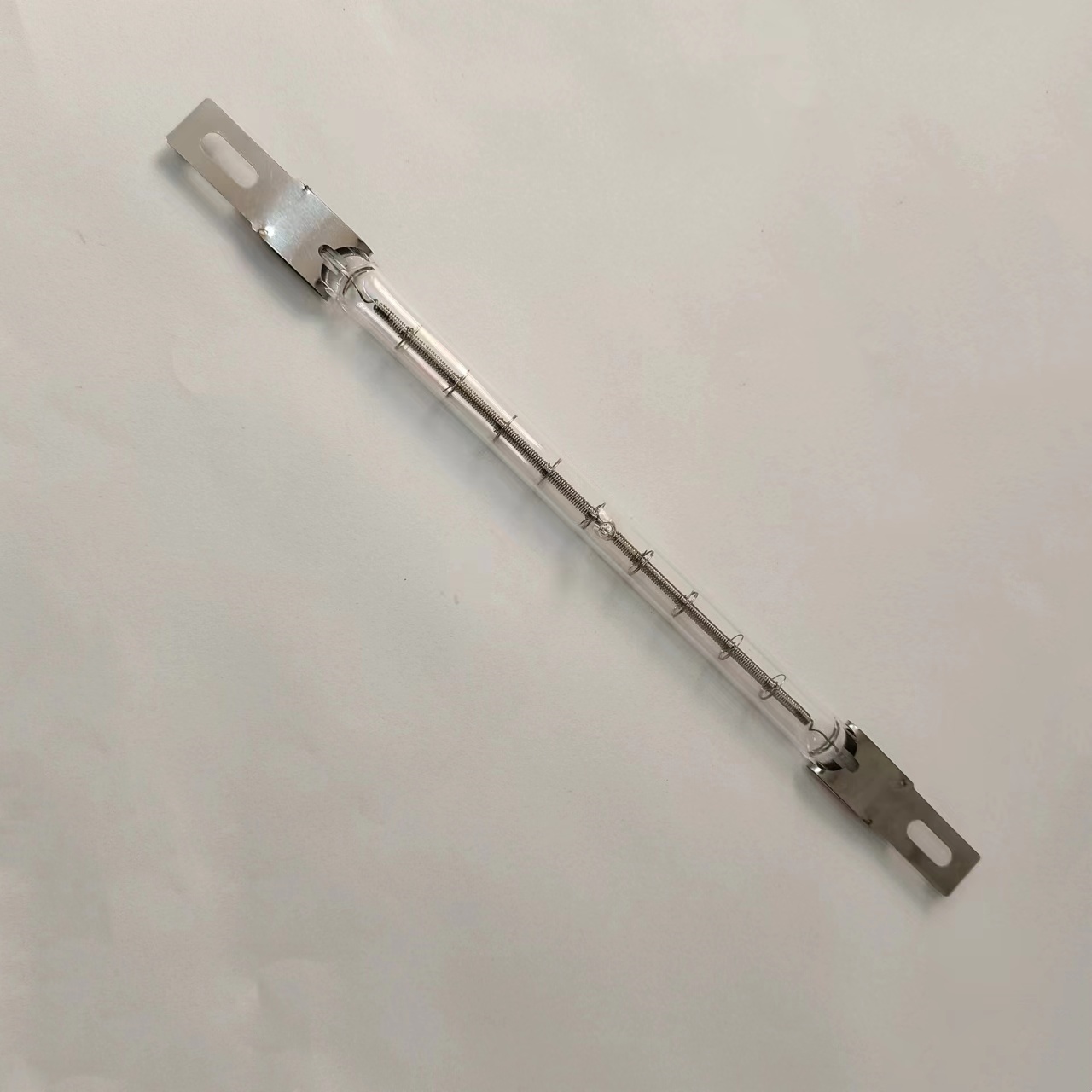
120V 1000W Medium Wave clear Infrared Heat Lamp for Photovoltaic Industry
Comprehensive Technical Report: Sourcing High-Purity Quartz Glass in the Tokyo Industrial Metaspace
The Greater Tokyo Area, stretching across Kanagawa, Saitama, and Chiba prefectures, serves as the engineering, R&D, and clean-tech nerve center of East Asia. Unlike commodity manufacturing hubs, the Tokyo metropolis requires high purity fused silica (HPFS) and high-temperature quartz apparatus capable of meeting zero-defect specifications. As lithography nodes advance past 3nm and high-density semiconductor packaging expands, quartz fabricators supplying Tokyo-based original equipment manufacturers (OEMs) and wafer foundries must adhere to micro-analytical standards governed by rigorous traceability.
1. Material Science Specifications: Fused Quartz vs. Fused Silica
High purity quartz glass factories serving the Tokyo corridor classify clear vitreous silica into natural fused quartz (synthesized by electrically melting natural pegmatitic quartz grains) and synthetic fused silica (produced through chemical vapor deposition/flame hydrolysis of silicon precursors like SiCl4). In advanced thermal oxidation, rapid thermal processing (RTP), and plasma etching chambers, selecting the proper grade dictates thermal longevity, devitrification thresholds, and process contamination levels.
| Critical Parameter | Semiconductor Fab Standard (Tokyo Tier-1) | Industrial IR & Process Heating Standard | Laboratory & Analytical Standard |
|---|---|---|---|
| SiO2 Chemical Purity | ≥ 99.999% (5N to 6N grade) | ≥ 99.99% (4N grade) | ≥ 99.995% |
| Trace Alkali Impurities (Li, Na, K) | < 0.15 ppm combined | < 1.5 ppm combined | < 0.5 ppm combined |
| Hydroxyl (OH-) Content | < 5 ppm (low-OH electrical fusion) | < 30 ppm (standard fusion) | 150 – 1200 ppm (flame hydrolysis) |
| Strain Point / Annealing Point | 1075 °C / 1180 °C | 1020 °C / 1120 °C | 1050 °C / 1140 °C |
| Coefficient of Thermal Expansion (CTE) | 5.5 × 10⁻⁷ / °C (0 – 300 °C) | 5.5 × 10⁻⁷ / °C | 5.4 × 10⁻⁷ / °C |
| Transmission Spectrum | 190 nm – 2,500 nm (High DUV/VUV clear) | 400 nm – 4,000 nm (Broad Infrared) | 220 nm – 3,500 nm |
2. Critical Application Scenarios in the Greater Tokyo Metropolitan Region
Purchasing engineers across Tokyo's technological corridors (from the Ota Ward mechatronics enclaves to Kanagawa's semiconductor toolmakers) deploy high purity quartz glass across specialized thermal and optical operational environments:
- Semiconductor Diffusion, Oxidation, and Annealing: Heavy-wall fused quartz furnace tubes, wafer boats, pedestals, and gas injector manifolds operating within batch diffusion furnaces at temperatures up to 1,200 °C. Minimal alkali metal presence prevents catastrophic gate dielectric breakdown.
- Plasma Etching and Deposition Components: Quartz focus rings, chamber liners, and showerheads subjected to fluorinated and chlorinated plasma chemistries. High material homogeneity ensures uniform erosion profiles, drastically reducing chamber particulate contamination.
- High-Speed Industrial Process Heating: Short-wave and medium-wave halogen/carbon infrared lamps integrated into automatic assembly lines for printed circuit boards (PCBs), adhesive dispensing, and semiconductor module packaging across Saitama and Chiba assembly plants.
- High-Throughput Photolithography & Optical Mask Windows: Synthetic quartz glass substrates displaying absolute structural isotropy, ultra-low internal stress birefringence, and near-zero bubble/inclusion metrics for UV/EUV reticles.
3. Macro Supply Trends: Tokyo Sourcing and Geopolitical Diversification
Over the past decade, Japanese industrial enterprises have restructured their quartz procurement strategies. Historical reliance on domestic captive foundries has shifted toward integrated, direct-from-factory partnerships. Tokyo engineering directors now leverage direct cross-border supply chains with high-volume Chinese manufacturing centers, notably Lianyungang (home to the world-renowned Donghai silica cluster), to balance soaring tooling costs against strict Japanese Industrial Standards (JIS). By establishing dual-track manufacturing ecosystems—combining precision local engineering reviews with direct high-capacity quartz ingot synthesis—procurement executives maintain agile inventories while realizing 30% to 50% cost efficiencies.
Manufacturing Benchmarks Designed for Japanese Industrial Standards (JIS)
How our factory-direct precision glass fabrication fulfills Tokyo's stringent engineering thresholds.
Inductively Coupled Plasma (ICP-MS) Verification
Every silica batch undergoes mass spectrometry trace element assays to verify sub-ppm metallic impurity ceilings before extrusion.
Laser Micro-Interferometry & Dimension Sizing
Outer diameter, inner diameter, wall thickness concentricity, and bow tolerances are inspected to ±0.05 mm accuracy.
Thermal Shock Stress Annealing
Flame-worked components undergo computerized annealing cycles to relax internal mechanical stress, eliminating micro-cleavages.
Class 1,000 Cleanroom Packaging
Finished quartz glass tubes, plates, and infrared lamps are ultrasonic-cleaned, vacuum sealed, and cushioned against transit vibrations.
Direct Factory Source: Kavri Quartz Product Co., Ltd.
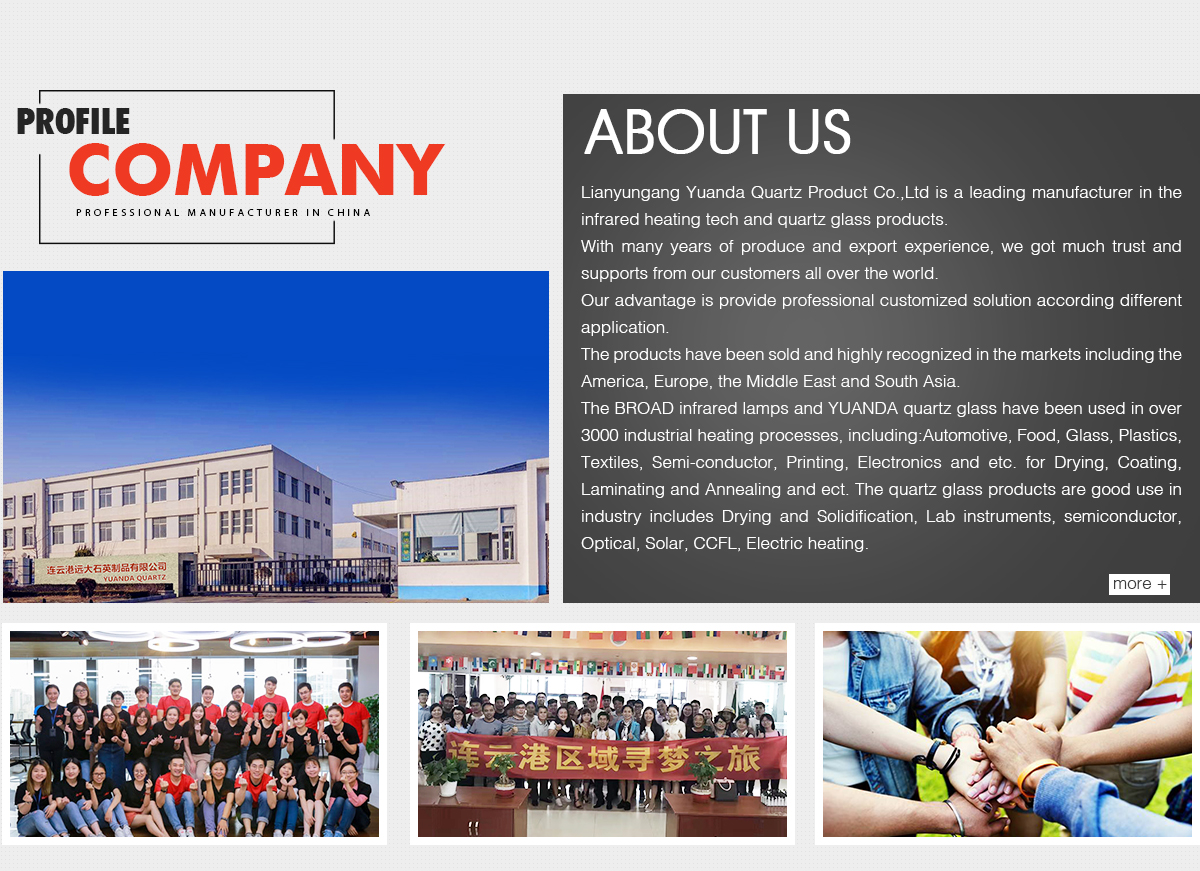
Founded in 2014 in Lianyungang, China—the primary capital of the global natural crystal and high-purity silica industry—Kavri Quartz provides factory-direct custom fabrication of precision quartz tubes, flat windows, laboratory flow cells, and heavy-duty infrared emitters.
With three automated production lines, dedicated cold processing workshops (CNC cutting, grinding, optical polishing), and advanced flame-working glass lathe operations, Kavri supplies Tier-1 international distributors and industrial end-users across Japan, Germany, South Korea, and the United States.
Frequently Asked Questions: Tokyo Quartz Sourcing
Key operational and technical concerns answered directly by our senior applications and sales engineering teams.
We supply comprehensive documentation packages with every export shipment: Mill Test Certificates (MTC), ICP-MS purity spectrum reports, dimensional inspection data sheets, ROHS/REACH declarations, and Certificates of Origin (CO) to ensure seamless customs clearance at Tokyo (Haneda/Narita) or Yokohama ports.
Our logistics utilize custom multi-layer protective packaging: items undergo ultrasonic cleaning, peelable film coating, anti-static polybag vacuum sealing, internal custom EPE foam shock absorption, and external ISPM-15 compliant export fumigated wooden crating. Breakage risk to Japan is well below 0.1%.
Yes. More than 70% of our orders are OEM/ODM custom components. We routinely fabricate from STEP, IGES, DXF, DWG, or PDF drawings. Our engineering division reviews tolerances, wall thickness transitions, thermal expansion matchings, and advises on manufacturing cost optimization.
Standard dimensional quartz tubes, plates, and off-the-shelf infrared heat lamps ship within 3 to 7 working days. Complex custom fabrications (such as CNC milled manifolds, slotted wafer boats, or specialized twin-tube emitters) require 10 to 18 working days from drawing sign-off.
We actively support Japanese universities, research institutes (such as AIST and RIKEN partners), and corporate technology centers. Our minimum order quantity (MOQ) for prototypes starts at just 1 to 5 pieces, offering full engineering assistance before scaling to volume production.
We offer flexible Incoterms including EXW, FOB Lianyungang/Shanghai, CIF Tokyo/Yokohama, and full DDP (Delivered Duty Paid directly to your factory door in Tokyo, Kanagawa, or Chiba). We accommodate transactions settled in JPY, USD, or EUR via Wire Transfer (T/T) and Letter of Credit (L/C).