Specialized Thermal & Optical Quartz Assemblies
Direct manufacturer supply for industrial machinery retrofits, process monitoring viewports, and automated assembly systems engineered to strict dimensional tolerances.
Technical Whitepaper: Engineering Fused Silica Windows for Demanding Industrial Environments
Industrial operations throughout Upper Austria, centered around the manufacturing powerhouse of Linz, demand materials capable of sustaining severe mechanical and thermal environments. High-purity fused silica (amorphous silicon dioxide, SiO₂) represents the foundational substrate for observation viewports, laser beam delivery optics, and infrared/ultraviolet process integration across modern production plants. Unlike standard borosilicate or soda-lime float glass, synthetic and natural fused silica exhibit exceptional purity levels exceeding 99.99%, eliminating crystalline boundary defects and minimizing trace metal inclusions that induce mechanical failure under steep thermal cycles.
For plant engineers operating along the Danube chemical and steel production belts, specifying observation windows requires reconciling optical transmission bandwidth with operational load limits. High-purity quartz substrates engineered at Kavri Quartz offer a negligible thermal expansion coefficient of approximately 5.5 × 10⁻⁷ /K between 20°C and 320°C. This near-zero dimensional shift ensures optical components survive extreme thermal shock—such as instantaneous quenching from 1100°C without mechanical rupture, micro-fracturing, or optical wavefront distortion.
Linz Engineering Protocol Note: In continuous casting furnace enclosures and laser surface hardening cells, standard windows fail due to devitrification and bubble expansion. Our fused silica windows are double-sided precision lap-polished to surface qualities of 60/40 or 40/20 Scratch-Dig, delivering wave-front distortion under λ/4 per 25mm aperture to maintain accurate optical pyrometry.
Optical Transmission & Thermal Resistance Parameters
Selecting appropriate optical quartz window grades requires analyzing specific spectral transmission thresholds. Kavri Quartz manufactures fused quartz and fused silica spanning both deep ultraviolet (UV excimer) and extended near-infrared (NIR) spectra. The table below delineates the baseline material characteristics maintained across our export manufacturing lines serving European industrial accounts:
| Physical & Optical Metric | Synthetic Fused Silica (UV Grade) | Electrically Fused Quartz (Optical Grade) | Commercial Inspection Grade |
|---|---|---|---|
| Useful Spectral Transmission | 185 nm – 2100 nm | 260 nm – 3500 nm | 300 nm – 2800 nm |
| Transformation Temperature (Tg) | 1075 °C | 1120 °C | 1050 °C |
| Continuous Working Temp. Limit | 1100 °C | 1150 °C | 1000 °C |
| Maximum Peak Shock Limit | 1350 °C | 1450 °C | 1200 °C |
| Refractive Index (nd @ 589.3 nm) | 1.4585 | 1.4584 | 1.4581 |
| Hydroxyl (OH⁻) Content | < 5 ppm (Low OH) / > 1000 ppm | < 30 ppm | < 50 ppm |
| Apparent Bubble / Inclusion Class | DIN ISO 10110 Class 0 (Virtually zero) | DIN ISO 10110 Class 1 | DIN ISO 10110 Class 2 |
Upper Austrian Process Integration: Automotive, Chemical, and Metallurgy
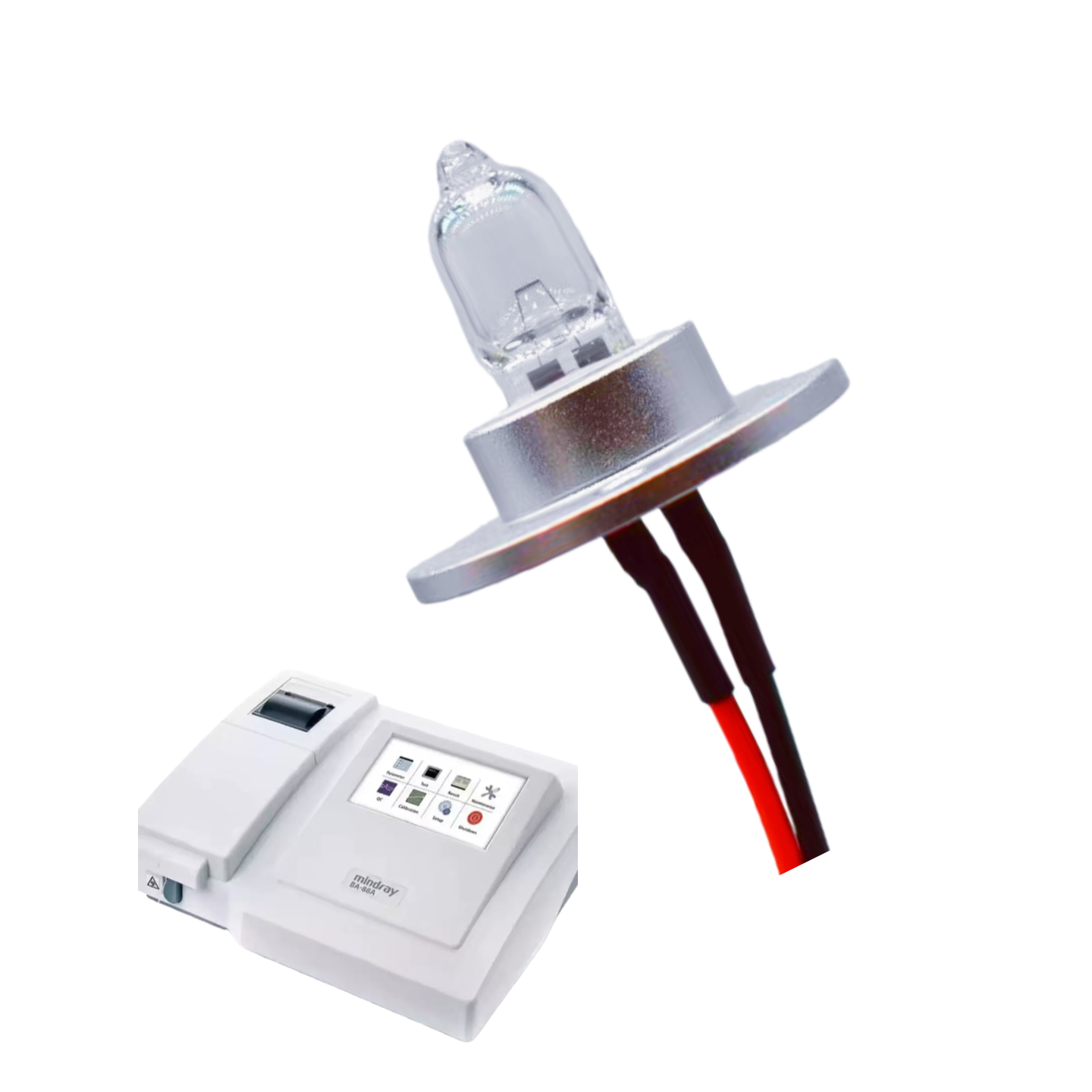
The manufacturing ecosystem across Linz, Wels, and Steyr features automated robotic cells, advanced blast furnace operations, and specialty polymers processing. In automotive coating plants, short-wave halogen and carbon fiber emitters function in tandem with quartz protective plates to achieve ultra-fast paint cross-linking without volatile organic entrapment. Furthermore, biochemistry diagnostic instruments manufactured across Austrian life science clusters utilize high-precision quartz flow cells and custom quartz test vessels owing to their non-reactive chemical surface and UV-range transparency.
Localized Industry Scenarios & Regional Growth Trends
Deploying specialized fused silica windows and directional quartz infrared emitters aligned with the green transformation of Linz’s industrial clusters.
Hydrogen Metallurgy Transition
As Upper Austrian steel mills advance decarbonization through direct reduction processes and electric arc furnaces, viewport windows must endure elevated hydrogen atmospheres and extreme temperature cycles without embrittlement or surface clouding.
Advanced Mechatronics & Laser Cells
The Linz-Wels technology belt relies on high-speed laser ablation, additive manufacturing, and automated vision systems. Custom fused silica protective windows block back-scatter while ensuring undistorted thermal monitoring across target substrates.
PET & Sustainable Packaging
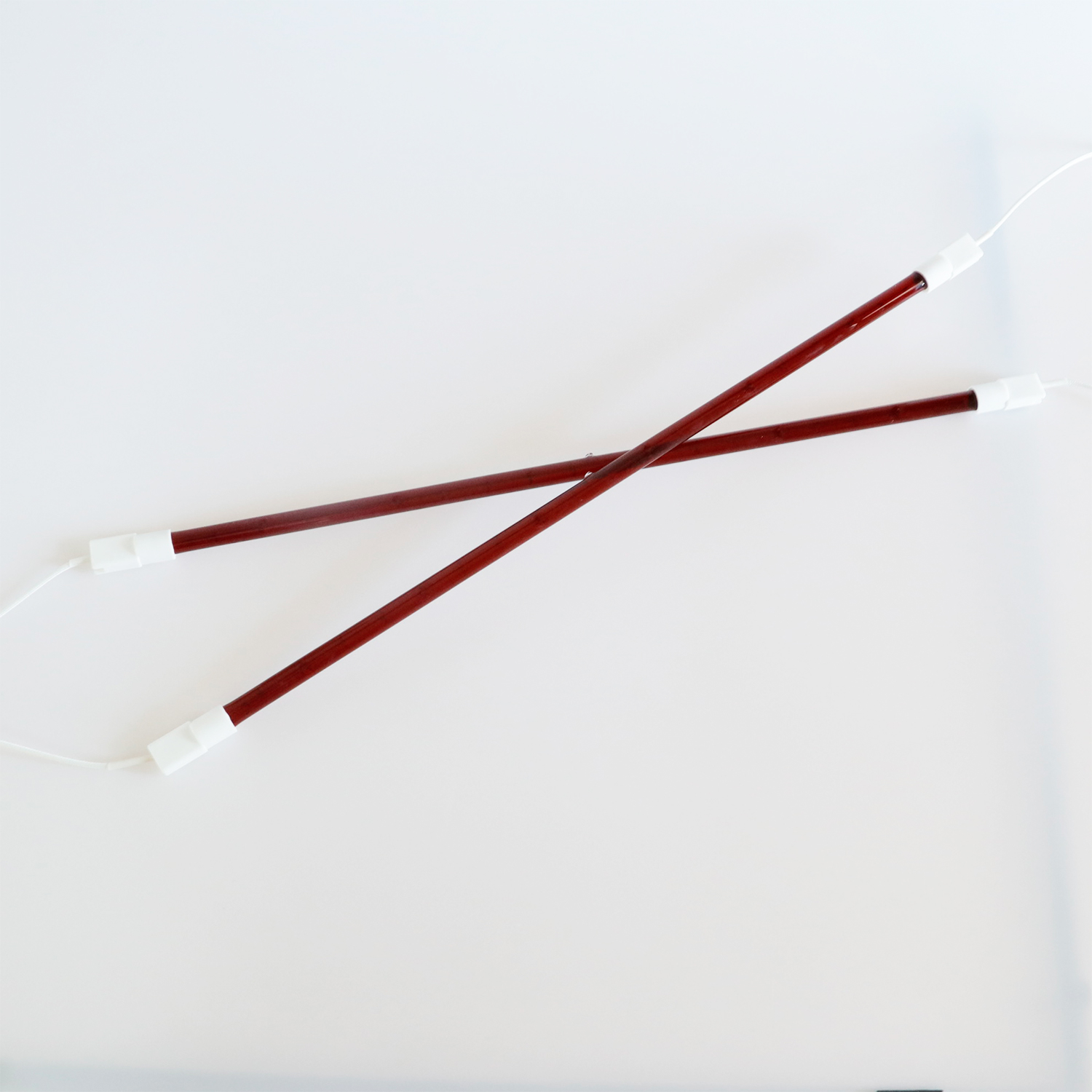
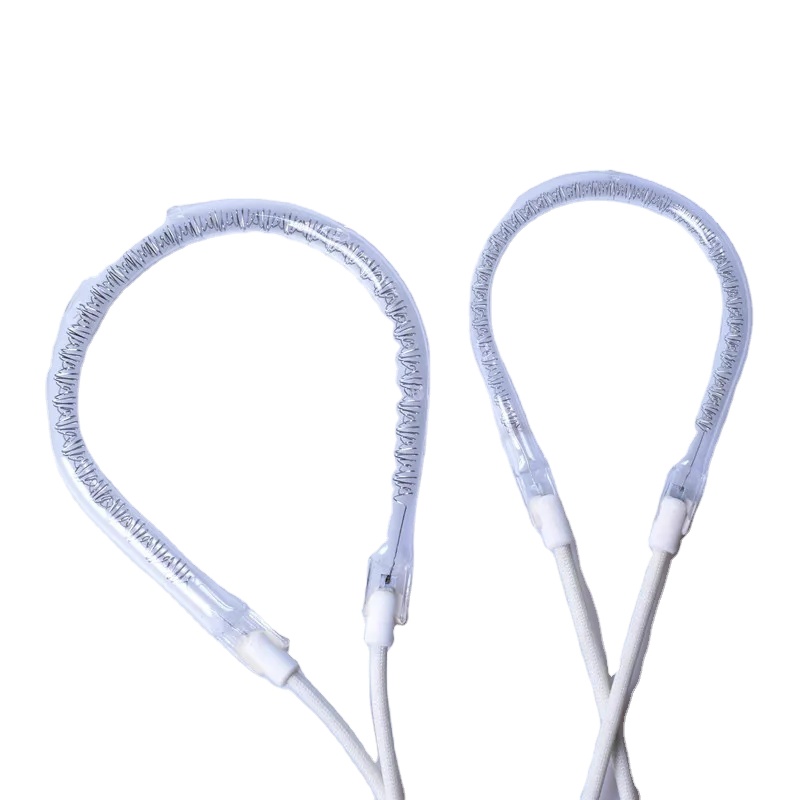
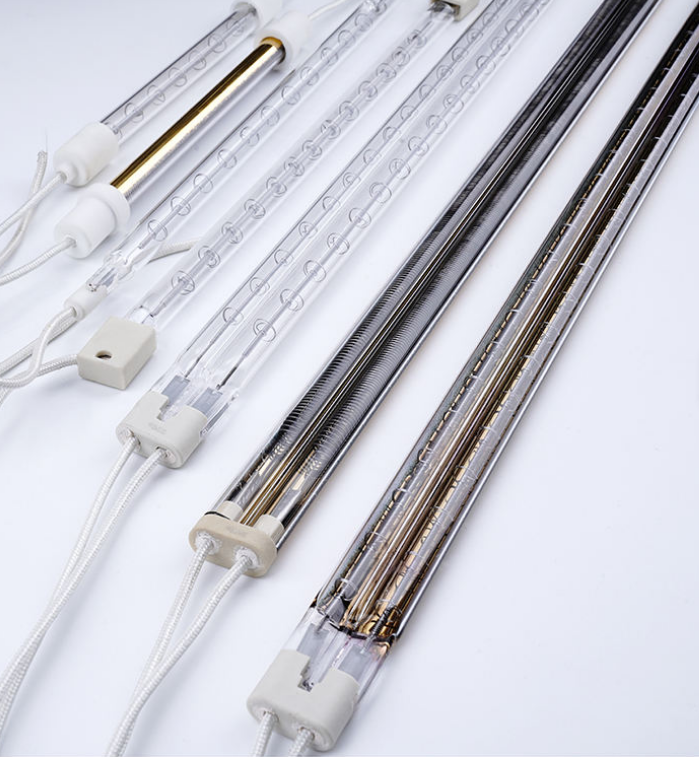
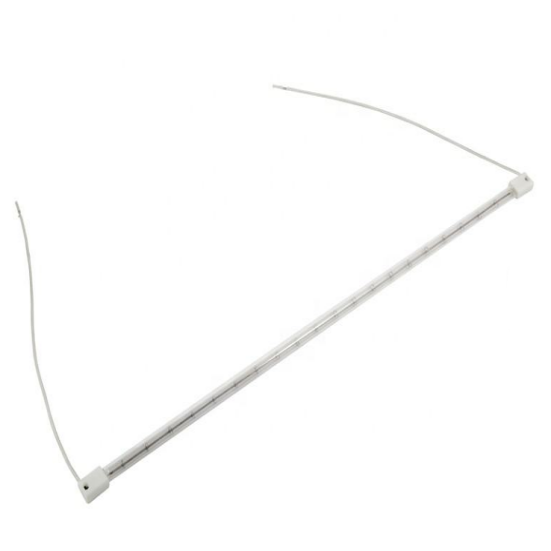
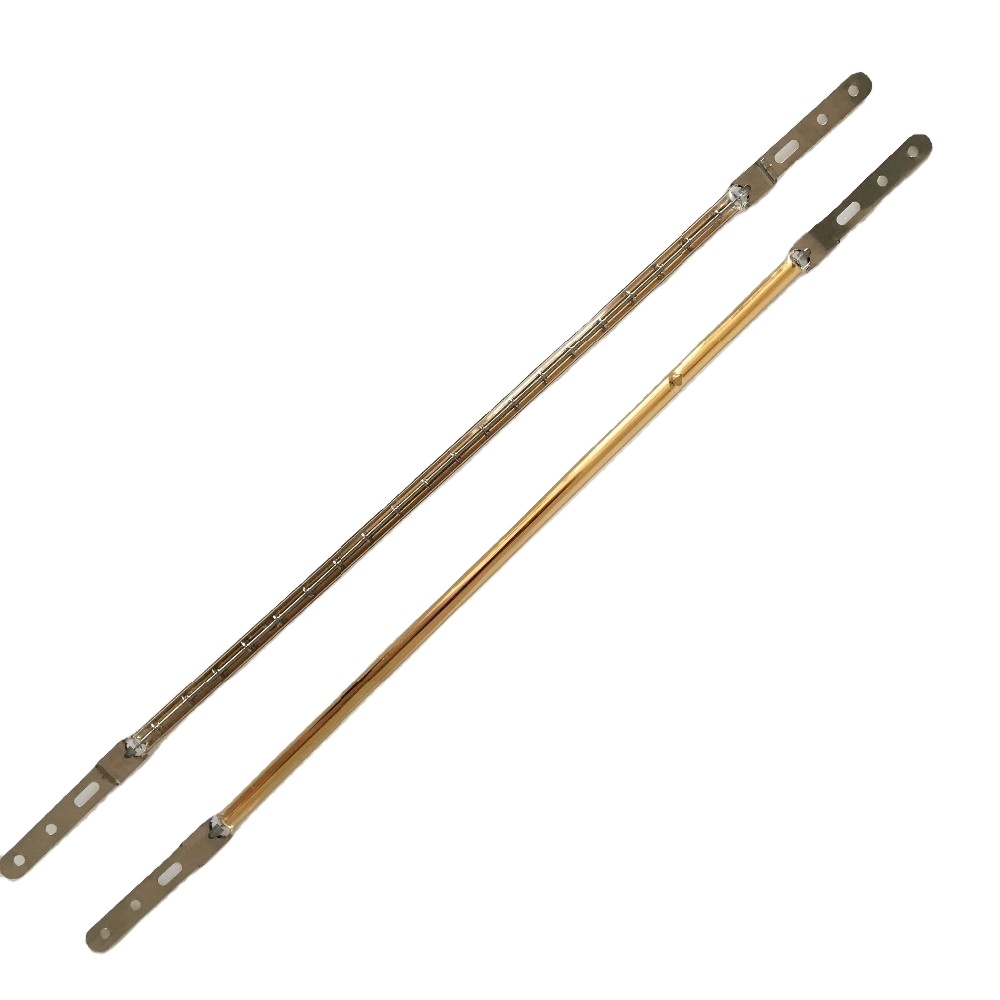
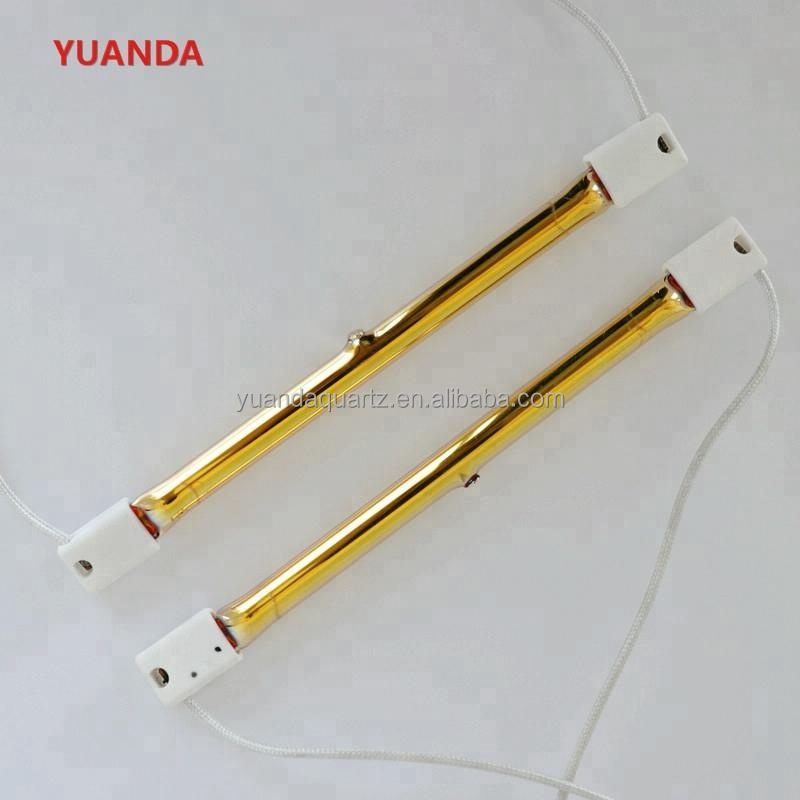
Regional beverage and plastics manufacturers demand tailored twin-tube infrared halogen lamps featuring half-white ceramic or gold reflectors, precisely targeting preform reheating curves to eliminate material wastage during rapid blowing cycles.
Strategic Advantages of Kavri Quartz
Rooted in the premier quartz supply corridor of Lianyungang, delivering factory-direct OEM/ODM solutions to European machine builders.
Raw Material Origin
Located in Lianyungang (Donghai hub), we hold direct raw silica channel access, providing consistent chemical purity and unyielding thermal resistance across every batch.
Drawing-to-Part OEM
Over 10 years of OEM customization. From specific filament lengths and twin-tube configurations to customized quartz discs, test vessels, and flanges built to technical CAD drawings.
Full Inspection Protocol
Every batch undergoes optical surface checking, filament balance verification, dielectric strength testing, and hermetic seal verification prior to global export clearance.
Global Logistics & DDP
Experienced shipping arrangements to Linz, Vienna, and broader Austria under FOB, CIF, or DDP terms with custom multi-layer shock-resistant packaging designed for fragile quartz glass.
Procurement & Technical FAQ for Austrian Buyers
Key considerations for plant engineers, OEM system integrators, and procurement directors sourcing quartz glass and IR emitters.
How do fused silica windows differ from standard borosilicate glass in high-temperature Linz applications? +
Can you manufacture fused silica windows according to DIN ISO 10110 optical standards? +
What technical information is required to receive a formal quotation for replacement IR heating tubes? +
What is the minimum order quantity (MOQ) for custom-cut fused silica window plates? +
How are fragile quartz tubes and polished windows packaged to ensure safe arrival in Austria? +
Do you supply precision quartz components for biochemistry analyzers and analytical labs? +
Request an Engineering Review & Quotation
Submit your CAD blueprints, sample parameters, or legacy maintenance part numbers. Our optical and thermal engineering specialists provide technical feedback within 4 hours during working days.