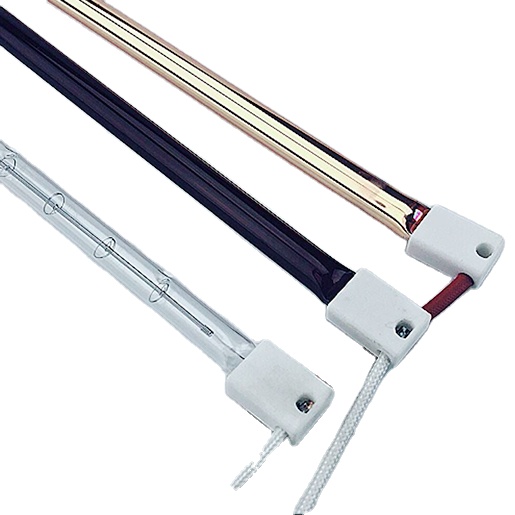
Wholesale Ceramic Linear Quartz Infrared Heating Lamp for Flash Dryers
Ceramic Insulated Base
Rapid Flash Curing
Textile & Screen Print
Manufactured under strict ISO-grade dimensional tolerances, serving tier-1 automotive paint lines, analytical laboratories, and plastics thermoforming operations throughout Central Europe.
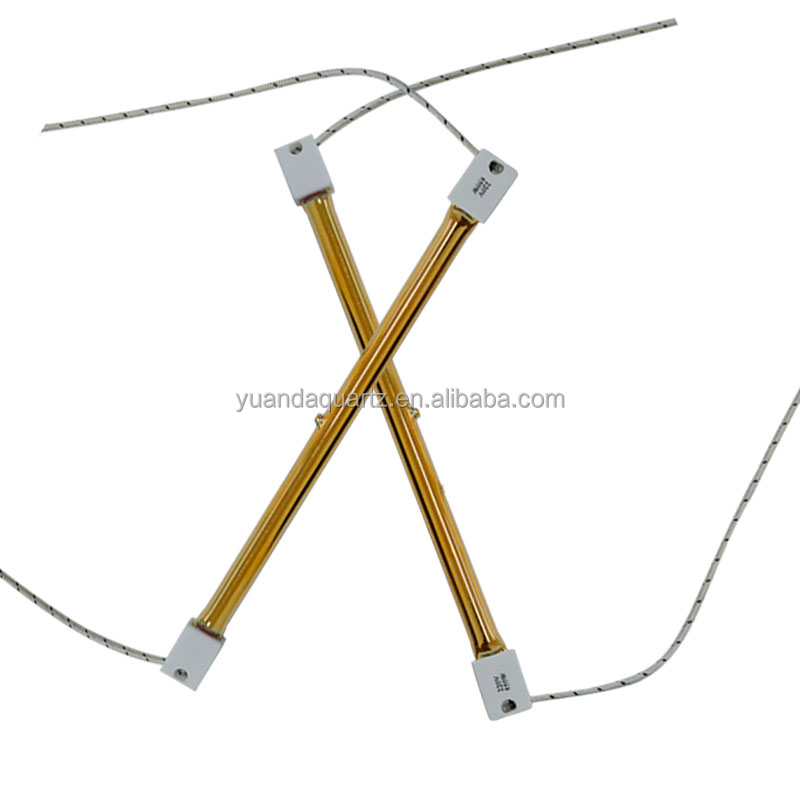
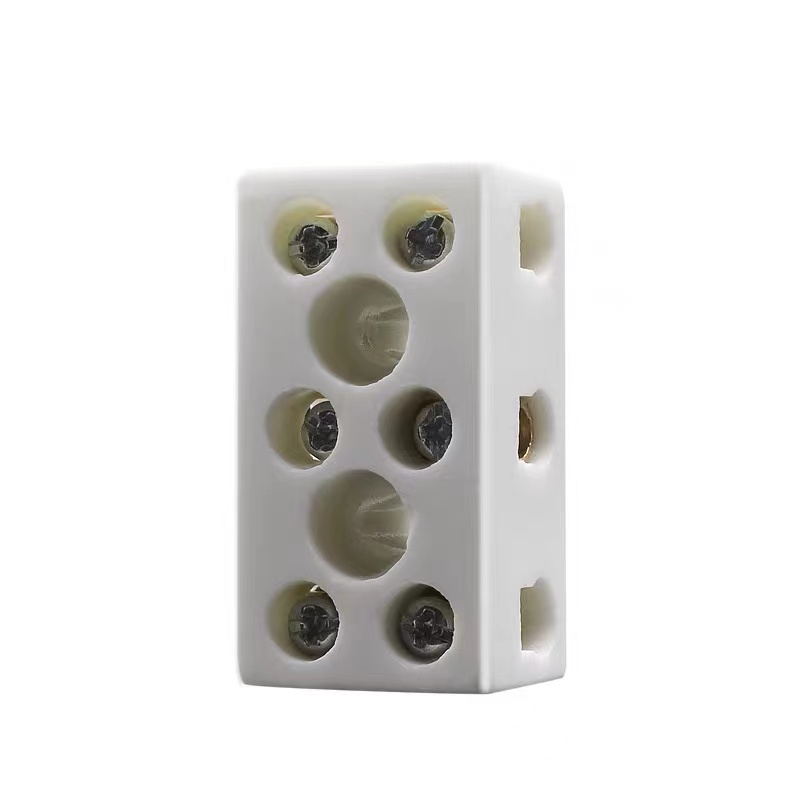
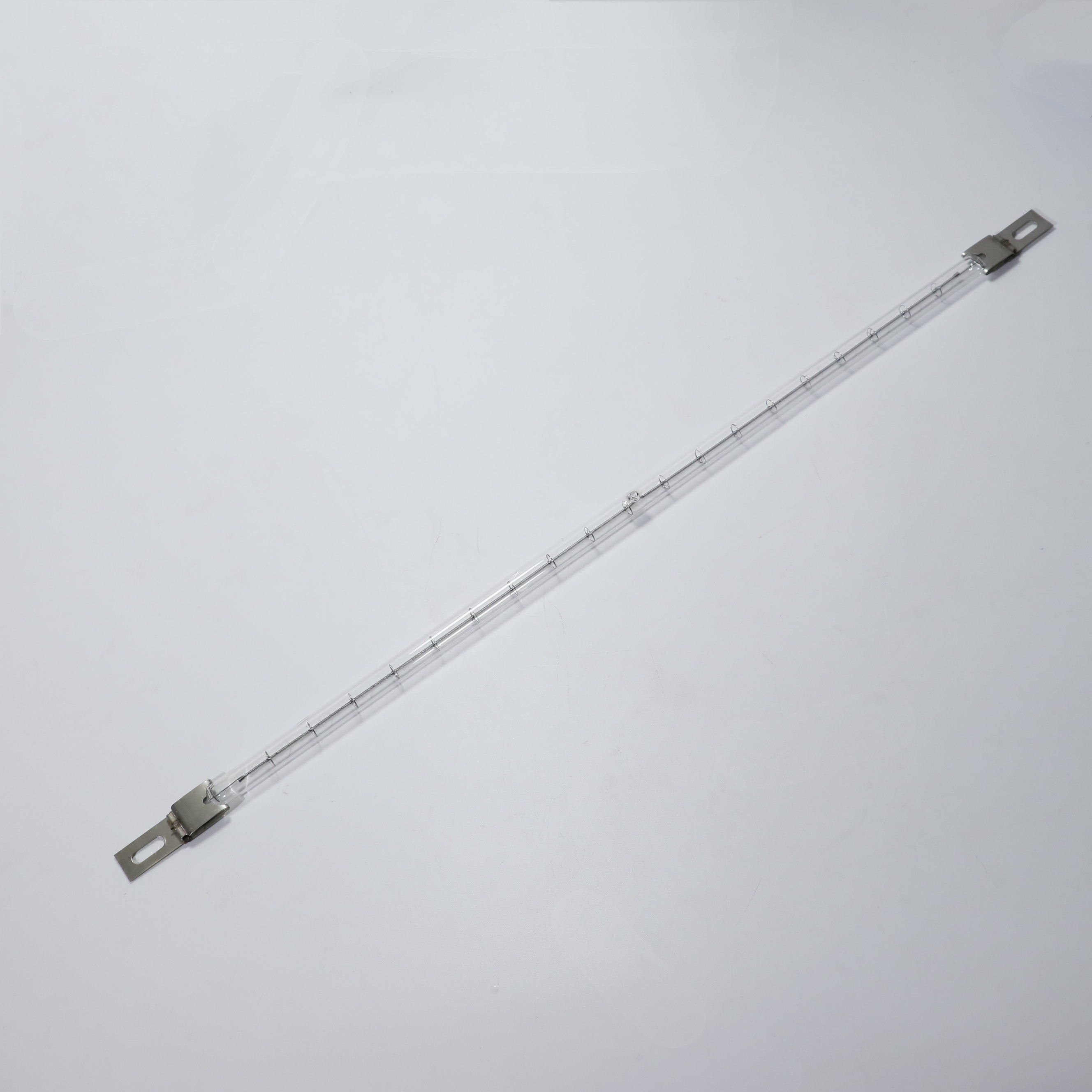
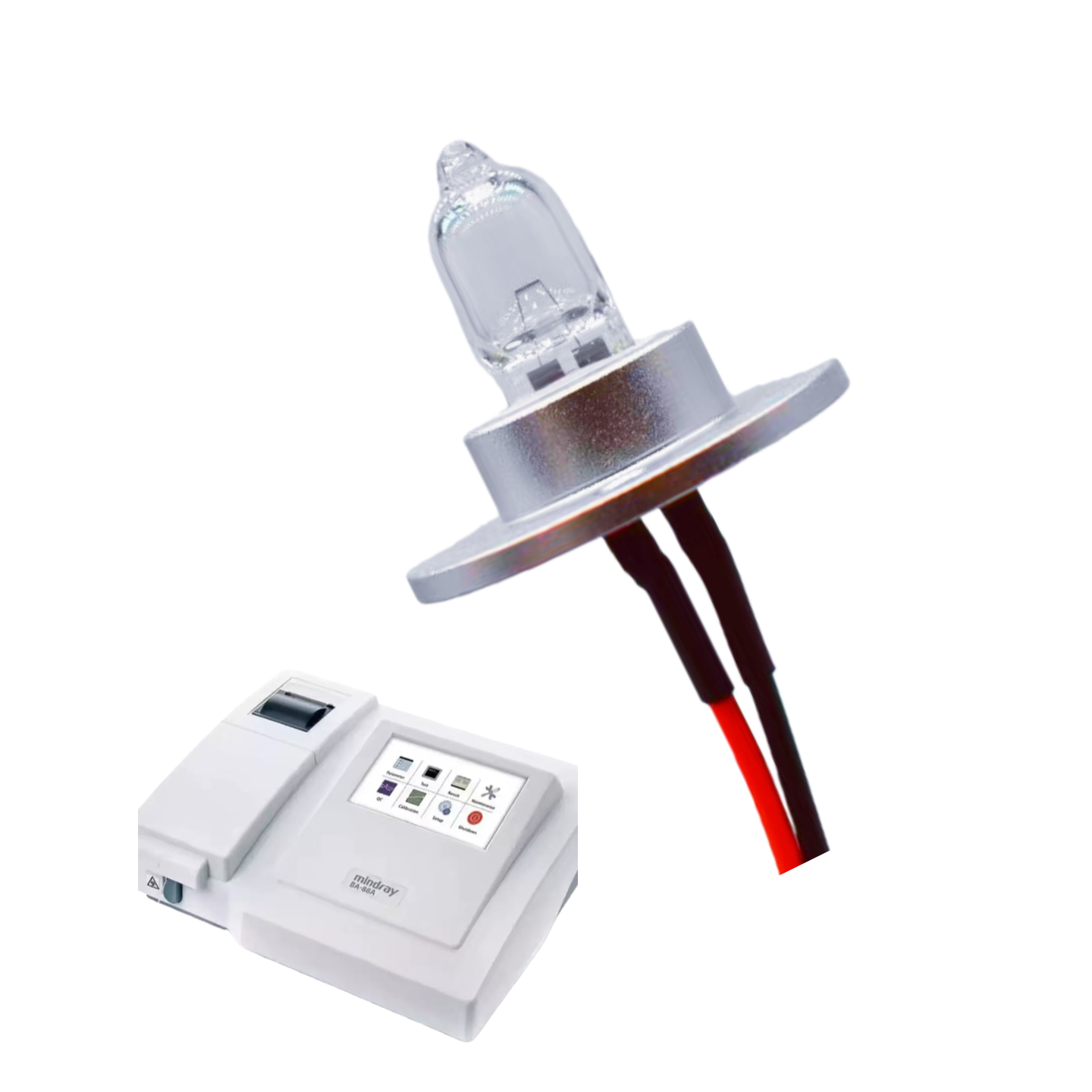
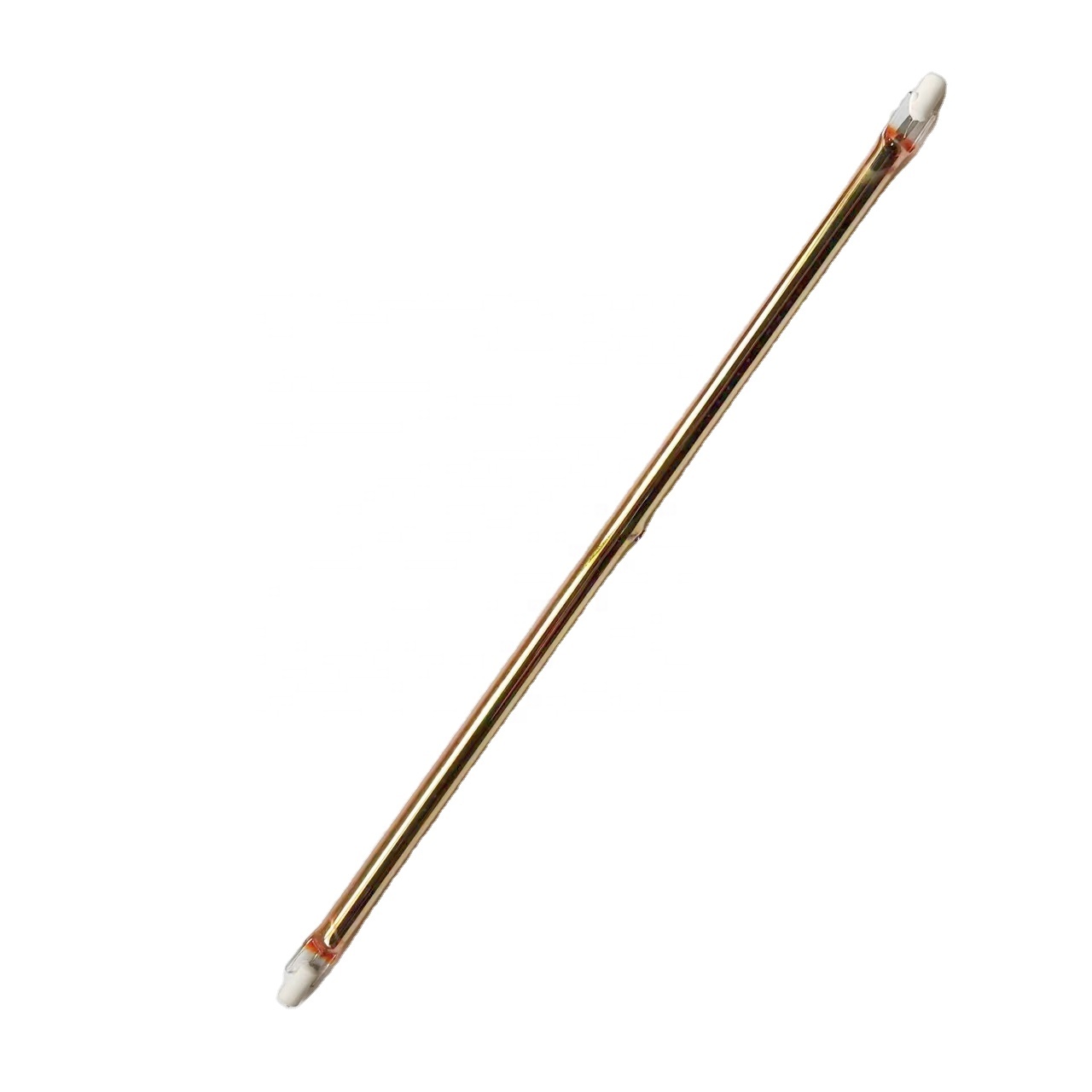
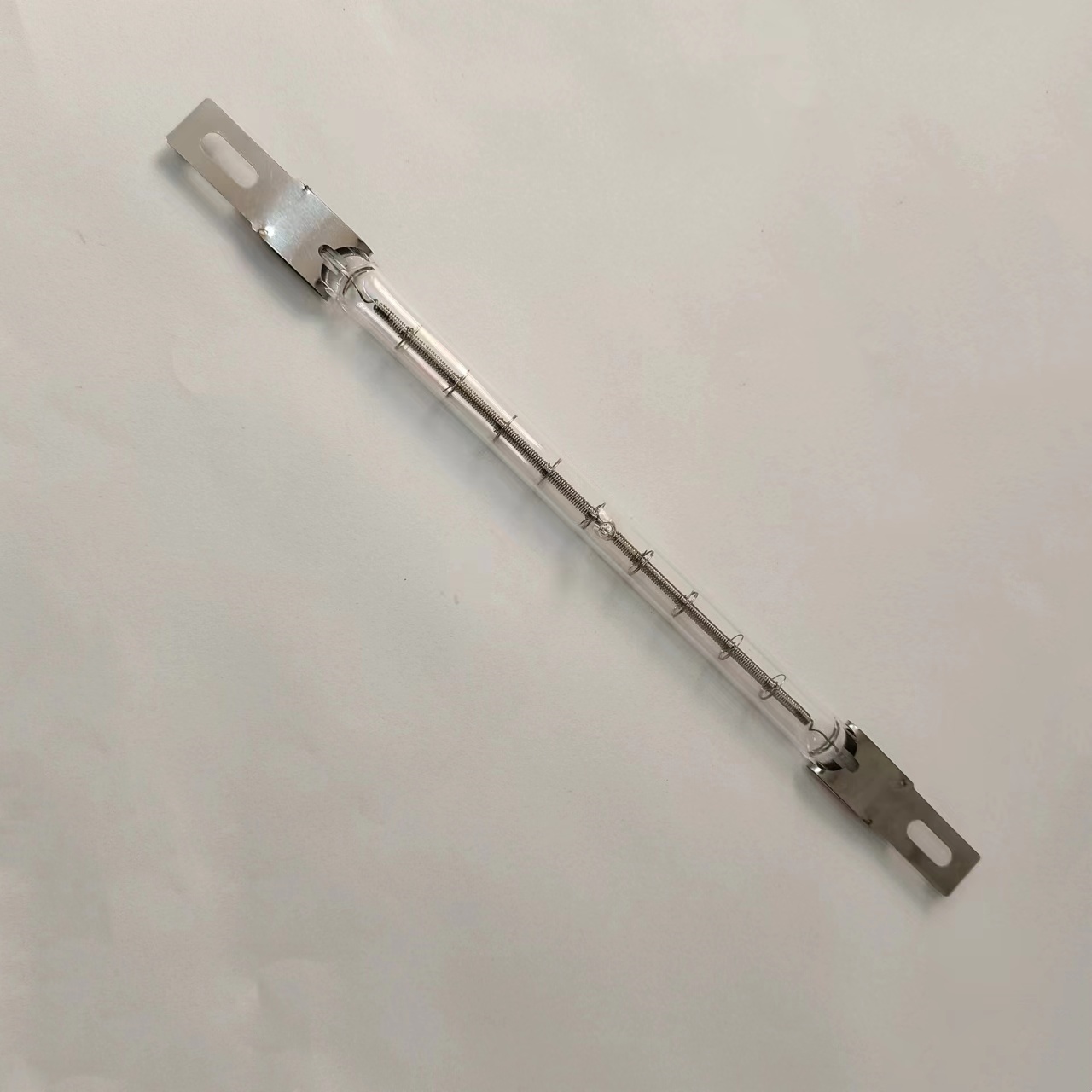
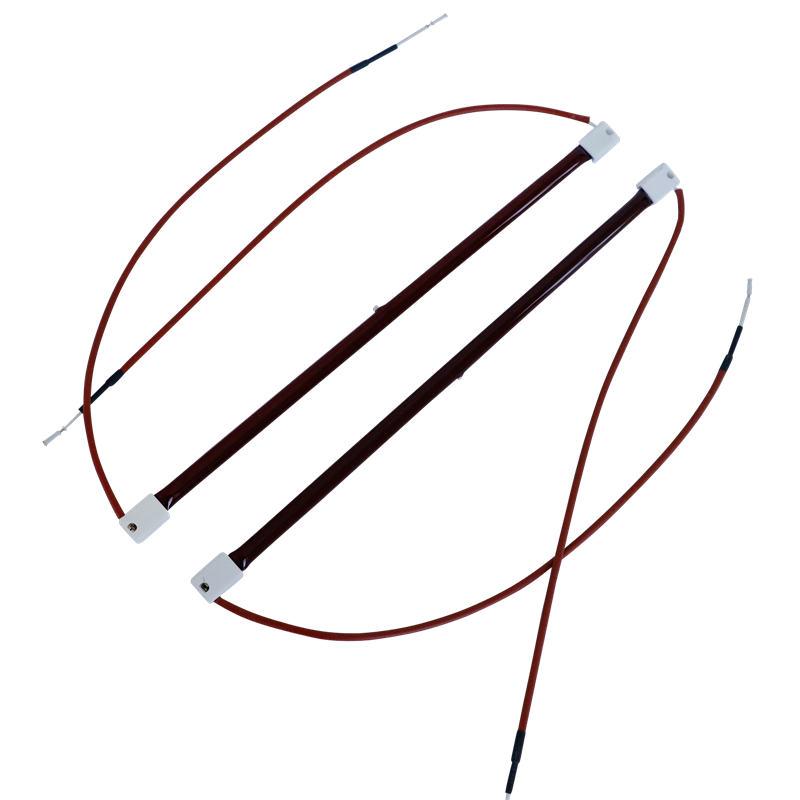
A deep engineering overview of why fused silica tubes and quartz glass emitters remain irreplaceable for high-temperature precision processes, from thermoforming chambers to chemical vapor deposition systems.
Unlike standard borosilicate glass or soda-lime glass, fused silica possesses an ultra-low coefficient of thermal expansion (α ≈ 5.5 × 10⁻⁷ / K). This extreme property permits instant temperature gradients spanning over 1,000°C without volumetric failure or micro-cracking.
For industrial automation plants around Budapest that operate rapid-start infrared drying or cyclic semiconductor wafer baking, fused quartz tubes eliminate thermal shock downtime completely.
The high synthetic silica grade provides exceptional broad-spectrum transmissivity, extending from deep ultraviolet wavelengths (~190 nm) through the visible light spectrum and deep into the near/medium infrared zone (~3.5 μm).
When used as envelopes for tungsten halogen or carbon emitters, the quartz wall retains minimal energy, ensuring that more than 90% of electrical power is converted into targeted directional radiant heat.
Composed of 99.99% silicon dioxide (SiO2), fused silica tubes remain chemically unreactive in the presence of almost all industrial acids, chlorine, halides, and sulfur gases at operating temperatures exceeding 900°C.
Coupled with strong dielectric breakdown insulation resistance, these tubes provide protective encapsulation for high-power infrared filaments inside hazardous or volatile curing atmospheres.
| Physical / Chemical Property | Fused Quartz Tube (Our Standard) | High-Purity Synthetic Fused Silica | Standard Borosilicate Glass 3.3 |
|---|---|---|---|
| Continuous Strain Point Temperature | 1,070 °C – 1,120 °C | 1,180 °C | ~510 °C (Fails in high-temp ovens) |
| Softening Point Temperature | 1,680 °C | 1,730 °C | 820 °C |
| Thermal Expansion (0–300°C) | 5.5 × 10⁻⁷ cm/cm·°C | 5.1 × 10⁻⁷ cm/cm·°C | 33 × 10⁻⁷ cm/cm·°C (High risk of breakage) |
| Hydroxyl (OH⁻) Content | < 15 – 30 ppm (Custom flame treated) | < 1 ppm (Dry grade) | N/A (Multi-component composition) |
| IR Transmission Efficiency (1.0–2.5 µm) | > 92% (No back-absorption) | > 94% | ~70% (Significant heat absorbed by wall) |
| Compressive Strength | 1,150 MPa | 1,100 MPa | 700 MPa |
Hungary has positioned itself as the European epicenter of electromobility, advanced automotive production, and pharmaceutical engineering. Here is how fused silica tubes and custom IR heaters integrate directly into local industrial ecosystems.
In the industrial zones surrounding Budapest, Pest County, and the Győr-Kecskemét corridor, automotive OEMs and tier-1 plastic component suppliers depend on continuous twin-tube fused quartz infrared heaters for surface finishing.
With massive electric vehicle battery gigafactories active around Göd, Komárom, and Debrecen, clean thermal processing is a strict engineering requirement for electrode manufacturing lines.
Budapest hosts venerable pharmaceutical giants such as Gedeon Richter and Egis. In synthesis reactors and photometric analyzers, fused quartz glass tubes are vital components.
Analyzing the shift from gas convection tunnels to high-efficiency electrification in the Carpathian Basin.
European Union energy transition guidelines and high natural gas price volatility have pushed Hungarian industrial facilities to replace legacy gas convection chambers with electric infrared radiation modules. Fused silica heaters deliver energy directly to targeted workpieces without wasting power heating the surrounding ambient plant air.
Hungarian beverage and edible oil bottling facilities require faster mold turnover. Star-filament halogen quartz lamps heat PET preforms evenly throughout their wall thickness within seconds, eliminating bottle neck warping and trimming cycle times in high-speed rotary blowing lines.
With research institutes clustered near Óbuda and central Budapest universities, rapid thermal processing (RTP) and diffusion furnaces demand high-purity clear fused quartz tubes with extremely low sodium and trace metal impurity levels to prevent wafer contamination.
Combining raw quartz resource dominance in Donghai with custom OEM engineering and prompt global logistics.
Our production facilities are situated in Lianyungang, adjacent to Donghai County—the premier silica refining center of the world. This grants us immediate, direct access to premium-grade natural quartz sand with minimum transportation overhead.
Over a decade of custom engineering experience. We fabricate quartz tubes and lamps from customer CAD files, technical drawings, or physical samples—handling custom voltages (12V to 480V), wattages up to 6,000W, and custom lead wires.
Every single production batch undergoes strict geometric verification (outer diameter, wall thickness, bow/camber), spectral photometer checking, high-voltage flash tests, and hermetic seal checks before leaving our workshop.
Over 85% of our production is exported worldwide. We provide full DDP (Delivered Duty Paid) shipping to Budapest, handling all customs formalities, VAT processing, and shock-resistant crating to eliminate transit breakage risks.
Clear, direct answers regarding custom manufacturing, European electrical compliance, logistics, and material tolerances.
Short-wave halogen emitters peak around 1.0–1.2 μm and provide deep penetrating thermal energy suited for automotive sheet metal, PET preforms, and thick primers. Medium-wave carbon emitters run around 2.0–2.5 μm, matching the high water and solvent absorption curves of plastic foils, waterborne coatings, and textiles. Our engineering team can run absorption matching against your workpiece specs.
For custom samples and urgent prototype batches, air express (DHL/FedEx/UPS) delivers to Budapest within 4 to 7 working days. For bulk containerized orders or heavy quartz tube shipments, combined sea-rail freight via Koper or direct rail freight routes to the Budapest BILK logistics terminal takes approximately 22 to 28 days.
Yes. A significant portion of our OEM business involves manufacturing replacement tubes for German, Austrian, and Swiss machinery brands. As long as you provide the total length, heated zone, outer diameter, terminal configuration (e.g., metal clip, ceramic cap, lead wires), and electrical parameters, we can reproduce the lamp with identical or superior performance.
For standard-size quartz tubes and regular infrared heaters, our baseline trial order starts at just 8 to 10 units. For completely custom-engineered tooling or specialized twin-tube geometries, MOQ is determined after technical drawing review to ensure sampling remains economical for our European partners.
We employ a specialized multi-layer packaging standard designed for delicate glass items. Individual tubes are cushioned within shock-absorbing EPE foam sleeves, nested inside thick individual cardboard jackets, and consolidated within rugged, fumigated export plywood cases with internal suspension. Our transport breakage rate remains below 0.15%.
Yes. All quartz tubes, halogen filaments, ceramic terminal blocks, and wiring harnesses manufactured at Kavri Quartz comply with EU RoHS directives, preventing hazardous heavy metals (lead, cadmium, mercury) from entering European assembly plants. CE certification documentation is available with shipment packages.