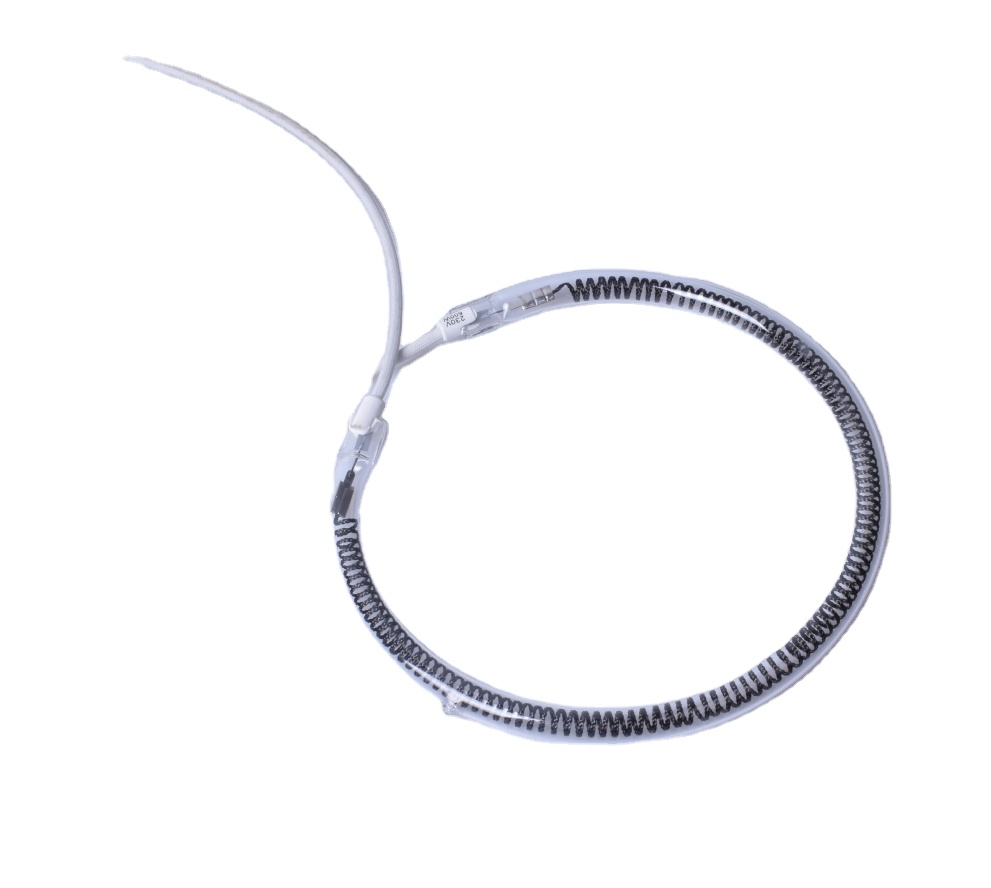
1000W Carbon Fiber Circular Infrared Heat Lamp for PET Blowing Preheating
Ring-geometry medium-wave heating emitter offering targeted 360-degree radiant thermal transfer with minimal thermal inertia.
Engineered for high-stress manufacturing environments across Tarrant County and the Dallas-Fort Worth metroplex. Select an OEM standard or submit custom wafer geometry.
Ring-geometry medium-wave heating emitter offering targeted 360-degree radiant thermal transfer with minimal thermal inertia.
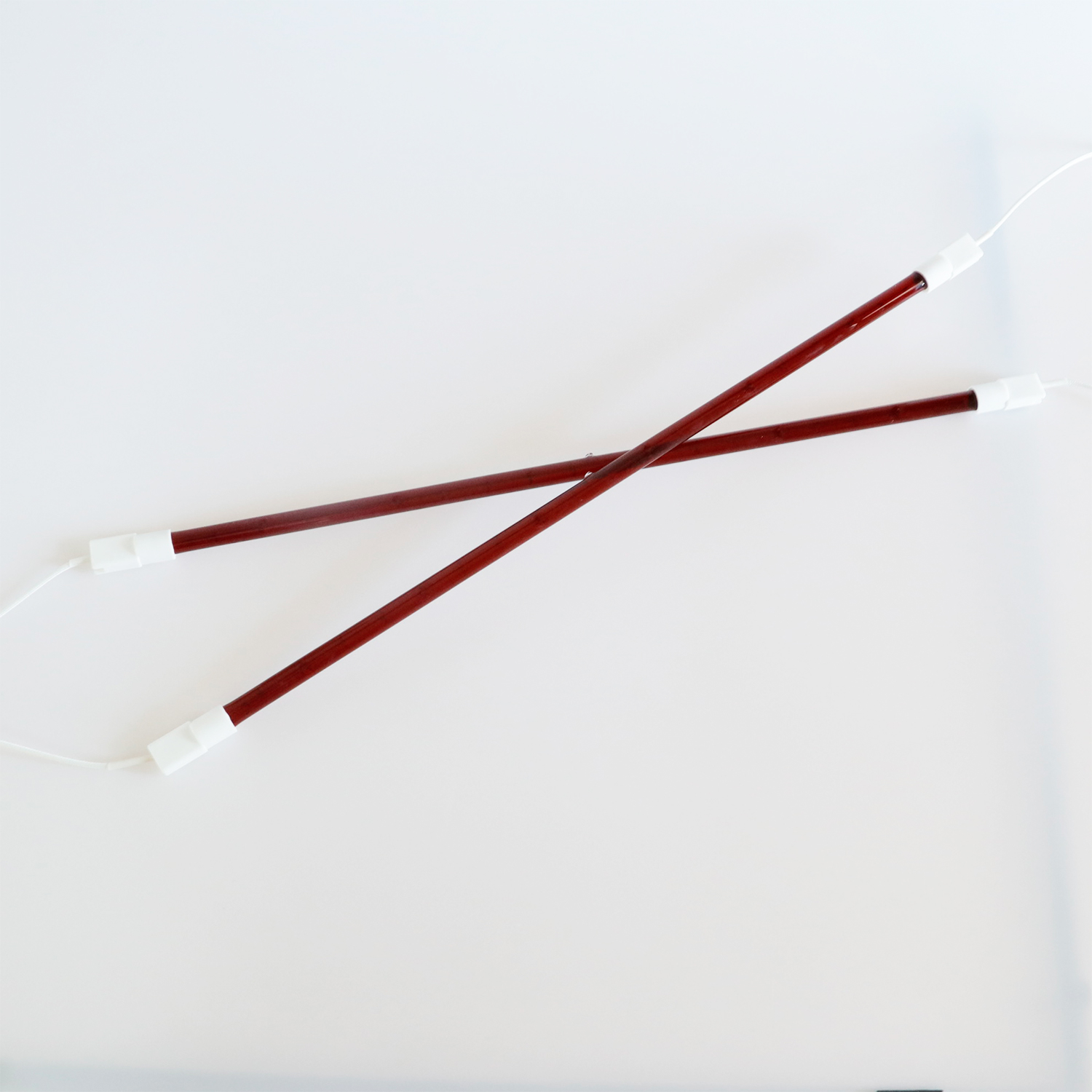
Glare-reducing ruby silica sheathing tailored for high-speed automotive composite curing and body assembly baking.
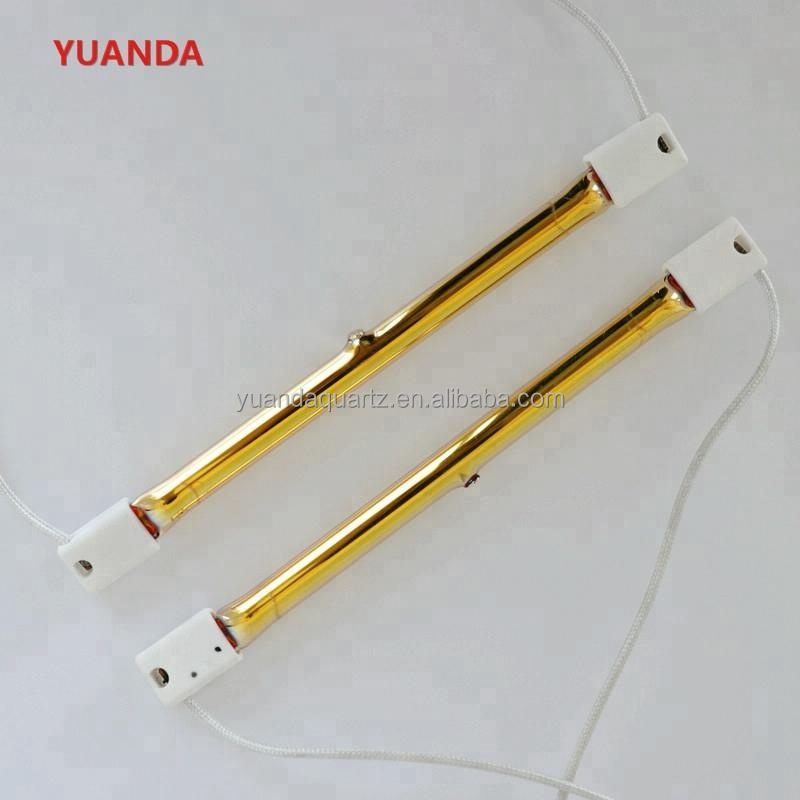
Tungsten halogen high-intensity emitter with customizable optical lengths, pinouts, and integrated ceramic reflectors.
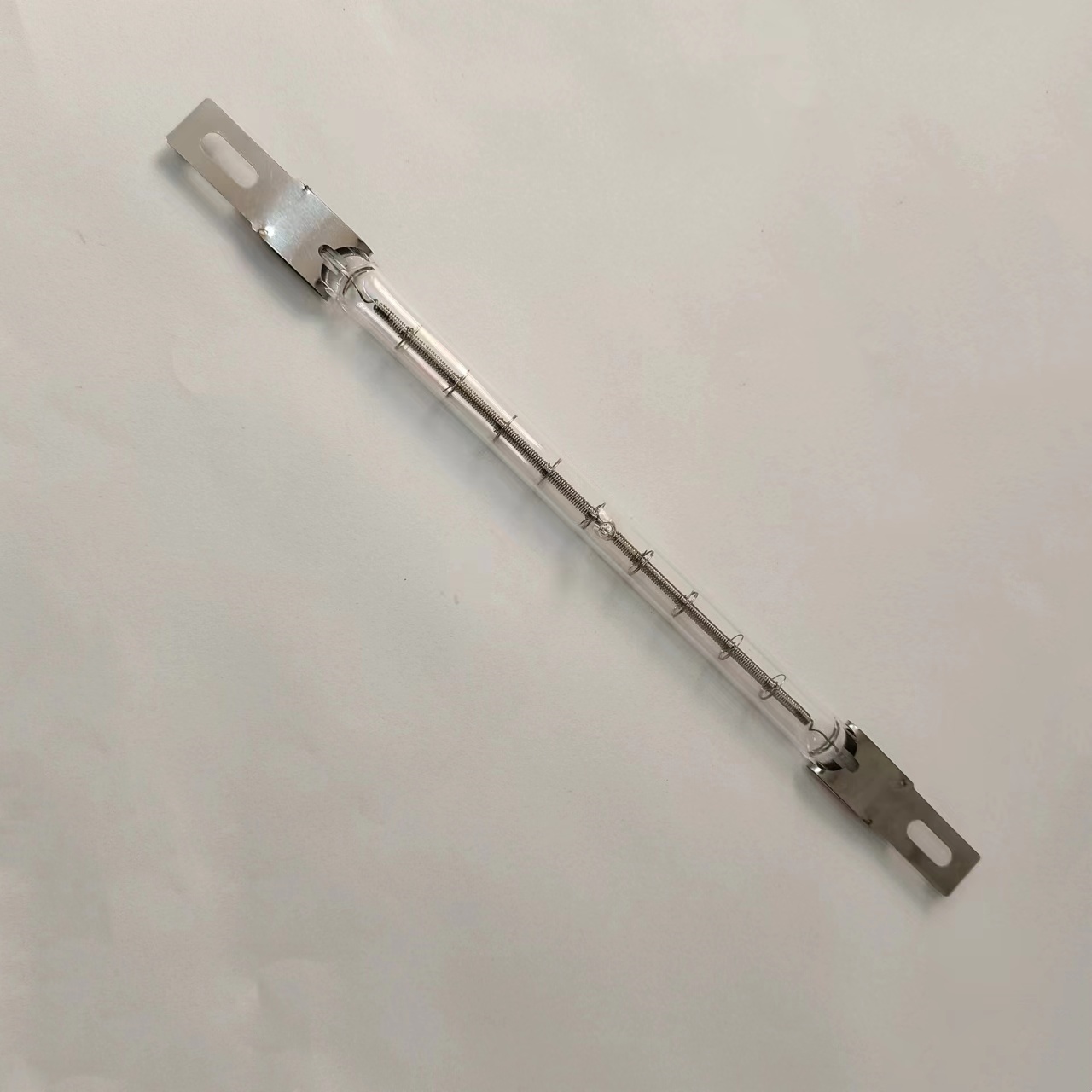
Clear precision fused quartz tube engineered with metallic retention end-caps for high-speed wide-format printing dryers.
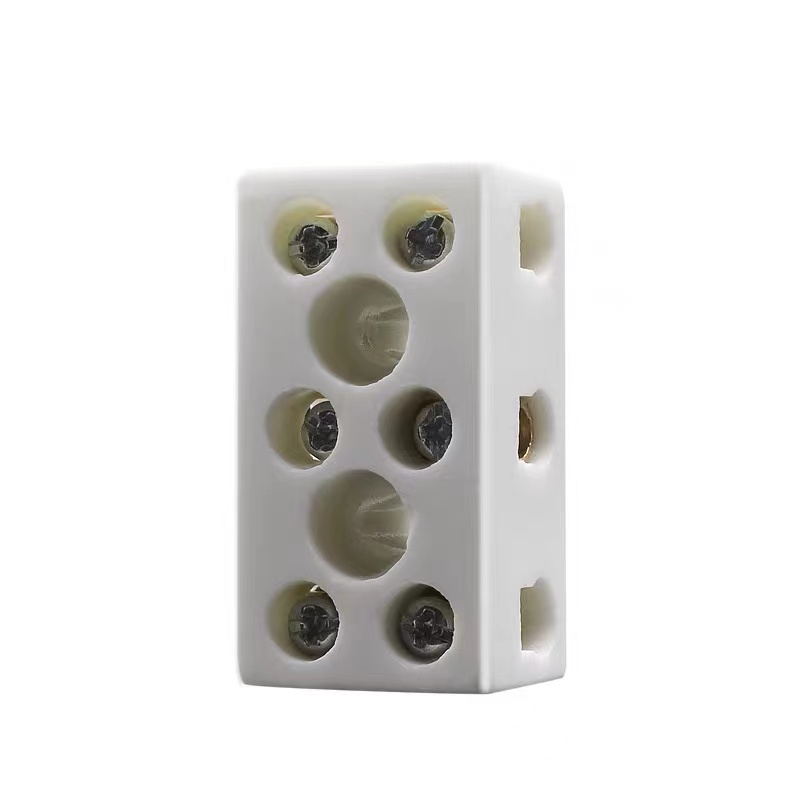
Dielectric high-alumina steatite terminal connectors rated for sustained operation in extreme thermal baking chambers.
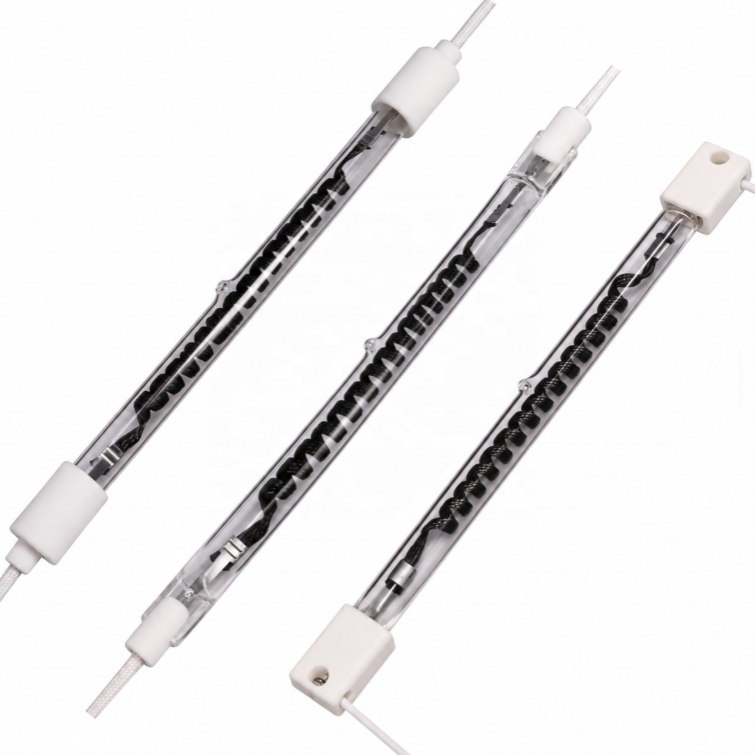
Optically balanced fused silica envelope transmitting a spectral peak around ~2.0 μm for plastic and composite lamination.
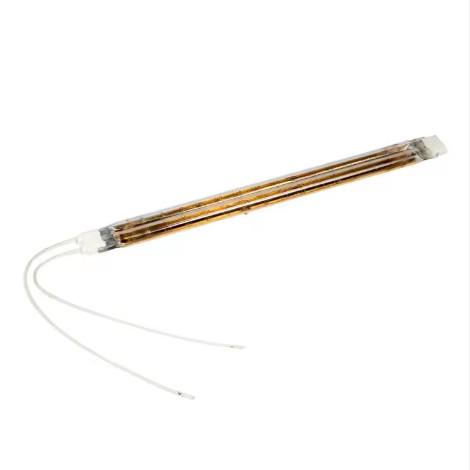
Twin-bore quartz substrate architecture with bonded half-gold mirror reflection, driving forward energy efficiency over 90%.
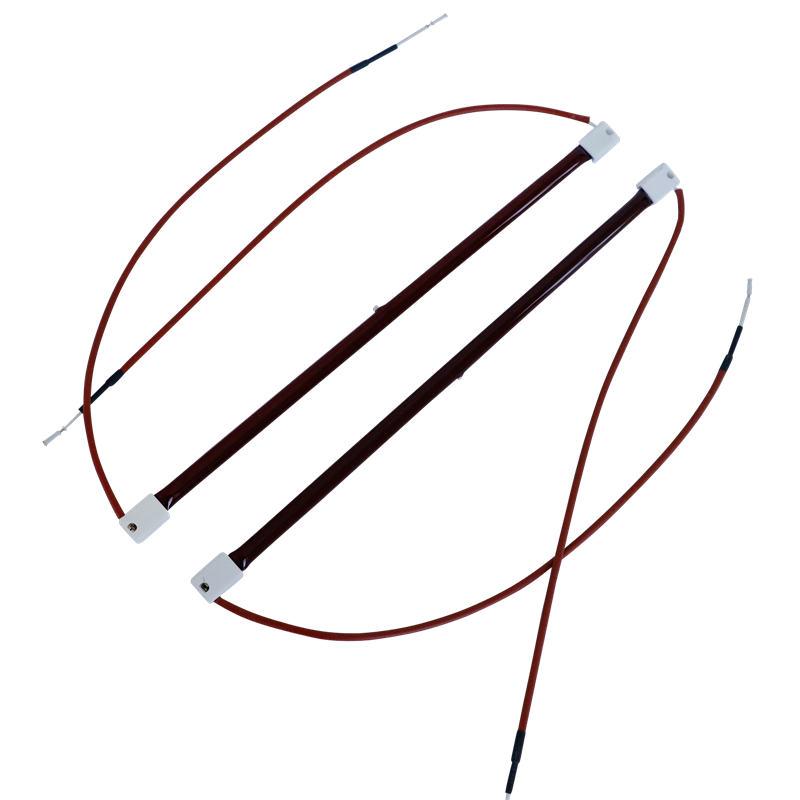
Durable ruby quartz crystal casing providing controlled, non-dazzling infrared thermal maintenance for environmental bays.
A technical guide to amorphous silicon dioxide (SiO2) substrate selection across advanced manufacturing, aerospace optics, and high-frequency microwave packages in North Texas.
The manufacturing ecosystem of Fort Worth—spanning the Alliance corridor, the Naval Air Station Joint Reserve Base defense complex, and surrounding tech hubs across Tarrant and Denton counties—places unique performance constraints on substrate engineering. As aerospace primes, defense sub-tier contractors, and microelectronics fabricators transition to tighter lithography nodes and higher microwave frequencies, standard borosilicate and alumina substrates fail to meet required tolerances. High-purity fused silica substrates (amorphous SiO2) have emerged as the foundational dielectric and optical standard.
Precision thermal stability is paramount for vacuum deposition, rapid thermal processing (RTP), and laser windows. Synthetic fused silica differs fundamentally from common industrial quartz or soda-lime glass due to its trace-metal impurity concentration (<10 ppm cumulative) and low coefficient of thermal expansion (CTE).
| Property Parameter | Synthetic Fused Silica (SiO2) | Fused Quartz (Natural) | Borosilicate Glass (D263/Pyrex) | Optical Sapphire (Al2O3) |
|---|---|---|---|---|
| Chemical Purity | > 99.999% SiO2 | > 99.99% SiO2 | ~81% SiO2, 13% B2O3 | > 99.99% Single Crystal |
| Thermal Expansion (CTE) | 0.52 × 10⁻⁶ / K | 0.55 × 10⁻⁶ / K | 3.25 × 10⁻⁶ / K | 5.3 × 10⁻⁶ / K |
| Max Working Temp (Continuous) | 1100 °C | 1050 °C | 450 °C | 1800 °C |
| Transmission Spectrum | 160 nm – 3500 nm (Deep UV-NIR) | 220 nm – 3000 nm (Near UV-IR) | 320 nm – 2500 nm | 150 nm – 5500 nm |
| Surface Roughness (Polished) | Ra < 0.5 nm (Super-Polished) | Ra < 1.0 nm | Ra < 1.5 nm | Ra < 0.3 nm |
Industrial demand for precision fused silica substrates within the North Texas region centers on four critical industrial segments:
Components deployed on advanced airframes, electro-optical targeting pods, and FLIR sensor windows manufactured throughout North Texas require fused silica's thermal shock immunity and high optical transmissivity in harsh environments.
With major chip fabrication expansions across North Texas, our high-purity polished substrates serve as critical carrier wafers, photolithography mask blanks, and inspectable optical flats for sub-micron surface topography.
High-throughput automated bottling lines, thermoforming facilities, and industrial composites processing plants in Tarrant County rely on our halogen and carbon quartz heating emitters to accelerate cycle times while conserving electrical consumption.
Analysis of changing procurement requirements driven by nearshoring, cleanroom standards, and defense supply chain resilience.
Manufacturing procurement in Fort Worth is experiencing significant shifts. Sourcing managers and optical systems engineers are prioritizing manufacturers that combine direct quartz synthesis capabilities with tight quality assurance protocols. Key regional trends include:
Combining primary quartz raw-material access with precision OEM fabrication and verified global logistics.
Situated in Lianyungang, home to the internationally recognized Donghai quartz processing cluster. This provides direct supply chain integration for raw crystalline silica and specialized hot-working glass craftsmanship.
Over 80% to 90% of total production output is exported to the United States, Germany, the Netherlands, Japan, and South Korea. Facilities and corporate operations are audited onsite by independent third-party verification agencies.
From single/twin-tube quartz configurations, gold/ruby/ceramic optical coatings, and custom wafer dimensions to specialized CNC edge-chamfering and biochemistry flow cells—built strictly to customer technical drawings.
Clear, technical answers to common queries raised by mechanical engineers, cleanroom facility buyers, and supply chain managers.