Engineering-Grade Infrared & Quartz Glass Assemblies
Direct supply from high-purity silica raw base clusters with verified thermal shock resistance, tight surface tolerance, and specialized transmission bands.
The Microstructural Imperative: Fused Silica Optimization in Tropical Marine Climates
Kota Kinabalu and the wider state of Sabah present unique operational envelopes for thermo-optical substrate materials. Industrial operators within the Kota Kinabalu Industrial Park (KKIP), marine research centers across Sepangar Bay, and precision processing facilities are constantly challenged by elevated relative humidity (consistently exceeding 80%) coupled with high atmospheric salt aerosol concentrations. Conventional borosilicate or soda-lime glass substrates rapidly degrade under these ambient conditions, exhibiting surface micro-fissuring, accelerated devitrification, and ionic leaching under heavy cyclic thermal loads.
High-purity fused silica sheets (SiO2 ≥ 99.99%) circumvent these fundamental chemical failure mechanisms. Synthesized via vapor-phase axial deposition or electric arc fusion of natural crystal sands in specialized clusters like Lianyungang, these components boast a near-zero coefficient of thermal expansion (α ≈ 5.5 × 10⁻⁷/K between 20°C and 1000°C). For Kota Kinabalu procurement managers sourcing sight glasses, infrared heating envelopes, analytical UV-vis spectroscopic windows, and autoclave process shields, selecting fused silica guarantees uninterrupted integrity against violent thermal shock gradients (ΔT > 1000°C quenching survival) while maintaining broad-spectrum optical clarity across deep ultraviolet (DUV) through mid-infrared (MIR) wavelengths.
| Property Parameter | Fused Silica (Optical JGS1 / JGS2) | Borosilicate Glass 3.3 | Soda-Lime Commercial Sheet |
|---|---|---|---|
| Continuous Working Temperature | 1100 °C | 450 °C | 250 °C |
| Peak Instantaneous Thermal Limit | 1450 °C | 500 °C | 300 °C |
| Thermal Expansion Coeff. (20-300°C) | 5.5 × 10⁻⁷ / K | 3.3 × 10⁻⁶ / K | 9.0 × 10⁻⁶ / K |
| Chemical Resistance (Saline Hydrolysis) | Class 1 (Superior Resistance) | Class 1 / 2 | Class 3 (Prone to Leaching) |
| Transmission Band Range | 185 nm – 3500 nm | 320 nm – 2500 nm | 380 nm – 2000 nm |
Strategic Deployments Across Kota Kinabalu & East Malaysia
Custom-fabricated quartz plates, inspection panels, and integrated infrared assemblies aligned with regional processing requirements.
KKIP Polymer & Preform Processing
In high-throughput bottling and stretch blow molding operations within the Kota Kinabalu periphery, precision short-wave infrared emitters paired with high-transmittance quartz plates prevent localized thermal shadows, securing optimal axial temperature distribution across PET preforms prior to blowing.
Marine & Bioanalytical Laboratories
Institutes located near the South China Sea coastline leverage our acid-insoluble, flame-polished fused silica flow cells, microfluidic plates, and observation viewports. The non-porous silica matrix completely resists bio-fouling and nitric/hydrochloric digestion protocols.
Semiconductor & Photovoltaic Assembly
Expanding solar installation maintenance and clean energy assembly lines require custom quartz plates, quartz carriers, and furnace tubes capable of sustaining clean, particulate-free operations without outgassing volatile alkali oxides under prolonged bake-out cycles.
High-Intensity Industrial Curing & Drying
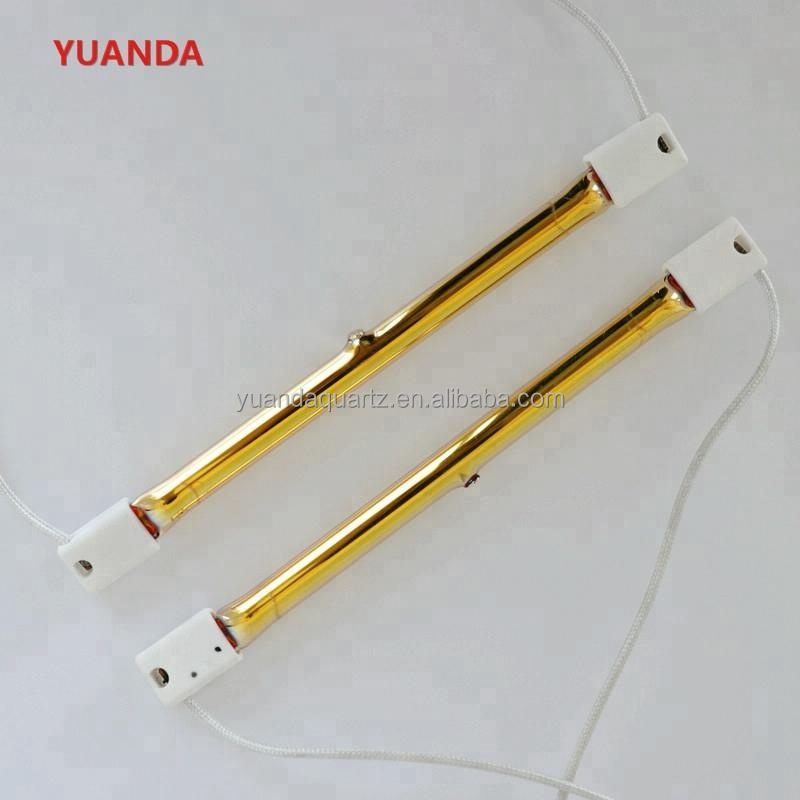
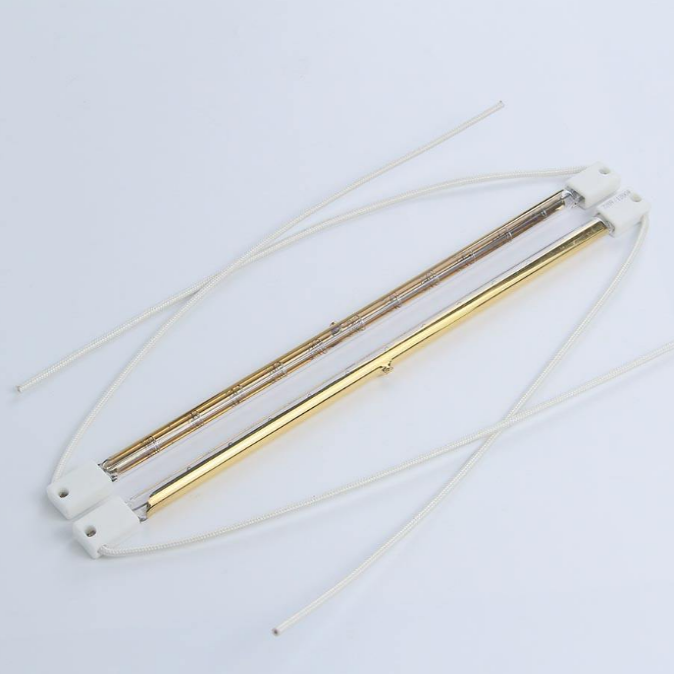
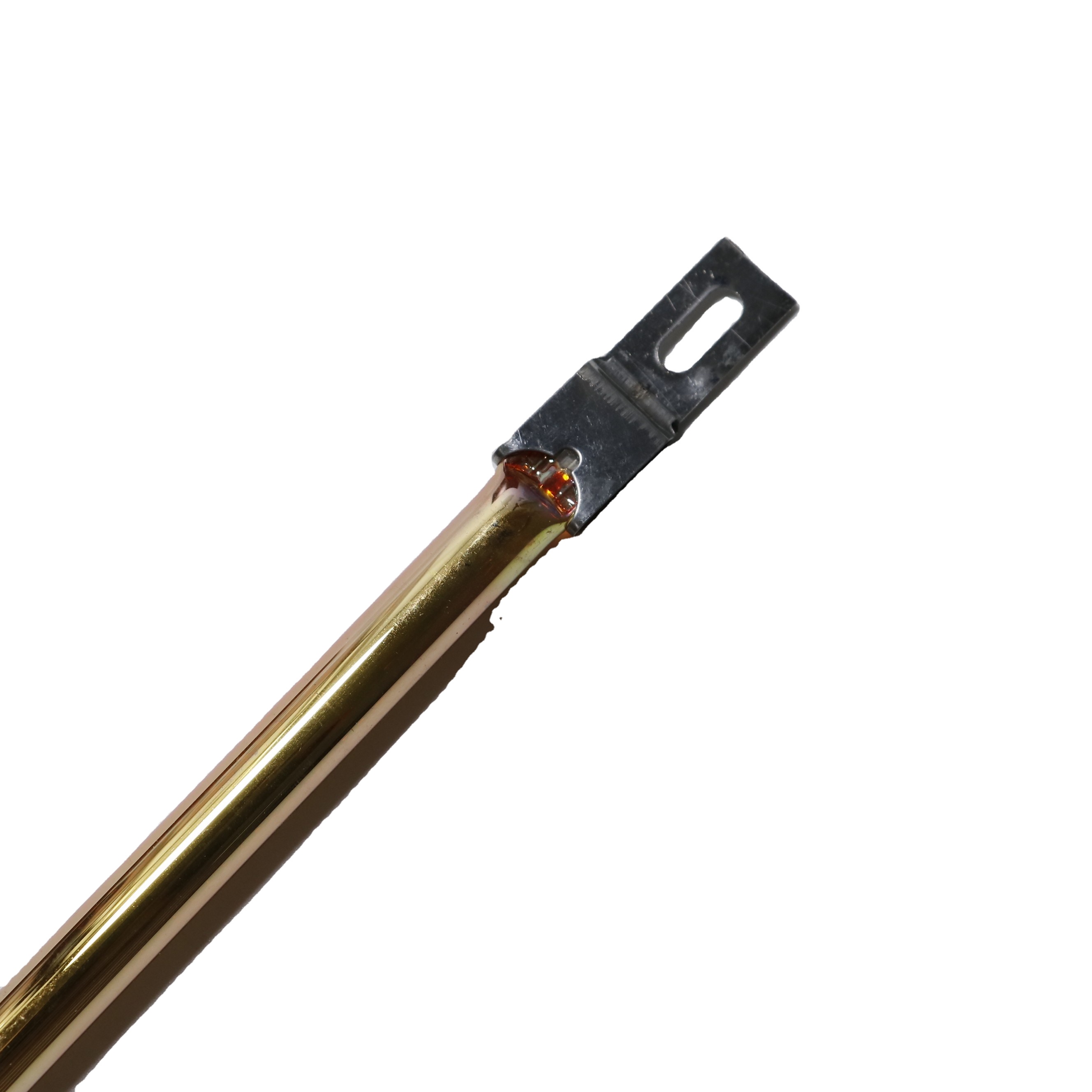
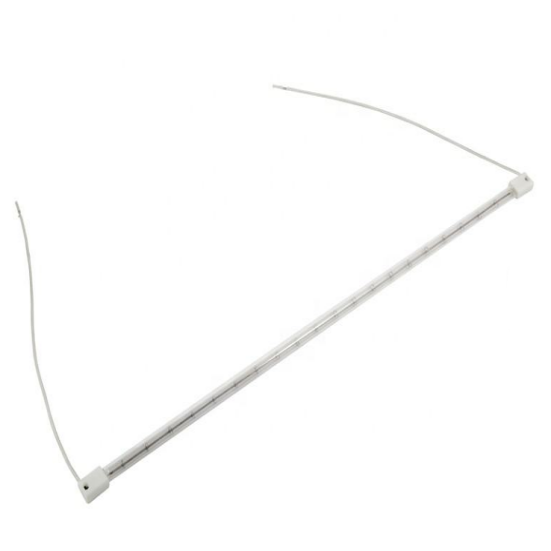
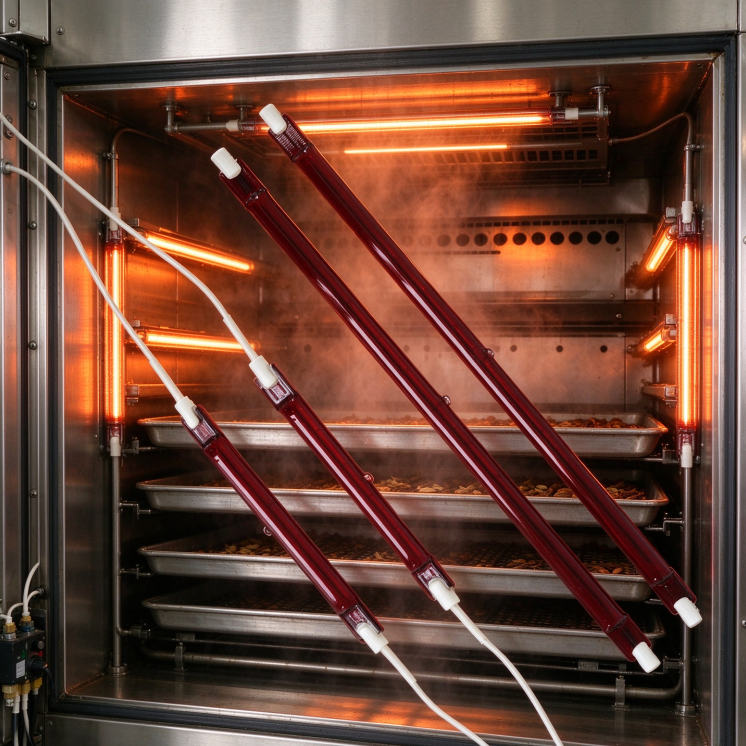
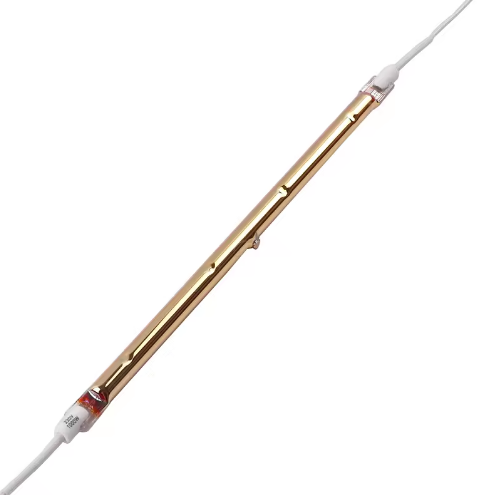
From industrial paint lines to textile print drying installations, our half-gold coated and ceramic-backed infrared radiators channel directional radiant power precisely toward wet substrates, cutting parasitic losses in tropical high-humidity drying tunnels.
High-Temperature Sight Glasses & Ovens
Foundries and palm oil biomass processing plants throughout Sabah require high-strength observation ports. Custom ground and polished fused quartz plates withstand corrosive combustion flue gases, mechanical pressures, and internal chamber excursions up to 1200°C.
Emerging Market Trends: Sustainable Manufacturing and Thermal Optimization in Sabah
As the state government of Sabah advances the Sabah Maju Jaya (SMJ) Development Plan, local manufacturing facilities are aggressively shifting toward decarbonization and operational efficiency. Traditional convective heat drying systems, which rely on heavy hydrocarbon fuels or inefficient resistive elements, are inherently wasteful, losing over 45% of their total thermal energy to the humid tropical atmosphere. The migration toward localized, targeted short-wave and carbon-fiber medium-wave infrared heating systems is accelerating.
Simultaneously, downstream mineral and agro-industrial sectors around Kota Kinabalu are modernizing testing infrastructure. Quality verification of agricultural derivatives, crude palm oil (CPO) fractions, and environmental monitoring of marine zones demands analytical instrumentation equipped with pure silica optics capable of UV cutoff thresholds as low as 185 nm. By establishing a direct, agile export corridor from our manufacturing base in Lianyungang directly to Kota Kinabalu Port (Sepangar Container Port), local engineers bypass multi-tiered intermediary markups, securing factory-certified quartz components matched to exacting drawings within days.
Manufacturing Competence: Sourcing Directly from Lianyungang's Premier Cluster
Kavri Quartz Product Co., Ltd. operates in Lianyungang, Jiangsu Province—the epicenter of global quartz crystal extraction and refining. This strategic geographic proximity gives us uncompromised access to ultra-low hydroxyl (OH) synthetic and natural quartz feedstocks. Unlike pure commercial trading intermediaries, we operate three specialized in-house production lines encompassing precision inner/outer diameter drawing, diamond-wheel surface grinding, optical flame polishing, and vacuum chemical coating.
Every fused quartz sheet, sight glass disc, and infrared heater tube exported to the Kota Kinabalu market undergoes a strict multi-tier quality assurance protocol. We verify electrical parameters on dedicated test benches, measure filament runout with digital optical comparators, inspect spectral transmission curves with UV-Vis-NIR spectrophotometers, and stress-test quartz plates via polarization polariscopes to confirm zero internal annealing residue. Sourcing through our direct export department guarantees total batch-to-batch traceability, comprehensive material certification sheets (RoHS, REACH), and bespoke crating designed specifically for trans-oceanic transit across the South China Sea.
Frequently Asked Questions: Kota Kinabalu Industrial Sourcing
Direct answers for purchasing heads, plant maintenance teams, and mechanical system designers.
Q: How do you prevent freight breakage during shipping to Kota Kinabalu?
We utilize multi-tiered impact dampening systems specifically engineered for delicate quartzware. Each fused silica sheet or emitter tube is hermetically sealed, cushioned in shock-absorbent custom EPE foam matrices, and encased in rigid multi-layer plywood export crates compliant with ISPM 15 standards for smooth clearance at Sepangar Bay.
Q: Can you fabricate custom fused silica sheets to non-standard shapes and hole profiles?
Yes. Utilizing precision CNC ultrasonic milling and diamond wire cutting, we machine custom hole cutouts, beveled edges, step profiles, and tight thickness tolerances (±0.05 mm) based entirely on your AutoCAD, SolidWorks, or PDF technical dimensional drawings.
Q: What is the difference between JGS1, JGS2, and JGS3 quartz plates?
JGS1 is synthetic fused silica with zero bubble inclusions, optimal for deep UV optics down to 185 nm. JGS2 is natural fused quartz offering superior transmission throughout 260 nm to 2500 nm, standard for industrial windows and sight glasses. JGS3 provides enhanced transparency across the infrared spectrum (transmitting up to 3500 nm).
Q: What are typical lead times and supported Incoterms for Kota Kinabalu deliveries?
We support FOB, CFR, CIF, EXW, and DDP terms directly into Sabah. Prototypes or emergency replacement orders can be expedited via air express (DHL/FedEx) within 5–7 business days, while volume maritime shipments ship via direct sea route to Kota Kinabalu within 12–16 days post-production.
Q: How do I determine whether to replace my line with Halogen or Carbon Fiber IR emitters?
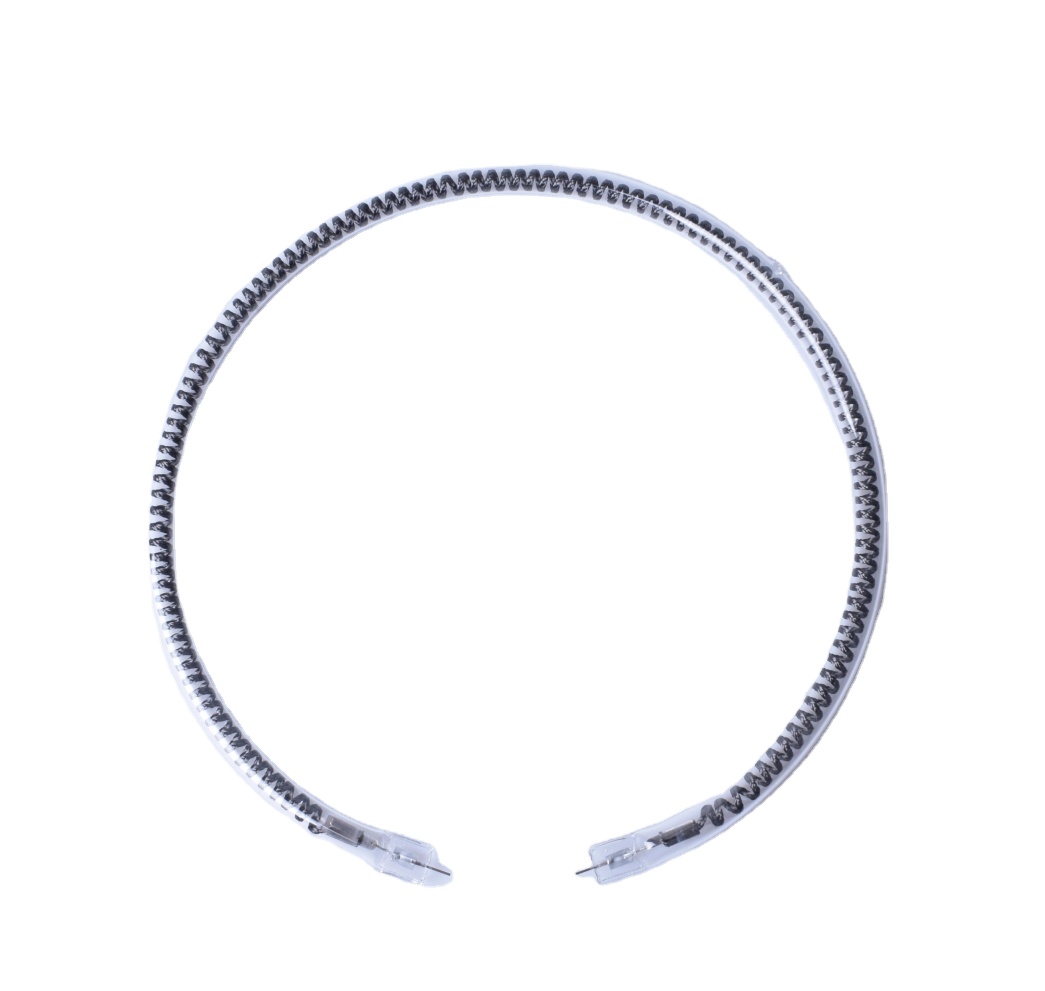
Short-wave halogen emitters (peak at 1.0–1.2 µm) provide rapid penetration suitable for deep substrate heating, such as thick plastics and metal paints. Medium-wave carbon fiber emitters (peak ≈ 2.0 µm) are absorbed immediately by surface moisture, water-based finishes, and bulk polymers, optimizing drying efficiency with reduced ambient air waste.
Q: What is the Minimum Order Quantity (MOQ) for replacement quartz plates or lamps?
Our standard production runs begin at just 8 to 10 pieces for custom dimensional plates and industrial emitters, making trial modifications, machine overhauls, and routine preventive maintenance orders highly cost-effective for local Sabah operations.
Consult with Our Technical Quartz Specialists Today
Have an existing equipment blueprint, replacement sight glass dimension, or an industrial drying process requiring optimization? Connect directly with our engineering team for immediate review and formal quotations.
Send an Inquiry