Featured Quartz Rods & Industrial Infrared Emitters
Direct factory-manufactured fused silica components, quartz tubular envelopes, and industrial process emitters optimized for high-temperature stability, optical clarity, and low coefficient of thermal expansion.
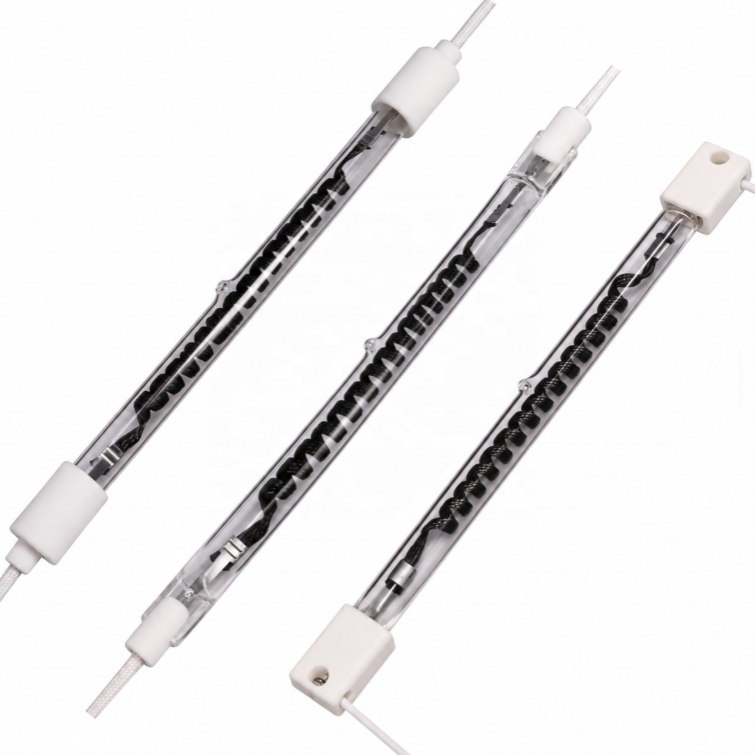
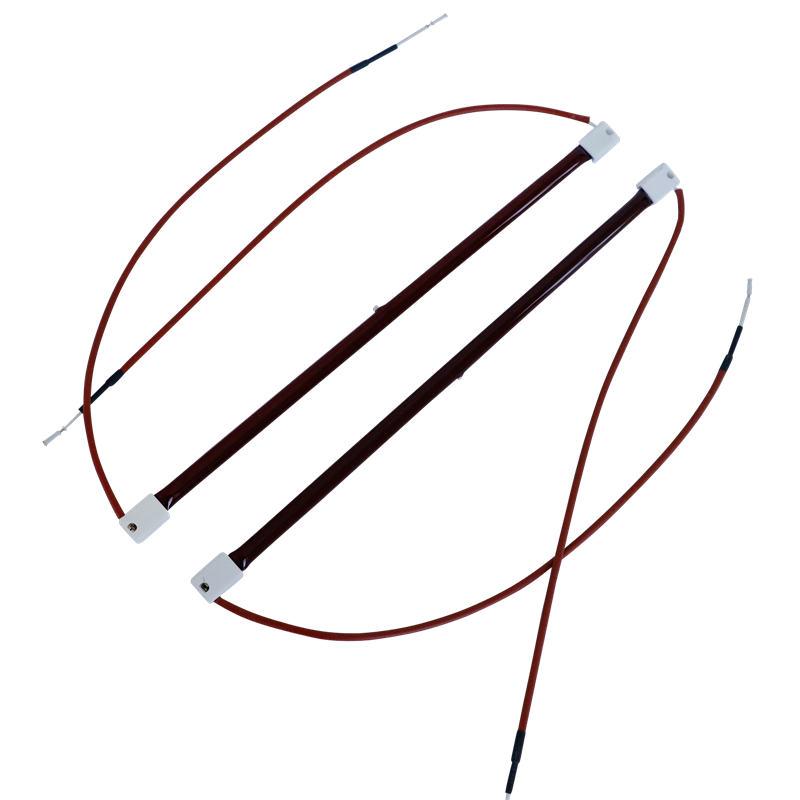
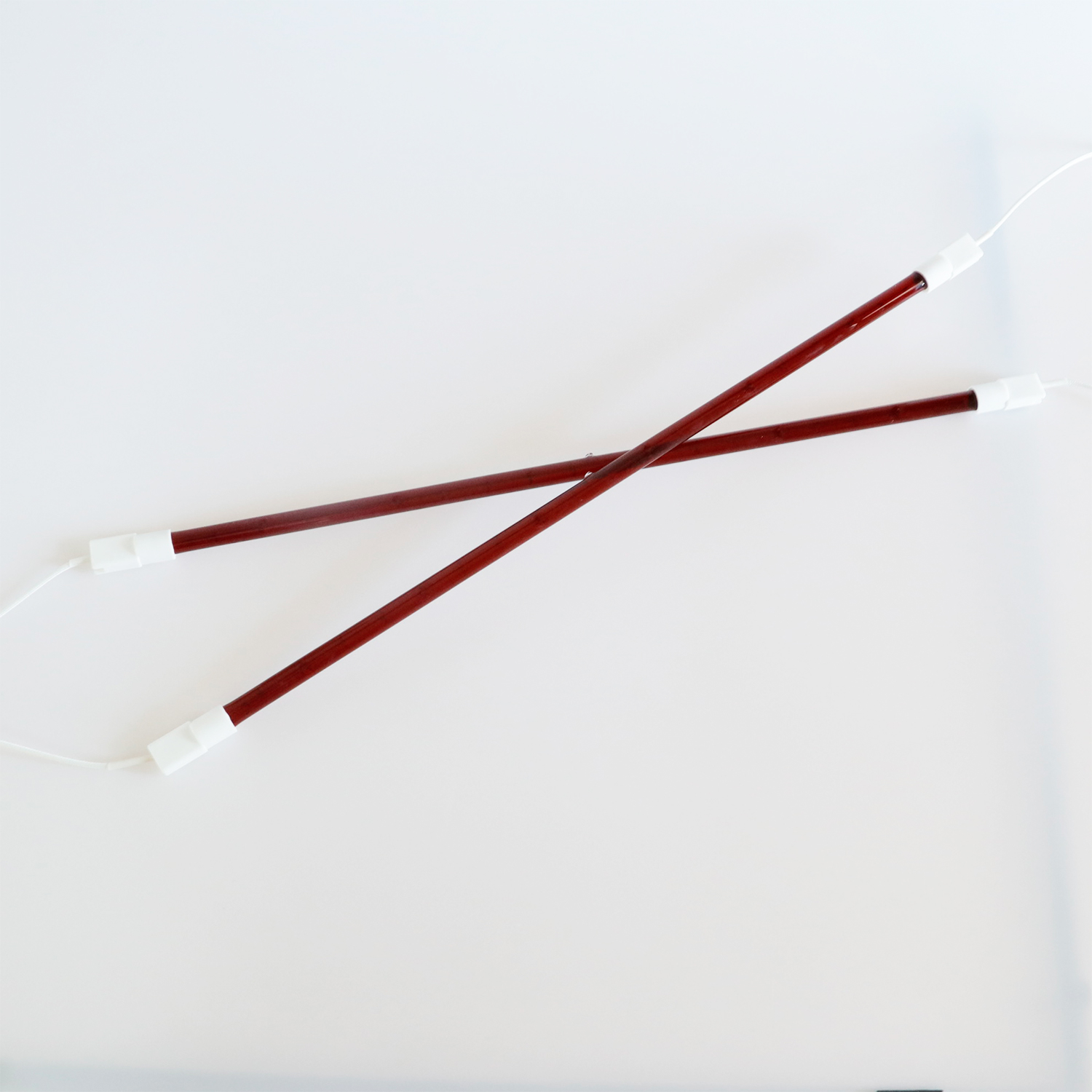
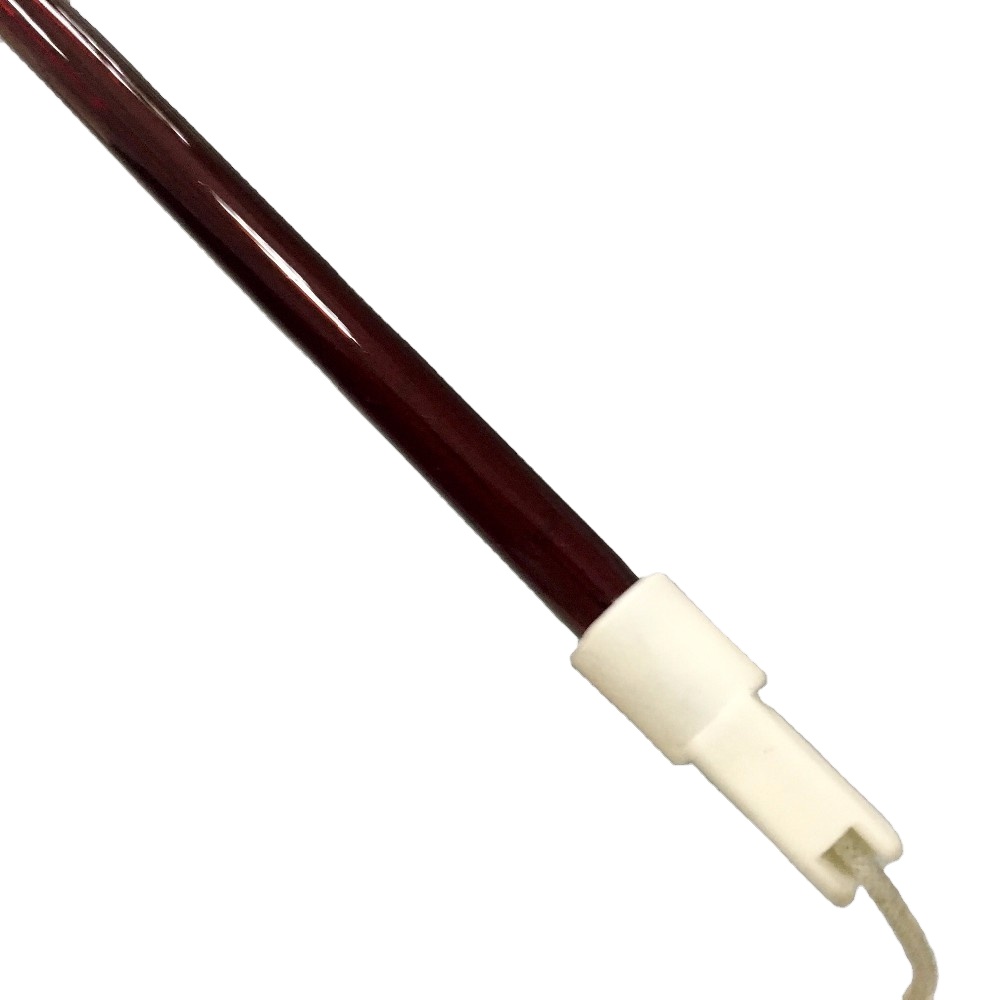
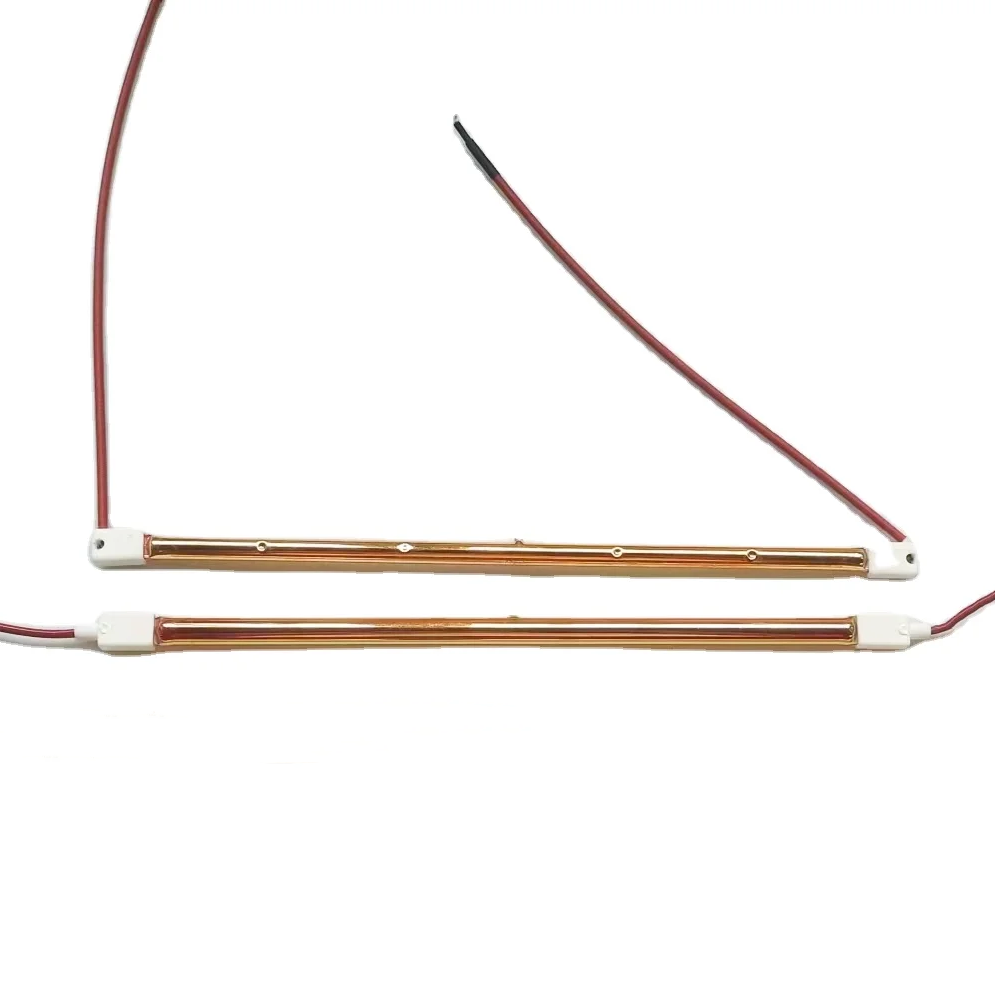
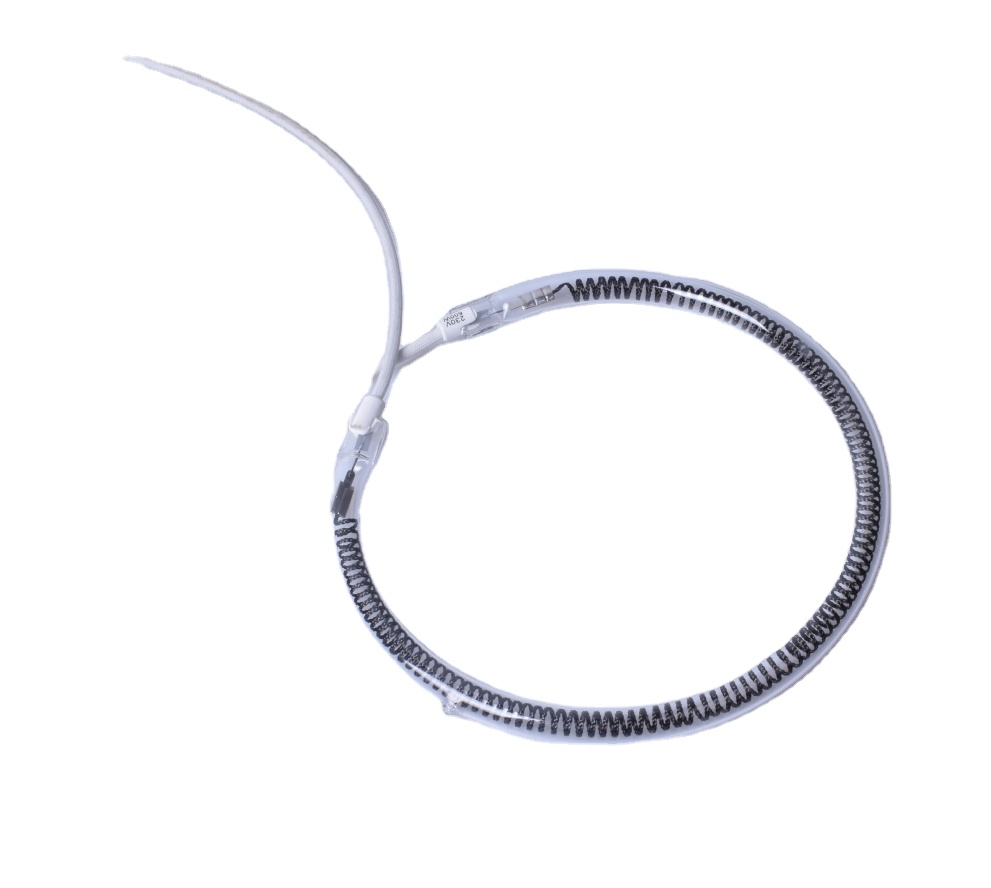
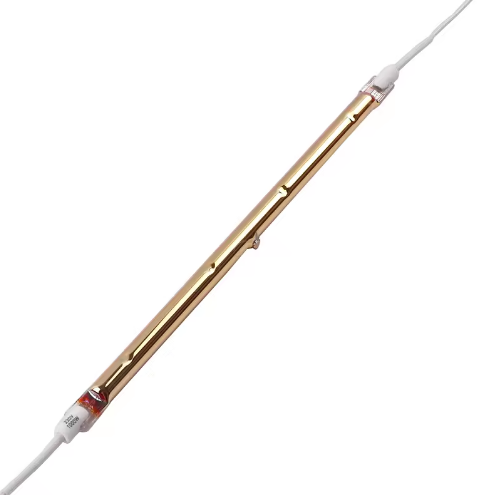
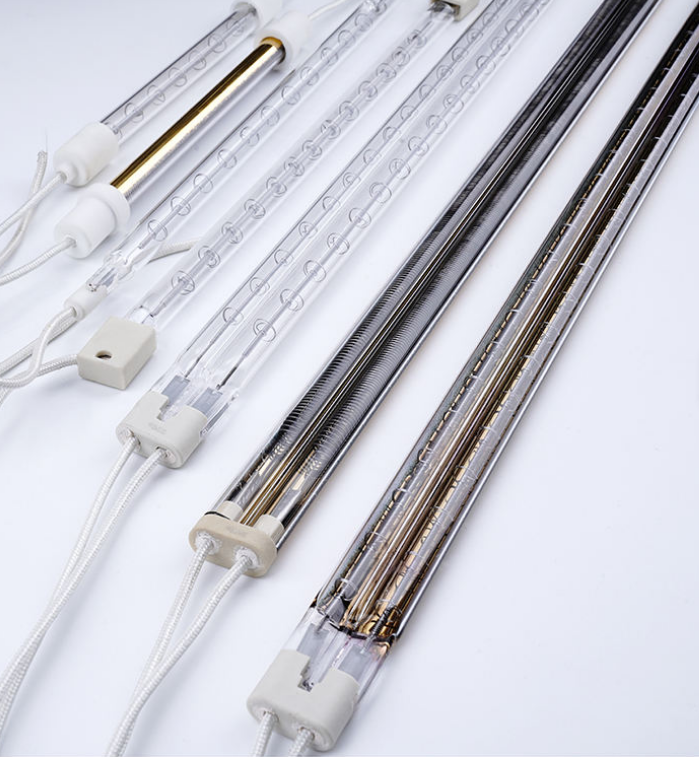
Industrial & High-Tech Applications Across Jacksonville, Florida
Jacksonville stands as Northeast Florida's epicenter for advanced logistics, aerospace manufacturing, precision defense contracting, and biomedical engineering. Here is how our fused silica rods and specialty quartz heating elements integrate into First Coast production ecosystems.
Aerospace & Defense (Cecil Field & NAS JAX)
In aerospace testing and defense assemblies clustered near Cecil Commerce Center, fused silica rods serve as critical thermal barriers, dielectric spacers, and laser guide rods. Their near-zero thermal expansion coefficient prevents dimensional skew under dramatic thermodynamic spikes experienced in turbine test rigs and flight guidance avionics.
Marine Coating & Naval Ship Repair
Operating out of the Port of Jacksonville (JAXPORT) and Mayport naval repair yards, industrial refitters depend on heavy-duty quartz rods and short-wave ruby halogen heaters for deep-curing anti-corrosion marine epoxies and polyurea coatings in high-humidity littoral environments where ambient curing fails to cross-link correctly.
Biomedical Research & Clinical Diagnostics
Jacksonville's renowned medical corridor (including Mayo Clinic Florida and UF Health Jacksonville) utilizes synthetic fused silica capillary rods and quartz flow cells for automated blood analyzers, spectrophotometers, and chromatography scanners requiring zero fluorescence and superior deep-ultraviolet (DUV) light transmission down to 190 nm.
Fused Silica Rod Engineering White Paper: Material Science & Production Integrity
Fused silica ($SiO_2$) represents the apex of structural and optical glass technology. Unlike standard borosilicate or soda-lime glass, fused silica is produced by fusing high-purity natural silica sand or synthesized silicon tetrachloride ($SiCl_4$) gas in a continuous electric resistance or hydrogen-oxygen flame fusion furnace at temperatures exceeding 2000°C. The resulting amorphous matrix exhibits an exceptionally low thermal expansion coefficient ($5.5 \times 10^{-7} \text{K}^{-1}$), rendering it practically impervious to thermal shock.
A heated fused silica rod at 1100°C can be dropped directly into ice water without structural failure or micro-fracturing. For mechanical, electrical, and optical engineers procuring components for Jacksonville assembly lines, understanding the distinction between natural quartz rods and synthetic fused silica rods is vital:
- Thermal Fused Quartz Rods (Natural Grade): Formed from crystalline pegmatite quartz quartzites. Boasts exceptional dimensional stability, high continuous working temperatures (1150°C), and trace metal impurities maintained below 20 ppm. Ideal for structural supports in high-temperature vacuum furnaces, semiconductor boats, diffusion carriers, and industrial heating envelopes.
- Synthetic Fused Silica Rods (Optically Clear Grade): Chemically synthesized via chemical vapor deposition (CVD). Free from bubble inclusions (Class 0 bubble specification) with an OH content tailored specifically for deep UV transmission (190–350 nm) or low-OH IR passbands (up to 3.5 µm). Ideal for laser collimators, light piping, high-flux optical switches, and fiber draw preforms.
- Capillary and Multi-Bore Precision Rods: Extruded under micro-stepper computer-controlled pulling towers to guarantee inner-to-outer diameter concentricity within ±0.005 mm, serving Jacksonville fluidic, sensor, and optical interconnect manufacturers.
Jacksonville Regional Logistics & Just-In-Time (JIT) Supply Chain Advantages
Because quartz and fused silica rods are brittle goods susceptible to transit micro-fracturing when incorrectly packaged, our direct-to-Jacksonville supply chain integrates military-grade multi-layer shock mitigation: heavy-wall vacuum polyethylene sleeving, continuous closed-cell polyethylene foam beds, and export-certified fumigated plywood crating engineered for maritime intermodal freight arriving via JAXPORT or express air freight into Jacksonville International Airport (JAX).
Jacksonville procurement managers benefit from direct factory pricing bypassing secondary US distributors, complete batch mill inspection reports, full melt certificates, and standardized shipping under DDP (Delivered Duty Paid), CIF, or FOB parameters, drastically reducing warehouse holding costs for recurring manufacturing runs.
Fused Silica Rod Technical Specification Benchmark
Comprehensive physical, thermal, mechanical, and optical parameters for precision manufacturing.
| Characteristic / Parameter | Standard Optical Fused Silica | Semiconductor / Furnace Grade | High-Purity Synthetic Grade |
|---|---|---|---|
| Purity ($SiO_2$ Content) | ≥ 99.99% | ≥ 99.998% | ≥ 99.9999% |
| Coefficient of Thermal Expansion (CTE) | $5.5 \times 10^{-7} / \text{K}$ ($20–320^\circ\text{C}$) | $5.4 \times 10^{-7} / \text{K}$ ($20–320^\circ\text{C}$) | $5.2 \times 10^{-7} / \text{K}$ ($20–320^\circ\text{C}$) |
| Continuous Working Temperature | 1100 °C | 1150 °C | 1200 °C |
| Softening Point / Annealing Point | 1680 °C / 1210 °C | 1710 °C / 1220 °C | 1730 °C / 1250 °C |
| Standard Diameters Available | Φ 1.0 mm – Φ 120 mm | Φ 2.0 mm – Φ 200 mm | Φ 0.5 mm – Φ 80 mm |
| Surface Finish Options | Fire-Polished / Ground | Fine Ground / Honed | Optical Polished (Ra < 0.5 nm) |
| Spectral Transmission Band | 260 nm – 2500 nm | 280 nm – 3000 nm | 190 nm – 3500 nm (DUV/IR) |
| Dielectric Strength ($20^\circ\text{C}$) | $25–40 \text{ kV/mm}$ | $25–40 \text{ kV/mm}$ | $45 \text{ kV/mm}$ |
Why Duval County & First Coast Engineers Partner With Us
Over a decade of precision quartz glass engineering, combined with world-class crystal cluster sourcing and lean direct-to-industry fulfillment.
Donghai Raw Quartz Purity
Based in Lianyungang, home to the Donghai silica hub, we hold direct access to superior quartz ore feedstock, guaranteeing uncompromised purity and lower supply friction than intermediary distributors.
Custom OEM & Drawing Precision
From single-prototype trial runs to 10,000-piece serial runs. We machine, centerless-grind, drill, slot, and fire-polish according to CAD / STEP / PDF blueprints with tight dimensional tolerances (±0.01 mm).
Rapid Quotation & Logistics
Our technical sales engineering team provides formal quotes, tolerance reviews, and material certificates within 4 business hours. We handle all customs and transport details straight to your Jacksonville facility door.
Comprehensive QA & Traceability
Every shipment undergoes laser micrometer diameter inspection, polariscope stress-birefringence verification, and spectral transmission spot-checks, accompanied by complete batch documentation.
Jacksonville's Industrial Evolution: The Accelerating Need for Advanced Quartz Materials
As Jacksonville accelerates its transition into an advanced manufacturing hub for the Southeastern United States, local operational landscapes are being reshaped by technological leaps across several core domains:
1. Solar & Semiconductor Clean Energy Investment: Florida's booming clean-tech corridors are fueling the installation of automated wafer-handling apparatus and high-temp solar thermal reactors, requiring quartz support rods capable of zero outgassing in high-vacuum environments.
2. Next-Gen Automotive Curing & Composites: With automotive parts manufacturing expanding around I-95 and I-10 corridors, factories are moving from traditional convective ovens to short-wave and medium-wave directional infrared systems. Fused silica tubular envelopes fitted with gold or ceramic back-reflectors cut curing times from 45 minutes down to 3 minutes, slashing plant kilowatt consumption by up to 52%.
3. Additive Manufacturing & Industrial 3D Printing: Jacksonville engineering labs are adopting laser powder bed fusion (LPBF) and stereolithography (SLA) systems where optical fused quartz rods serve as beam homogenization conduits, maintaining optical power densities without beam degradation or solarization.
Jacksonville Buyers' Frequently Asked Questions
Clear, definitive answers addressing lead times, material certs, shipping protocols, and custom specifications.
What is the transit lead time from your factory to Jacksonville, FL?
For urgent prototype batches or replacement heating lamps, express air delivery (via FedEx, DHL, or UPS Air) arrives at Jacksonville destinations within 4 to 7 business days following manufacturing. For bulk container freight and high-volume rod orders, sea freight routing into the Port of Jacksonville (JAXPORT) typically requires 22 to 28 days port-to-port, with customs clearance handled directly under DDP terms.
Can you customize fused silica rod ends (chamfered, threaded, fire-polished)?
Yes. We offer extensive end-finishing options based on your engineering drawings, including 45-degree bevels, ground radius ends, precision diamond-turned steps, mechanical slots, optical flame polishing, and flat-face laser-grade polishing to λ/4 flatness. Custom centerless grinding ensures diameter roundness across lengths up to 2500 mm.
How do you safeguard fragile quartz rods against damage during maritime or air freight?
We utilize an engineered three-tier cushioning procedure. Each rod is individually enclosed in static-free vacuum protective film, nestled inside form-fit high-density polyethylene foam cells, and packaged into reinforced, export-standard plywood cases. Our shipping breakage rate across transatlantic and transpacific routes remains below 0.1%.
Do you provide material test reports (MTR) and certificates of chemical compliance?
Every commercial production batch is accompanied by a Certificate of Conformance (CoC), raw quartz chemical purity analysis (detailing trace levels of Fe, Al, Ti, Ca, and OH radical concentrations), and optical transmission curves upon request, satisfying ISO, RoHS, and aerospace supply chain documentation standards.
What is the minimum order quantity (MOQ) for custom-profile quartz rods?
For standard clear fused quartz rod diameters (Φ 2 mm to Φ 30 mm), our MOQ starts at just 10 pieces, accommodating prototyping, equipment maintenance, and small-batch defense testing. Custom pull dimensions or complex CNC-ground geometries have low MOQs based on machine setup times.
Can your quartz infrared lamps retrofit existing paint-curing and PET machinery?
Absolutely. We build OEM drop-in replacements for all major European, Asian, and American blow molding and industrial oven brands. Simply provide the rated voltage, wattage, heated length, total length, cap termination (ceramic SK15, R7s, metal push-in, or lead wires), and reflector coating style.