High-Purity Quartz Vessels & Complementary Infrared Solutions
Explore our industrial-grade fused silica and high-response emitter systems. Manufactured according to rigorous ISO standards and tested under acute thermal shock regimens to guarantee long-lasting performance across demanding Caribbean environments.
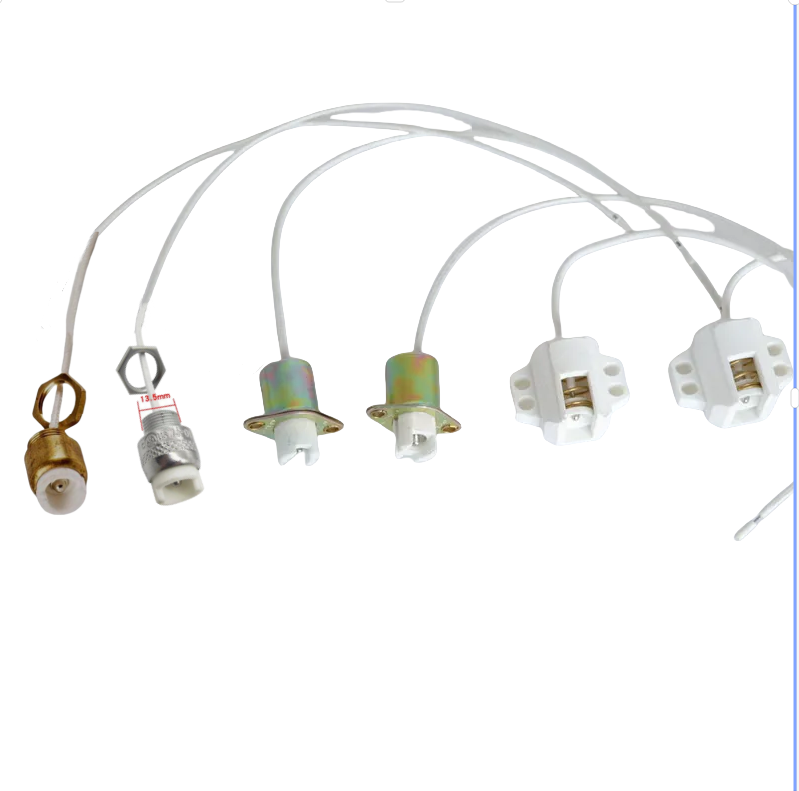
Halogen Infrared Heating Lamp R7S Ceramic Lamp Holder R7S Ceramic Lamp Holder
- High-Temp Ceramic
- R7S Universal Cap
- Rapid Contact
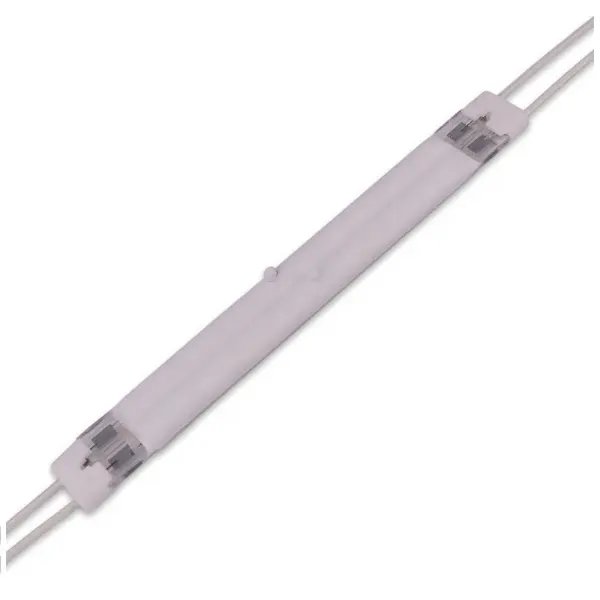
Halogen Half White Twin Tube Infrared Heating Lamp for PET Blowing Preheating
- Twin Tube Profile
- Ceramic Reflector
- Uniform Preheating
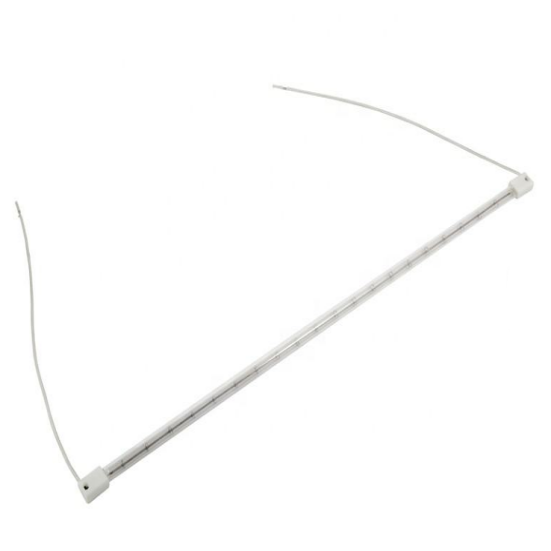
Low Price Infrared Heater Halogen Lamp Supports Customization for Textile Industry
- Custom Heated Length
- Energy Saving
- Quick Response
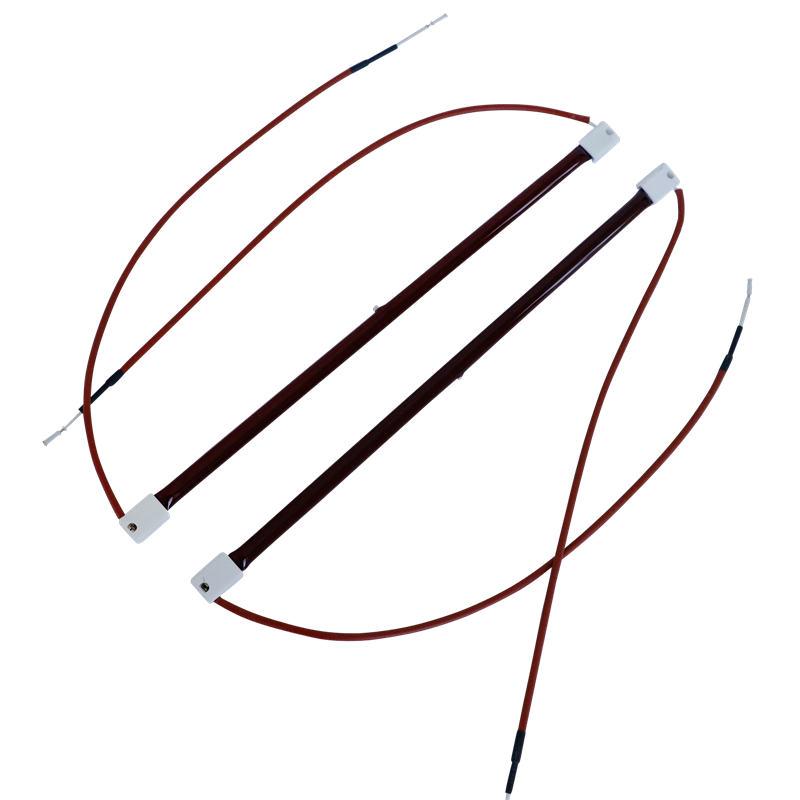
500w 220v High Quality Ruby Infrared Heating Lamp for Poultry Chicken and Duck Farm Heating
- Anti-Glare Ruby Tube
- 500W / 220V
- Thermal Brooding
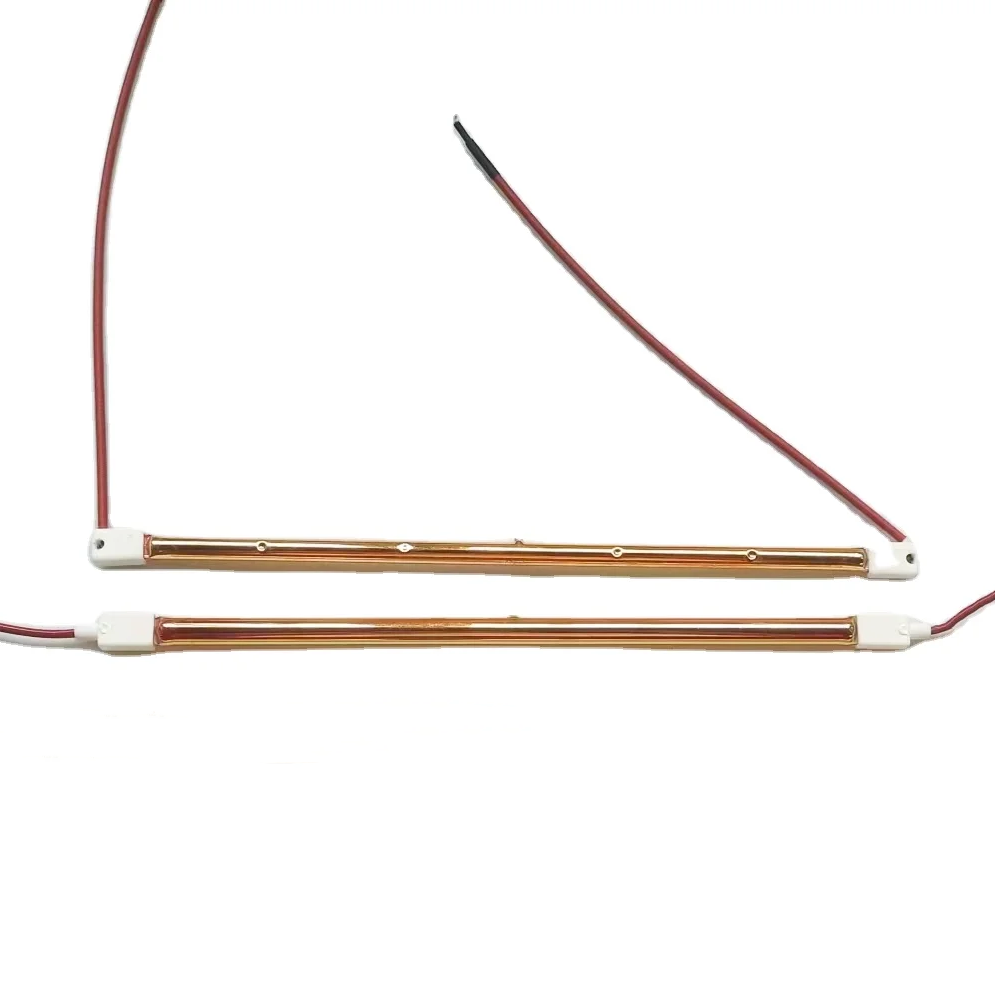
Direct Sells Industry Gold Coated Infrared Heating Lamp
- Pure Gold Reflector
- Directional Emitter
- Maximum Heat Flux
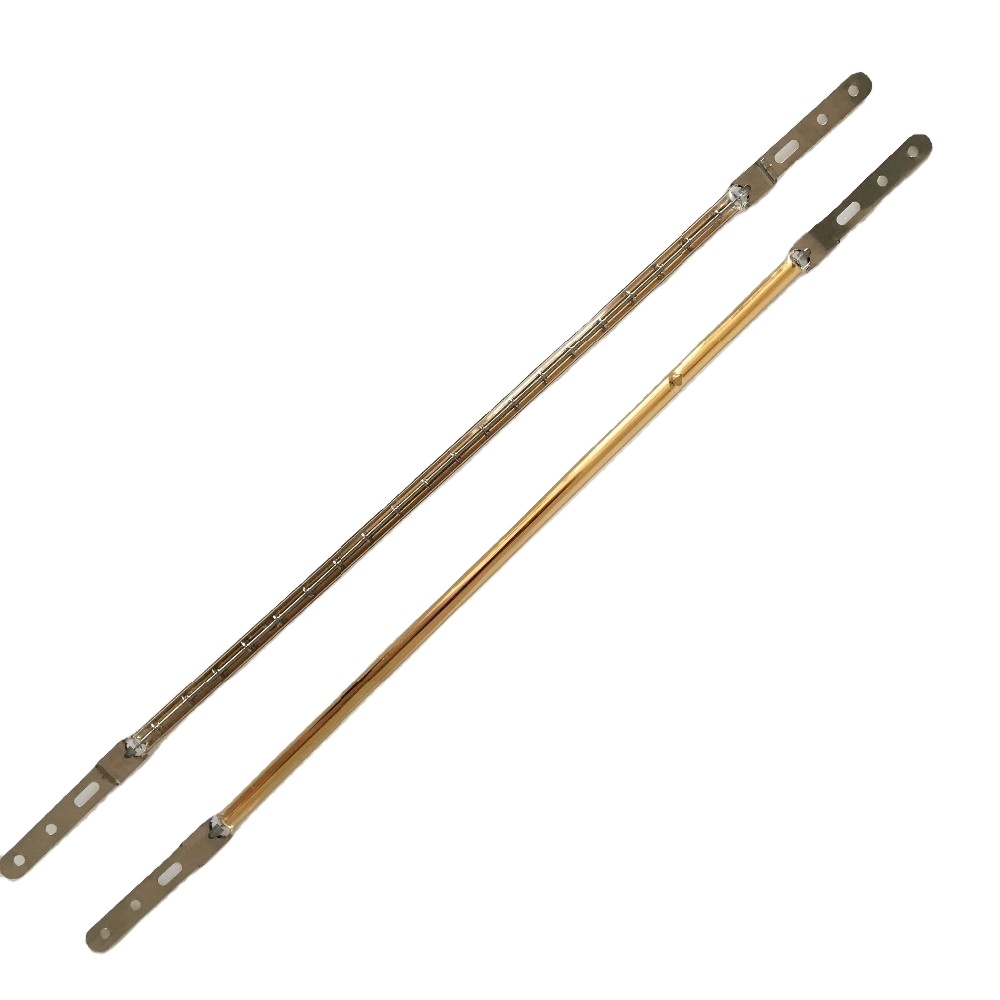
Halogen Quartz Half Gold Infrared Heating Lamps for Flash Dryer Screen Printing
- Short-Wave Fast Cycle
- Half-Gold Backing
- Textile & Screen Print
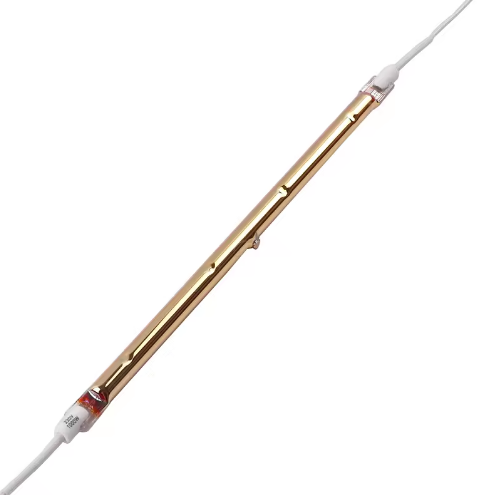
Stable Quality Gold Plated Quartz Infrared Heat Lamps for PET Manufacture
- Blow Molding Ready
- Gold Plated Shield
- Extended Lifespan
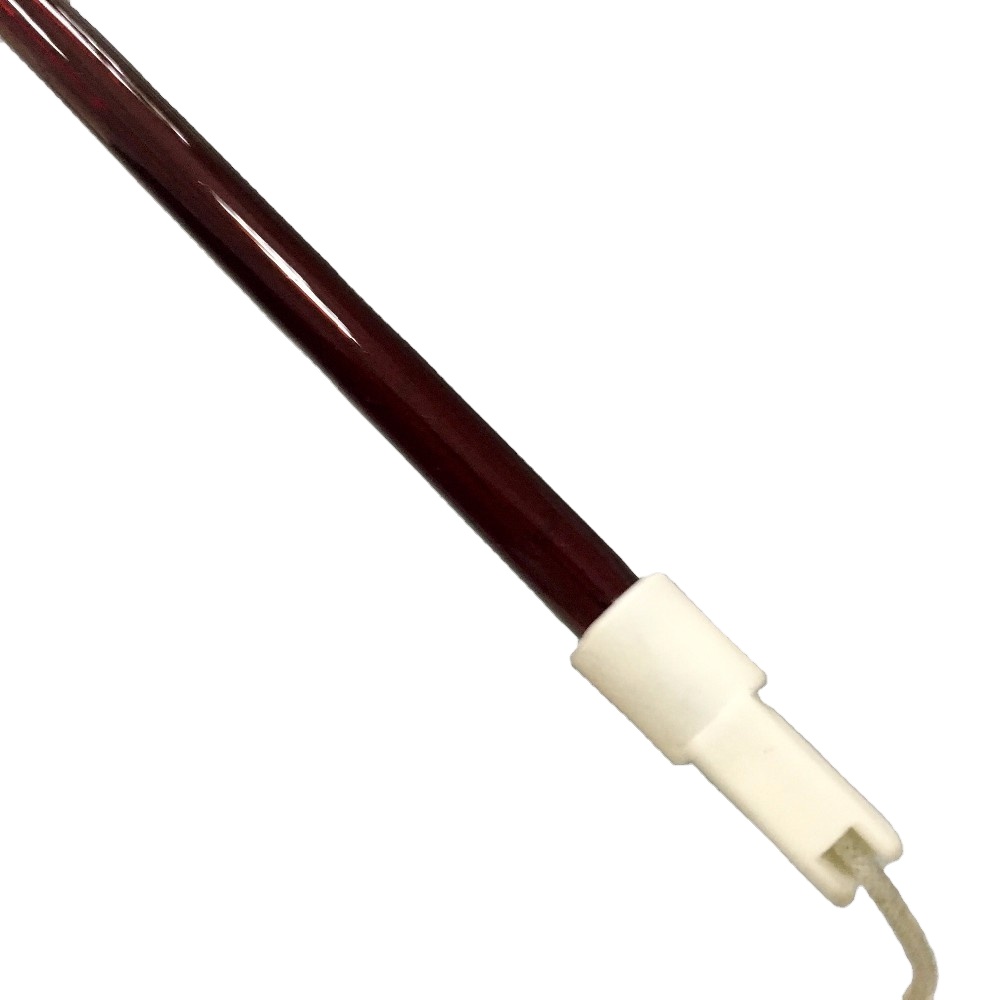
High Quality Ruby Infrared Heating Lamp for Poultry Chicken and Duck Farm Heating
- Shock Resistant Quartz
- Even Radiant Spread
- Animal Husbandry
Engineering Grade Fused Silica Quartz Crucibles: Thermodynamic Integrity & Structural Reliability
Fused silica quartz crucibles represent the pinnacle of high-temperature vessel technology in metallurgy, chemical synthesis, geothermal fluid processing, and advanced crystal growth. Manufactured primarily through arc fusion of high-purity natural silica sand or the slip-casting of precision-sintered fused silica grains, these crucibles deliver an unmatched combination of ultra-low thermal expansion, high operating temperature resilience, chemical inertness, and structural purity (≥ 99.99% SiO2).
For industrial processing facilities, academic research laboratories, and specialized metallurgical operations in Saint Lucia and the wider Eastern Caribbean region, selecting the correct crucible requires a thorough understanding of glass vitrification, thermal shock kinetics, and container-melt phase interactions. At continuous working temperatures surpassing 1100°C—and short-term operational spikes reaching 1450°C—conventional borosilicate, porcelain, or basic clay-graphite vessels fail either by thermal cracking or molten contamination. Fused silica overcomes these limitations by virtue of its amorphous molecular network.
Microstructural Morphology: Transparent Fused Quartz vs. Opaque Sintered Silica
Industrial procurement teams must differentiate between clear fused quartz (fabricated via continuous gas or electric fusion) and slip-cast opaque fused silica crucibles:
1. Clear Fused Quartz Crucibles: Characterized by exceptional optical clarity, smooth non-porous interior surfaces, and near-zero bubble counts. They are ideal for precious metal analysis, chemical digestion in geothermal sampling, and analytical chemistry where visual observation of the melt meniscus and absolute chemical non-reactivity are essential. Their non-wetting properties toward precious metal alloys prevent liquid adhesion during pouring.
2. Opaque / Ceramic Sintered Silica Crucibles: Produced via high-pressure slip-casting followed by controlled vacuum sintering. The resulting structure contains uniformly distributed closed micro-porosities that provide superior thermal insulation and enhanced resistance to devitrification when in contact with alkaline slag or basic fluxes. These crucibles are standard workhorses in induction casting, non-ferrous foundry operations, and high-throughput material testing.
| Physical / Thermal Parameter | Fused Silica (Clear Quartz) | Sintered Silica (Ceramic Crucible) | Standard Alumina / Clay Refractory |
|---|---|---|---|
| Silica Purity (SiO2 Content) | ≥ 99.99% | ≥ 99.70% | 40% – 65% (Al2O3 / SiO2) |
| Continuous Service Temperature | 1100 °C – 1150 °C | 1100 °C – 1200 °C | 950 °C – 1050 °C |
| Maximum Peak Exposure | 1450 °C | 1350 °C – 1400 °C | 1150 °C |
| Thermal Expansion (CTE) | 5.5 × 10⁻⁷ / K | 5.8 × 10⁻⁷ / K | 45 – 80 × 10-7 / K |
| Thermal Shock Tolerance | Superior (Quench from 1100°C) | Excellent (Rapid induction cycles) | Moderate to Poor (Requires slow preheat) |
| Chemical Inertness | Resistant to acids (except HF/H3PO4) | Resistant to neutral/acidic melts | Vulnerable to aggressive corrosive slag |
Controlling Devitrification in High-Humidity Island Climates
Saint Lucia’s humid tropical maritime environment poses unique thermodynamic considerations for high-temperature refractory glass. Devitrification—the phase transformation of amorphous fused silica into crystalline cristobalite—accelerates at temperatures above 1150°C, particularly in the presence of surface contamination such as alkaline ions (Na+, K+) present in sea-salt aerosols. When cristobalite cools through its alpha-to-beta transition at 220°C–270°C, an abrupt 2.8% volume change occurs, inducing mechanical stress and micro-cracking.
To eliminate premature failure, our export-grade crucibles for Saint Lucia undergo proprietary fire-polishing and protective vacuum-sealed packaging with vapor-phase desiccant barriers. Furthermore, our technical manuals provide local operators with exact furnace preheat and cleaning protocols to sustain maximum crucible campaigns over extended thermal cycles.
Localized Applications of Fused Silica Crucibles in Saint Lucia
Examining how high-purity quartz containers and companion thermal emitter systems empower key industries, renewable development projects, and testing facilities across Castries, Vieux Fort, and the Soufrière basin.
1. Geothermal Mineral & Fluid Characterization
With Saint Lucia aggressively driving the Soufrière Geothermal Development Project, fused silica quartz crucibles are critical for dry-ashing, acid decomposition, and trace-element spectroscopic preparation of geothermal brine and volcanic rock cores. Their resistance to aggressive sulfur-bearing fluids and trace metals prevents sample cross-contamination during ICP-OES and AAS analytical testing.
2. Environmental & Marine Water Testing Labs
Facilities under the Saint Lucia Bureau of Standards (SLBS) and environmental testing units depend on analytical quartzware. Fused quartz crucibles provide the zero-leaching baseline required to test ocean sediments, coral reef runoff, and desalination brine for micro-pollutants, heavy metals (Pb, Cd, Hg), and silica concentrations without vessel contamination.
3. Caribbean Solar PV & Clean Energy Assemblies
As Saint Lucia implements its National Energy Transition Strategy (NETS), high-temperature quartz crucibles and halogen infrared heating lamps play complementary roles. Sintered crucibles facilitate high-purity silicon ingot and dopant melting tests, while our gold-coated twin-tube IR emitters accelerate thermal curing of solar cell EVA encapsulants and protective coatings.
4. Artisanal Gold Casting & Precious Metallurgy
Saint Lucia’s vibrant tourism and duty-free luxury sector sustains skilled metallurgical craftsmen and jewelry restoration foundries. Transparent quartz crucibles ensure clean, contamination-free melting of fine gold (24k/18k), silver, and platinum alloys. Because molten metal does not adhere to high-purity fused silica, casting yields remain at 99.9% recovery.
5. Industrial Packaging & Beverage PET Production
Bottled spring water and rum production are primary manufacturing sectors in Saint Lucia. Fused quartz heating elements and half-white twin-tube IR lamps deliver uniform preheating for blow molding PET preforms, preventing bottle sidewall thinning while reducing thermal energy consumption across humid production floor cycles.
6. Academic & Technical Vocational Education
Tertiary technical institutes, such as the Sir Arthur Lewis Community College (SALCC), rely on robust laboratory crucibles for chemical engineering demonstrations, ash determination in organic agricultural soils, and pyrometallurgical training. Fused quartz guarantees maximum safety and break resistance against student handling errors.
Strategic Manufacturing & Geothermal Trends Transforming Saint Lucia
The economy of Saint Lucia is witnessing an ambitious modernization transition, moving from pure service-oriented hospitality toward sustainable agro-processing, local manufacturing, and indigenous baseload renewable energy. Under CARICOM regional integration frameworks, Saint Lucia aims to become a resilient technological center in the Windward Islands.
1. The Soufrière Geothermal Drilling Acceleration
Backed by the World Bank and the Climate Investment Funds, Saint Lucia's exploration of the Qualibou caldera represents a paradigm shift. Subsurface temperatures exceeding 250°C require specialized core sample analysis, mineralogical crystallization studies, and geothermal fluid testing. Fused silica quartz crucibles are the indispensable crucible material capable of withstanding the hydrochemical reactions involving hydrogen sulfide (H2S), dissolved silica scaling, and deep volcanic basalts without warping or wall corrosion.
2. Green Industrialization and High-Efficiency Thermal Systems
Electricity tariffs in the Caribbean are historically influenced by imported fossil fuels. As a consequence, factories in the Bisee Industrial Estate and Vieux Fort Free Zone are retrofitting outdated, energy-intensive resistive wire heating systems with fast-response short-wave infrared quartz lamps and directional gold-coated reflectors. These systems reach peak operating output in under one second, slashing thermal idle power and decreasing carbon footprints across food dehydration, screen printing, and bottle forming operations.
3. Transition to Certified Regional Testing Standards
With agricultural exports (such as cocoa, bananas, and specialized rums) subject to stringent EU, US FDA, and UK phytosanitary requirements, Saint Lucian laboratories are upgrading analytical glassware to certified fused silica vessels. Trace elemental digestion in high-purity quartz crucibles ensures zero sodium, calcium, or boron leaching, guaranteeing that export certificates comply with international trade quality audits.
Why Saint Lucian Buyers Partner with Kavri Quartz
Direct supply from China's premier fused silica and quartz manufacturing cluster in Donghai, Lianyungang. Combining raw mineral access, state-of-the-art fire-working, and strict export quality protocols.
Lianyungang Industrial Hub
Headquartered in Lianyungang, Jiangsu—the epicentre of global quartz refining—we obtain the purest raw silica sand directly, ensuring cost advantages, low mineral impurities, and complete material batch traceability.
Certified OEM/ODM Engineering
Operating since 2014 with verified manufacturer status and 3 dedicated automated lines. We fabricate custom crucibles, lids, rods, tubes, and infrared emitters precisely according to technical CAD drawings or physical client samples.
Rapid Technical Support
Our multilingual thermal engineering team maintains a 92.65% buyer response rate with initial technical feasibility assessments returned within 4 hours, bridging Caribbean and Asian time zones efficiently.
Specialized Maritime Packaging
Fragile quartzware exported to Saint Lucia travels across multi-modal sea freight networks. We engineer multi-layered shock-absorbing foam inserts, reinforced plywood crates, and vacuum moisture barriers to guarantee zero breakage upon arrival at Port Castries.
Exporters & Procurement Logistics Guide for Saint Lucia
Importing precision fused silica quartz crucibles into Saint Lucia involves international maritime shipping routes typically arriving at Port Castries (for containerized commercial cargo) or air freight consolidation via Hewanorra International Airport (UVF) in Vieux Fort for rapid replacement spares. Buyers must manage customs classification, CARICOM Common External Tariff (CET) rules, and specialized packaging.
1. Customs Valuation & Tariff Classification
Under the Saint Lucia Customs and Excise Department regulations, fused quartz laboratory wares, crucibles, and industrial quartz tubes are entered under HS Code 7017.10 (Laboratory, hygienic or pharmaceutical glassware, whether or not graduated or calibrated - of fused quartz or other fused silica). Industrial infrared heating lamps are categorized under HS Code 8539.49. It is essential to ensure commercial invoices specify "Industrial Fused Silica Crucibles with > 99.9% SiO2 Content" to avoid misclassification as generic ornamental ceramics.
2. Incoterms: CIF Castries vs. DDP Delivery
For industrial enterprises and institutional laboratories, we support varied international commercial terms:
CIF Castries (Cost, Insurance, and Freight): Highly popular for containerized or LCL (Less-than-Container Load) bulk shipments. The exporter assumes full transit insurance up to discharge at Port Castries, allowing local brokers to process Saint Lucia Customs duties and environmental levies seamlessly.
DDP (Delivered Duty Paid): Designed for urgent analytical replacements or smaller trial orders dispatched via international courier (DHL, FedEx). All import documentation, inland transport, and duty clearance are handled prior to delivery at your facility in Gros Islet, Castries, or Vieux Fort.
3. Maritime Vibration & Humidity Protection
Transit through tropical maritime passages subjects cargo to high relative humidity (> 85%) and vessel vibration. Our factory utilizes multi-tier packing: individual bubble-wrap capsules, interior corrugated separators, activated clay desiccant bags to prevent moisture-induced surface etching, and heavy-duty ISPM 15 heat-treated wooden outer crates. Every shipment includes drop-and-tilt indicator tags to verify careful carrier handling.
Frequently Asked Questions for Saint Lucian Buyers
Comprehensive answers regarding product customization, chemical tolerances, logistics lead times, and order requirements.
What are the key advantages of fused silica crucibles over alumina or graphite crucibles in island operations?
Can you manufacture custom dimensions and tailored wall thicknesses from CAD drawings?
How do you guarantee that fragile quartz crucibles arrive undamaged in Saint Lucia?
What is the typical shipping lead time from your factory to Castries or Vieux Fort?
What is the Minimum Order Quantity (MOQ) for custom quartz vessels and infrared lamps?
How does high-temperature exposure affect the crucible life, and can it be reused?
Request Engineering Support & Factory-Direct Quotations
Need custom fused silica quartz crucibles, furnace tubes, or replacement infrared heating lamps delivered to Saint Lucia? Speak directly with our technical team. Inquiries are responded to within 4 hours with comprehensive material specifications and CIF Castries freight estimates.