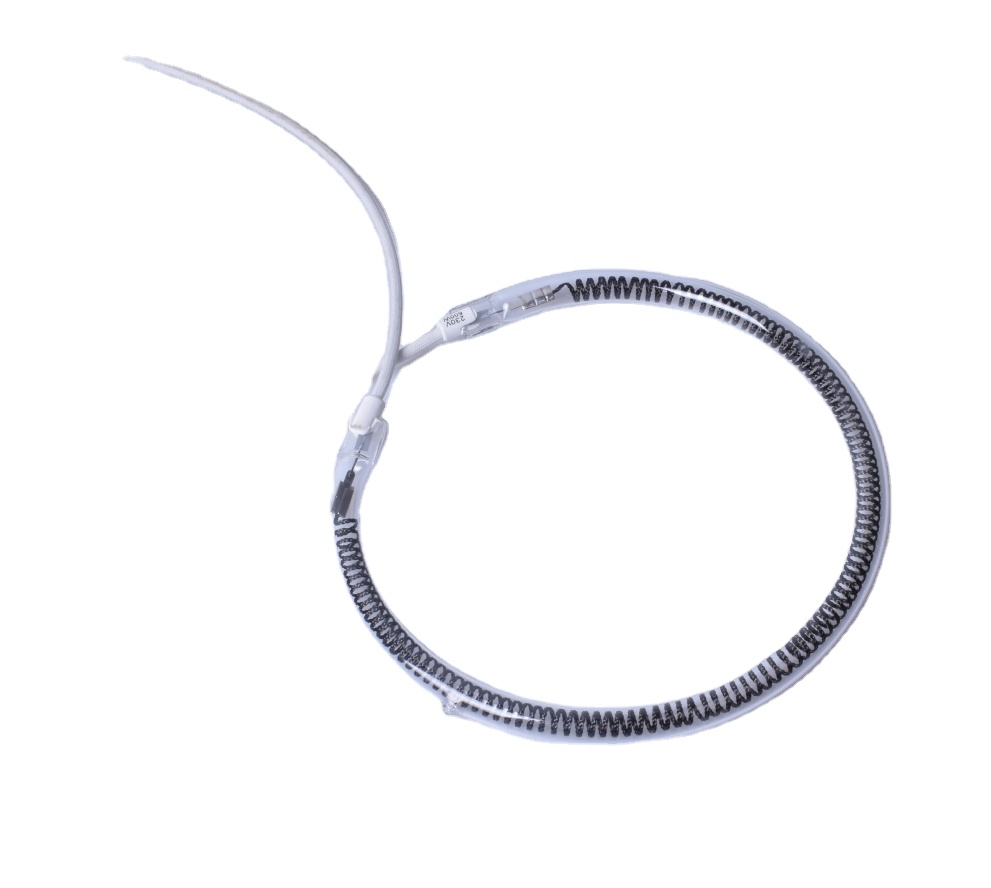
Standard & Custom Components
Featured Industrial Quartz & Infrared Heating Solutions
Factory-direct OEM/ODM thermal components engineered with synthetic and natural fused quartz glass, ensuring maximum spectral transmission, mechanical endurance, and thermal shock resistance for Pomeranian manufacturing lines.
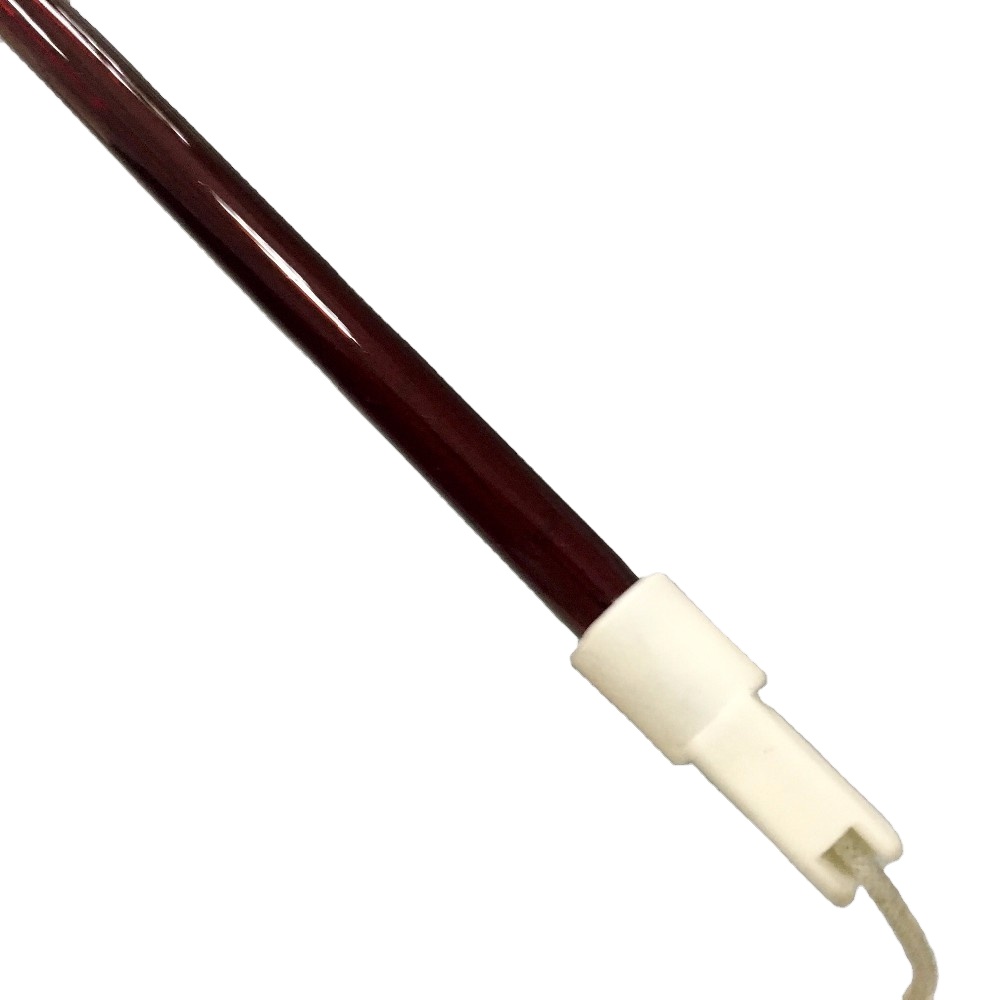
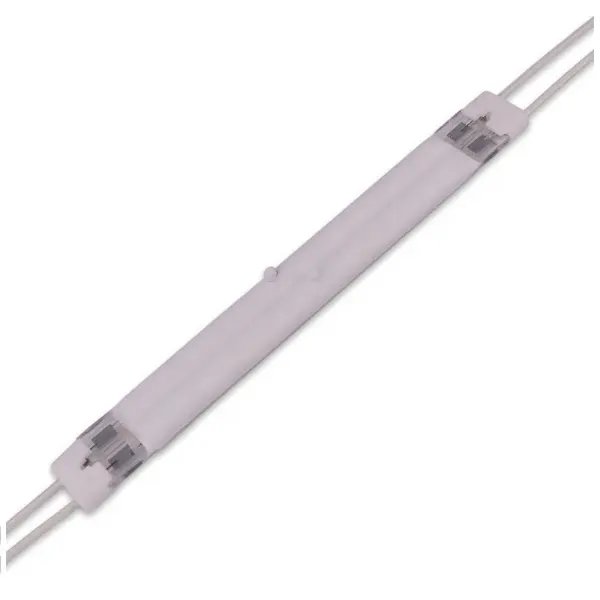
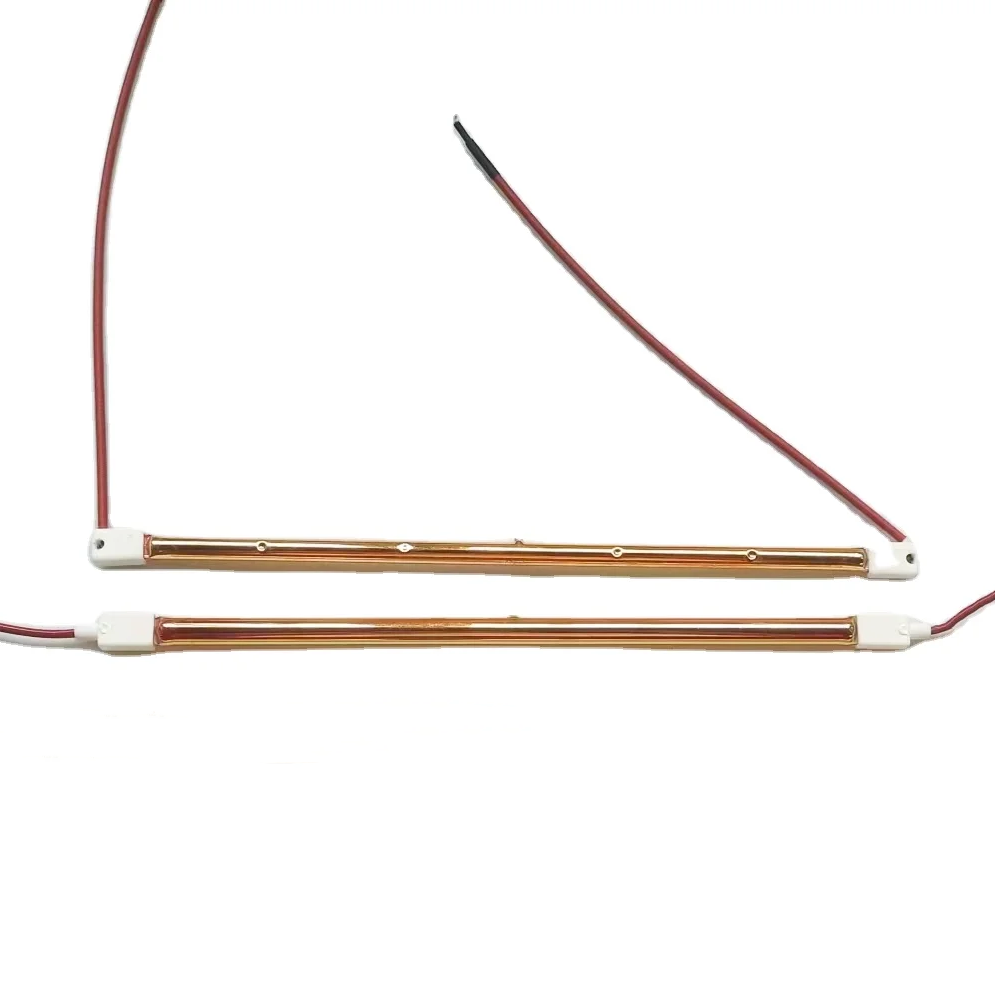
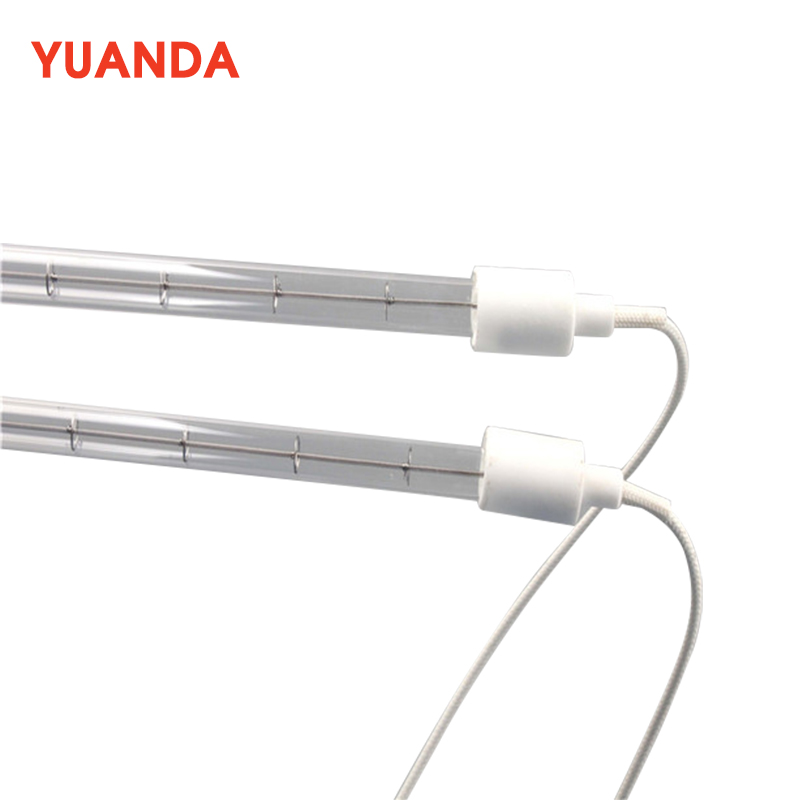
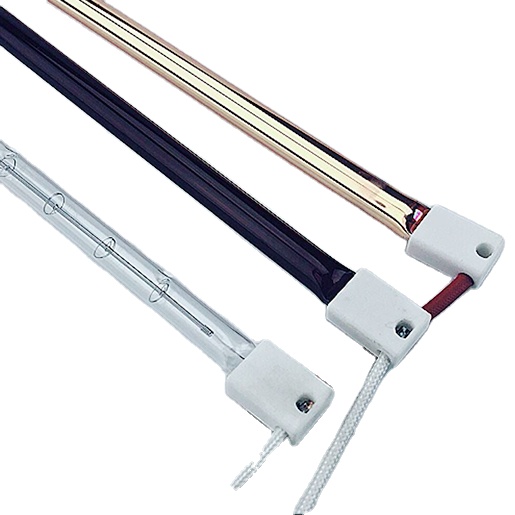
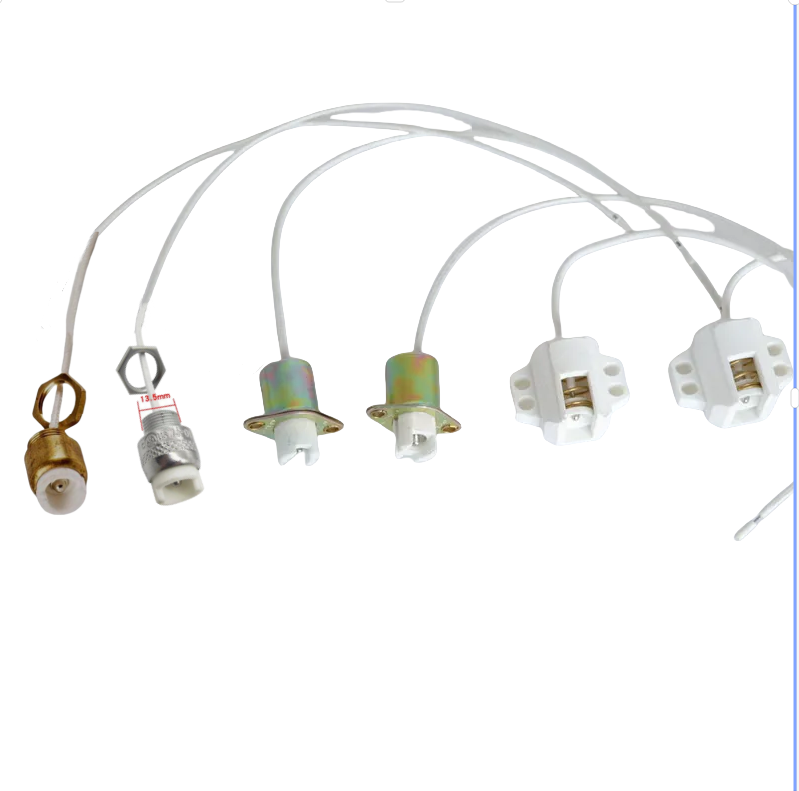
OEM Element Terminations
Halogen Infrared Heating Lamp R7S Ceramic Lamp Holder R7S Ceramic Lamp Holder
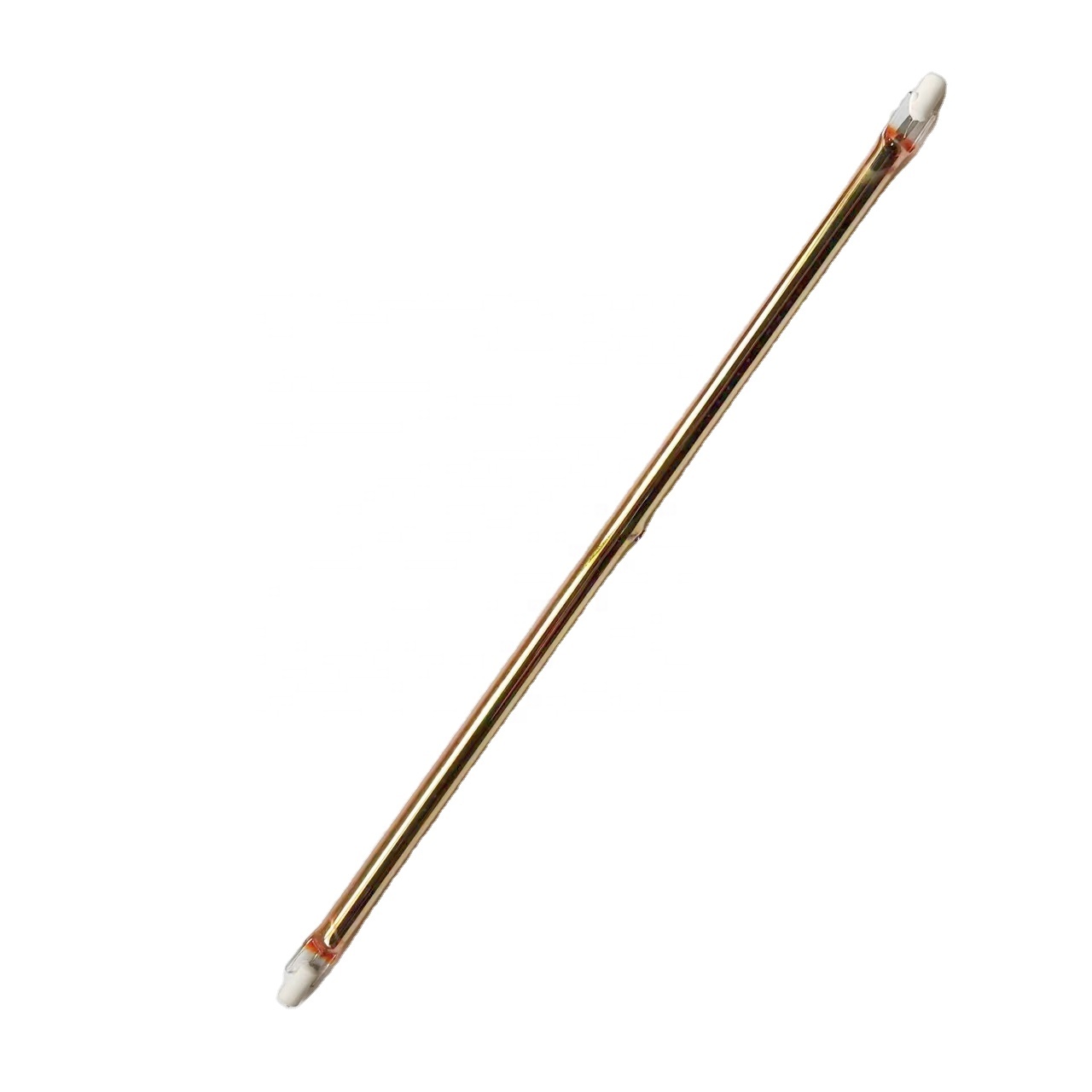
OEM Thermal Radiator
Low Prices R7S Short Wave Halogen Infrared Heating Lamp for Bread Toaster
2014
Founded with Direct Silica Raw Material Sourcing
10+ Yrs
Precision OEM/ODM Export Experience in Europe
81-90%
Direct Export Rate Serving Western & Northern EU
≤ 4h
Rapid Engineering Inquiry Review & Quoting
Engineering Overview: Fused Quartz & Infrared Radiators for Baltic Heavy Industry
Industrial manufacturing across Pomerania (Województwo Pomorskie) has experienced rapid technological transformation. Driven by modernization in the Gdańsk-Gdynia-Sopot Tricity (Trójmiasto) hub, procurement managers frequently demand elevated physical thresholds from their thermal equipment components. Fused quartz glass (SiO₂) represents an unparalleled substrate material across these demanding environments due to its extraordinarily low thermal expansion coefficient (~5.5 × 10⁻⁷ / K), exceptional structural integrity at constant operating temperatures exceeding 1100°C, and almost lossless electromagnetic transmission stretching across ultraviolet to near/medium-wave infrared spectra.
Whether employed as combustion observation sight glasses in maritime diesel retrofits, chemical quartz reaction chambers in petrochemical complexes around the Martwa Wisła, or infrared heating modules deployed in high-speed shrink wrapping and thermoforming packaging corridors, custom-fabricated silica glassware solves fundamental issues of thermal shock, chemical corrosion, and localized emitter failure.
| Physical / Thermal Parameter | Fused Quartz (Clear JGS2/SG-1) | Standard Borosilicate Glass | Operational Impact for Gdańsk Facilities |
|---|---|---|---|
| Max Continuous Operating Temp | 1,100 °C (Short peak to 1,450 °C) | 450 °C – 500 °C | Prevents thermal sag in continuous polymer thermoforming and drying ovens. |
| Thermal Shock Resistance (ΔT) | > 1,000 °C (Water Quench Proof) | ~ 150 °C | Zero shatter risk during cold Baltic draft ingress or rapid emergency shutdowns. |
| Hydrolytic / Acid Resistance | Class 1 / Acid proof (Except HF/H3PO4) | Class 1 | Critical for aggressive marine atmosphere (saline mist) and refinery exhaust vapors. |
| IR Transmission Efficiency | > 92% (from 0.20 μm to 3.5 μm) | < 78% (high cutoff) | Maximizes thermal radiative transfer, drastically reducing electrical wattage overhead. |
| Dielectric Strength (20°C) | 25 – 40 kV/mm | 10 – 15 kV/mm | Complete electrical insulation in high-power twin-tube IR emitters. |
By controlling the complete vertical manufacturing spectrum—from high-purity natural silica sand refinement in Lianyungang (Donghai geological zone) down to diamond-tool milling, hot flanging, fire polishing, and vacuum tungsten filament coiling—our facility supplies Gdańsk plants with exact-tolerance replacements and bespoke components that match or outperform domestic OEM spares at competitive unit margins.
Regional Implementation
Localized Application Scenarios in Northern Poland
Tailoring optical quartzware and rapid-response infrared modules to the key economic sectors of the Pomeranian Special Economic Zone (PSEZ) and the Tricity maritime basin.
Shipbuilding & Marine Engineering
Shipyard Surface Coating & Exhaust Monitoring
Facilities along the Martwa Wisła and Stocznia Gdańska utilize high-power gold-coated short-wave IR emitters for flash-curing anti-corrosion maritime polyurethane coatings on ship hulls. High-purity quartz observation discs withstand extreme pressure surges inside marine exhaust gas cleaning (scrubber) systems and boiler inspection ports without clouding from sulfuric acids.
Petrochemical & Refining
Refinery Synthesis Columns & Flow Cells
Adjacent to the Gdańsk refining complex, chemical processing setups require fused silica reaction vessels, bubble level sight gauges, and custom spectrophotometer flow cells. Quartz’s resistance to boiling acids (hydrochloric, nitric) ensures zero trace-element leaching during hydrocarbon purity testing and analytical lab titrations.
Packaging & Plastics Processing
High-Speed PET Blowing & Thermoforming
In the Pruszcz Gdański and Tczew logistics hubs, food-grade bottle blowing machinery demands circular carbon fiber and twin-tube ceramic-backed halogen emitters. Directing heat specifically into preform bottle necks without structural warping optimizes blow molding speed while lowering electricity draw across 24/7 operating cycles.
Strategic Analysis
Industrial Modernization Trends in Gdańsk’s Quartz Market
How environmental regulations, rising energy tariffs, and offshore investments are transforming component procurement criteria across northern Polish factories.
Electrification Over Gas-Fired Convection
Surging natural gas volatility and EU carbon quota mandates are accelerating the conversion of conventional hot-air drying ovens to electric quartz infrared emitters. Direct radiative IR heating achieves thermal energy transfer in under 1.5 seconds, eliminating preheating cycles and trimming electrical consumption by up to 42% in drying tunnels across regional furniture and metal workshops.
Demand for Directional Reflector Technologies
Maintenance engineers across Pomeranian blow-molding and paint lines increasingly reject unbacked clear IR tubes. The market has definitively shifted toward integrated reflective backings—specifically 24K gold coatings for near-infrared reflection (>95% forward output) and white ceramic coatings for high-temperature durability—preventing oven frame overheating and maximizing flux density on the target substrate.
Offshore Wind Support & Composite Curing
With the expansion of Baltic offshore wind farms, manufacturing yards in the Port of Gdańsk are fabricating massive structural turbine components, nacelles, and specialized blades. Medium-wave carbon quartz lamps provide deep, non-destructive, resin-penetrating crosslinking for thick carbon and glass fiber composites without scorching surface polymers.
Why Kavri Quartz
Engineering Strengths & Supply Chain Reliability
From raw quartz quartz sand refinement to ISO-standard glass working, we solve the exact logistical and precision challenges faced by European procurement teams.
Raw Material Origin Advantage
Our production facilities are situated in Lianyungang, adjacent to Donghai County—the global epicenter of high-purity natural silica reserves. Direct raw mineral access translates into superior optical clarity (SiO₂ content ≥ 99.99%), zero bubble inclusion in vacuum tubes, and an uncompromised cost foundation.
Direct Drawing & Sample Duplication
We routinely re-engineer discontinued or exorbitant OEM replacement emitters for machines by Sidel, Krones, Heidelberg, and custom European conveyor ovens. Send us a technical schematic, dimensional sketch, or an exhausted lamp sample: we match voltage, heated length, ceramic cap profiles, and filament wattage with micron precision.
Robust Export Packaging for Baltic Freight
Fragile quartz parts require rigorous transit safeguards. We employ multi-layer suspension packaging, heavy-gauge EPE shock-absorbent foam profiling, and reinforced wooden export crating. Every shipment shipped via air courier or sea container directly into Port Północny arrives with zero micro-fractures, verified by pre-dispatch testing.
Procurement Guidance
Frequently Asked Questions by Polish Plant Engineers
Addressing the practical customs, technical, electrical, and commercial questions involved in sourcing quartz glass and emitters for Gdańsk facilities.
How are import customs, CE compliance, and VAT handled for Poland?
We supply complete commercial documentation, including certificates of conformity (CE, RoHS), accurate HS code classifications (e.g., 8539.49 for IR lamps, 7002.31 for quartz tubing), and Certificates of Origin. We frequently ship under DDP terms where import clearance and Polish VAT (23%) handling are streamlined directly to your plant door in Pomerania.
Can you customize voltage for Polish three-phase 400V industrial grids?
Yes. While 230V single-phase emitters are common, we routinely engineer high-output twin-tube quartz emitters wired for 400V, 415V, or 480V delta/star systems. This allows high-wattage lamp arrays in industrial dry tunnels to run at lower amperage, reducing transformer stress and wiring cross-section costs.
How do I determine whether my process requires Short-Wave or Medium-Wave?
Short-wave halogen (peak 1.0–1.2 μm) delivers high penetration depth, ideal for heating dense bodies like PET bottle preforms or metal sheet coatings rapidly. Medium-wave carbon fiber (peak ~2.0–2.6 μm) matches the resonance absorption peaks of water, organic solvents, and plastics, making it far more efficient for drying paints, adhesives, and textile finishes without bubbling.
What is the typical Minimum Order Quantity (MOQ) for bespoke quartz pieces?
For custom-cut quartz plates, sight glass discs, or custom-machined laboratory flow cells, our baseline MOQ starts at just 5 to 10 units to support prototyping and machine replacement trials. Standard infrared heat lamp batches can be initiated at 10 units, with high-volume volume discounts applying at 50+ units.
What dimensional tolerances can your CNC quartz glass machining achieve?
Standard cutting and edge grinding tolerances are kept within ±0.1 mm to ±0.2 mm. For optical windows, precision flow cells, and semiconductor carrier boats, CNC precision grinding and optical polishing can hit tolerances as tight as ±0.02 mm with surface roughness Ra < 0.2 μm.
How do you safeguard fragile quartz tubes against breakage during winter transit?
Every lamp or tube is individually packed inside an internal rigid cardboard sleeve, buffered with high-density foam caps, and nested in multi-flute reinforced master cartons. For sea and multimodal rail routes to Gdańsk, master cartons are shrink-wrapped on ISPM-15 heat-treated pallets or crated in solid plywood to absorb vibrational shocks.
Connect With Our Quartz Engineering Team Today
Whether you require direct replacements for existing heating ovens, urgent replacement quartz sight glasses, or custom components designed from CAD schematics, our factory technical staff is ready to review your parameters and provide an expedited quotation within 4 hours.
Contact Us