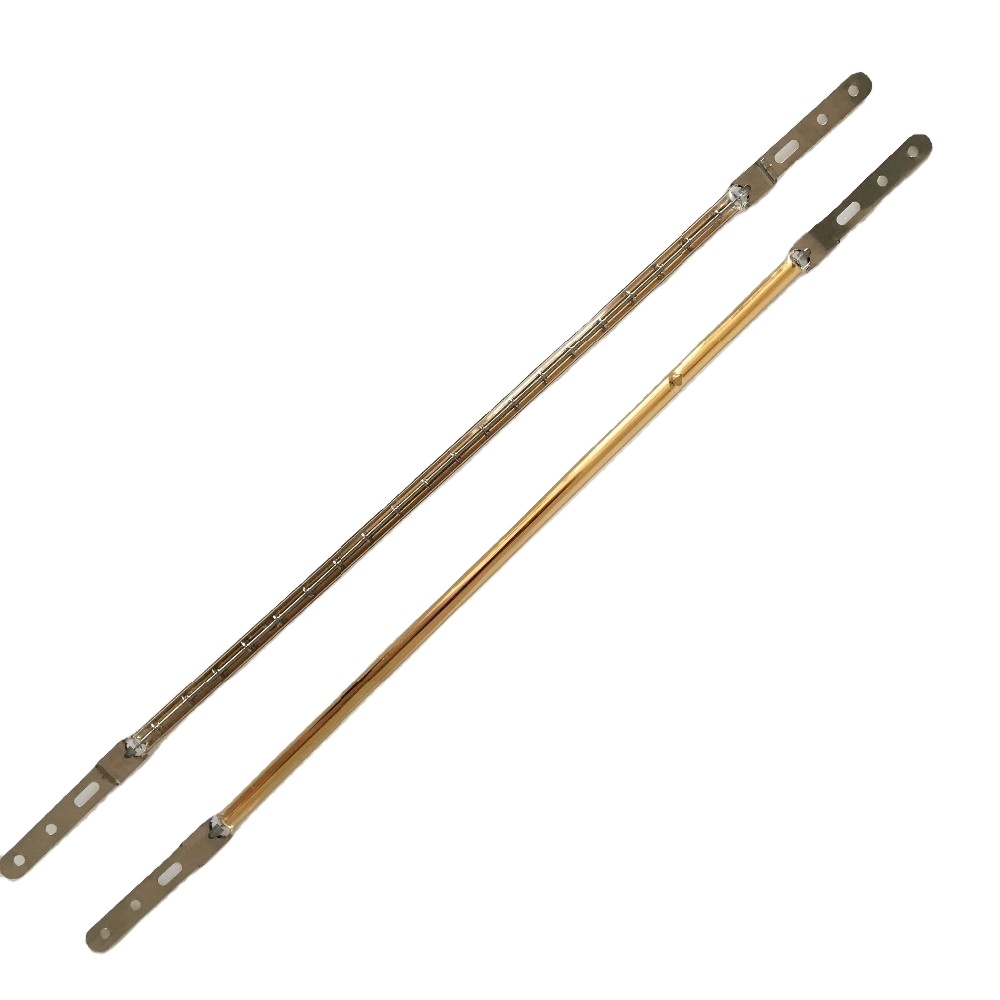
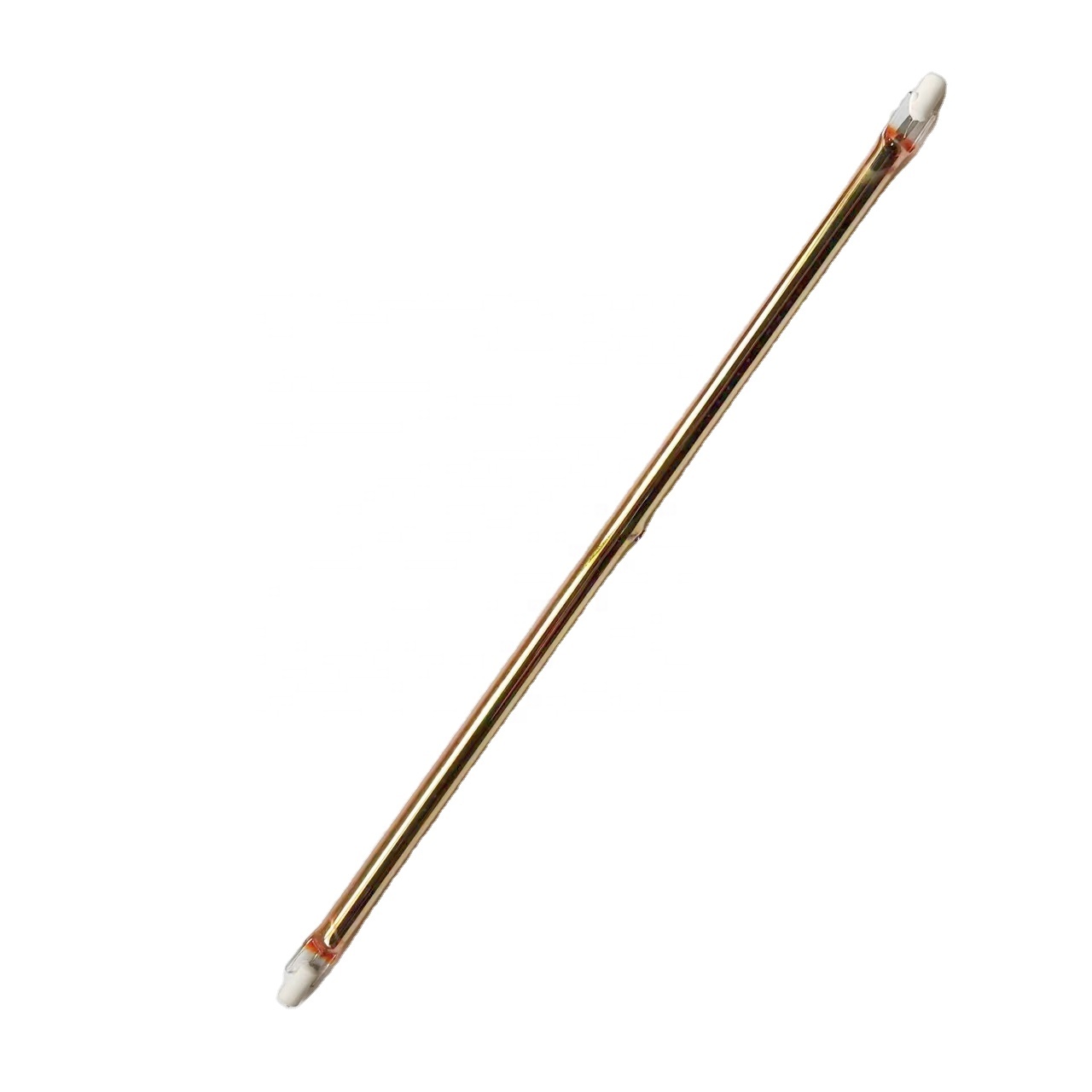
Halogen Quartz Half Gold Infrared Heating Lamps for Flash Dryer Screen Printing
Half-Gold Coated
Fast Response
Screen Print
Standard and custom-engineered quartz infrared tubes, heating elements, and radiation emitters built for high-uptime manufacturing lines across Portmore and the Greater Kingston metropolitan logistics belt.
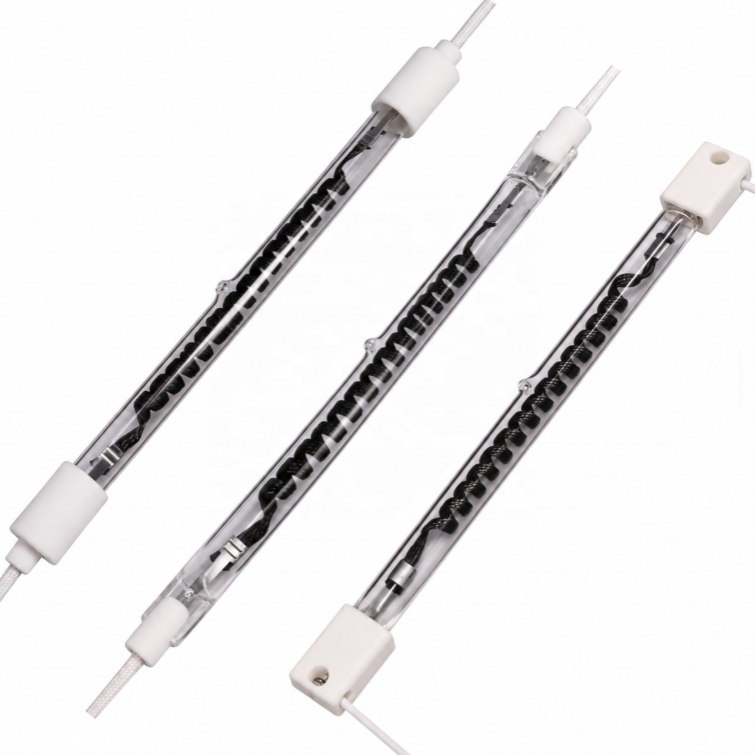
An in-depth engineering appraisal of electromagnetic radiation kinetics, metal-halide dopants, and fused silica transmission envelopes customized for Caribbean manufacturing reliability.
Ultraviolet (UV) curing is not an evaporative drying phenomenon; it is an instantaneous, solventless chain-reaction photopolymerization governed by Planck-Einstein relation (E = hν). Commercial ink, coating, and adhesive formulations rely on precise spectral matching between the photoinitiator absorption curves (200 nm to 450 nm) and the spectral irradiance generated within an ionized quartz envelope. Kavri Quartz engineers custom OEM medium-pressure mercury arc lamps, iron-doped (D-bulb), gallium-doped (V-bulb), and hybrid IR/UV configurations to deliver predictable peak irradiance (W/cm²) and energy density (J/cm²) directly addressing the processing challenges in Portmore's coastal industrial zone.
Free-radical and cationic UV chemistries require specific threshold wavelengths. Alpha-hydroxyketones and phosphine oxides absorb vigorously between 240 nm and 380 nm. Insufficient short-wave energy yields tacky, under-cured surfaces due to atmospheric oxygen inhibition, whereas deficient long-wave UVA results in weak substrate adhesion and incomplete through-cure.
To cure heavily pigmented layers (such as titanium dioxide whites or dense carbon blacks in Portmore flexo converting), standard mercury arc output (254 nm, 313 nm, 365 nm) is modified. Incorporating metal halides (Iron Fe or Gallium Ga) redistributes spectral power toward 380–420 nm, allowing photon penetration through 100+ microns of opaque ink films without surface skinning defects.
Manufactured from high-purity fused quartz (>99.99% SiO₂) in Lianyungang, our envelopes possess low hydroxyl (-OH < 20 ppm) concentration. This prevents premature devitrification under intense arc temperatures (600°C–900°C) and prevents solarization—a degradation mode where inferior quartz turns opaque to UV wavelengths after a few hundred operating hours.
| Emitter Technology | Predominant Output Band | Penetration Depth | Surface Cure Efficacy | Primary Industrial Use-Case |
|---|---|---|---|---|
| Standard Medium-Pressure Mercury | UVC (200–280nm) & UVA (365nm) | Superficial to Moderate (<25 µm) | Exceptional (Overcomes O₂ Inhibition) | Overprint varnishes, clear topcoats, graphic screen printing |
| Iron Metal-Halide (D-Bulb) | UVA Concentrated (350–400nm) | Deep Penetration (<75 µm) | Moderate (Requires secondary UVC) | Thick polymer potting, composite resins, pigmented screen inks |
| Gallium Metal-Halide (V-Bulb) | Near-UV / Violet (400–450nm) | Maximum Penetration (100+ µm) | Low (Needs Mercury companion) | Titanium dioxide white primers, opaque plastics, thick adhesives |
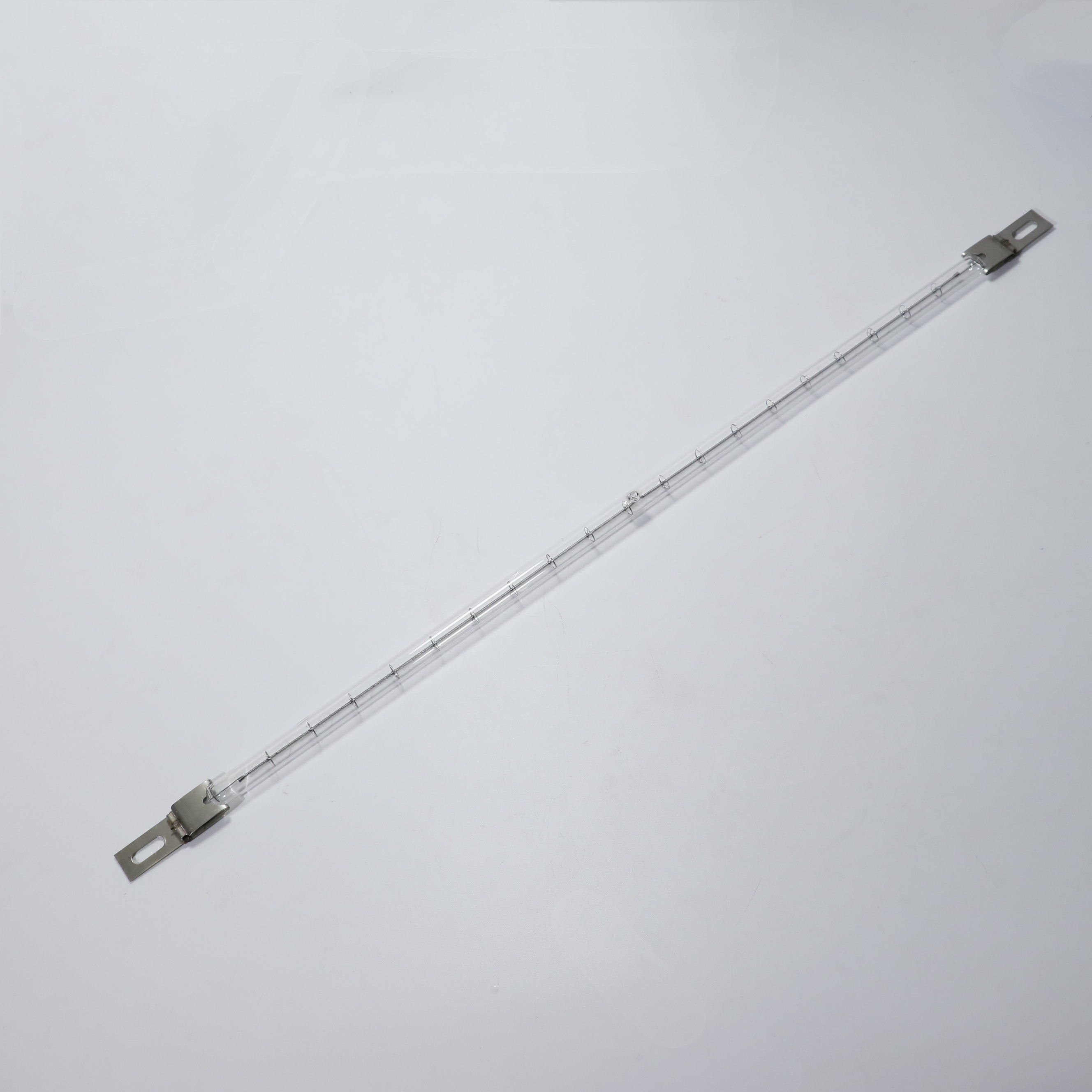
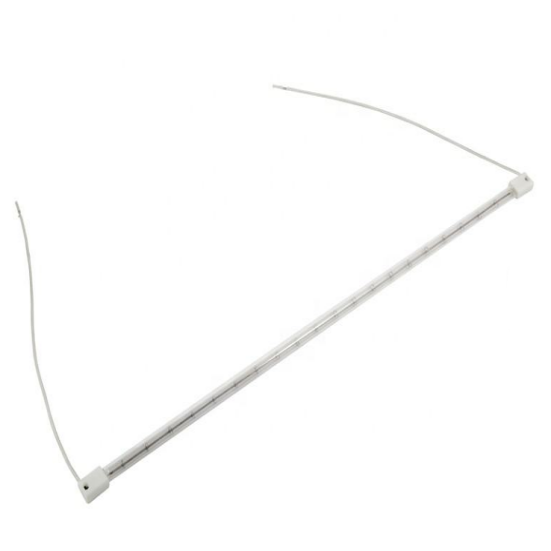
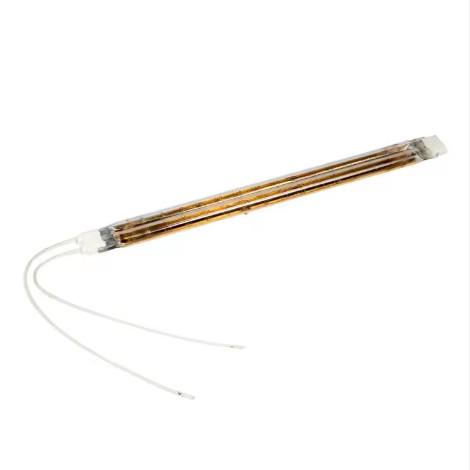
| Twin-Tube Shortwave Halogen (IR) | Near-Infrared (1.0–1.4µm) | Bulk Thermal Excitation | N/A (Thermal Evaporation / Sintering) | Pre-heating substrates, water-based primer flash evaporation |
| Carbon Fiber Medium-Wave (CIR) | Medium Infrared (2.0–2.6µm) | Resonance Absorption in Polymers | N/A (Gelation & Plastisol Cure) | Textile plastisol cure, powder coat pre-gelation, thermoforming |
Tailoring UV and IR radiation technology to the specific manufacturing clusters within Portmore, St. Catherine, and the surrounding Kingston transshipment trade corridors.
Portmore's proximity to Jamaica's main consumer product manufacturing hubs demands rapid turnaround on food and beverage packaging. Our high-flux UV lamps fit sheetfed offset and flexographic presses, curing UV barrier coatings instantaneously with zero VOC emissions and high gloss retention.
Contract apparel decoration and screen printing shops around Portmore require flash cure units that do not scorch synthetic poly-blends. Combining our gold-coated short-wave emitters with specialized medium-pressure UV lamps allows flash gelation of plastisol and instant crosslinking of specialty silicone inks.
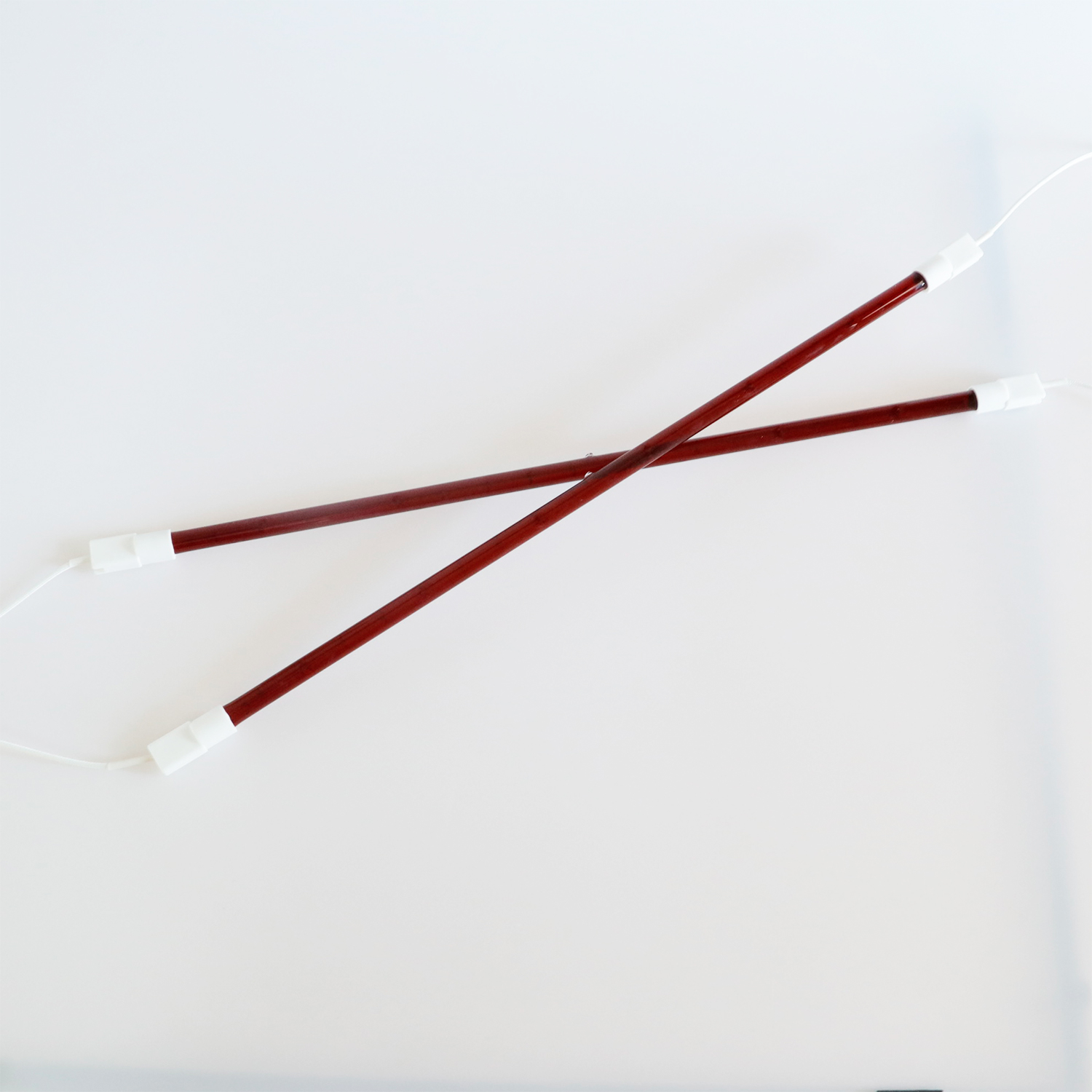
Auto collision and refinishing centers across the St. Catherine corridor utilize our ruby quartz short-wave lamps and mobile UV hand-curing arrays. Technicians dry primer surfacers in under 120 seconds, eliminating baking booth energy waste and accelerating throughput.
Portmore's coastal marine workshops and commercial architectural woodcrafters leverage UV curable epoxies and polyurethane lacquers. Custom quartz lamps provide instantaneous polymer vitrification resistant to maritime salt-spray degradation and tropical mold growth.
How Caribbean manufacturing modernizations, electricity tariff structures, and tropical atmospheric conditions are driving shifts toward precision OEM radiation systems.
Energy tariffs across Jamaica place a heavy operational burden on thermal gas convection ovens and antiquated drying tunnels. Precision UV photopolymerization and directional gold-coated quartz infrared emitters direct 95% of electrical energy strictly onto the working substrate, dropping thermal line consumption by up to 60%.
Relative humidity in Portmore regularly exceeds 80% during rainy seasons. Conventional solvent- and water-based varnishes suffer from blushing, solvent-trapping, and extended drying cycles under high ambient moisture. UV curing bypasses air drying entirely, ensuring identical, crosslinked surface hardness 365 days a year regardless of humidity spikes.
Under Jamaica's Special Economic Zone policies along the Kingston-Portmore transport corridor, export-oriented light manufacturing demands ISO-compliant, repeatable curing. Factory-direct OEM customization provides machines built in Europe, the Americas, or Asia with identical replacement drop-in lamps without brand markup.
Direct factory manufacturing from Lianyungang, Jiangsu—the epicentre of global quartz refining—backed by verified OEM customization and rigorous export safety protocols.
Situated directly in the Lianyungang / Donghai quartz cluster, Kavri Quartz accesses optical-grade silica sand with ultra-low iron and heavy metal impurities, delivering UV envelopes with maximum transmittance (up to 92% at 254–365 nm).
Every export production batch undergoes spectroradiometric irradiance verification, filament centring checks, high-pressure dielectric insulation testing, and hermetic vacuum seal integrity tests before export wooden-crate packing.
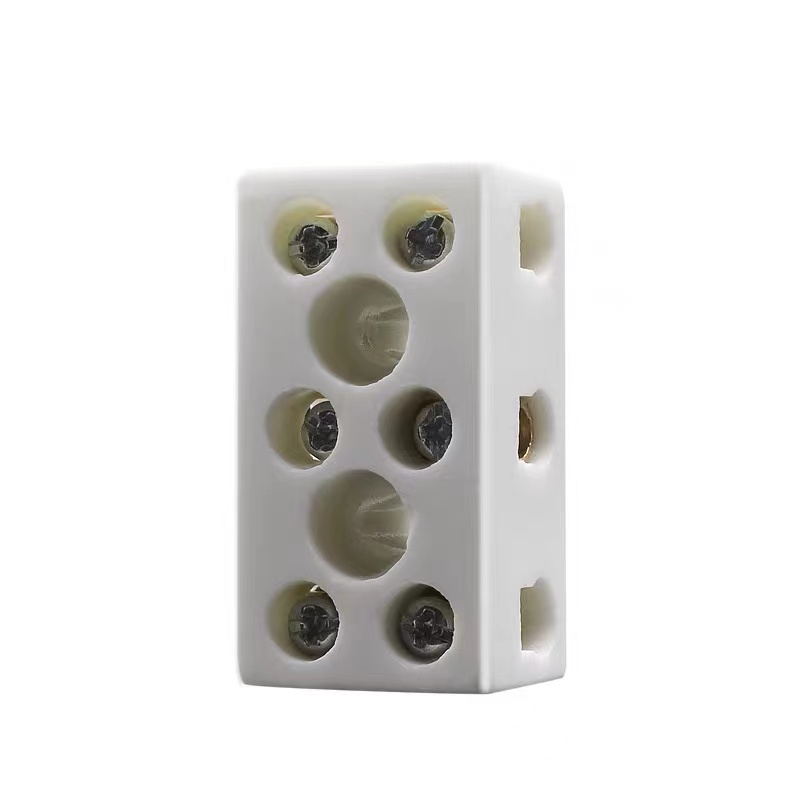
We custom-fabricate single-end, double-end, ceramic spade terminals, flat leads, and R7S endings compatible with 110V, 220V, 240V, 380V, and 480V installations across Portmore machinery retrofits without requiring chassis rewiring.
Experienced in handling CIF Kingston or DDP Portmore shipping terms. Shock-isolated honeycomb cartons and heavy-duty multi-ply wooden crates ensure 100% shatter-free transoceanic transit from our plant to your receiving dock.
Addressing critical questions on import clearances, grid compatibility, lamp lifetime, and OEM sample replication for procurement teams in Portmore, Jamaica.
Direct OEM manufacturing, exact cross-reference replacement, and rapid sample prototyping from our Lianyungang factory. Inquiries reviewed and answered within 4 hours by qualified application engineers.