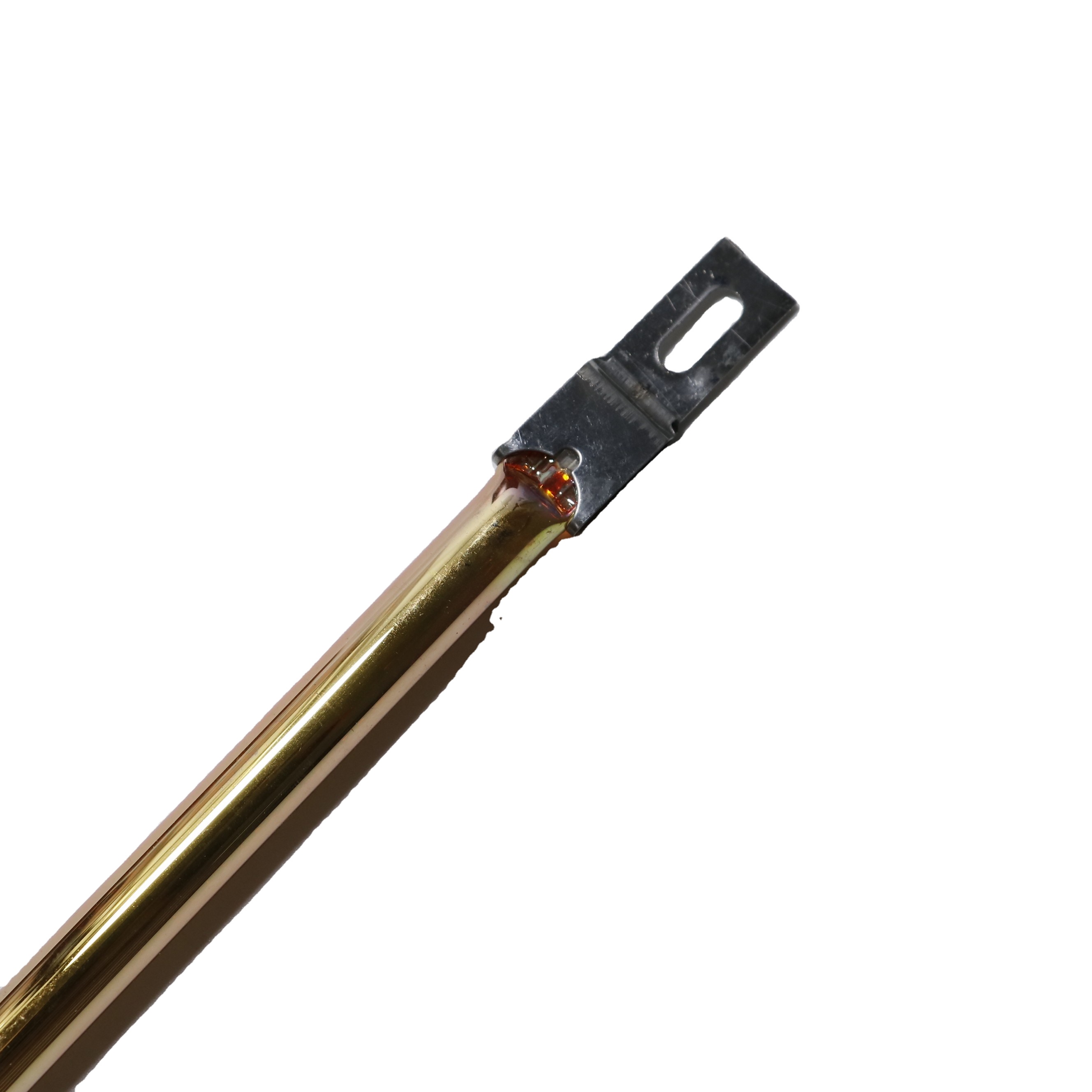
Full Gold Quartz Infrared Heating Lamp for Industrial Processing
- Peak Emission: 1.0 - 1.4 µm Short-Wave
- Reflector: 99.9% 24K Mirror Gold
- Target Line: Thermal Thermoforming
Direct factory supply of certified fused quartz, ruby-attenuated, and gold-vector infrared emitters tailored for industrial automation and line retrofit.
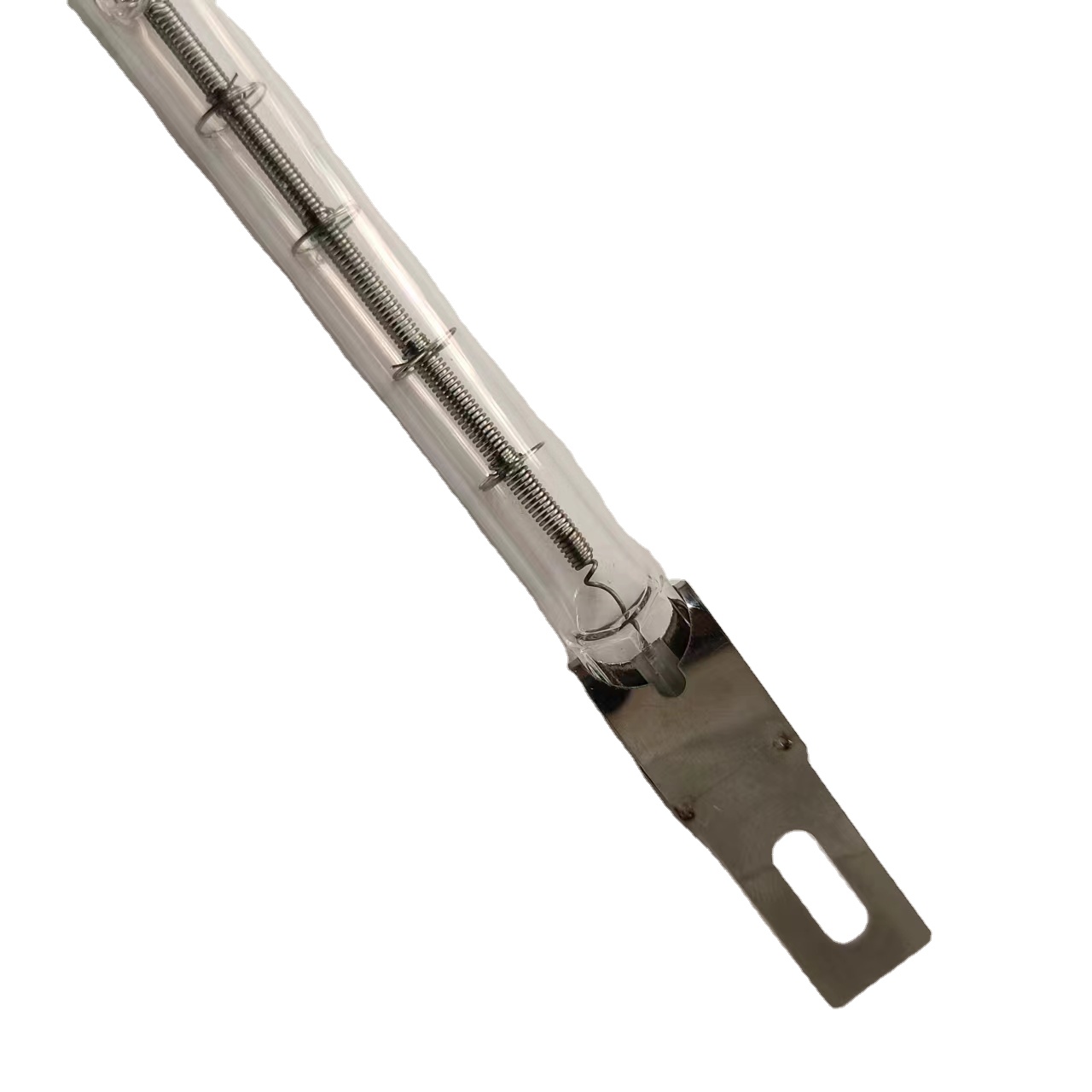
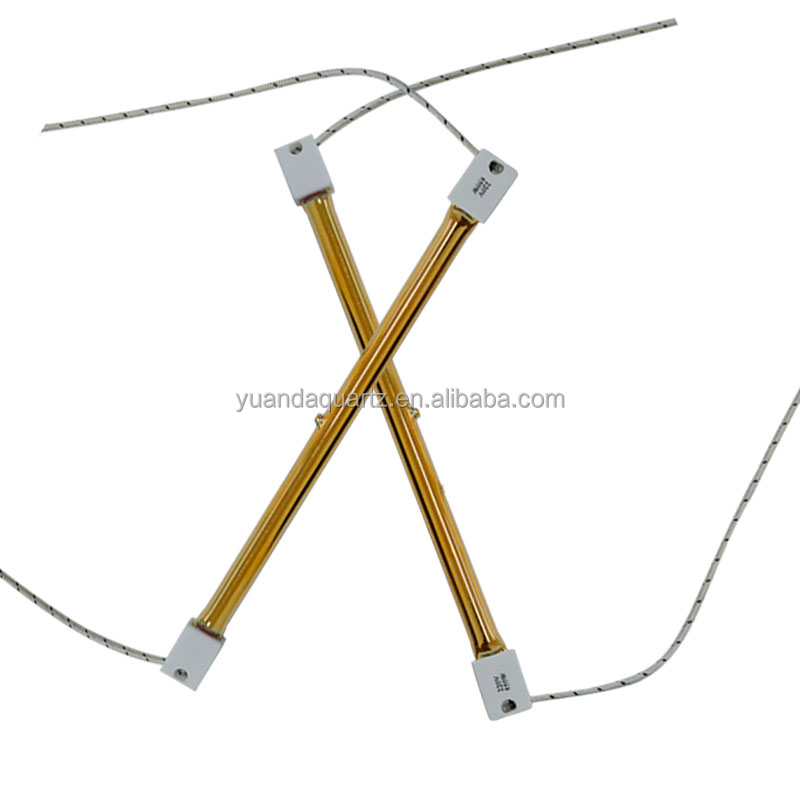
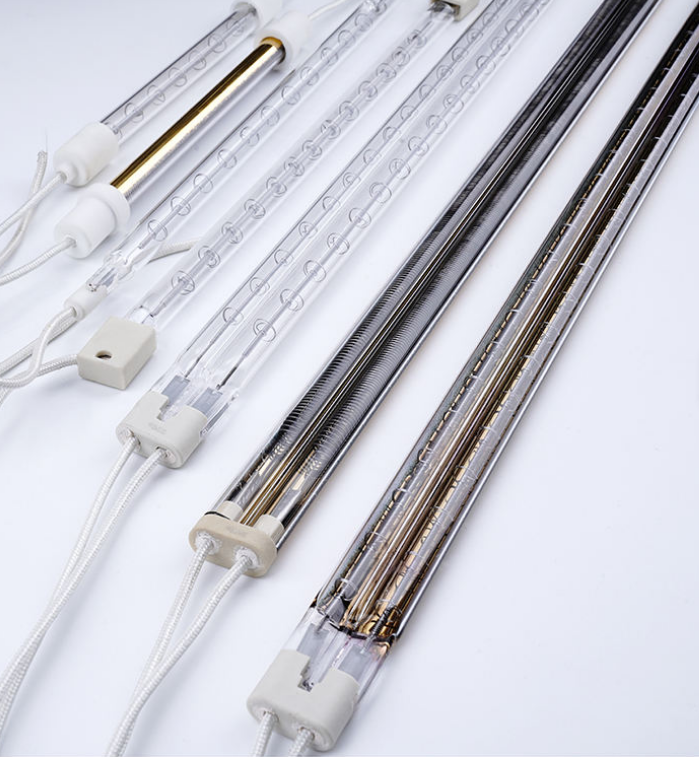
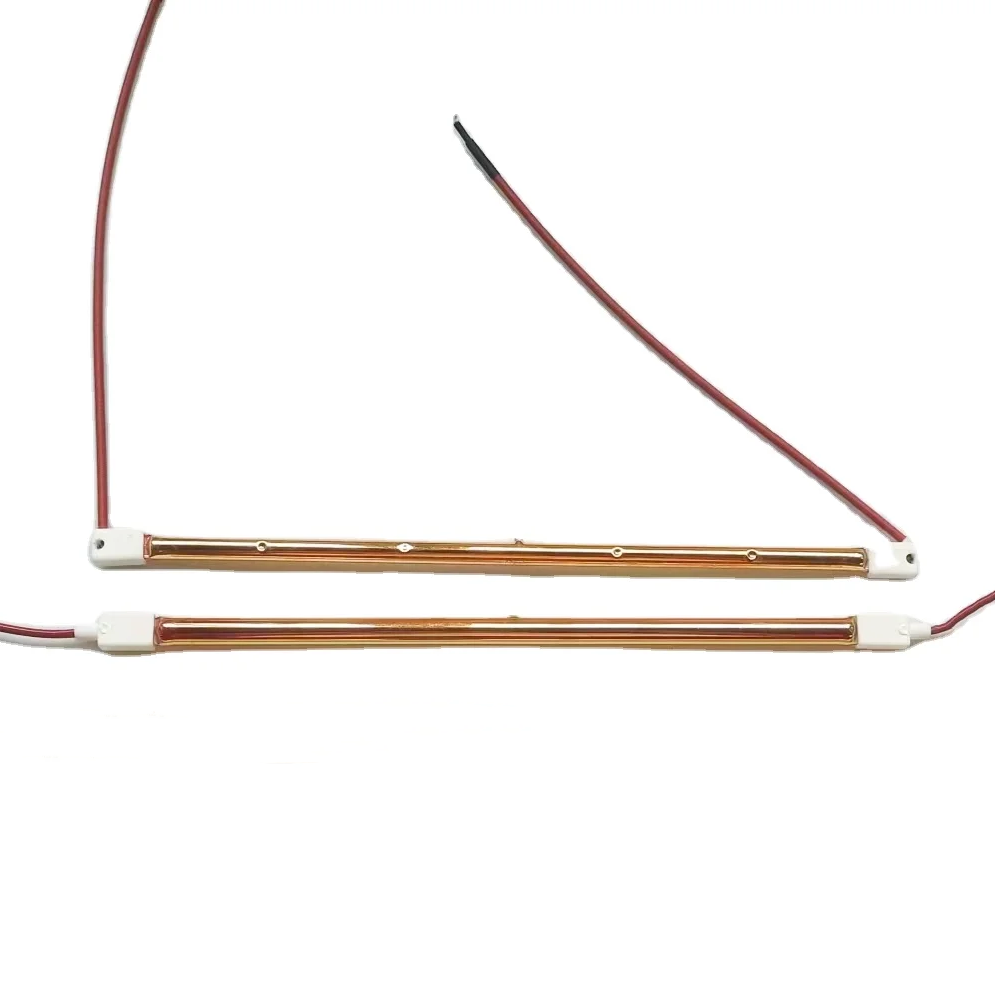
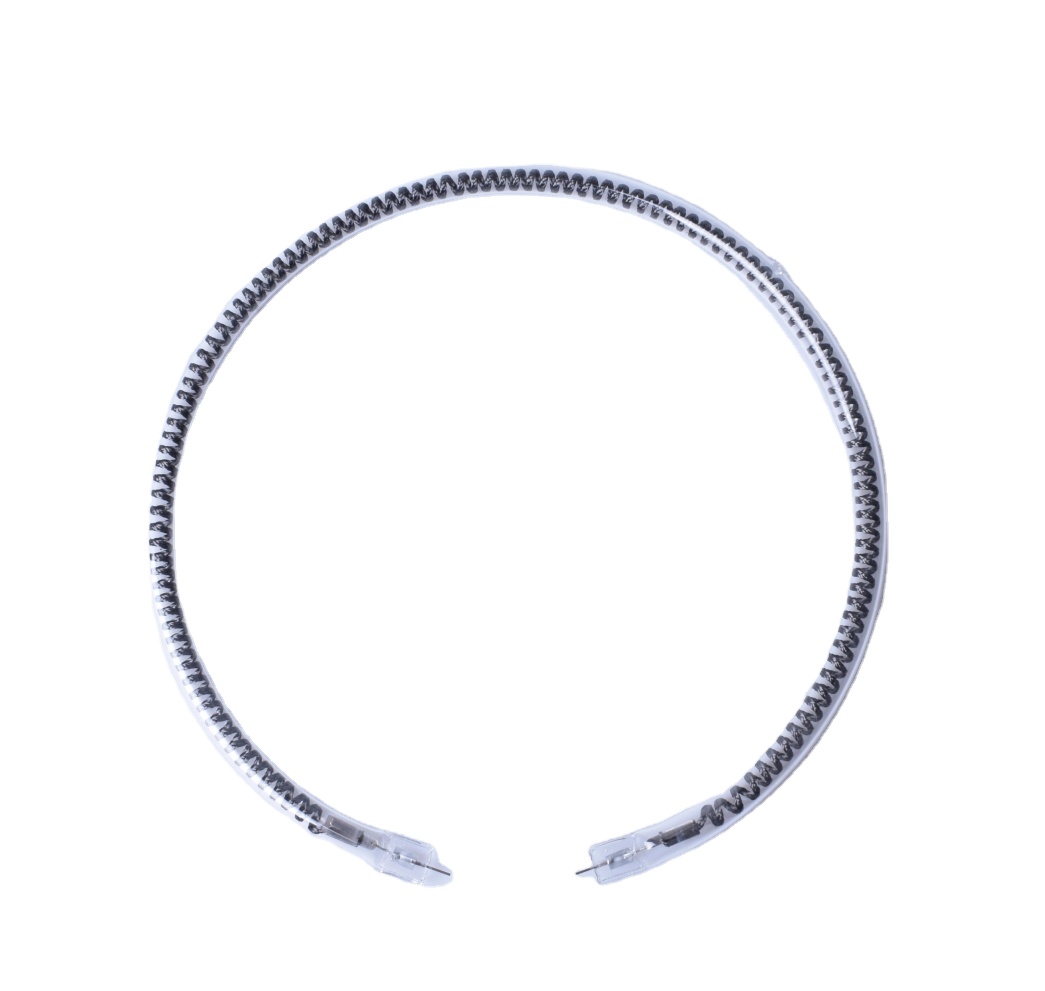
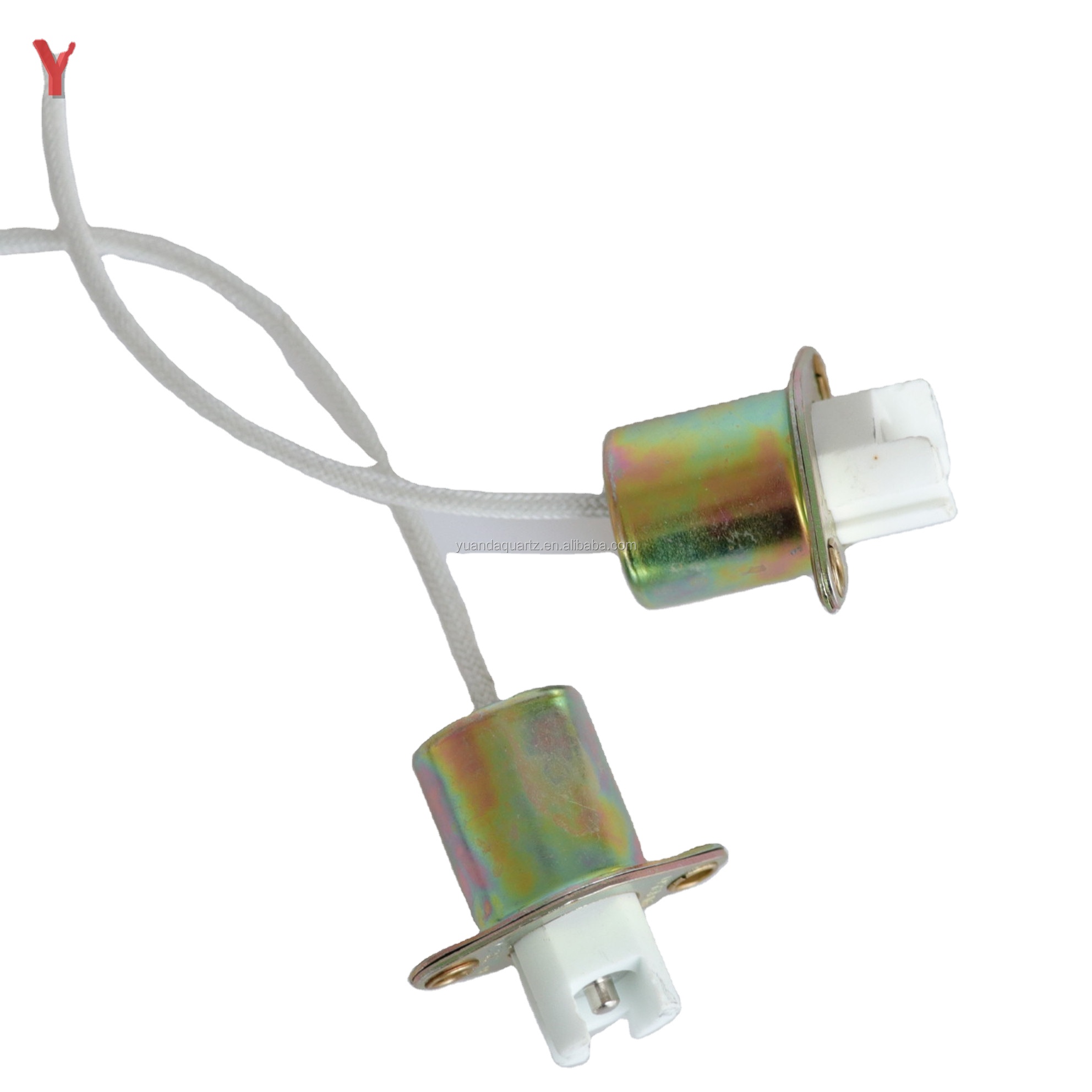
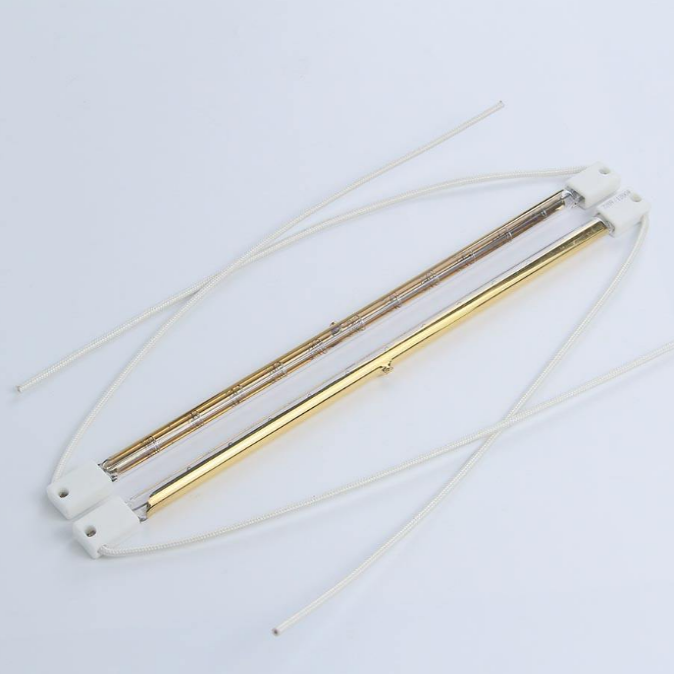
In modern Japanese industrial environments—particularly in high-precision assembly hubs across Higashiosaka, Sakai, and Amagasaki—ambient manufacturing conditions directly impact worker safety, optical vision systems, and energy conversion efficiency. Traditional tungsten halogen lamps produce high radiant output; however, upwards of 15% to 20% of that energy is expelled as intense visible glare within the 380 nm to 750 nm spectrum. This intense luminosity causes severe optical fatigue for automated vision inspection systems and human line operators alike.
Kavri Quartz integrates a proprietary ruby glass formulation. Through atomic-level iron and rare-earth doping during the fused silica refinement process at our Lianyungang facilities, our Ruby Infrared Heating Lamps function as true bandpass optical filters. They completely eliminate harmful UV rays, filter out 85% to 92% of the blinding visible spectra, and transmit peak photothermal infrared radiation in the 0.78 µm to 1.4 µm short-wave bracket.
| Thermal Radiation Architecture | Peak Spectral Transmission | Visible Glare Emission (Lux) | Optical Conversion Yield | Key Osaka Machine Integration |
|---|---|---|---|---|
| Kavri Ruby Doped Quartz | 0.9 – 1.3 µm (Short-Wave Core) | < 180 Lux (Ultra-Low Fatigue) | 93.8% Photothermal | Cleanroom Inspection, Thermoforming, Roll-to-Roll Films |
| 24K Full Gold Coated Quartz | 1.0 – 1.4 µm (Directed Forward) | 1,200 – 1,800 Lux | 96.2% Directional Vector | High-Speed PET Preform, Solder Reflow, Screen Printing |
| Half-White Ceramic Reflector | 1.1 – 1.6 µm (Broad Short-Wave) | 2,400 – 3,500 Lux | 88.5% Thermal Forward | Continuous Polymer Ovens, Textile Finishing Tunnels |
| Pure Carbon Fiber (Medium-Wave) | 2.0 – 2.8 µm (Resonant Medium) | Minimal Soft Amber (< 90 Lux) | 84.0% Volumetric | Water-based Inks, Powder Coating, Automotive Plastic Curing |
By eliminating harsh glare without degrading thermal flux density, industrial plants maintain thermal transfer rates while ensuring camera lenses on robotic pick-and-place lines operate free of optical blooming and chromatic flare.
Purpose-engineered heating emitters solving real-world production bottlenecks across Osaka's specialized manufacturing ecosystem.
Electronics manufacturers in the northeast Osaka cluster require cleanroom-compatible radiant heating that avoids solvent blistering. Our ruby emitters provide instant on-off cycling, ensuring polyimide substrates and conductive nano-silver inks dry uniformly without localized convective air currents carrying particulate contaminants.
Osaka Bay’s green energy and battery plants rely on high-intensity short-wave ruby heating arrays for instantaneous solvent evaporation in lithium battery cathode and anode slurry coatings. The directed short-wave profile penetrates deep into the slurry layer, eliminating skin formation and preventing micro-cracking during fast calender rolling.
Higashiosaka's dense cluster of moulders and small-to-mid specialized factories requires highly accurate heat profiles. Our ruby and gold-coated short-wave elements deliver stable radial heating on thick-walled preforms and engineering plastics (POM, PBT), cutting cycle times by up to 28% compared to ceramic rod heaters.
The manufacturing sector in Western Japan is navigating an unprecedented structural transition driven by the Ministry of Economy, Trade and Industry (METI) carbon neutrality roadmaps and high commercial electricity tariffs in the Kansai region. Facilities that historically relied on oversized gas-fired convection curing tunnels are actively retrofitting to electrified, instant-response short-wave infrared systems.
Kavri Quartz supports this energy transition by offering targeted OEM heating systems that match specific absorption resonance peaks. Key market shifts include:
Unlike thermal fluid or hot-air recirculation loops requiring 30 to 45 minutes of pre-heating, Kavri quartz halogen lamps achieve full operational irradiance within 1.0 second. This enables continuous line stop-and-go automation without consuming idle power.
Osaka chemical and polymer converters are shifting to hybrid processing lines: combining ruby short-wave emitters for fast core cross-linking with carbon fiber medium-wave lamps (2.0–2.8 µm) for water-based topcoat flashing, cutting total kilowatt draw by 35%.
Urban Osaka production facilities face space constraints. Direct radiation lamps deliver up to 80 kW/m² of thermal flux density, allowing line builders to reduce tunnel lengths from 18 meters down to 6 meters, saving shop-floor real estate.
Why machine engineering houses and Japanese import trading companies partner with Kavri Quartz Co., Ltd.
Located in Lianyungang, Jiangsu, we sit adjacent to Donghai—the world center of high-purity natural silica. We directly melt and fuse optical quartz tubes with SiO2 purity exceeding 99.998%.
From single-tube round formats to dual-tube (11×23mm, 15×33mm) geometries, custom filament winding pitch, gold sputtering, and ceramic R7S/lead termination, we engineer directly to customer drawings.
Every batch undergo cold-resistance testing, vacuum halogen fill verification, high-voltage flash dielectric tests, and thermal cycle durability under continuous cycling up to 1,100°C.
Extensive export handling with dedicated multi-layer shockproof suspended packaging. Fast air-freight direct to Kansai International Airport (KIX) and sea-freight consolidation into Osaka Port.
Direct answers addressing technical integration, Japanese electrical code compatibility, and delivery logistics.
Yes. While global standard configurations frequently default to 220V–240V or 380V–480V, our engineering department designs custom filaments specifically balanced for Japan’s domestic 200V single-phase and 200V 3-phase delta-connected line grids (both 50Hz and 60Hz systems). This ensures our lamps produce the intended rated wattage without filament under-driving or accelerated degradation.
Unlike coated ruby lamps produced with cheap exterior organic dip-dyes that volatilize, smoke, or peel when exposed to sustained tube temperatures of 800°C, Kavri lamps utilize solid-body doped ruby quartz. The tinting elements are fused into the silica lattice itself. The exterior glass surface remains pure non-porous quartz with zero outgassing, ensuring Class 1,000 and Class 100 cleanroom compliance.
Yes. Our technical team maintains an extensive cross-reference library for legacy Japanese and European machine emitters. If you supply the physical dimensions (overall length, heated length, tube diameter), voltage, wattage, and terminal block photos, we provide a replacement drawing with matched pinout, leads, and ceramic end-caps for drop-in retrofit.
Standard-line catalog components carry a trial MOQ of 8 to 10 pieces. For completely customized OEM prototype drawings, our sample department produces validation batches in 7 to 10 working days, shipped directly to Osaka, Kobe, or Kyoto via expedited courier.
Kavri uses reinforced packaging engineered specifically for long quartz tubes (up to 3,000 mm in length). Each lamp is suspended inside a rigid, high-density polyethylene spiral sleeve, encased in individual honeycomb cartons, and palletized inside fumigated plywood crates with tilt-and-shock indicators. Our transit breakage rate to Japan has remained below 0.15% since 2014.
Share your technical drawing, process specifications, or replacement part photos. Our senior thermal optical engineers will review your application and respond with a detailed CAD proposal and quotation within 4 hours.
Contact Us